Rehabilitation for Encephalopathy at Boya Clinic
Boya Hospital in Yuncheng admits children with the consequences of past brain injury. The program is built from a functional assessment — from what the child can and cannot do right now: exercise therapy, Tui Na massage, acupuncture, speech therapy, apparatus-based physiotherapy. The recommended course is 2–3 months, with payment on site and no prepayment.
What is Consequences of Encephalopathy?
The consequences of encephalopathy are what remains with a child after a past brain injury, once the acute period is over. The cause may have varied: oxygen deprivation at birth, an intrauterine or acquired infection, severe newborn jaundice, metabolic disturbances. The manifestations differ for everyone — delayed motor or speech development, altered muscle tone, difficulties with attention and learning, restless sleep. In one child mostly motor skills are affected, in another speech, in a third the lag is visible across several areas at once.
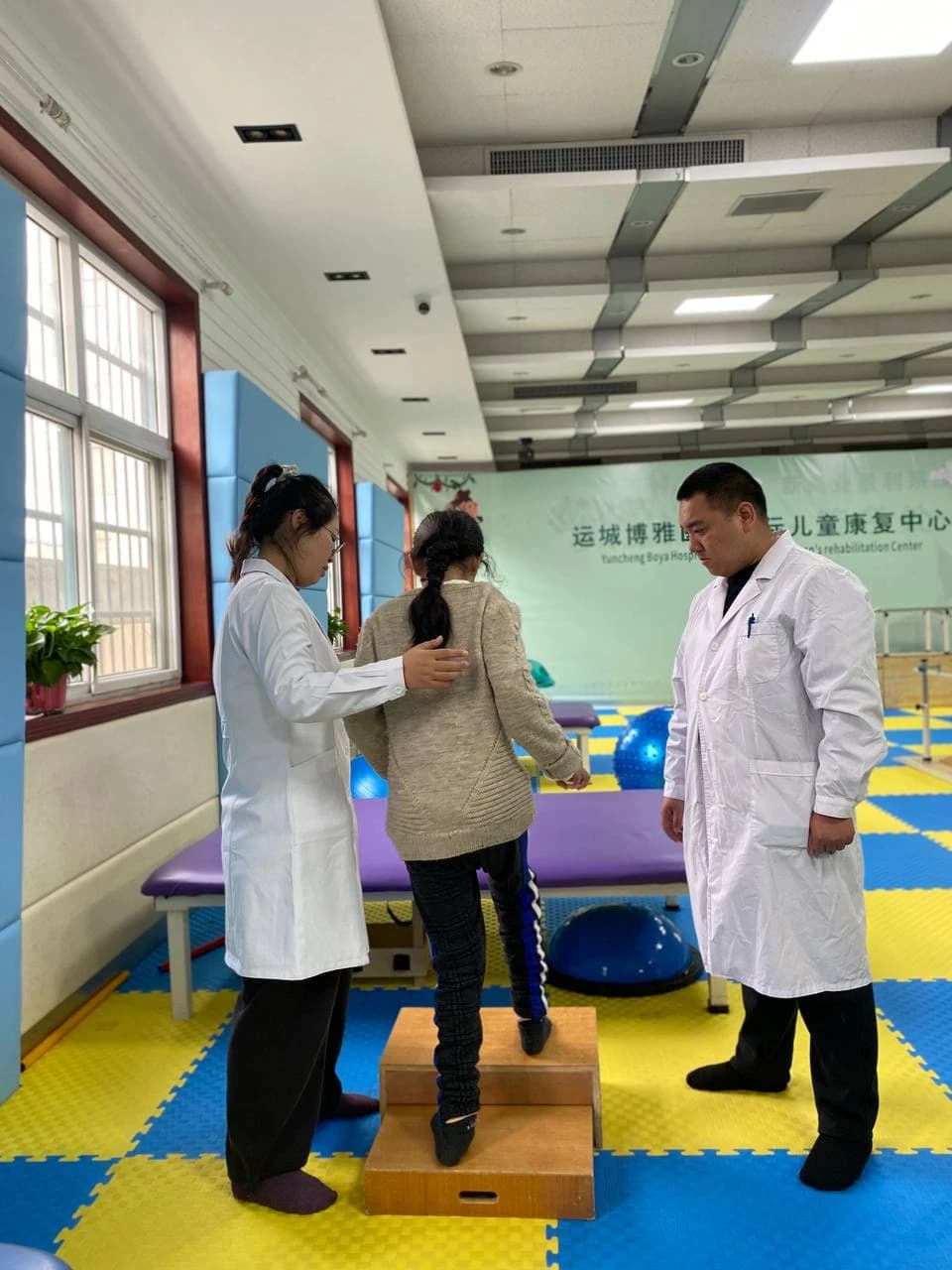
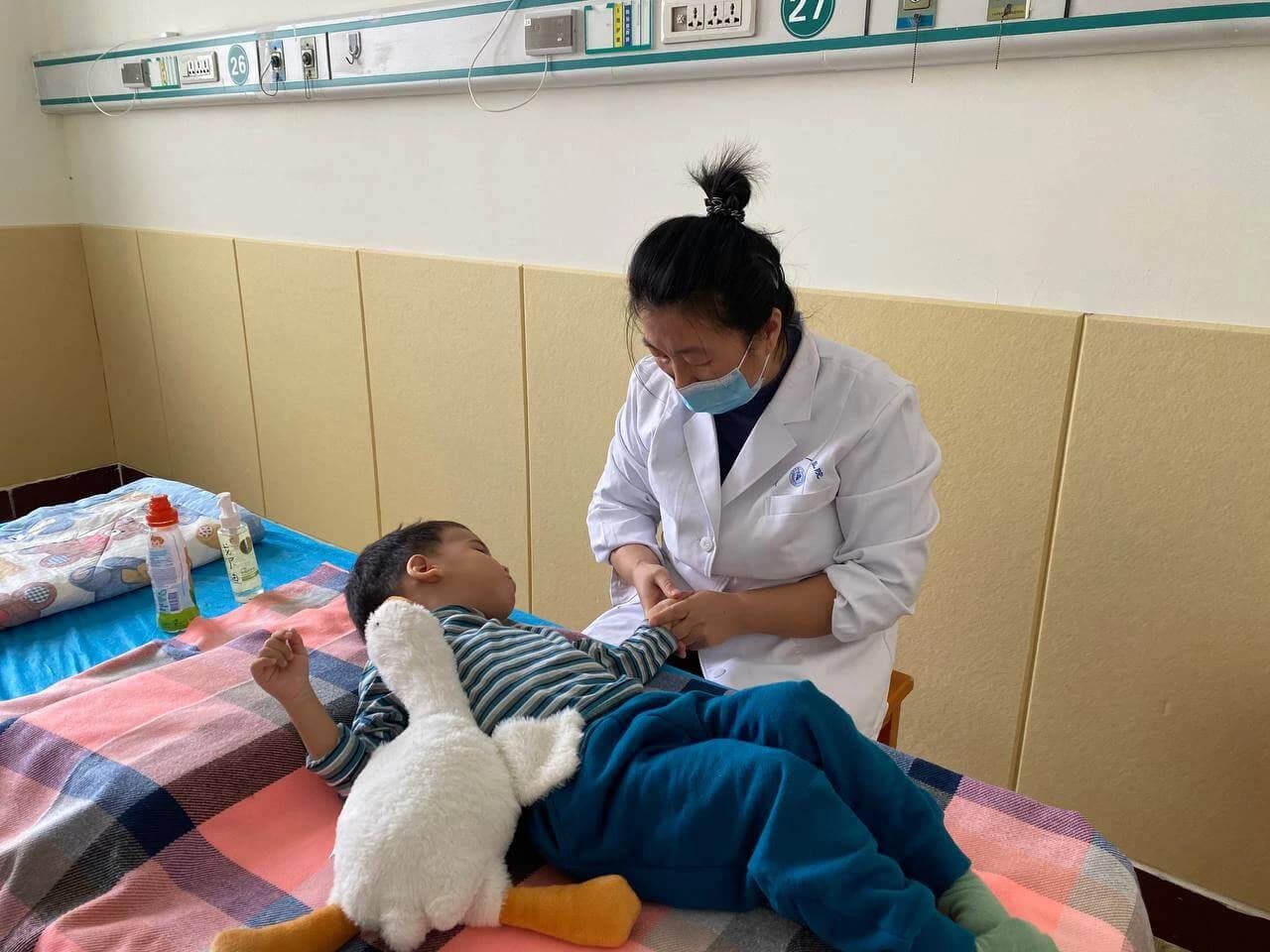
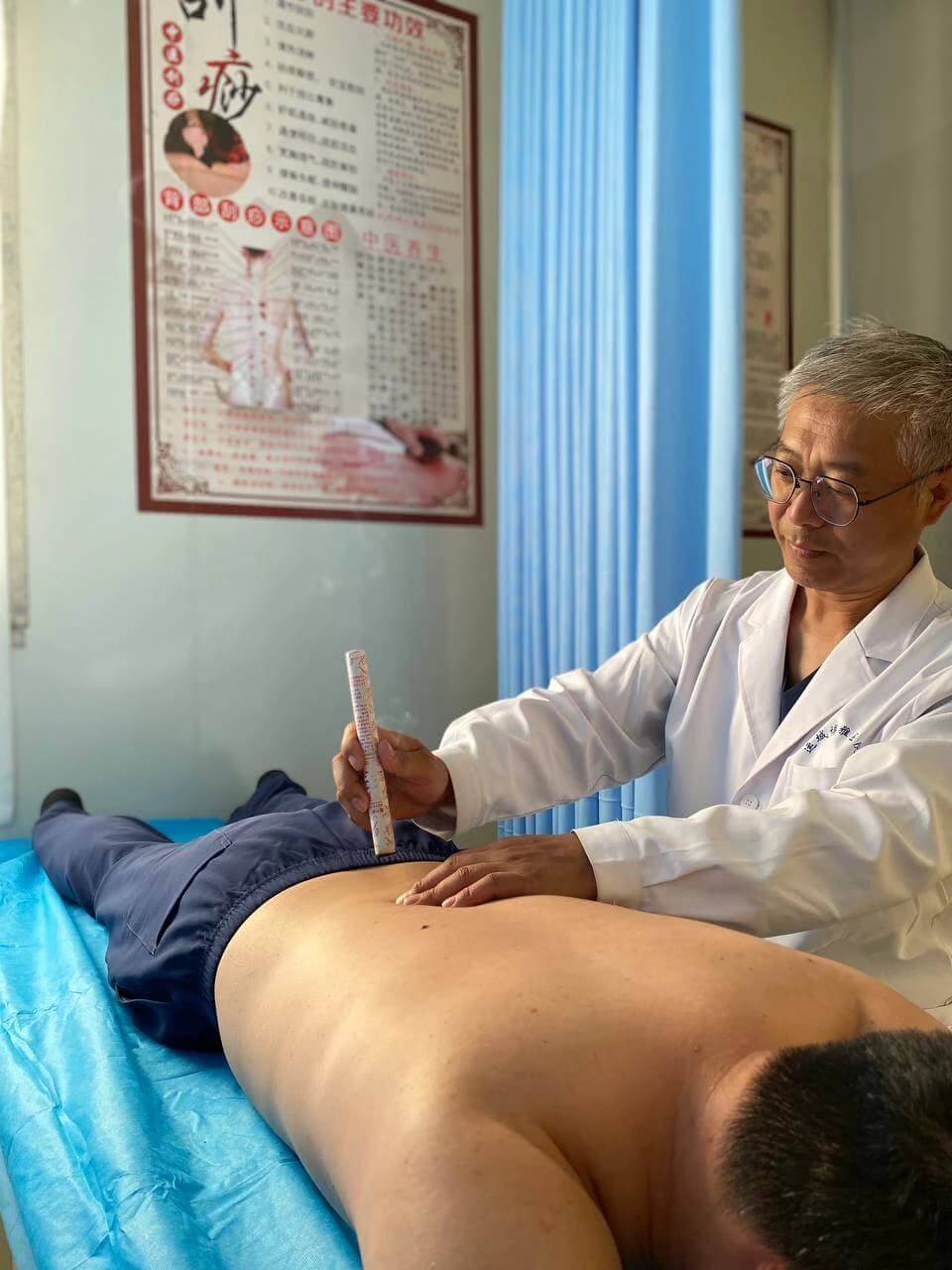
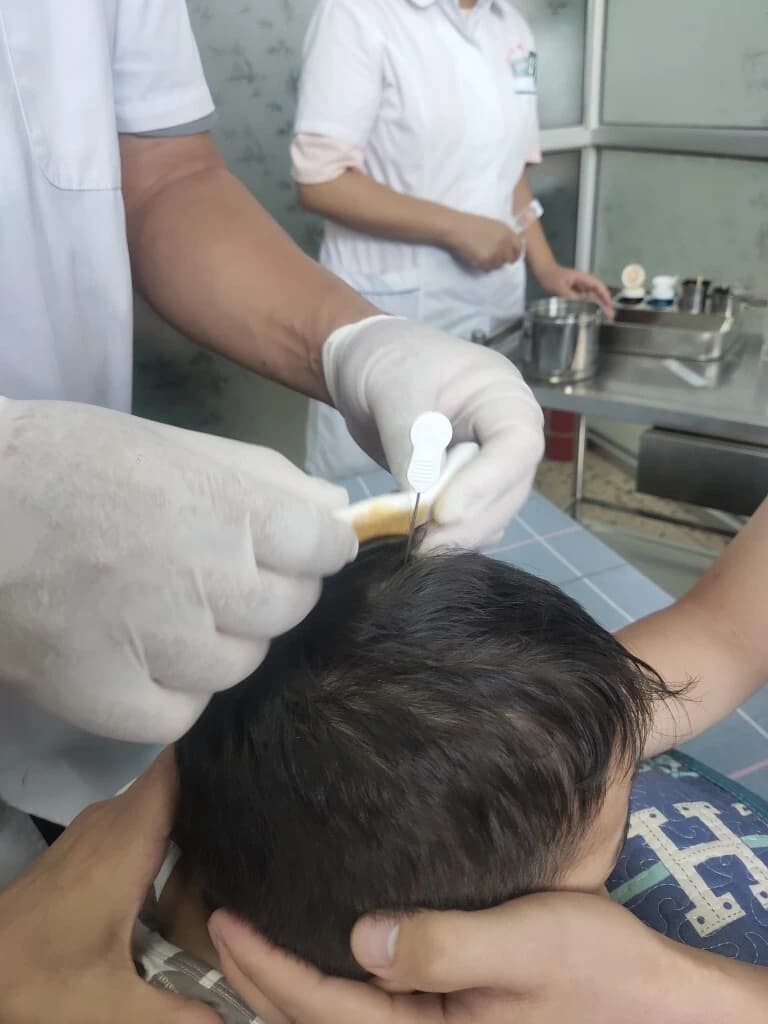
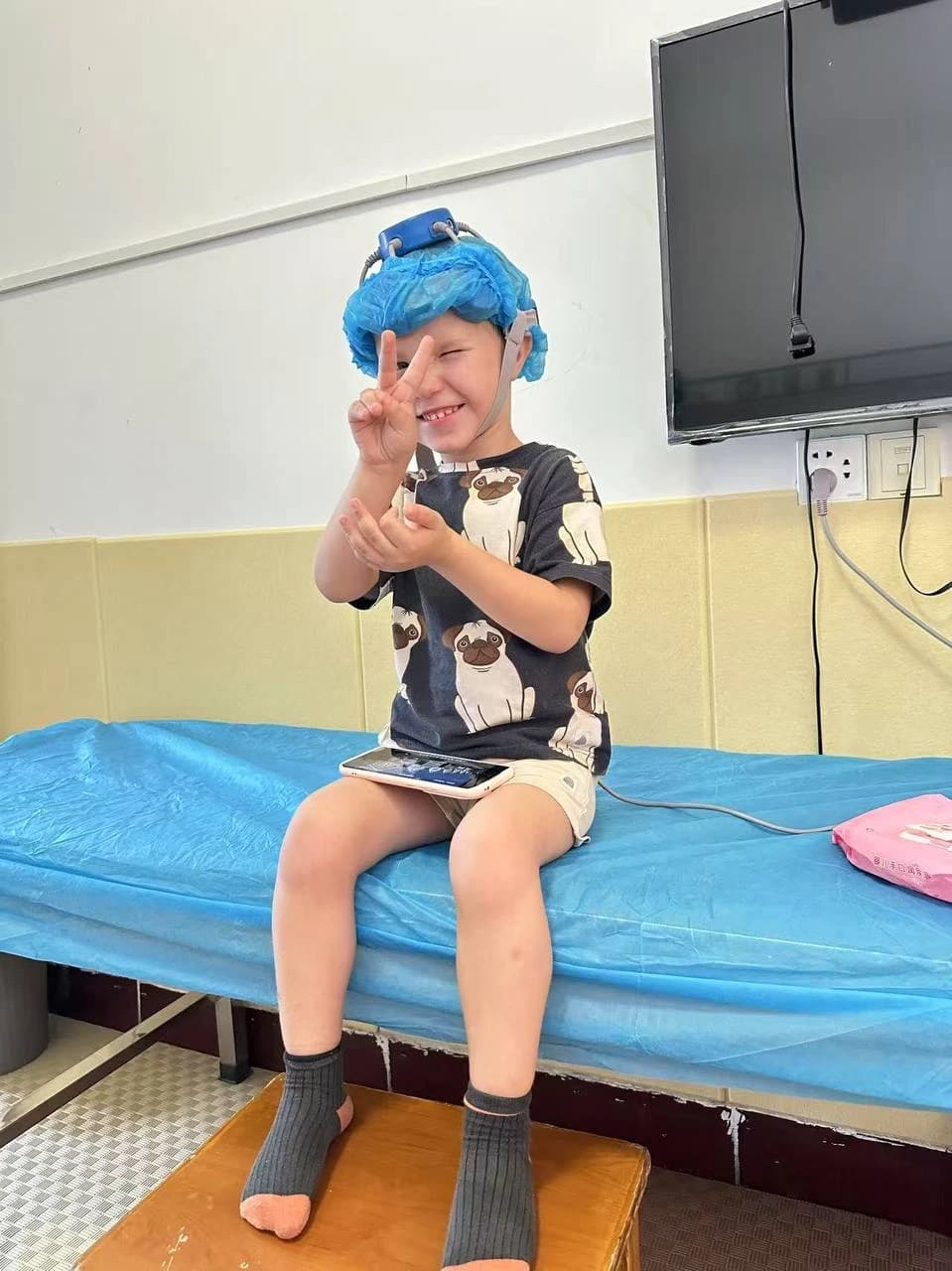
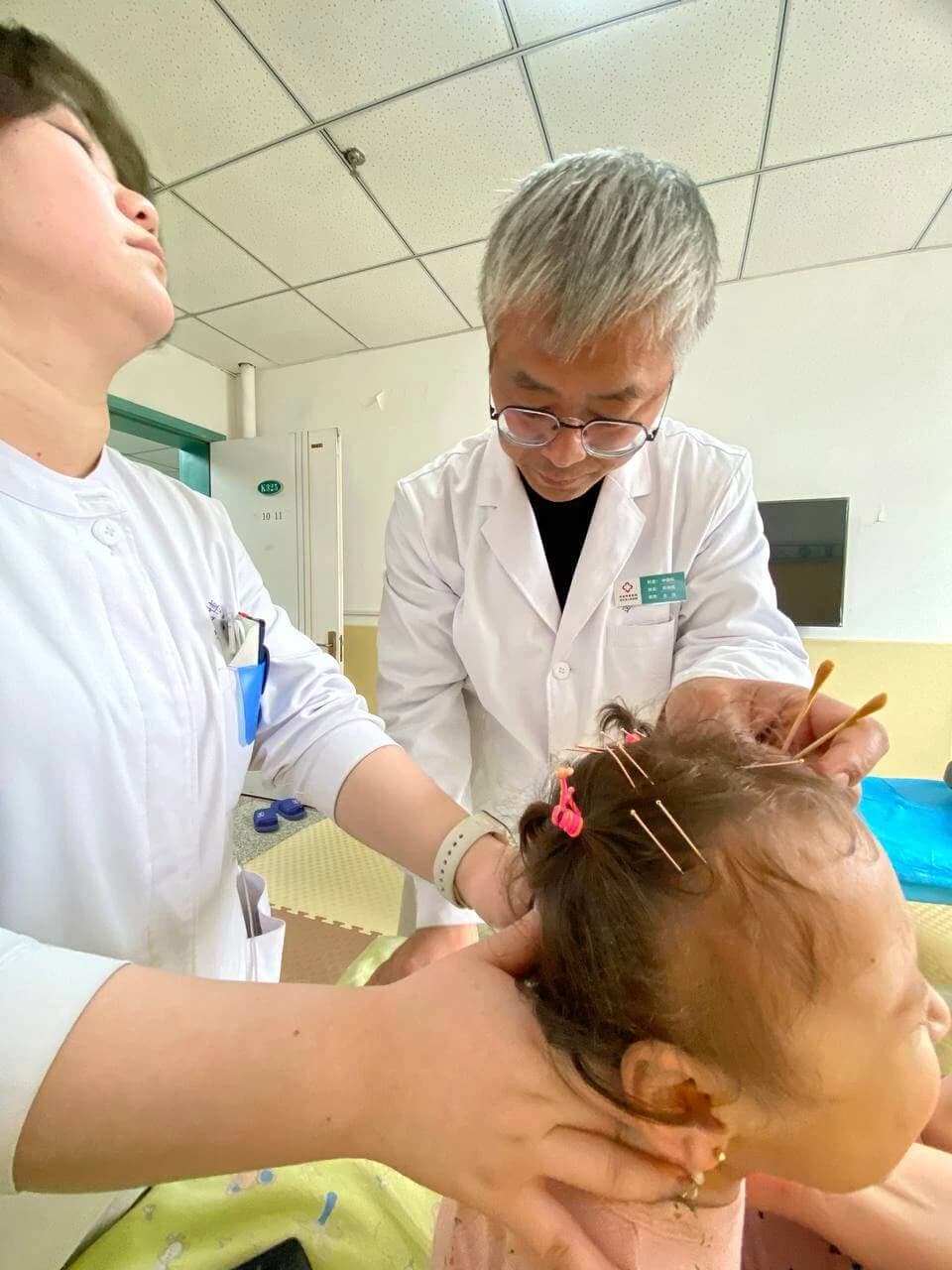
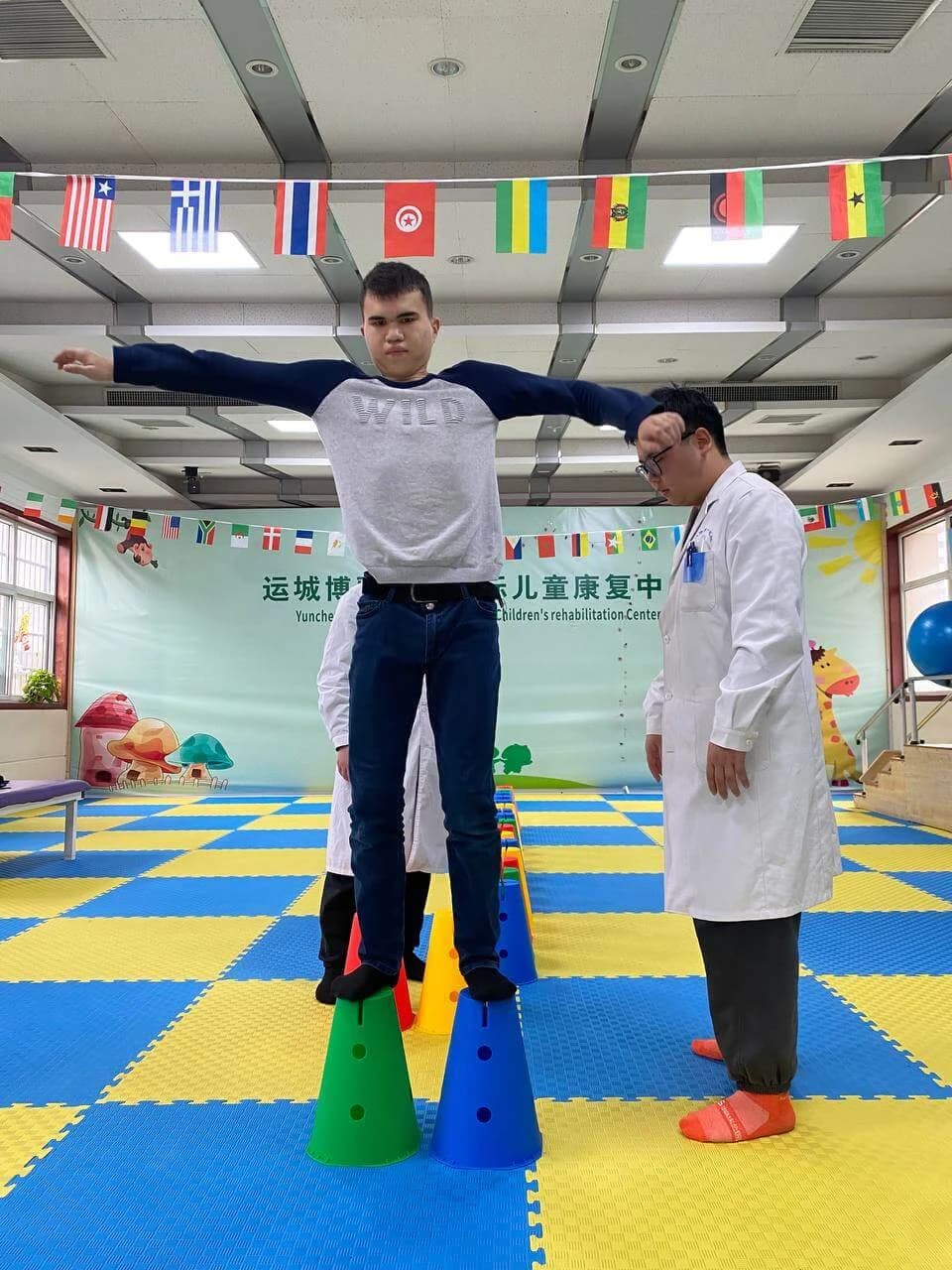
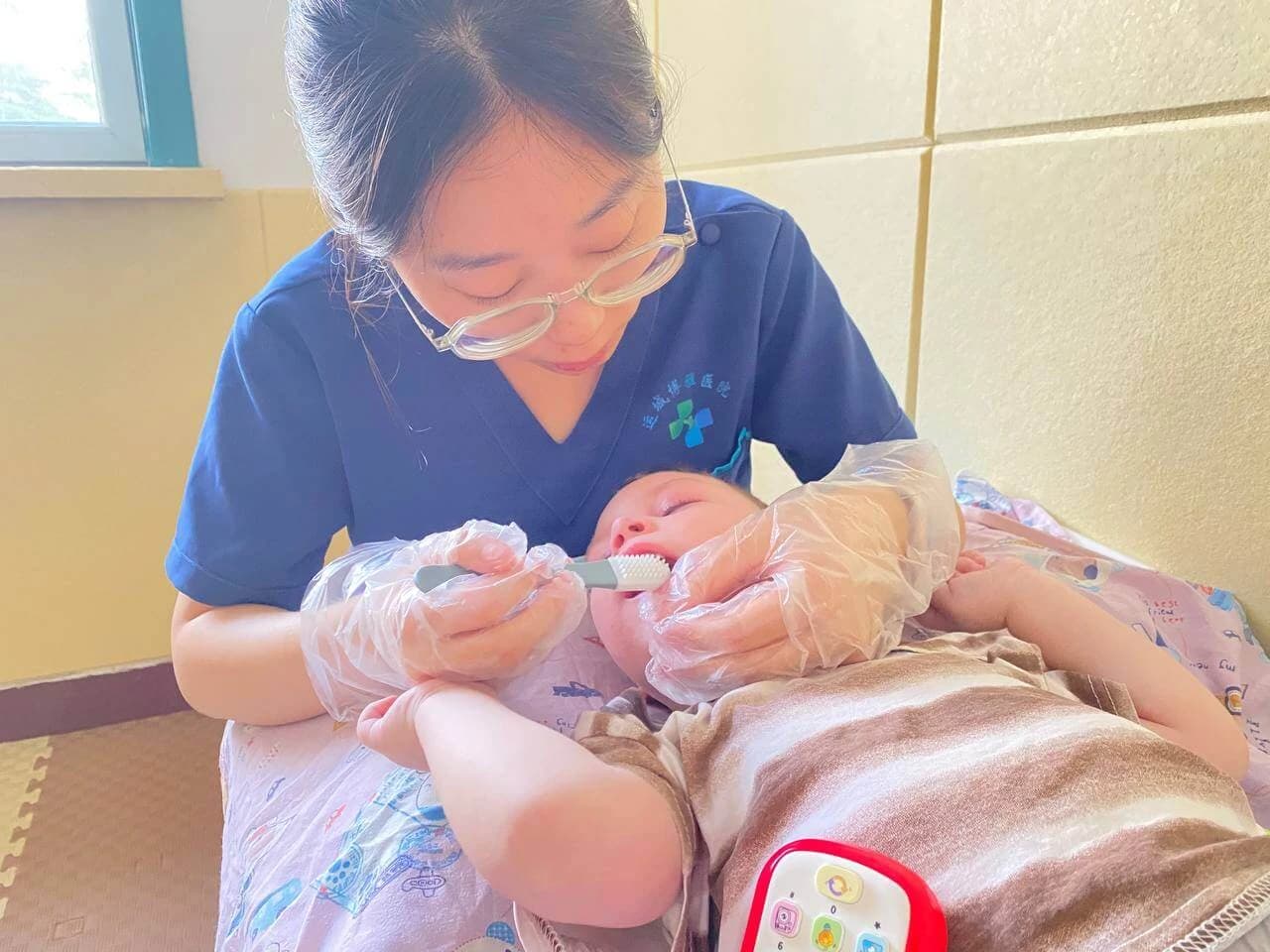
Boya Hospital (Yuncheng, Shanxi Province) admits these children as part of its core specialization — pediatric neurological rehabilitation. The line in a medical report determines nothing here: before the start, a functional assessment is carried out, looking not at scans but at the child's actual abilities — gross motor level on the GMFCS scale, head and trunk control, balance, fine motor skills, speech comprehension and vocabulary, self-care. An intensive program is assembled from that data — 6–9 sessions a day, 6 days a week: exercise therapy and physical rehabilitation, pediatric Tui Na massage, acupuncture and scalp acupuncture (work with points on the head), needle-knife therapy for pronounced muscle tension, apparatus-based physiotherapy, occupational therapy and sensory integration, speech therapy sessions, and warm Traditional Chinese Medicine procedures — herbal compresses and moxotherapy.
A functional approach instead of forecasts
A "full recovery" after brain injury cannot be promised, and the doctors at Boya do not promise it. The work starts from what the child can and cannot do right now: the starting level is recorded, and the nearest achievable goals are set — holding the head more confidently, sitting longer without support, taking first steps, adding words, coping more calmly with everyday situations. Then comes a repeat assessment and an adjustment of the program based on its results. The effect is noticeably stronger in children under 7–8 years, while the nervous system is more plastic, but Boya works with older children too: the goals are simply set to match their age and current tasks.
How to start
Send your child's documents — medical records, the neurologist's report, MRI and EEG results, a speech therapist's report if you have one. The hospital's doctor will review them and explain which sessions and procedures the program will consist of and what course length to plan for. The document-based consultation is free, and there is no prepayment: you pay on site and only for what your child has actually received. You can arrive, start, see the first progress, and decide there how long to stay.
Causes
This is about the consequences of a past brain injury: oxygen deprivation at birth, an intrauterine or acquired infection, severe newborn jaundice, metabolic or toxic disturbances. The acute phase is already over — the work is with what it left behind.
How it shows up
Differently in every child: delayed motor and speech development, increased or decreased muscle tone, difficulties with attention and learning, emotional instability, restless sleep. Often a child is on track in almost everything and lags in just one or two areas.
Diagnostics and assessment
The diagnosis is made by a neurologist based on examination, history, and test data — MRI, EEG, hearing and vision checks. For rehabilitation, the functional assessment matters more: gross motor level on the GMFCS scale, head and trunk control, fine motor skills, speech comprehension and vocabulary, self-care skills.
Rehabilitation approach
No specific outcome can be promised in advance — the consequences differ from child to child, and that is the honest answer. The work is built from current abilities: we record what the child can already do and what they cannot yet, set the nearest goals, and verify them with a repeat assessment.
How rehabilitation works
Diagnostics
Comprehensive examination and patient assessment by an international team of specialists
Rehabilitation plan
Development of an individual rehabilitation program considering diagnosis specifics
Therapy
Intensive course of procedures: physical therapy, massage, physiotherapy, acupuncture and other methods
Results
Progress evaluation, home recommendations and maintenance therapy plan
Rehabilitation procedures: Consequences of Encephalopathy
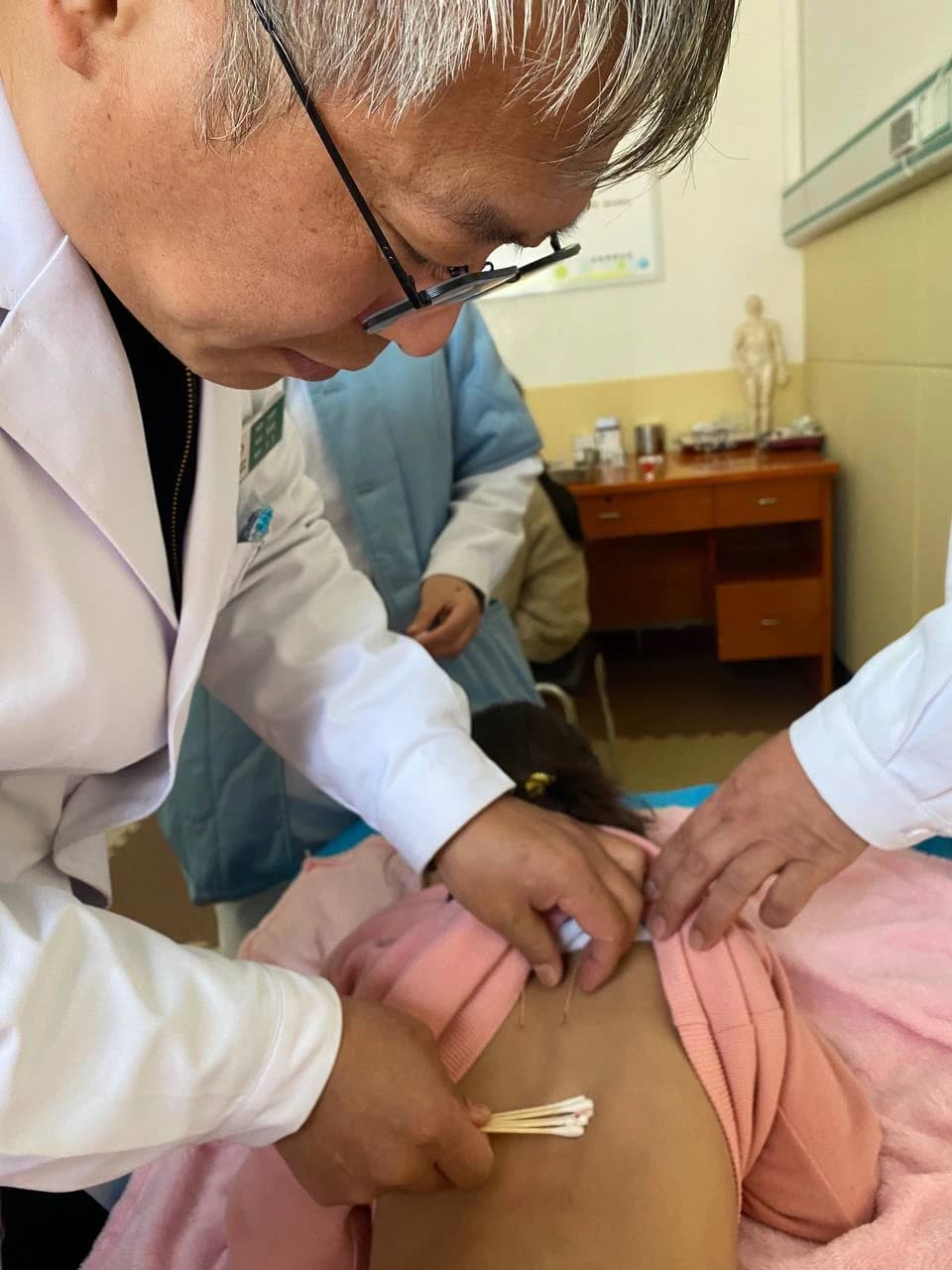
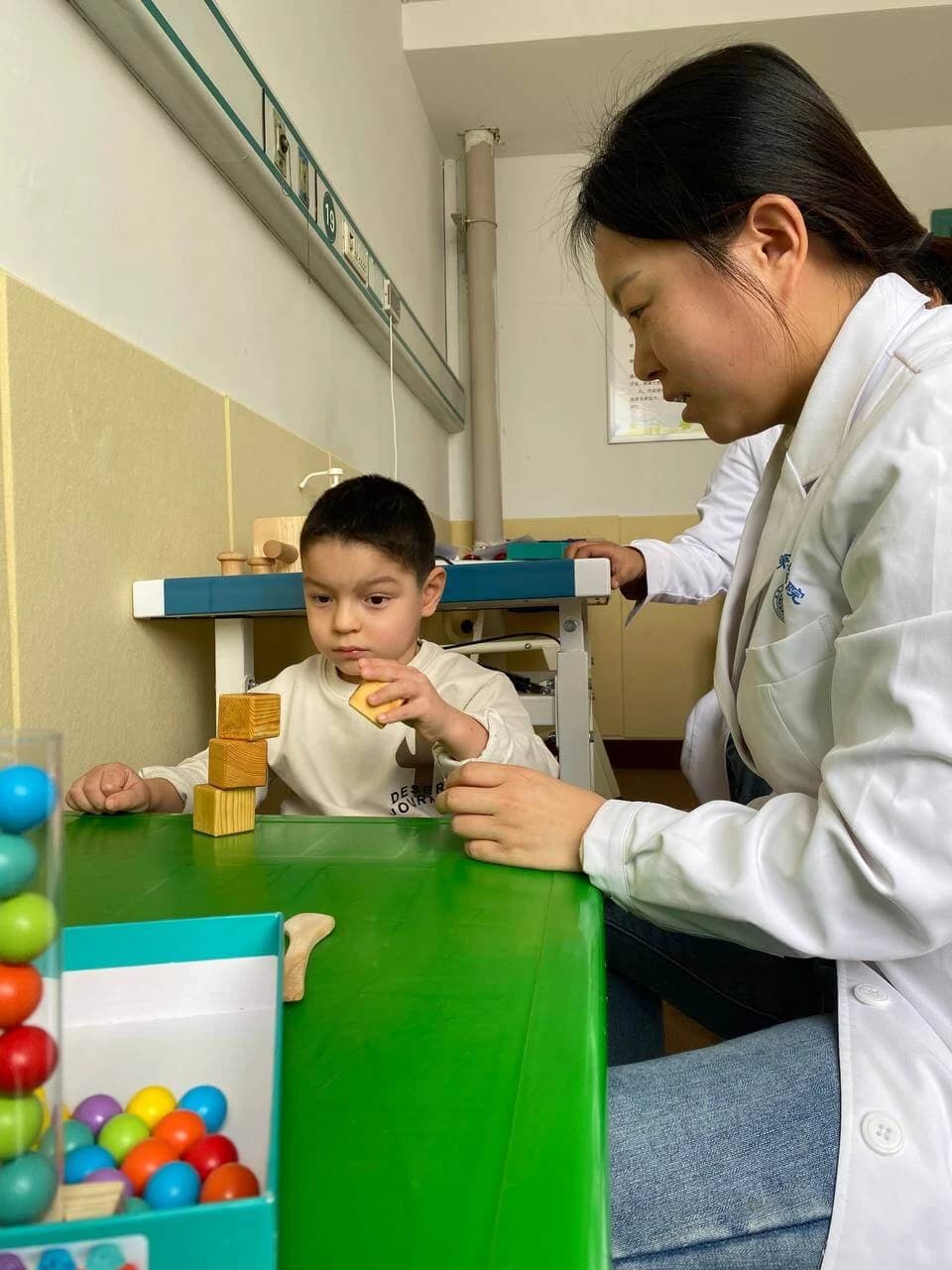
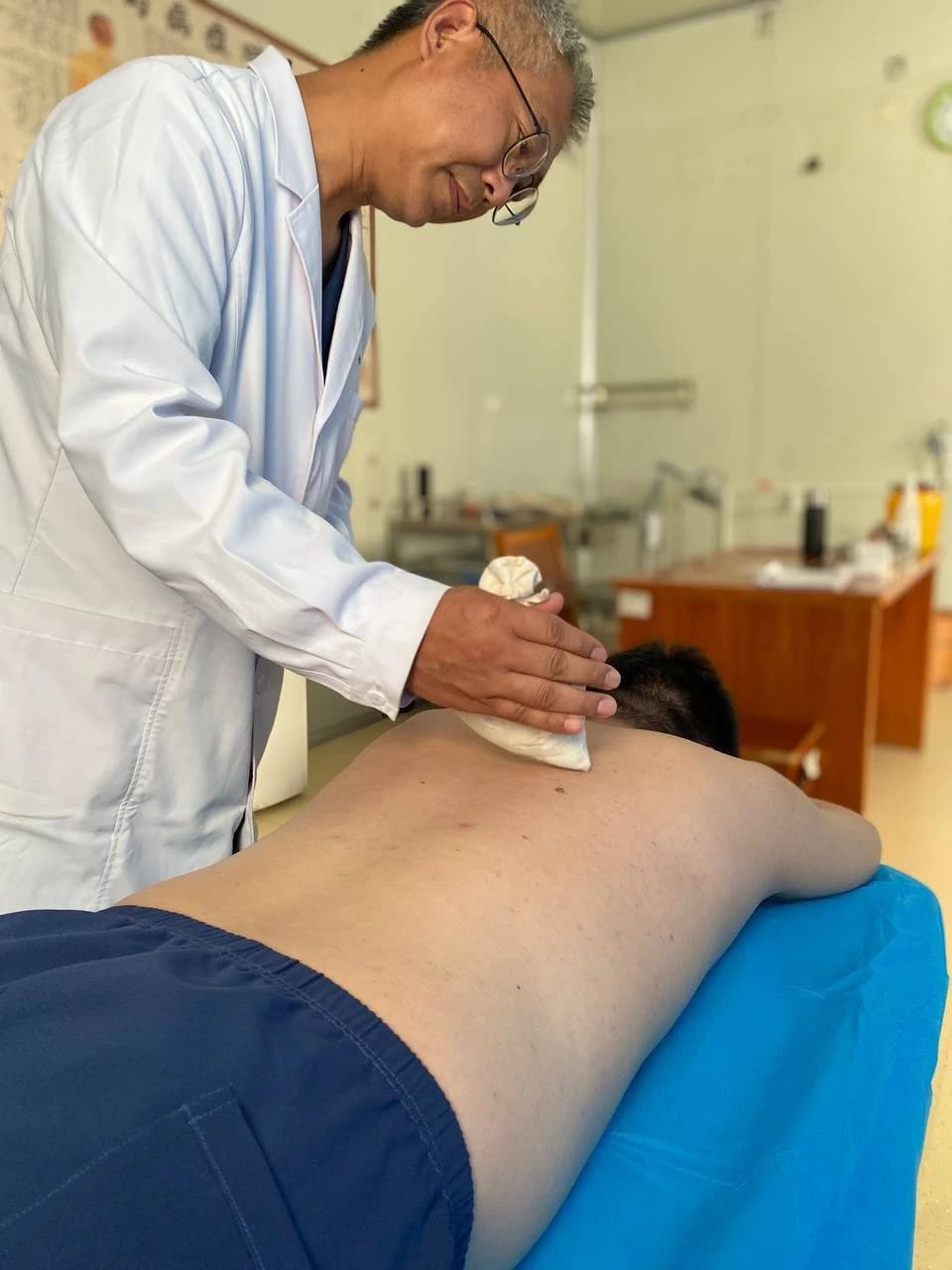
Frequently asked questions: Consequences of Encephalopathy
Book a free consultation
Send us the medical records and a short video — Boya doctors will review the materials and tell you how they can help. A coordinator will get back to you within 5 minutes.