Occupational Therapy
Occupational therapy (OT) works on upper limb function and fine motor skills. Sessions are built around everyday actions — dressing, washing, eating, holding a pencil — so that the child becomes more independent.
How the procedure works
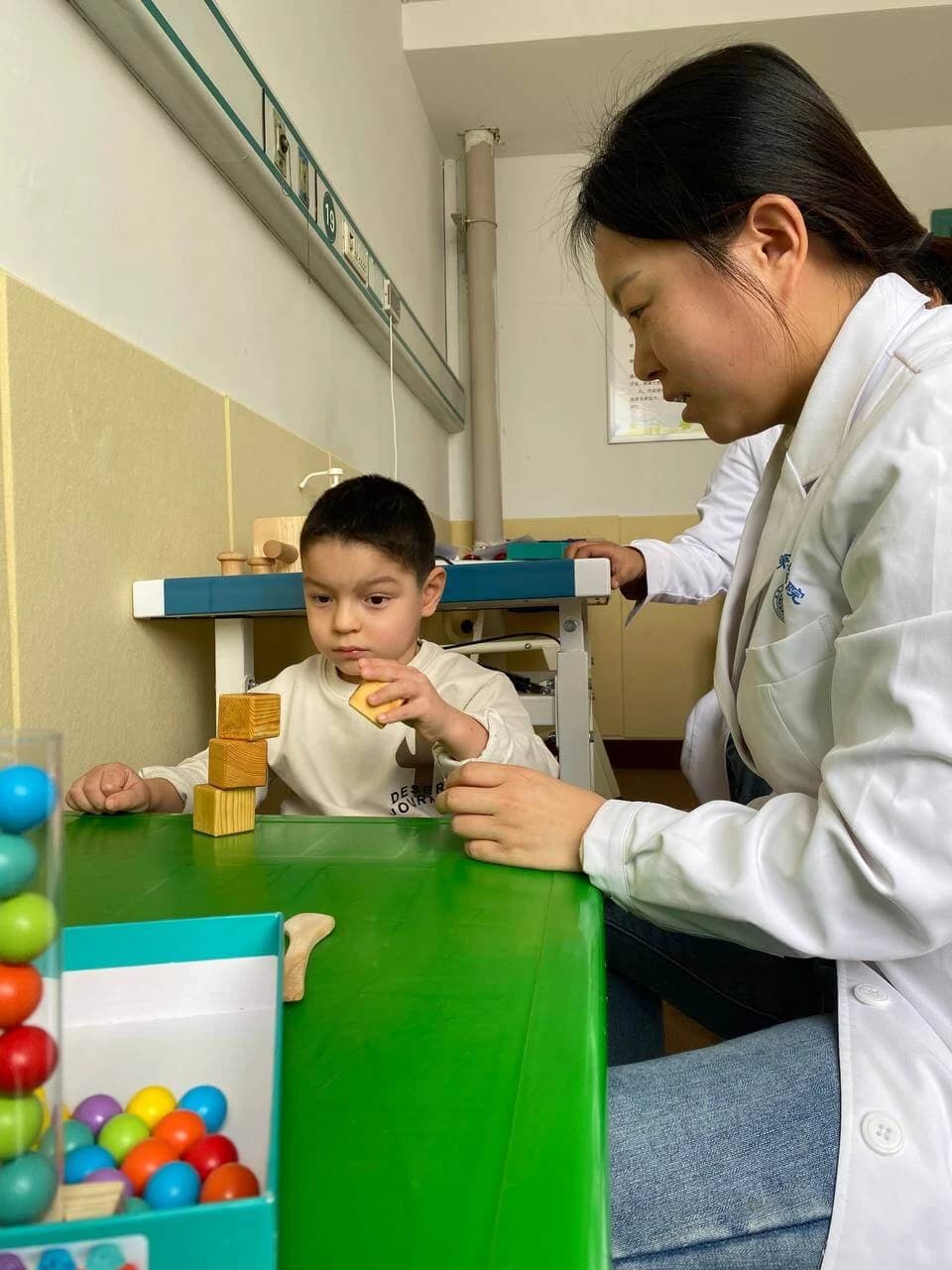
Occupational therapy (OT) is a rehabilitation method aimed at restoring upper limb function and developing fine motor skills. At Boya Hospital, occupational therapy is part of the comprehensive programme for children with neurological conditions and complements physical therapy.
Why it matters
Impaired hand function limits a child's daily activity: dressing, washing, eating, holding a spoon or a pencil all become difficult. In cerebral palsy, fine motor skills are closely tied to gross motor control — precise hand movements only become available once the child has enough control over the shoulder and forearm. The therapist therefore works in sequence: first the large movements of the upper limb, then the fine movements of the fingers.
The more confidently a child manages everyday actions, the less they depend on adults. That affects not only self-care, but also communication with peers and self-confidence.
What we work on
- Shoulder, elbow, wrist and finger function — exercises for mobility, strength and coordination of the upper limb.
- Working with objects and games — sanding board, saw, balls, rings: these exercises develop coordination and dexterity.
- Wrist and finger joint mobility — drawing, paper folding (origami), drumming, the finger ladder.
- Finger coordination and flexibility — work with pegs and a toy hammer, thumb opposition practice, turning screws, shape inserts, fastening and unfastening buttons.
- Grasp and release — exercises with objects of different size, shape and weight: take, hold, move, let go.
How sessions run
The programme is built individually: the therapist starts from what the child can already do and from the goals the family sets. Sessions are playful — this way the child stays engaged longer and repeats the movement more willingly. As a skill is mastered, exercises become harder: the size and weight of objects change and new everyday tasks are added.
What parents should know
Occupational therapy does not replace physical therapy — the two work together: PT builds support and body control, OT builds precision in the hands. Specialists show parents exercises and techniques that can be repeated at home to reinforce progress between courses.
Hand function assessment
The occupational therapist assesses shoulder, elbow, wrist and finger mobility, the strength and quality of the child's grip, and which everyday tasks are hardest.
Individual programme
A set of exercises and aids is selected for each child. Work moves in sequence: from large upper limb movements to fine finger movements.
Sessions with aids and games
Exercises are done through play — blocks, rings, balls, lacing boards, shape inserts and a finger ladder. A playful format keeps the child engaged.
Transfer into daily life
Newly learned movements are practised on real tasks — fastening a button, holding a spoon, picking up a cup. Specialists show parents what can be repeated at home.
How Sessions Look
Indications and contraindications
Indications
Contraindications
Who performs the procedure
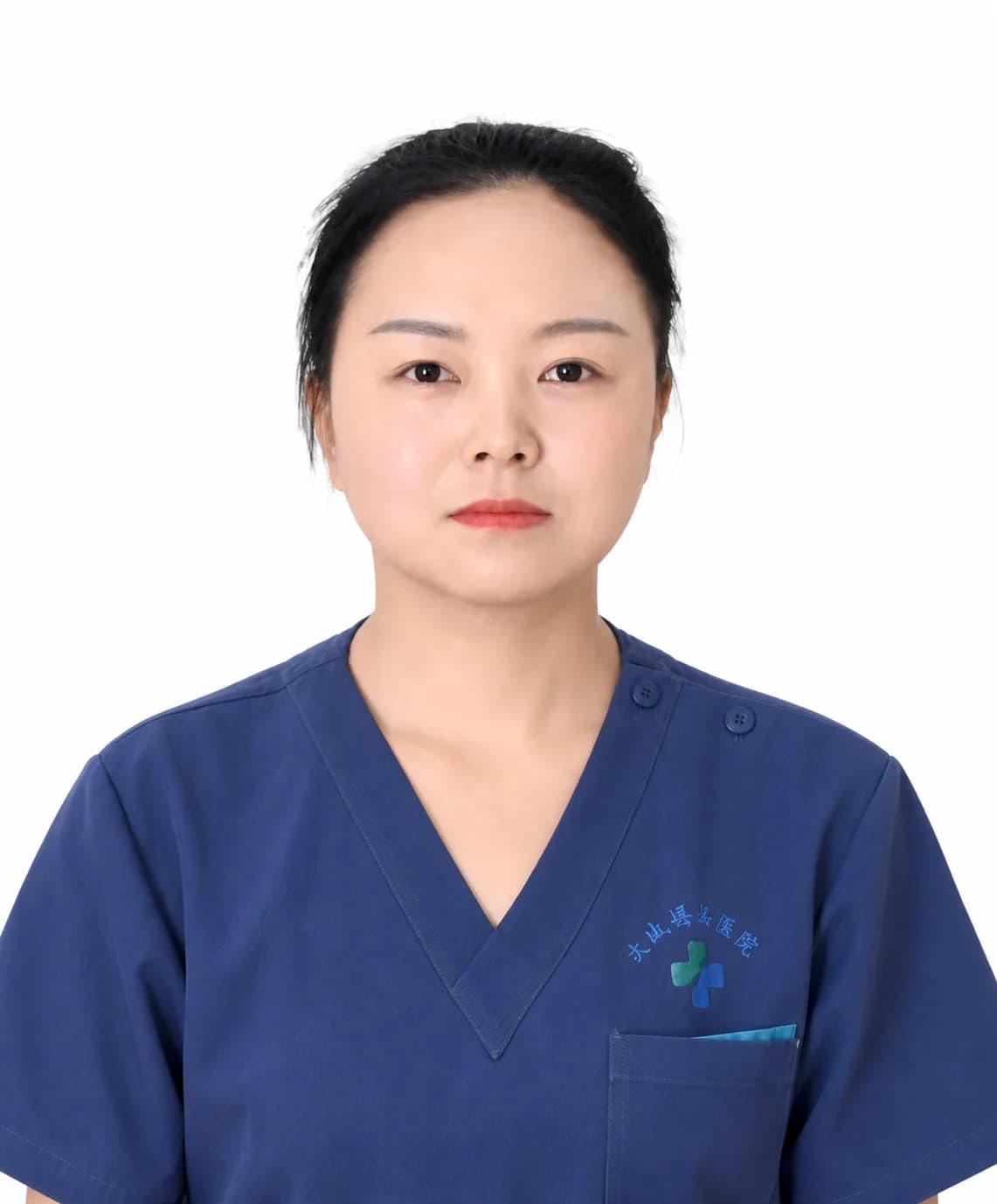
Shi Qian时倩
Occupational therapist
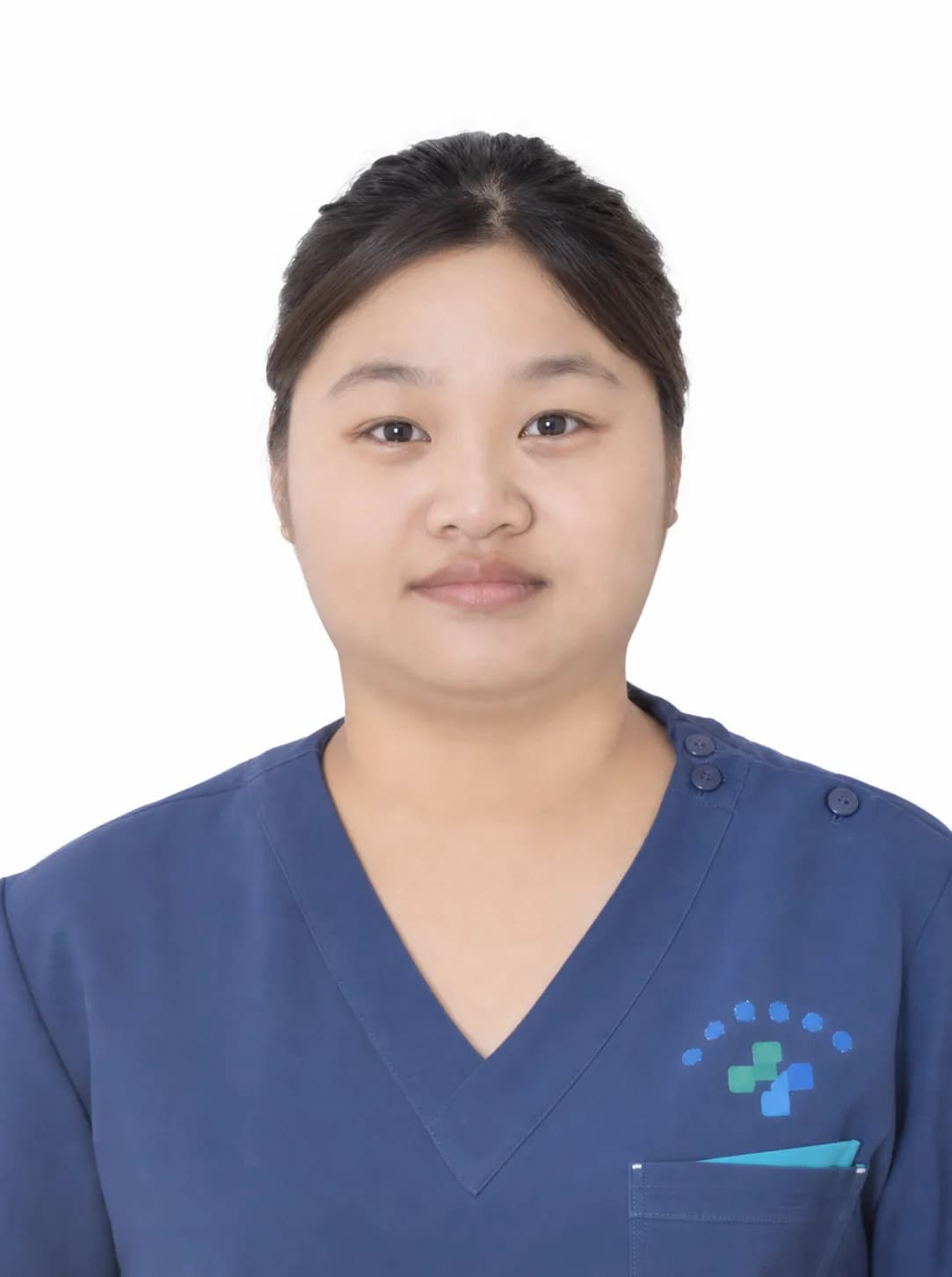
Quan Ruyue全茹月
Occupational therapist
What diagnoses it helps with: Occupational Therapy
Book a free consultation
Send us the medical records and a short video — Boya doctors will review the materials and tell you how they can help. A coordinator will get back to you within 5 minutes.