Apparatus Physiotherapy
Apparatus physiotherapy complements physical and occupational therapy: currents of different frequencies, cerebellar stimulation and UHF help work with muscle tone, support weakened muscles and improve local circulation. The set of procedures and their settings are chosen by a doctor.
How the procedure works
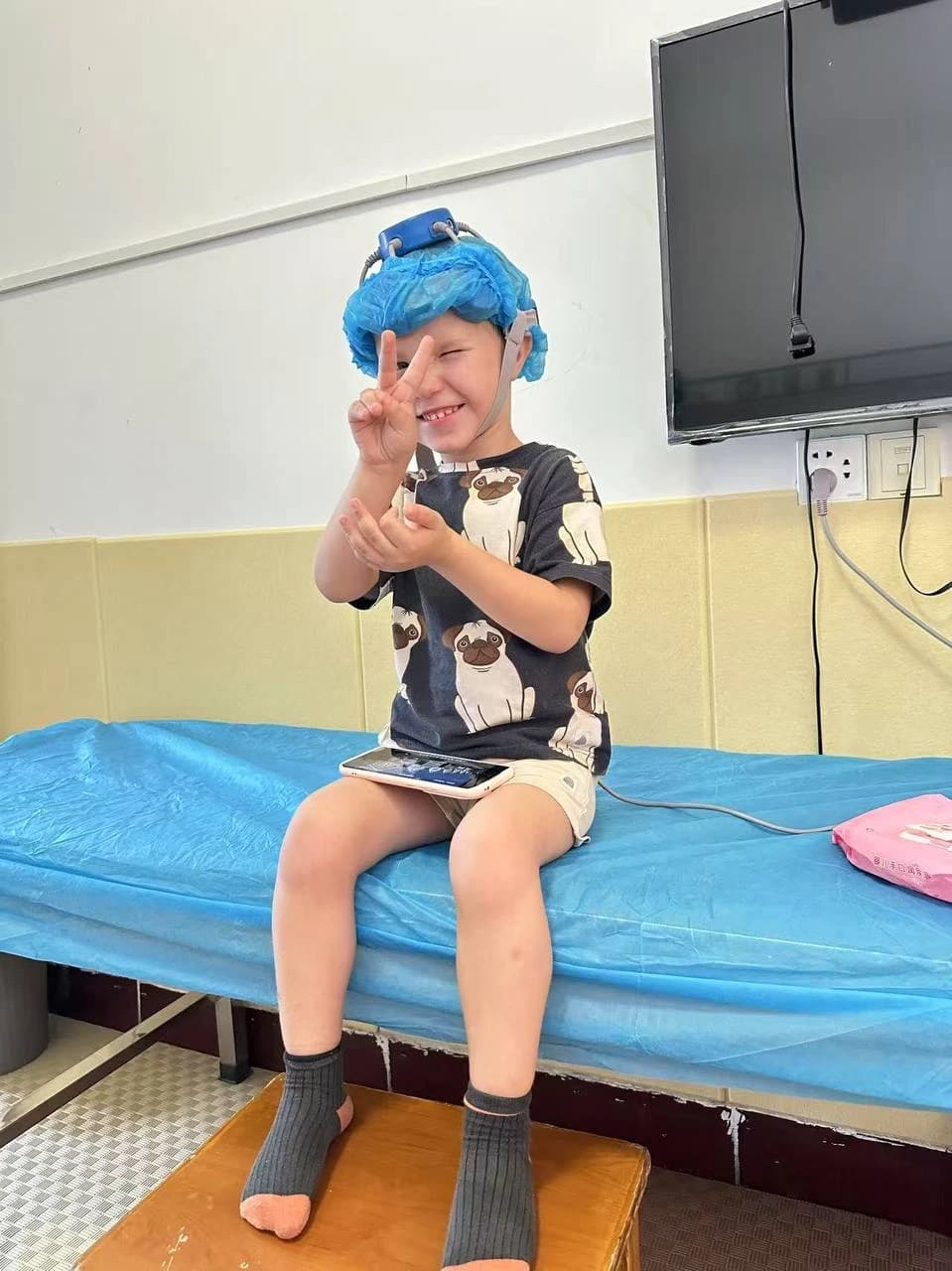
Apparatus physiotherapy is a supporting part of the rehabilitation programme. On its own it does not replace therapy sessions, but it helps prepare the muscles for work and sustain progress: easing excessive tension, supporting weakened muscles, improving local circulation. Every procedure is prescribed by a doctor after an examination.
Working with increased muscle tone
Low-frequency pulsed currents act on muscles held in a state of increased tone. Stimulating receptors in the tendons triggers a reflex response that helps reduce spasticity and widen the available range of movement. Spasticity is a state of raised muscle tension that makes movement difficult and can cause discomfort.
Medium-frequency electrotherapy
Medium-frequency currents act in several ways: they widen the vessels and increase local blood flow, help reduce pain and swelling, improve the elasticity of scar tissue, stimulate muscle contraction and help maintain muscle volume when mobility is limited.
It is used for weakness of the neck, limb, back and abdominal muscles, for both increased and reduced tone, for flaccid paresis, and after muscle strains and injuries.
Meridian electrostimulation
This method draws on the principles of traditional Chinese medicine: weak electrical impulses are applied to active points along the body's meridians. It is used to support nerve fibre conduction, ease pain associated with nerve damage, work with muscle tone and improve local circulation.
Cerebellar stimulation
Weak bioelectrical impulses are delivered through electrodes placed on the skin over the cerebellum. The cerebellum is responsible for movement coordination, balance and muscle tone. The method is used after birth trauma and hypoxia, after traumatic brain injury, in speech, intellectual and motor developmental delay, and where there are difficulties with memory and attention.
Sound frequency resonance therapy
The method uses sound waves of a particular frequency directed at the structures of the inner ear. It is applied to support microcirculation in the auditory system and improve hearing perception in children with reduced hearing. It is prescribed by an ENT specialist or the treating doctor following examination.
Physiotherapy for nerve damage
A dedicated device is used in partial denervation, muscle atrophy and other conditions linked to peripheral nerve damage — neuritis, plexitis, radiculitis.
UHF therapy
Ultra-high frequency therapy is used for inflammatory processes — for example neuritis or soft tissue inflammation — strictly as prescribed by a doctor.
Multifunctional limb stimulation
Low-frequency pulsed current acts on different muscle groups in a set sequence, imitating natural movement. This helps work on movement patterns in rigidity of the lower limbs, equinus foot, hemiplegia and paraplegia, and after nerve damage.
Procedure schedule
Most methods last around 20 minutes and run daily, in a 20-day course. Two methods have their own schedule: infrared heat therapy — 10 minutes, usually after pharmacopuncture or PIMS; extracorporeal shockwave therapy (ESWT) — 5–10 minutes, twice a week, over a 4-week course.
What parents should know
Procedures are spread through the day between physical, occupational and speech therapy so the child does not become overtired. If a procedure causes the child noticeable discomfort, tell the specialist straight away — the settings can be adjusted or the method changed.
Doctor's prescription
The doctor examines the child, assesses muscle tone, skin condition and any accompanying limitations, then decides which apparatus methods are suitable and which areas to work on.
Choosing the settings
For each method the frequency, intensity and duration are selected — taking the child's age into account and how they tolerate the first procedures.
Course of procedures
Procedures are spread through the day between physical, occupational and speech therapy sessions. A nurse or physiotherapist stays with the child throughout.
Tolerance monitoring
Specialists watch the skin reaction and the child's general condition and, if needed, reduce the intensity or change the method.
How Sessions Look
Indications and contraindications
Indications
Contraindications
Who performs the procedure

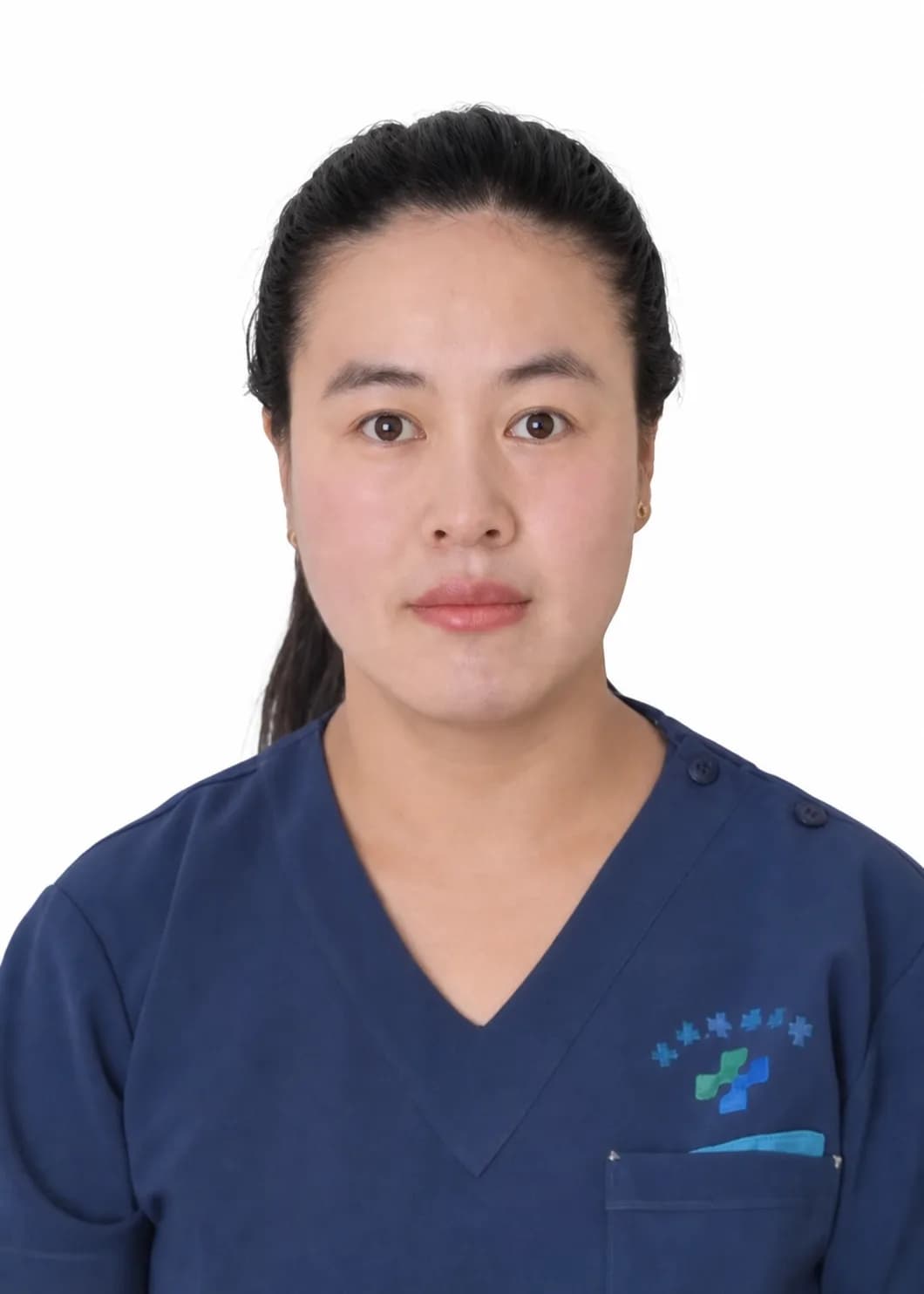
Han Conghui韩聪慧
Physiotherapist
Liu Jinchuan刘金钏
Head of the physical therapy team
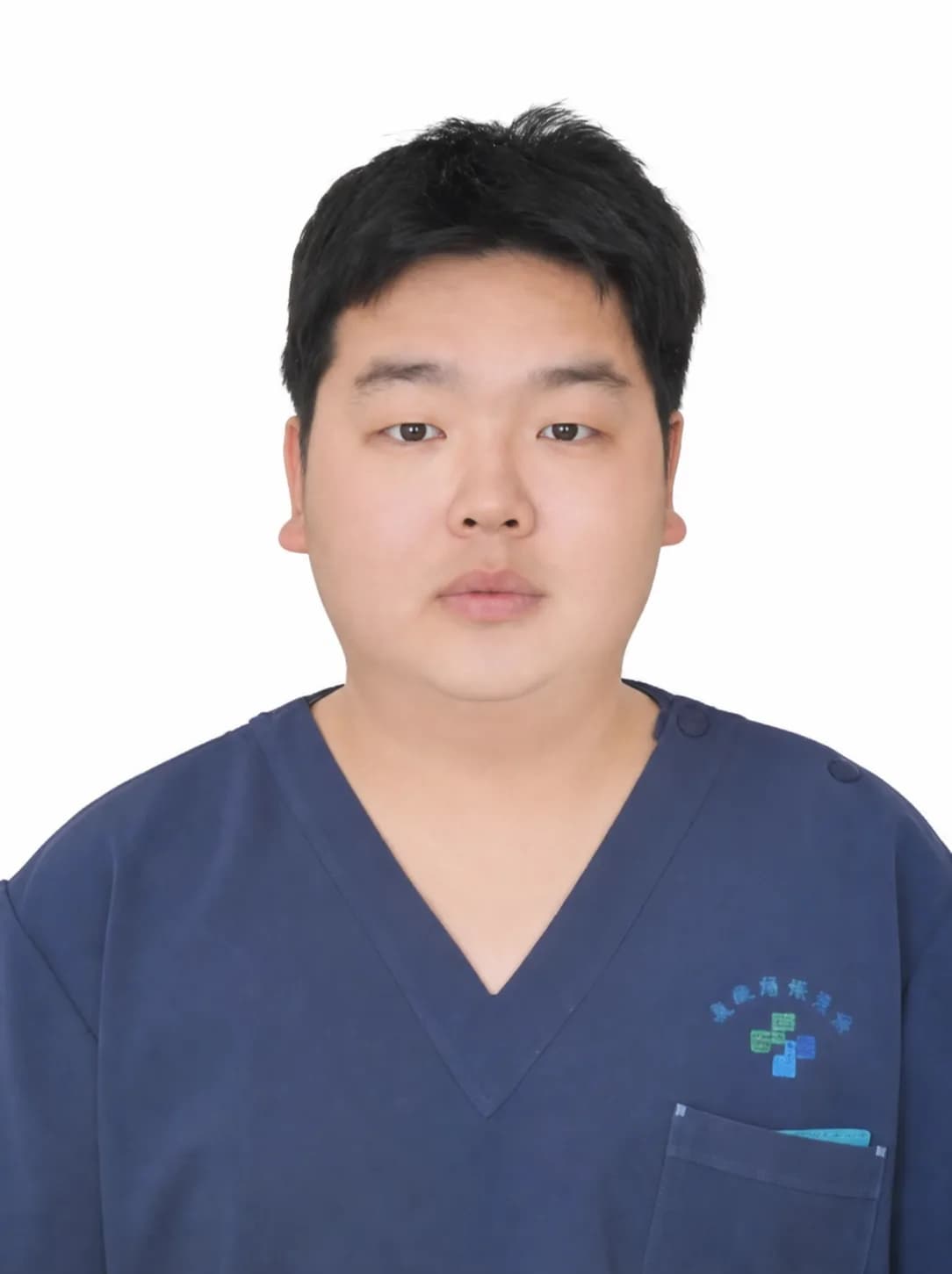
Zhai Shuaibin翟帅斌
Physical therapist
What diagnoses it helps with: Apparatus Physiotherapy
Book a free consultation
Send us the medical records and a short video — Boya doctors will review the materials and tell you how they can help. A coordinator will get back to you within 5 minutes.