Needle-Knife
The needle-knife is a specialised instrument combining acupuncture with elements of micro-surgery: its flat blade-shaped tip allows both skin puncture and micro-release of tissue. At the centre the method is used in courses prescribed by a doctor.
How the procedure works
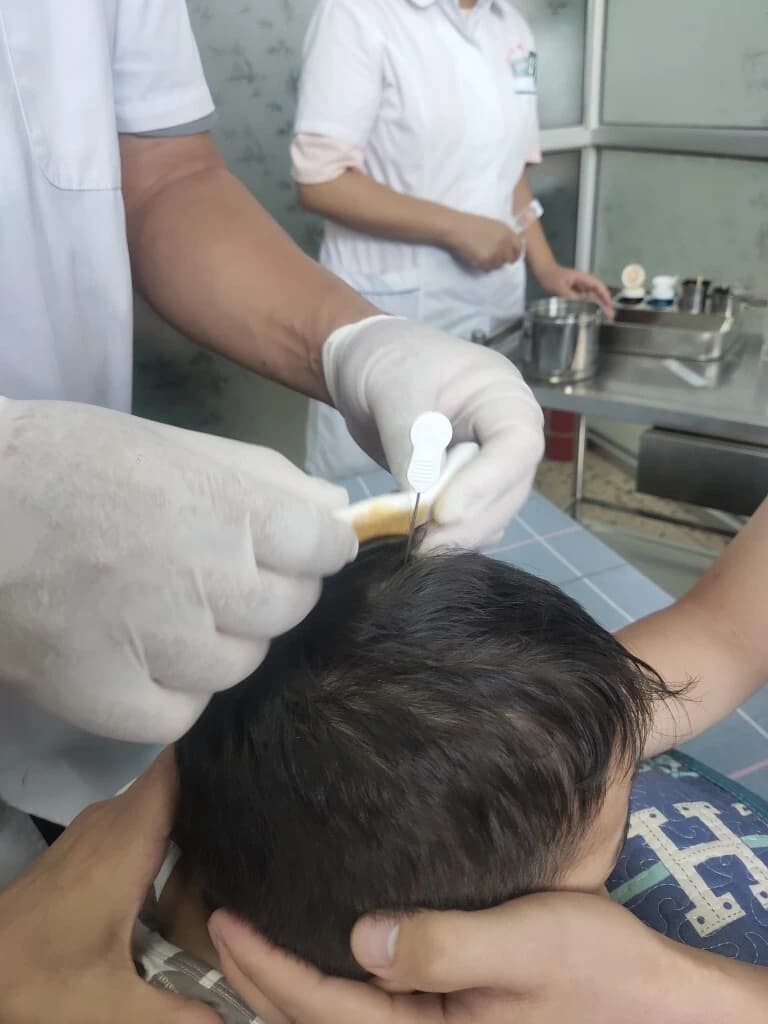
The needle-knife is a rehabilitation method that brings together the experience of traditional Chinese medicine and approaches from European medicine. At its core is precise work with active points on the head using a dedicated instrument. This is not classical acupuncture: the needles used here have a special design that allows more targeted work.
What the instrument is
The needle-knife combines:
- a needle with a flat blade-shaped tip — it can both puncture the skin and perform micro-release of tissue;
- a combined function of acupuncture and micro-surgery within a single procedure;
- an integration of European and Chinese approaches to working with the nervous system.
What the method targets
The needle-knife is used to release tissue adhesions and free compressed tissue, reduce compression of nerve roots and trunks, ease swelling and inflammation, improve microcirculation and relieve pain. From the perspective of traditional Chinese medicine the procedure is aimed at restoring the patency of the meridians and the circulation of Qi.
In cerebral palsy and developmental delay
Regular courses are used to activate motor function (coordination, strength and range of movement), support speech development and cognitive abilities — memory, attention and thinking. An effect on cerebral circulation, tissue metabolism and the general state of the nervous system is also described: lower excitability, better sleep and a more settled emotional state.
How a course runs
A standard course is 7 procedures, given every other day. Repeat courses are prescribed by the doctor depending on the child's progress. Before each procedure the doctor marks the points, prepares the skin and applies local anaesthesia where needed; the work itself takes a few minutes. The needle-knife is used as part of the centre's comprehensive programme — alongside physical therapy, occupational therapy, speech therapy and physiotherapy.
Assessment and point marking
The doctor examines the child, confirms the indications and marks the points on the scalp to be worked with during this procedure.
Preparation
The skin is cleaned with antiseptic and local anaesthesia is applied where needed. An assistant and a parent help the child stay calm and still.
The procedure
The doctor works precisely with the needle-knife at the marked points. It takes a few minutes; the instrument is sterile and single-use.
Observation and repeat course
The child stays under observation afterwards. A standard course is 7 procedures, given every other day; repeat courses are prescribed by the doctor based on progress.
How Sessions Look
Indications and contraindications
Indications
Contraindications
Who performs the procedure
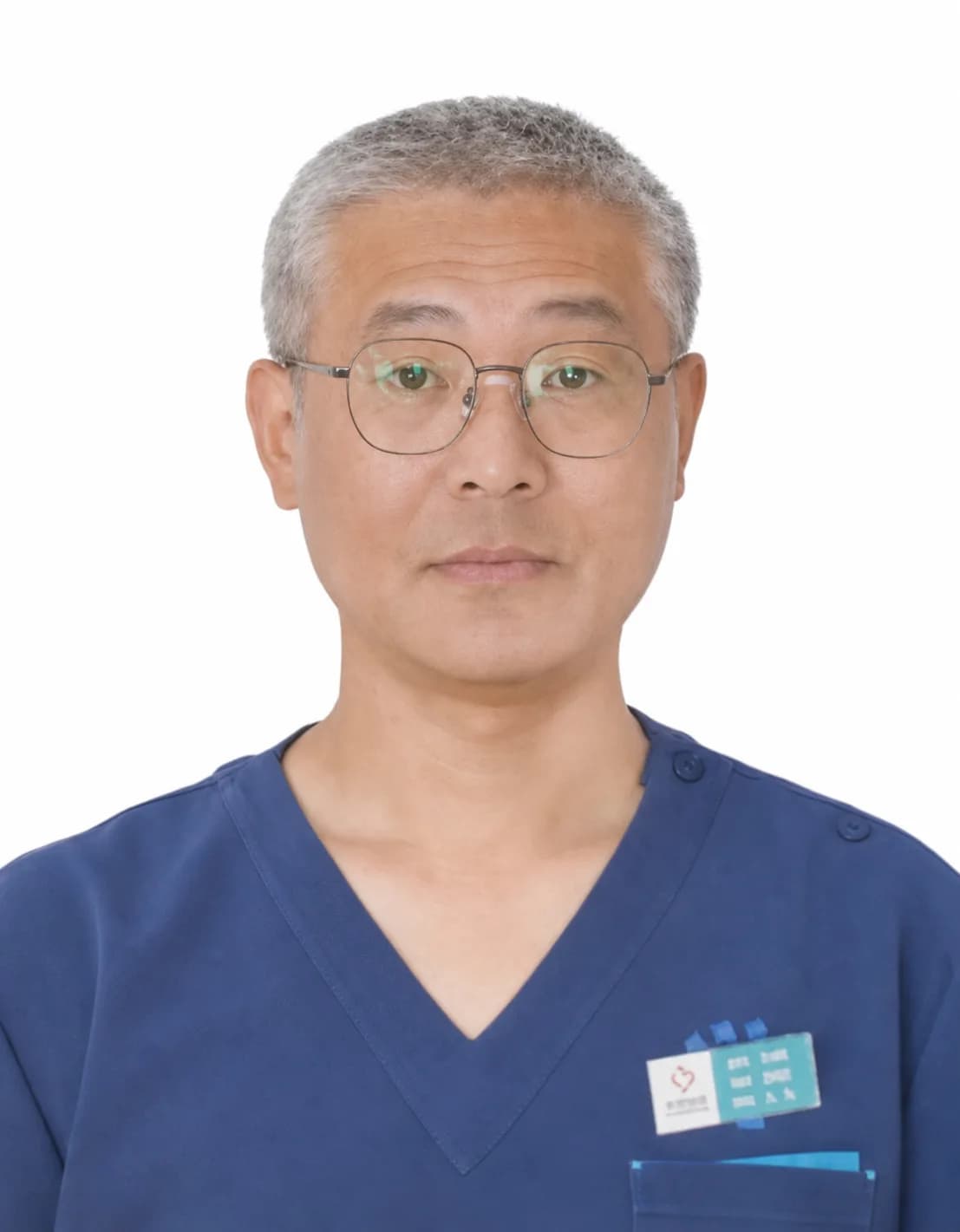
Chen Ruixu陈锐旭
Head of the Chinese medicine department
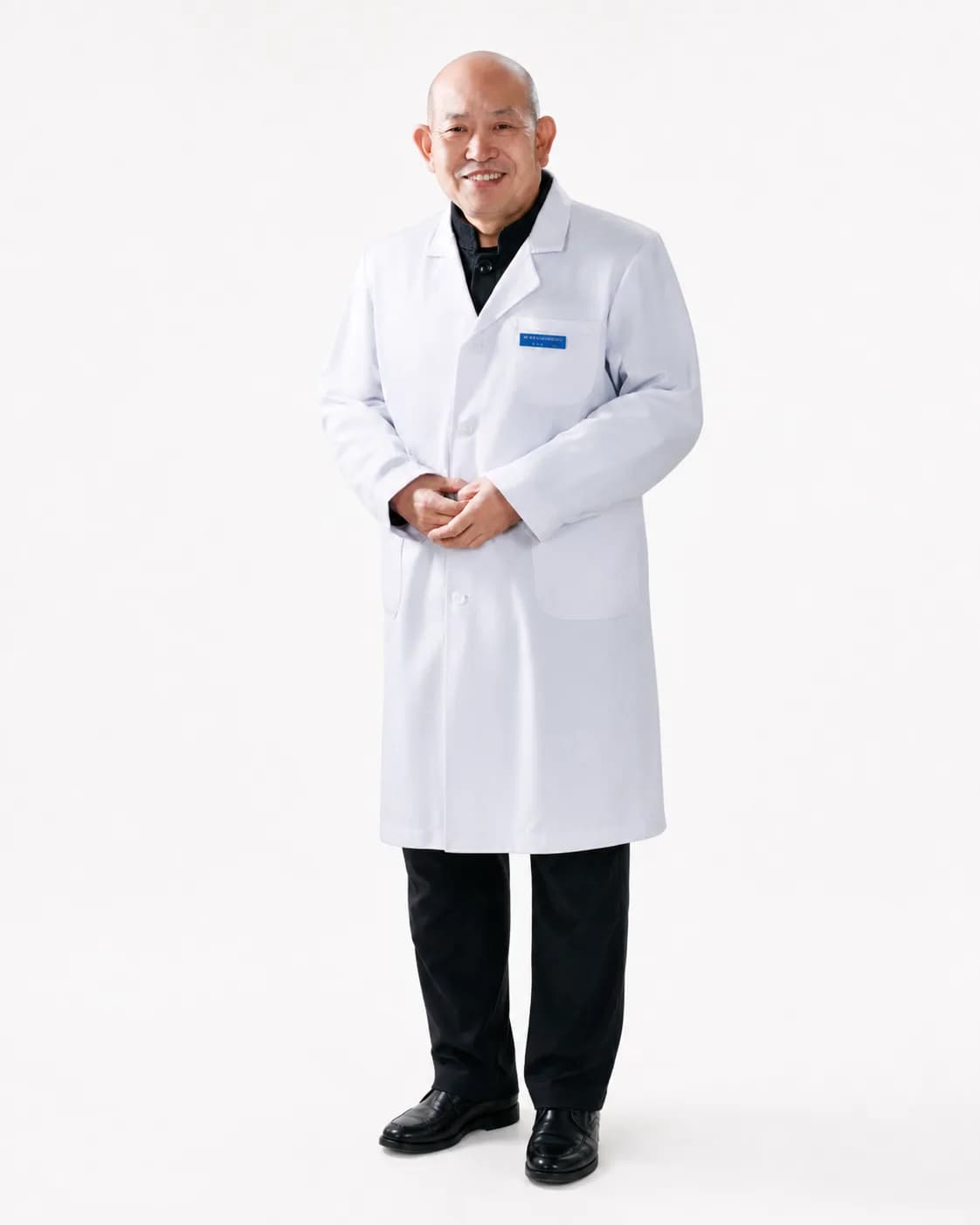
Zhang Mingjian张明建
Expert of the Chinese medicine department
What diagnoses it helps with: Needle-Knife
Book a free consultation
Send us the medical records and a short video — Boya doctors will review the materials and tell you how they can help. A coordinator will get back to you within 5 minutes.