Acupuncture
Acupuncture is a core traditional Chinese medicine method within the centre's programme. Very fine needles are placed at active points on the head, back, body and abdomen; in children's rehabilitation it complements physical therapy, occupational therapy and speech therapy.
How the procedure works
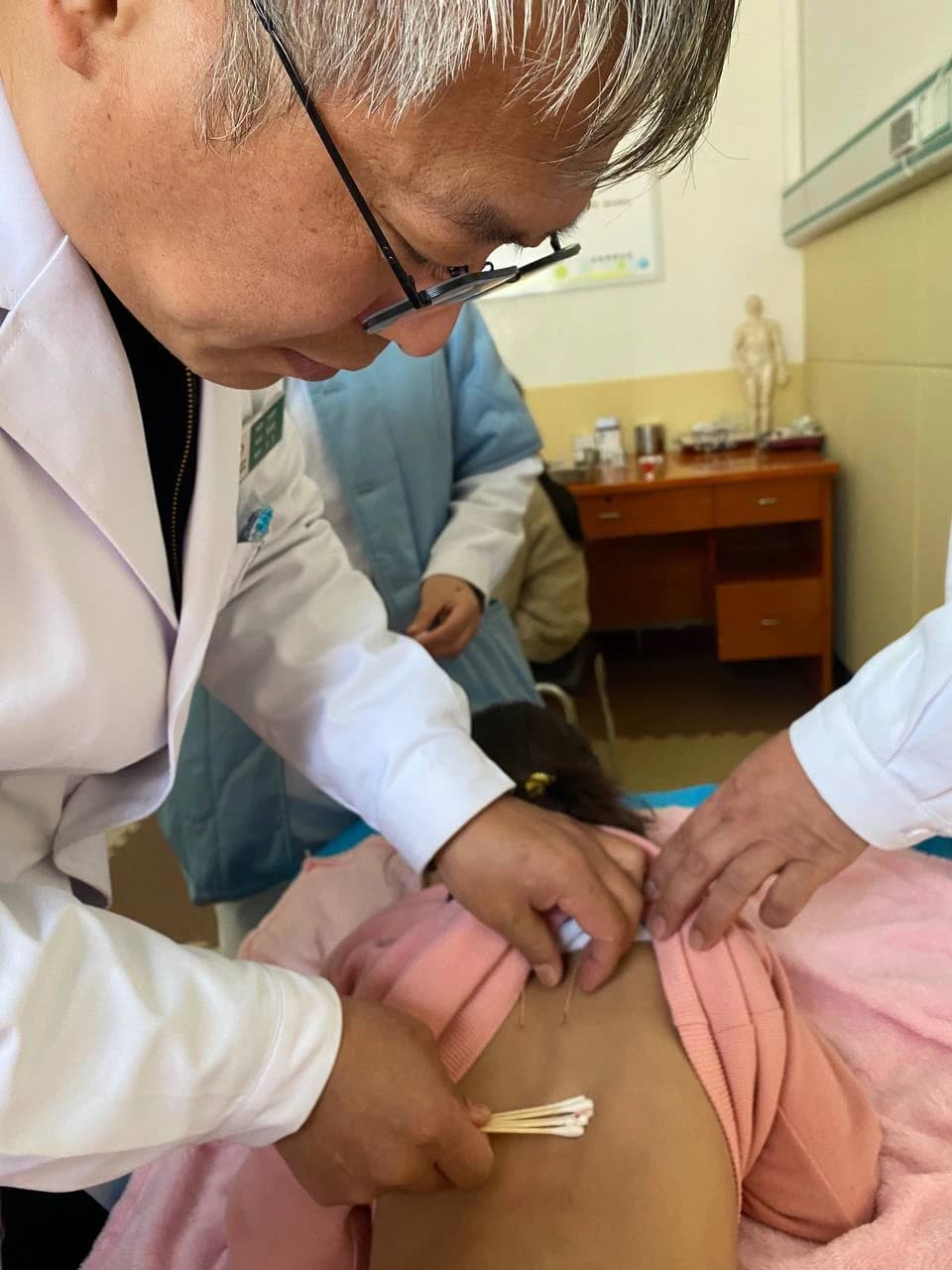
Acupuncture is a traditional Chinese medicine method in which very fine needles are inserted into active points on the body. In TCM these points are linked to meridians — the channels along which the vital energy Qi circulates — and working with them aims to restore balance and improve overall wellbeing. In children's rehabilitation acupuncture is used as a complementary method alongside physical therapy, occupational therapy, speech therapy and physiotherapy.
How it works
Stimulating the points is thought to act on the nervous system: it supports the release of neurotransmitters, helps the child relax and feel less anxious, and improves local circulation and tissue metabolism. The degree of effect is individual and depends on the child's condition, so the programme is always built by a doctor after an examination.
The traditional Chinese medicine view
TCM describes developmental difficulties through the concept of the "five delays and five weaknesses": delays in standing, walking, tooth and hair growth and speech — and weakness of the muscles of the head and neck, mouth, arms, legs and general muscle weakness. Treatment aims to activate circulation and regulate the flow of Qi: removing the factors that weaken the body and strengthening the child's vitality.
Techniques used at the centre
- Scalp and spinal acupuncture — points on the cranial vault and along the governing vessel (Du Mai). In TCM the head is where the Yang energies converge and this meridian is closely linked to the brain; the work targets cerebral circulation, muscle strength and joint function, speech and cognitive development.
- Body acupuncture — work along the Yang Ming meridian, considered rich in energy and blood. Points are chosen according to the clinical picture in order to "open the channels" and improve limb movement.
- Abdominal acupuncture — points on the abdomen around the Shen Que (navel) area. TCM calls the abdomen the "second brain" and links work with these points to brain function as well.
- Facial acupuncture (面针) — targets local circulation, attention, chewing and reduced drooling. Periocular acupuncture is used separately for strabismus and amblyopia.
In cerebral palsy and ASD
In cerebral palsy acupuncture is used to influence muscle tone (reducing spasticity or, conversely, raising tone in hypotonia), improve coordination, ease discomfort and help normalise sleep and emotional state.
In ASD the work focuses on lowering anxiety and overall stress, improving sleep quality, addressing behavioural difficulties (irritability, hyperactivity) and supporting attention.
What parents should know
An acupuncture course at the centre is 20 sessions: electroacupuncture lasts 15–20 minutes, other techniques 30–40 minutes, and sessions run once a day, 6 days a week. Acupuncture does not replace physical, occupational or speech therapy — it works alongside them. Needles are sterile and single-use, and sessions are performed by a traditional Chinese medicine doctor. Before the course starts a doctor always examines the child, assesses how the method is tolerated and selects gentler techniques if the procedure is difficult for the child.
TCM doctor's assessment
A traditional Chinese medicine doctor examines the child, clarifies the diagnosis and current rehabilitation goals, and assesses how well the child will tolerate the procedure.
Selecting points and technique
A combination of techniques is chosen for the child — scalp and spinal, body, abdominal, facial and periocular acupuncture — along with the specific set of points.
The session
The skin is cleaned with antiseptic and the doctor inserts fine needles into the selected points. The session is supervised by a specialist and a parent may stay nearby.
Progress review
The doctor evaluates tolerance and changes in the child's condition, adjusts the set of points if needed and schedules a repeat course.
How Sessions Look
Indications and contraindications
Indications
Contraindications
Who performs the procedure
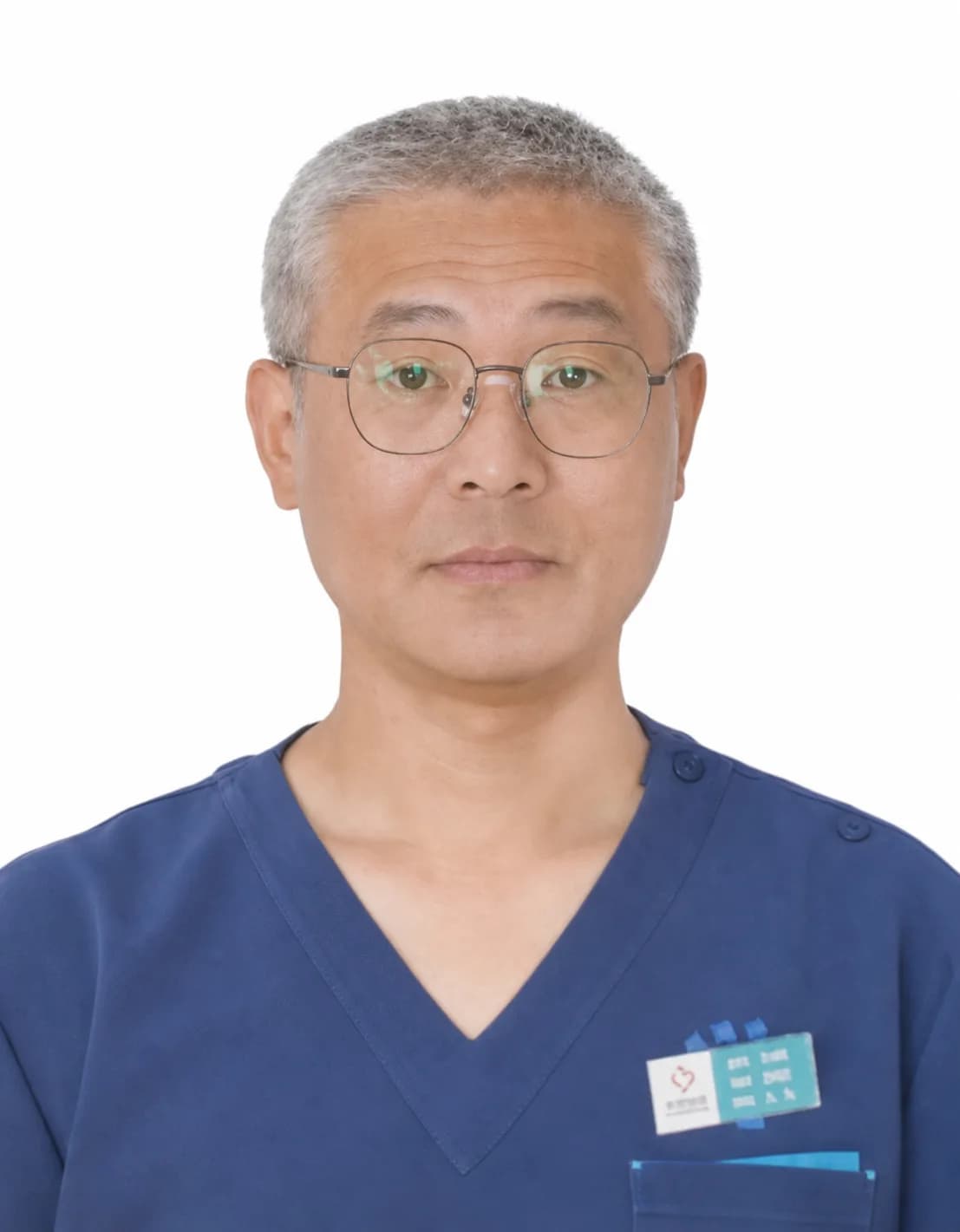
Chen Ruixu陈锐旭
Head of the Chinese medicine department
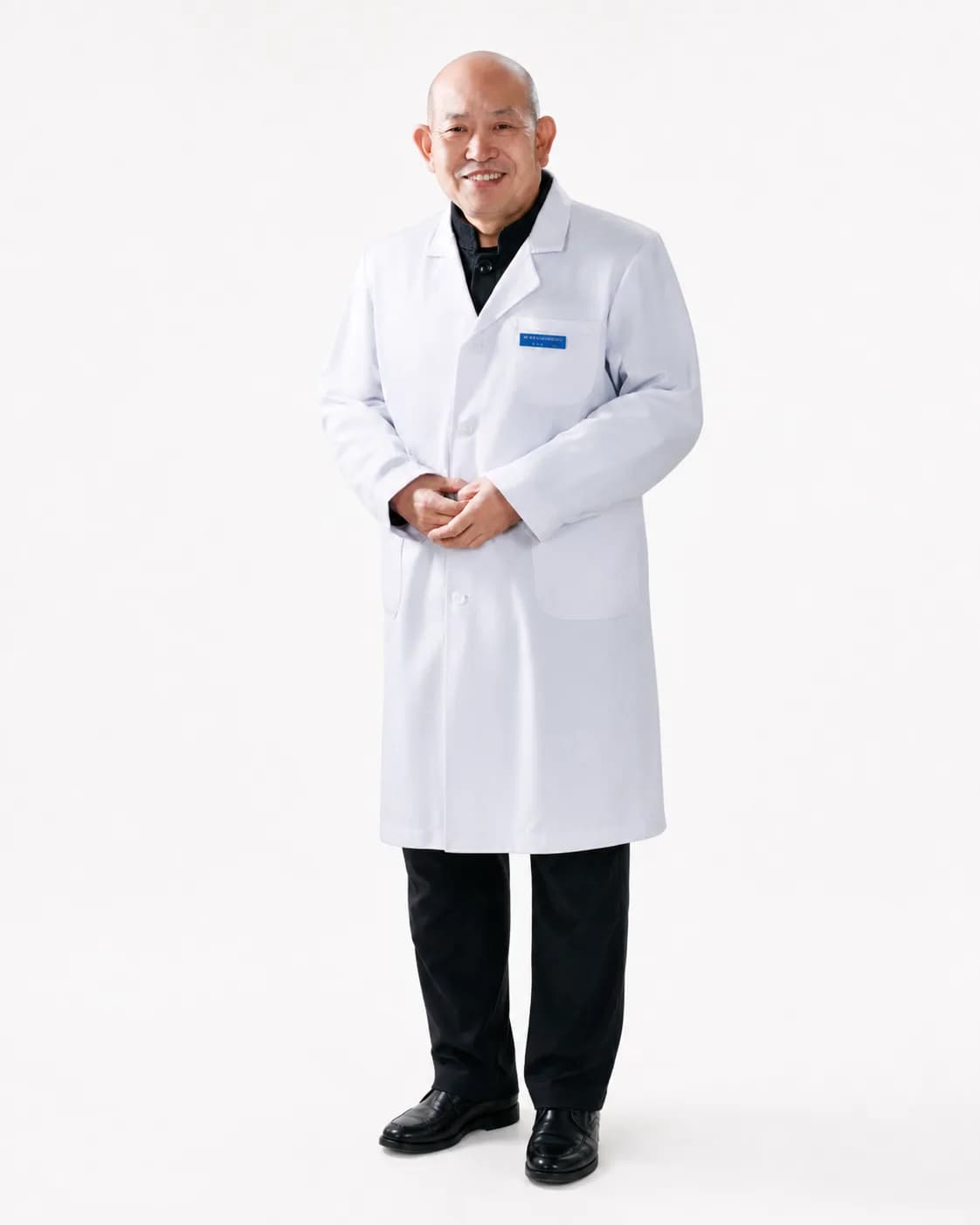
Zhang Mingjian张明建
Expert of the Chinese medicine department
What diagnoses it helps with: Acupuncture
Book a free consultation
Send us the medical records and a short video — Boya doctors will review the materials and tell you how they can help. A coordinator will get back to you within 5 minutes.