Tuina Massage
Tuina (推拿) is an ancient form of Chinese therapeutic massage: pressing, rubbing, stretching and kneading of points linked to the meridians. In children's rehabilitation it helps release spastic muscles, improve circulation and reduce anxiety.
How the procedure works
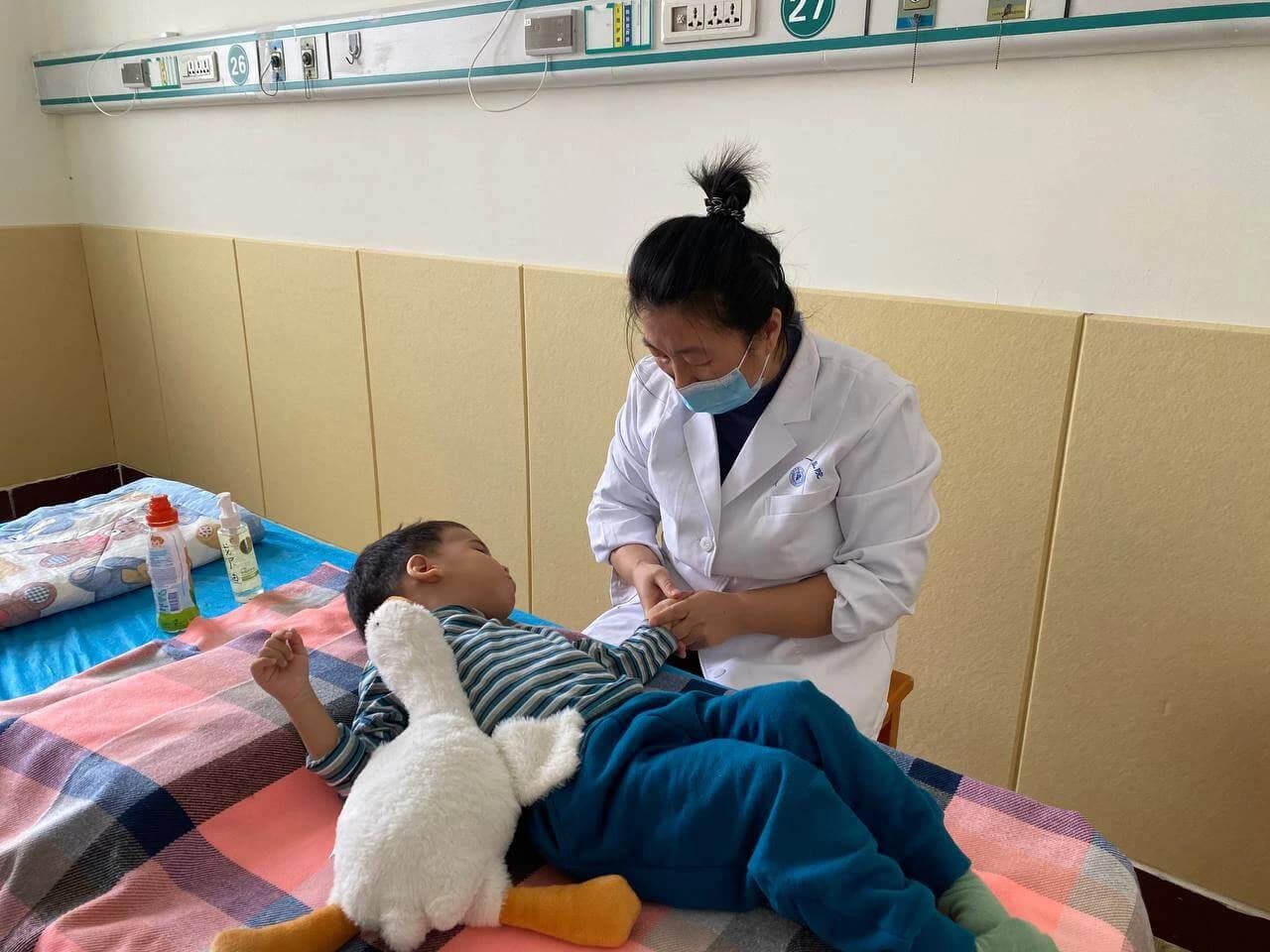
Tuina (推拿) is an ancient form of Chinese therapeutic massage. It uses a range of techniques — pressing, rubbing, stretching and kneading — to work with points on the body linked to the meridians. In traditional Chinese medicine health depends on the free flow of Qi along these channels, and massage helps restore that flow. In children's rehabilitation tuina is used as part of the comprehensive programme, together with physical therapy, occupational therapy, speech therapy and physiotherapy.
The core techniques
- Pressing (按, "an") — light or deep pressure on specific points, targeted work with problem areas.
- Rubbing (摩, "mo") — smooth movements that stimulate circulation and relax the muscles.
- Pinching (抓, "zhua") — helps release muscle tension and improve blood flow, used for spasms and tightness.
- Kneading (揉, "rou") — work with deeper muscle tissue to release persistent tension.
- Tapping (拍, "pai") — light rhythmic strokes for gentle stimulation of the nervous system and relaxation.
In cerebral palsy
Massage helps relax tight muscles and improve joint mobility, increasing blood flow to the tissues and supporting lymphatic drainage. Regular sessions support work with muscle tone and coordination, while stimulating active points gives the nervous system additional input. Tuina does not replace physical therapy — it prepares the child's body for movement and helps consolidate what training achieves.
In ASD and psycho-speech delay
For children with autism spectrum disorders tuina is used to calm the nervous system: to reduce anxiety, make falling asleep easier and help the child adapt to tactile input. Specific techniques are used to support attention and reduce hyperactivity, which matters particularly in ADHD. Intensity is chosen individually: where sensory sensitivity is high, the work starts with the gentlest techniques.
What parents should know
Sessions last 50 minutes and run once a day, 6 days a week; the course is 10 sessions. Tuina is combined with other traditional Chinese medicine methods — acupuncture and herbal compresses — and with Western rehabilitation approaches. A doctor examines the child before the course begins, and sessions are carried out by a specialist experienced in working with children with developmental conditions.
Specialist assessment
A tuina specialist evaluates muscle tone, joint mobility and areas of tension, and agrees the goals with the rehabilitation therapist and the doctor.
Choosing the techniques
A combination of techniques and an intensity level are selected for the child: the younger and more sensitive the child, the gentler the work.
The session
The therapist works through points and meridians in turn — pressing, rubbing, kneading, pinching and tapping. A parent may stay nearby.
Progress review
The specialist records changes in tone and mobility, adapts the techniques where needed and agrees adjustments with the doctor.
How Sessions Look
Indications and contraindications
Indications
Contraindications
Who performs the procedure
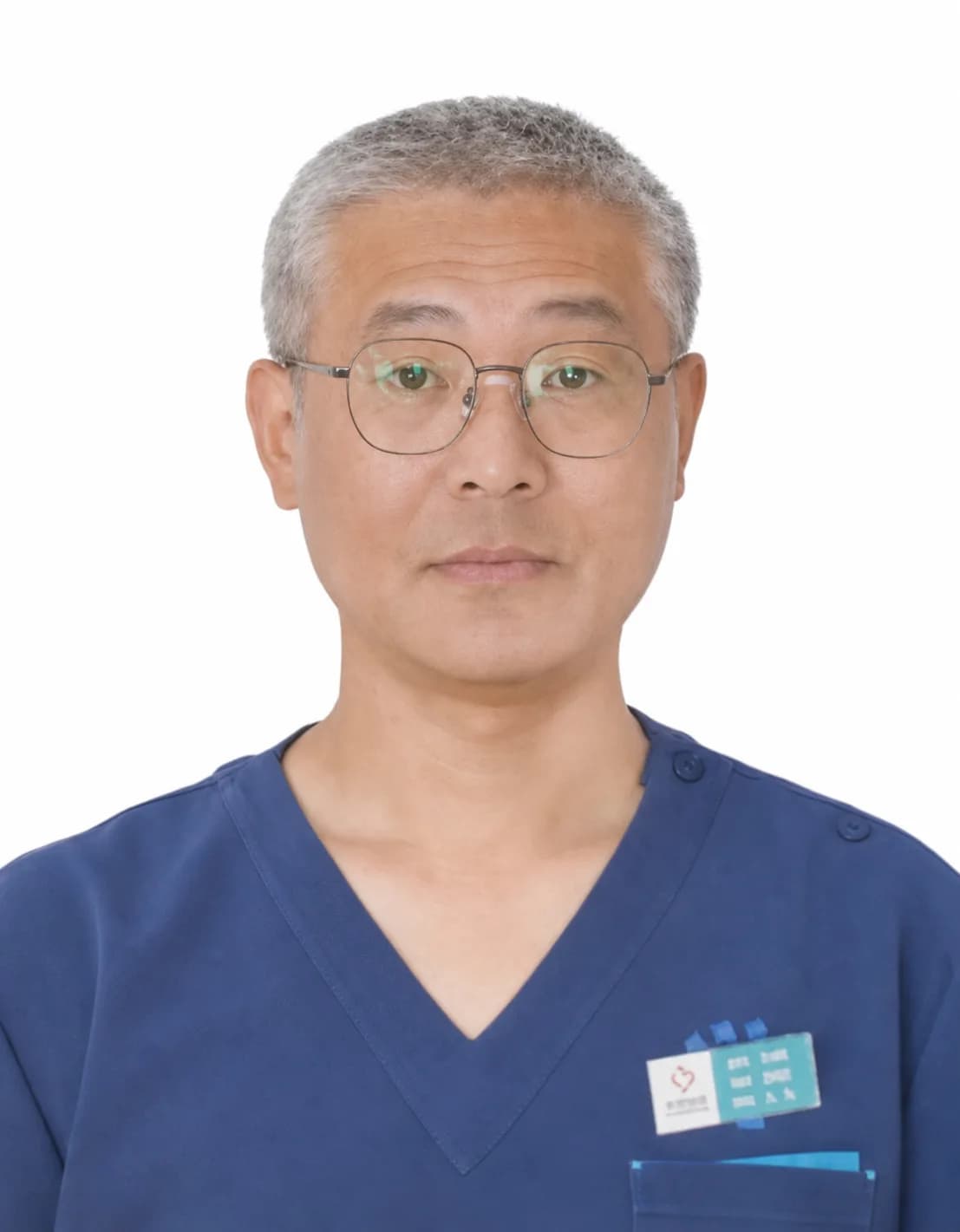
Chen Ruixu陈锐旭
Head of the Chinese medicine department
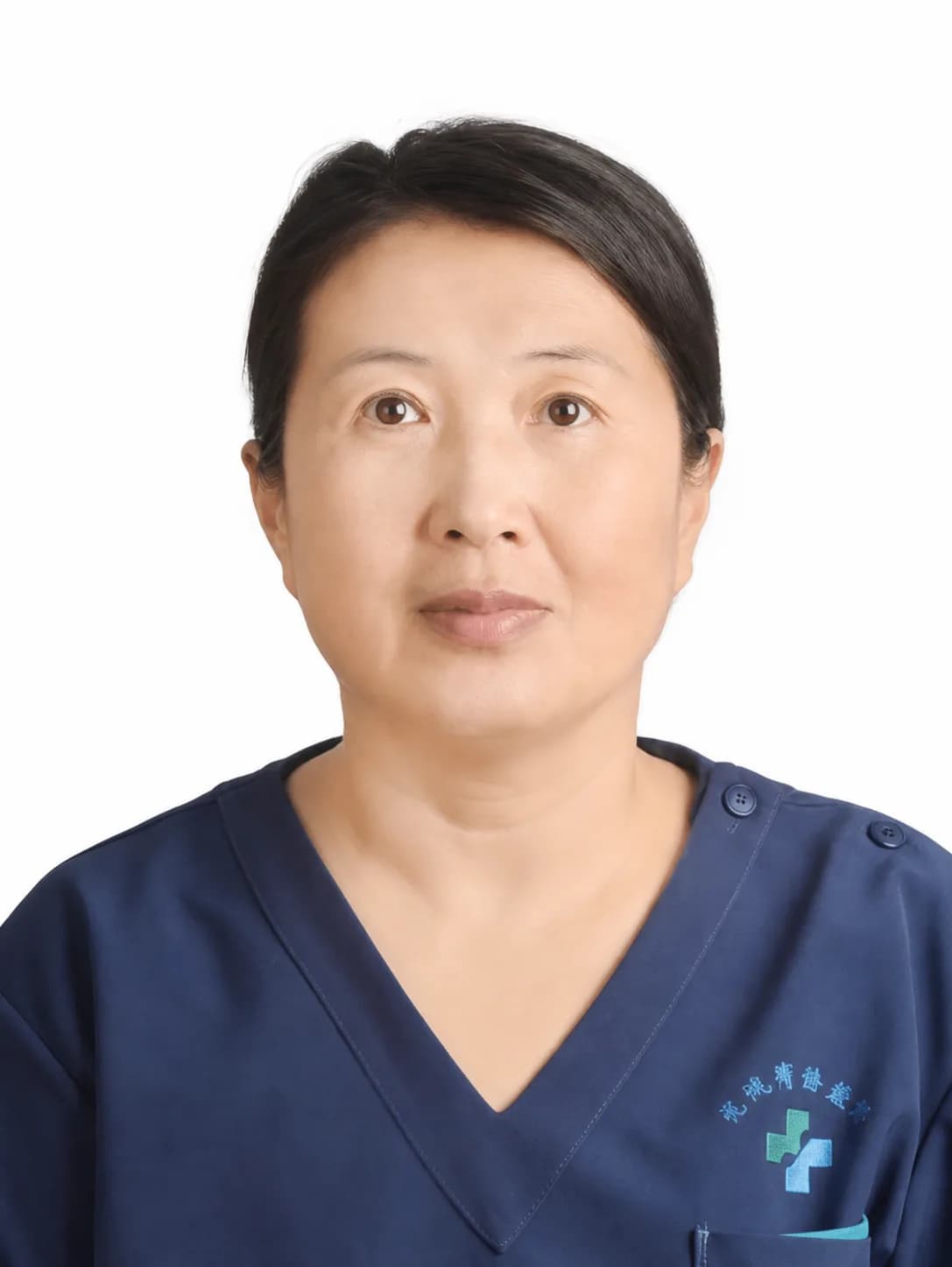
Jing Yanxiang景彦香
Senior massage therapist
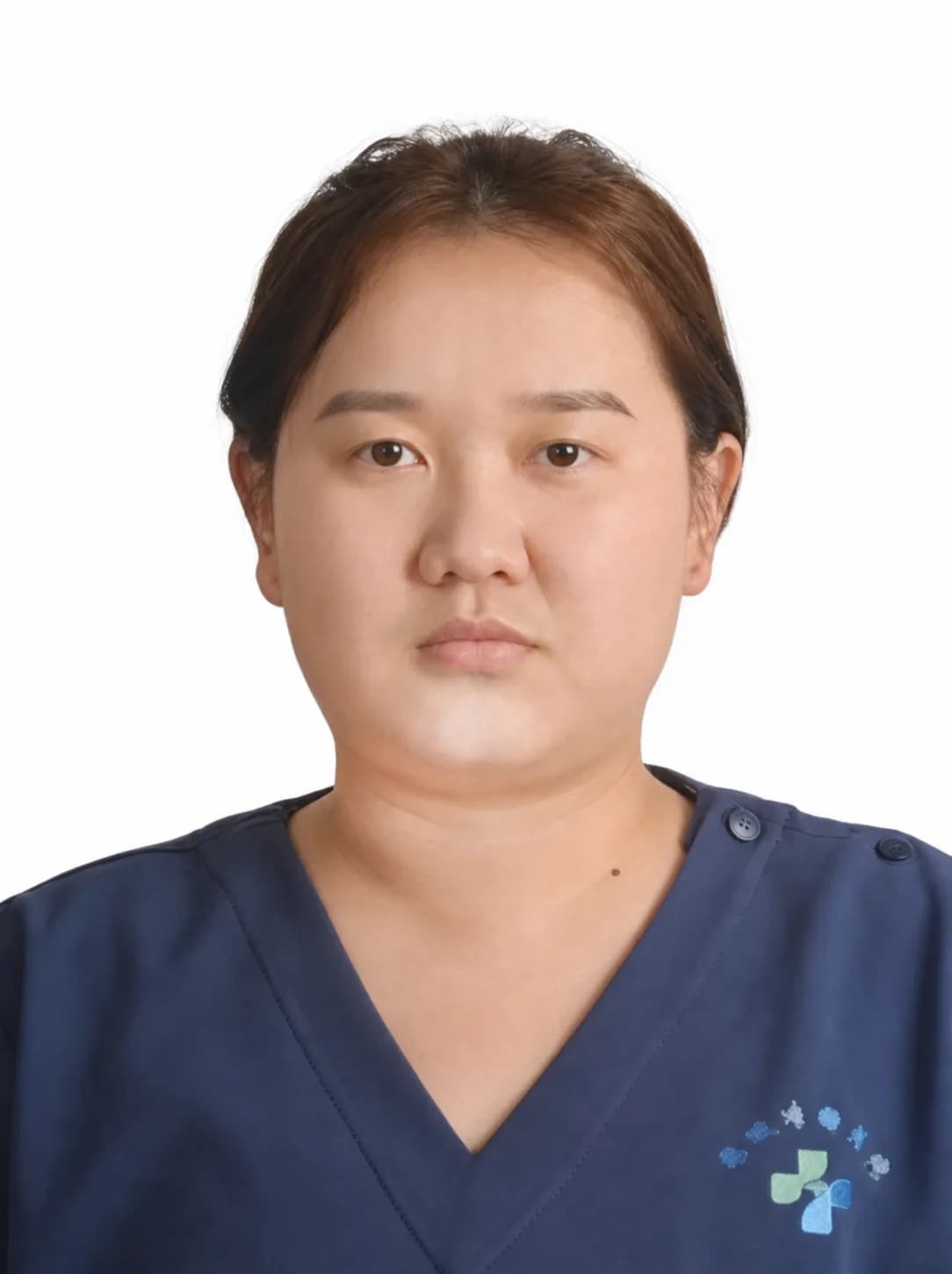
Wu Yaxin武雅馨
Senior massage therapist
What diagnoses it helps with: Tuina Massage
Book a free consultation
Send us the medical records and a short video — Boya doctors will review the materials and tell you how they can help. A coordinator will get back to you within 5 minutes.