Gung's Scalp Acupuncture
Gung's Brain Acupuncture is a scalp acupuncture technique: needles are placed in defined zones of the scalp. The aim is to gently influence how the nervous system works and to support the child's motor, speech and cognitive development.
How the procedure works
Gung's scalp acupuncture (Gung's Brain Acupuncture) is a traditional Chinese medicine technique in which needles are placed into defined zones of the scalp. It is considered a form of neuromodulation: working with scalp zones is used to influence how the nervous system functions and to support recovery in children with neurological conditions — cerebral palsy, autism spectrum disorders and psycho-speech delay.
How the method works
Stimulating scalp zones is aimed at restoring disrupted neural connections, improving cerebral circulation and activating the body's own recovery processes. This is why scalp acupuncture is used together with physical therapy, occupational therapy and speech therapy: the needle provides the stimulus, while daily work with the body and with speech consolidates the result.
What the work targets
- In cerebral palsy — motor function and coordination, reduction of muscle spasticity.
- In ASD — stimulating the nervous system to support communication skills, social adaptation and behavioural regulation.
- In psycho-speech and cognitive delay — cognitive function, learning processes and speech skills.
How a session goes
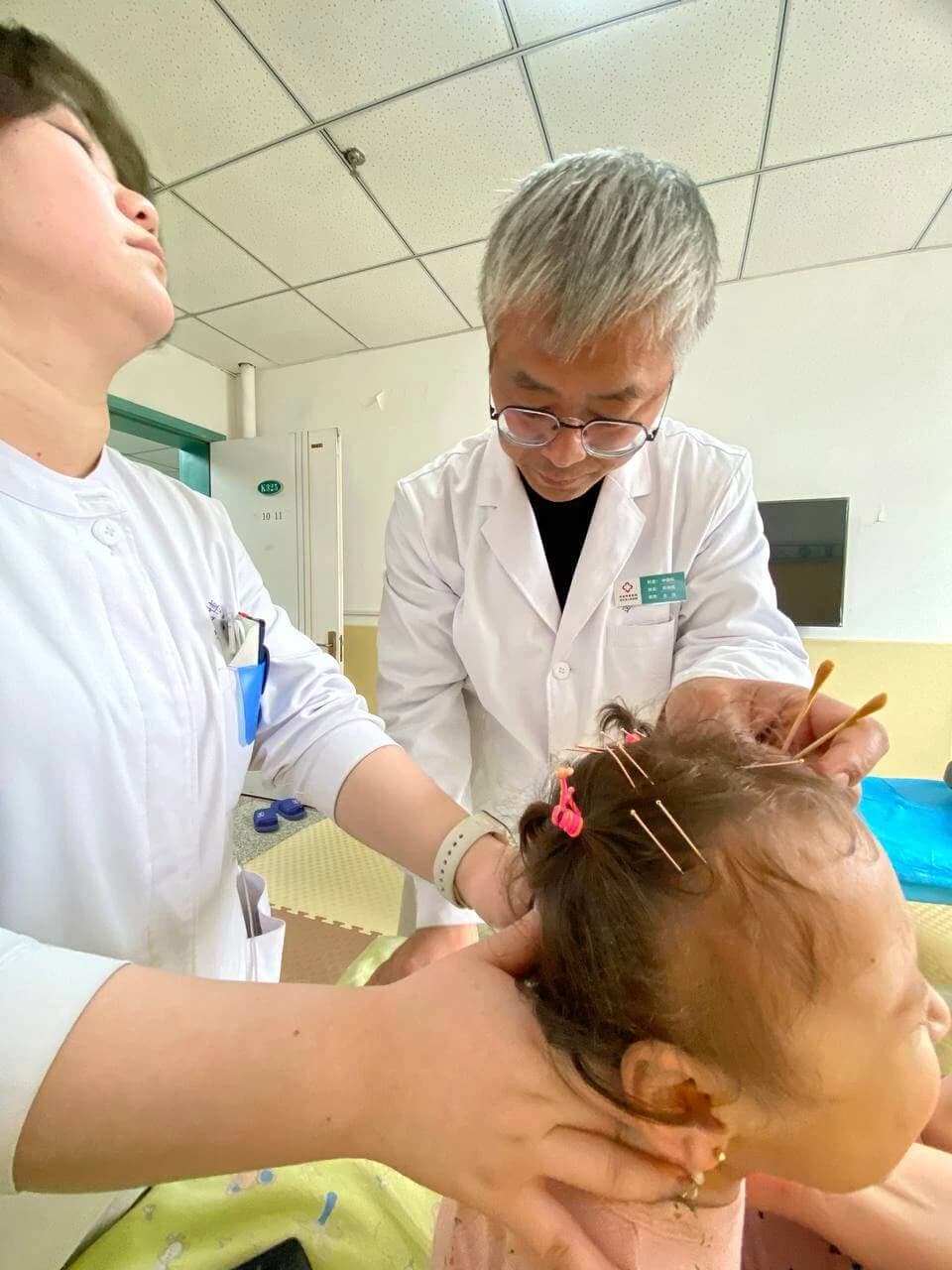
The child is settled comfortably and the scalp is cleaned with antiseptic. The doctor inserts fine single-use needles into the selected zones — the work is quick, and the number of needles and their depth are matched to the child's age and condition. A nurse and a parent stay nearby: it matters that the child is calm and the head stays steady. After the retention time the needles are removed and the doctor notes tolerance and any changes.
What parents should know
A scalp acupuncture course is 15 sessions, with procedures every other day within the overall programme schedule. The method combines traditional Chinese medicine with a modern understanding of the nervous system and is always used as part of comprehensive rehabilitation — alongside physical therapy, occupational therapy, sensory integration and speech therapy. Before the course begins a doctor examines the child and tailors the scheme individually.
Assessment and zone selection
A TCM doctor examines the child, clarifies the rehabilitation goals and defines the scalp zones to be worked with during this course.
Preparation
The child is placed in a comfortable lying or sitting position and the scalp is cleaned with antiseptic. An assistant and a parent help the child stay calm and still.
Needle placement
The doctor inserts fine needles into the selected scalp zones. The work is quick and precise; depth and the number of needles are matched to the child's age and condition.
Retention and review
The needles stay in place for the session under supervision and are then removed. The doctor records tolerance and progress and adjusts the scheme if needed.
How Sessions Look
Indications and contraindications
Indications
Contraindications
Who performs the procedure
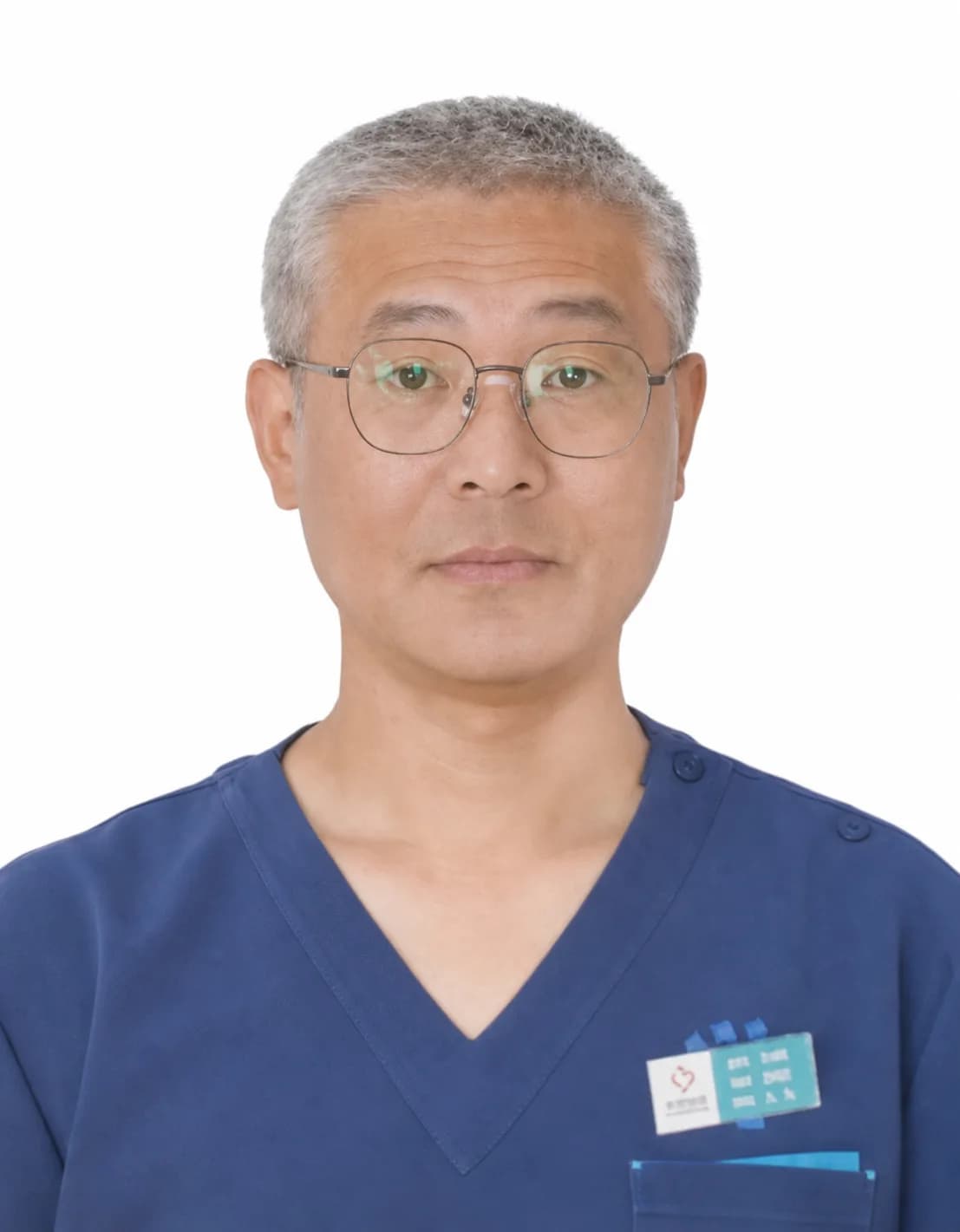
Chen Ruixu陈锐旭
Head of the Chinese medicine department
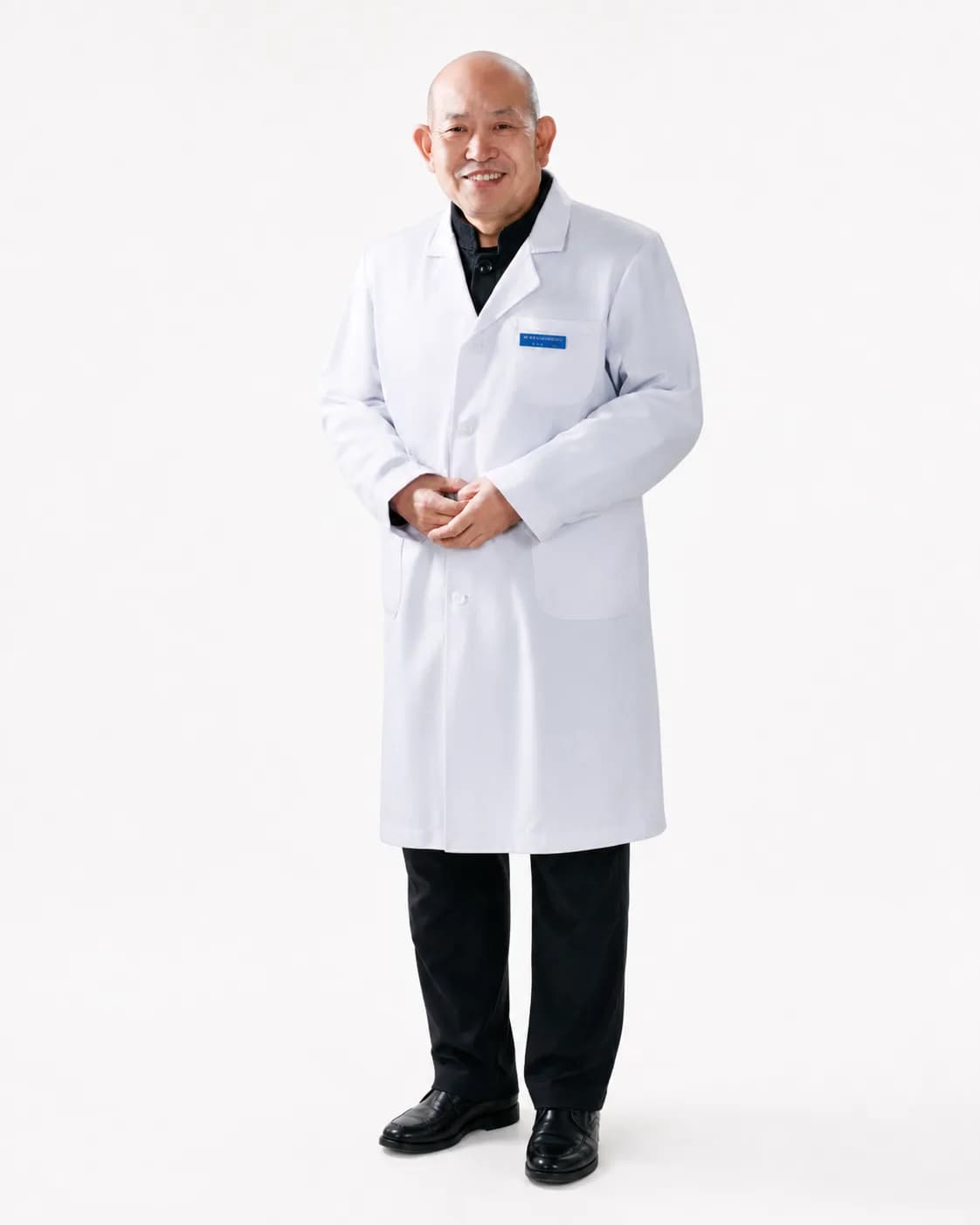
Zhang Mingjian张明建
Expert of the Chinese medicine department
What diagnoses it helps with: Gung's Scalp Acupuncture
Book a free consultation
Send us the medical records and a short video — Boya doctors will review the materials and tell you how they can help. A coordinator will get back to you within 5 minutes.