Physical Therapy & Rehabilitation
Physical therapy (PT) is the foundation of the centre's programme: restoring motor function, correcting abnormal postures and stimulating normal development. Bobath, Vojta and CME methods; every programme is built individually around the child's condition and abilities.
How the procedure works
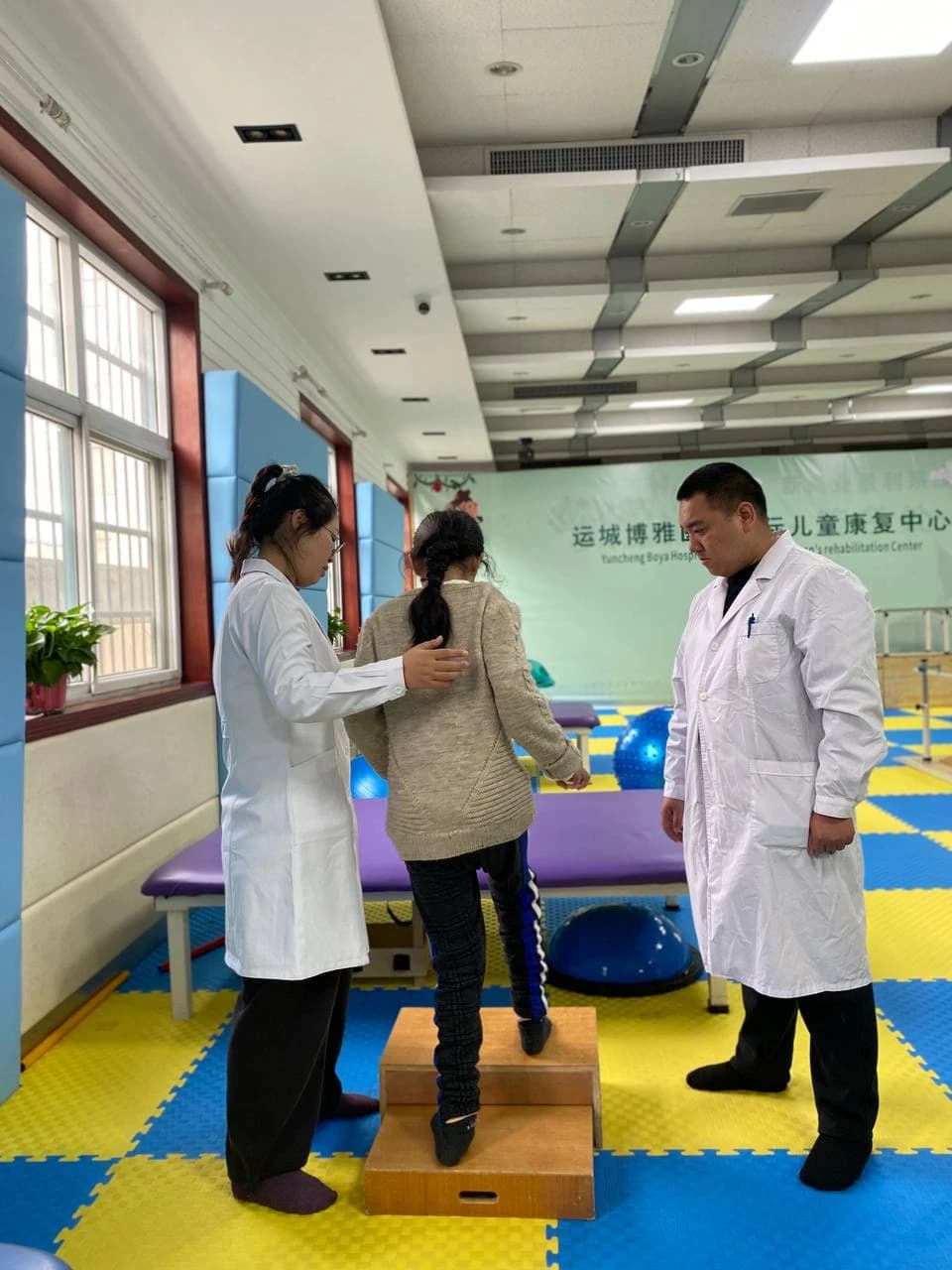
Physical therapy (PT) is one of the core methods of working with children with neurological conditions and the foundation of the rehabilitation programme at Boya Hospital. Sessions focus on restoring motor function, correcting abnormal postures and stimulating normal motor development. Every programme is built individually: exercises and techniques are selected around the child's condition, age and current abilities.
Methods
- Bobath method — neurodevelopmental therapy aimed at normalising muscle tone and building correct movement patterns.
- Vojta method — reflex therapy: stimulating specific zones of the body activates innate motor reflexes. Vojta therapy is part of the centre's PT programme.
- CME (Cuevas Medek Exercises) — a dynamic exercise system for developing body control and balance.
- Joint mobilisation — manual techniques aimed at restoring joint mobility.
- Traditional Chinese musculoskeletal techniques — complementing Western methods within the centre's integrated approach.
What we work on
Training targets a wider range of joint motion, reduction of increased muscle tone, fading of pathological reflexes, correction of abnormal postures and stimulation of normal motor development. Active and passive exercises are combined to strengthen key muscle groups, while targeted work with antagonist muscles helps engage neuroplasticity — the brain's ability to reorganise and adapt.
A programme for each form of cerebral palsy
Each form of cerebral palsy calls for its own progression: in spastic hemiplegia the focus is on symmetrical development and step-by-step verticalisation — from bridging and sitting to standing and walking; in spastic diplegia — on leg positioning, stretching and crawling practice; in quadriplegia — on releasing tension in the limbs and seated balance; in athetoid and ataxic forms — on postural stability, coordination and balance. Sessions progress from simple to complex as skills are mastered.
What parents should know
Sessions last 50 minutes and run up to 5 times a day — consistent work gives the child's body a constant stimulus to master new motor skills. PT is part of the centre's comprehensive programme and is combined with occupational therapy, apparatus physiotherapy, tuina massage and traditional Chinese medicine methods. Specialists also help parents learn elements of the exercises so progress can be reinforced between courses.
Motor assessment
A rehabilitation therapist evaluates the child's motor function, muscle tone, postures and reflexes, recording the starting level and the priority goals of rehabilitation.
Individual programme
A combination of methods is selected for each child — Bobath, Vojta, CME, joint mobilisation and traditional Chinese musculoskeletal techniques. The programme takes into account the form of cerebral palsy and any accompanying conditions.
Daily sessions
50-minute sessions run up to 5 times a day: active and passive exercises, posture, balance, crawling, standing and walking training — progressing from simple to complex.
Progress review and adjustment
Specialists regularly assess progress and adjust the programme — exercises become more challenging as the child masters new motor skills.
How Sessions Look
Indications and contraindications
Indications
Contraindications
Who performs the procedure
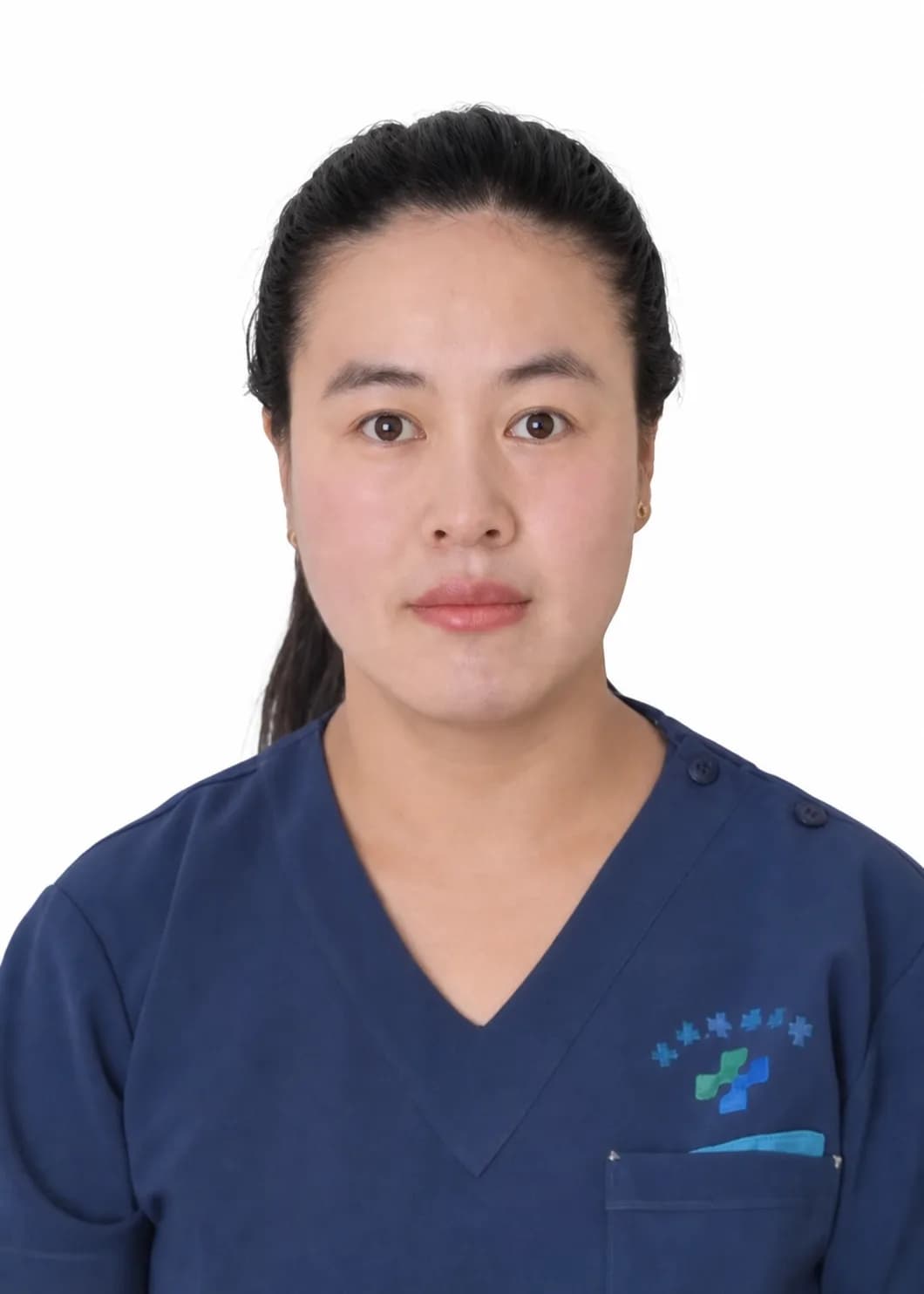
Liu Jinchuan刘金钏
Head of the physical therapy team
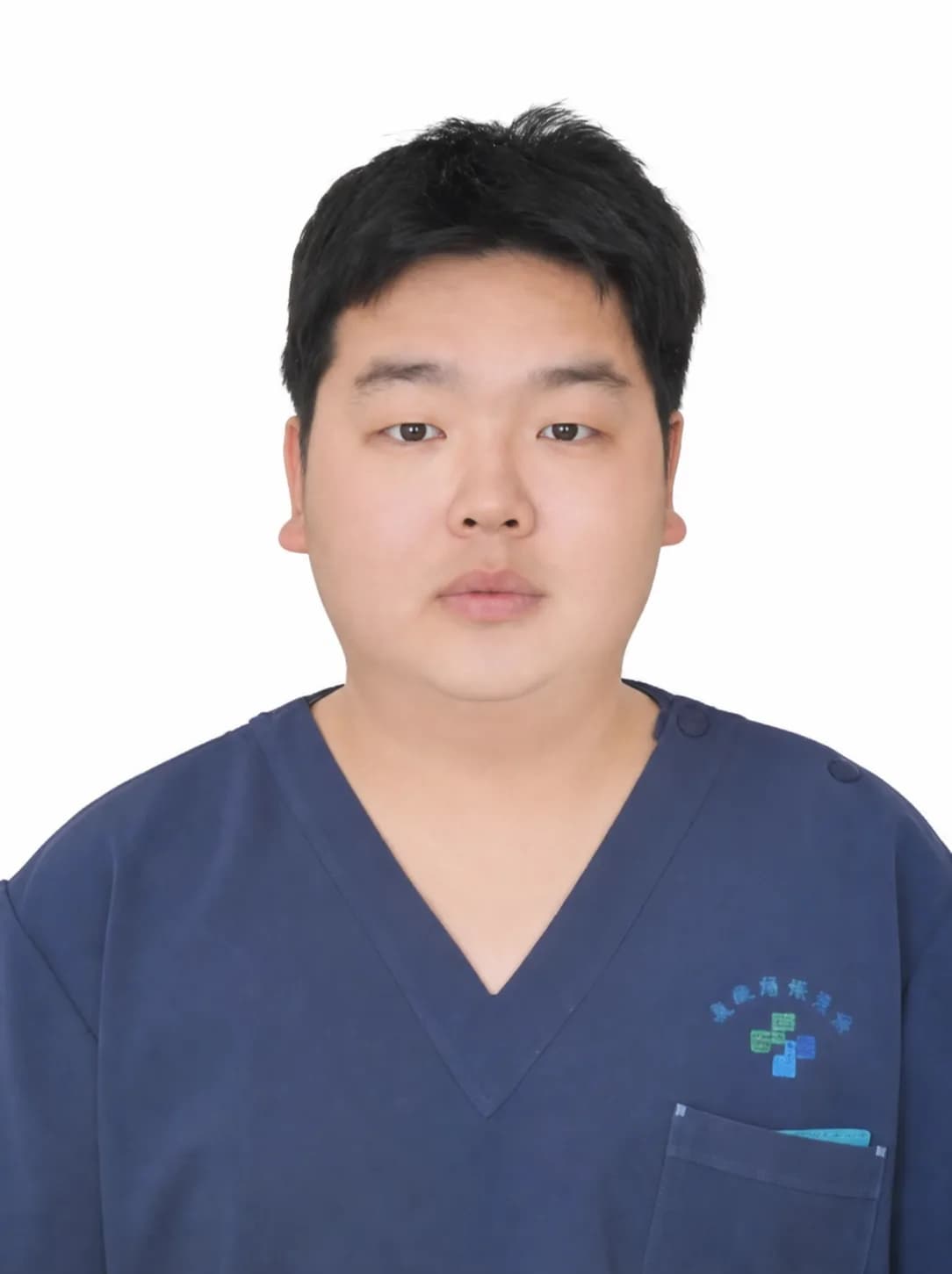
Zhai Shuaibin翟帅斌
Physical therapist
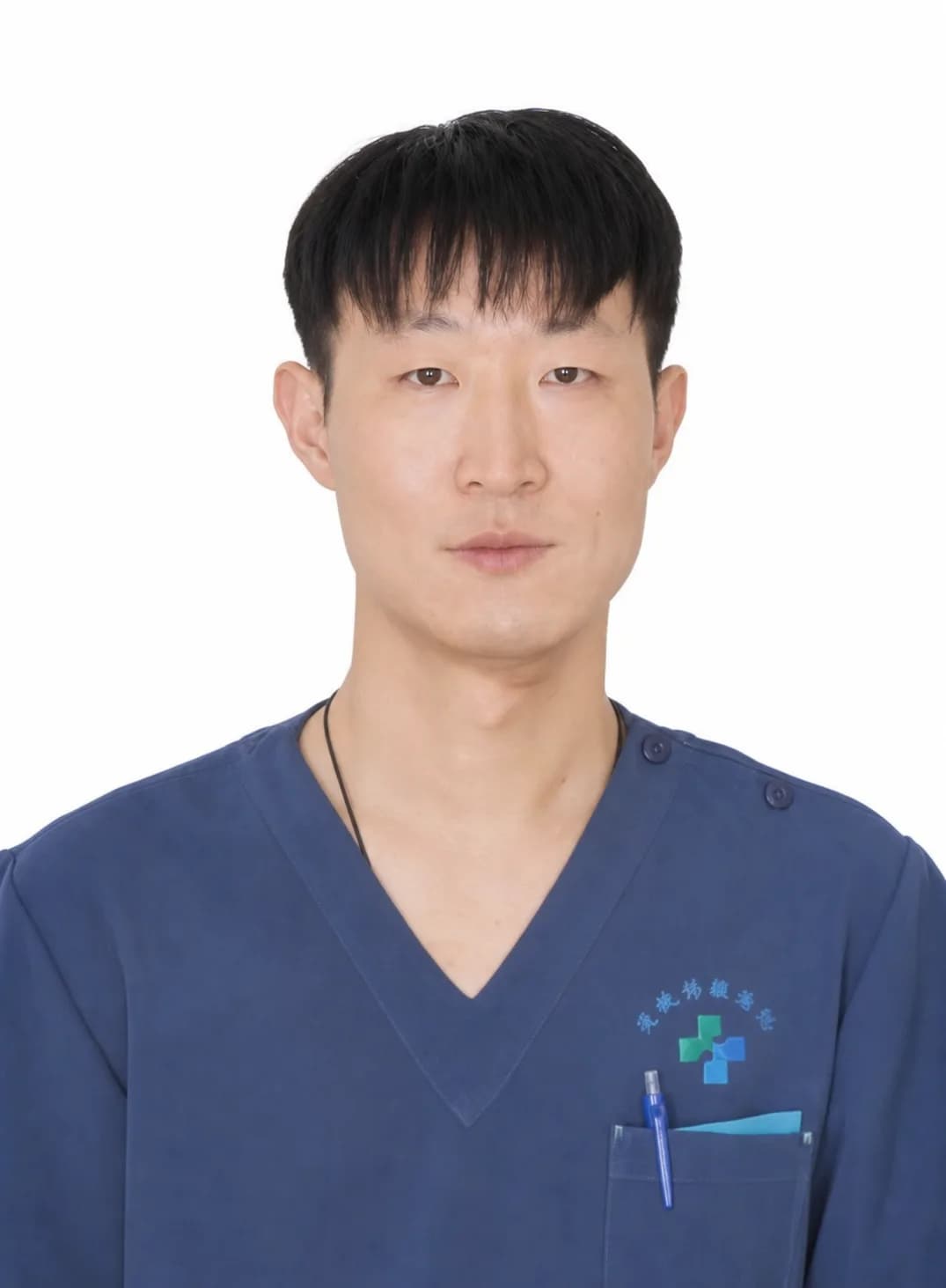
Sun Wei孙伟
Physical therapist
What diagnoses it helps with: Physical Therapy & Rehabilitation
Book a free consultation
Send us the medical records and a short video — Boya doctors will review the materials and tell you how they can help. A coordinator will get back to you within 5 minutes.