Rehabilitation for Down syndrome at Boya Clinic
Boya Hospital in Yuncheng admits children with Down syndrome to its pediatric neurological rehabilitation courses. The program is intensive — 6–9 sessions a day, 6 days a week: work on muscle hypotonia, speech, fine motor skills, and everyday independence. The genetic feature itself cannot be changed — but specific skills can be developed, and that is exactly what the course is for. The recommended length is 2–3 months, with payment on site and no prepayment.
What is Down syndrome?
Down syndrome is a genetic feature in which the cells carry an extra, third copy of chromosome 21. It is not an illness one catches and not the result of parenting mistakes: it is how the cells were formed. In rehabilitation, Down syndrome is associated above all with two themes — reduced muscle tone (hypotonia) and an individual pace of mastering movement, speech, and everyday skills. Those are exactly what the course works on.
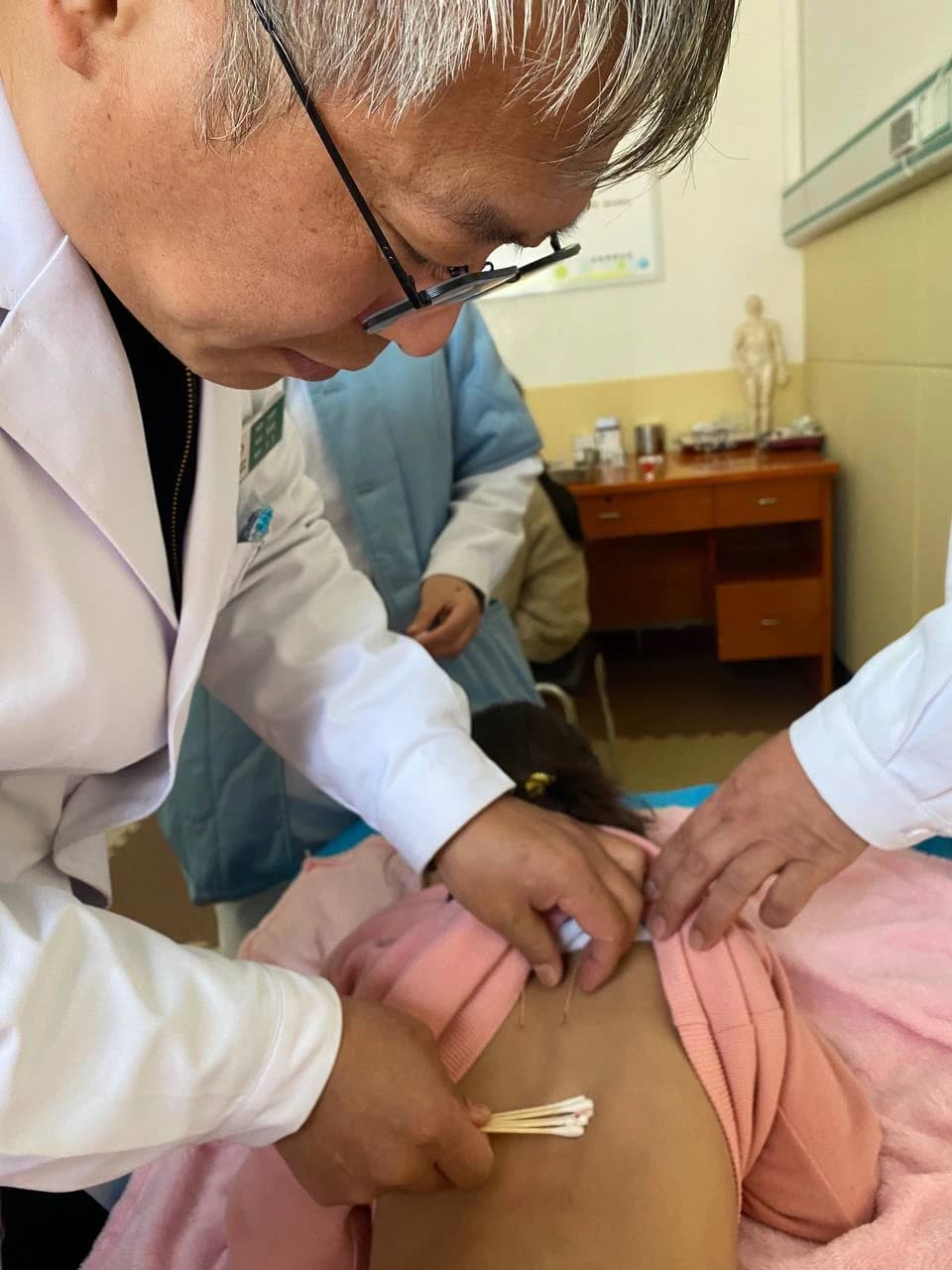
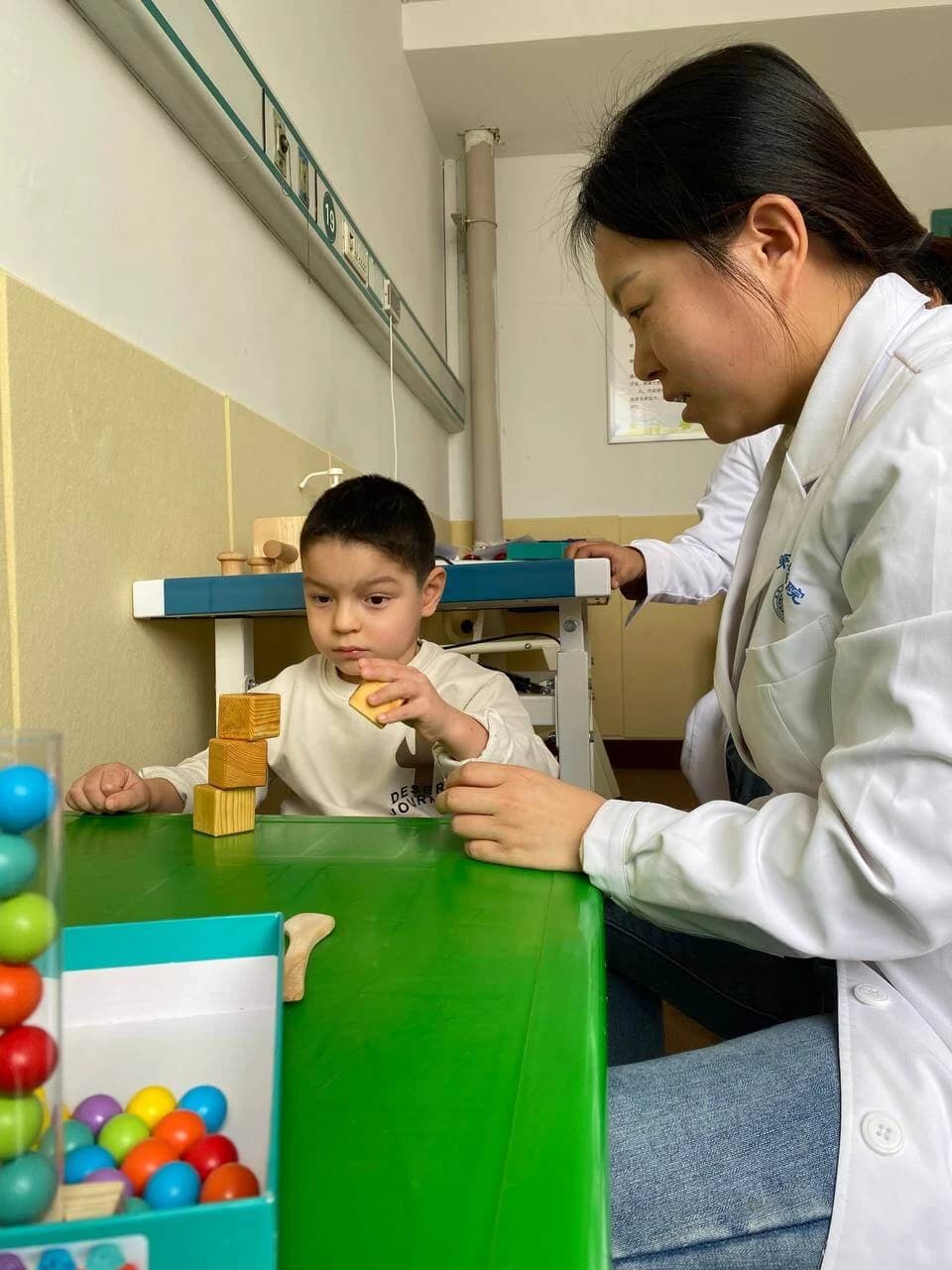
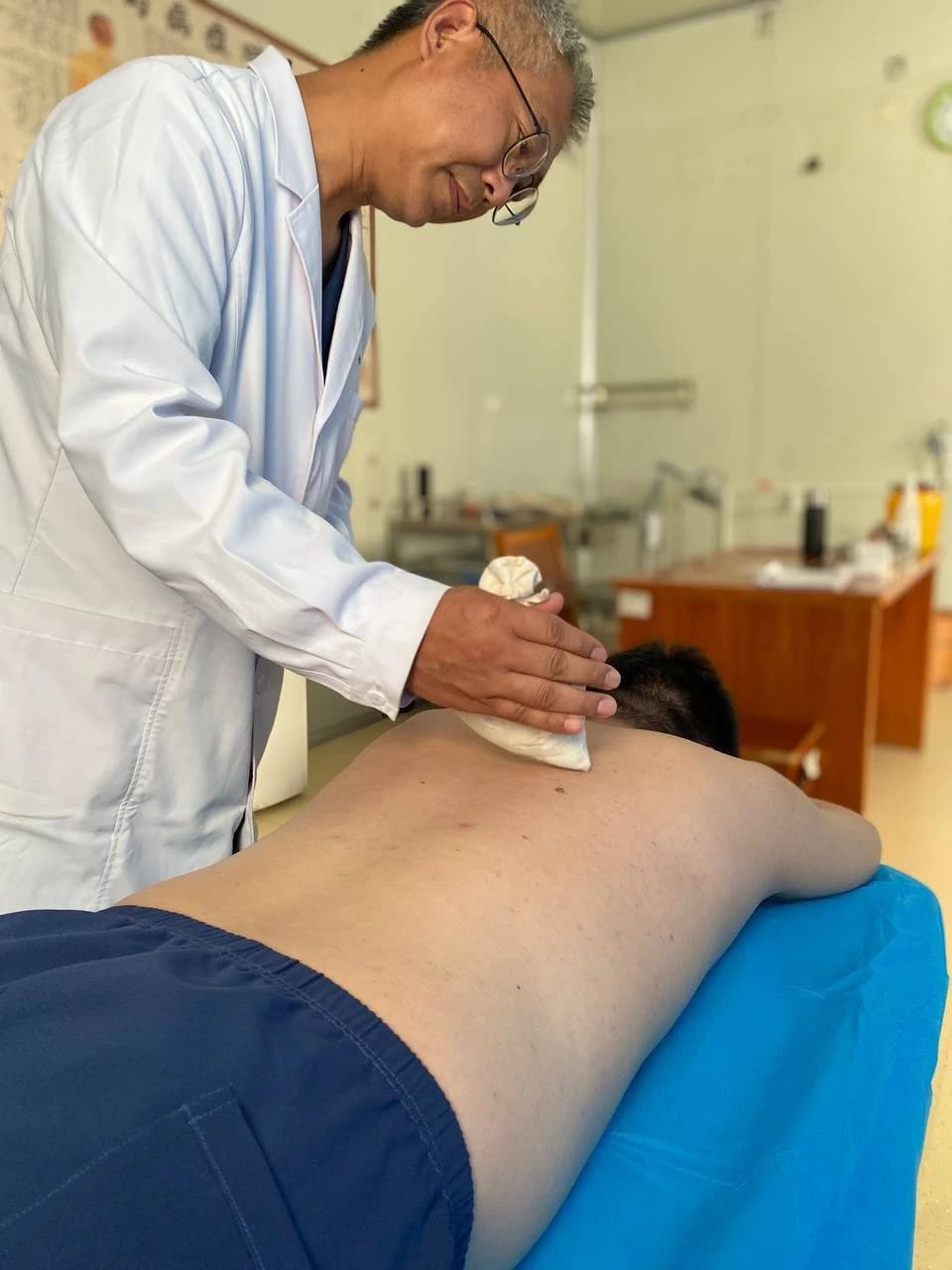
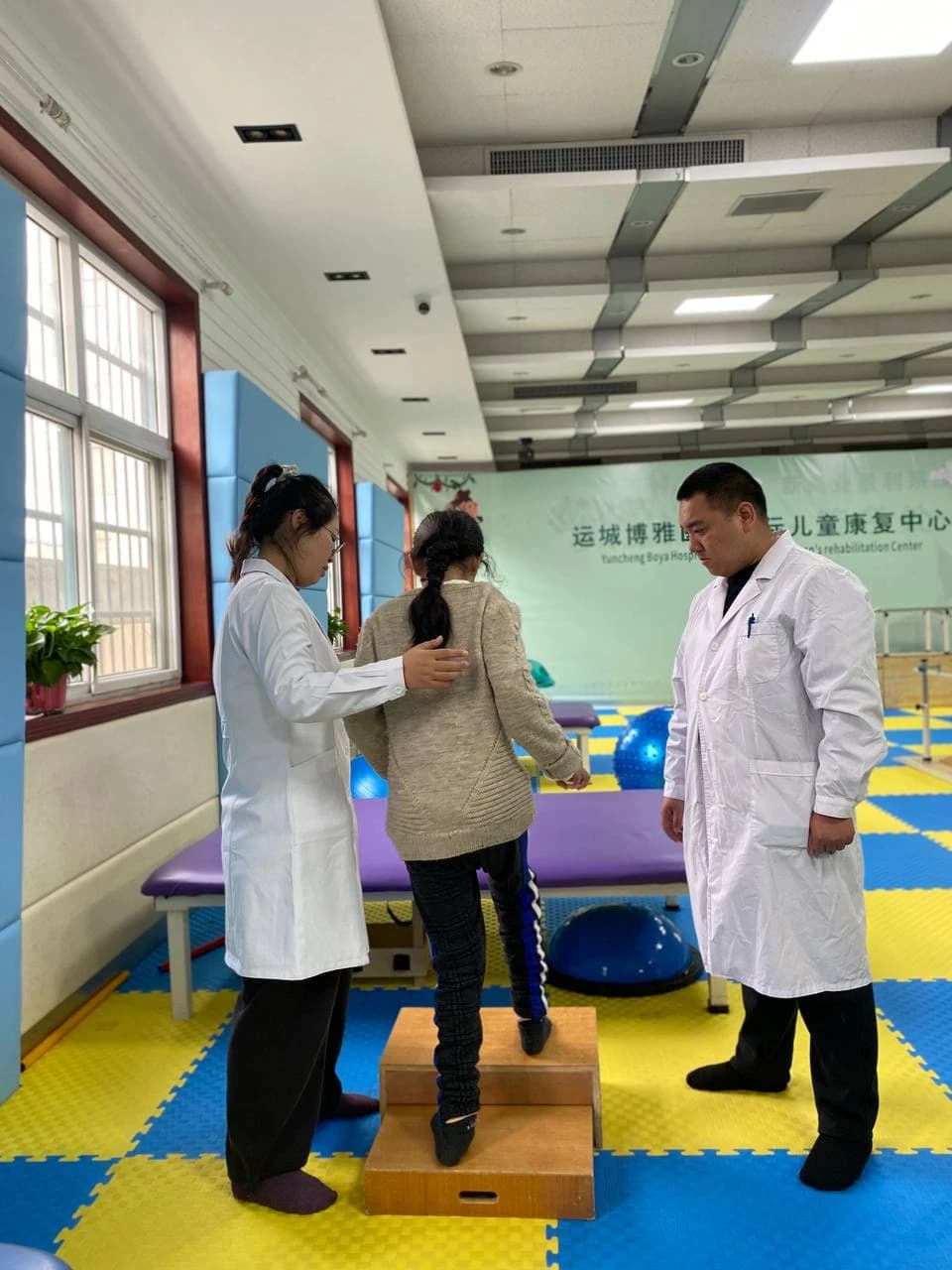
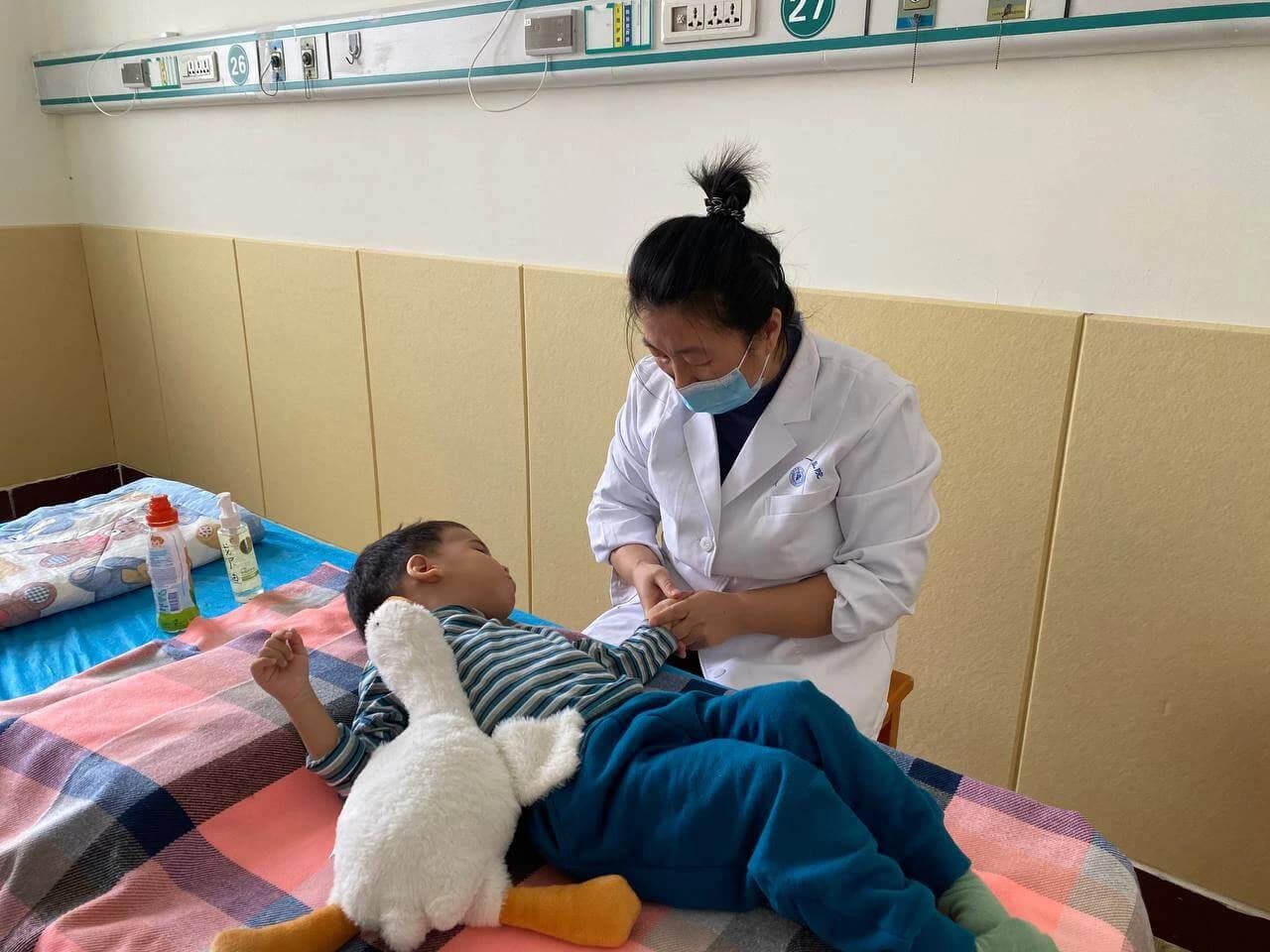
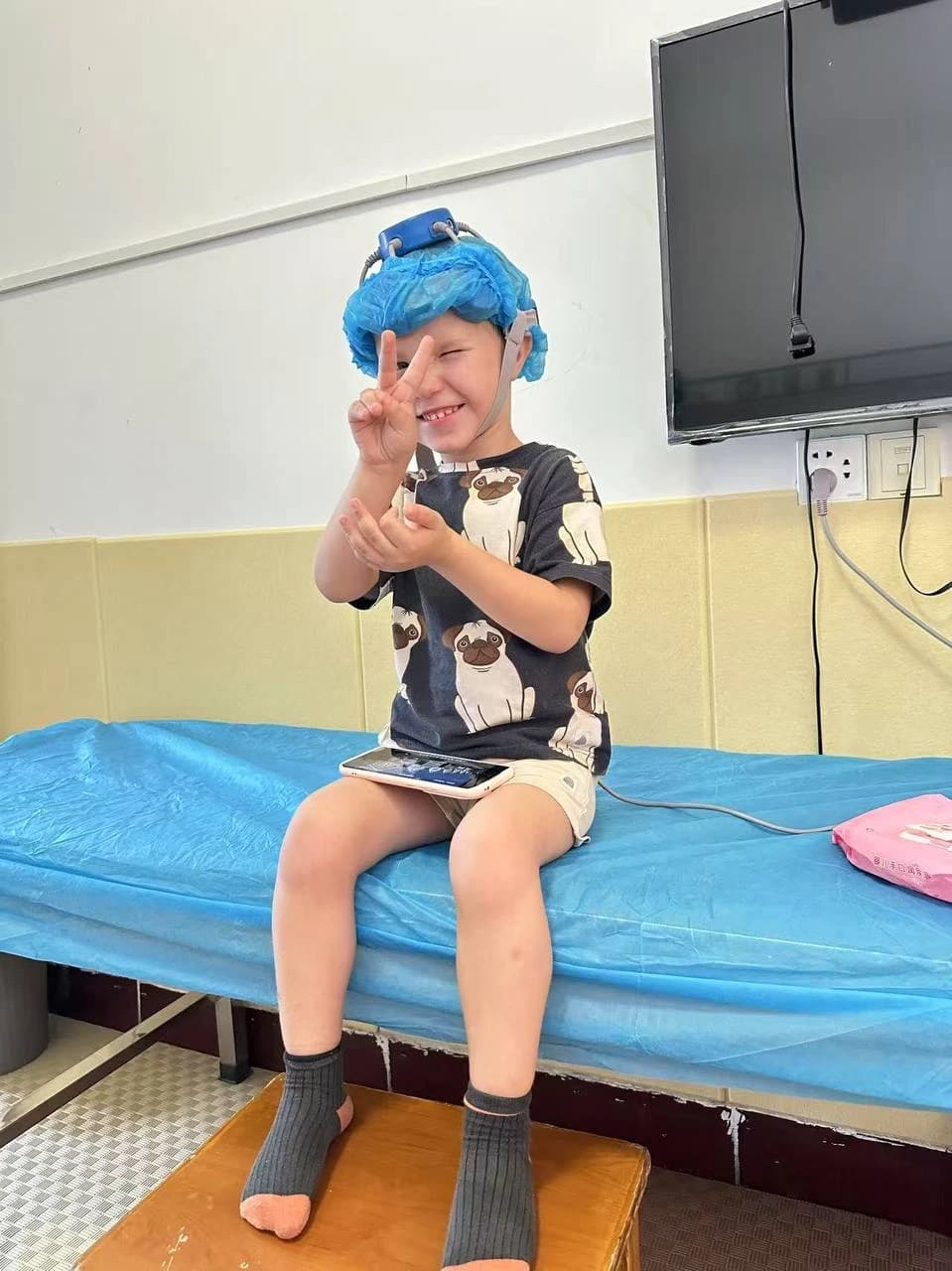
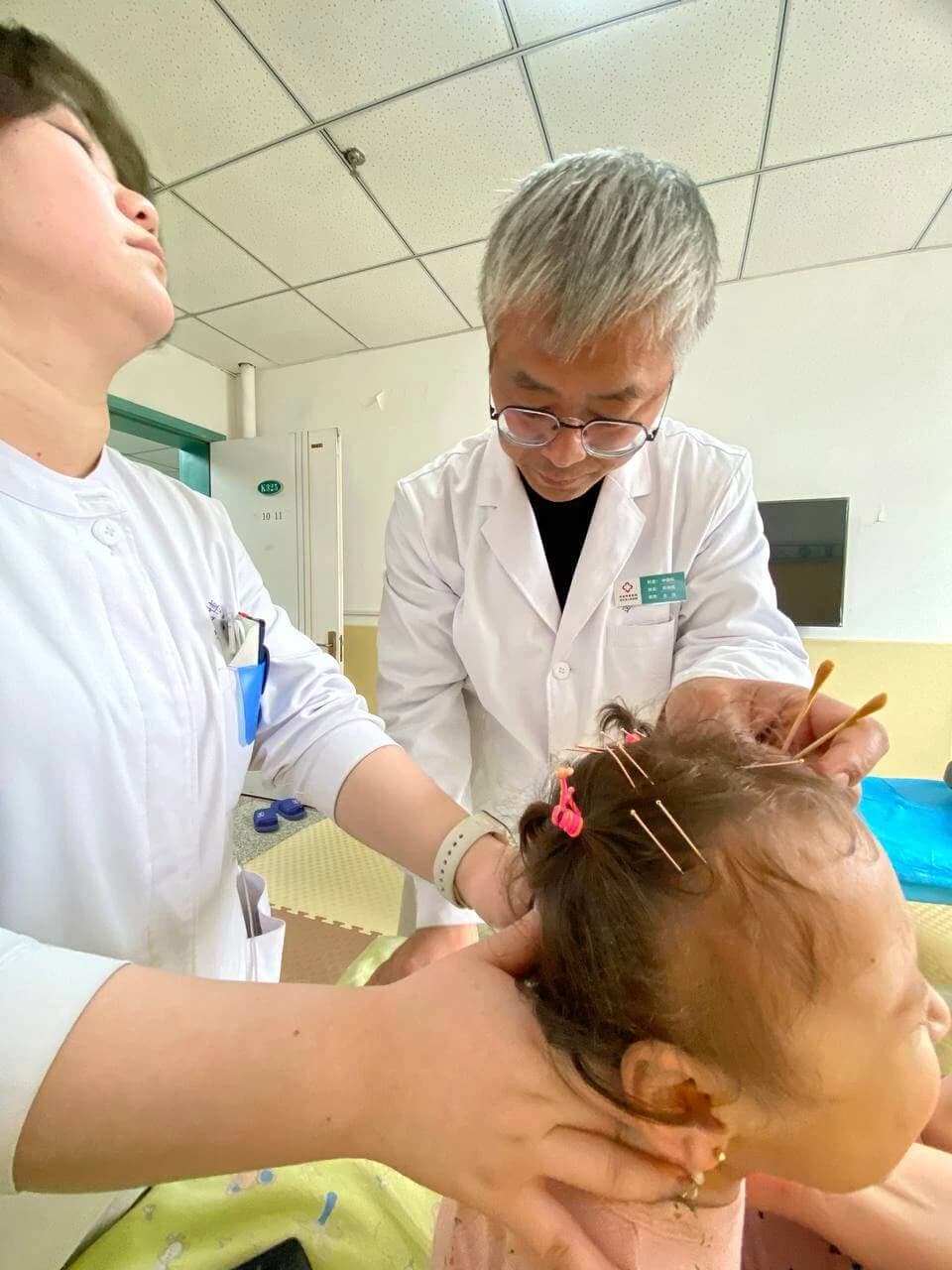
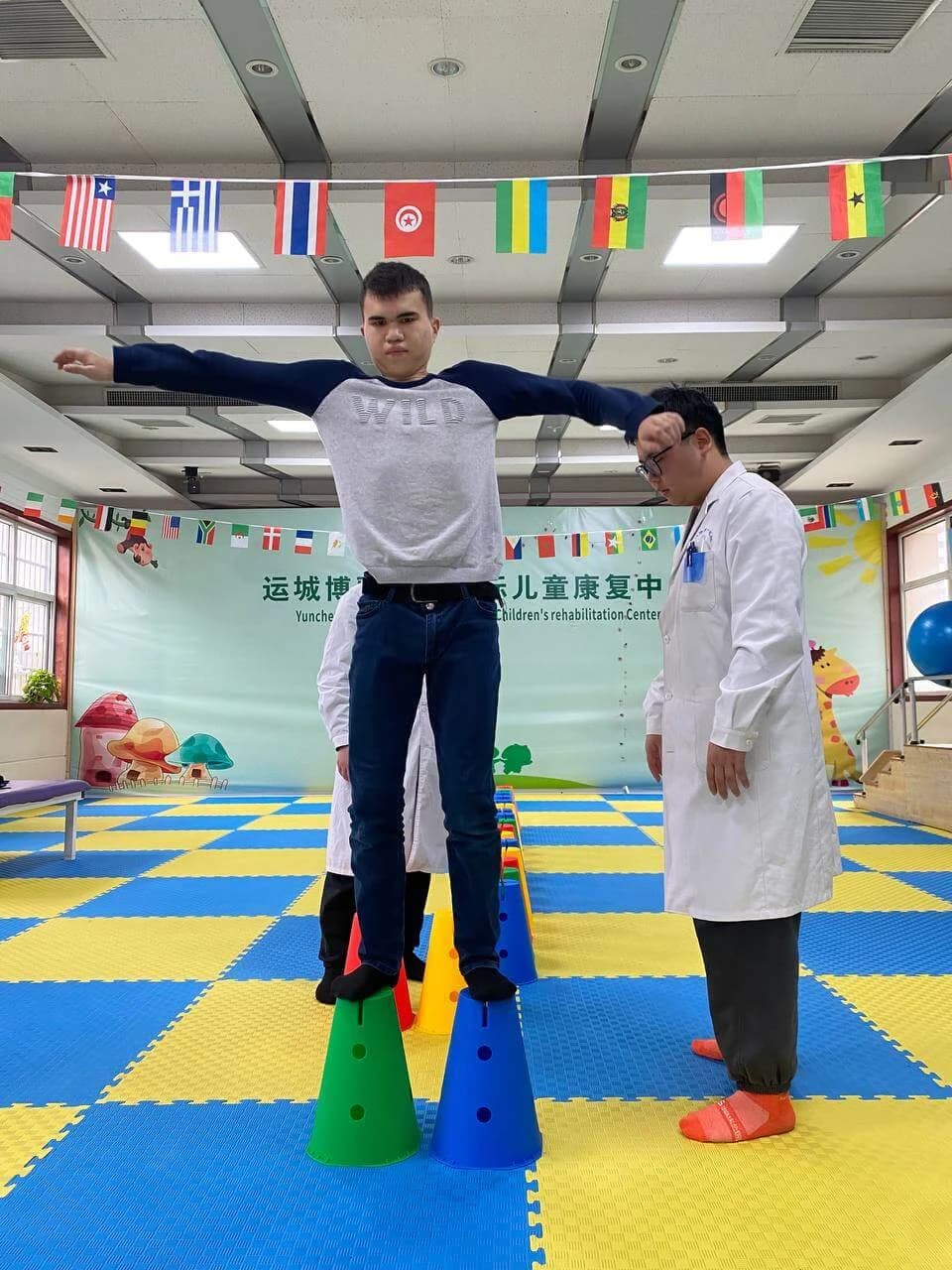
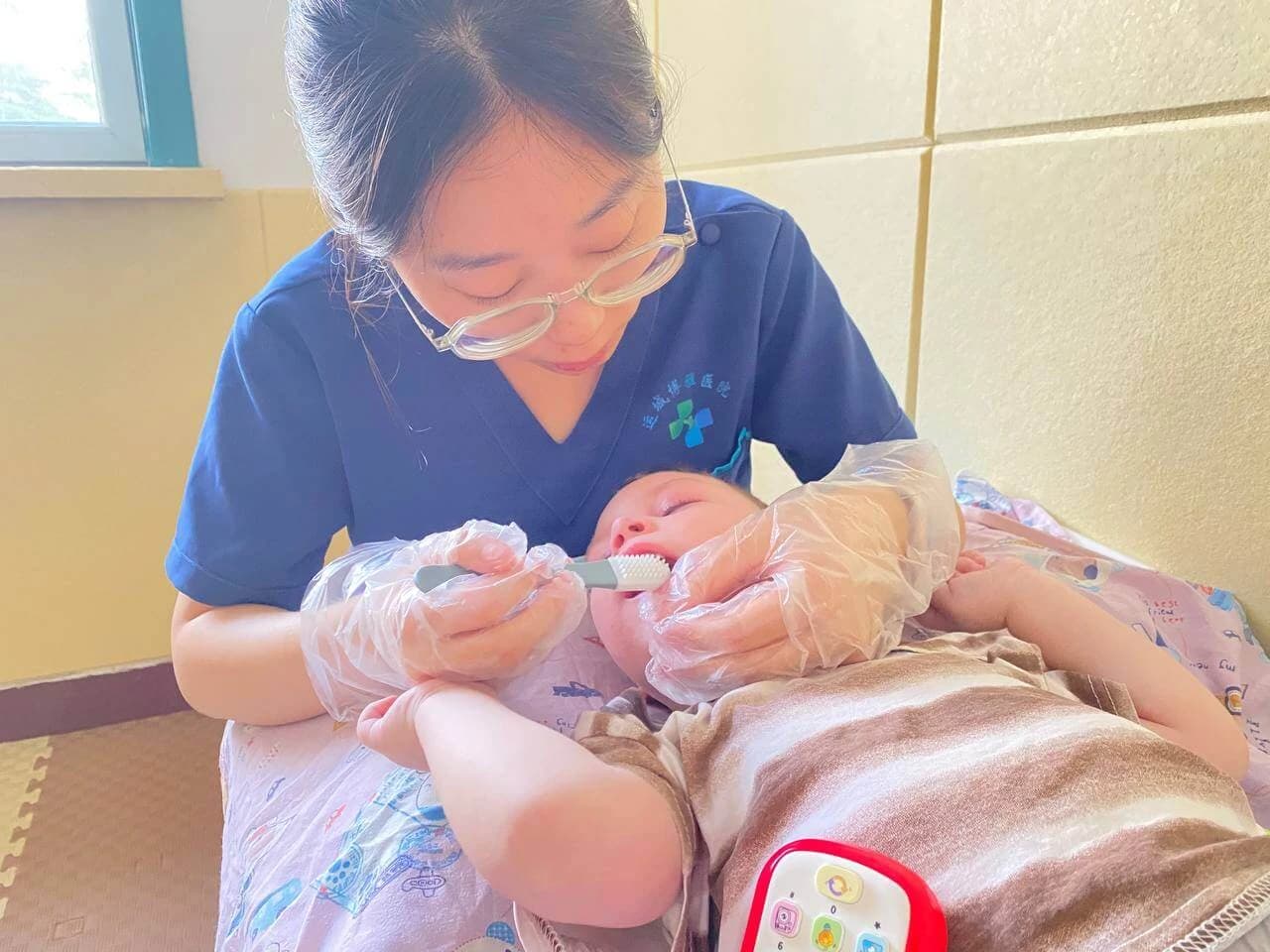
At Boya Hospital (Yuncheng, Shanxi Province), a child with Down syndrome falls within the core specialization — pediatric neurological rehabilitation. The course runs as an intensive: 6–9 sessions a day, 6 days a week. The backbone of the program is exercise therapy and physical rehabilitation for gross motor skills, occupational therapy for the hands and self-care, speech therapy (speech plus the muscles responsible for chewing and swallowing), sensory integration, and apparatus-based physiotherapy. These are complemented by Traditional Chinese Medicine methods: pediatric Tui Na massage, acupuncture — including points on the head — and warm herbal compresses. The exact set is chosen by the doctor after reviewing the documents and assessing what the child can do right now.
What exactly is developed
The syndrome is not "corrected" — skills are developed, and the goals are set in concrete terms. With pronounced hypotonia this means support, posture control, confident sitting, standing, first steps. In speech — understanding what is said, first syllables and phrases, work with the tone of the tongue and lips, chewing and swallowing. In daily life — grasping, using a spoon, dressing, independence in simple everyday tasks. Goals like these are verifiable: after two or three months you can see whether the skill has appeared. That is why the recommended course length is 2–3 months: a skill is consolidated by daily repetition, not by a couple of procedures.
How to start
Send us your child's documents — the genetic report, neurologist's records, results of heart, thyroid, hearing, and vision checks, if you have them. Boya's doctor will review them and tell you which sessions the program will consist of. The document-based consultation is free, and there is no prepayment: you pay on site and only for what your child has actually received. That way you can arrive, start, see the first progress, and decide there how long to stay.
Causes
The cause is an extra, third copy of chromosome 21 (trisomy 21). This is a congenital genetic feature that arises by chance as cells are formed. It has nothing to do with the parents' lifestyle, with parenting, or with anything that could have been prevented.
How it shows
For rehabilitation the key theme is muscle hypotonia: the muscles are weaker and softer, so rolling over, sitting, and walking come later. Speech is delayed, partly because of the reduced tone of the tongue and lip muscles. The pace of cognitive development differs from child to child; follow-up with a cardiologist, endocrinologist, ophthalmologist, and audiologist is usually needed.
Diagnostics
The diagnosis is confirmed by a genetic test — karyotyping, usually already done at home. For a rehabilitation program something else matters more: a functional assessment — what the child can already do in movement, speech, self-care, and communication. That is what the doctor builds the plan of sessions around.
Prognosis and rehabilitation approach
The genetic cause cannot be removed, and nobody promises otherwise. But a child's brain and body are trainable: regular sessions help master movement, speech, and everyday independence. The effect is stronger in children under 7–8, yet Boya also works with older children.
How rehabilitation works
Diagnostics
Comprehensive examination and patient assessment by an international team of specialists
Rehabilitation plan
Development of an individual rehabilitation program considering diagnosis specifics
Therapy
Intensive course of procedures: physical therapy, massage, physiotherapy, acupuncture and other methods
Results
Progress evaluation, home recommendations and maintenance therapy plan
Rehabilitation procedures: Down syndrome
Frequently asked questions: Down syndrome
Book a free consultation
Send us the medical records and a short video — Boya doctors will review the materials and tell you how they can help. A coordinator will get back to you within 5 minutes.