Rehabilitation for Gait at Boya Clinic
Boya Hospital in Yuncheng admits children with gait disorders — toe walking, an asymmetric step, unsteady or waddling walking. The program is intensive: 6–9 sessions a day, 6 days a week; exercise therapy is combined with Tui Na massage, apparatus physiotherapy, and Traditional Chinese Medicine methods. The recommended course is 2–3 months, with payment on site.
What is Gait Disorders?
Gait is a complex skill: to take a step, the brain has to switch some muscles on and relax others at exactly the right moment, hold balance, and shift the body's weight. That is why the way a child walks often shows more than any single test. Parents are usually alerted by specific things: the child walks on the toes without lowering the heel, favors one leg and steps asymmetrically, turns the knees inward, or rocks from side to side — what is often called a waddling gait. Each of these signs is a reason to see a neurologist and an orthopedist, who will work out what lies behind it.
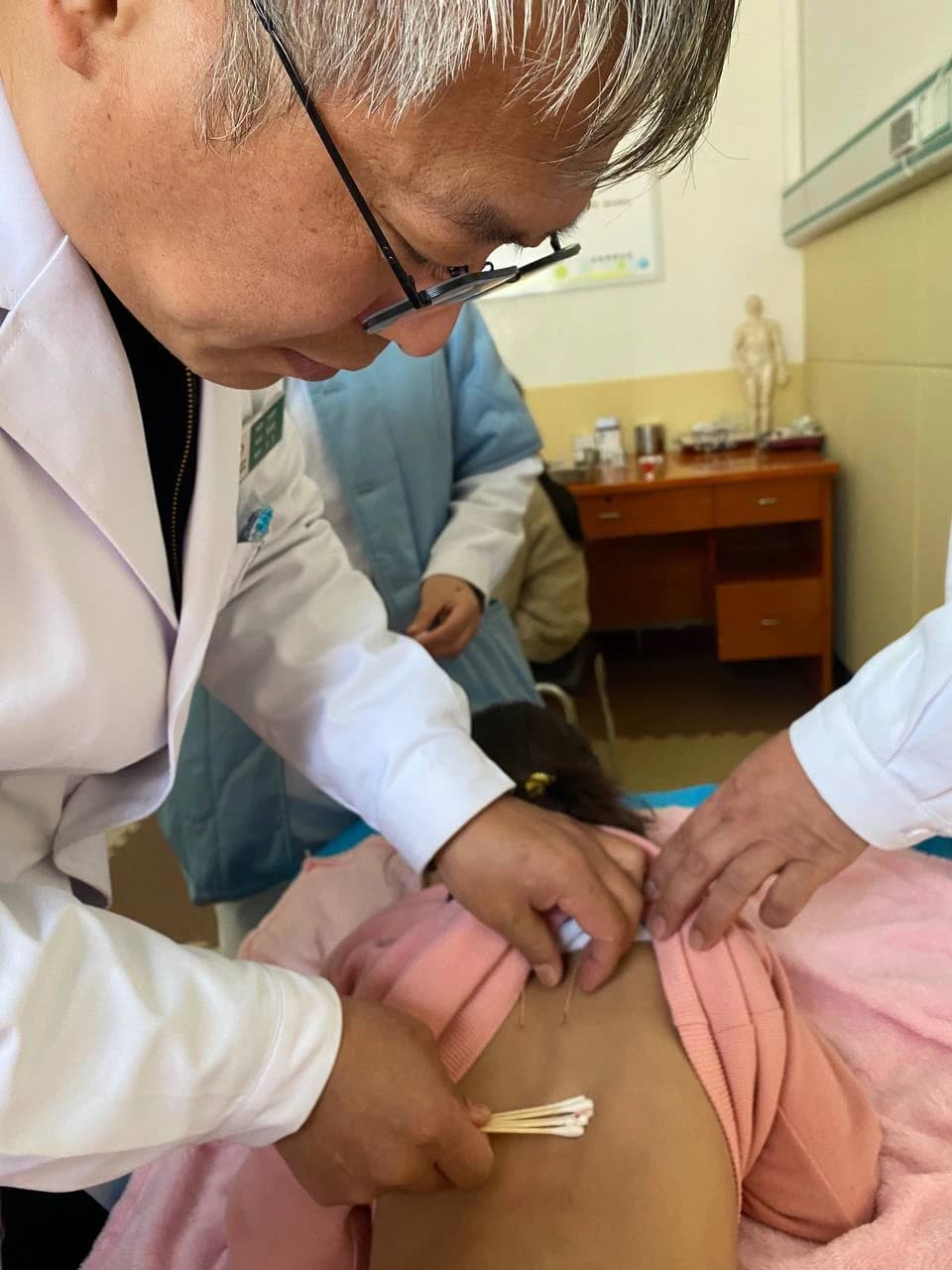
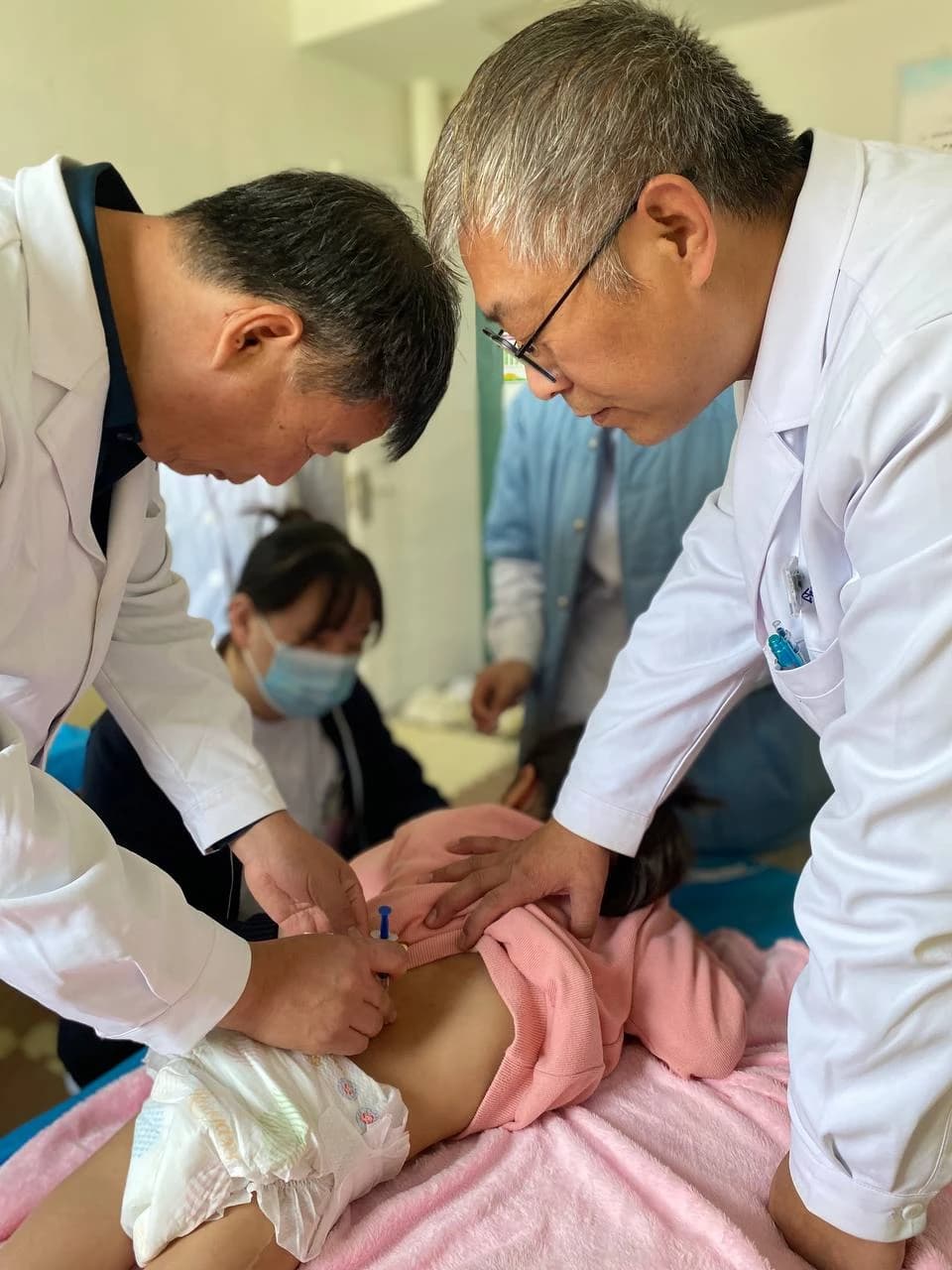
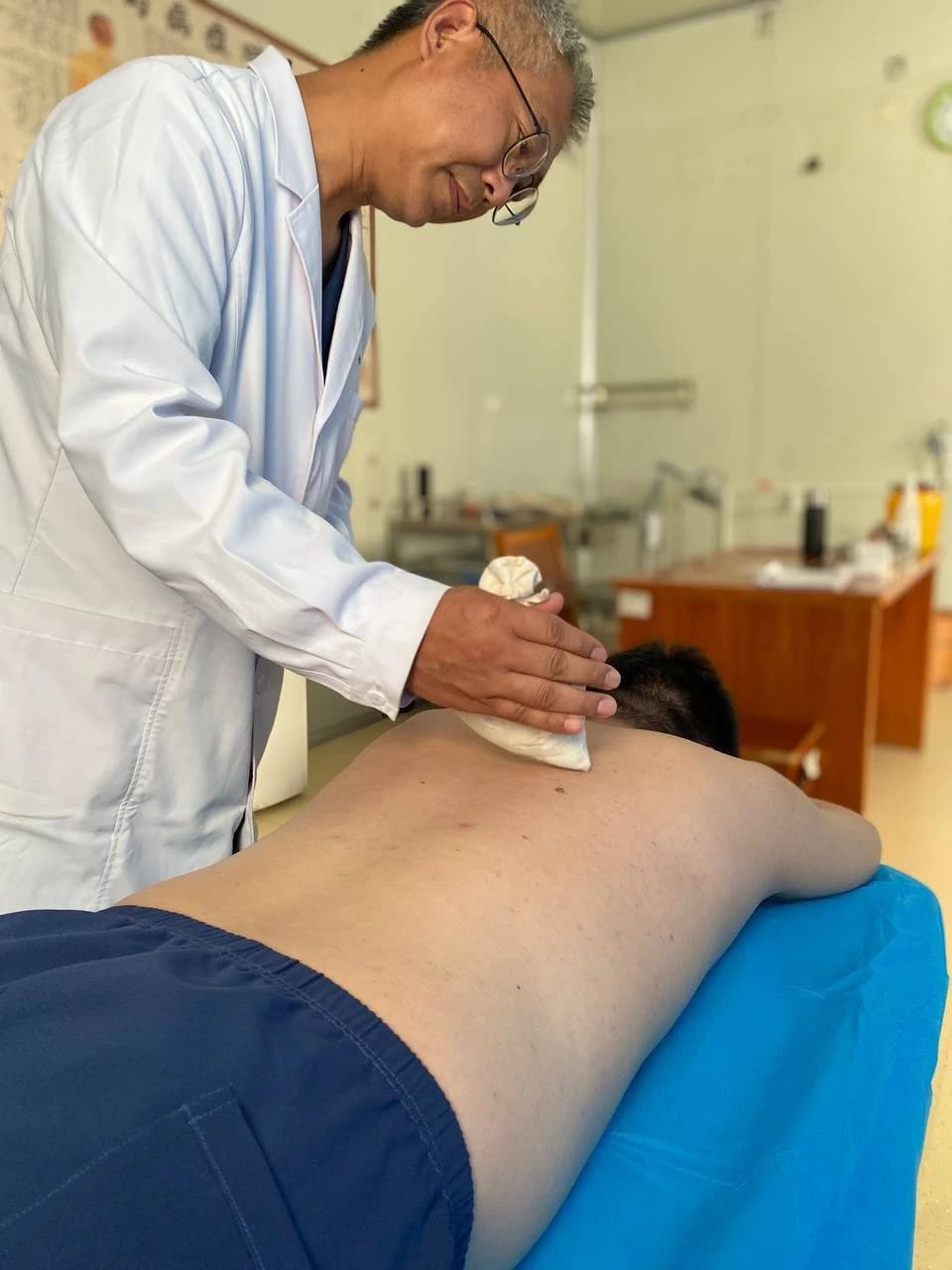
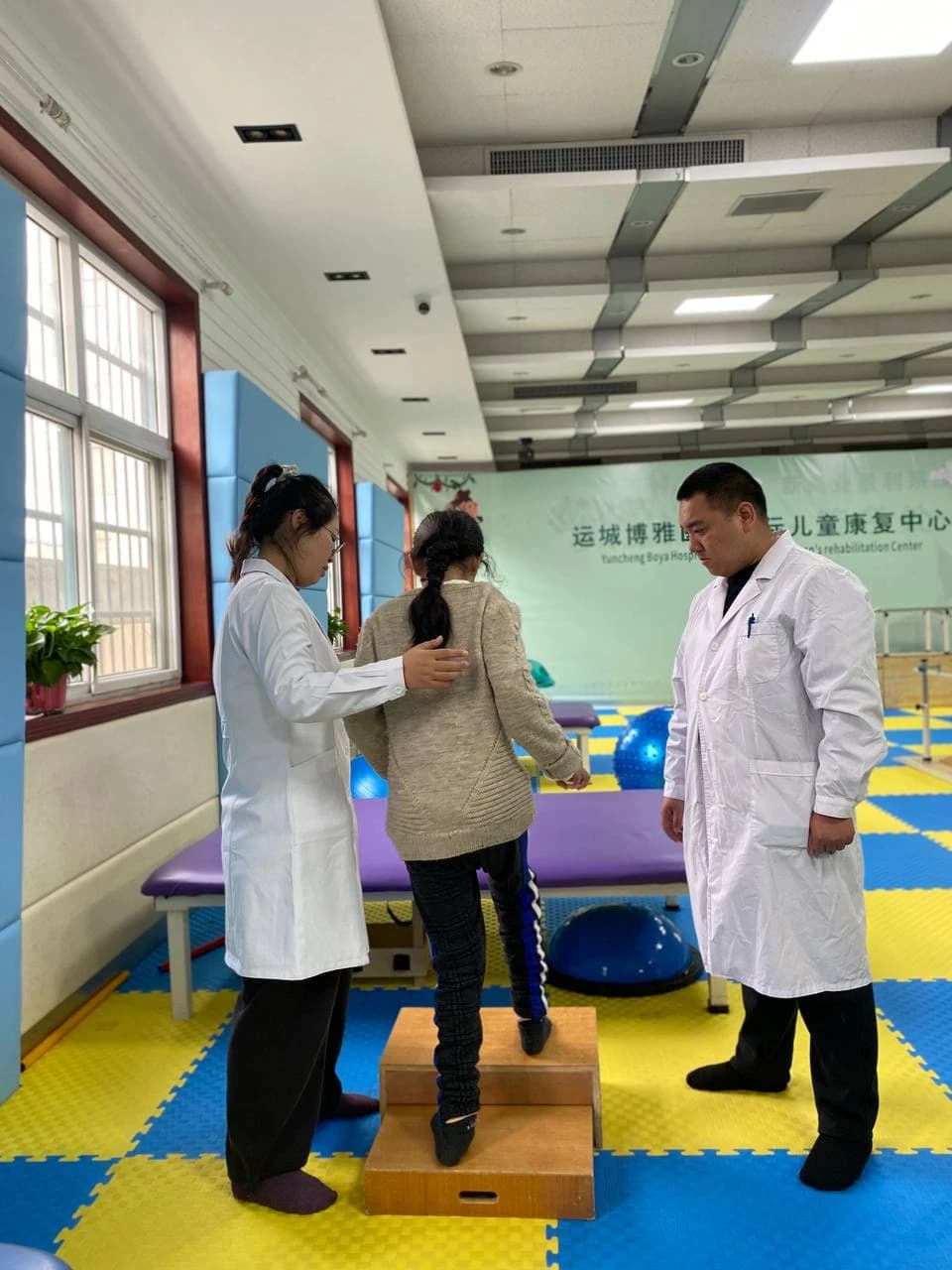
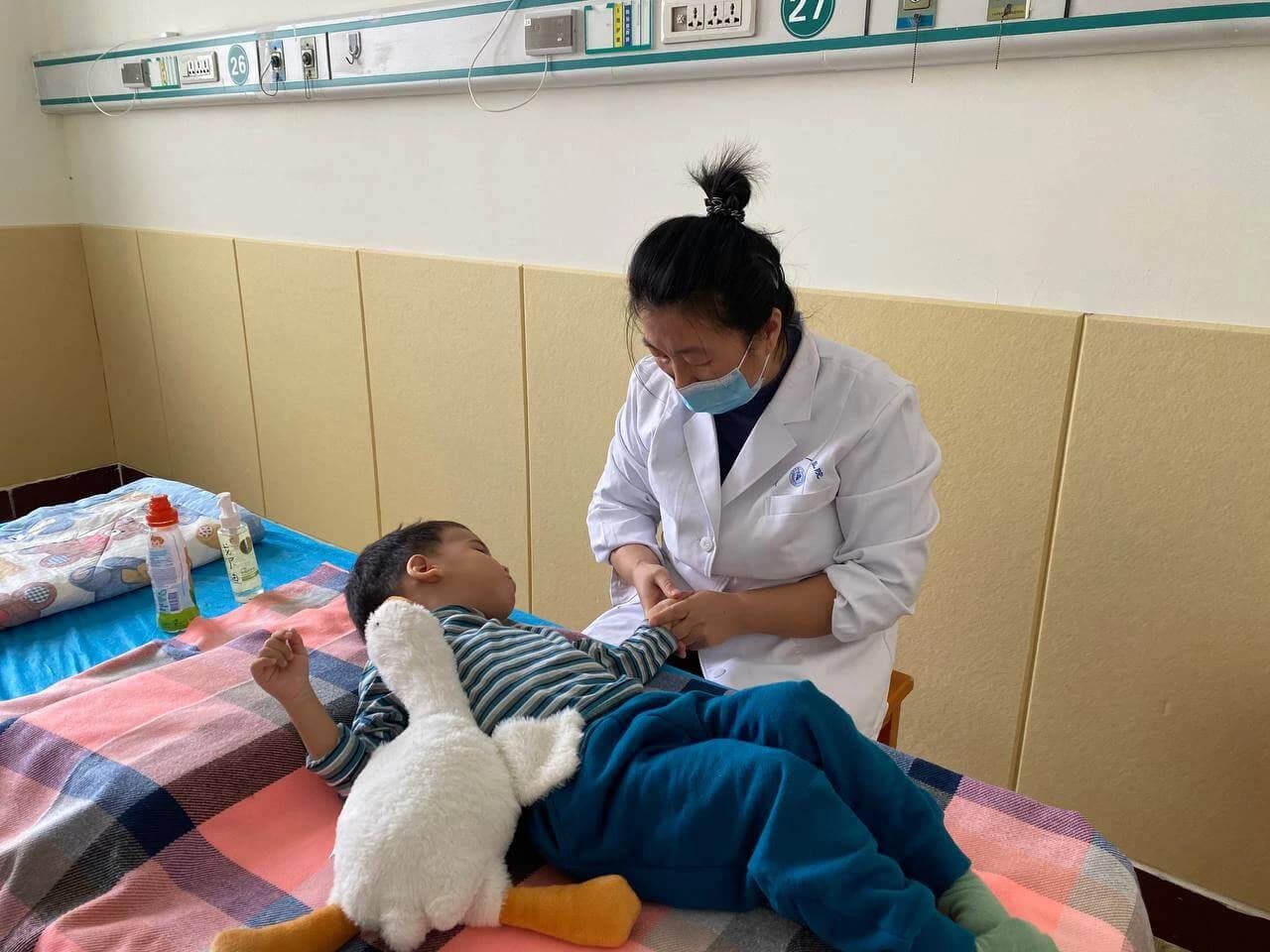
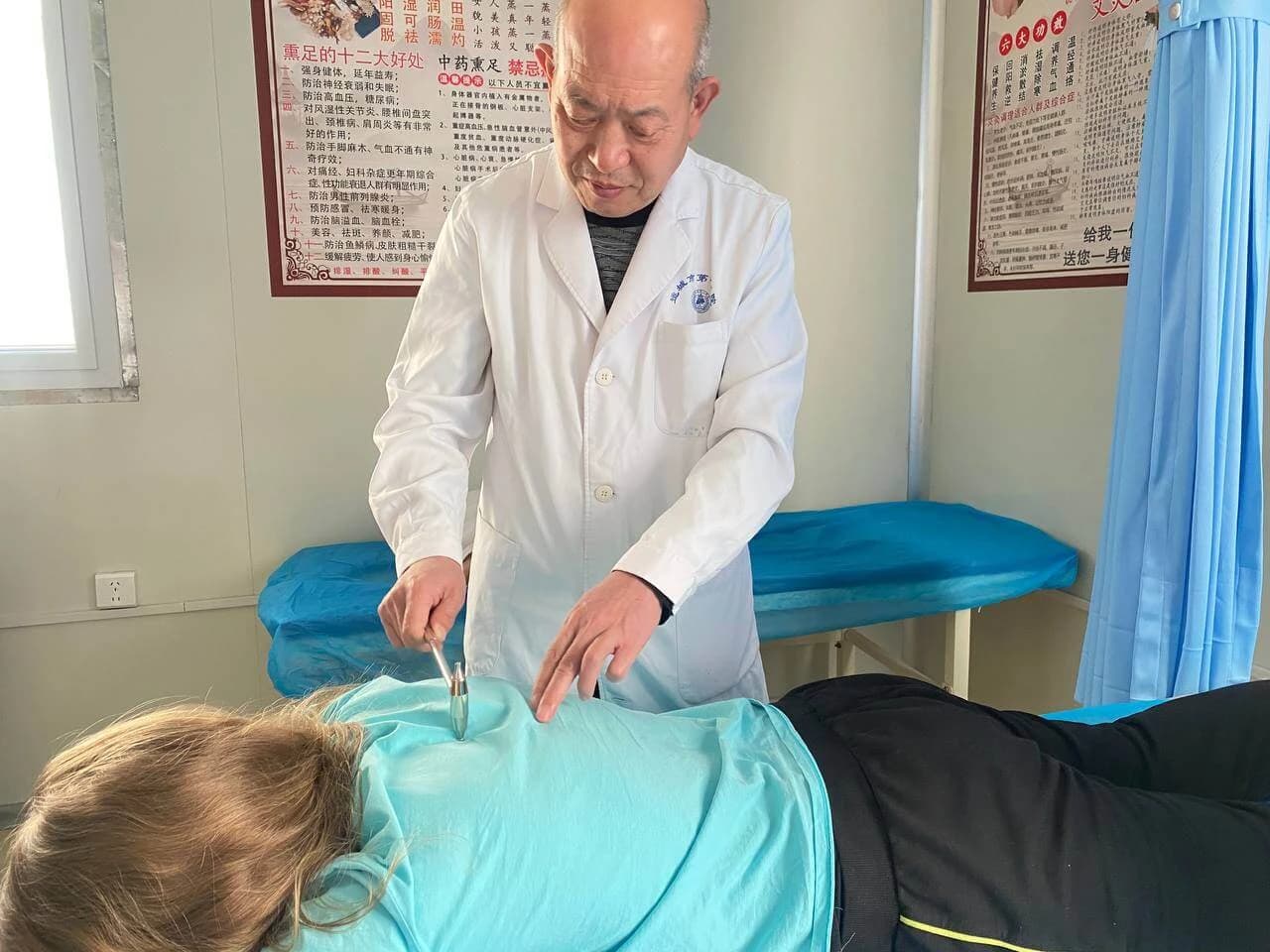
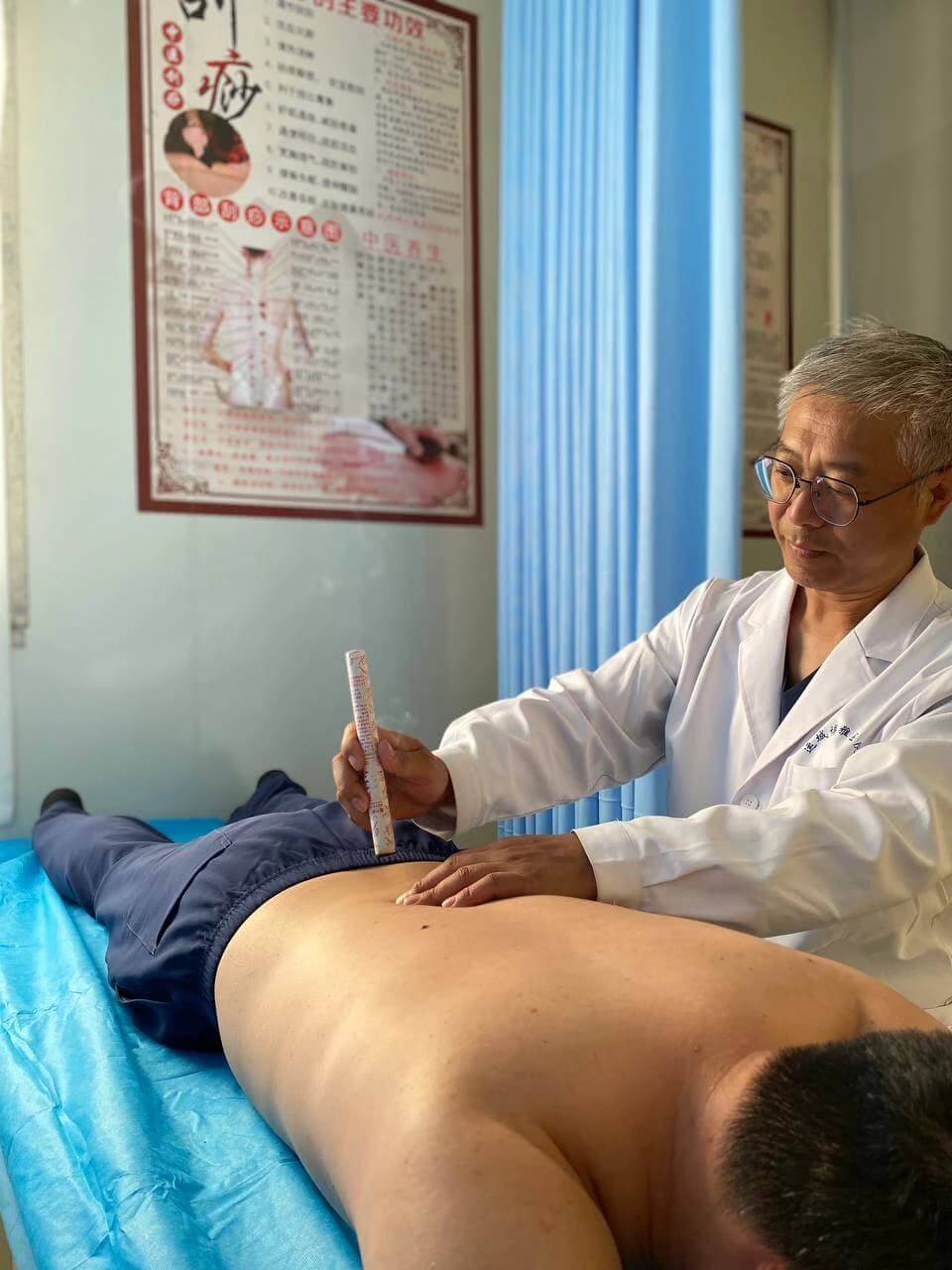
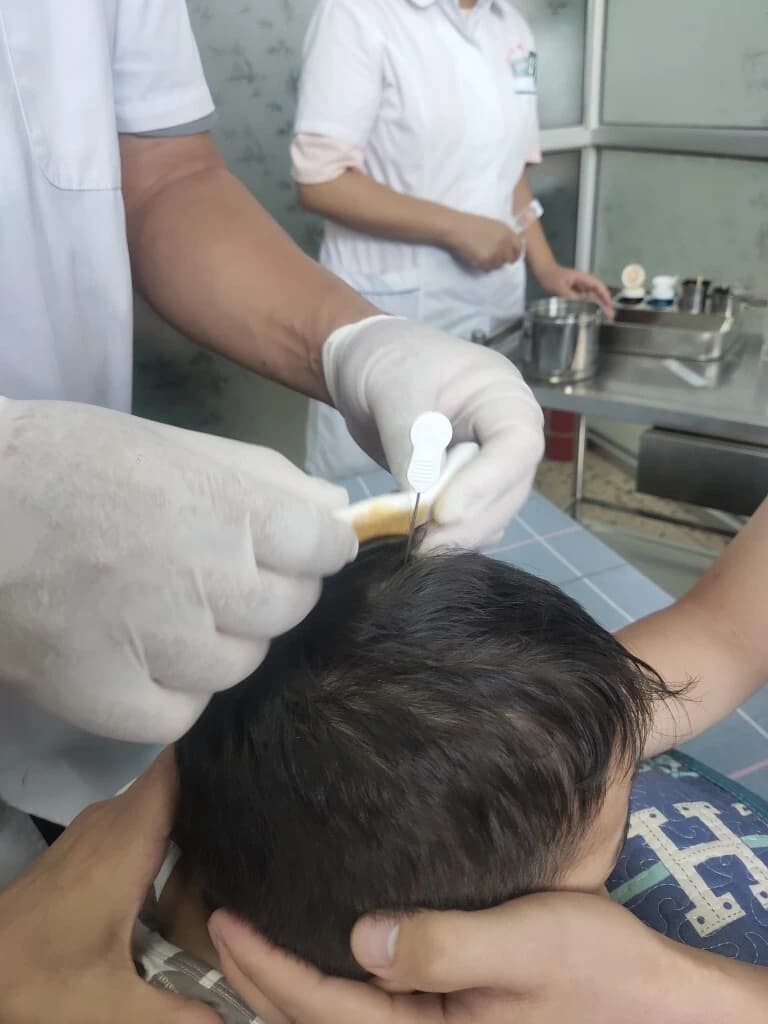
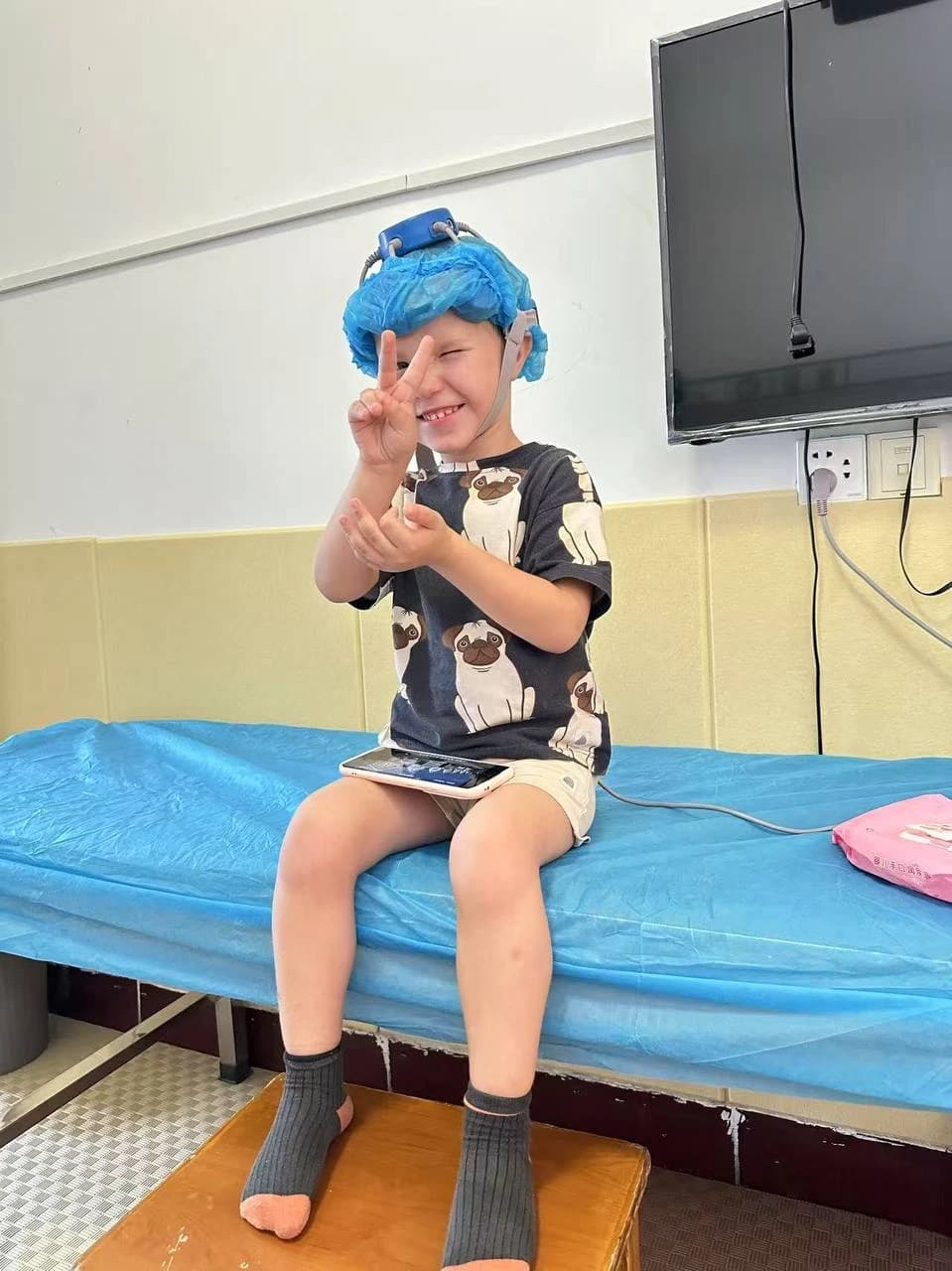
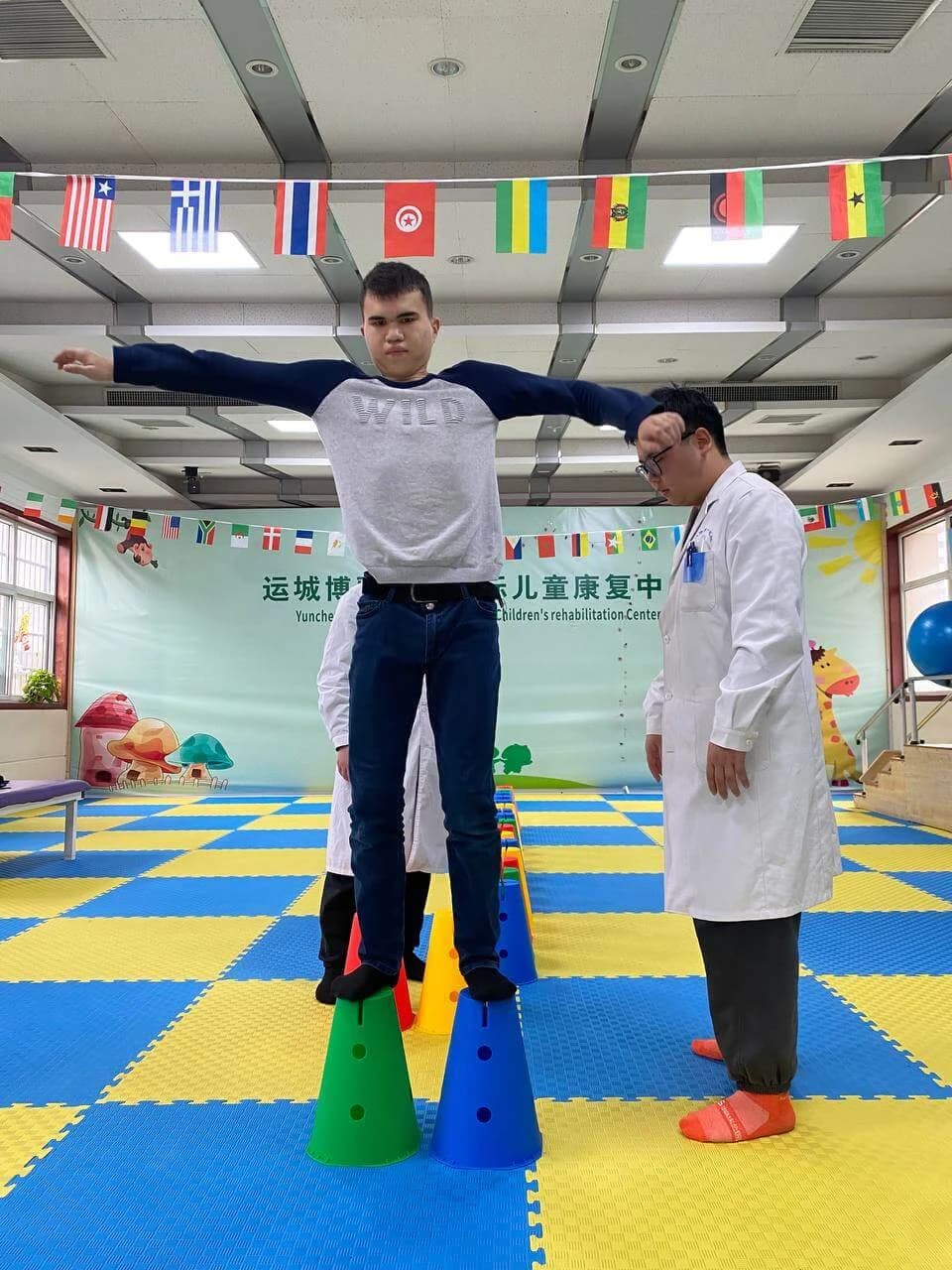
At Boya Hospital (Yuncheng, Shanxi Province), gait is addressed within the center's core focus — pediatric neurological rehabilitation. Before the start, the doctor watches the walking itself and assesses tone, muscle strength, and range of joint motion. Based on this data, a program is assembled — 6–9 sessions a day, 6 days a week: exercise therapy with stretching, joint mobilization, and step-by-step training of weight bearing, weight transfer, and the step (Bobath, Vojta, CME methods); apparatus physiotherapy; Tui Na massage and Traditional Chinese Medicine methods — acupuncture, meridian stimulation, warm procedures. For pronounced spastic tension, needle-knife therapy is added when indicated.
Toe walking, asymmetry, waddling gait
Toe walking in some children is an early habit that resolves on its own. It becomes concerning when the heel almost never comes down, the foot no longer straightens easily, or a developmental delay is present as well: that may point to increased tone and shortening of the calf muscles. Asymmetry — different step lengths, favoring one leg, holding one arm aside — nearly always calls for an examination: the cause may be neurological or orthopedic. A waddling, rocking gait usually indicates weak pelvic muscles. The orthopedic side — feet, joints, footwear, orthoses — is handled together with the doctor; rehabilitation does not replace it but works alongside it.
What matters for parents
We do not promise to correct the gait — the honest goal of the course is different: better walking quality. That means the heel comes down onto the ground more often, steps become more even and longer, the child walks further without tiring and falls less. How far it is possible to go depends on the cause, the age, and whether fixed muscle shortening has already developed. Results tend to be stronger in children under 7–8, but we also help older children. Send your child's documents — the neurologist's report, the orthopedist's conclusion, imaging. The document-based consultation is free, and there is no prepayment: you pay on site and only for what your child has actually received.
Causes
Gait is the joint product of the brain, muscles, and joints, so its disorders have many causes. Most often they are the consequences of nervous system damage: forms of cerebral palsy, the aftermath of hypoxia and trauma, muscle tone disorders, and weakness of the leg muscles. Features of the feet and joints contribute too — and sometimes a habit fixed in early childhood.
Symptoms
The child walks on the toes without lowering the heel; steps differ in length or the child favors one leg; the knees turn inward and the feet turn outward. When the pelvic muscles are weak, the gait becomes waddling and rocking. Frequent falls, quick fatigue from walking, and uneven shoe wear are also common.
Diagnostics
The doctor watches the walking itself — barefoot, at different speeds, up and down stairs — and assesses tone, muscle strength, range of joint motion, and calf muscle length. A neurologist and an orthopedist are both involved; X-rays, MRI, and EMG are ordered where needed. Before the course, Boya carries out a functional assessment.
Prognosis and rehabilitation approach
The outlook depends on the cause and on whether fixed muscle shortening and contractures have already developed. A corrected gait cannot be promised, but there is plenty to work with: reducing spasticity, stretching shortened muscles, strengthening weak ones, and retraining the stepping skill itself.
How rehabilitation works
Diagnostics
Comprehensive examination and patient assessment by an international team of specialists
Rehabilitation plan
Development of an individual rehabilitation program considering diagnosis specifics
Therapy
Intensive course of procedures: physical therapy, massage, physiotherapy, acupuncture and other methods
Results
Progress evaluation, home recommendations and maintenance therapy plan
Rehabilitation procedures: Gait Disorders
Frequently asked questions: Gait Disorders
Book a free consultation
Send us the medical records and a short video — Boya doctors will review the materials and tell you how they can help. A coordinator will get back to you within 5 minutes.