Rehabilitation for Facial nerve at Boya Clinic
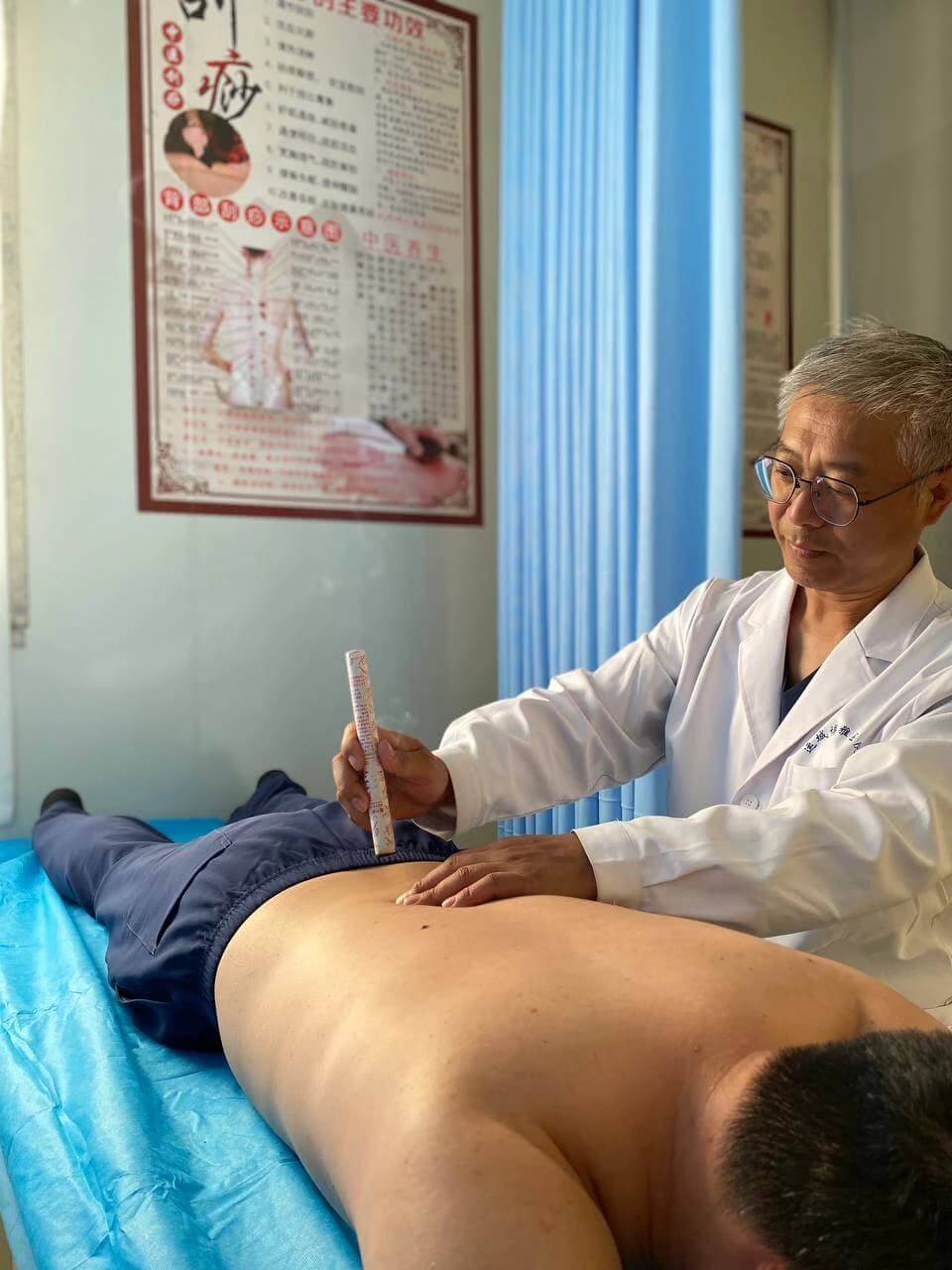
Boya Hospital in Yuncheng admits children with facial nerve palsy to its pediatric neurological rehabilitation courses. The work runs along two lines: apparatus-based physiotherapy for nerve damage and Chinese medicine methods — acupuncture, pediatric Tui Na massage, moxotherapy. There are 6–9 sessions a day, 6 days a week; the recommended course is 2–3 months, with payment on site.
What is Facial Nerve Palsy?
Facial nerve palsy is weakness of the facial muscles on one side of the face caused by damage to the facial nerve (the VII cranial nerve). The picture is recognizable: the corner of the mouth droops, the nasolabial fold flattens, the eye on the affected side does not close fully, and the face twists when the child smiles. Some children also have drooling, unclear speech, altered taste, and increased sensitivity to sound. The causes vary — an infection, exposure to cold, middle ear inflammation, trauma, or birth injury; when no cause can be found, it is called Bell's palsy.
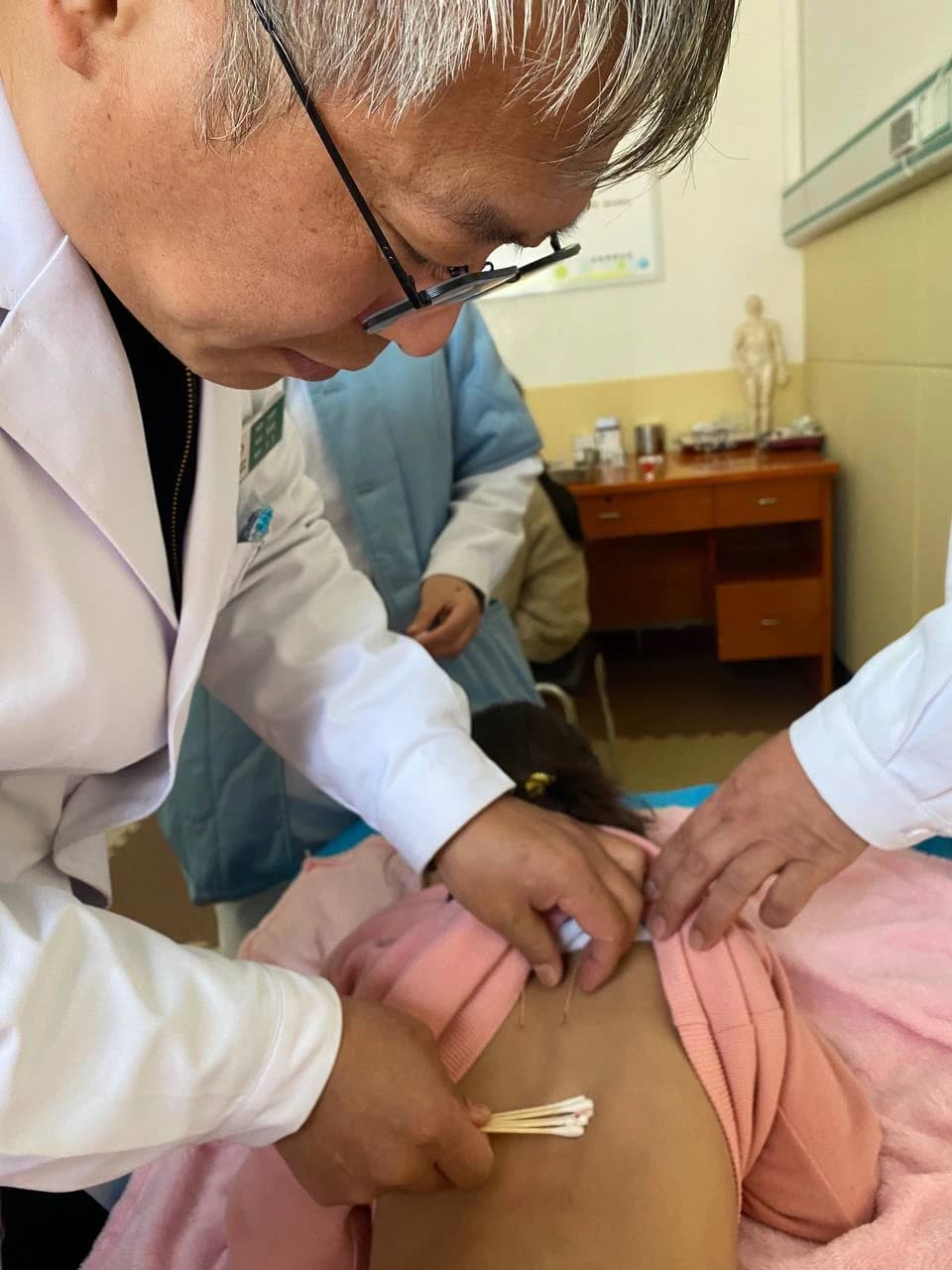
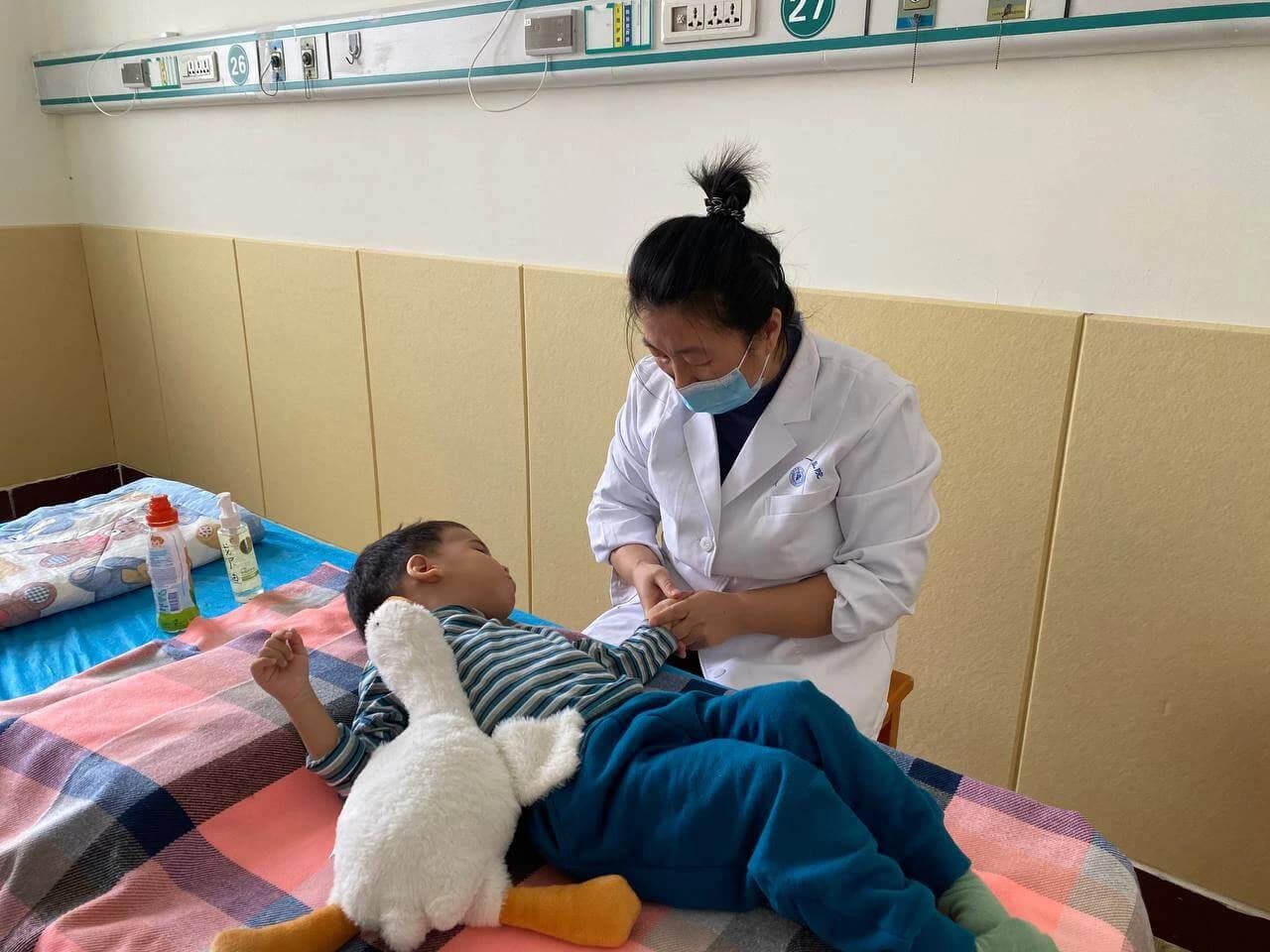
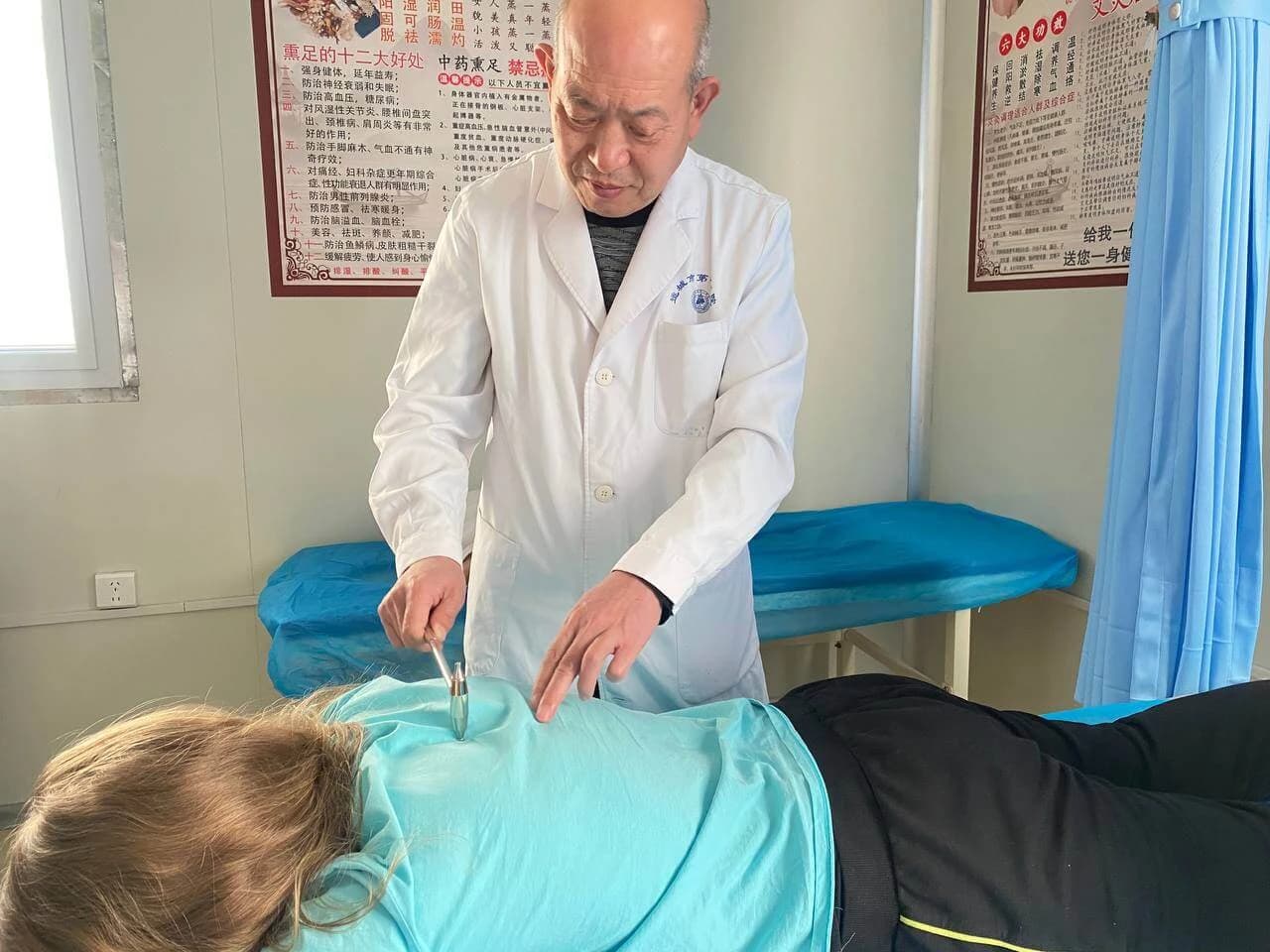
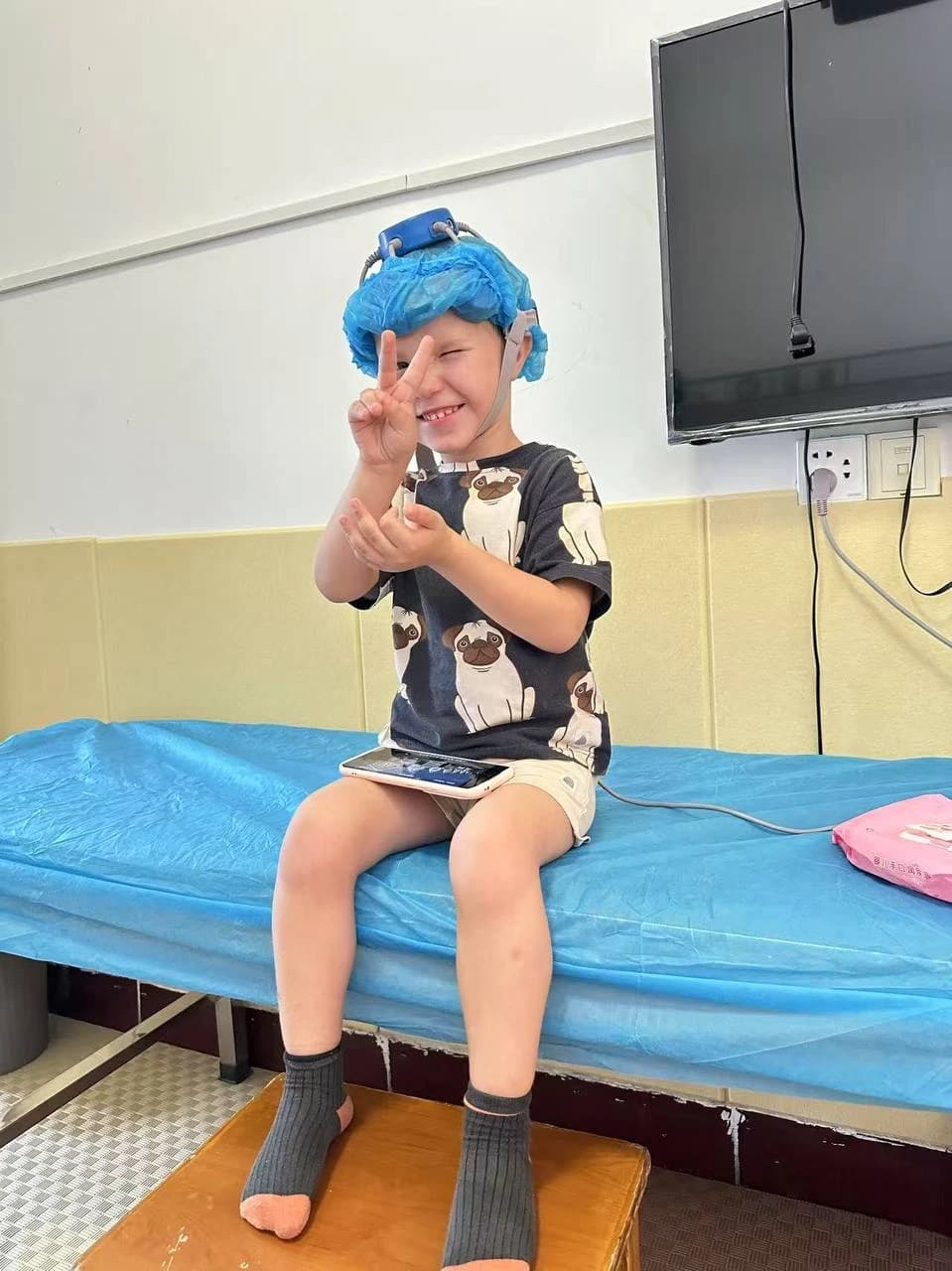
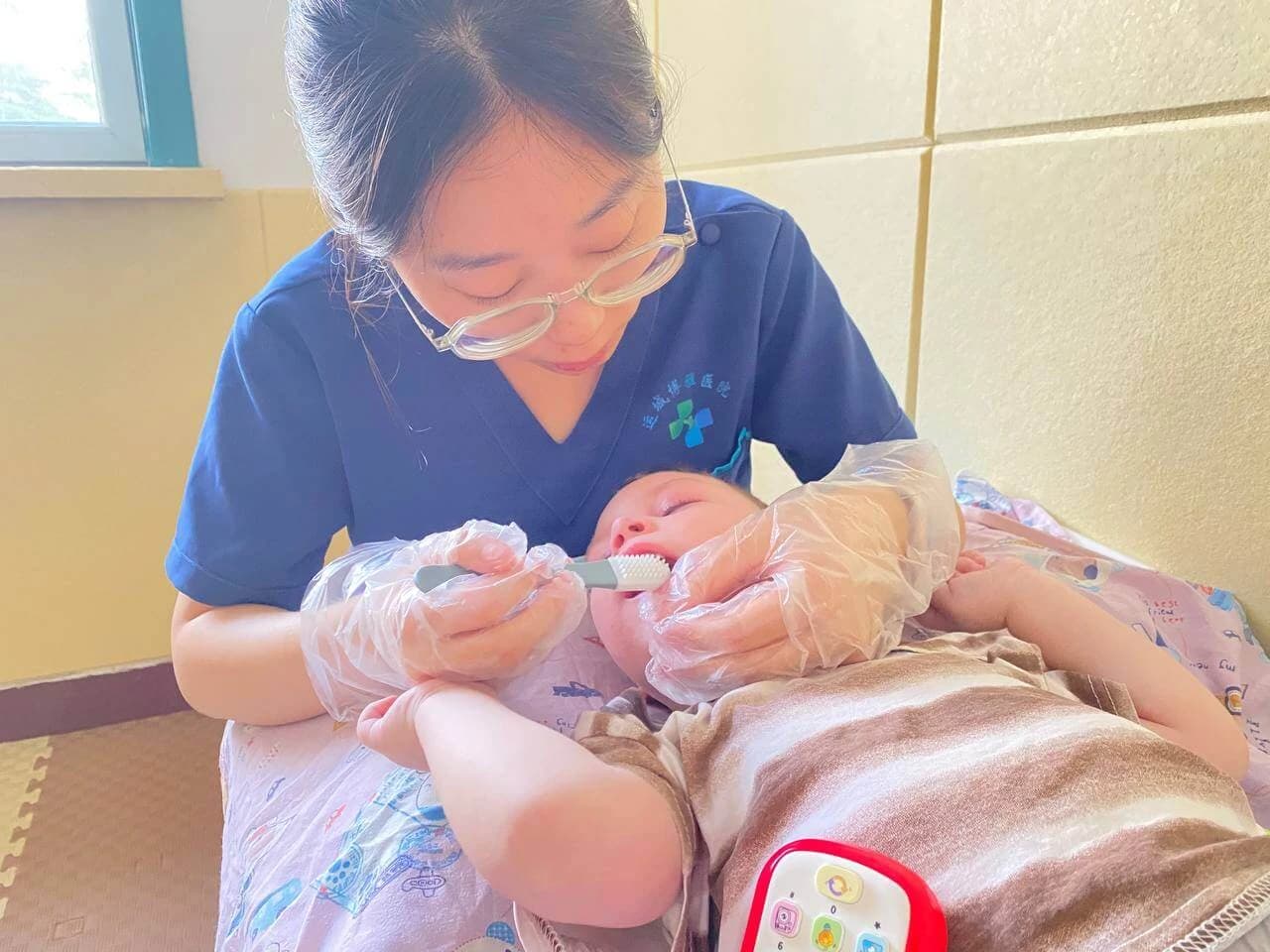
Boya Hospital (Yuncheng, Shanxi Province) works with facial nerve palsy as part of pediatric neurological rehabilitation. The program runs along two lines. Apparatus-based physiotherapy — work with nerve damage, electrostimulation of meridian points to support nerve conduction and local blood circulation, and short-wave therapy for an inflammatory process when prescribed by the doctor. Chinese medicine methods — acupuncture, including the facial acupuncture the hospital uses for local blood circulation, the work of the chewing muscles, and reducing drooling; pediatric Tui Na massage; and moxotherapy, gentle warming of active points with mugwort that complements acupuncture. If articulation suffers or chewing is difficult, speech therapy sessions are added. The schedule is the standard one: 6–9 sessions a day, 6 days a week.
Why regularity matters
Facial movement does not come back from a single procedure — it comes back through repetition: the muscles need to receive the signal and engage again and again. That is why Boya spreads the procedures through the day and repeats them daily, and why the recommended course length is 2–3 months. Progress is easy to record in a simple way: photos and a short video of the face at rest, smiling, and closing the eyes tightly — before the course and as it goes on. That is far clearer than the feeling of "better or not".
How to start
Send us the neurologist's report, test results, and photos or video of your child's face if you have them. The hospital's doctor will review the documents and explain what the program will consist of and what to expect in your case. The document-based consultation is free, and there is no prepayment — you pay on site and only for the procedures actually received.
Causes
The palsy develops after an infection, exposure to cold, middle ear inflammation, or trauma; in some children it is a birth injury. Often the cause cannot be identified — this form is called Bell's palsy.
Symptoms
One side of the face stops working: the corner of the mouth droops, the nasolabial fold flattens, the eye does not close fully, and the face twists when the child smiles. Sometimes drooling, unclear speech, altered taste, and increased sensitivity to sound on one side are added.
Diagnostics
The diagnosis is made by a neurologist at home, who assesses the facial muscle groups and the symmetry of the face at rest and in movement and refers the child to an ENT specialist when the palsy is linked to ear inflammation. Progress is easy to track with photos and video taken before and during the course.
Prognosis and rehabilitation approach
In children the outlook is usually favorable, but restoring facial movement takes time and regular work. The goal of rehabilitation is to bring back facial symmetry: full eyelid closure, mobility of the corner of the mouth, and clear articulation.
How rehabilitation works
Diagnostics
Comprehensive examination and patient assessment by an international team of specialists
Rehabilitation plan
Development of an individual rehabilitation program considering diagnosis specifics
Therapy
Intensive course of procedures: physical therapy, massage, physiotherapy, acupuncture and other methods
Results
Progress evaluation, home recommendations and maintenance therapy plan
Rehabilitation procedures: Facial Nerve Palsy
Frequently asked questions: Facial Nerve Palsy
Book a free consultation
Send us the medical records and a short video — Boya doctors will review the materials and tell you how they can help. A coordinator will get back to you within 5 minutes.