Rehabilitation for Peripheral nerves at Boya Clinic
Boya Hospital in Yuncheng admits children with peripheral nerve injuries to its pediatric neurological rehabilitation courses. The core of the program is apparatus-based physiotherapy for denervation and muscle atrophy, complemented by exercise therapy, occupational therapy, and Tui Na massage. There are 6–9 sessions a day, 6 days a week; the recommended course is 2–3 months, with payment on site.
What is Peripheral Nerve Injuries?
Peripheral nerve injuries are a group of conditions in which a nerve running to the muscles and skin of an arm or leg is damaged. The causes vary: trauma or a fracture, prolonged compression, inflammation of the nerve, the aftermath of an infection, and in infants the consequences of a birth injury. The picture depends on which nerve is affected and how deeply: muscle weakness up to flaccid paresis, an incomplete range of motion, reduced sensation, and numbness. Over a long course, muscle bulk decreases and the child adapts — starts managing with the healthy limb, so the "switched-off" arm or leg falls behind even further.
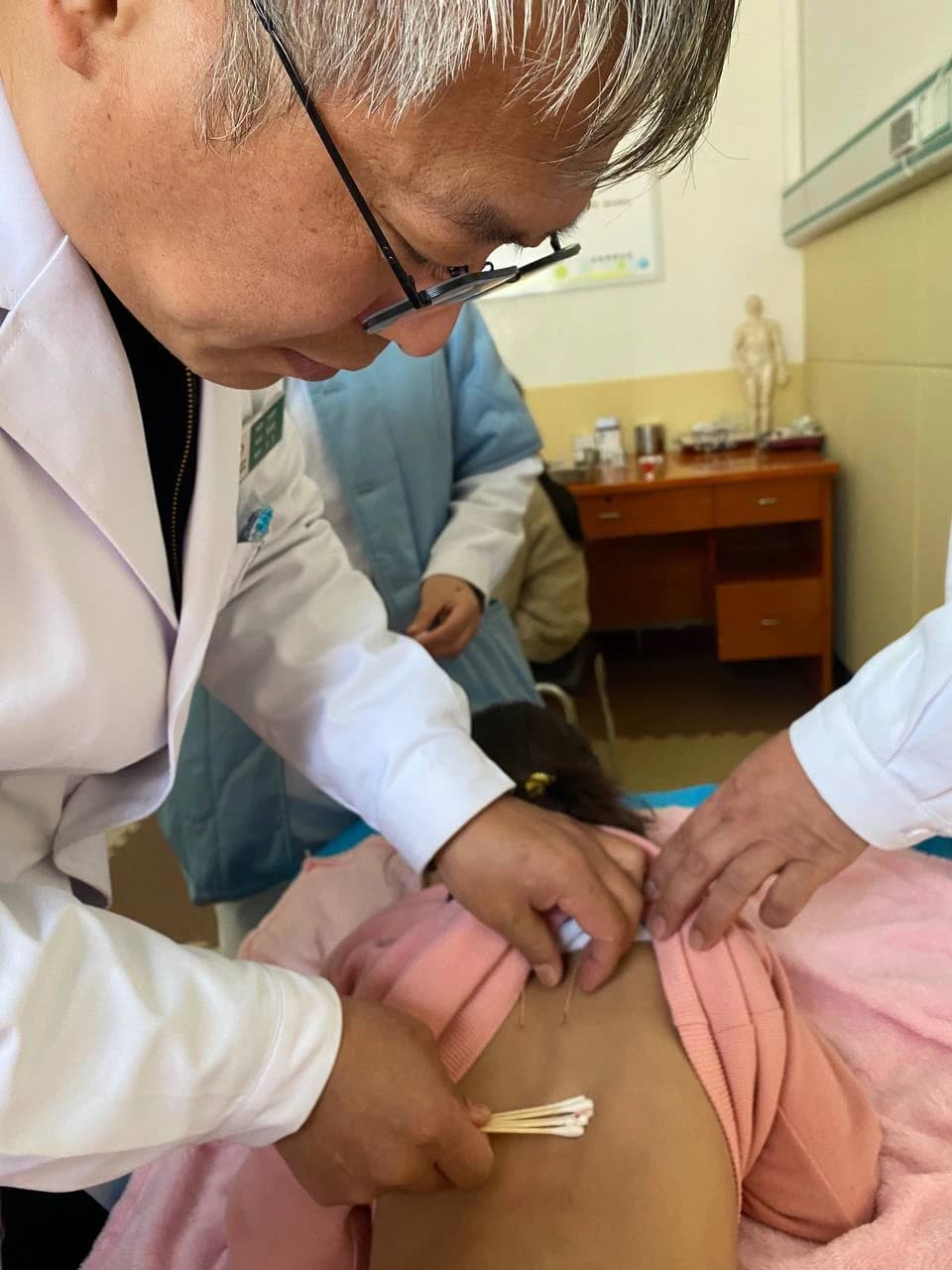
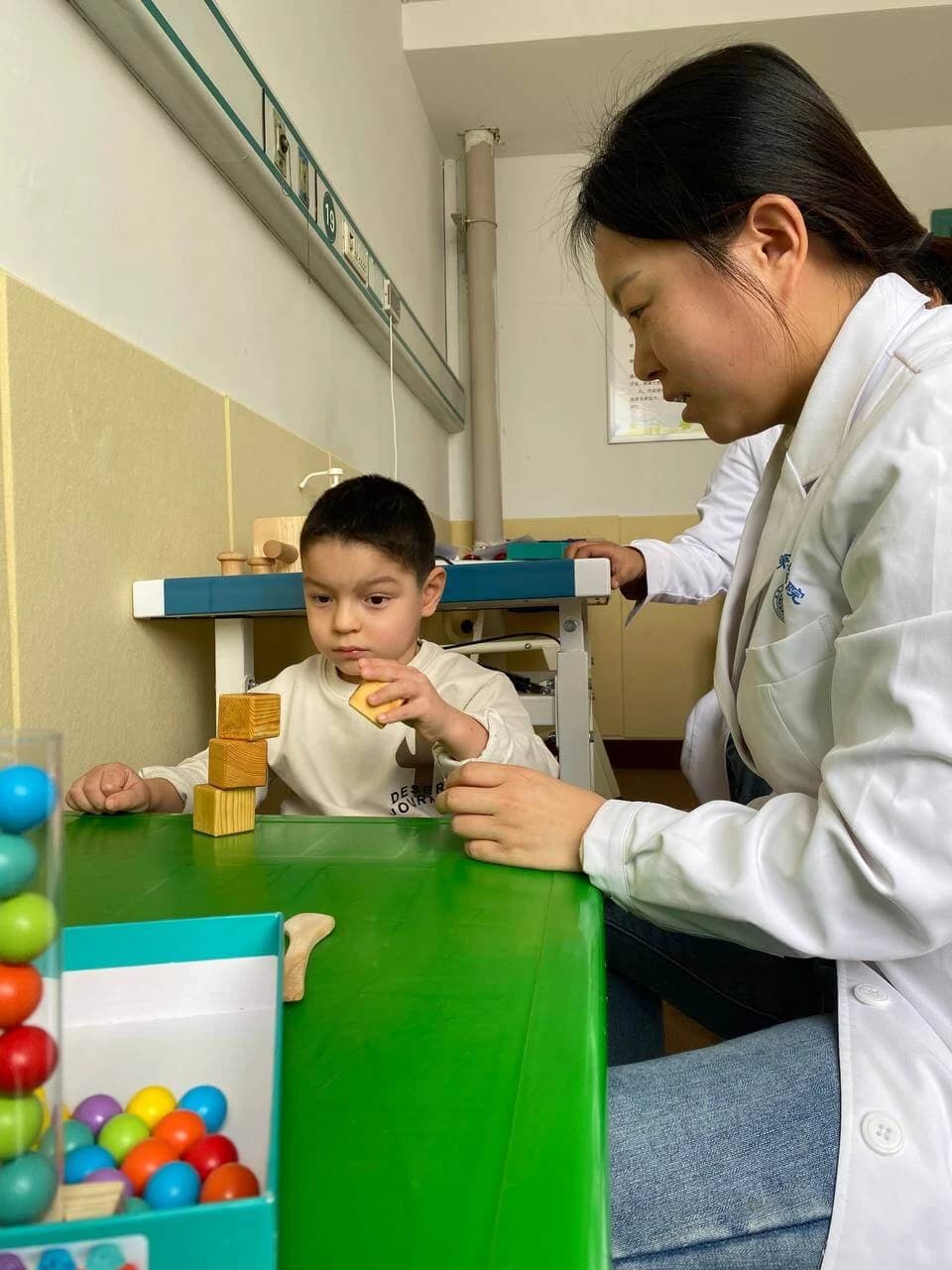
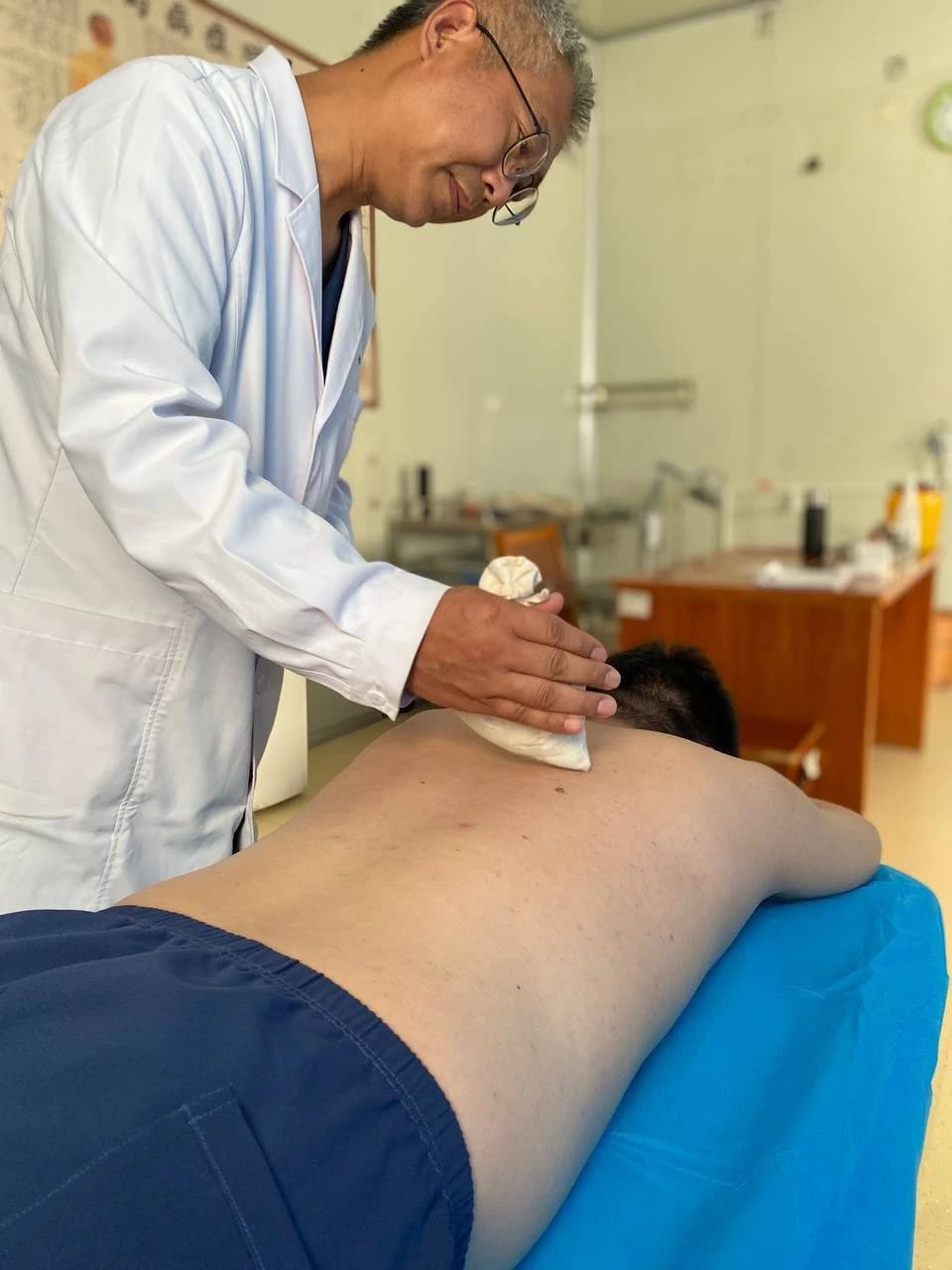
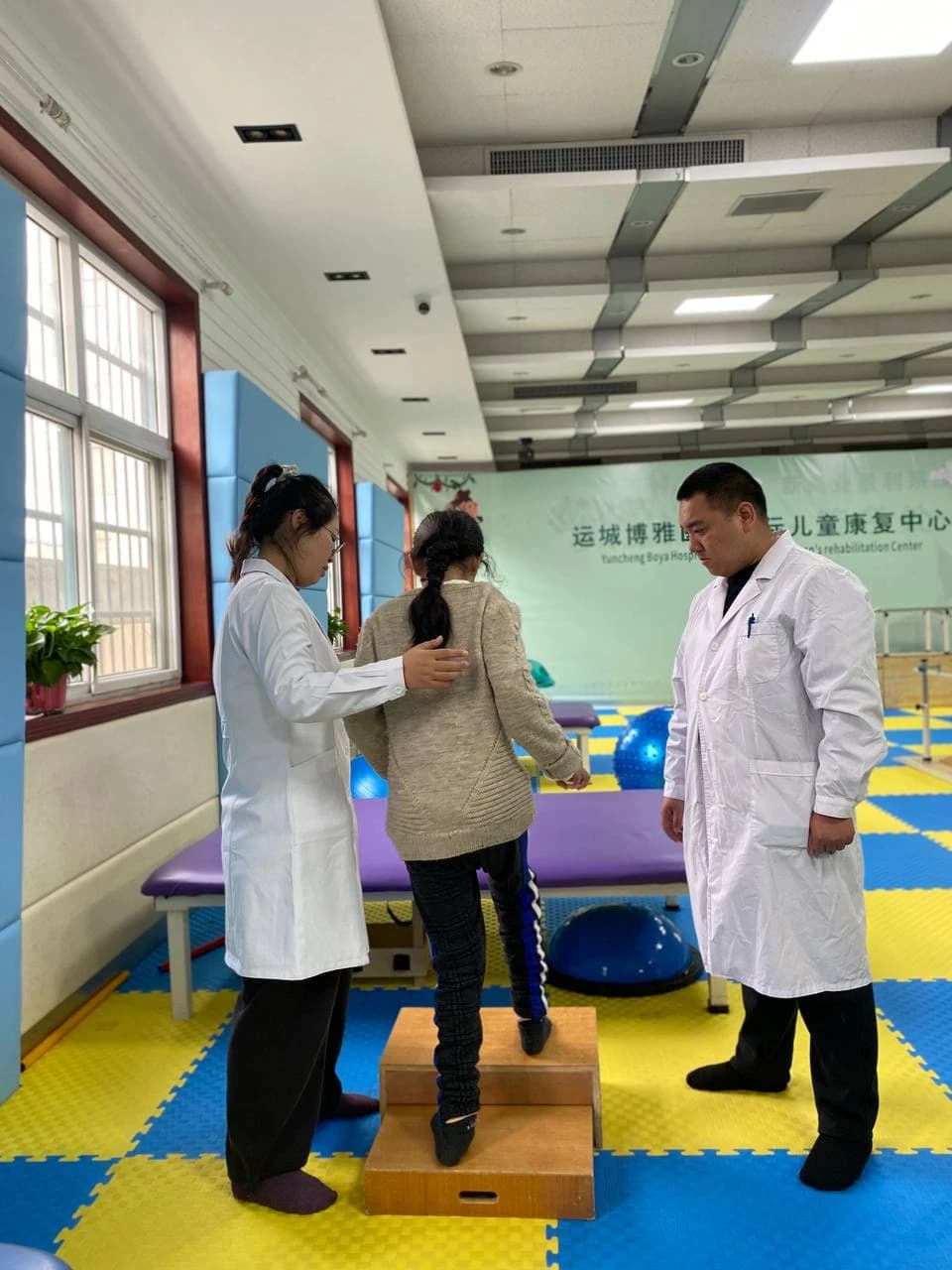
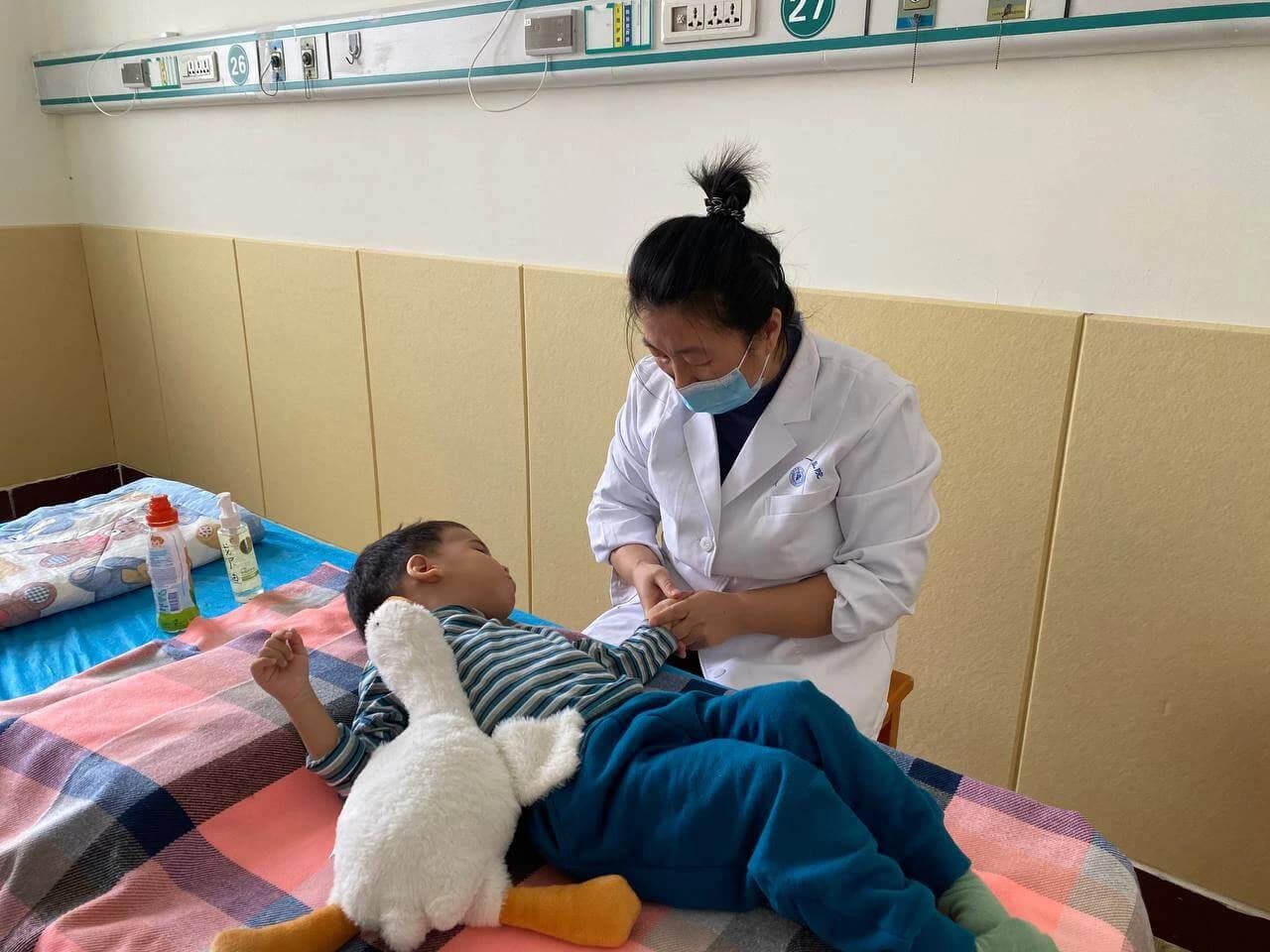
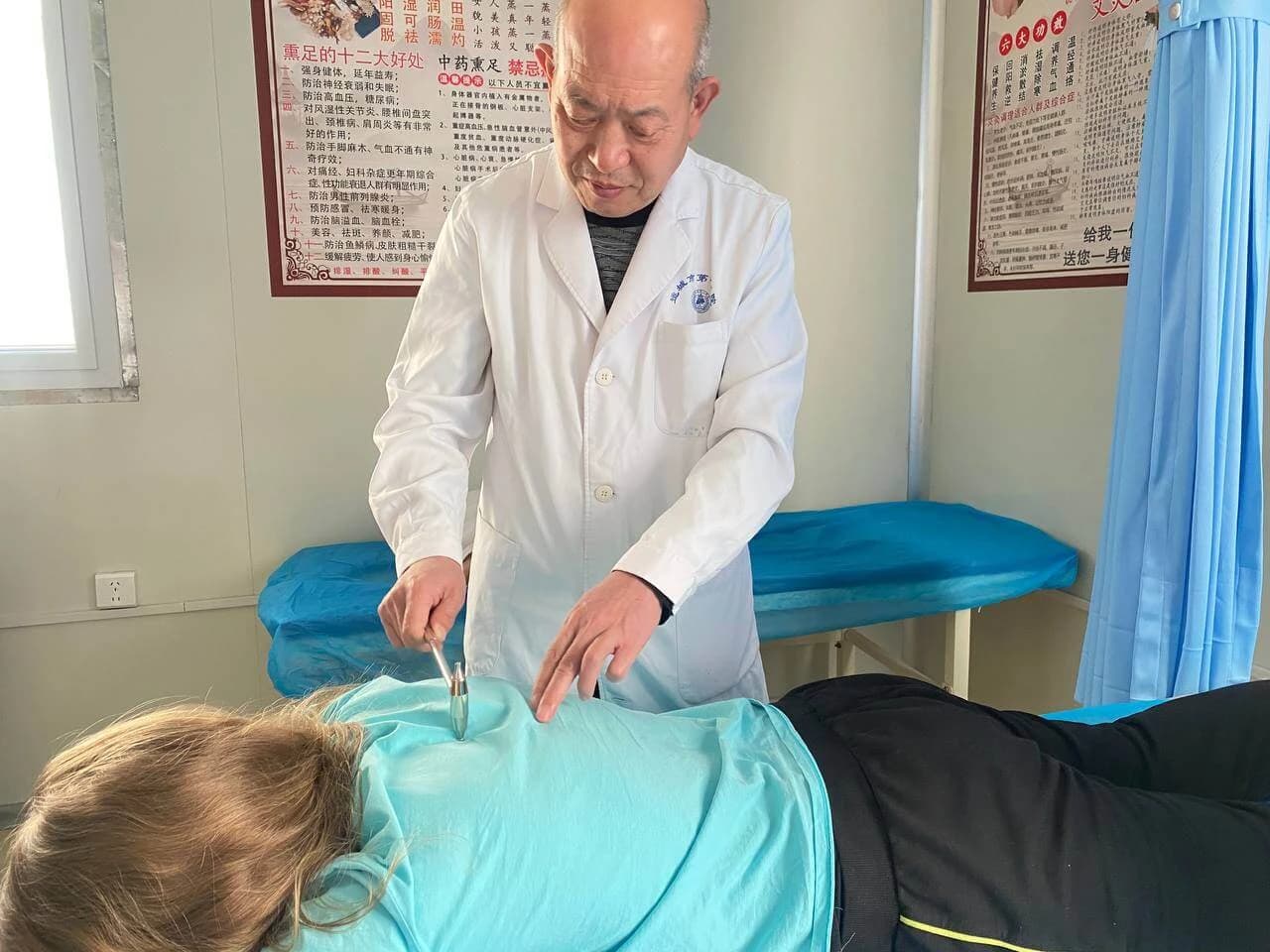
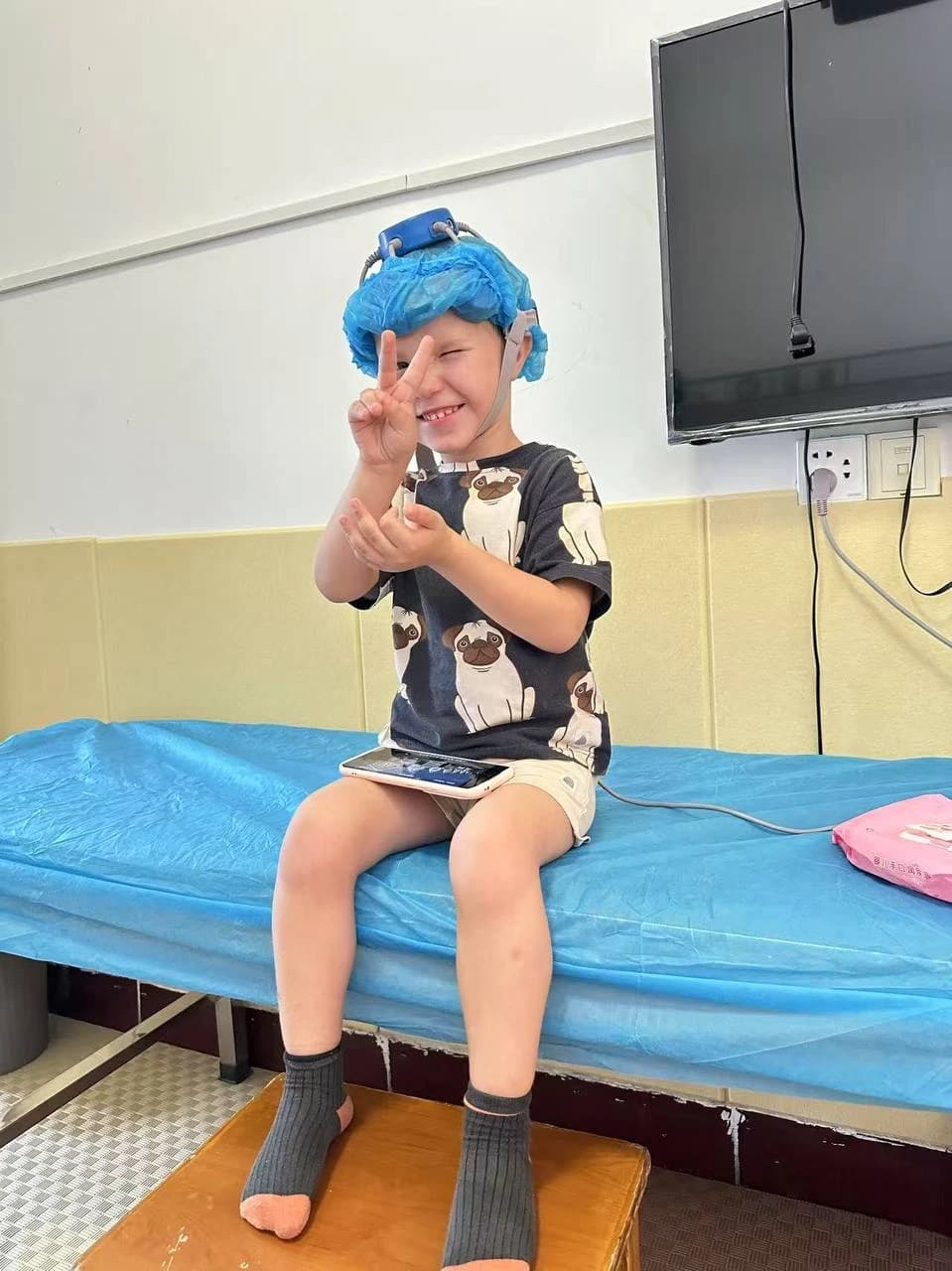
Boya Hospital (Yuncheng, Shanxi Province) works with such injuries as part of pediatric neurological rehabilitation. The core of the program is apparatus-based physiotherapy. The hospital has a dedicated device for partial denervation and muscle atrophy, for neuritis, plexitis, and radiculitis; it also uses electrostimulation of meridian points aimed at nerve conduction, and multifunctional limb stimulation, in which pulsed current acts on muscle groups in a set sequence, imitating natural movement. Next come exercise therapy (range of motion, postural symmetry, gait pattern when a leg is affected), occupational therapy (grip, hand–eye coordination, everyday skills when an arm is affected), pediatric Tui Na massage, and herbal compresses against stiffness. Acupuncture is added when the doctor prescribes it. The schedule is the standard one: 6–9 sessions a day, 6 days a week.
What to expect from the course
The pace of recovery is set by the nerve itself, and sessions cannot speed it up — promising otherwise would be untrue. What rehabilitation really can do is preserve what needs to work once conduction returns: joint mobility, muscle bulk and strength, and the habit of using the limb. That is exactly why regularity matters: daily work holds the result, while breaks quickly eat it away. Progress is tracked by range of motion, strength, and how the child uses the arm or leg in ordinary activities.
How to start
Send us your child's documents — the neurologist's report, ENMG, nerve ultrasound, and records after injuries or surgery. The hospital's doctor will review them and determine the program. The document-based consultation is free, and there is no prepayment: you pay on site and only for what your child has actually received.
Causes
A nerve suffers from mechanical damage — trauma, a fracture, prolonged compression — as well as from inflammation (neuritis) and after infections. In young children, a frequent cause is the aftermath of a birth injury.
Symptoms
Flaccid paresis in the area of the affected nerve: the muscles are weak and movement is incomplete or absent. Sensation is often reduced, and numbness occurs. If this continues for a long time, muscle bulk decreases and asymmetric, protective postures appear.
Diagnostics
The key examination is electroneuromyography (ENMG): it shows how the nerve conducts impulses and how deep the damage is. Nerve ultrasound and MRI are used in addition, and a neurologist assesses the overall picture. These examinations are done at home before the trip.
Prognosis and rehabilitation approach
A nerve is able to recover, but it does so slowly — the timeline is measured in months. During that period, the task of rehabilitation is to support the muscles and joints: to keep them from weakening and losing mobility while conduction is being restored.
How rehabilitation works
Diagnostics
Comprehensive examination and patient assessment by an international team of specialists
Rehabilitation plan
Development of an individual rehabilitation program considering diagnosis specifics
Therapy
Intensive course of procedures: physical therapy, massage, physiotherapy, acupuncture and other methods
Results
Progress evaluation, home recommendations and maintenance therapy plan
Rehabilitation procedures: Peripheral Nerve Injuries
Frequently asked questions: Peripheral Nerve Injuries
Book a free consultation
Send us the medical records and a short video — Boya doctors will review the materials and tell you how they can help. A coordinator will get back to you within 5 minutes.