
Rehabilitation for ADHD at Boya Clinic
The child cannot stay in one place, loses the thread of an explanation, and acts before thinking. Boya Hospital in Yuncheng works with ADHD within pediatric neurological rehabilitation: sensory integration, occupational therapy, and exercise therapy give motor energy an outlet and train self-control, while Traditional Chinese Medicine methods help reduce overexcitement. Sessions run 6 days a week, the course is 2–3 months, with payment on site and no prepayment.
What is Hyperactivity (ADHD)?
Attention Deficit Hyperactivity Disorder (ADHD) is a feature of how the nervous system works that makes it hard for a child to hold attention, sit still, and hold back the first impulse. Parents usually describe it the same way: "hears me but does not do it", "starts and drops it", "acts first, thinks later". At kindergarten and school such a child quickly gains a reputation for being disobedient, although the issue is not character and not parenting: the mechanisms of inhibition and goal-holding mature more slowly than in peers. What sets ADHD apart from ordinary childhood liveliness is that the manifestations appear across different settings at once and persist for months.
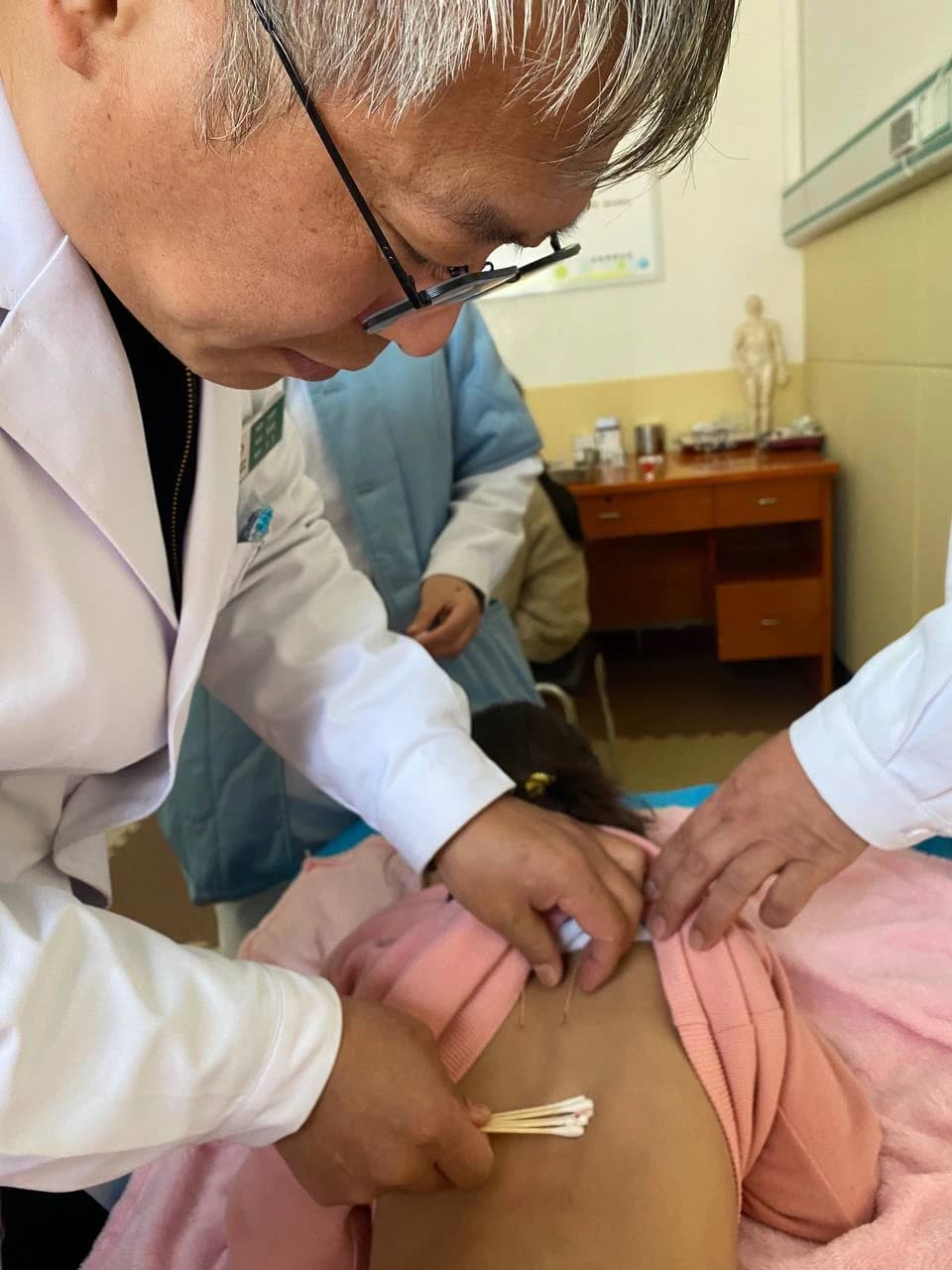
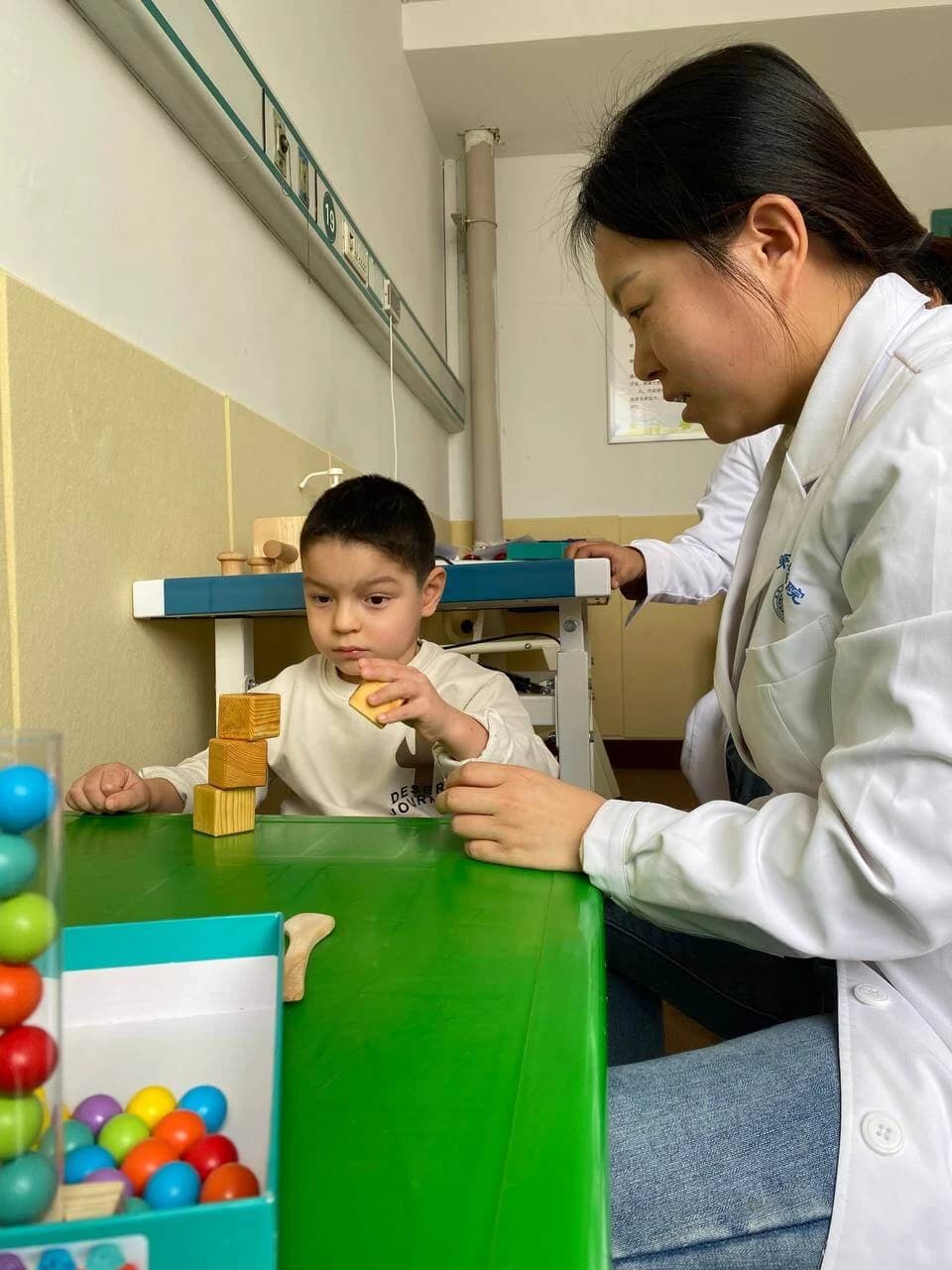
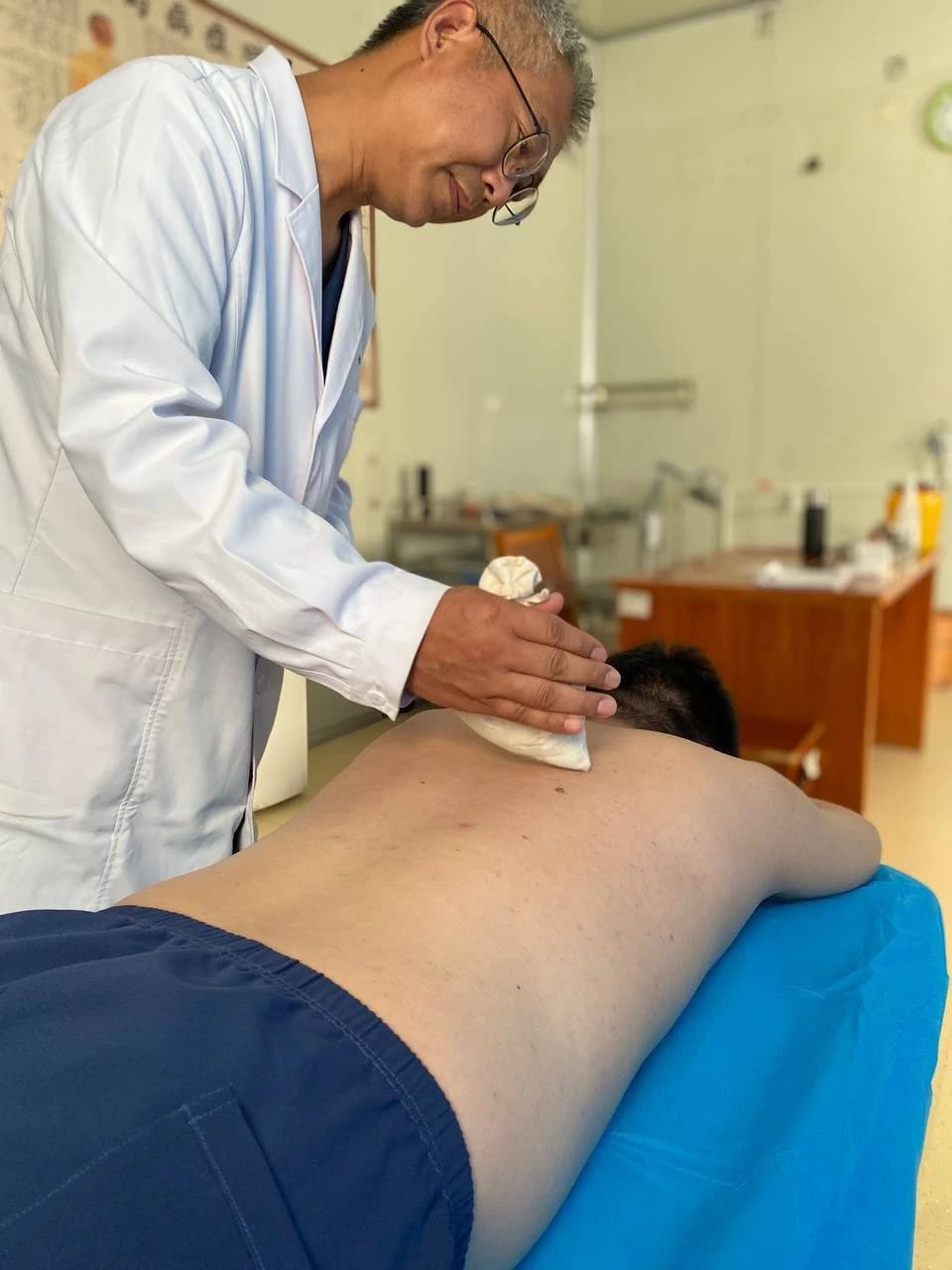
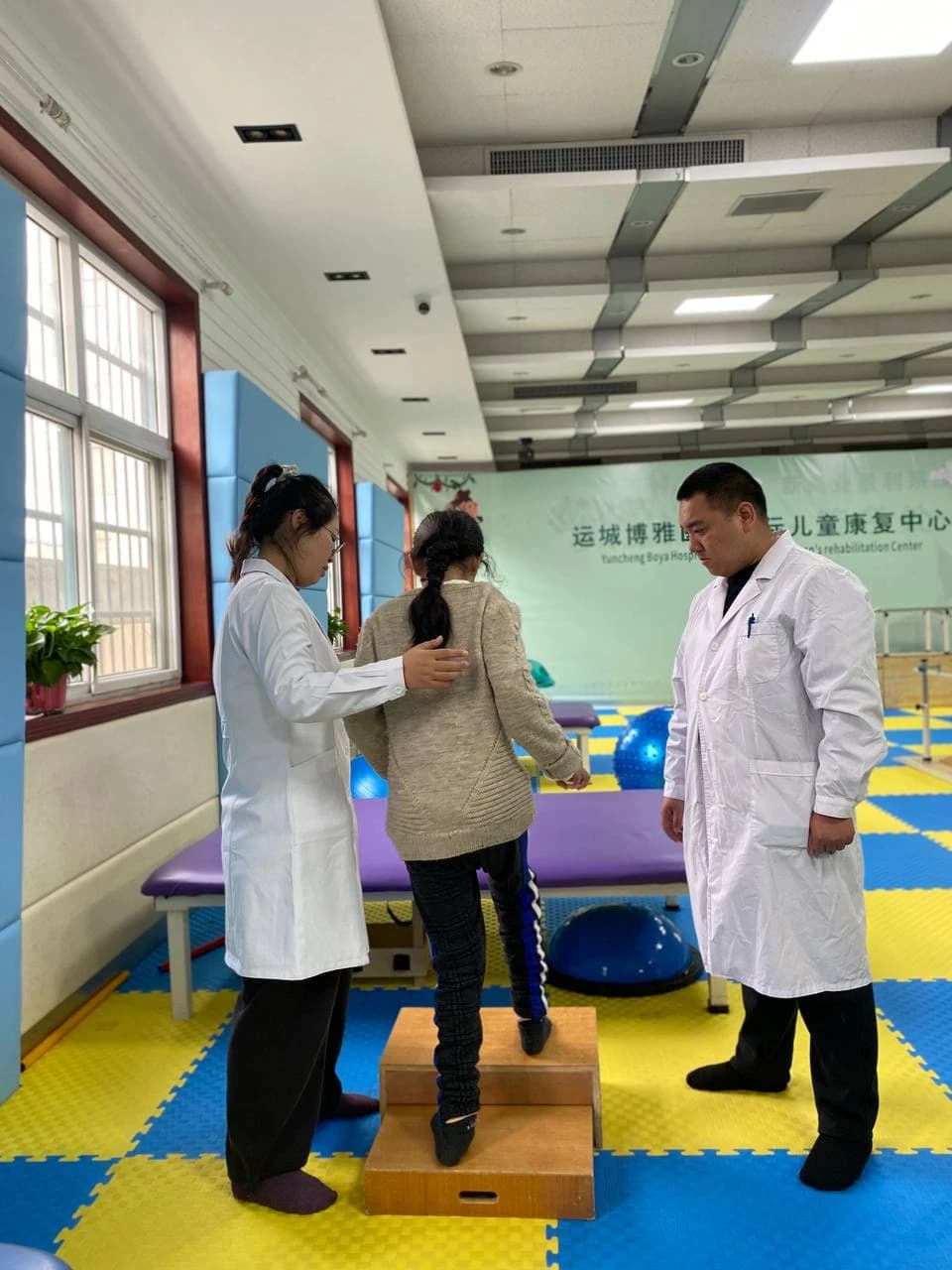
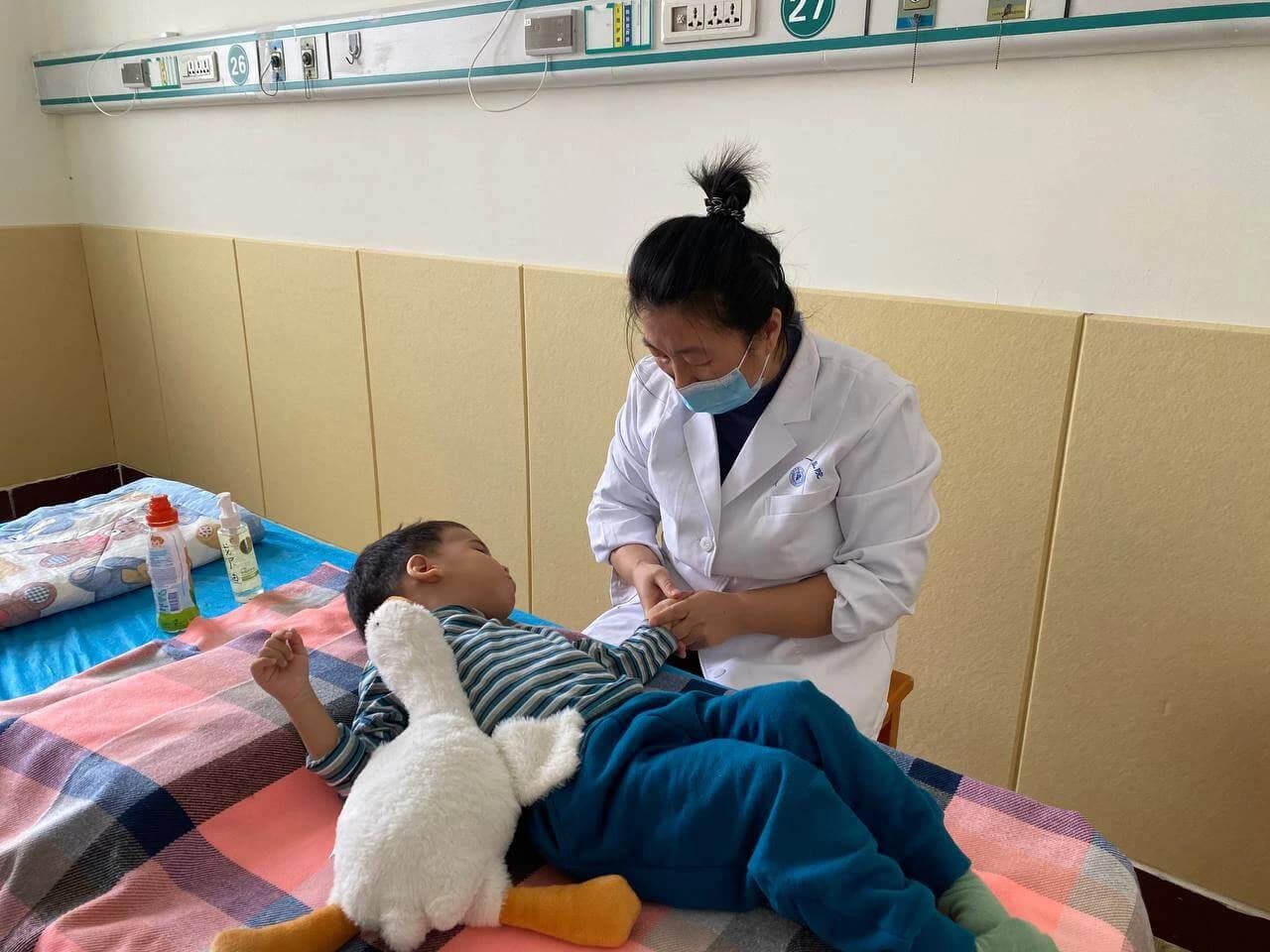
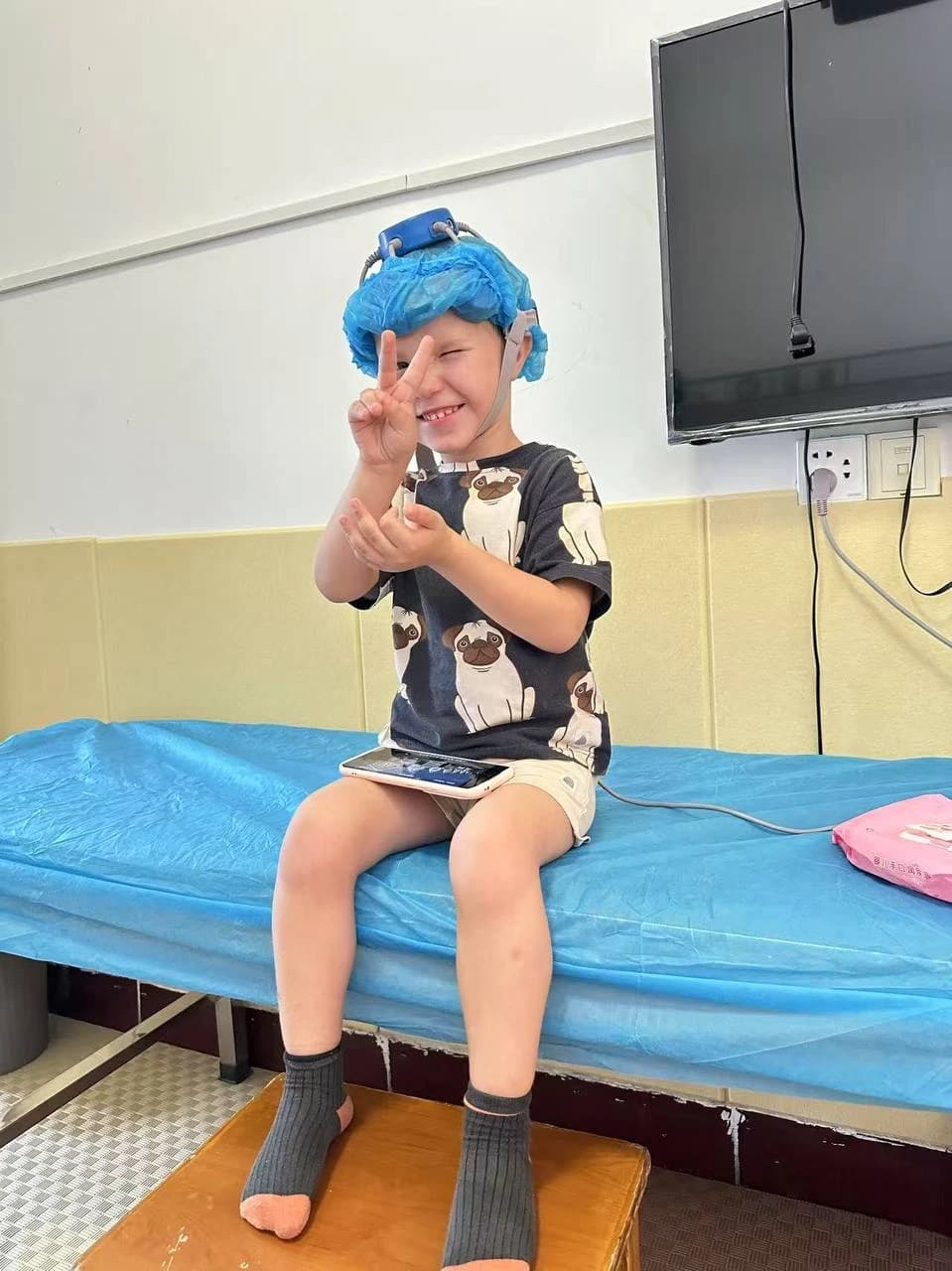
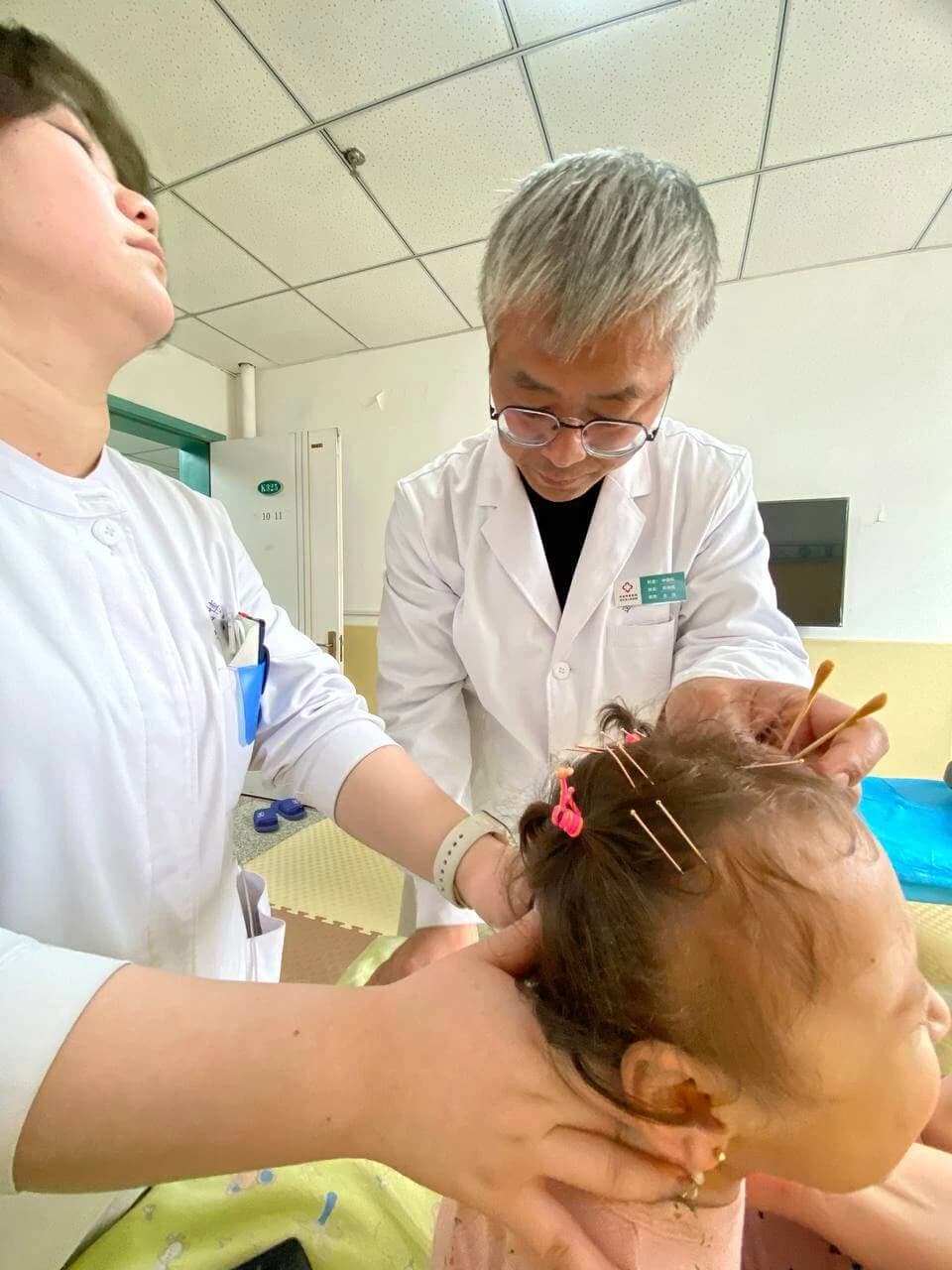
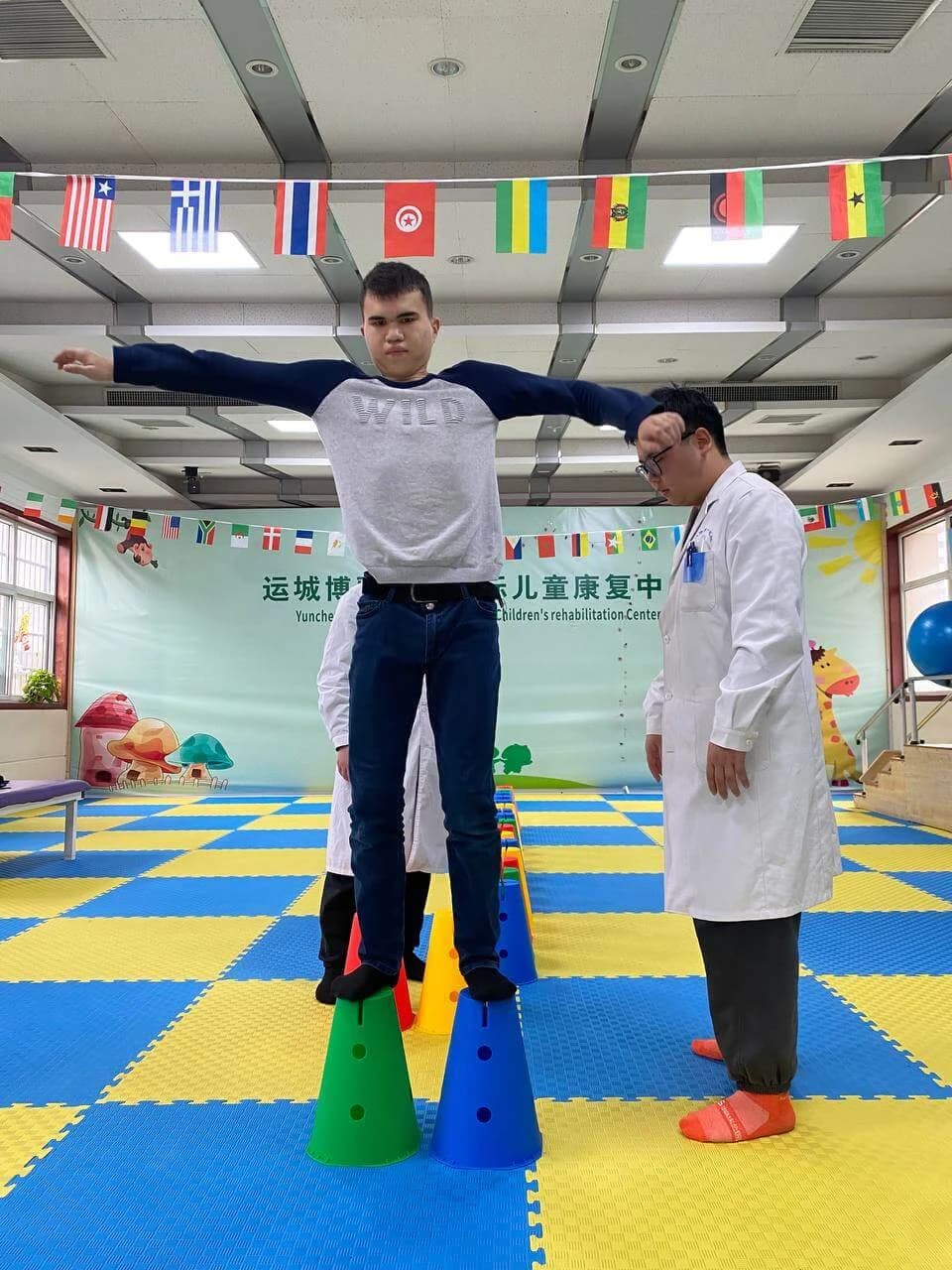
At Boya Hospital (Yuncheng, Shanxi Province), children with ADHD are admitted within the hospital's core specialization — pediatric neurological rehabilitation. There is no separate "anti-hyperactivity program", so the doctor assembles the set of sessions for the individual child. The base is sensory integration: on swings, a trampoline, balance boards, and with tactile materials the child gets the amount of movement they need and learns to read their own body signals more accurately. Occupational therapy trains finishing what was started, using everyday tasks with a clear beginning and end. Exercise therapy and apparatus-based physiotherapy give motor energy an outlet. Traditional Chinese Medicine methods — scalp acupuncture (needling points on the head), body acupuncture, pediatric Tui Na massage, herbal compresses — serve a supporting role: they help reduce overexcitement and make falling asleep easier. Sessions run 6 days a week.
Why an intensive schedule suits a restless child
Parents are often alarmed by the format of "6–9 sessions a day": it seems that their child in particular will never manage it. In practice the day is split into short, varied blocks — active alternates with calm, the gym gives way to the therapy room, a session to a procedure. For a child with ADHD this rhythm usually turns out to be easier than one long lesson at a desk: energy gets spent, and frequent switches keep interest from fading. The first days of a course always run in a gentle mode, and the load is built up according to what the child can actually handle.
What counts as progress
An honest benchmark is not "the child became calm" but ordinary everyday things: staying with one activity longer, jumping up less often, listening through instructions more often, tolerating waiting more calmly, falling asleep more easily. These observations are recorded during the course, and the program is adjusted from them. The recommended length is 2–3 months: over a shorter period there is usually a shift too, but it holds less well. The document-based consultation is free, and there is no prepayment: you pay on site and only for what your child has actually received.
Causes
ADHD is not spoiled behavior and not a result of parenting. At its core are features of nervous system maturation: the mechanisms responsible for inhibiting an impulse, holding a goal, and planning mature more slowly. Heredity and complications during pregnancy and birth also play a role.
Symptoms
Three groups of manifestations: inattention (does not listen through, loses things, abandons what was started), excessive activity (fidgets, runs, cannot play quietly), and impulsivity (blurts out answers, interrupts, cannot wait for a turn). In some children all three are pronounced, in others one dominates.
Diagnostics
The diagnosis is made by a neurologist or psychiatrist — based on observation, a conversation with the parents, and questionnaires filled in at home and at kindergarten or school. What matters is that the manifestations show up in different settings, not only in class, and persist for months. Hearing loss, sleep problems, and anxiety are ruled out separately — they produce a similar picture.
Prognosis and rehabilitation approach
Rehabilitation does not remove ADHD, but it helps the child hold attention longer, tolerate waiting more calmly, and manage their own activity better. Regularity and a predictable routine are what work, so the course is built as a consistent daily load rather than a set of isolated procedures.
How rehabilitation works
Diagnostics
Comprehensive examination and patient assessment by an international team of specialists
Rehabilitation plan
Development of an individual rehabilitation program considering diagnosis specifics
Therapy
Intensive course of procedures: physical therapy, massage, physiotherapy, acupuncture and other methods
Results
Progress evaluation, home recommendations and maintenance therapy plan
Rehabilitation procedures: Hyperactivity (ADHD)
Frequently asked questions: Hyperactivity (ADHD)
Book a free consultation
Send us the medical records and a short video — Boya doctors will review the materials and tell you how they can help. A coordinator will get back to you within 5 minutes.