Rehabilitation for Motor delay at Boya Clinic
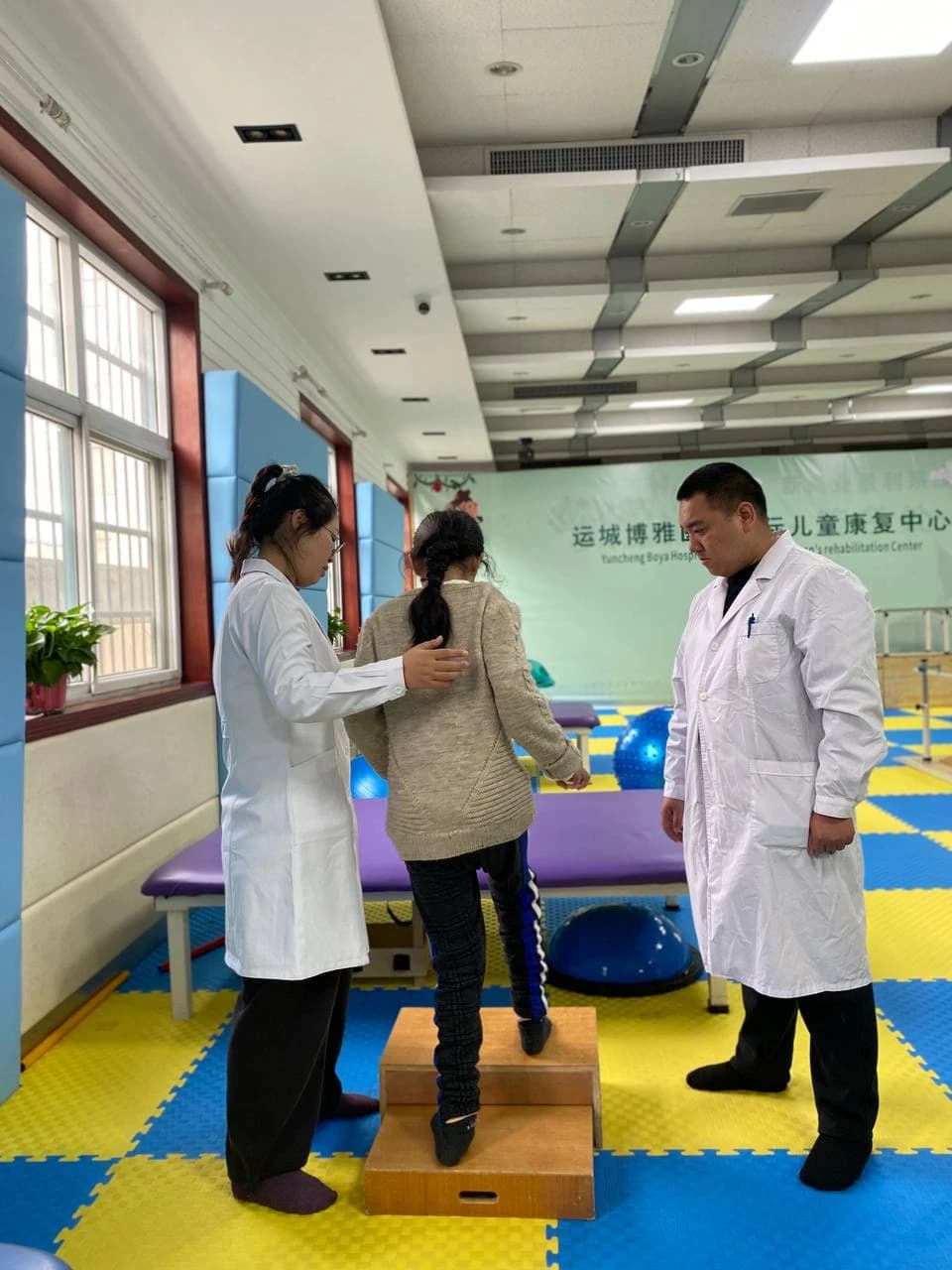
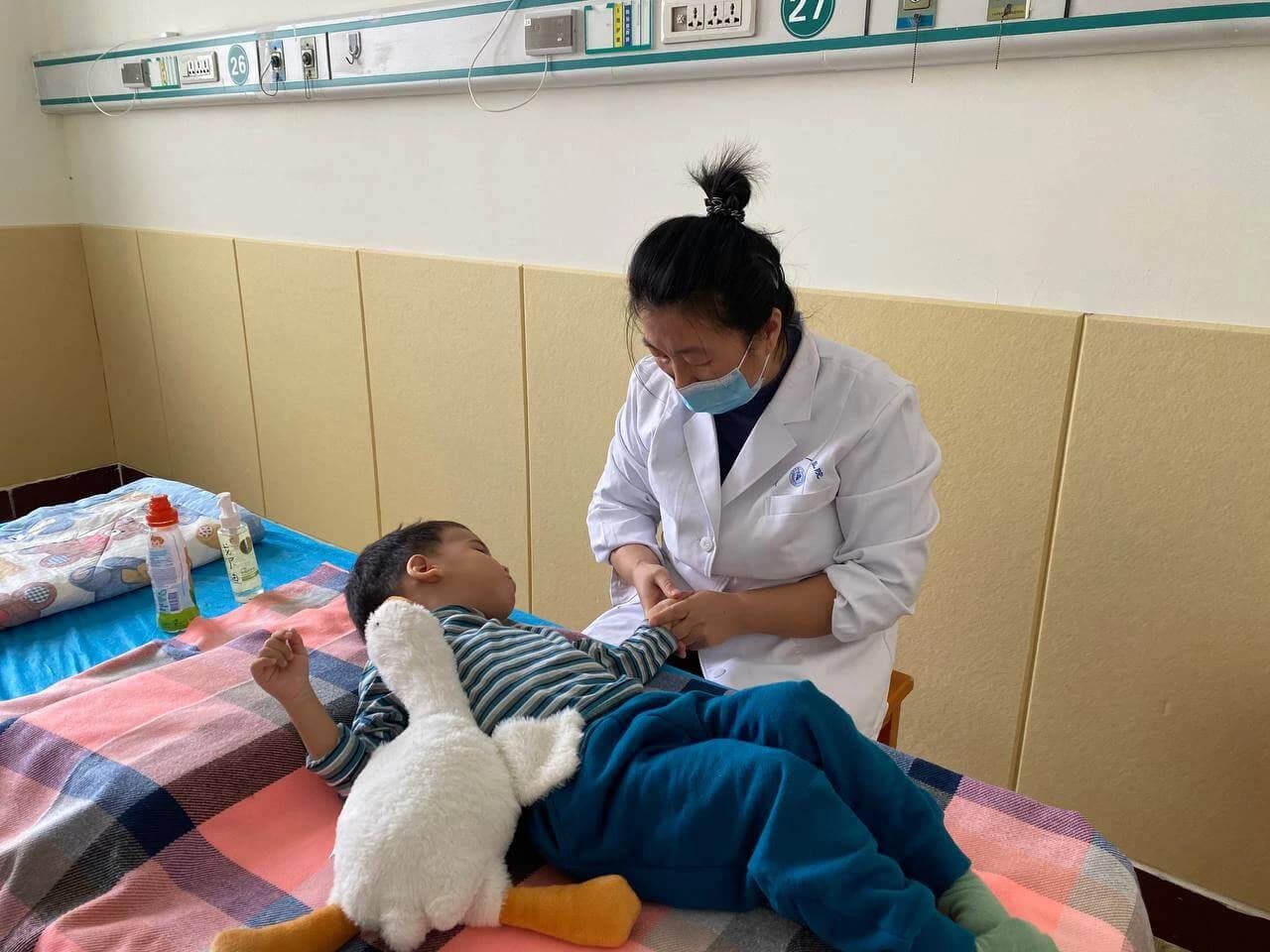
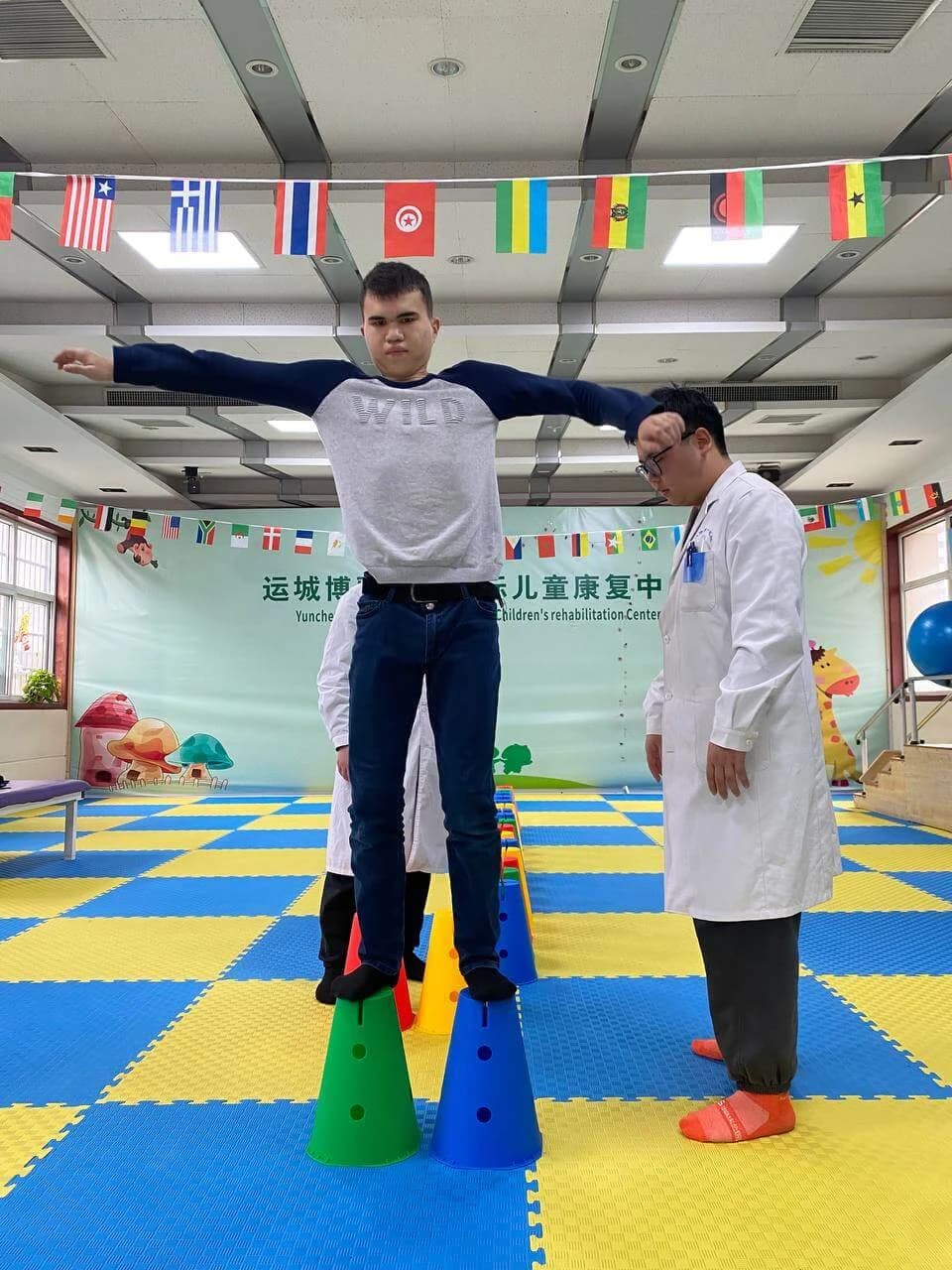
Boya Hospital in Yuncheng admits children with motor development delay to intensive courses: 6–9 sessions a day, 6 days a week. The program is built around gross motor skills — support, balance, sitting, standing, walking — and combines exercise therapy, pediatric Tui Na massage, and apparatus-based physiotherapy. The recommended course is 2–3 months, with payment on site and no prepayment.
What is Motor development delay?
Motor development delay means a child reaches key motor milestones later than peers: rolling over, sitting, crawling, standing, walking. One point should be made straight away: milestones are approximate, not a timetable. One child takes their first steps at a year, another closer to eighteen months, and both stay within the norm. What matters is not an individual date but the whole picture: whether several milestones lag at once, whether there is weakness or stiffness in the muscles, asymmetry, or loss of a skill already mastered.
Hence the main advice for parents: do not wait — check. The hope that a child "will catch up on their own" sometimes proves right and sometimes costs a lost year — and it is precisely at an early age that sessions give the most. Start with a neurologist: they will assess tone, reflexes, and coordination and tell you whether this is a variant of the norm or a delay that needs systematic work.
How the course runs at Boya
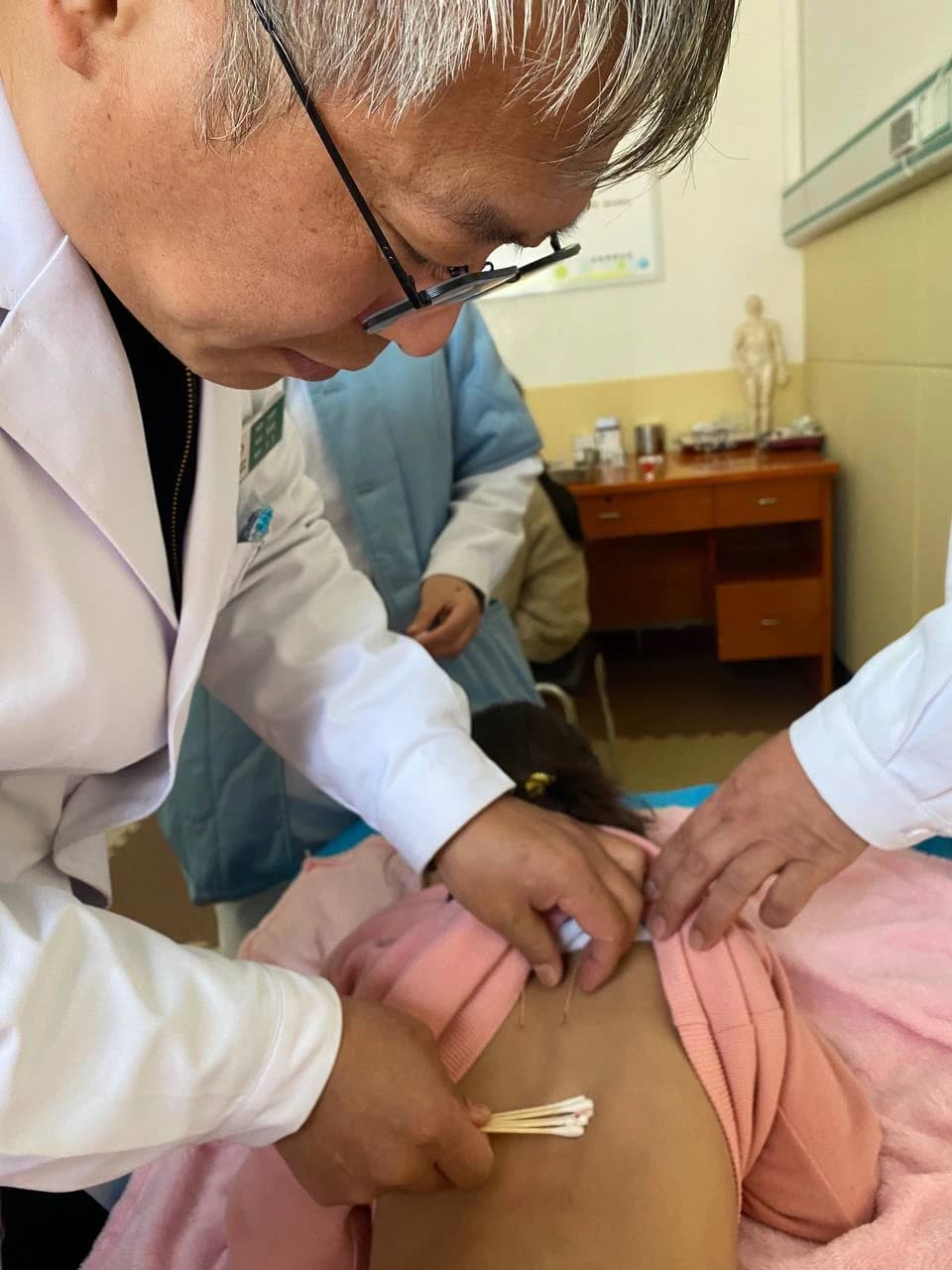
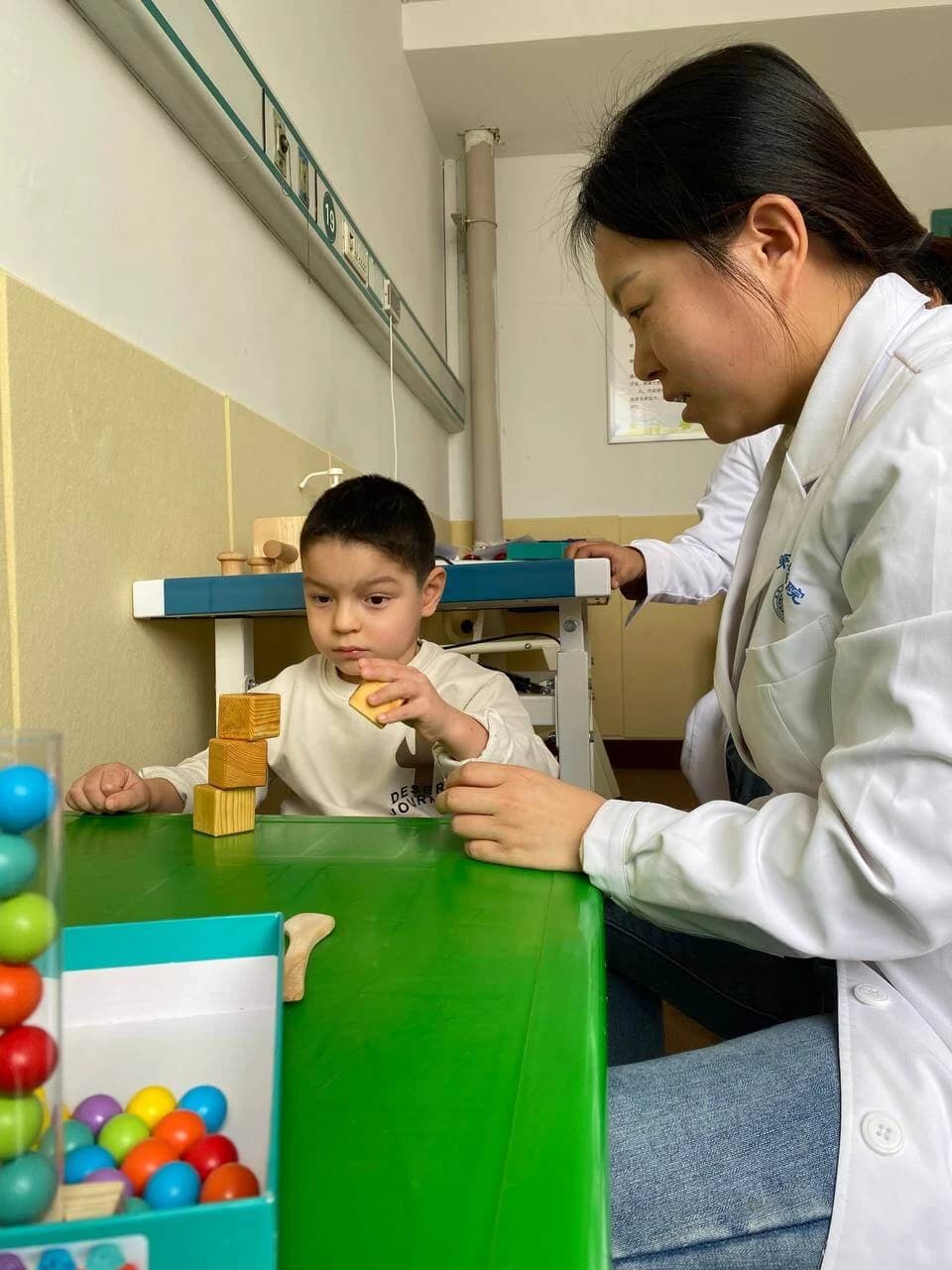
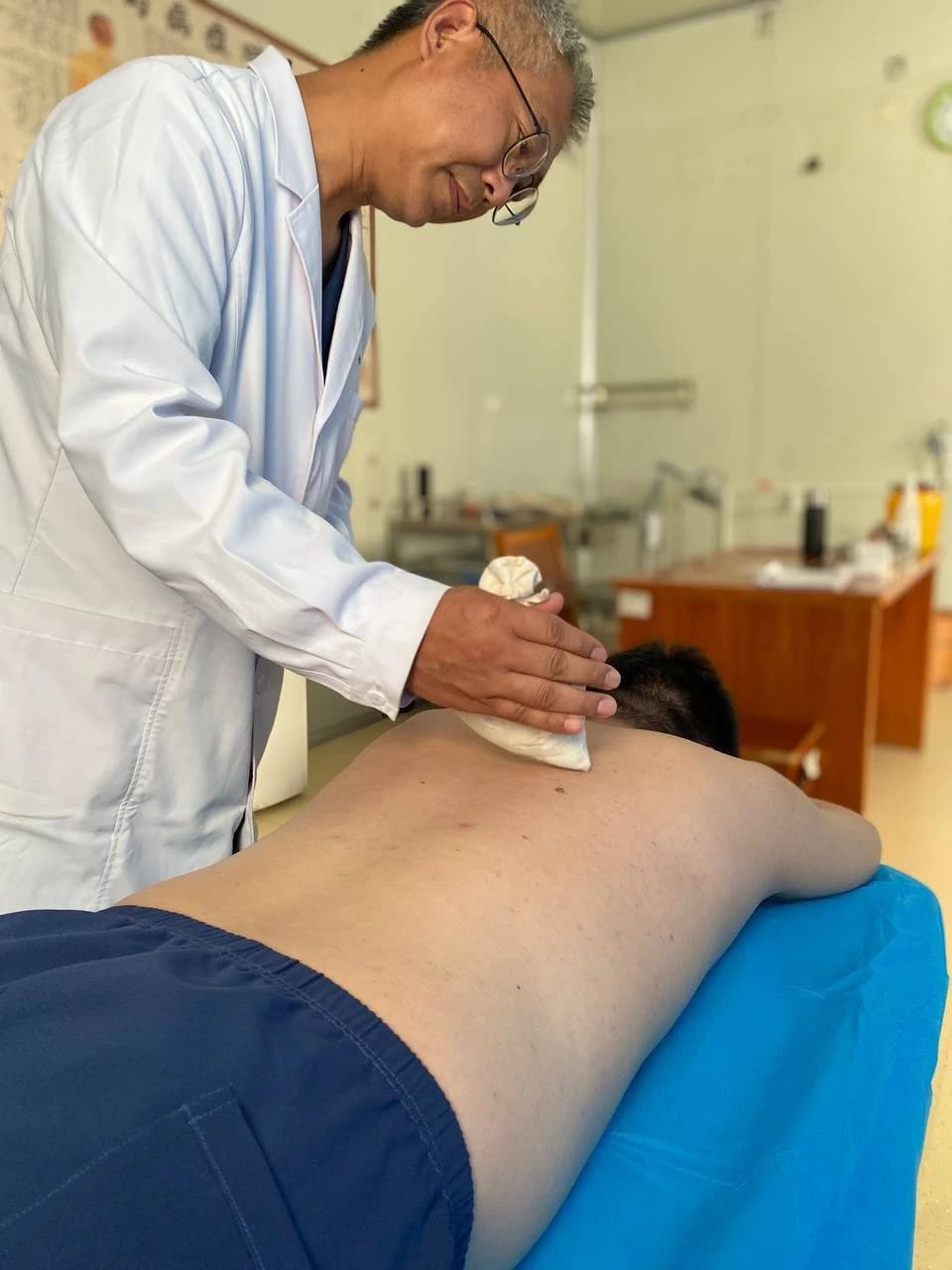
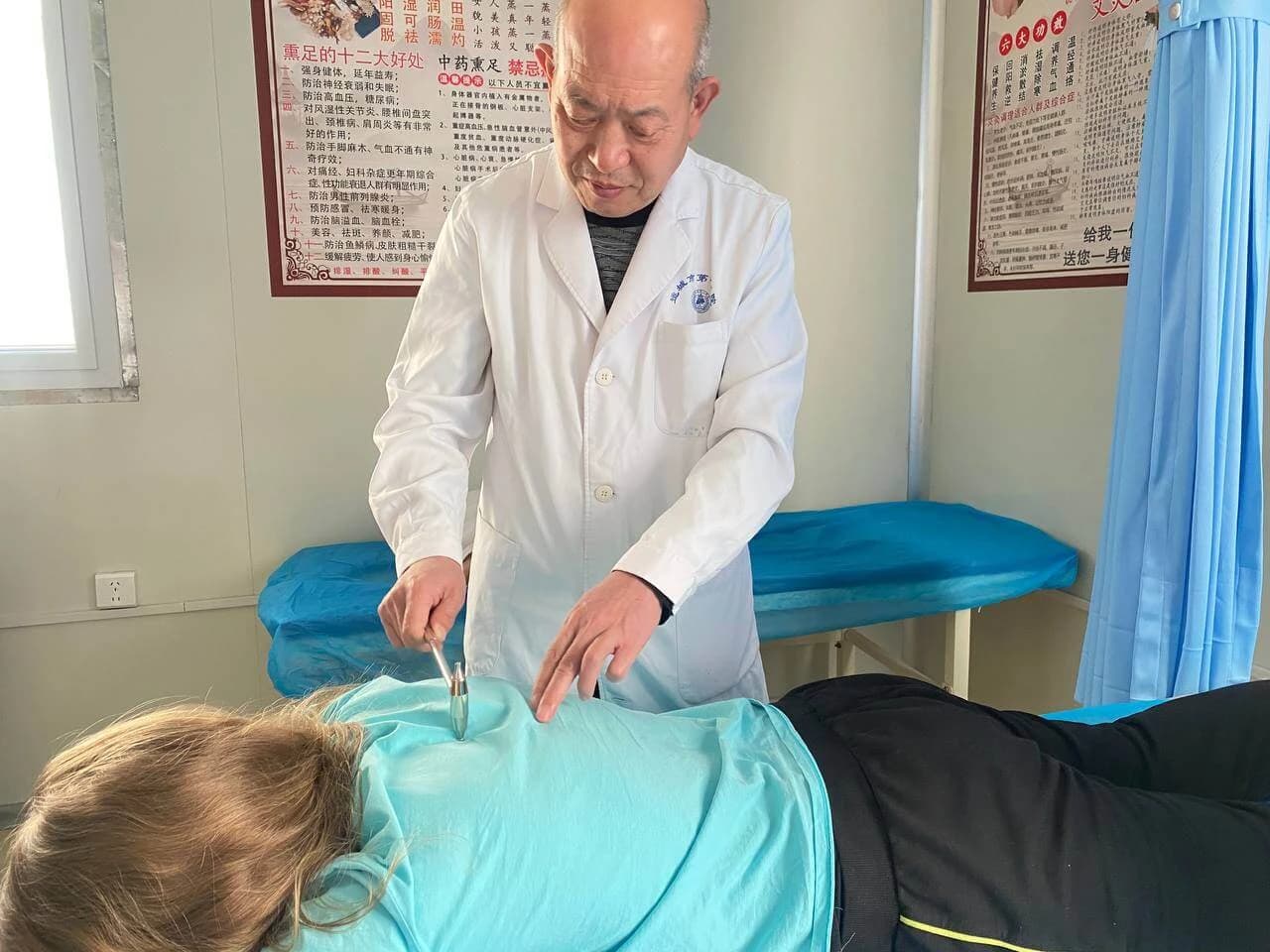
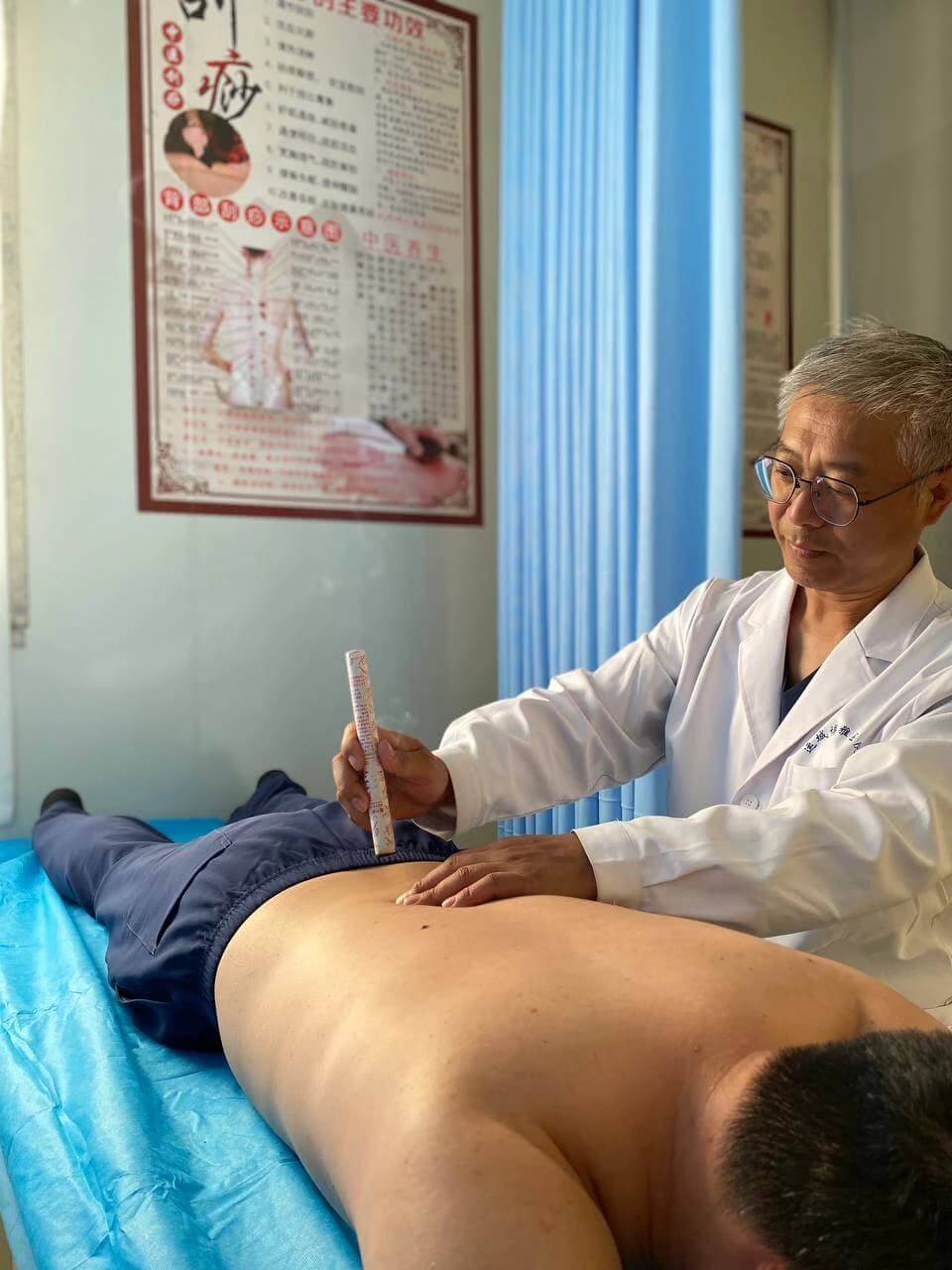
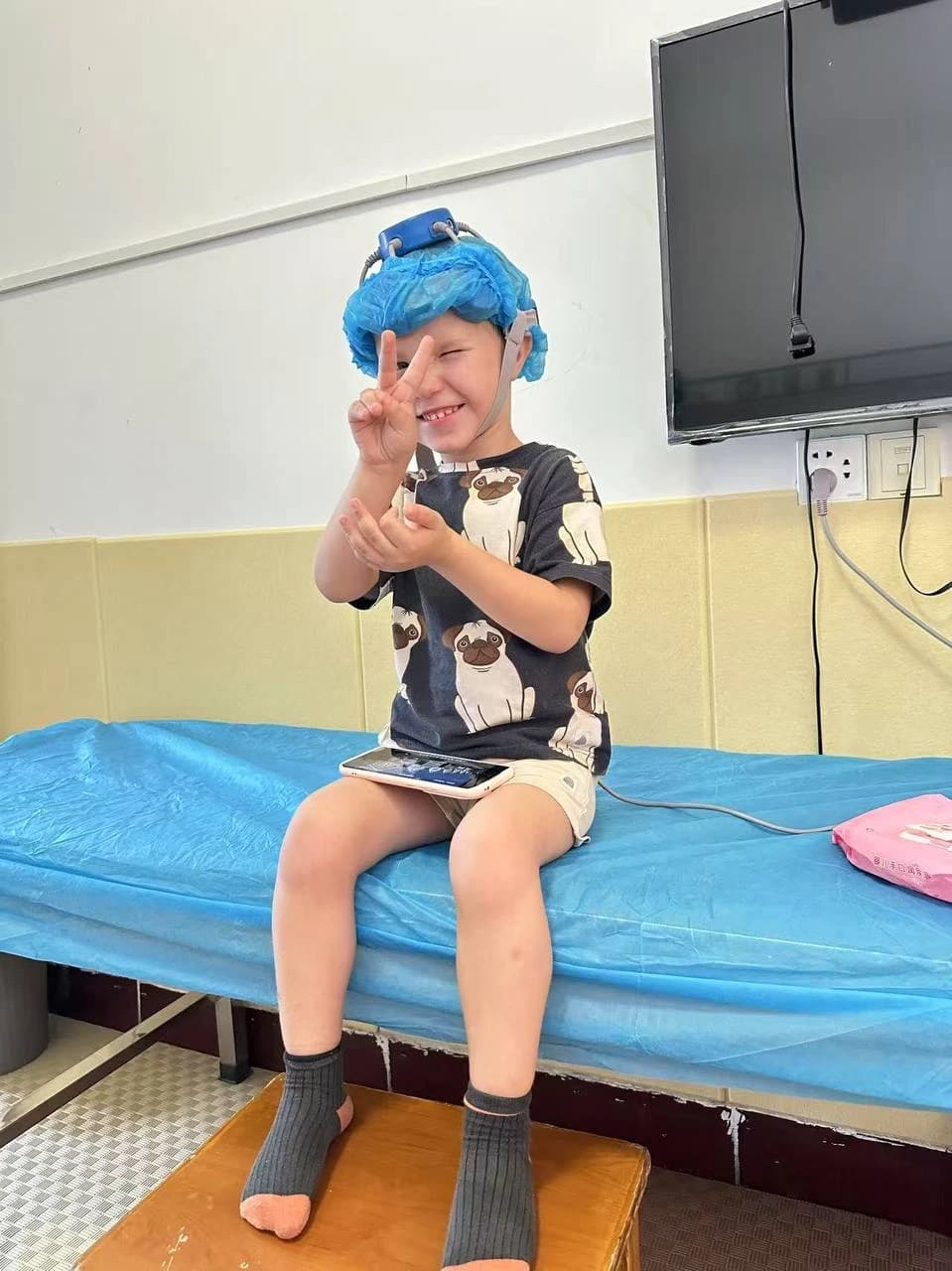
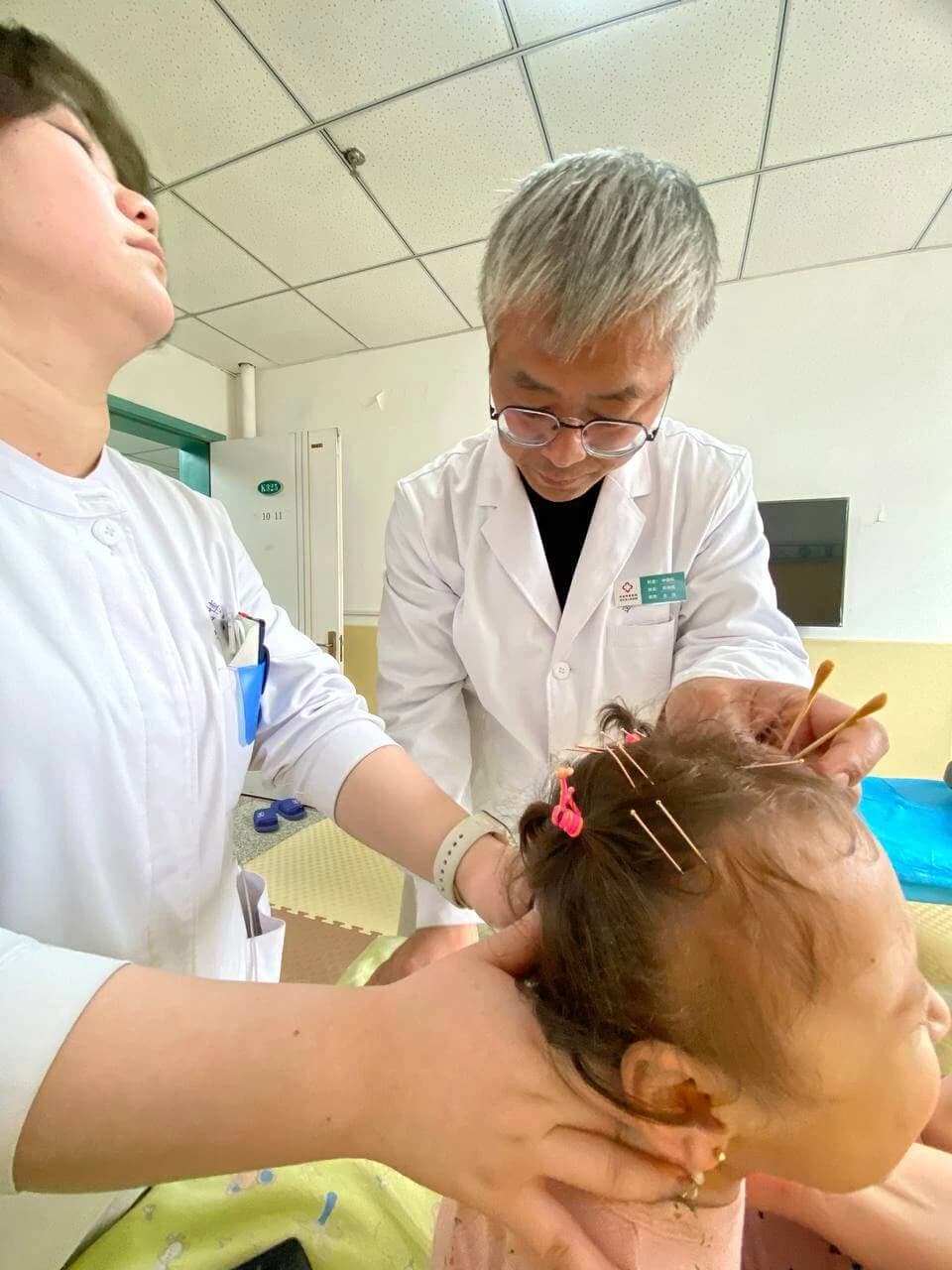
At Boya Hospital (Yuncheng, Shanxi Province), motor skills are a core area of pediatric neurological rehabilitation. Before the start, the doctor carries out a functional assessment: head control, turning, weight-bearing on arms and legs, sitting, balance, stepping. An intensive program is assembled around this data — 6–9 sessions a day, 6 days a week: exercise therapy and physical rehabilitation as the core, apparatus-based physiotherapy to activate the muscles, pediatric Tui Na massage to work with tone, occupational therapy and sensory integration for coordination and fine motor skills. The course is complemented by Traditional Chinese Medicine methods — acupuncture, including points on the head, meridian point stimulation, and warm herbal compresses and moxotherapy that release muscle tightness.
How to start
Send us your child's documents — the neurologist's records, test results, and if possible a short video of how your child sits, stands up, and walks. The doctor will review them and tell you what the program will consist of and what can realistically be expected. The recommended course length is 2–3 months: movement is consolidated by daily repetition. The document-based consultation is free, and there is no prepayment: you pay on site and only for what your child has actually received.
Causes
Most often the delay follows perinatal damage to the nervous system, prematurity, or a disturbance of muscle tone — either increased or reduced. Sometimes the delay is isolated, sometimes it is part of a general developmental delay or a genetic feature. And sometimes no clear cause is found at all.
What to look at
Developmental milestones are approximate: rolling over around 4–6 months, independent sitting by 6–9, first steps by 12–18. What should raise concern is not a couple of weeks' difference but a persistent delay across several milestones at once, loss of a skill already mastered, marked weakness, muscle stiffness, or asymmetry of movement.
Diagnostics
Start with a neurologist's examination: they assess tone, reflexes, range of motion, balance, and coordination, and order tests where needed. For rehabilitation a separate functional assessment is carried out — what the child can do right now: head control, turning, weight-bearing on arms and legs, sitting, stepping.
Prognosis and rehabilitation approach
Motor skills respond well to regular load: the body consolidates movement through repetition. Much depends on the cause of the delay, the child's age, and how systematic the sessions are. The effect is stronger in children under 7–8, but older children also make visible gains.
How rehabilitation works
Diagnostics
Comprehensive examination and patient assessment by an international team of specialists
Rehabilitation plan
Development of an individual rehabilitation program considering diagnosis specifics
Therapy
Intensive course of procedures: physical therapy, massage, physiotherapy, acupuncture and other methods
Results
Progress evaluation, home recommendations and maintenance therapy plan
Rehabilitation procedures: Motor development delay
Frequently asked questions: Motor development delay
Book a free consultation
Send us the medical records and a short video — Boya doctors will review the materials and tell you how they can help. A coordinator will get back to you within 5 minutes.