Rehabilitation for Weakness at Boya Clinic
Boya Hospital in Yuncheng admits children with reduced muscle strength — when a child tires quickly, holds posture poorly, and lags behind in motor development. The program is intensive: 6–9 sessions a day, 6 days a week; exercise therapy and apparatus physiotherapy are complemented by Tui Na massage and Traditional Chinese Medicine methods. The recommended course is 2–3 months, with payment on site and no prepayment.
What is Muscle Weakness?
Muscle weakness is reduced strength in the arms, legs, back, abdomen, or the whole body at once. Parents notice it not through numbers but through everyday life: the child tires quickly and asks to be carried, does not hold the head or back, is late to sit and stand, and picks objects up limply. Weakness is not a diagnosis in itself but a sign: behind it may be damage to the nervous system, a peripheral nerve injury, or a condition of the muscles themselves. The cause is determined by a doctor through examination and testing — and this matters, because the cause defines the training load during sessions.
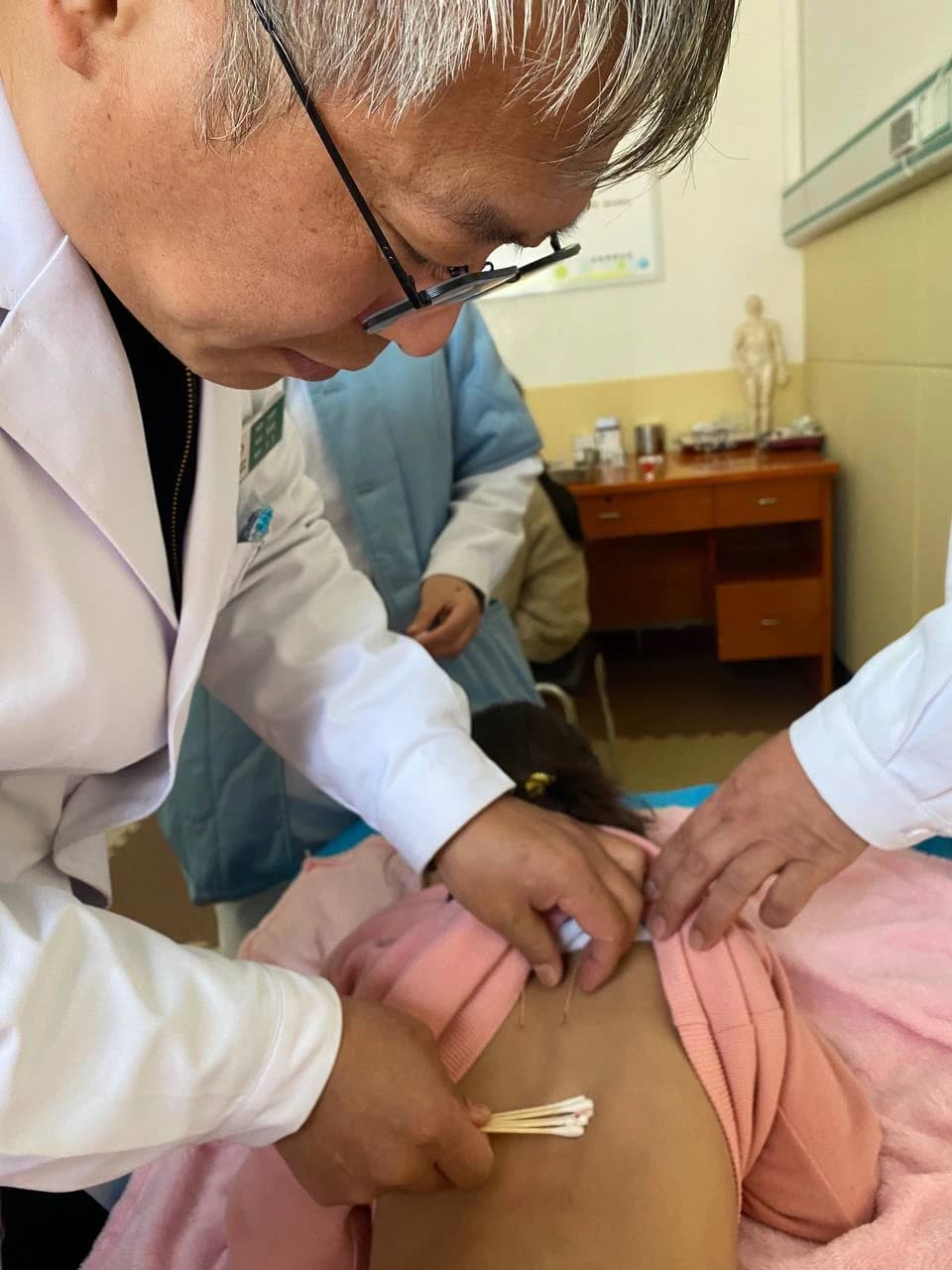
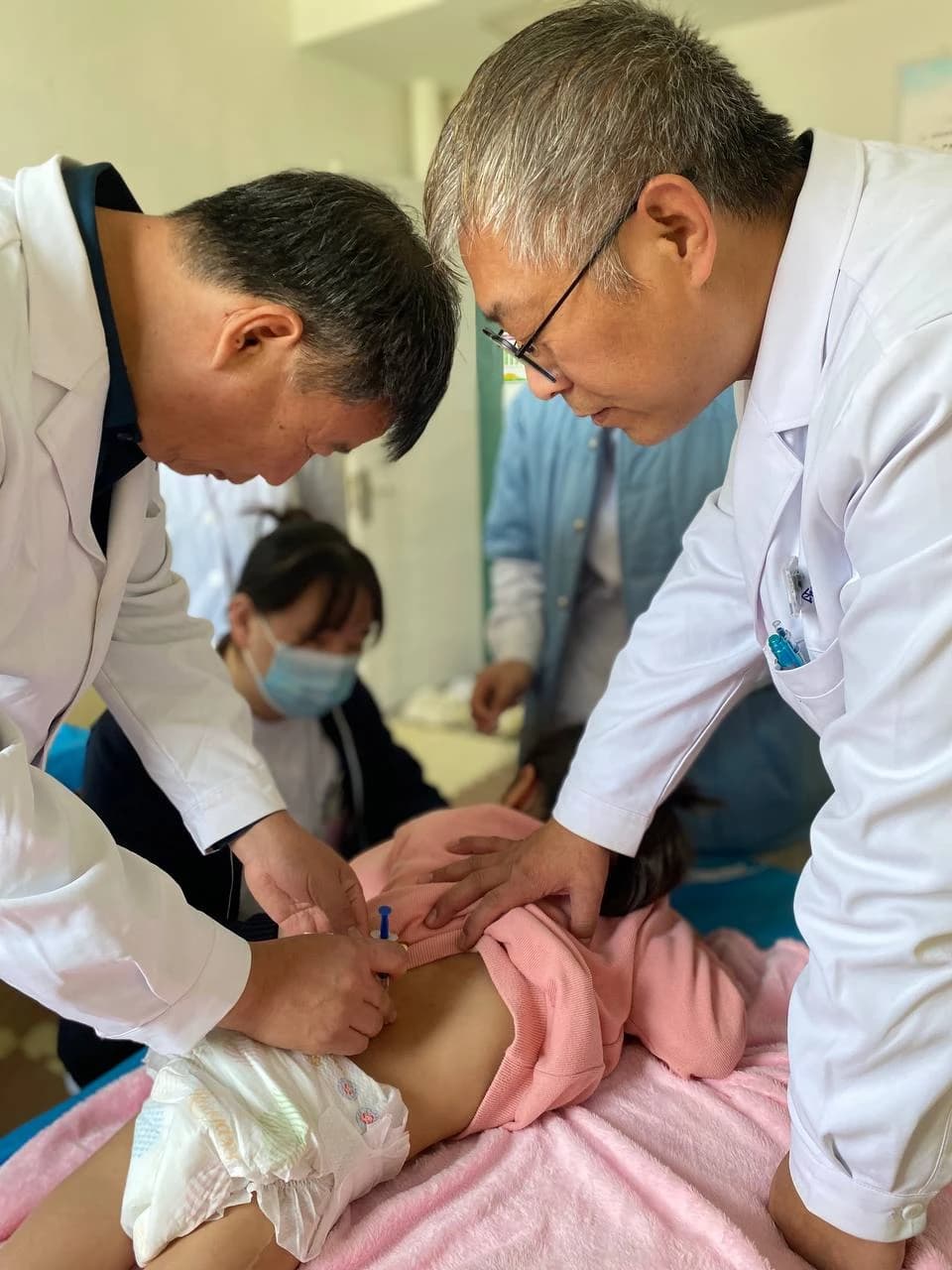
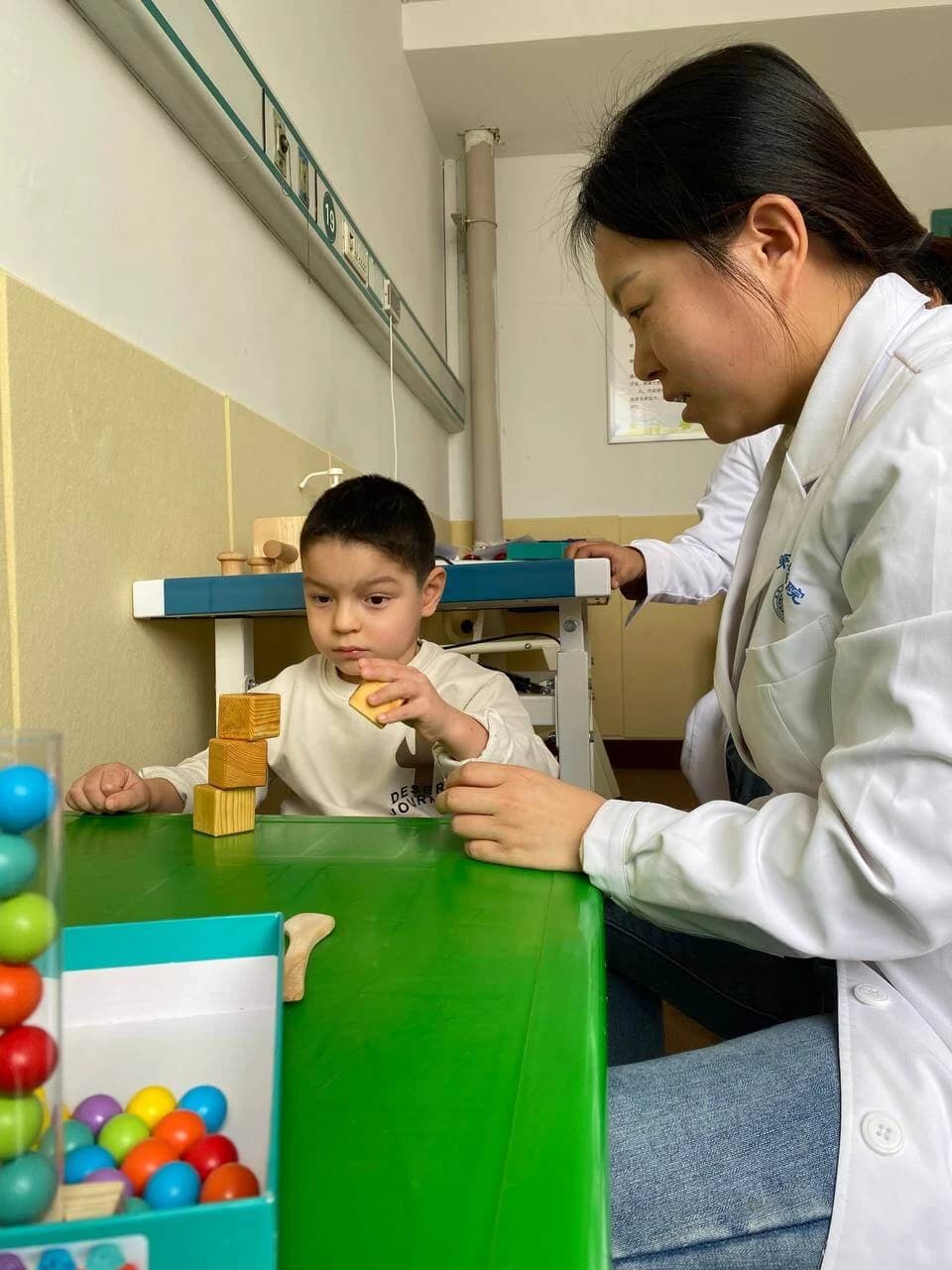
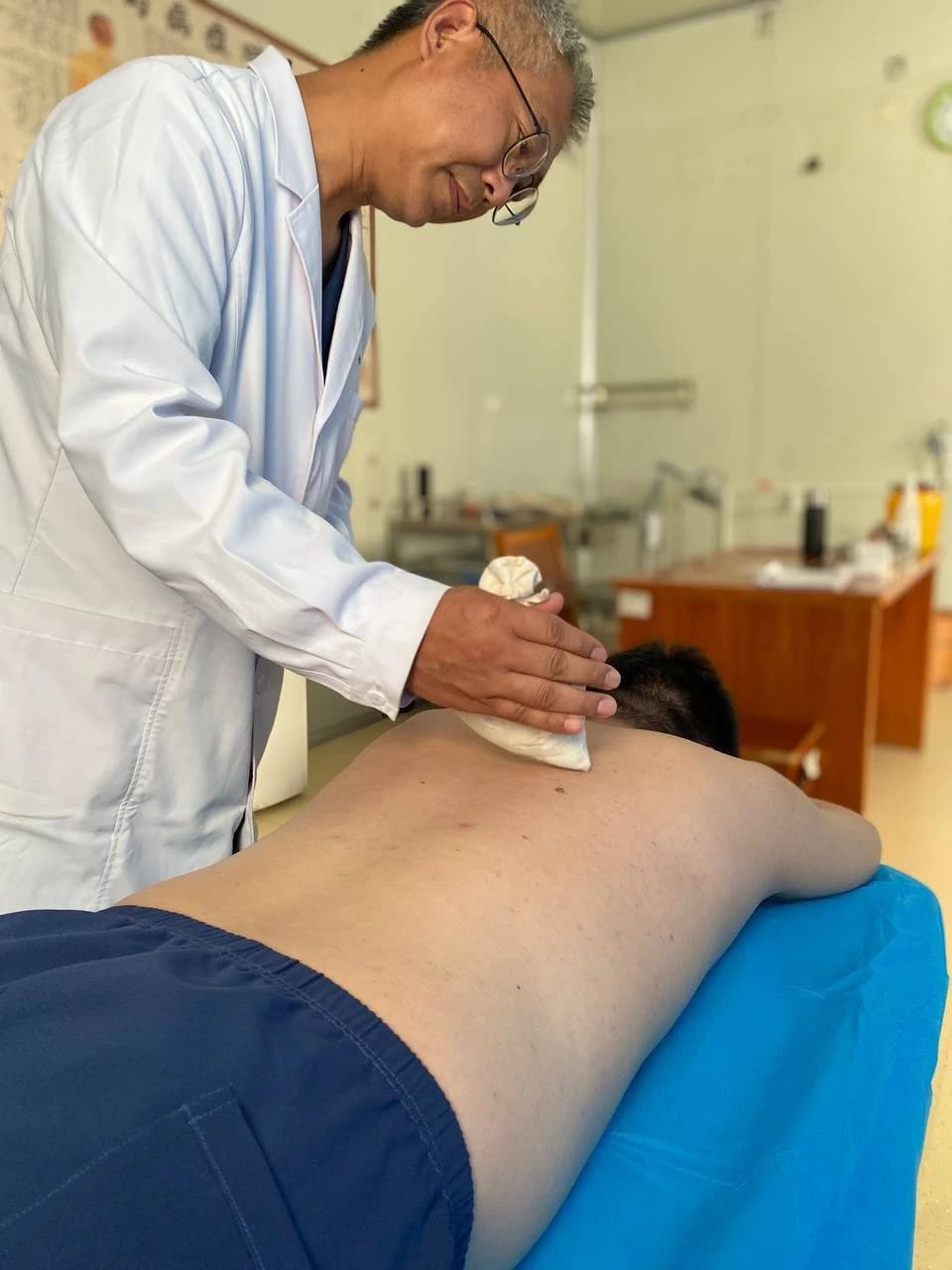
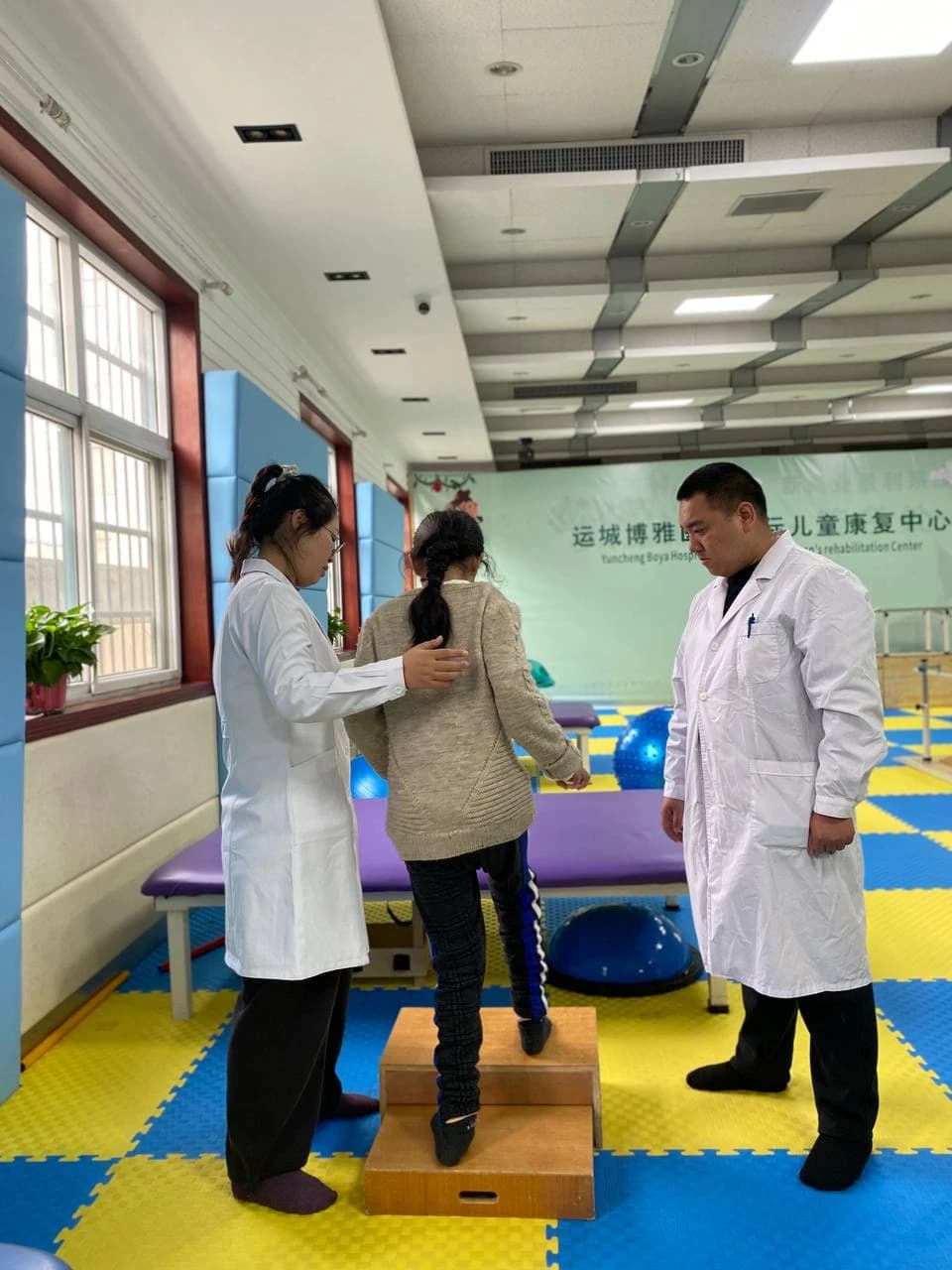
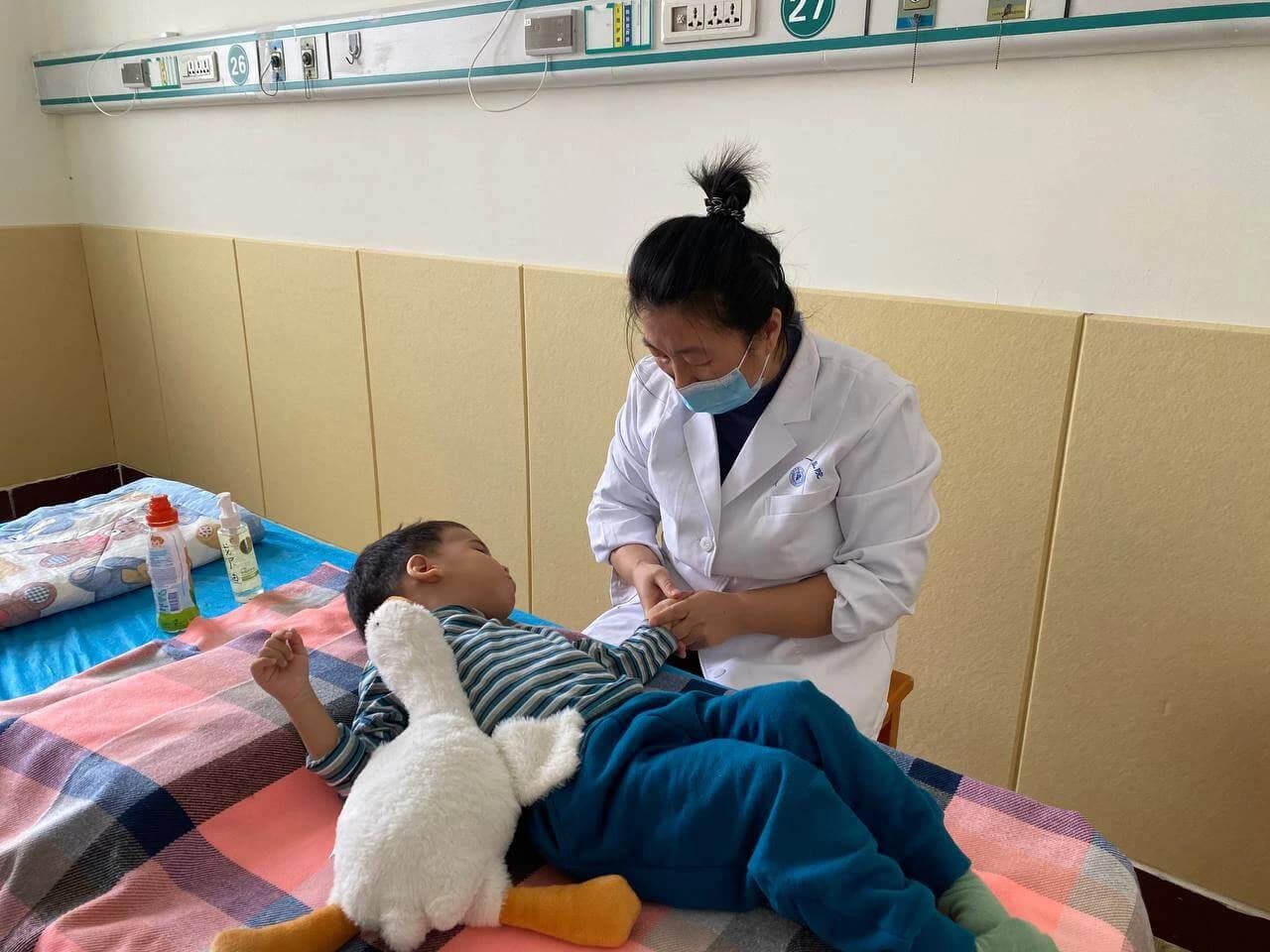
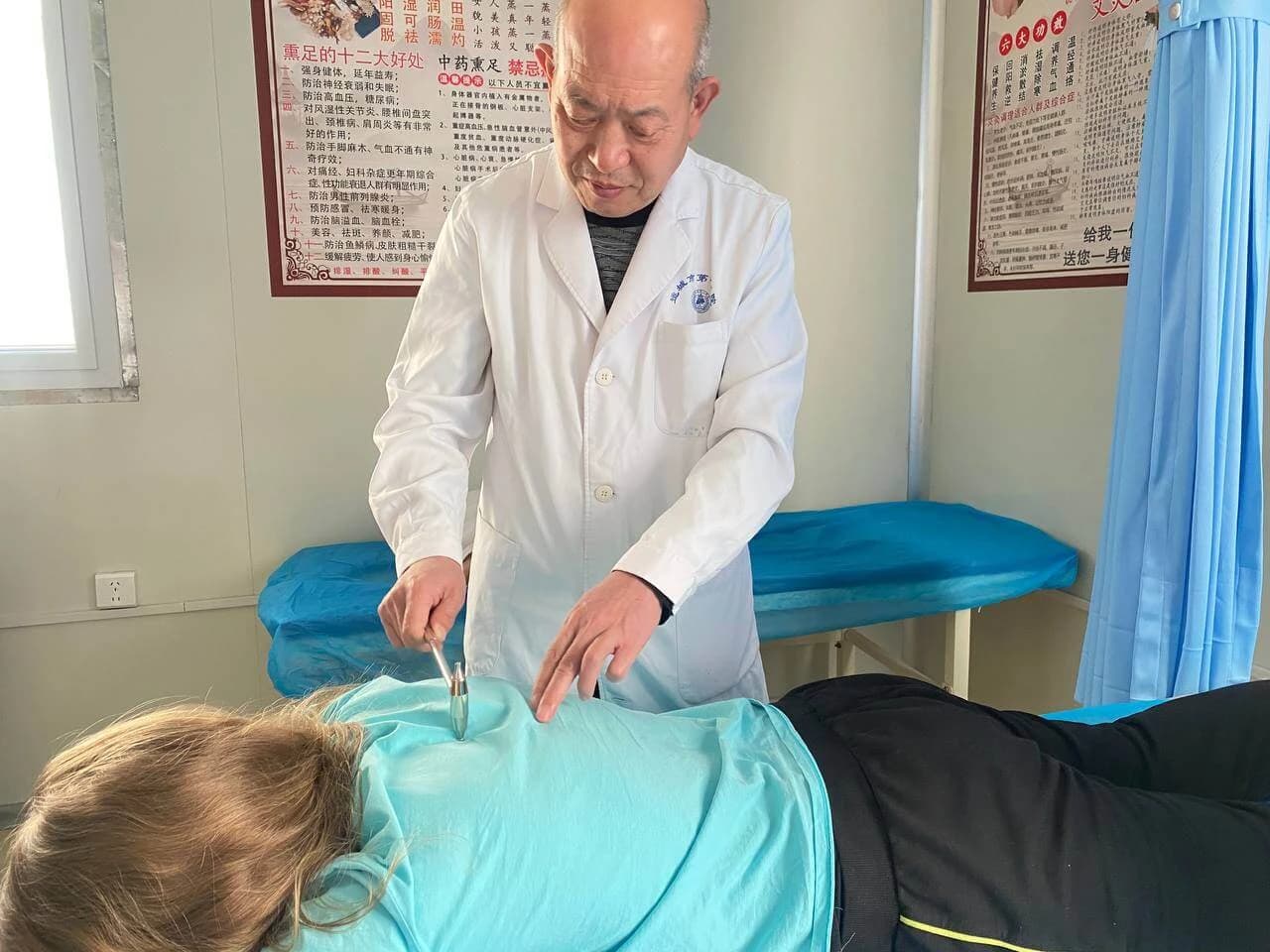
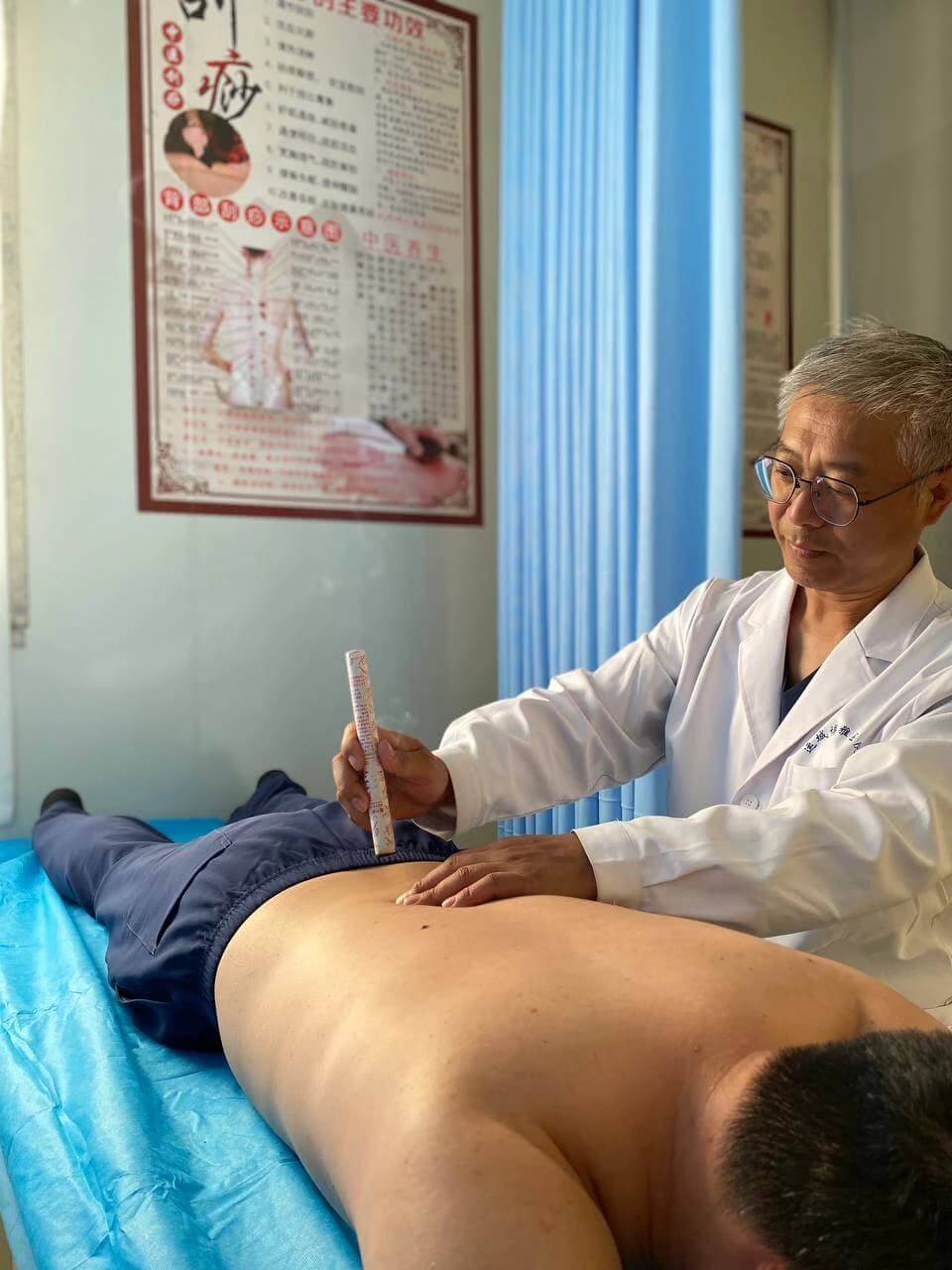
At Boya Hospital (Yuncheng, Shanxi Province), weakness is addressed within the center's core focus — pediatric neurological rehabilitation. Before the start, the doctor assesses strength group by group, head and trunk control, postural stability, and everyday skills. Based on this data, a program is assembled — 6–9 sessions a day, 6 days a week: exercise therapy and physical rehabilitation (Bobath, Vojta, CME), apparatus physiotherapy, and occupational therapy for the hands and grip. The course is complemented by Traditional Chinese Medicine methods — acupuncture, meridian stimulation, Tui Na massage, and warm procedures that help muscles recover between sessions.
A load the child can handle
Weakness cannot be worked on at maximum effort: an overloaded muscle does not grow stronger, and the child loses interest in the sessions. The load is therefore matched to current abilities and increased step by step — from supported exercises to independent ones, from short sets to longer ones. Specialists alternate active work with recovery procedures and watch the child's response: fatigue, breathing, quality of movement. A separate track is work with the hands: grasping, holding, moving objects from place to place; here sessions are built around everyday actions so that new strength turns into independence right away.
What matters for parents
The honest benchmark for the course is not a return to the norm but an added function: holding the head and back more confidently, sitting longer without support, standing up with less help, walking further, gripping a spoon more firmly. Progress is tracked with repeat assessments, and the program is changed accordingly. Starting is simple: send your child's documents — the neurologist's report, EMG, MRI, lab results, and genetic testing. The document-based consultation is free, and there is no prepayment — you pay on site and only for what your child has actually received.
Causes
Weakness arises both from damage to the nervous system and from conditions of the muscles themselves. Common causes in children are the consequences of hypoxia and birth trauma, forms of cerebral palsy, peripheral nerve injuries, and neuromuscular or metabolic conditions. The cause is determined by a doctor through examination — and it shapes the rehabilitation strategy.
Symptoms
The child tires quickly and asks to be carried, is reluctant to crawl or run, and struggles to get up from the floor. The head, back, or abdomen fail to hold posture: the child slumps when sitting and sits down quickly when standing. Grip is slack — objects slip from the hand — and motor milestones arrive later than in peers.
Diagnostics
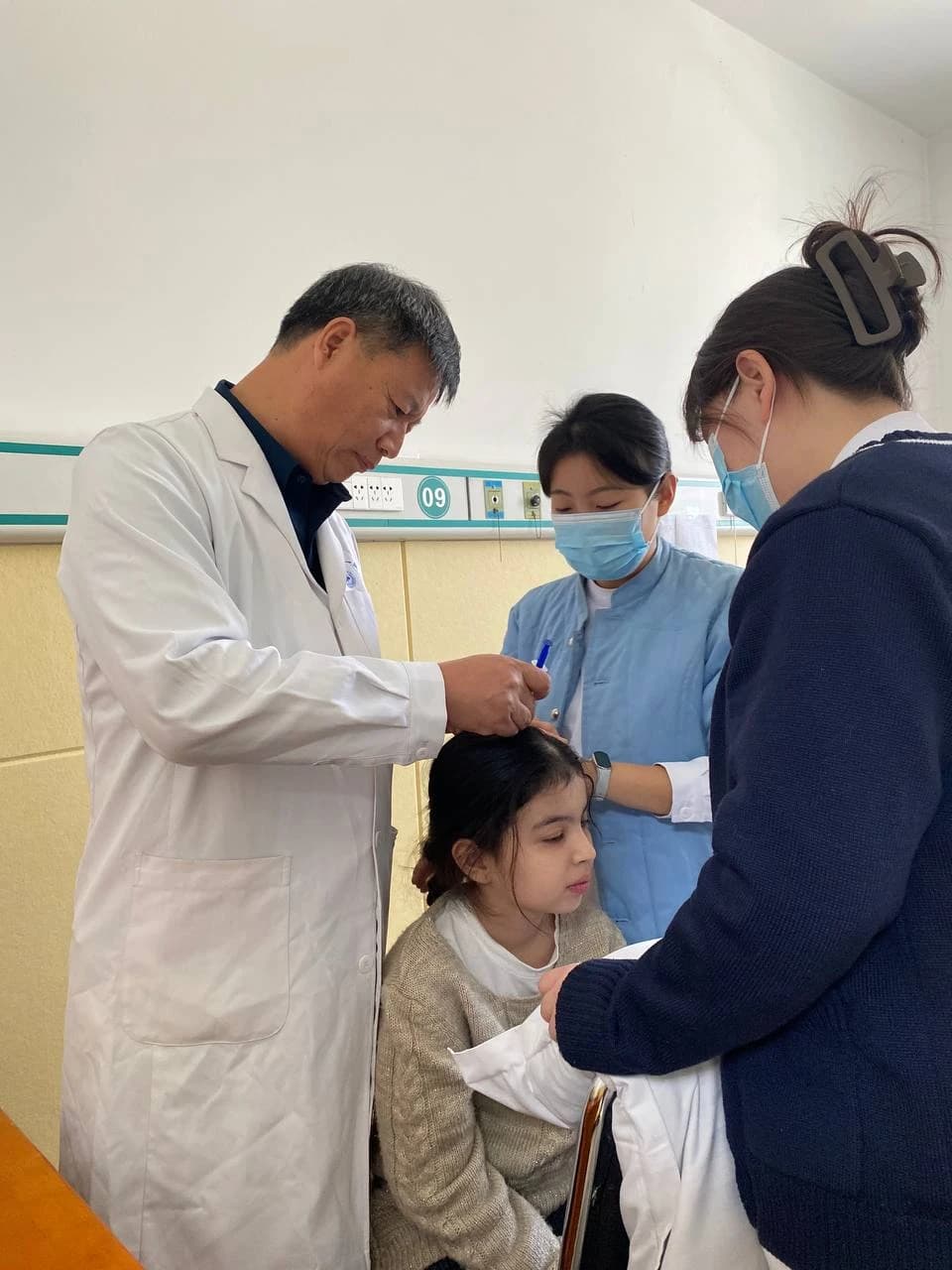
A neurologist tests muscle strength group by group, along with reflexes, range of motion, and how the child performs everyday actions. To tell weakness apart from a tone disorder and find the cause, blood tests, EMG, and where needed MRI and genetic testing are ordered. Before the course, Boya carries out a functional assessment.
Prognosis and rehabilitation approach
The outlook depends on the cause, but muscle strength almost always responds to training. The aim of the course is to build endurance and strength in the muscle groups that matter, consolidate postural control, and convert this into real skills: sitting down, standing up, walking, picking up a spoon. Progress is gradual, with carefully controlled loads.
How rehabilitation works
Diagnostics
Comprehensive examination and patient assessment by an international team of specialists
Rehabilitation plan
Development of an individual rehabilitation program considering diagnosis specifics
Therapy
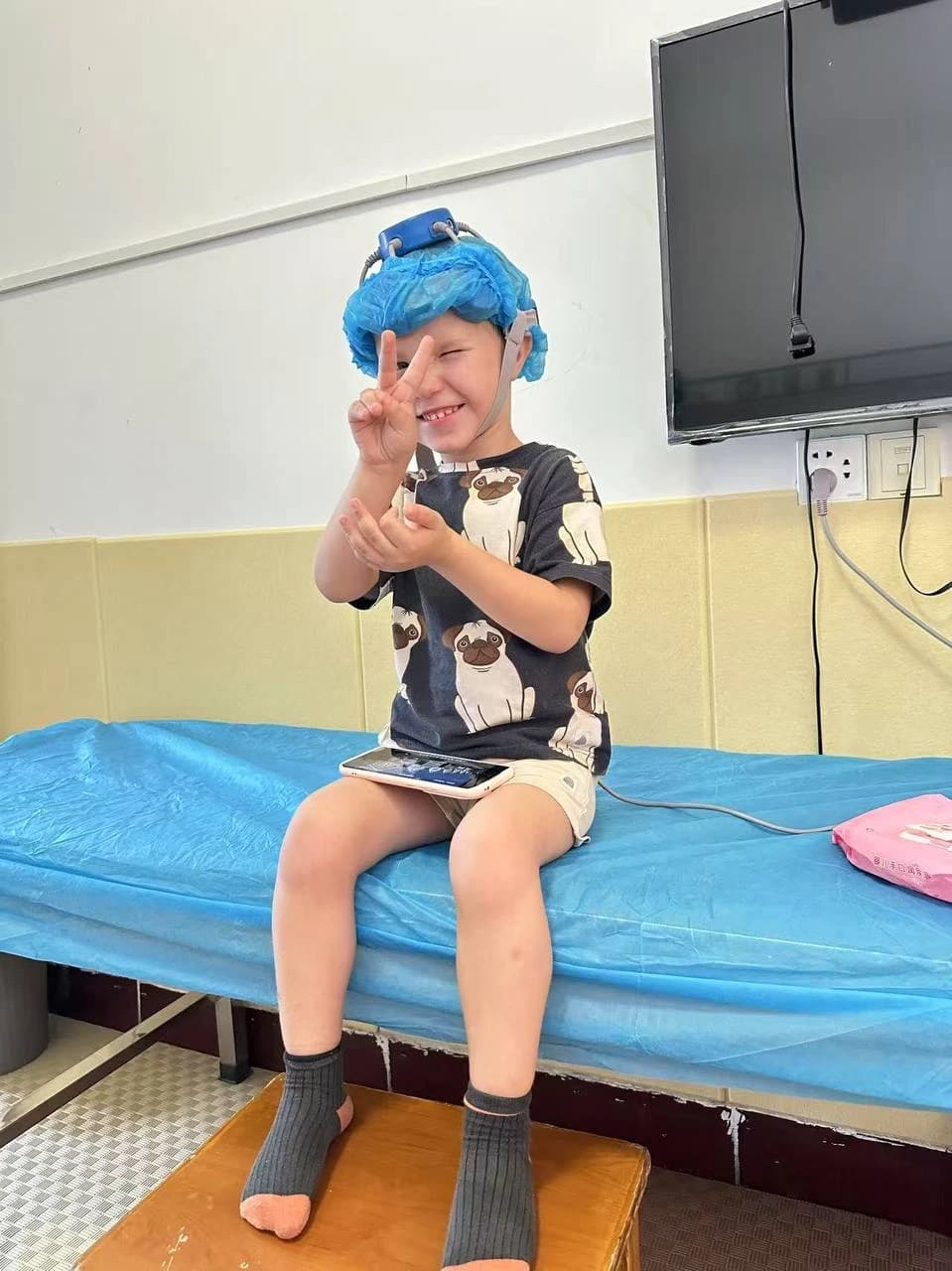
Intensive course of procedures: physical therapy, massage, physiotherapy, acupuncture and other methods
Results
Progress evaluation, home recommendations and maintenance therapy plan
Rehabilitation procedures: Muscle Weakness
Frequently asked questions: Muscle Weakness
Book a free consultation
Send us the medical records and a short video — Boya doctors will review the materials and tell you how they can help. A coordinator will get back to you within 5 minutes.