Rehabilitation for CP at Boya Clinic
Boya Hospital, China: rehabilitation for children with cerebral palsy. Movement, daily-living skills, available activities and preparing an enquiry.
What is Cerebral Palsy (CP)?
Cerebral palsy (CP) is a group of persistent motor impairments caused by brain damage during pregnancy, birth, or the first months of life. The damage itself does not progress, but its manifestations — altered muscle tone, delayed motor milestones, difficulties with gait and coordination — change as the child grows. That is why work with cerebral palsy is always long-term and systematic: not isolated procedures, but a structured program with regular progress assessment.
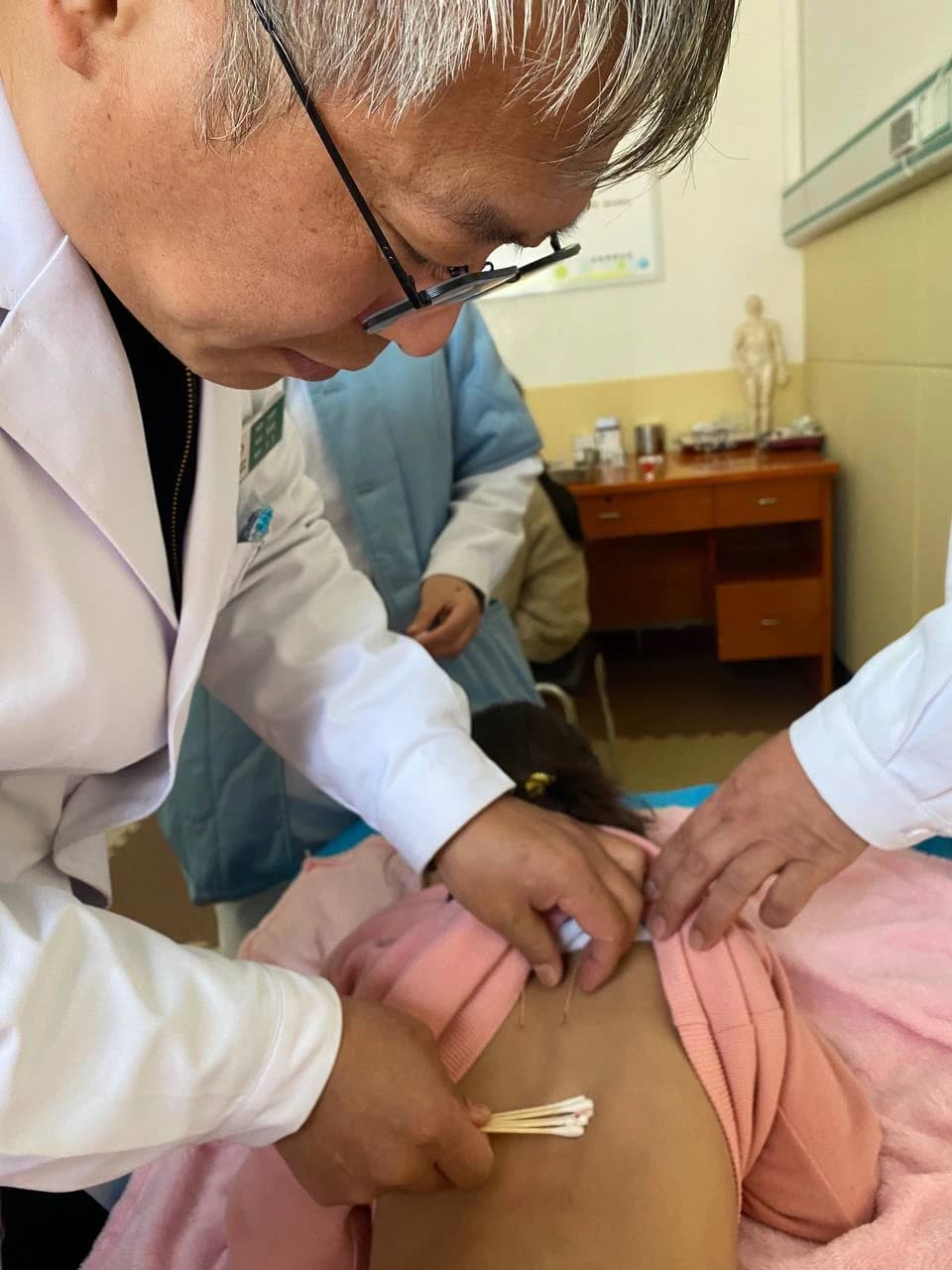
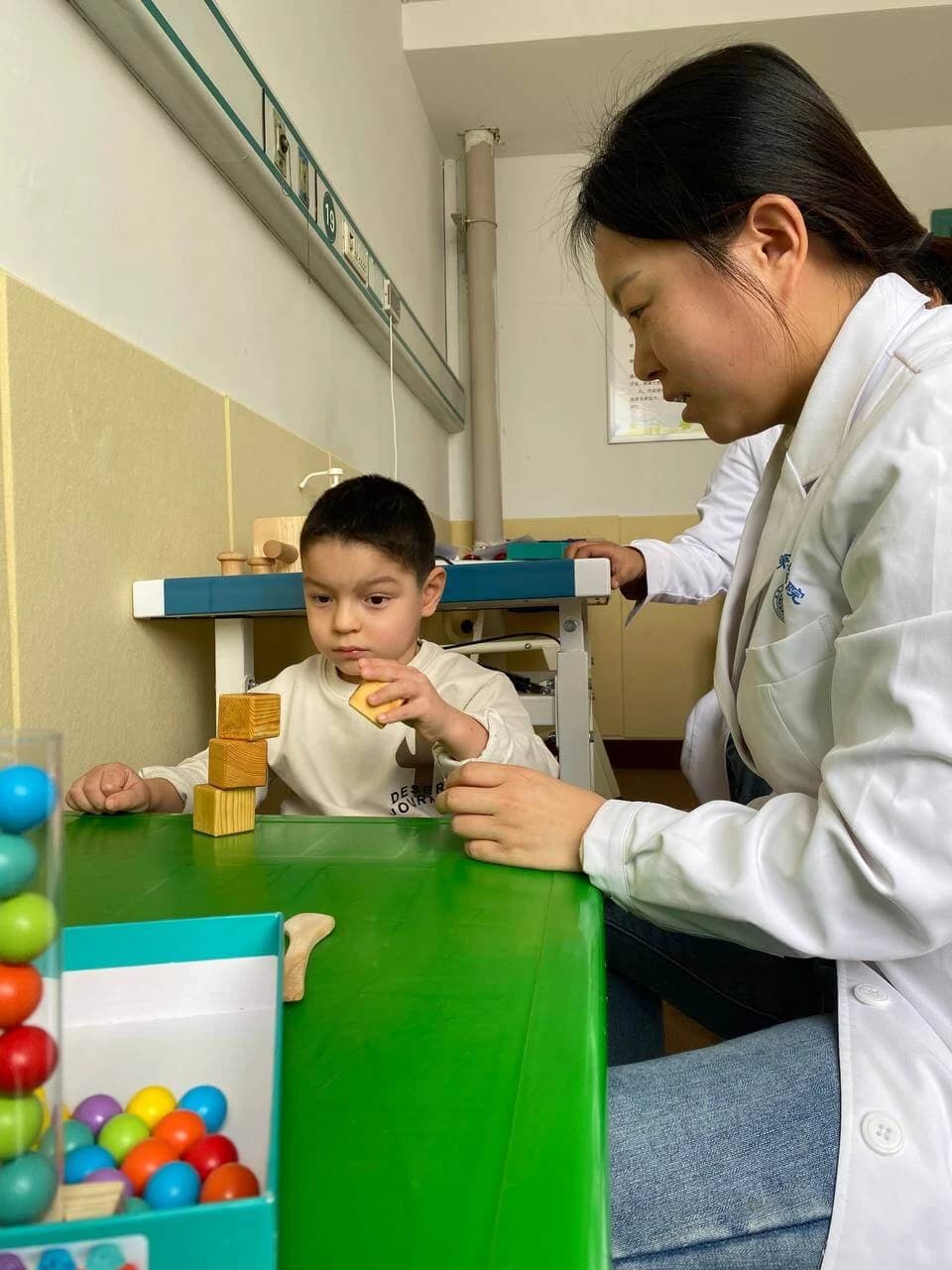
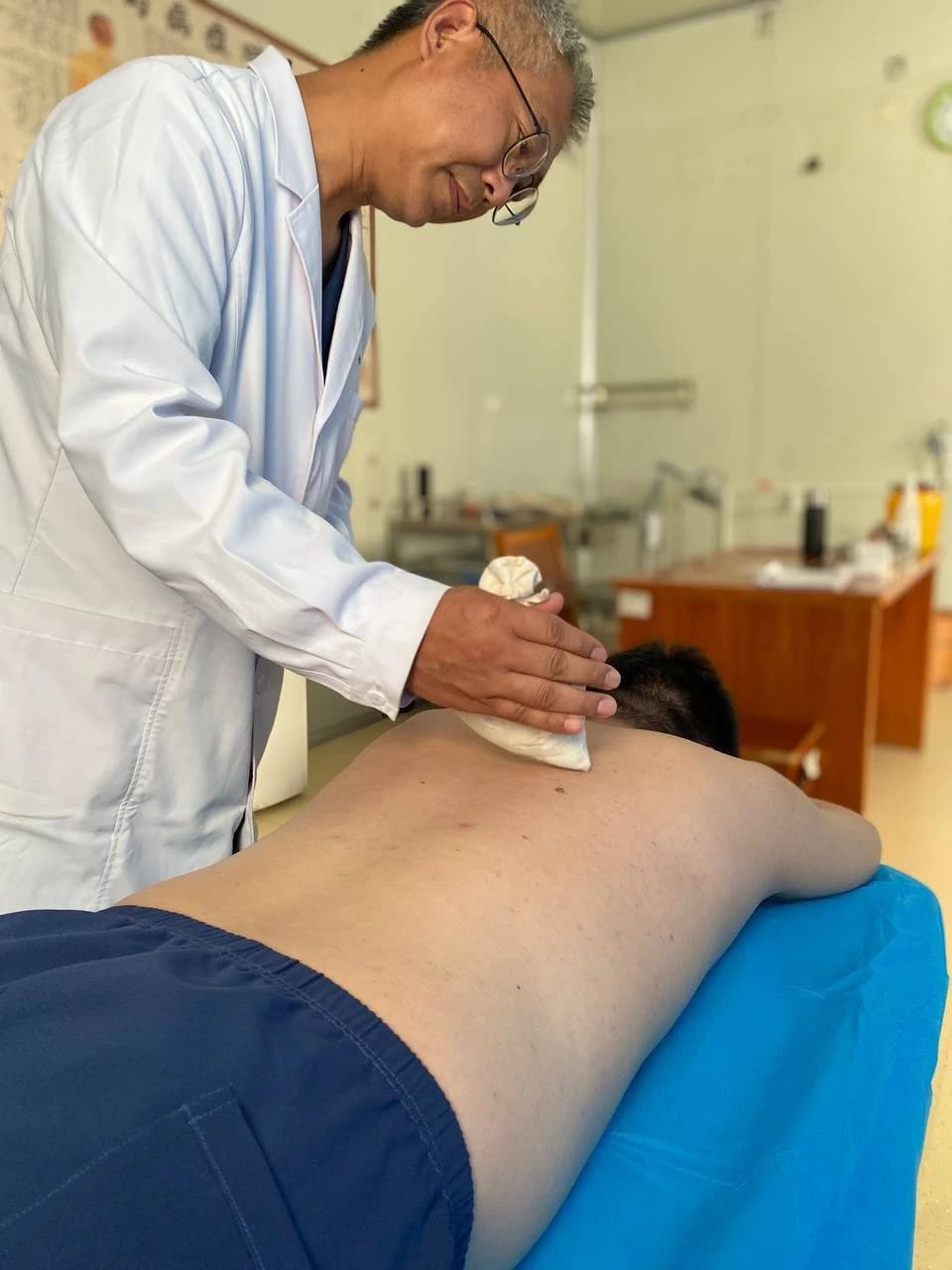
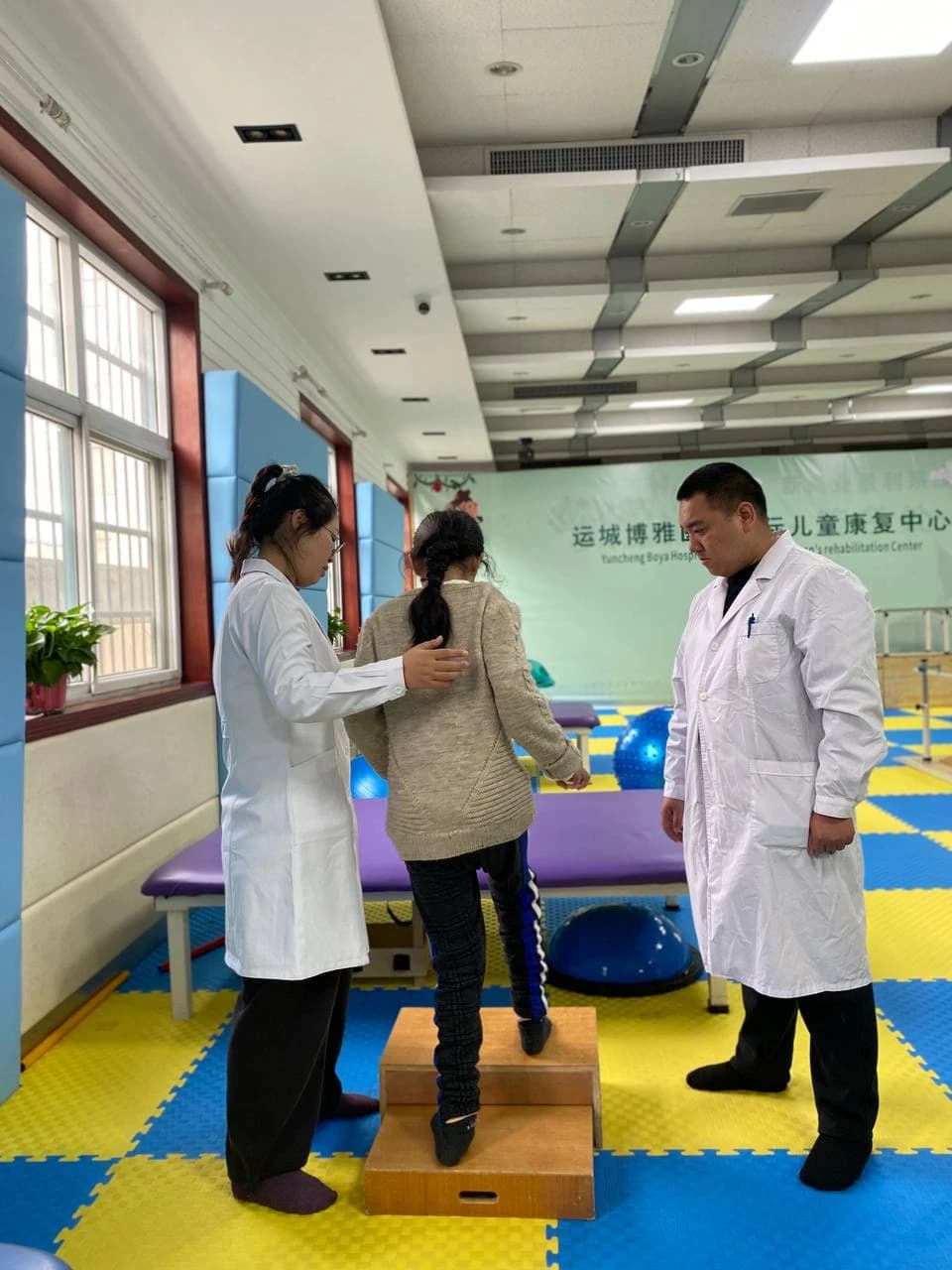
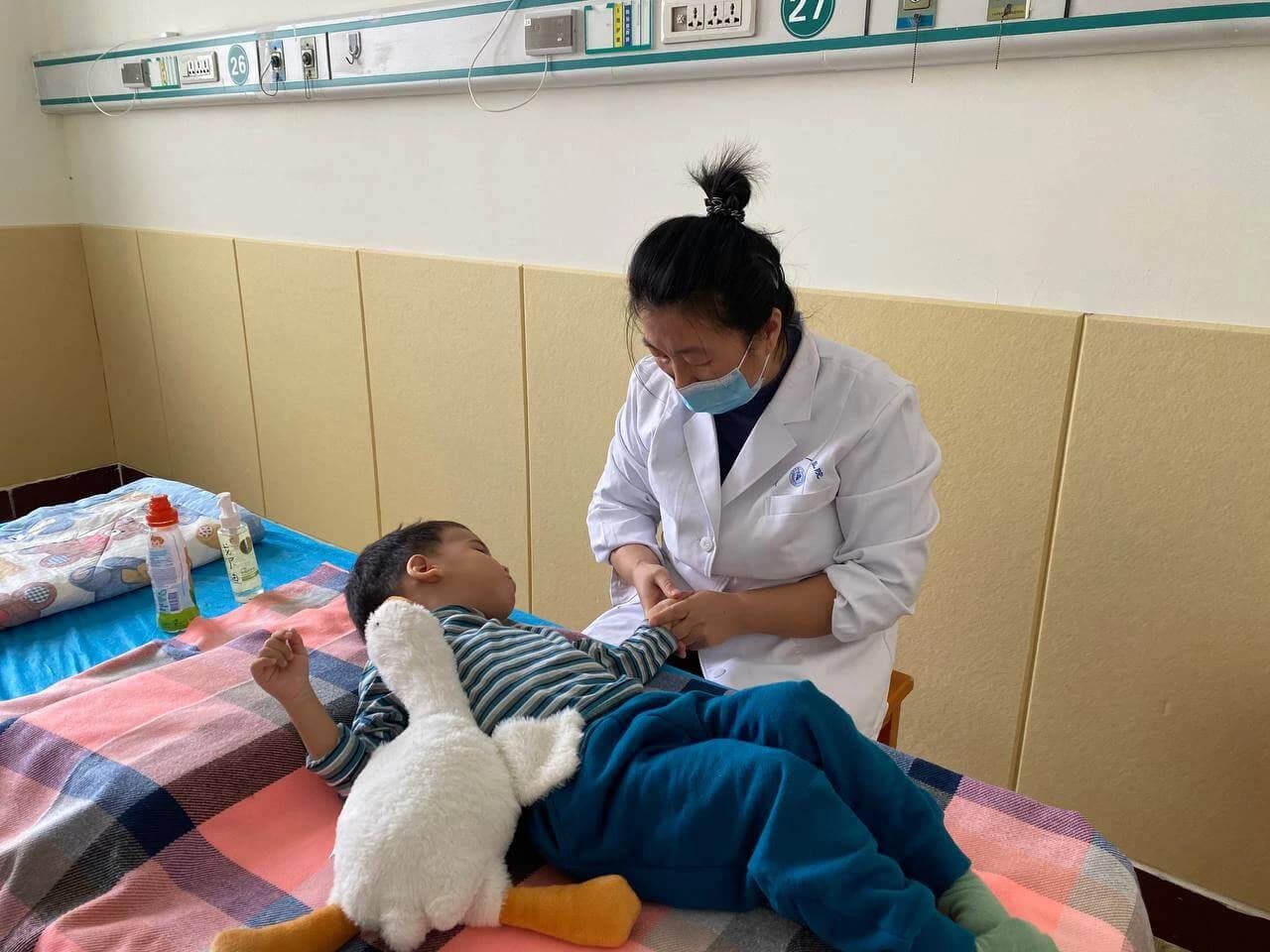
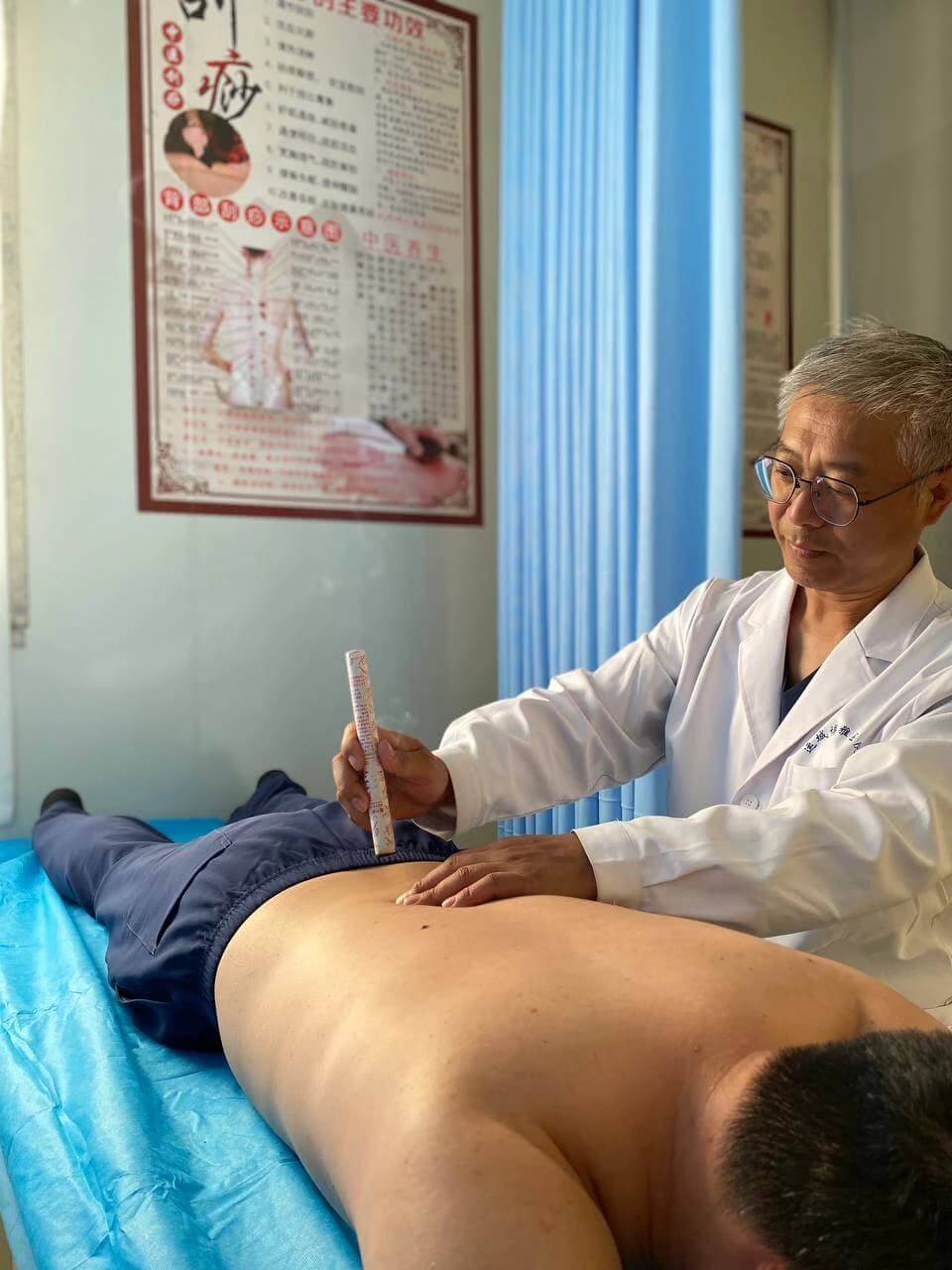
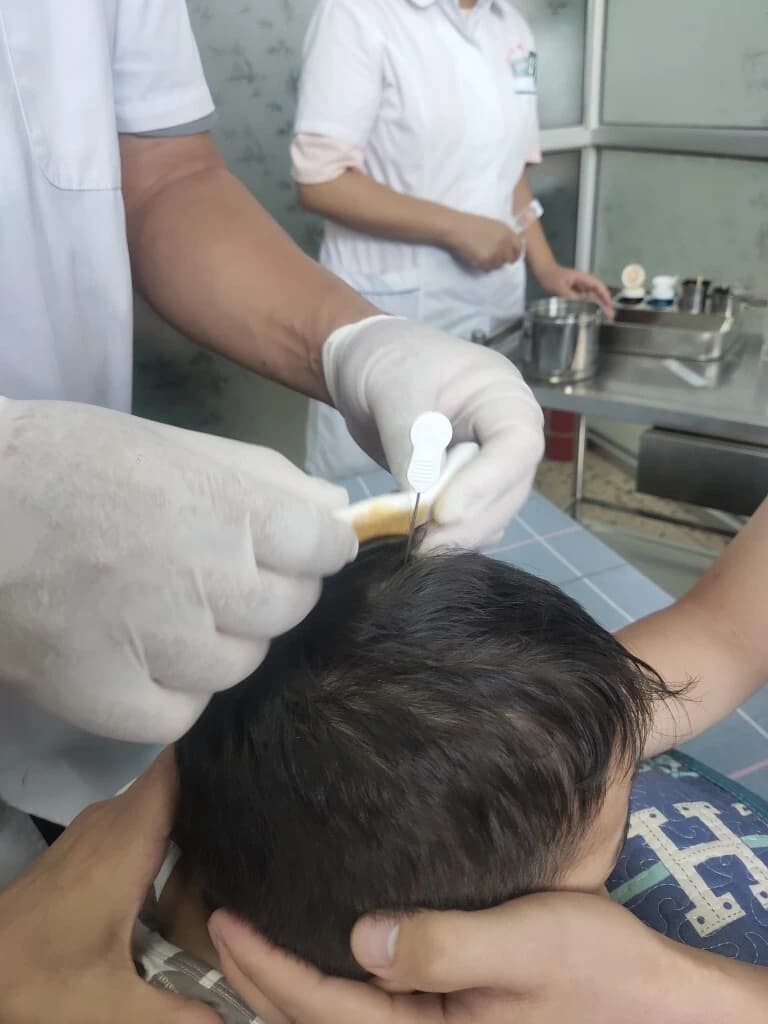
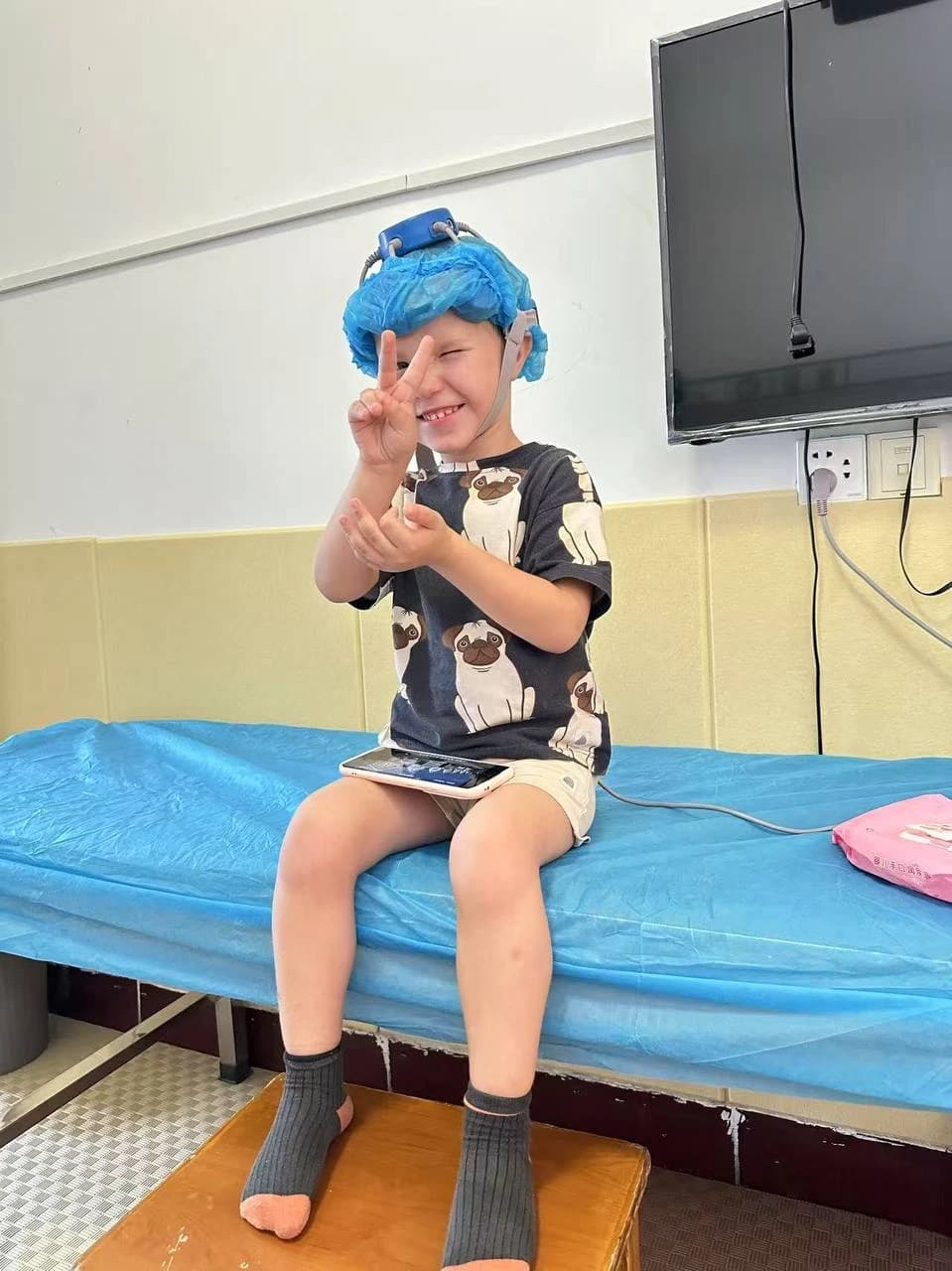
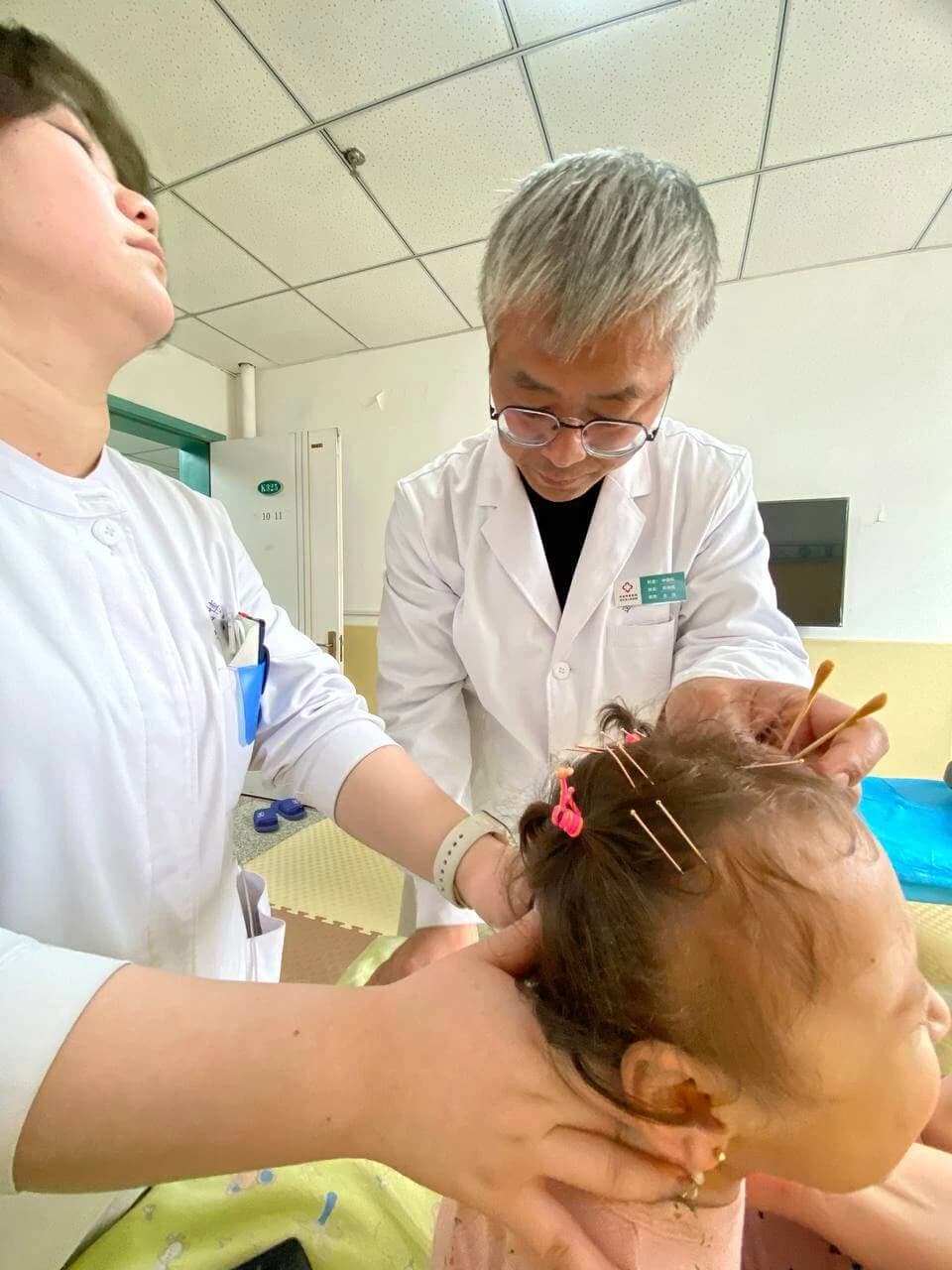
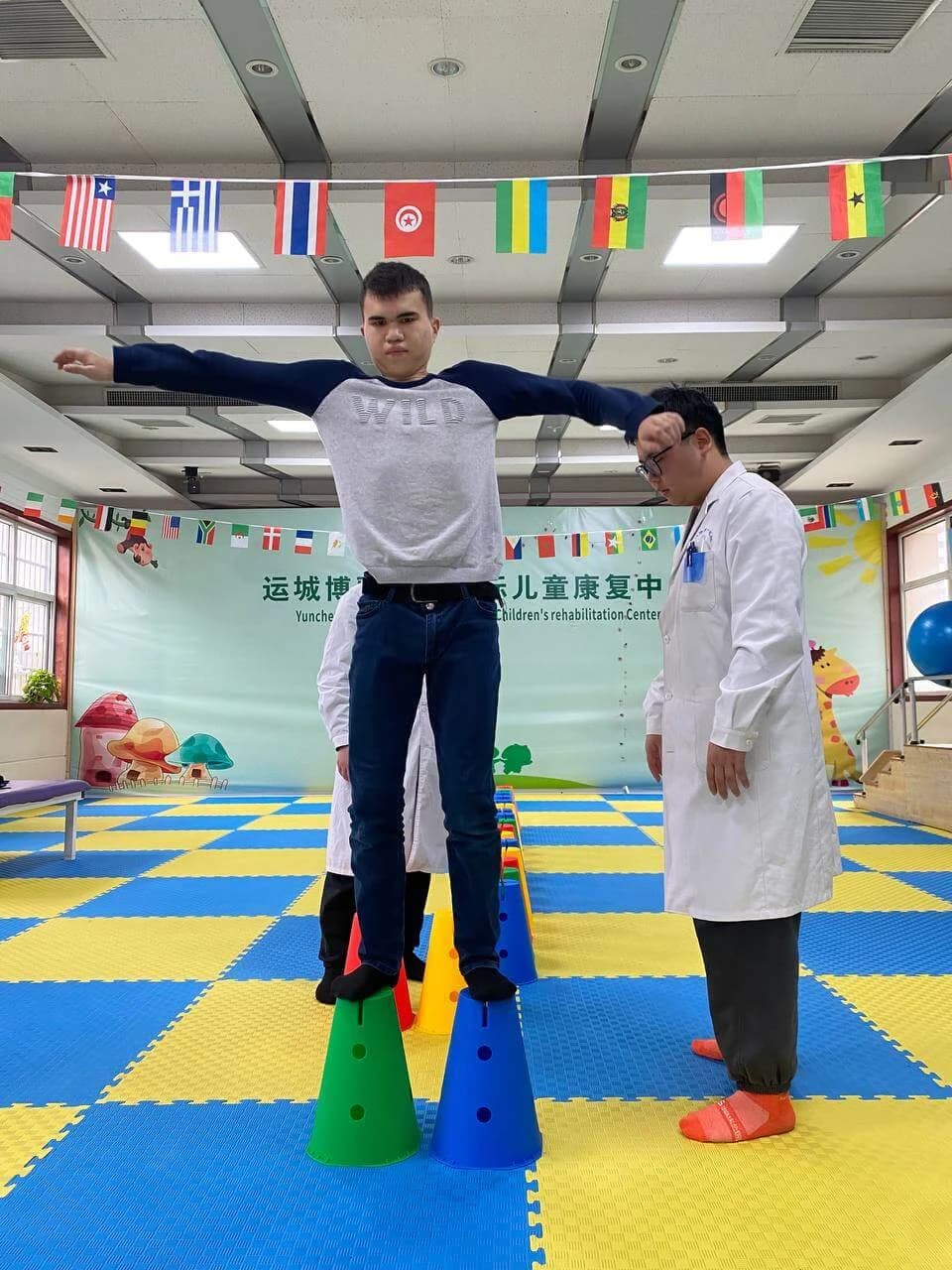
At Boya Hospital (Yuncheng, Shanxi Province), rehabilitation for children with cerebral palsy starts with a functional assessment. The doctor looks not at scans but at the child's actual abilities: gross motor level on the GMFCS scale, head and trunk control, balance, fine motor skills, and self-care. Based on this data, an intensive program is assembled — 6–9 sessions a day, 6 days a week: exercise therapy and physical rehabilitation, pediatric Tui Na massage, acupuncture (including scalp acupuncture — work with points on the head), needle-knife therapy for pronounced spastic tension, apparatus-based physiotherapy, occupational therapy, and sensory integration. The course is complemented by warm Traditional Chinese Medicine procedures — herbal compresses and moxotherapy.
Cerebral palsy through the lens of Chinese medicine
The hospital includes Traditional Chinese Medicine methods in its programme: acupuncture, scalp acupuncture, Tui Na massage, herbal compresses and moxotherapy. The physician selects them individually. A description of a traditional approach should not be read as proof that damaged brain tissue will be restored or that an individual procedure guarantees a result.
What matters for parents
The honest goal of the course is not a "complete recovery" but a step-by-step improvement of functions: less spasticity, more confident posture control, new motor skills — depending on the starting level, this may be head control, independent sitting, standing, or steps. Progress is tracked with repeat functional assessments, and the program is adjusted based on the results. Starting is simple: send your child's documents — the neurologist's report, MRI, EEG, and other records. The document-based consultation is free, and there is no prepayment — you pay on site and only for what your child has actually received.
The course and preparing an enquiry
Boya holds sessions six days a week, with Sunday off. Its published course description lists 6–9 procedures a day and a recommended duration of 2–3 months. The physician selects activities individually. Payment is for services received, without prepayment; the price list and travel section explain the available services and arrangements.
About the clinic · Current prices · Planning the trip · Contact the coordinator
About the condition and support goals
Support for cerebral palsy focuses on movement, everyday activities and quality of life. No single programme suits every child. Read CDC: About cerebral palsy.
Causes
Cerebral palsy is caused by non-progressive brain damage during pregnancy, birth, or the first months of life: oxygen deprivation, prematurity, infections, birth trauma. The damage itself does not grow over time, but its manifestations change as the child grows.
Symptoms
Increased or decreased muscle tone, delayed motor milestones — the child is late to hold their head up, sit, or stand. Difficulties with gait, balance, and fine motor skills; speech delay and problems with chewing and swallowing are frequent companions.
Diagnostics
The diagnosis is made by a neurologist based on examination and test data. For rehabilitation, the key role belongs to functional assessment: gross motor level on the GMFCS scale, head and trunk control, balance, fine motor skills, and self-care abilities.
Prognosis and rehabilitation approach
Rehabilitation goals are individual: movement, everyday activities and participation in family life. A particular outcome or timetable cannot be guaranteed; the programme is reviewed as skills and needs change.
How rehabilitation works
Diagnostics
Comprehensive examination and patient assessment by an international team of specialists
Rehabilitation plan
Development of an individual rehabilitation program considering diagnosis specifics
Therapy
Intensive course of procedures: physical therapy, massage, physiotherapy, acupuncture and other methods
Results
Progress evaluation, home recommendations and maintenance therapy plan
Rehabilitation procedures: Cerebral Palsy (CP)
Frequently asked questions: Cerebral Palsy (CP)
Book a free consultation
Send us the medical records and a short video — Boya doctors will review the materials and tell you how they can help. A coordinator will get back to you within 5 minutes.