Rehabilitation for Brachial plexus at Boya Clinic
Boya Hospital in Yuncheng admits children with brachial plexus injury to its pediatric neurological rehabilitation courses. The program is built around work with the arm: apparatus-based physiotherapy for peripheral nerve damage, exercise therapy, occupational therapy, Tui Na massage, and Chinese medicine methods — 6–9 sessions a day, 6 days a week. The recommended course is 2–3 months, with payment on site and no prepayment.
What is Brachial Plexus Birth Injury?
Brachial plexus birth injury is damage to the bundle of nerves that runs from the cervical spine to the arm and controls its movements. Most often it happens during birth, when the plexus is stretched or compressed. There are two classic pictures: Erb's palsy — the arm is held against the body, rotated inward, hard to raise or bend at the elbow; and Klumpke's palsy — the hand and fingers are affected and the grip is weak. Severity varies widely: some injuries resolve on their own in the first months of life, while deeper ones require long and regular work with the arm.
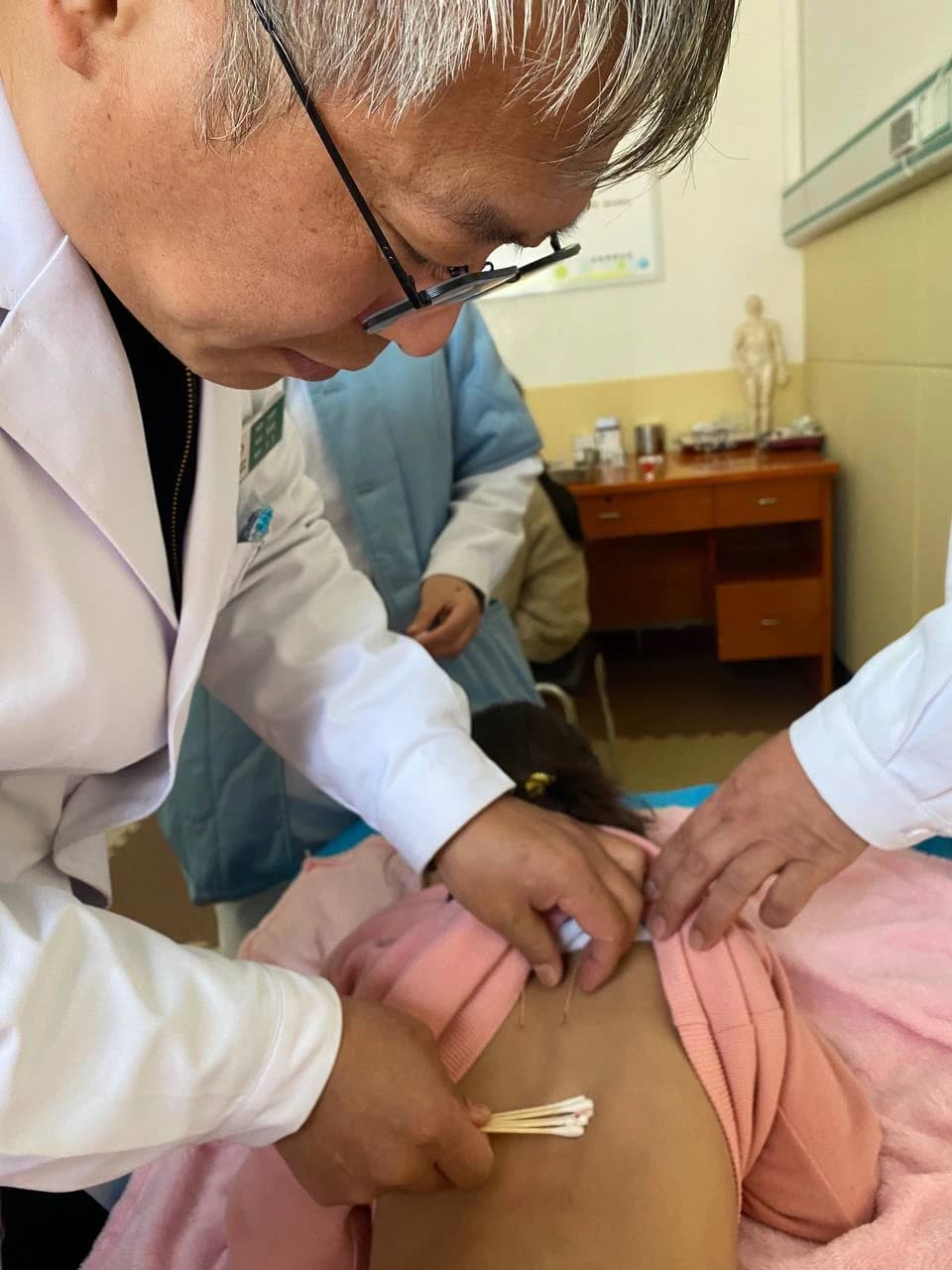
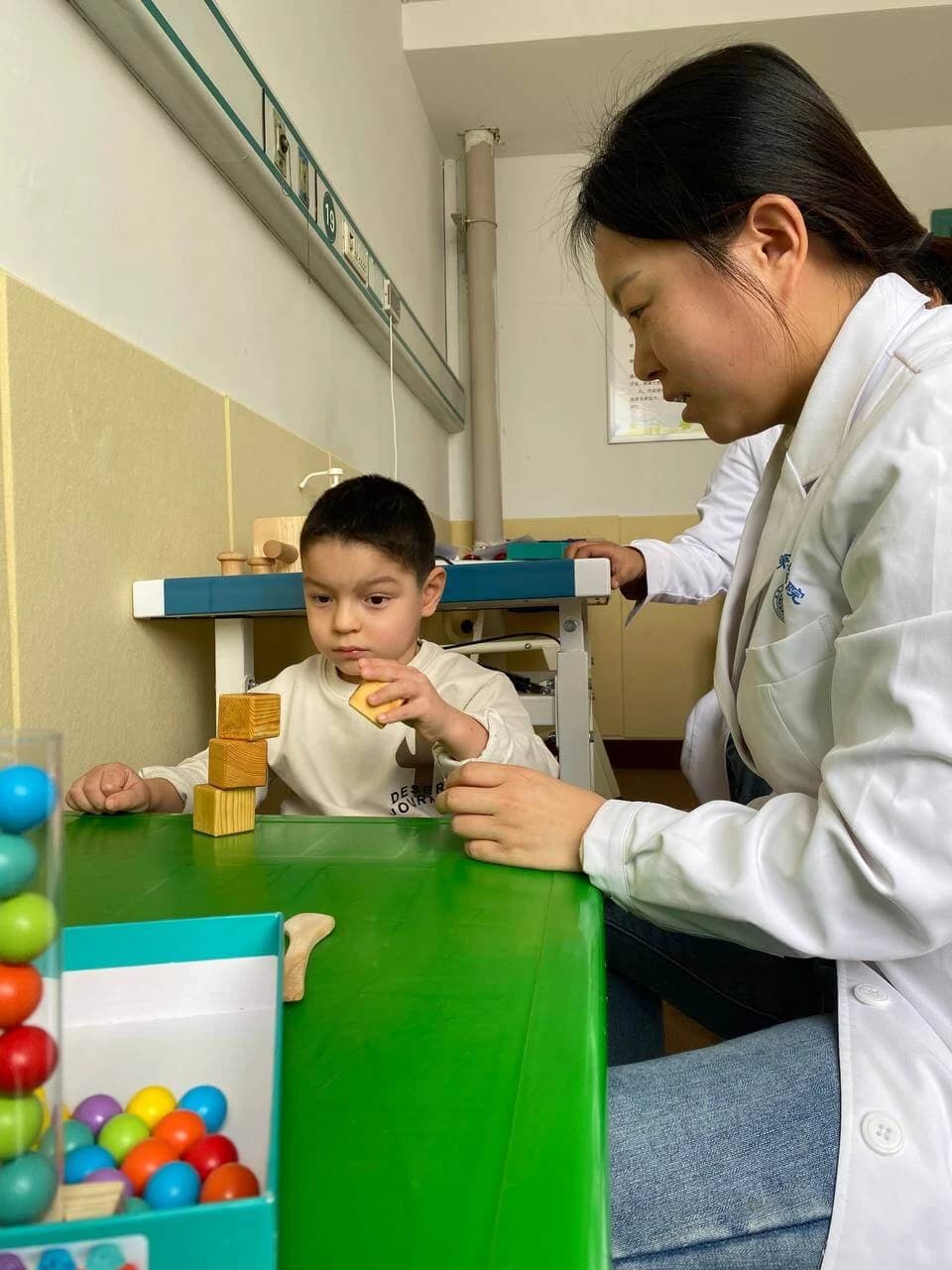
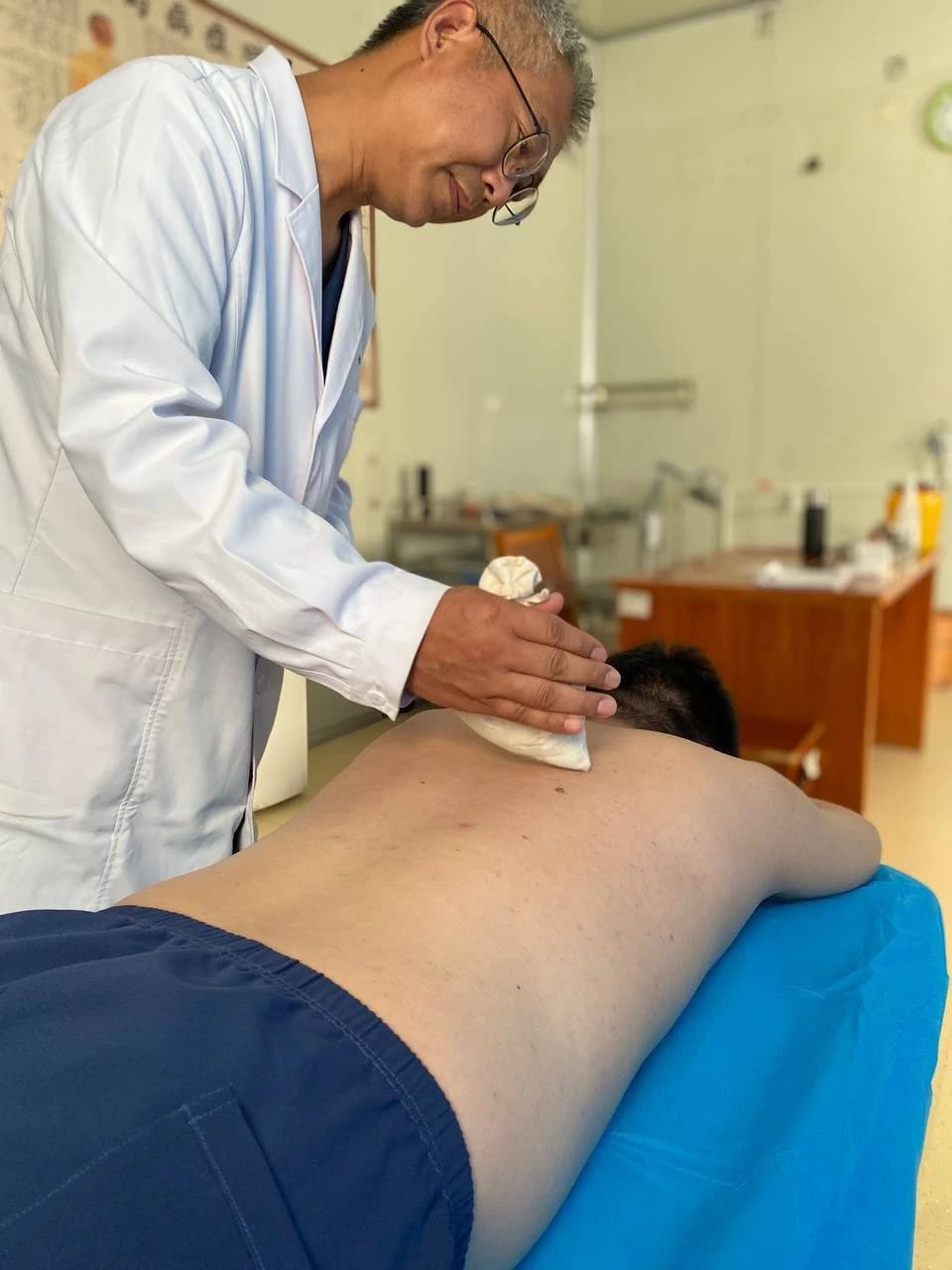
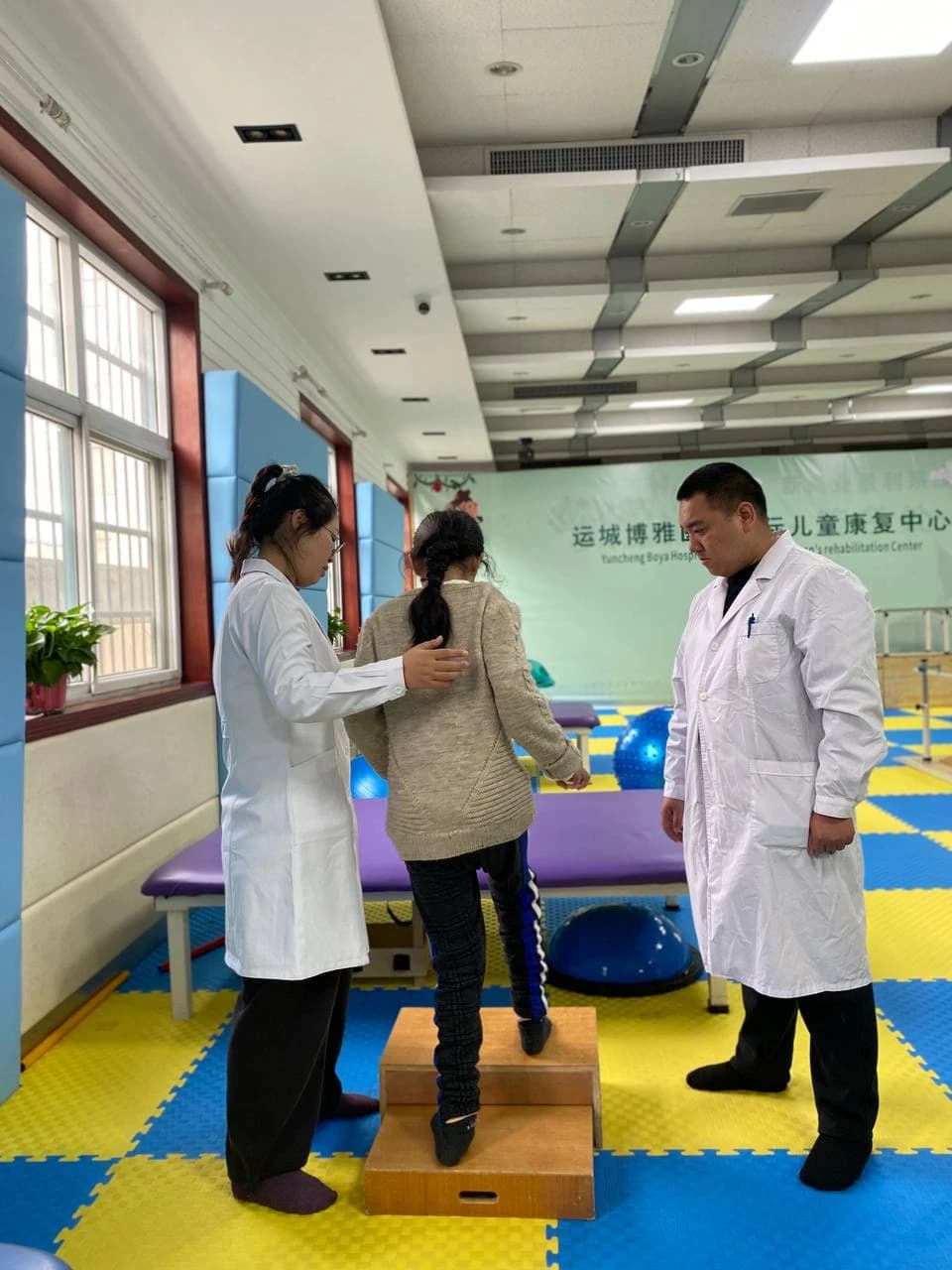
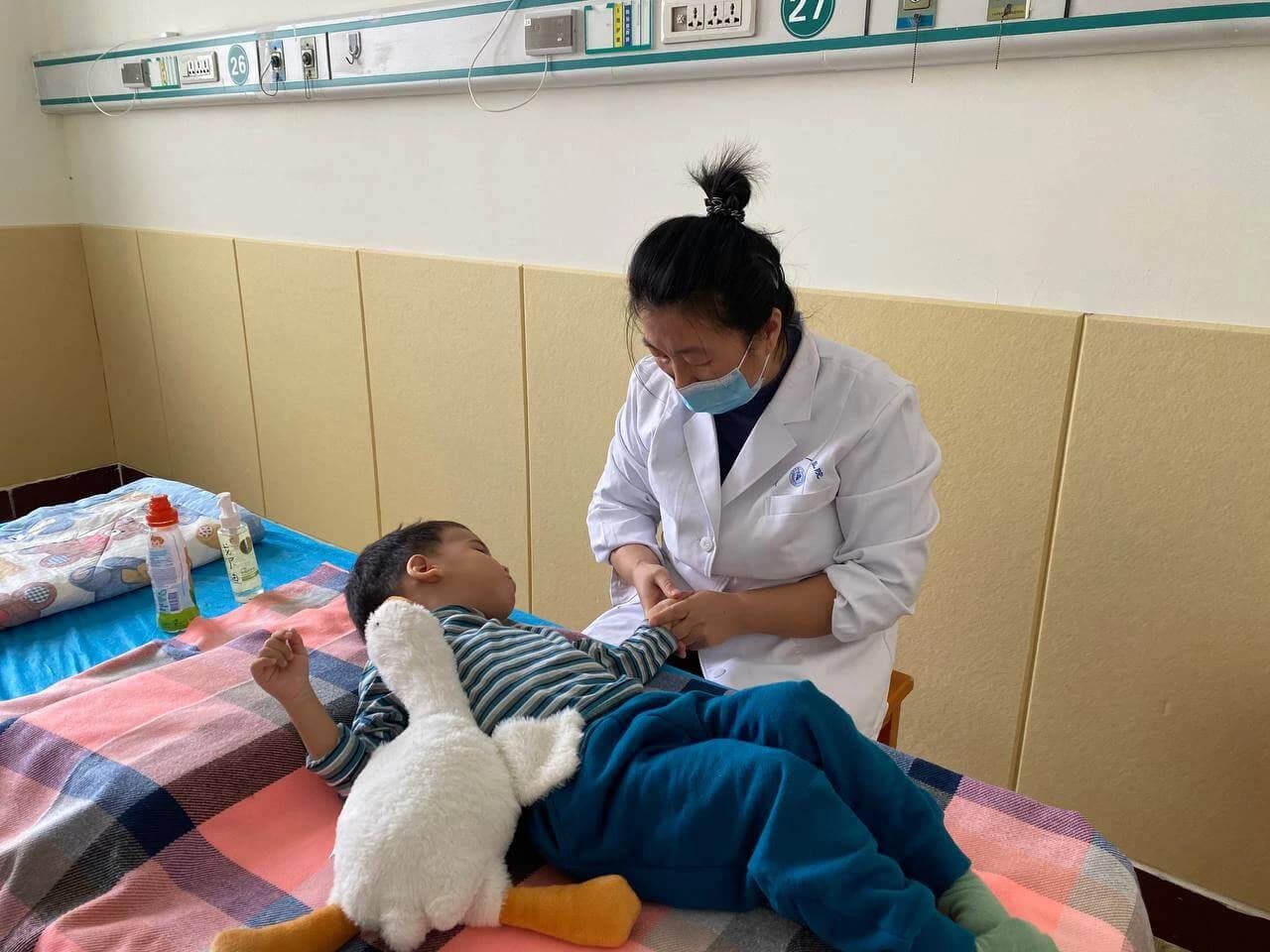
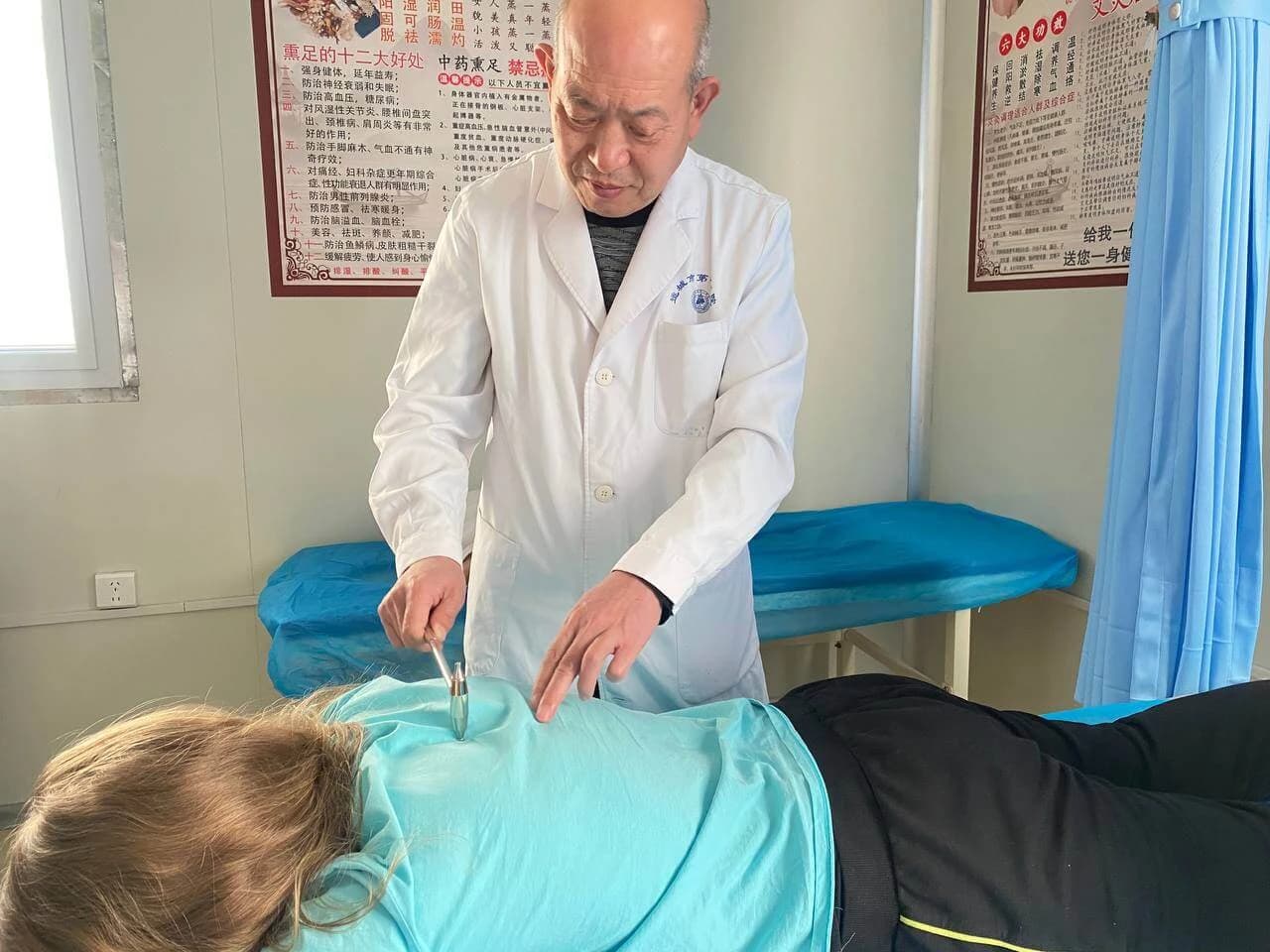
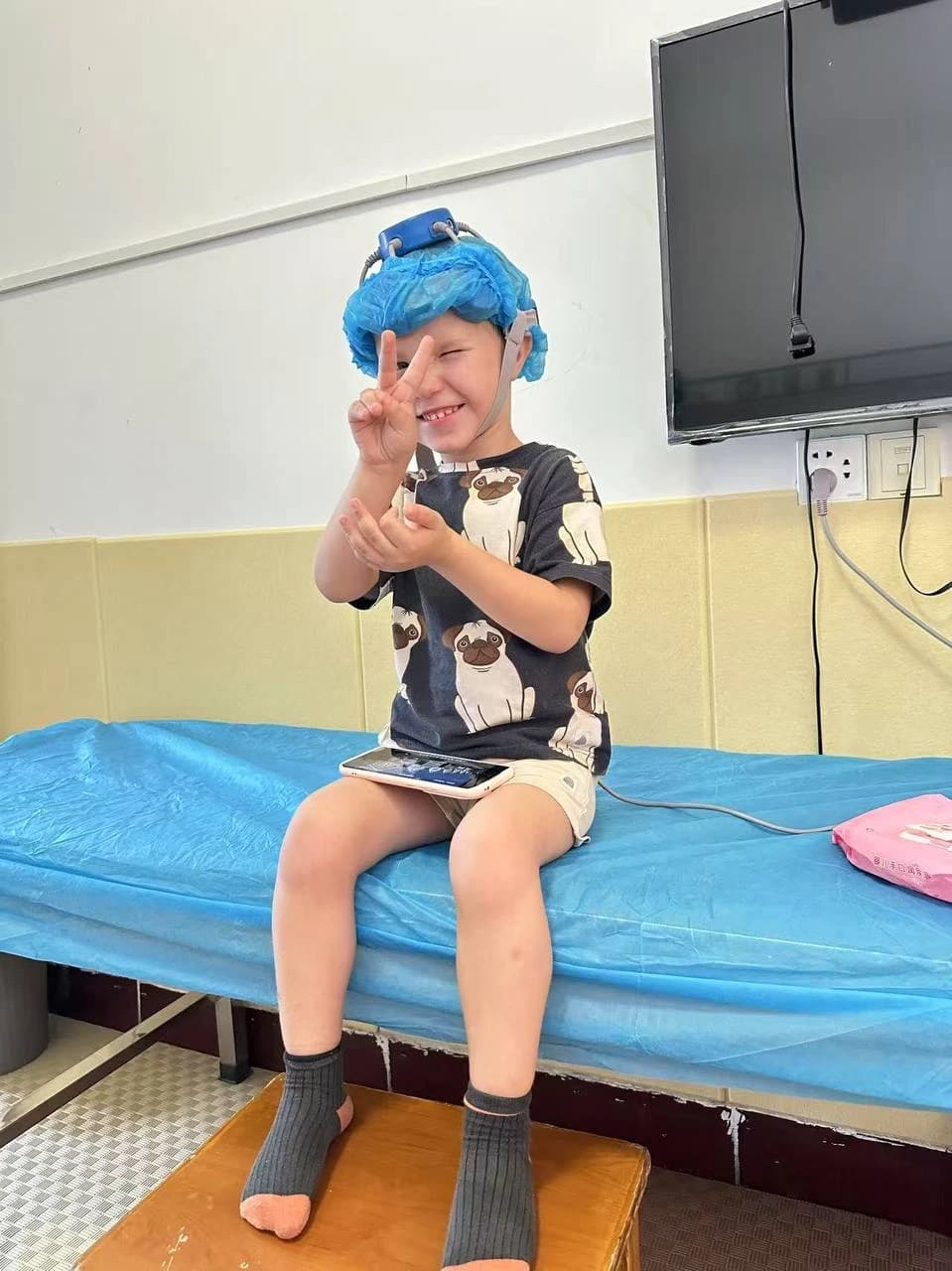
Boya Hospital (Yuncheng, Shanxi Province) admits such children as part of pediatric neurological rehabilitation. The core of the program is apparatus-based physiotherapy: the hospital has a dedicated device for peripheral nerve damage, partial denervation, and muscle atrophy, as well as electrostimulation of meridian points aimed at nerve conduction and local blood circulation. The rest of the work is built around it: exercise therapy — range of motion and postural symmetry; occupational therapy — grip, hand–eye coordination, dressing and eating; pediatric Tui Na massage and herbal compresses — against stiffness and muscle tightness. Acupuncture is added when the doctor prescribes it. The schedule is the same as for every course: 6–9 sessions a day, 6 days a week.
What to expect from the course
The honest goal is not "full recovery in one course" but bringing the arm back into the child's everyday life: a wider range of motion, a more confident grip, less asymmetry in posture. The pace depends on how deep the damage is and on the child's age: where the nerve is only partly damaged, changes are more noticeable; with severe damage, the task is to preserve the muscles and joint mobility while recovery continues. Progress is tracked by range of motion and arm strength, and the program is adjusted as the course goes on.
How to start
Send us your child's documents — the neurologist's report, ENMG and nerve ultrasound results, and any images you have. The hospital's doctor will review them and determine which procedures and sessions the program will consist of. The document-based consultation is free, and there is no prepayment: you pay on site and only for what your child has actually received.
Causes
In children, the injury most often happens during birth: with shoulder dystocia, a large baby, or breech presentation, the C5–T1 nerve roots are stretched or compressed. Less often the plexus is damaged by trauma at an older age.
Symptoms
The main sign is weakness of the arm: it hangs limply, is hard to raise or bend at the elbow, and the hand grips objects poorly. The child almost never reaches for a toy with that arm; over time, asymmetry of movement and loss of muscle bulk become visible.
Diagnostics
The diagnosis is made by a pediatric neurologist based on examination, range of motion, and reflexes. The level and depth of the damage are clarified by electroneuromyography (ENMG) and nerve ultrasound, and MRI if needed. These examinations are done at home before the trip.
Prognosis and rehabilitation approach
Nerve fibers recover slowly, and much depends on how deep the damage is. While recovery is under way, it is important to support the muscles and keep the arm from "switching off" from movement: the more regular the sessions and the earlier they begin, the more actively the arm takes part in everyday actions.
How rehabilitation works
Diagnostics
Comprehensive examination and patient assessment by an international team of specialists
Rehabilitation plan
Development of an individual rehabilitation program considering diagnosis specifics
Therapy
Intensive course of procedures: physical therapy, massage, physiotherapy, acupuncture and other methods
Results
Progress evaluation, home recommendations and maintenance therapy plan
Rehabilitation procedures: Brachial Plexus Birth Injury
Frequently asked questions: Brachial Plexus Birth Injury
Book a free consultation
Send us the medical records and a short video — Boya doctors will review the materials and tell you how they can help. A coordinator will get back to you within 5 minutes.