Rehabilitation for Sleep at Boya Clinic
Boya Hospital in Yuncheng admits children with difficulty falling asleep, night waking, and restless sleep to its pediatric neurological rehabilitation courses. Sleep is addressed through the daytime load, reduced sensory overload, and relaxing Chinese medicine procedures in the evening. The recommended course is 2–3 months, with payment on site and no prepayment.
What is Sleep Disorders?
Sleep disorders in children mean a long time falling asleep, frequent night waking, shallow restless sleep, and night crying. For a family this is one of the most exhausting problems: if the child does not sleep, the parents do not either, and the next morning is harder on everyone. It is important to understand that sleep is almost always secondary. It reflects the day: how much noise and stimulation there was, whether there was enough movement, whether the routine was predictable, whether pain or discomfort is interfering. In children with ASD, developmental delay, and sensory difficulties, sleep is disrupted especially often — their nervous system finds it harder to switch from wakefulness into rest.
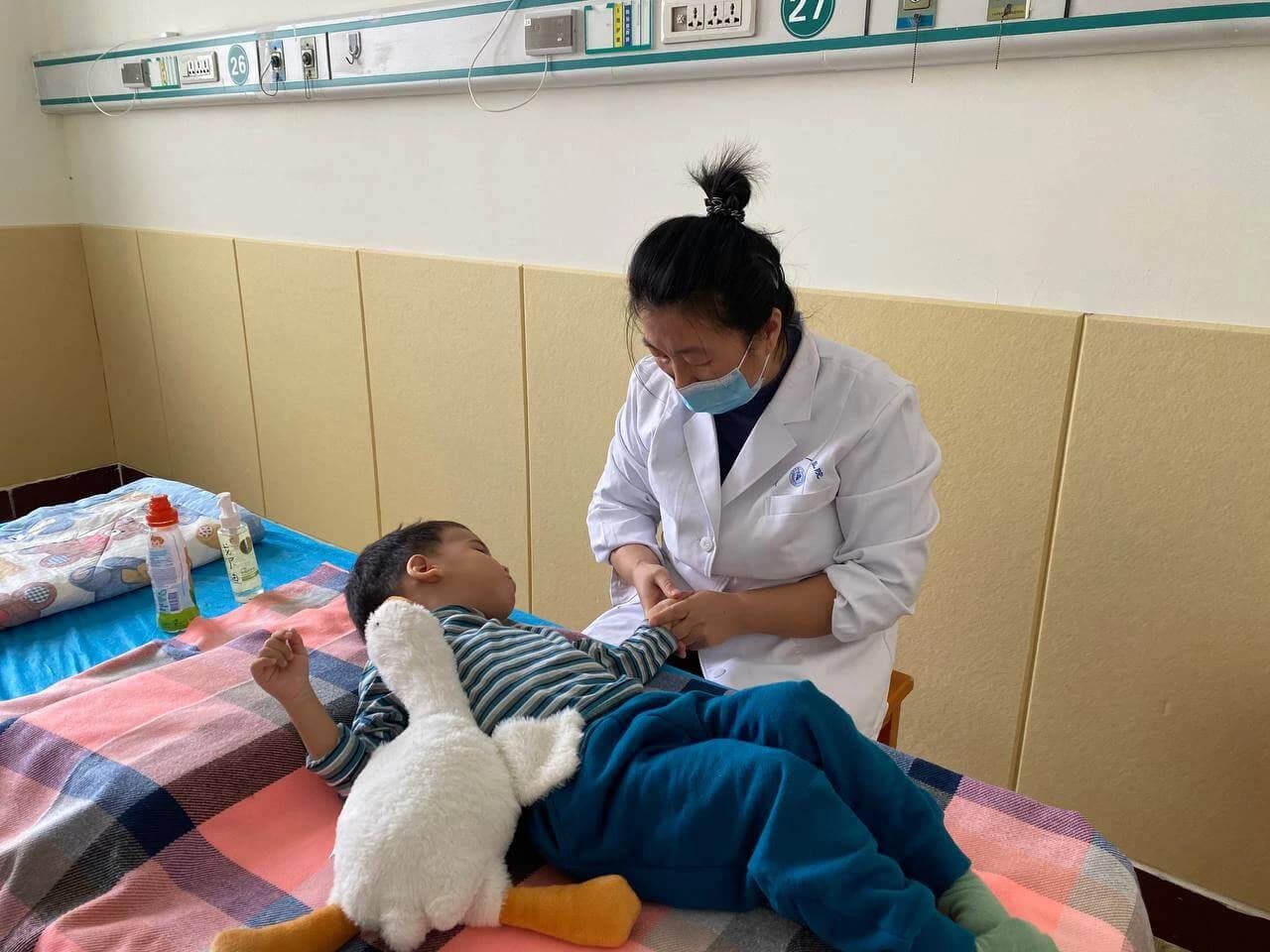
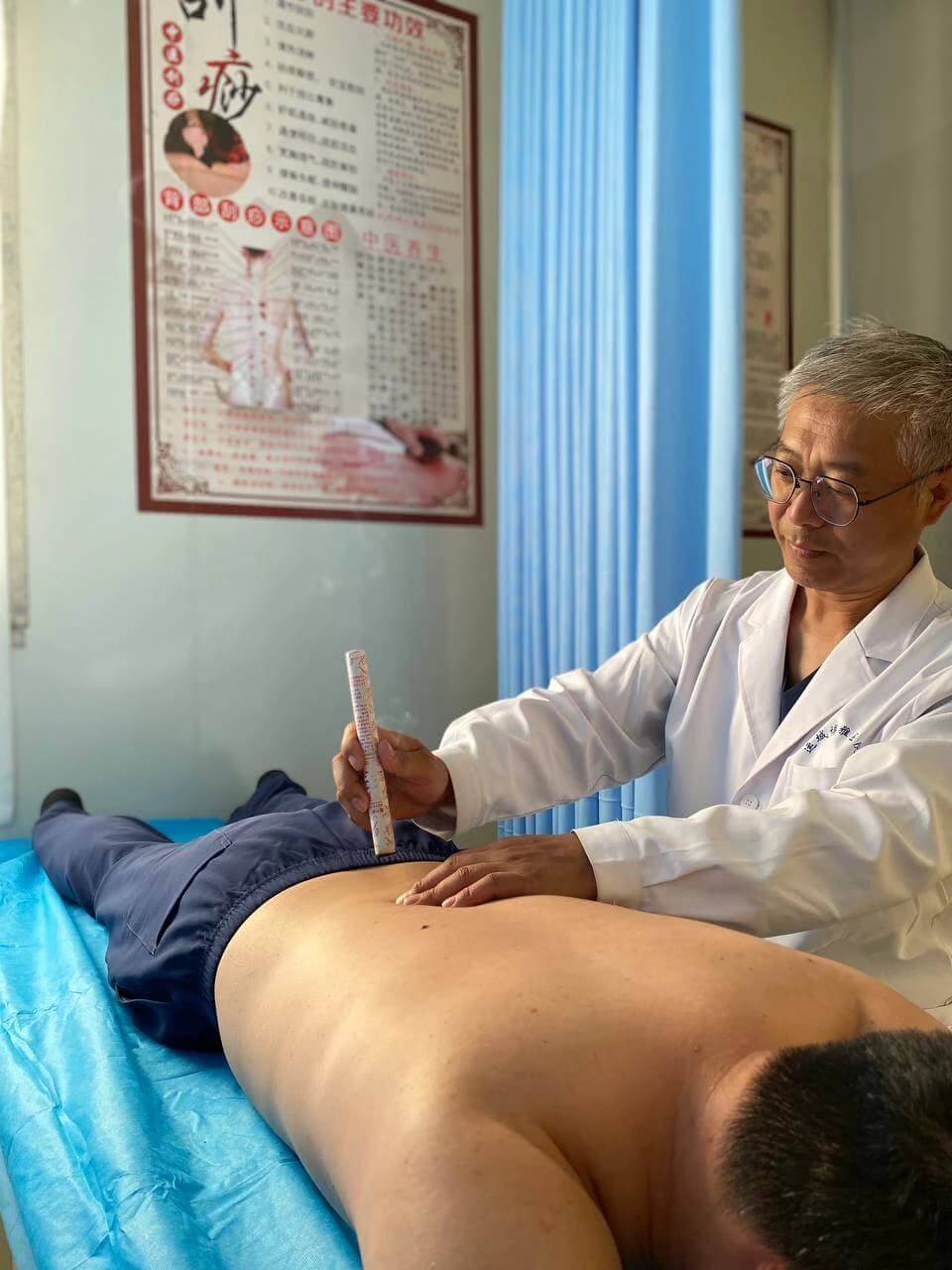
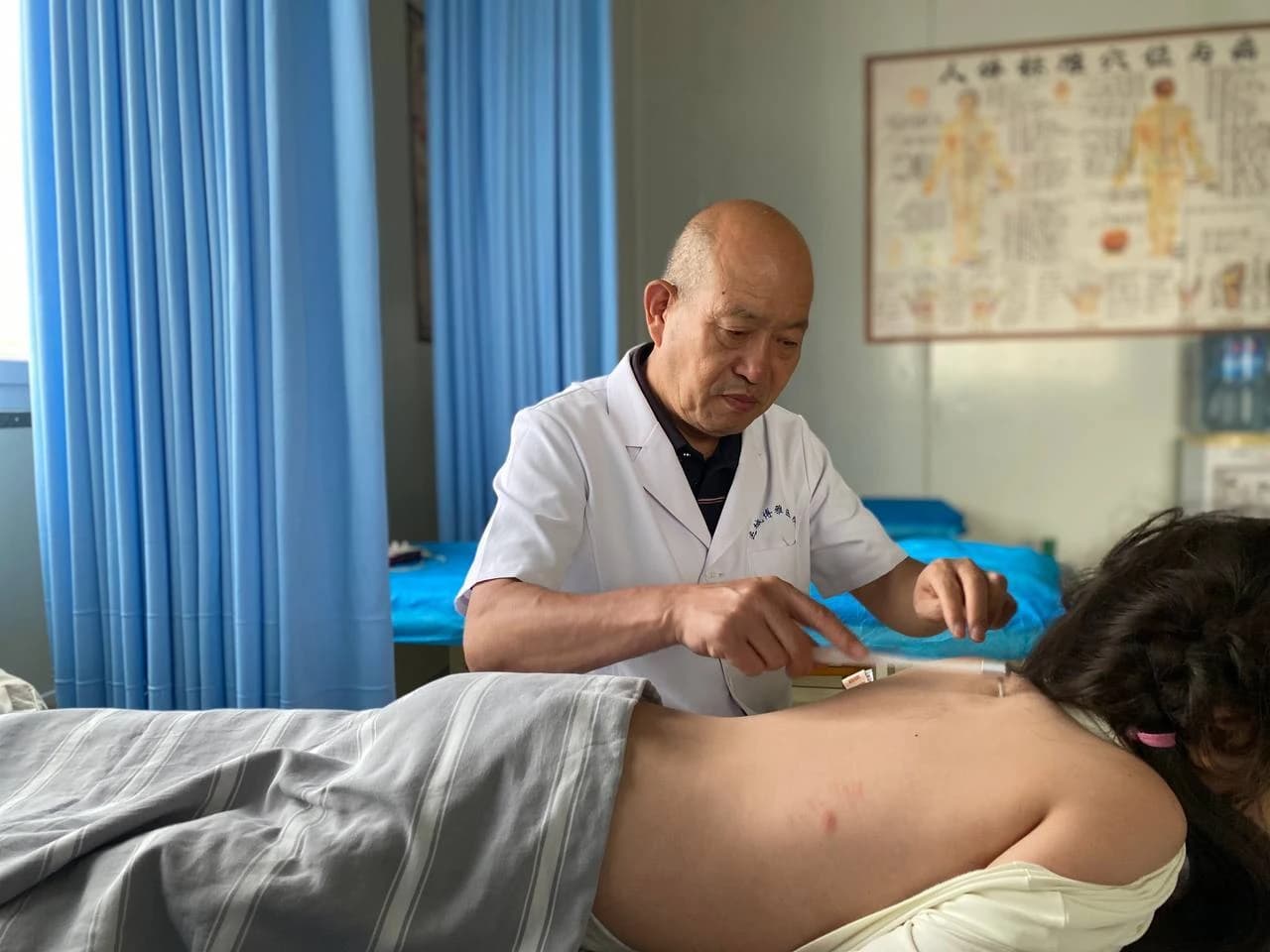
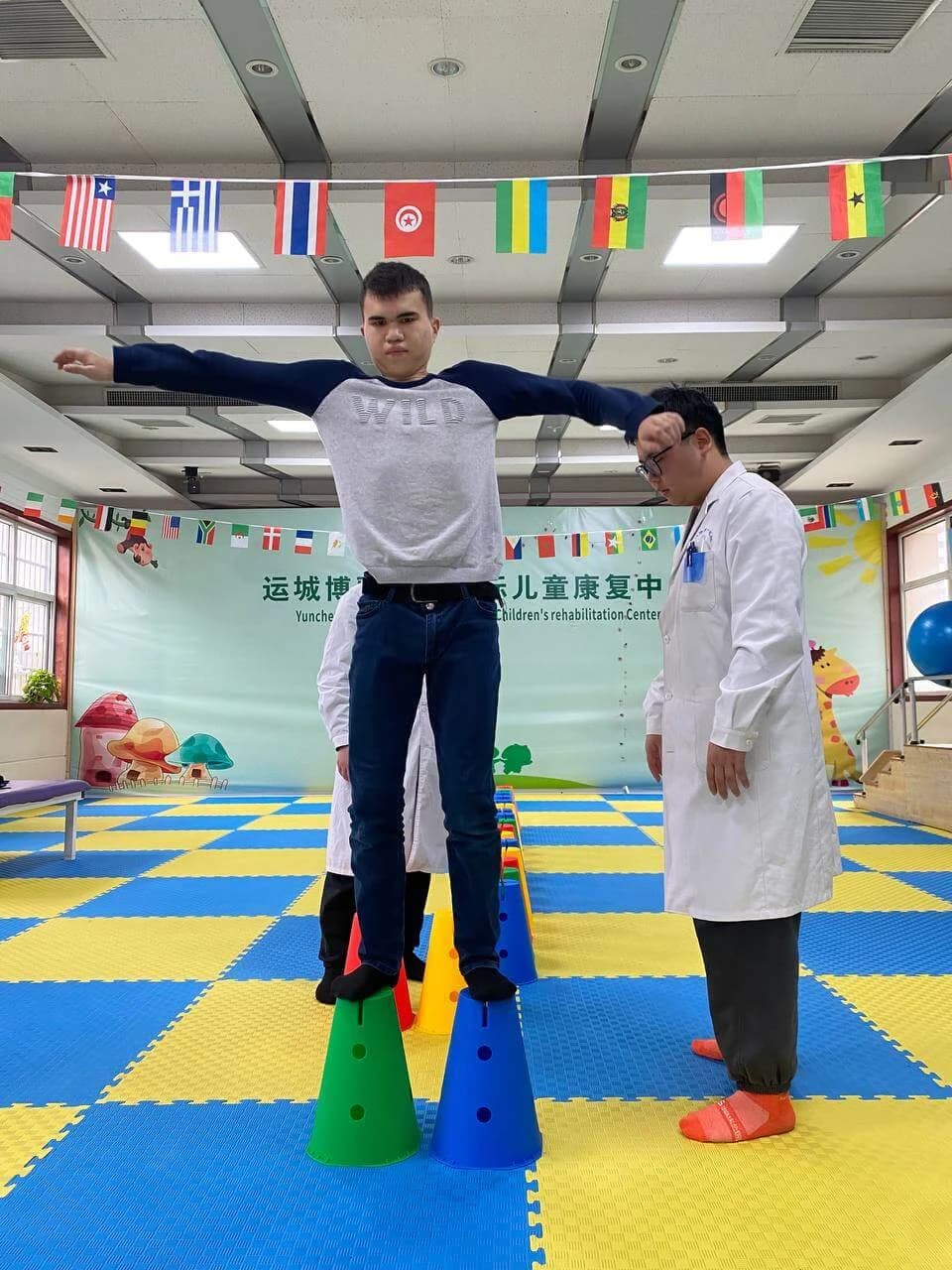
Boya Hospital (Yuncheng, Shanxi Province) addresses sleep within pediatric neurological rehabilitation — through the daytime part of the day. A course sets a steady rhythm: 6–9 sessions a day, 6 days a week, with sufficient physical activity (exercise therapy, sensory integration) and a clear sequence of procedures. In the evening the emphasis shifts to relaxation: pediatric Tui Na massage, herbal compresses, moxibustion therapy, and — as prescribed by the doctor — acupuncture, including the New Nine Needles method. The program is selected by the doctor individually.
Why sleep often settles on its own
Parents are often surprised: almost no special work was done on sleep, and yet it improved. The explanation is simple — the causes were removed. When the day is predictable, the child moves plenty, sensory overload is lower, and the evening follows the same calm scenario, the nervous system finds it easier to switch into rest. That is why Boya does not look for a separate sleep remedy: first the day is built, and evening procedures are added as support. And the reverse holds too — if sleep does not improve, that is a signal to look for a cause: pain, discomfort, too high a load, or anxiety.
How to start
Send us your child's documents — medical records, neurologist's reports, test results — and a short description of sleep: when the child falls asleep, how many times they wake during the night, how the evening goes. These details matter more to the doctor than any general wording. The document-based consultation is free and there is no prepayment: you pay on site and only for what your child has actually received.
Causes
A child's sleep rarely suffers on its own — more often it reflects what happens during the day: sensory overload, anxiety, pain or physical discomfort, too little movement, a disrupted routine. In children with ASD and neurological conditions, sleep difficulties are especially common.
Symptoms
Long time to fall asleep, frequent night waking, shallow restless sleep, night crying, waking far too early. During the day this turns into drowsiness or, on the contrary, over-excitement, irritability, and difficulty with attention.
Diagnostics
The basis is a sleep diary: when the child falls asleep, how many times they wake, what happened that day. It is important to rule out physical causes — pain, abdominal discomfort, difficult nasal breathing — and to look at the evening setting: light, noise, screens, the timing of the last active play.
Prognosis and rehabilitation approach
Children's sleep responds well to work on the causes: a predictable daily rhythm, sufficient daytime activity, less sensory overload, and calm evening procedures. Often sleep settles not because of a special remedy for insomnia, but as a consequence of order in the day as a whole.
How rehabilitation works
Diagnostics
Comprehensive examination and patient assessment by an international team of specialists
Rehabilitation plan
Development of an individual rehabilitation program considering diagnosis specifics
Therapy
Intensive course of procedures: physical therapy, massage, physiotherapy, acupuncture and other methods
Results
Progress evaluation, home recommendations and maintenance therapy plan
Rehabilitation procedures: Sleep Disorders
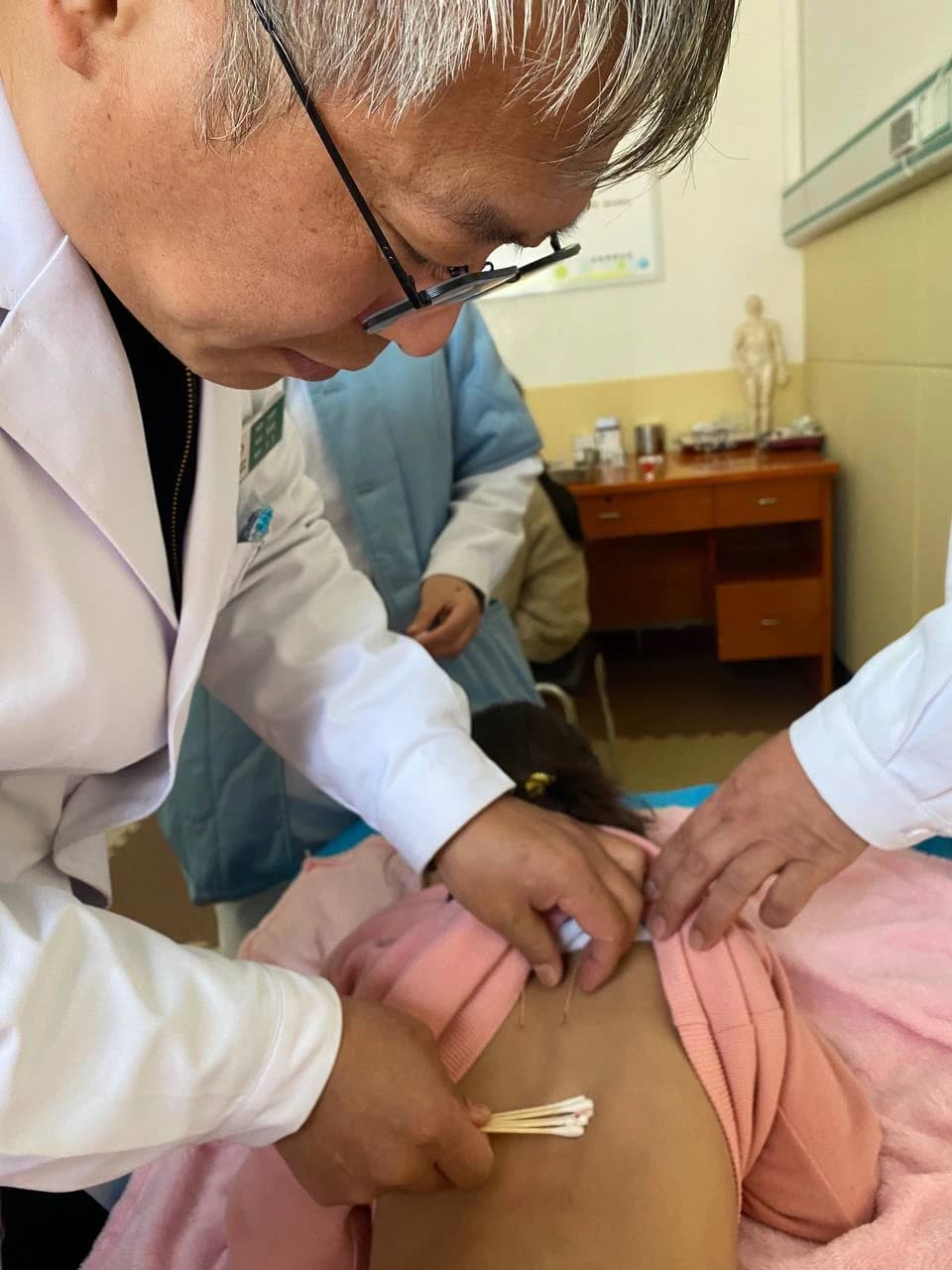
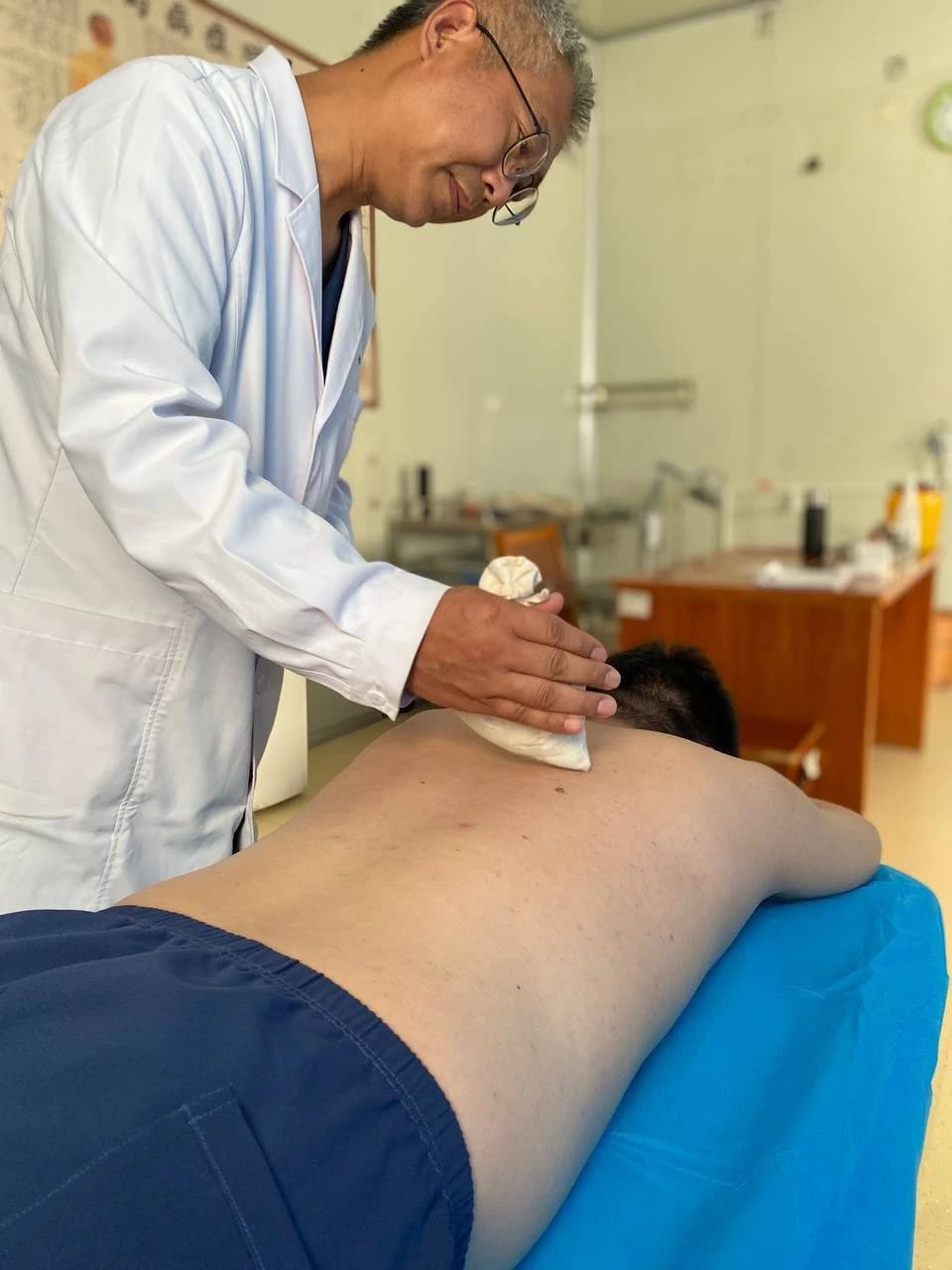
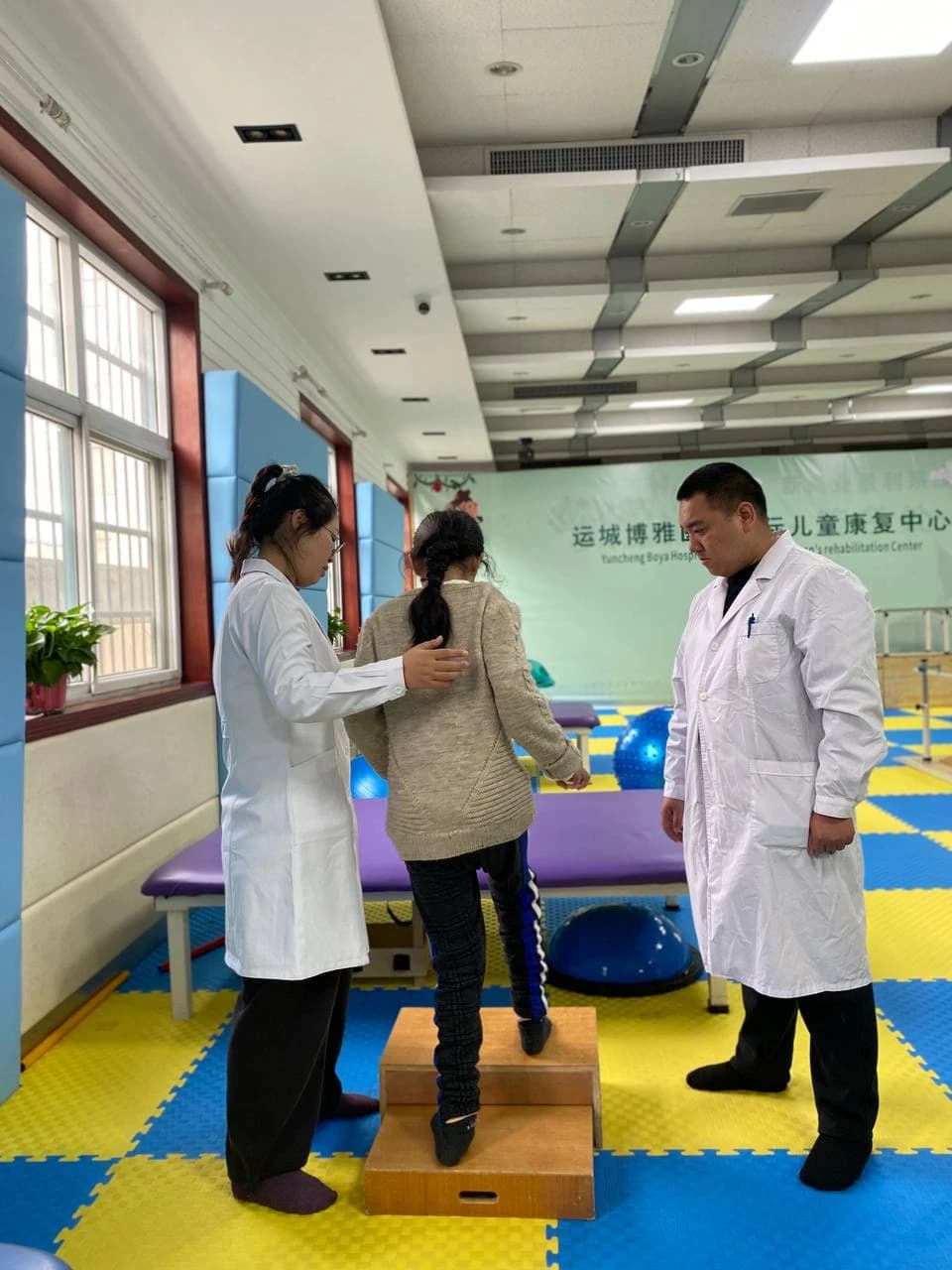
Frequently asked questions: Sleep Disorders
Book a free consultation
Send us the medical records and a short video — Boya doctors will review the materials and tell you how they can help. A coordinator will get back to you within 5 minutes.