Rehabilitation for ASD at Boya Clinic
Boya Hospital, China: support for children with autism and ASD. Communication, daily-living skills, available activities and preparing an enquiry.
What is Autism and ASD?
Autism Spectrum Disorder (ASD) is a difference in nervous system development that makes communication, speech, and flexible behavior harder for a child from an early age. Parents usually notice the first signals by age 2–3: the child does not respond to their name, rarely makes eye contact, speech is delayed, and play becomes full of monotonous repetition. This is not a "withdrawn personality" and not a result of parenting — it is how the child's brain works, and it can and should be addressed systematically.
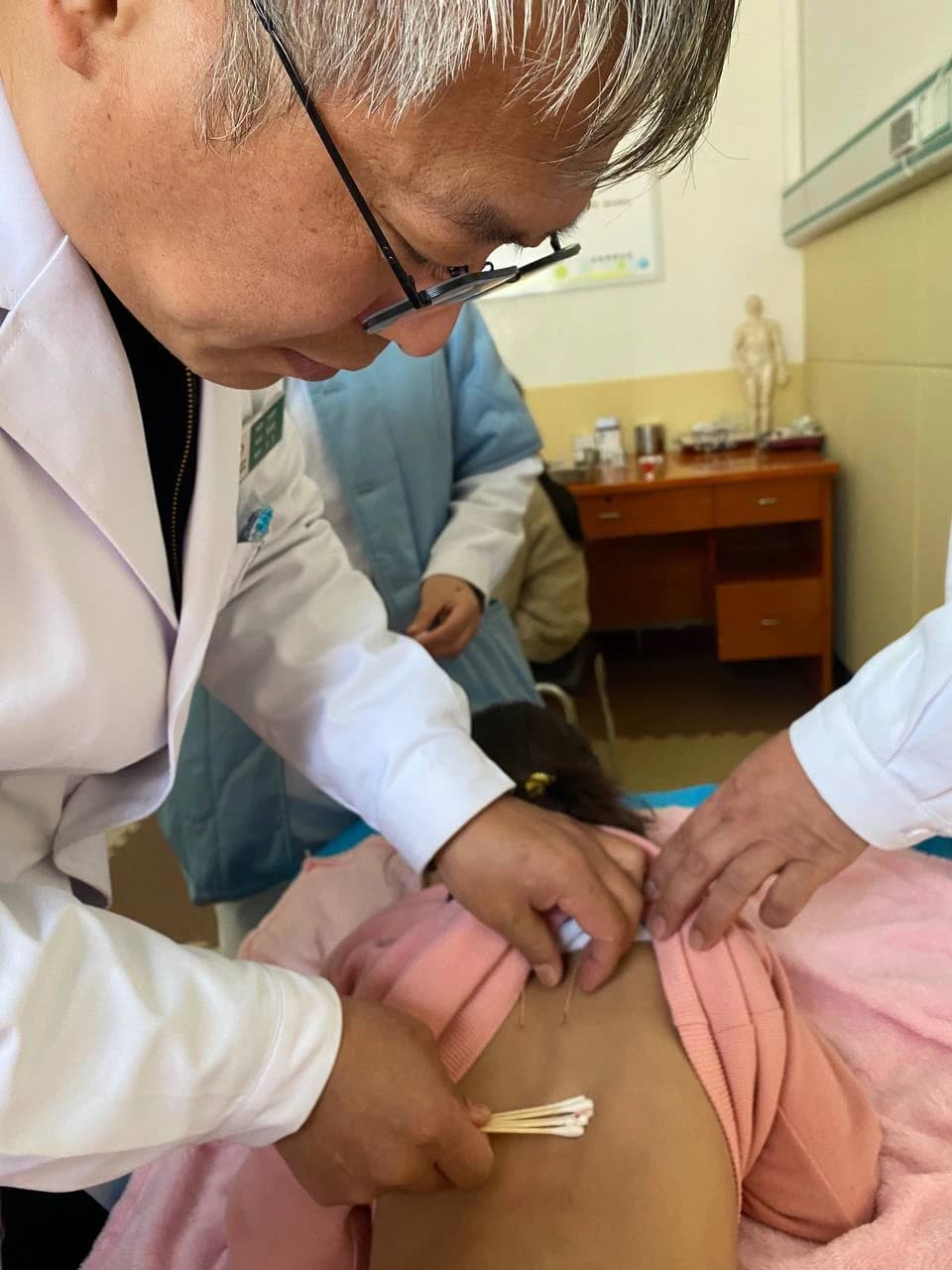
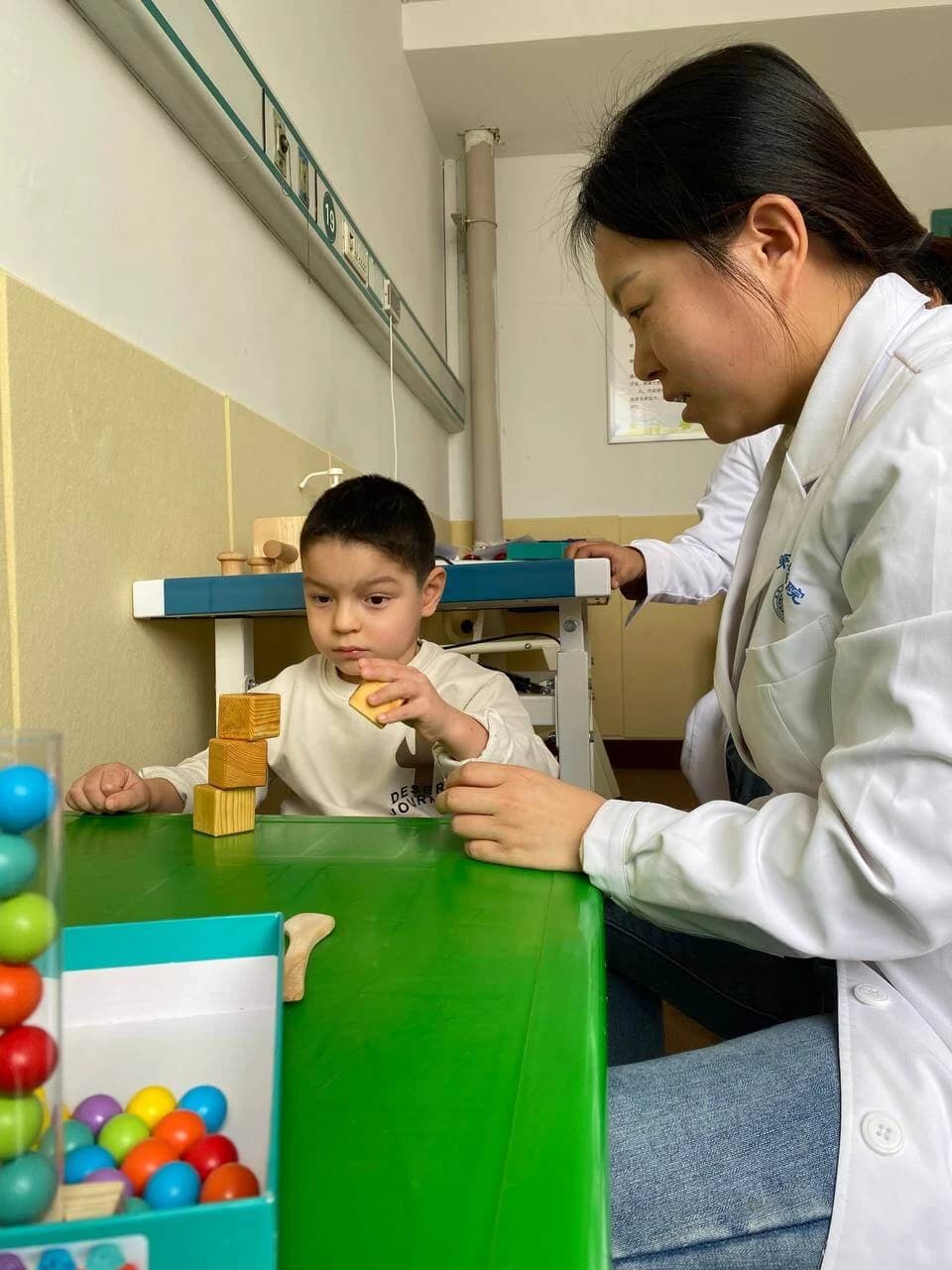
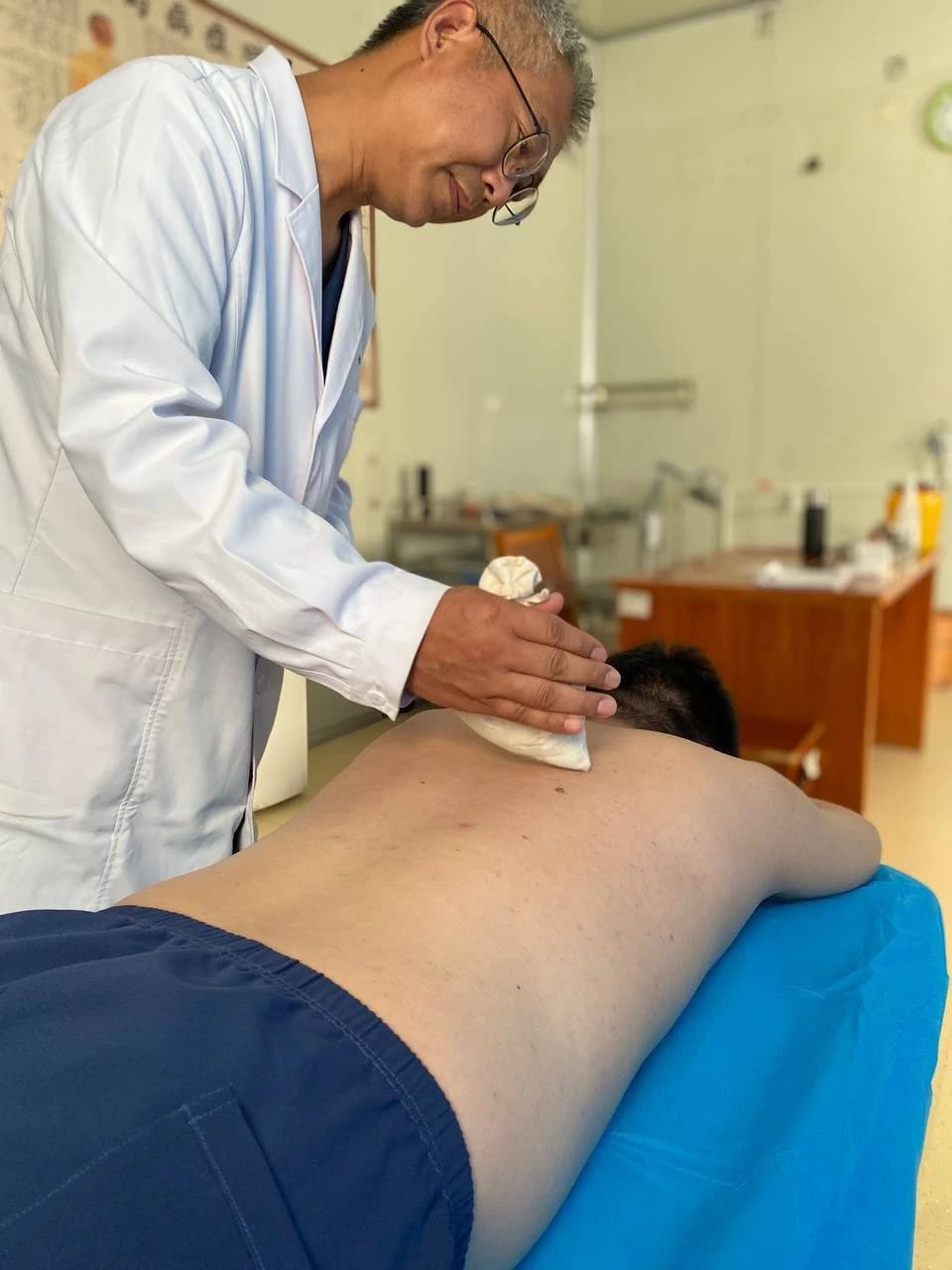
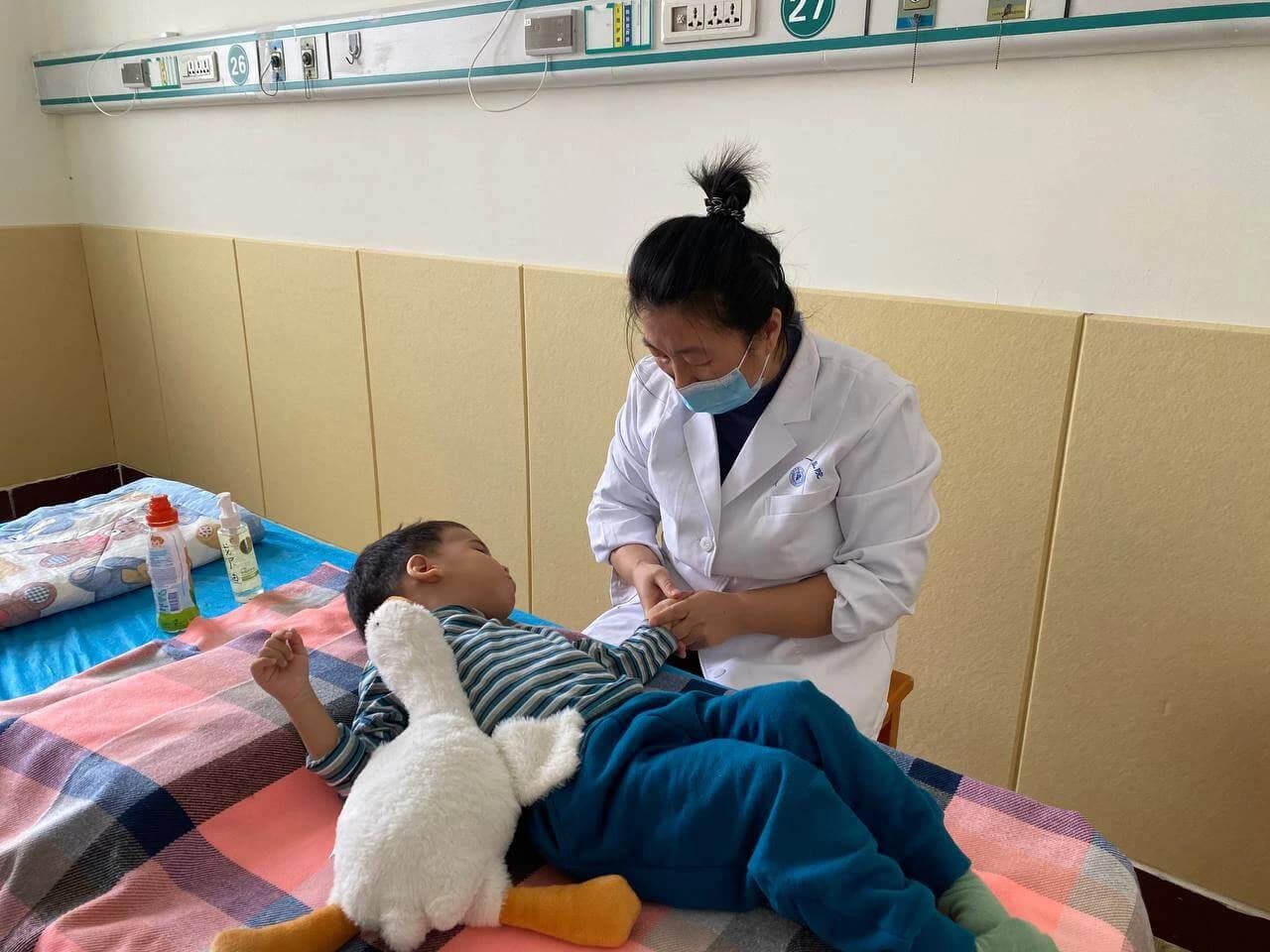
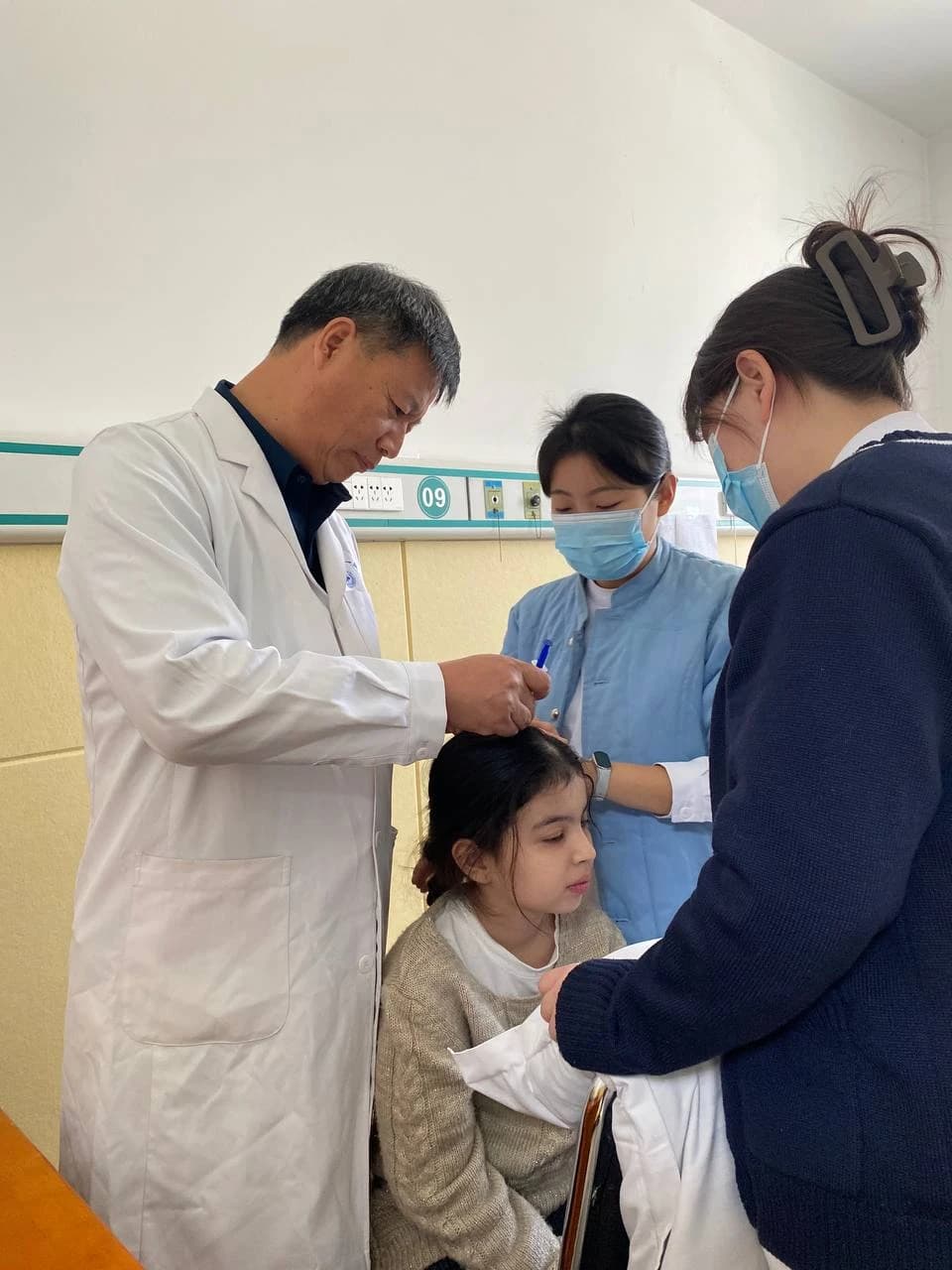
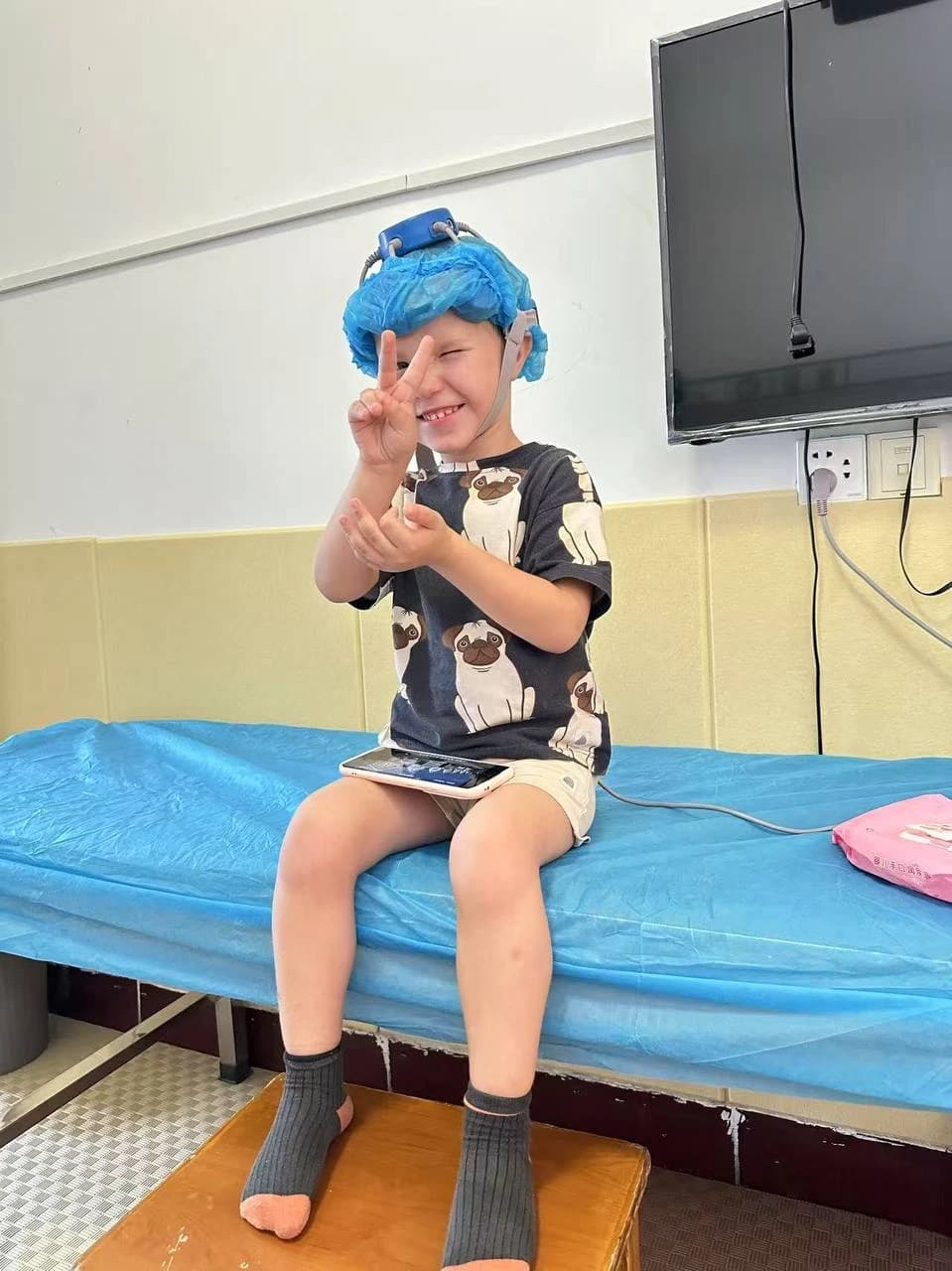
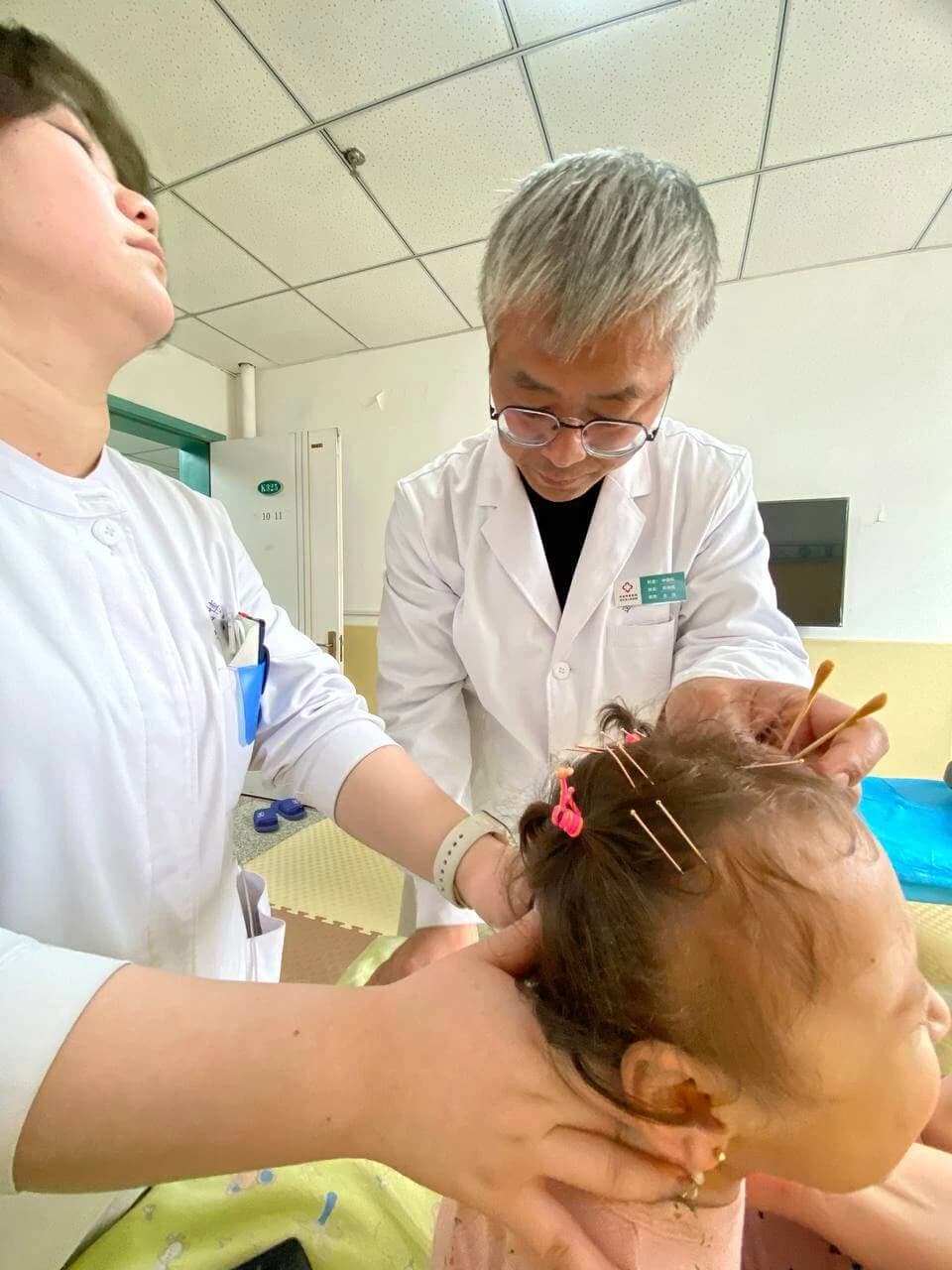
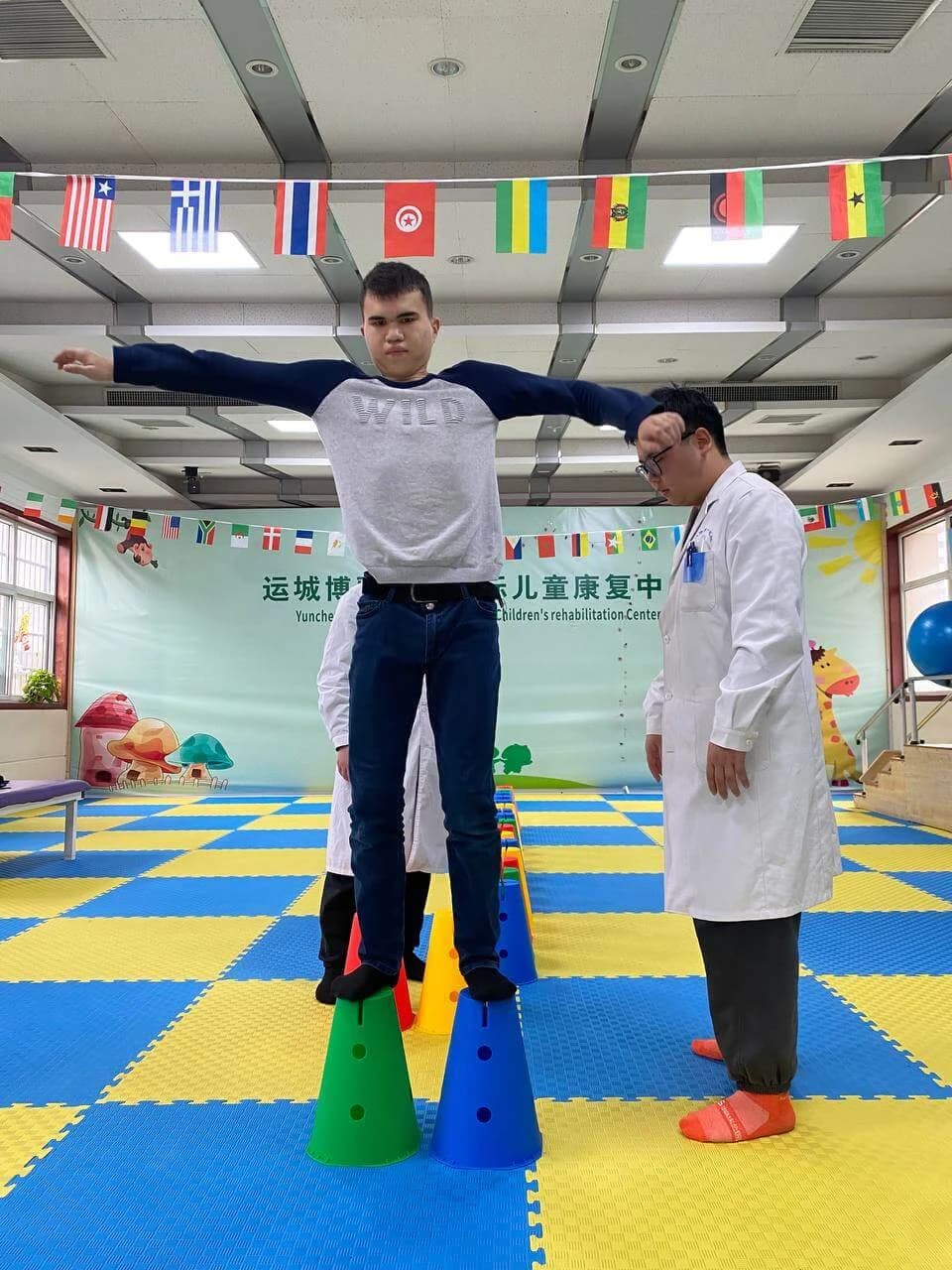
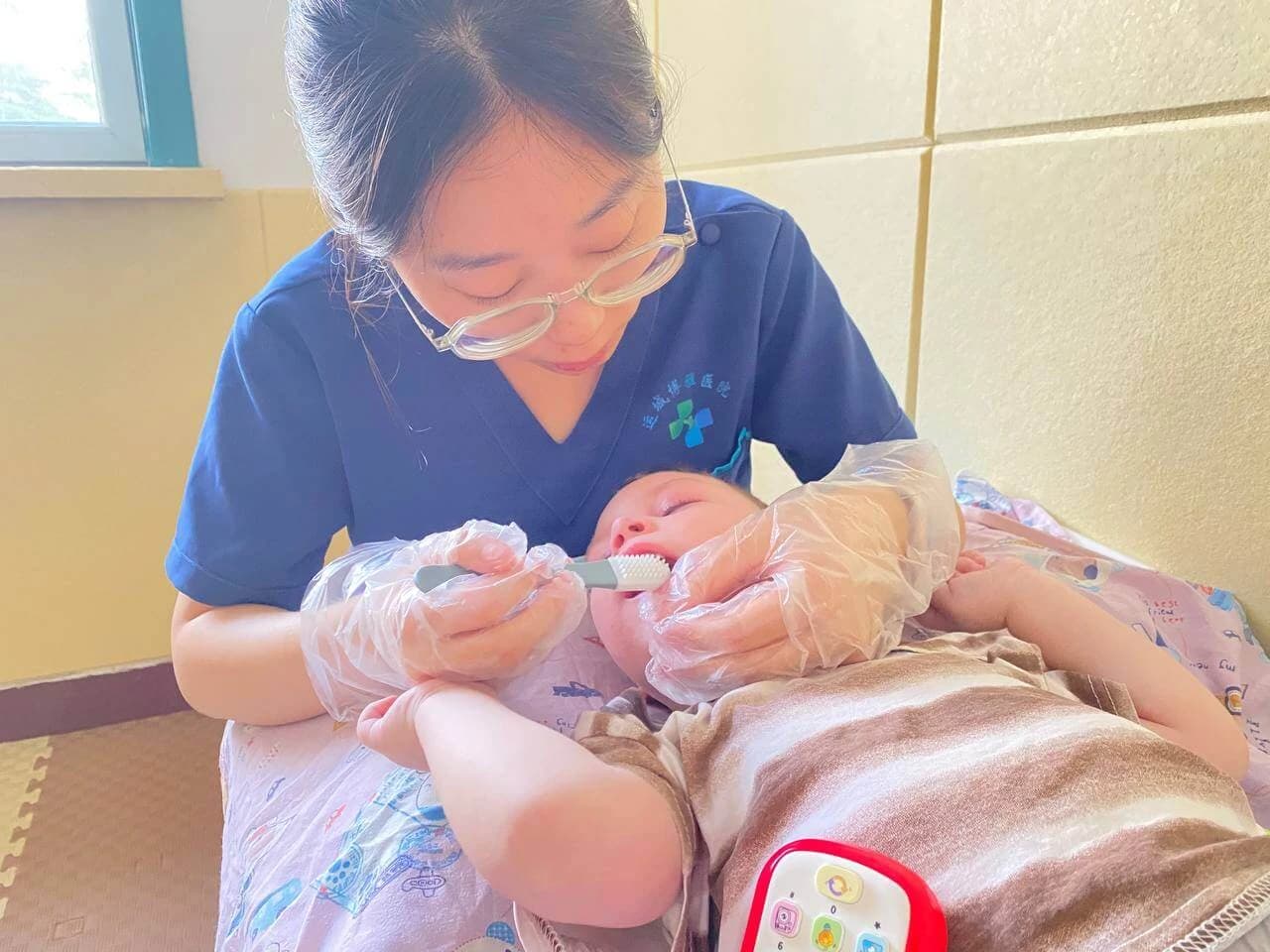
Boya Hospital (Yuncheng, Shanxi Province) admits children with autism and ASD as part of its core specialization — pediatric neurological rehabilitation. The course is built as an intensive: 6–9 sessions a day, 6 days a week. Traditional Chinese Medicine methods — acupuncture, scalp acupuncture, pediatric Tui Na massage, pharmacopuncture, herbal compresses — are combined with developmental and corrective sessions: sensory integration, speech therapy, occupational therapy, and apparatus-based physiotherapy. The exact program is tailored by the doctor to the individual child.
What to expect from the course
An honest answer: autism cannot be "cured", and promising otherwise would be untrue. The goal of rehabilitation is the step-by-step development of the child's functions: responding to speech and their name, contact with loved ones, first words and phrases, everyday skills, calmer reactions to sounds and touch. The pace and extent of progress are different for every child — they depend on the starting condition, age, and regularity of sessions. The clinic recommends a 2–3 month course; this is a planning guideline, not a guarantee of outcome.
How to start
Send us your child's documents — medical records, reports from a neurologist or psychiatrist, test results. The hospital's doctor will review them and determine which sessions and procedures the program will consist of. The document-based consultation is free, and there is no prepayment: you pay on site and only for what your child has actually received. Length of stay and adjustments to the programme are discussed with the physician during the course.
The course and preparing an enquiry
Boya holds sessions six days a week, with Sunday off. Its published course description lists 6–9 procedures a day and a recommended duration of 2–3 months. The physician selects activities individually. Payment is for services received, without prepayment; the price list and travel section explain the available services and arrangements.
About the clinic · Current prices · Planning the trip · Contact the coordinator
About the condition and support goals
Autism involves differences in development and in experiencing the world. Support addresses individual needs; promising a cure for autism is inappropriate. Read NHS: What is autism?.
Causes
The exact causes of ASD are still unknown to science. The leading role is played by a combination of genetic factors and features of early nervous system development. Autism is not a result of parenting and not a "difficult personality" — it is how the child's brain works.
Symptoms
The child responds weakly to their name and to speech, avoids eye contact, and speech is delayed or absent. Behavior includes many repetitive actions and fixed routines, often with acute sensitivity to sounds, light, or touch.
Diagnostics
The diagnosis is based on observing behavior and development: standardized scales and questionnaires, assessment of speech and play, examination by a neurologist and a psychiatrist. Hearing is always checked — hearing loss can look like a speech delay.
Prognosis and rehabilitation approach
Support goals follow the child’s needs, including communication, daily-living skills and participation in activities. Progress and support needs vary; neither a cure nor the same course outcome for every child can be promised.
How rehabilitation works
Diagnostics
Comprehensive examination and patient assessment by an international team of specialists
Rehabilitation plan
Development of an individual rehabilitation program considering diagnosis specifics
Therapy
Intensive course of procedures: physical therapy, massage, physiotherapy, acupuncture and other methods
Results
Progress evaluation, home recommendations and maintenance therapy plan
Rehabilitation procedures: Autism and ASD
Frequently asked questions: Autism and ASD
Book a free consultation
Send us the medical records and a short video — Boya doctors will review the materials and tell you how they can help. A coordinator will get back to you within 5 minutes.