Rehabilitation for At-risk infants at Boya Clinic
Boya Hospital in Yuncheng admits children with developmental risk factors — those born prematurely, with low birth weight, or after oxygen deprivation at birth. The program is built after a functional assessment: the doctor looks at what the child can do now and selects gentle, age-appropriate sessions. The recommended course is 2–3 months, with payment on site and no prepayment.
What is Children at Risk?
Children at risk are infants and toddlers whose history includes circumstances that statistically raise the chance of developmental difficulties: prematurity, low birth weight, oxygen deprivation at birth, pronounced newborn jaundice, a difficult pregnancy. The main thing for parents to keep in mind: these are risk factors, not a diagnosis. A great many such children catch up with their peers on their own and grow up perfectly healthy. Follow-up exists not to create anxiety, but so that nothing is missed if support does turn out to be needed.
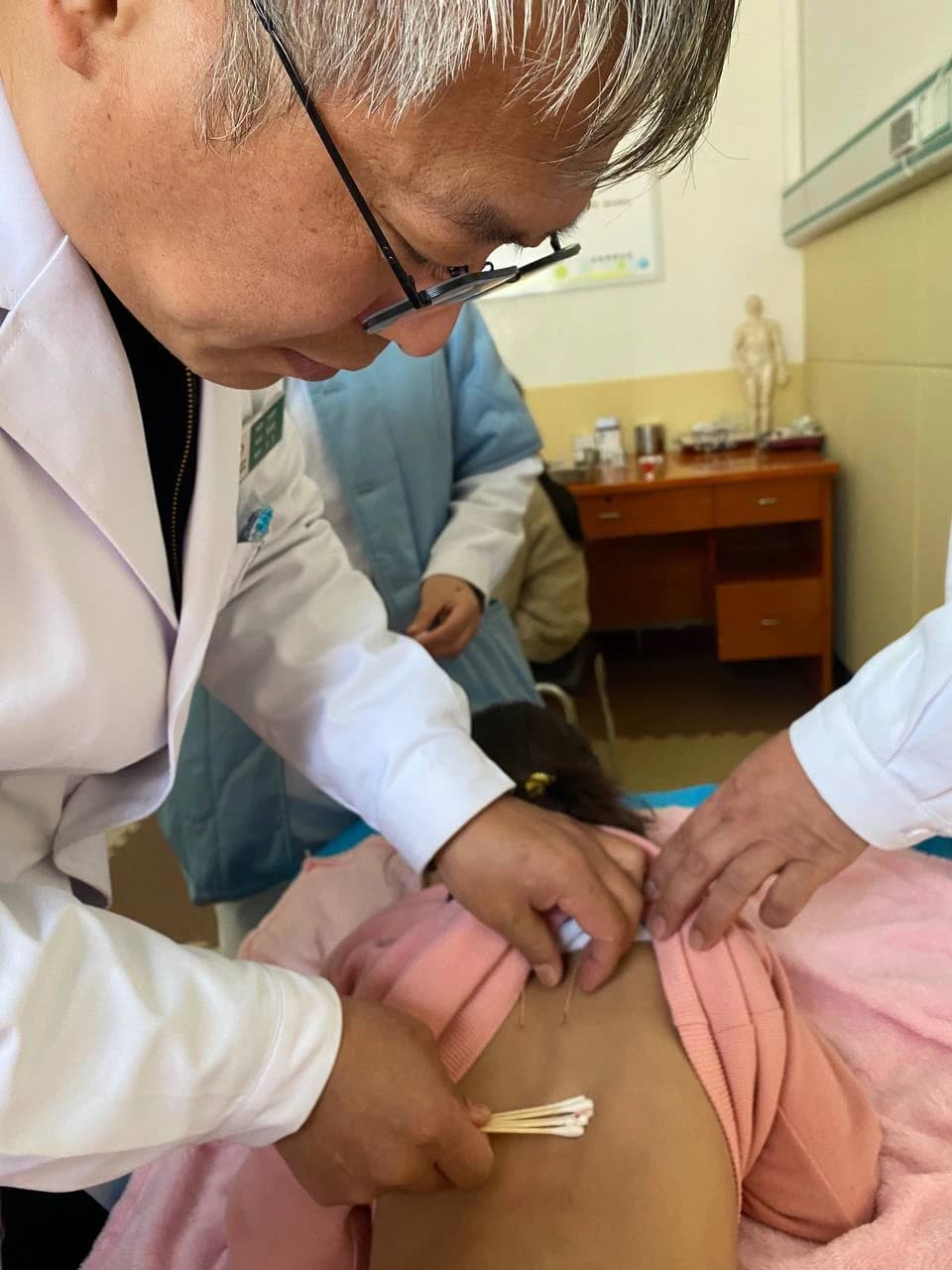
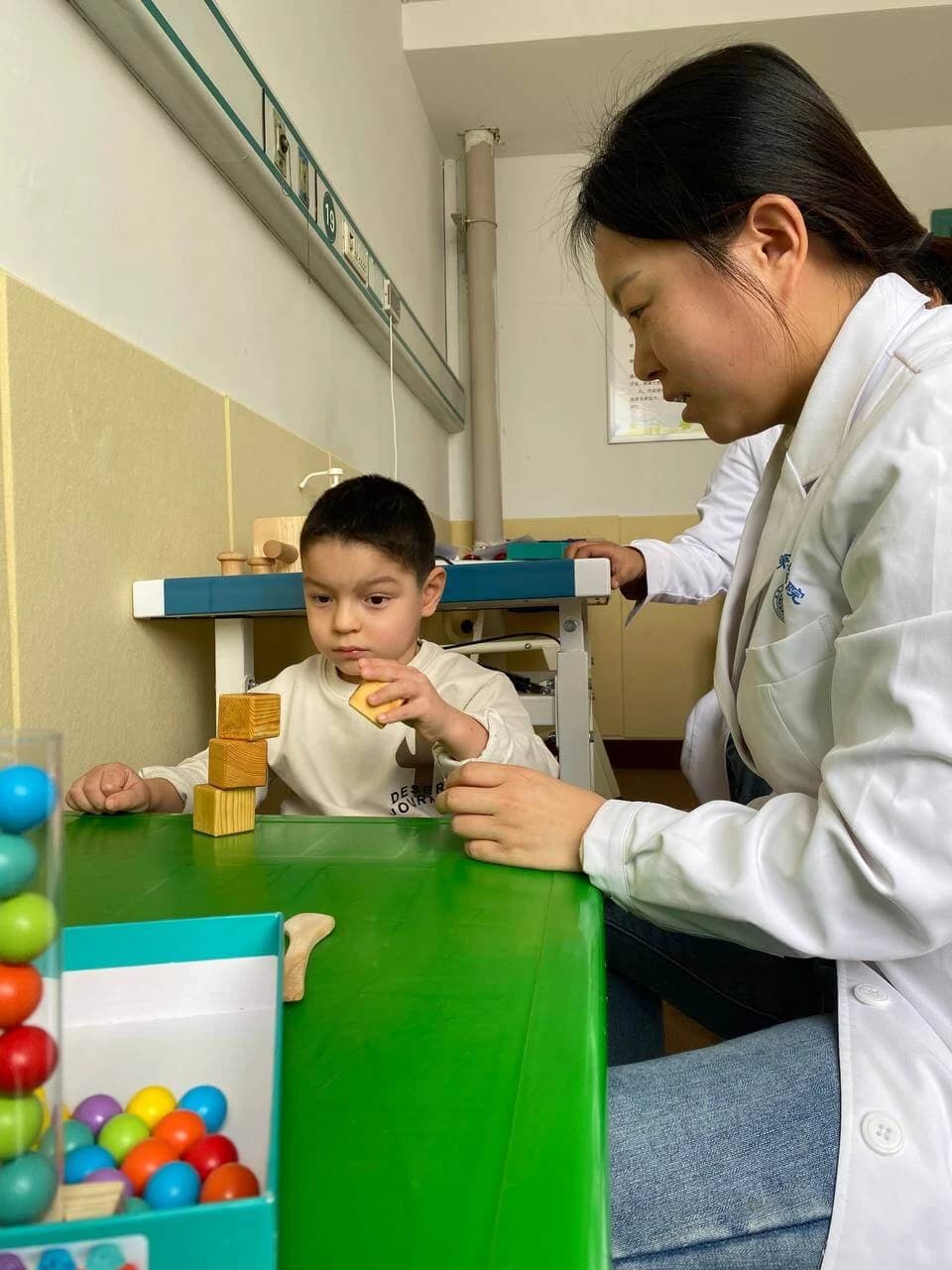
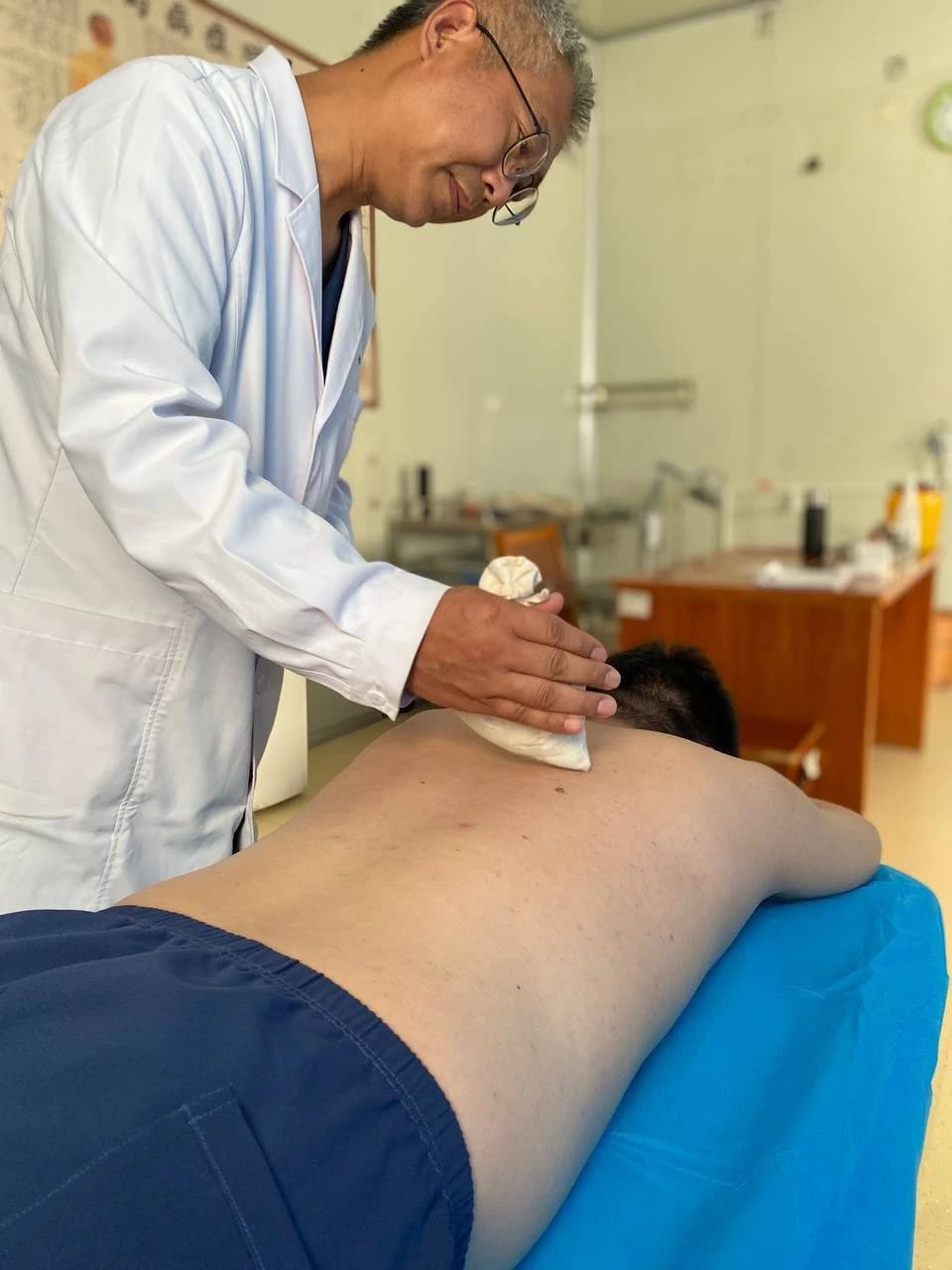
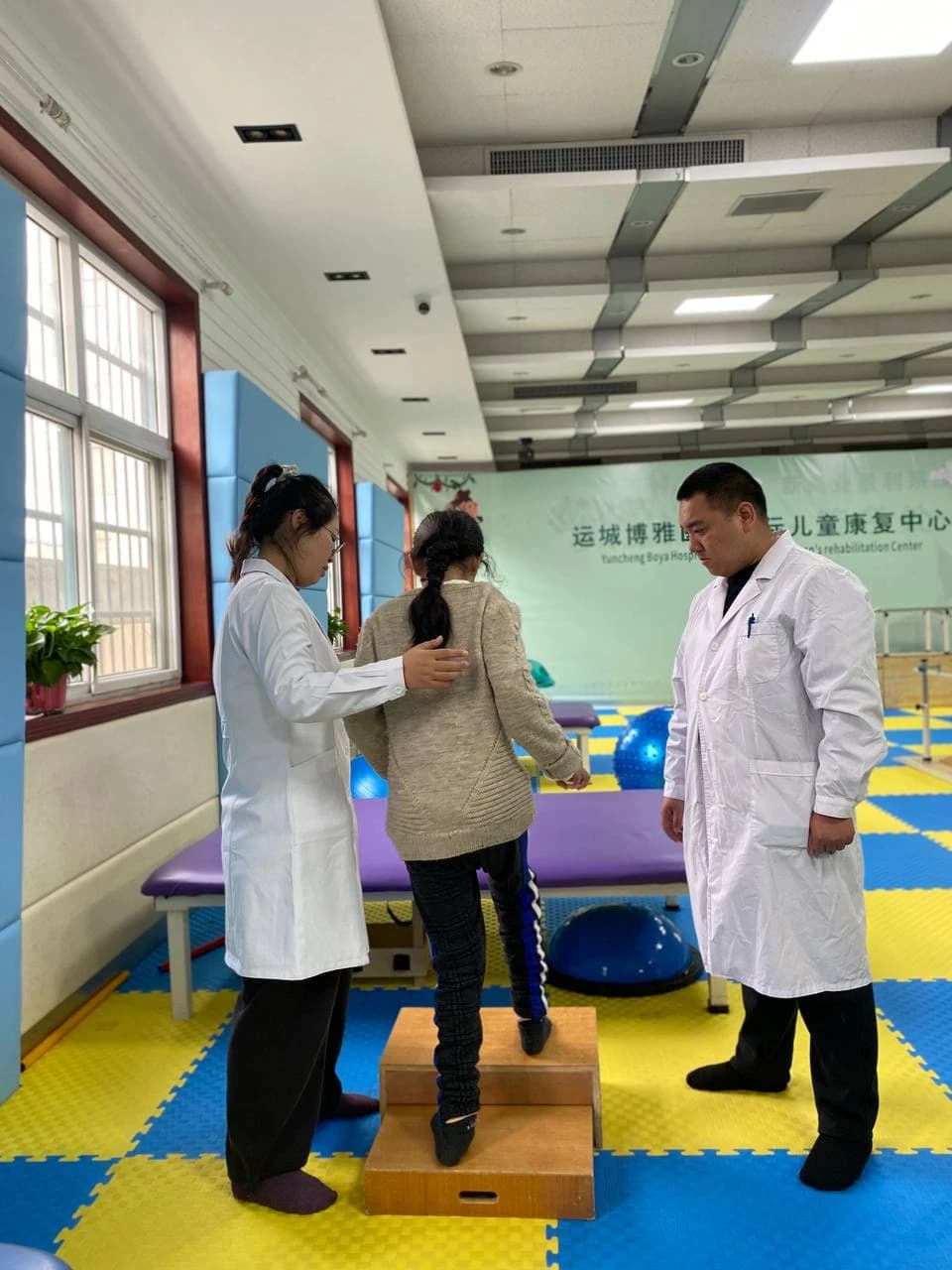
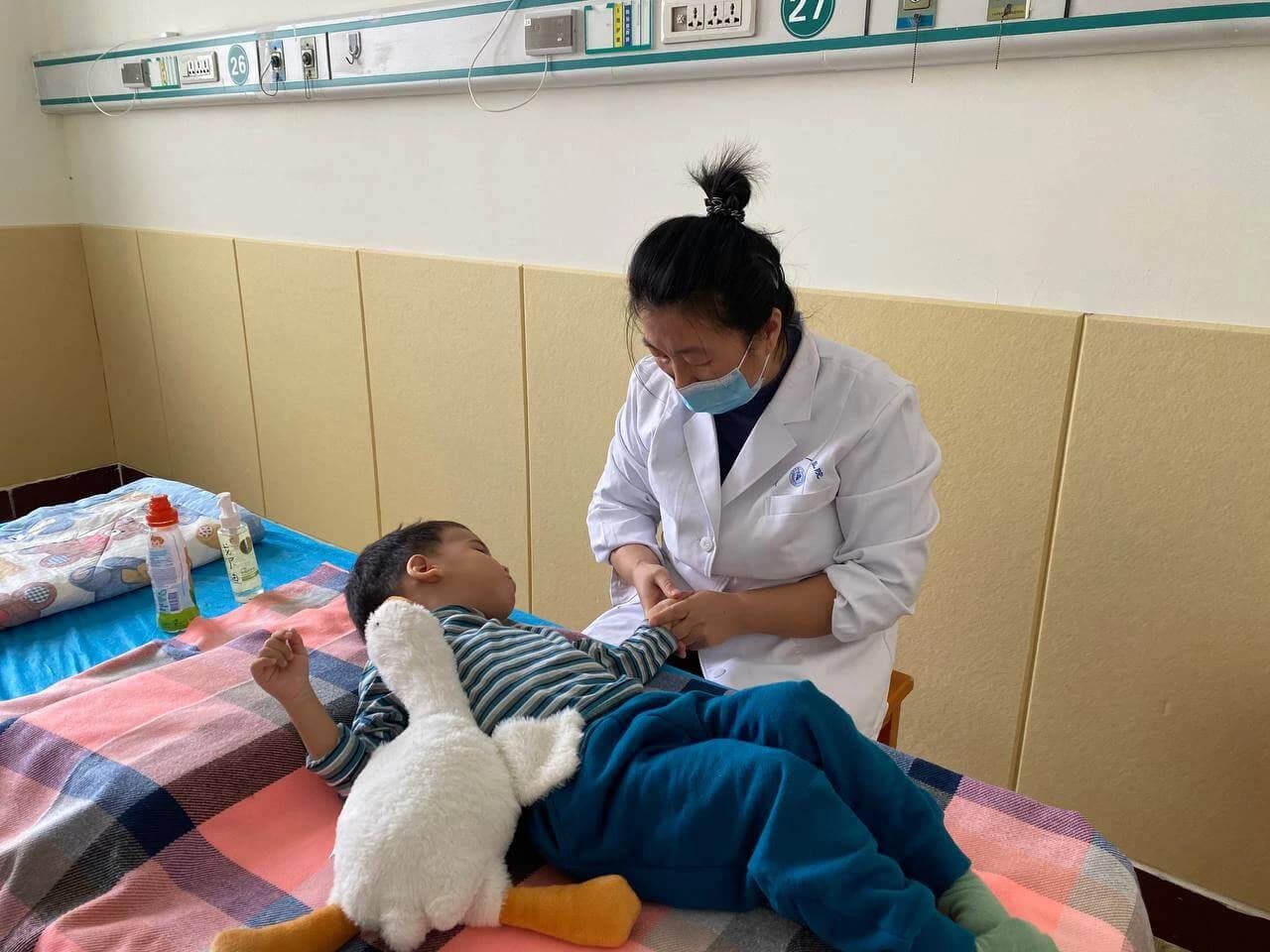
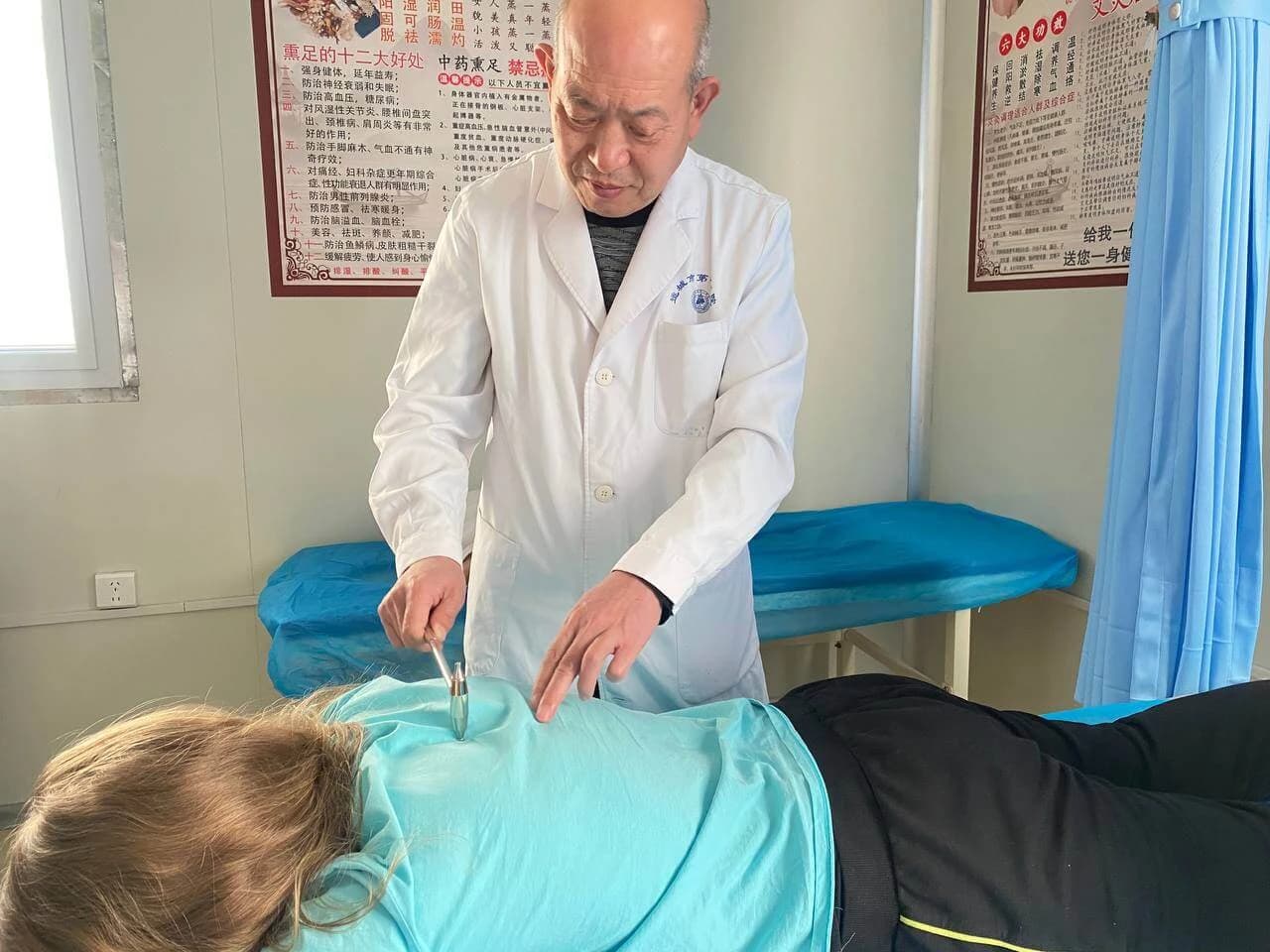
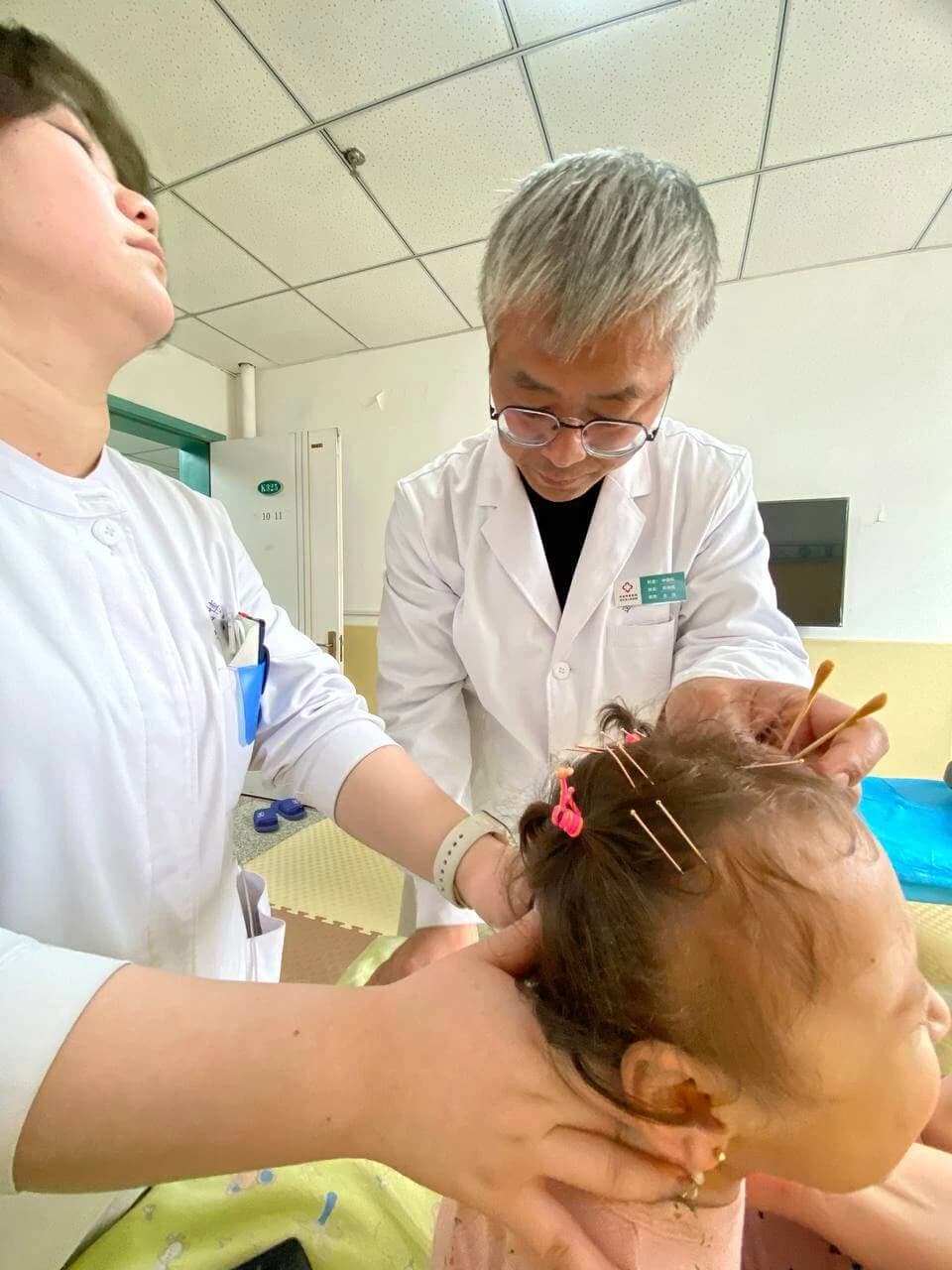
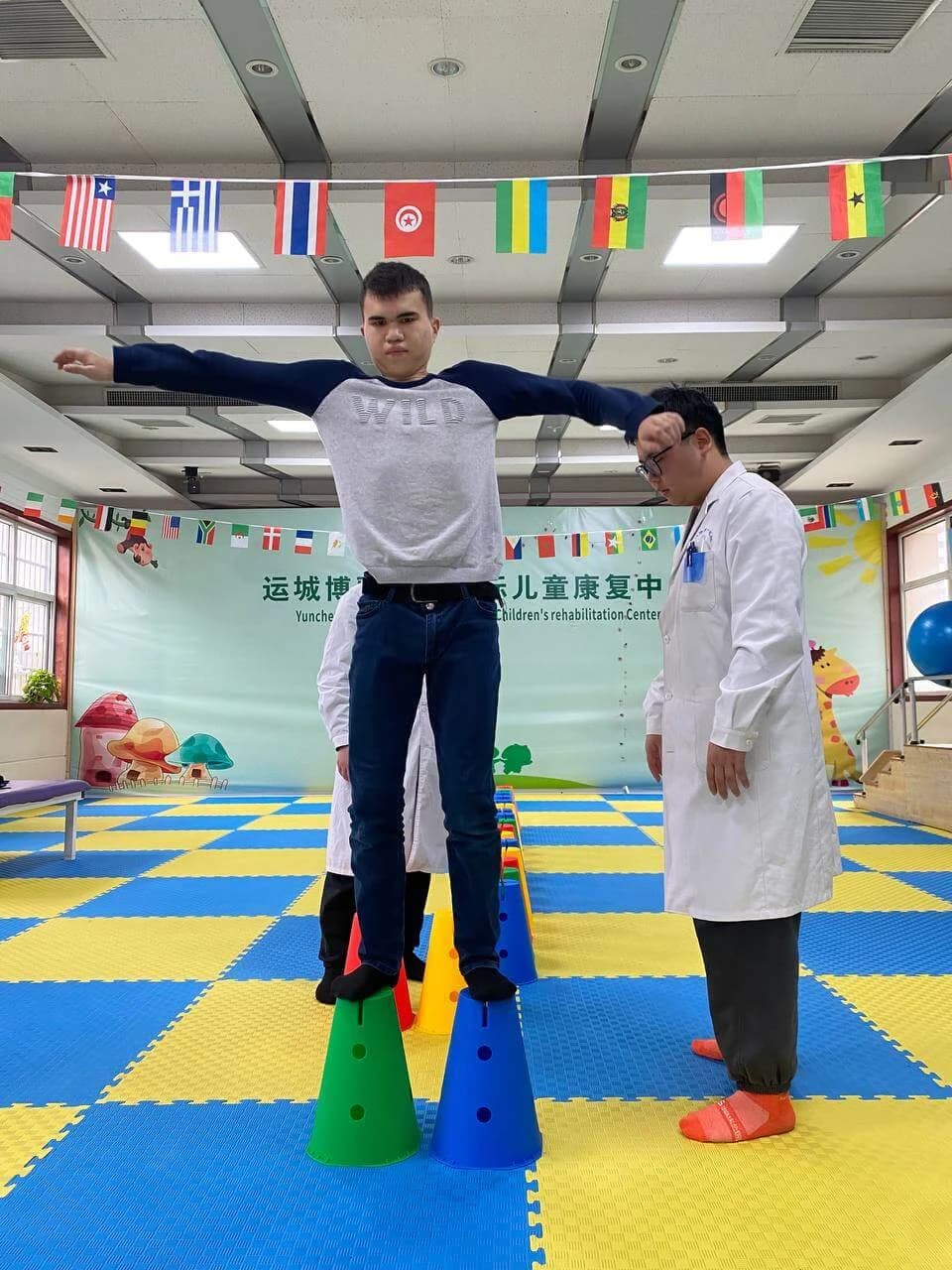
Boya Hospital (Yuncheng, Shanxi Province) admits these children as part of its core specialization — pediatric neurological rehabilitation. It always begins with a functional assessment: the doctor looks not at lines in a medical report or at scans, but at what the child can do right now — how they hold their head, roll over, reach for an object, respond to an adult's voice and face; gross motor level is rated on the GMFCS scale. The program is assembled from that data. The course format at Boya is intensive — 6–9 sessions a day, 6 days a week — but for the youngest children the load and content are matched to age: pediatric Tui Na massage, motor and balance work, sensory integration, occupational therapy, apparatus-based physiotherapy, and gentle Chinese medicine methods — herbal compresses and work with meridian points.
Why an early start helps
The point is not to "beat a deadline" but that a young brain reorganizes more easily. In the first years of life the nervous system is especially plastic: movement, speech, and everyday skills form more readily, and excess muscle tension has not yet locked into a habitual posture. That is why the effect of sessions is noticeably stronger in children under 7–8 years. Boya works with older children as well — the goals of the course are simply set differently, closer to the real tasks of that age. There is no need to chase speed: regularity gives more than haste.
How to start
Send your child's documents — the maternity hospital record, the neurologist's report, brain ultrasound, MRI, or EEG results if you have them. The hospital's doctor will review them and tell you plainly whether a program is needed now, what it would consist of, and what course length makes sense. The document-based consultation is free, and there is no prepayment — you pay on site and only for what your child has actually received. This lets you arrive, start, and decide how long to stay based on the first results you see.
Who belongs to the risk group
Prematurity, low birth weight, oxygen deprivation or asphyxia at birth, pronounced newborn jaundice, a complicated pregnancy, infections in the first weeks of life. These are risk factors, not a diagnosis: most such children develop right on schedule.
What parents should watch for
Use developmental milestones as a guide. By 3–4 months a child usually responds to a voice and smiles back, by 6–7 months reaches for toys, and by one year makes eye contact, responds to their name, and tries to stand. A noticeable lag across several milestones at once is a reason to see a neurologist.
Assessment
Regular follow-up with a neurologist against age milestones and, if needed, brain ultrasound, MRI, EEG, hearing and vision checks. Before the course, Boya carries out a functional assessment: head and trunk control, gross motor level on the GMFCS scale, fine motor skills, and responses to an adult's voice and face.
Prognosis and rehabilitation approach
A risk factor is a probability, not a verdict: many at-risk children reach typical development on their own. If difficulties do appear, early systematic work gives the best result — in the first years of life the nervous system is especially plastic, and new skills settle in more easily.
How rehabilitation works
Diagnostics
Comprehensive examination and patient assessment by an international team of specialists
Rehabilitation plan
Development of an individual rehabilitation program considering diagnosis specifics
Therapy
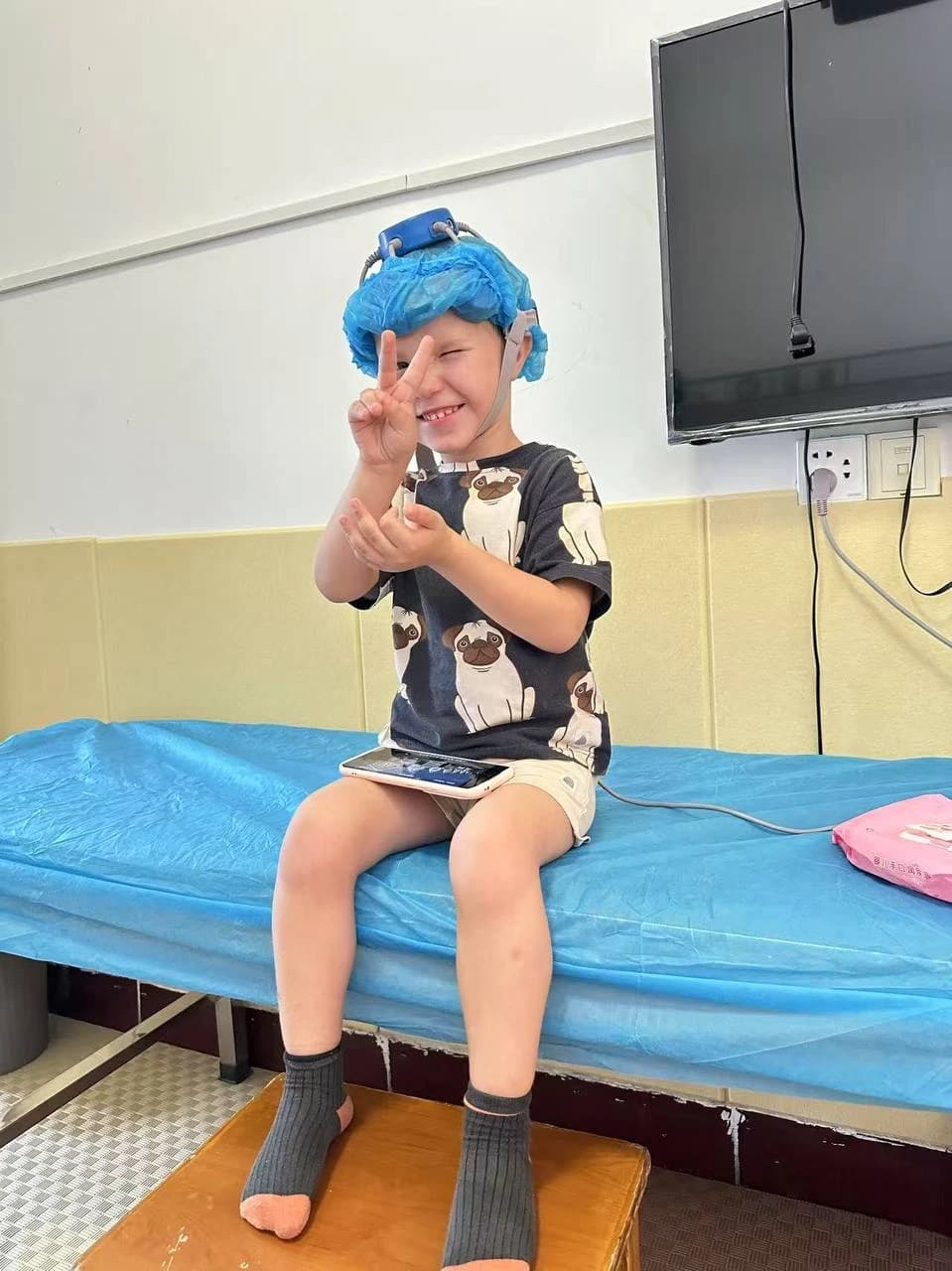
Intensive course of procedures: physical therapy, massage, physiotherapy, acupuncture and other methods
Results
Progress evaluation, home recommendations and maintenance therapy plan
Rehabilitation procedures: Children at Risk
Frequently asked questions: Children at Risk
Book a free consultation
Send us the medical records and a short video — Boya doctors will review the materials and tell you how they can help. A coordinator will get back to you within 5 minutes.