Rehabilitation for Anxiety at Boya Clinic
Boya Hospital in Yuncheng admits children with heightened anxiety and fear of anything new to its pediatric neurological rehabilitation courses. The work goes not through talking about fears but through the body and the daily routine: a clear schedule, sensory integration, Tui Na massage, acupuncture, and warm Chinese medicine procedures. The recommended course is 2–3 months, with payment on site and no prepayment.
What is Anxiety and Fears?
Heightened anxiety in a child is not cowardice and not a character trait to be overcome. It is a state in which the nervous system is almost permanently on guard: an unfamiliar room, a new person, a changed routine are all read as a threat. The child refuses to enter the room, hides behind a parent, freezes — or, on the contrary, screams and runs away. Anxiety often speaks through the body: difficulty falling asleep, restless sleep, refusing food, complaints of stomach ache. In children with ASD, developmental delay, and sensory difficulties this kind of tension is especially common: the less a child understands what is happening and can explain what they need, the higher the background level of anxiety.
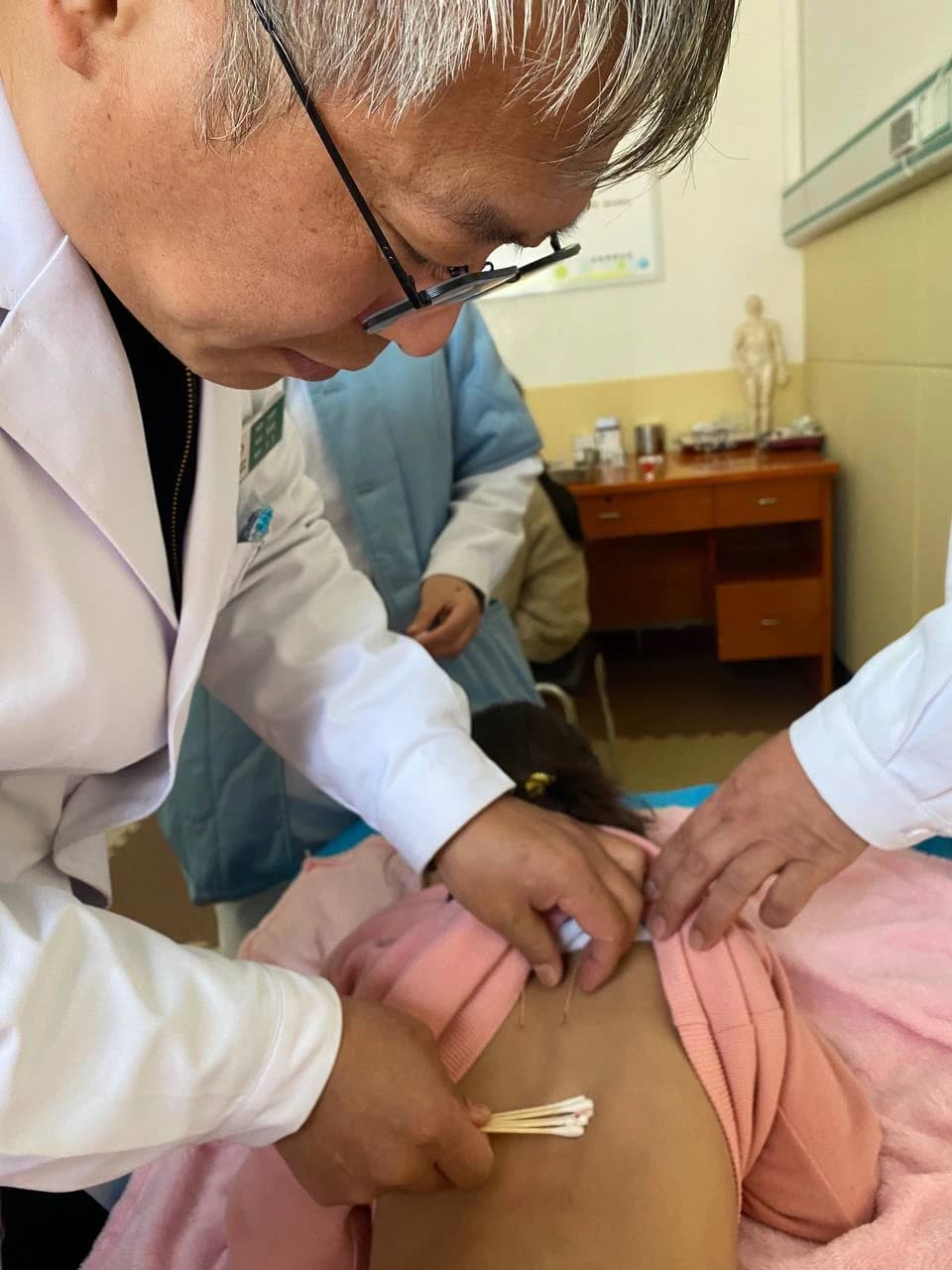
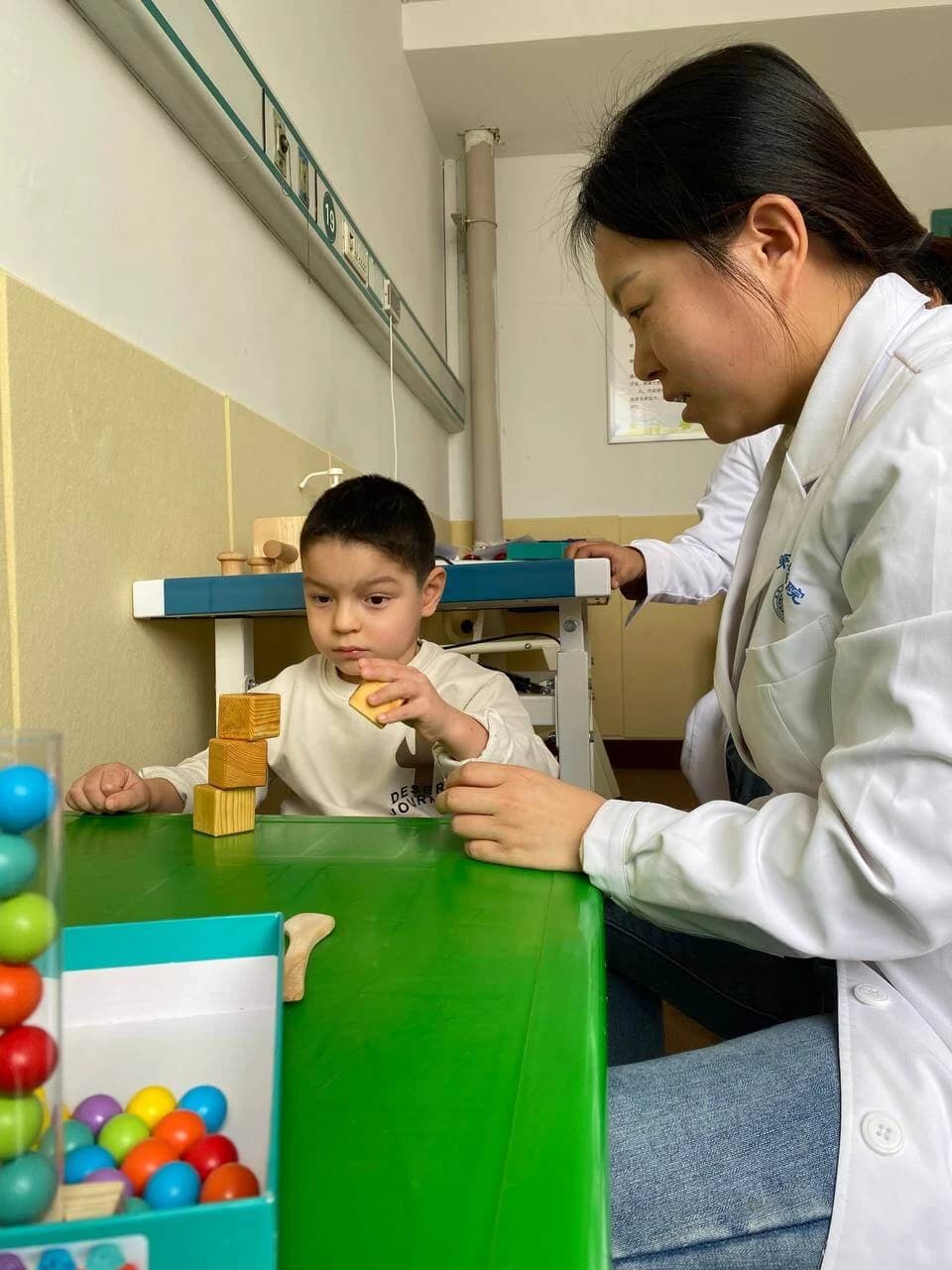
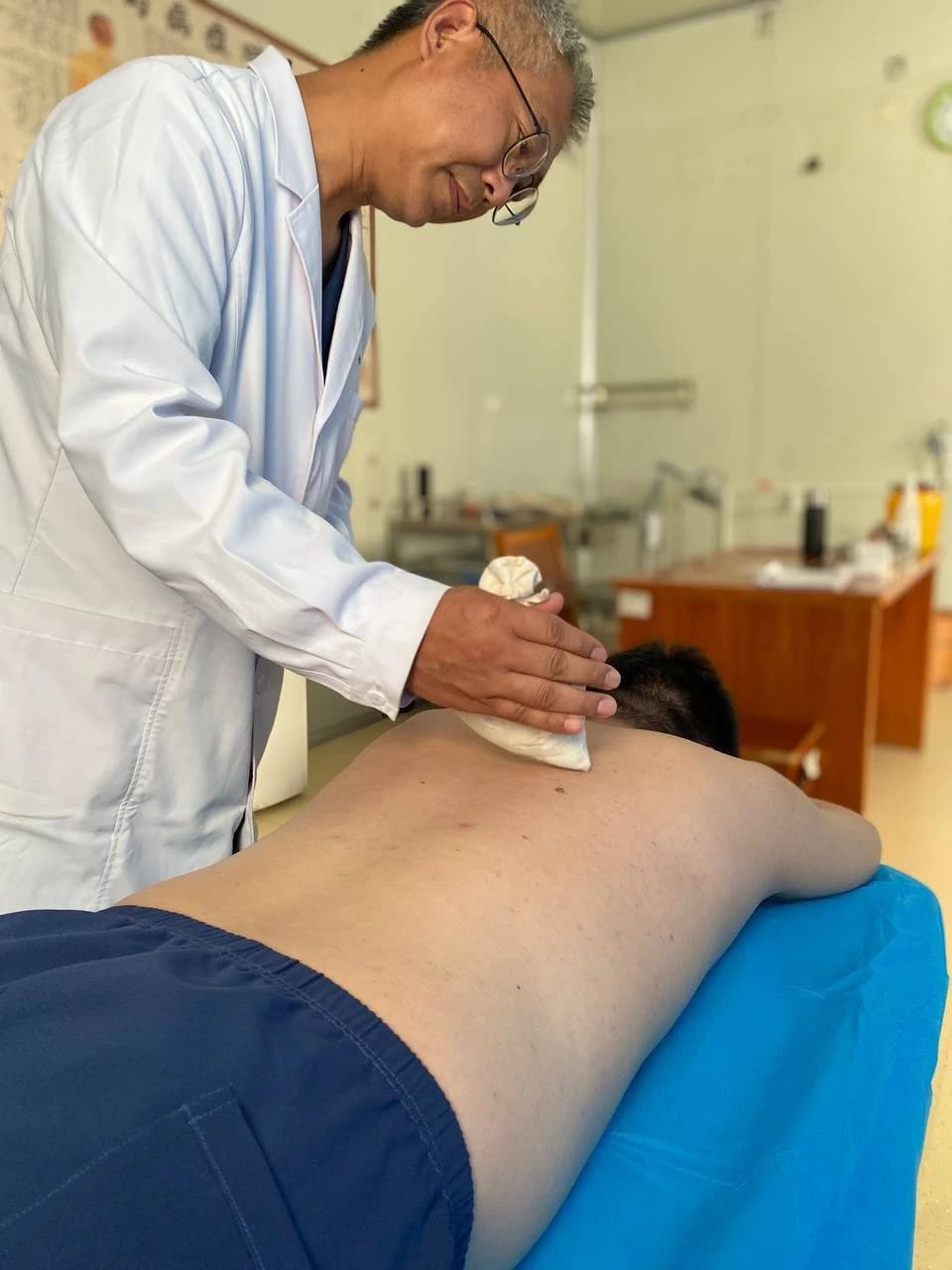
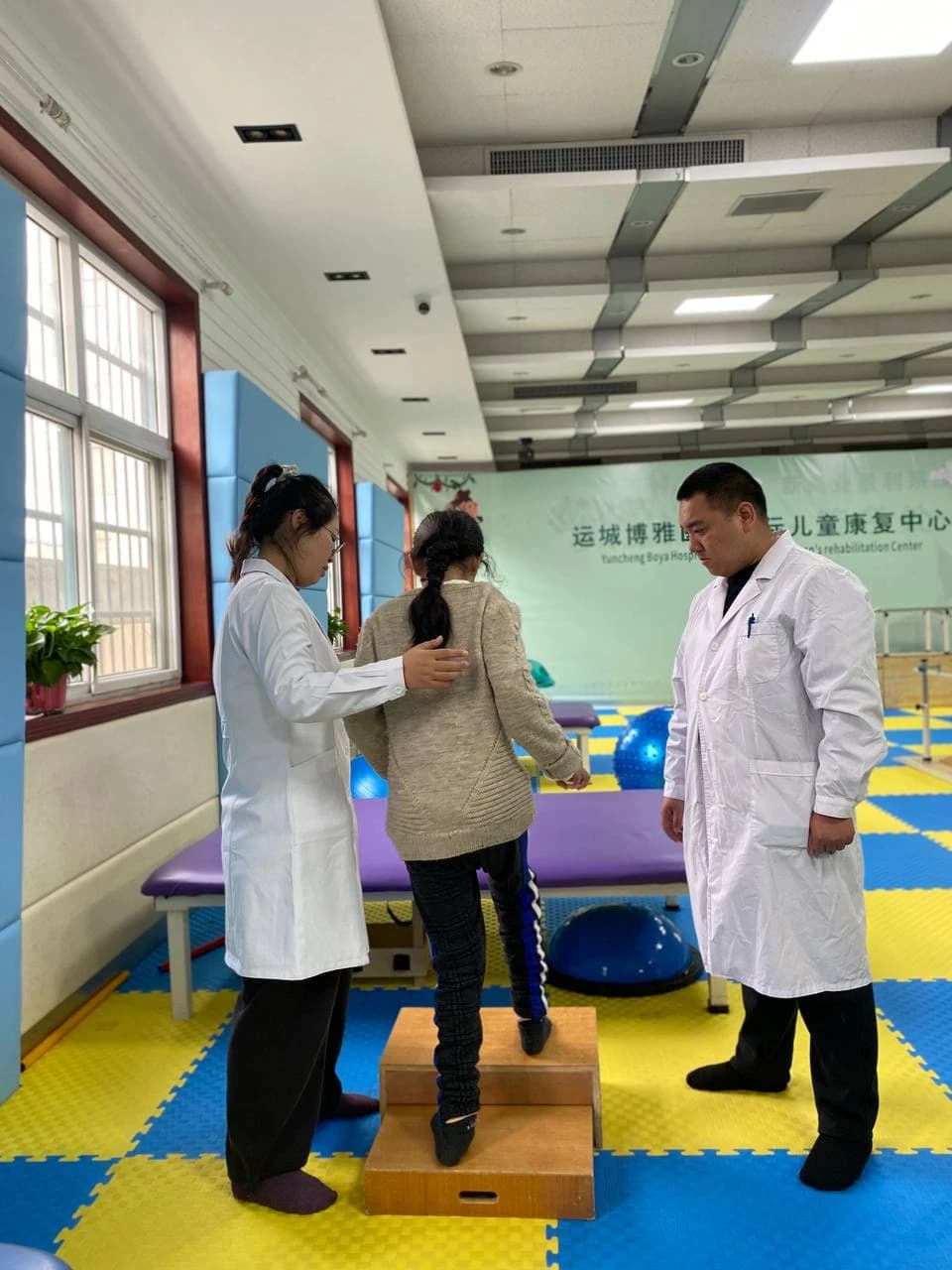
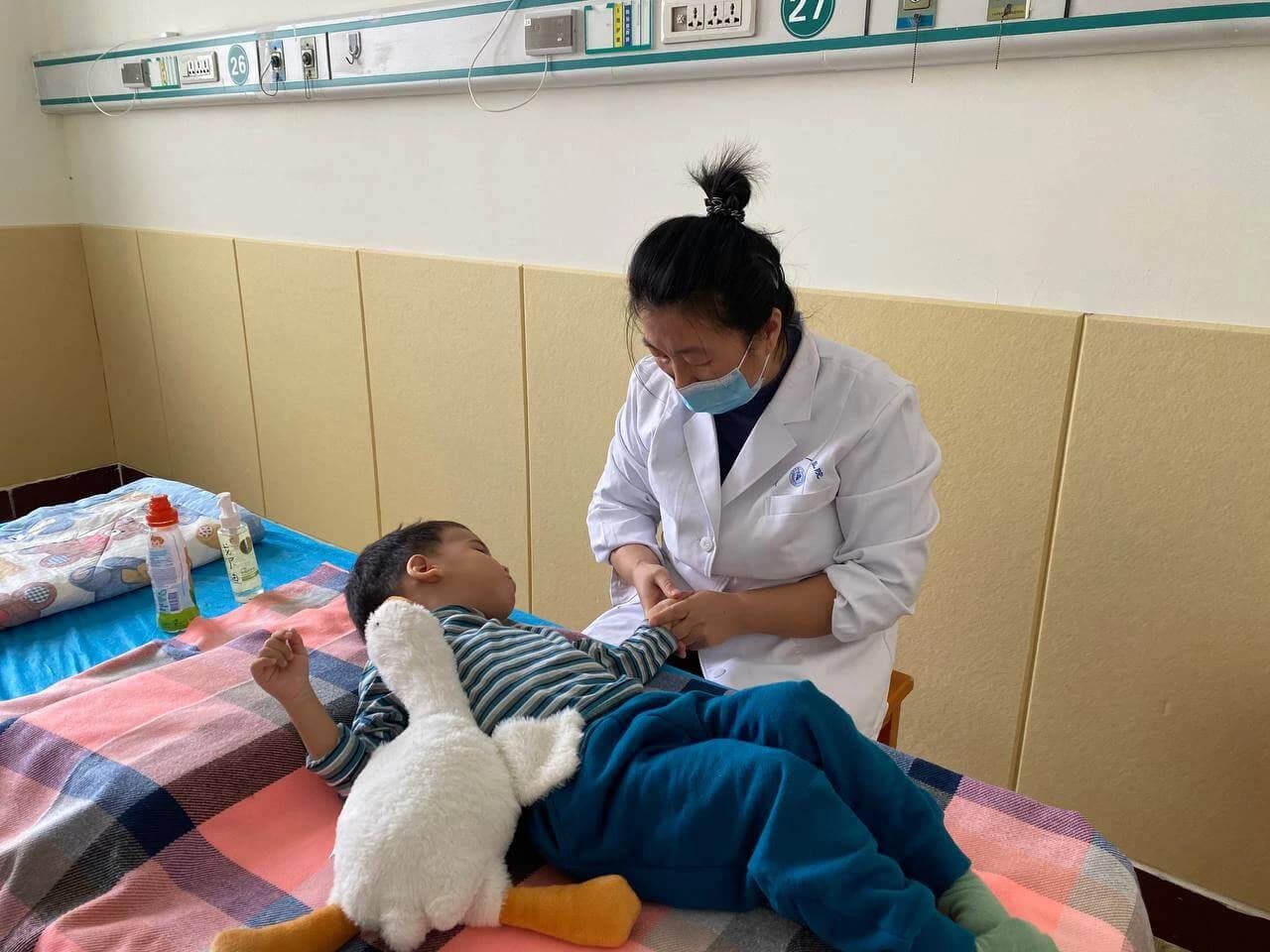
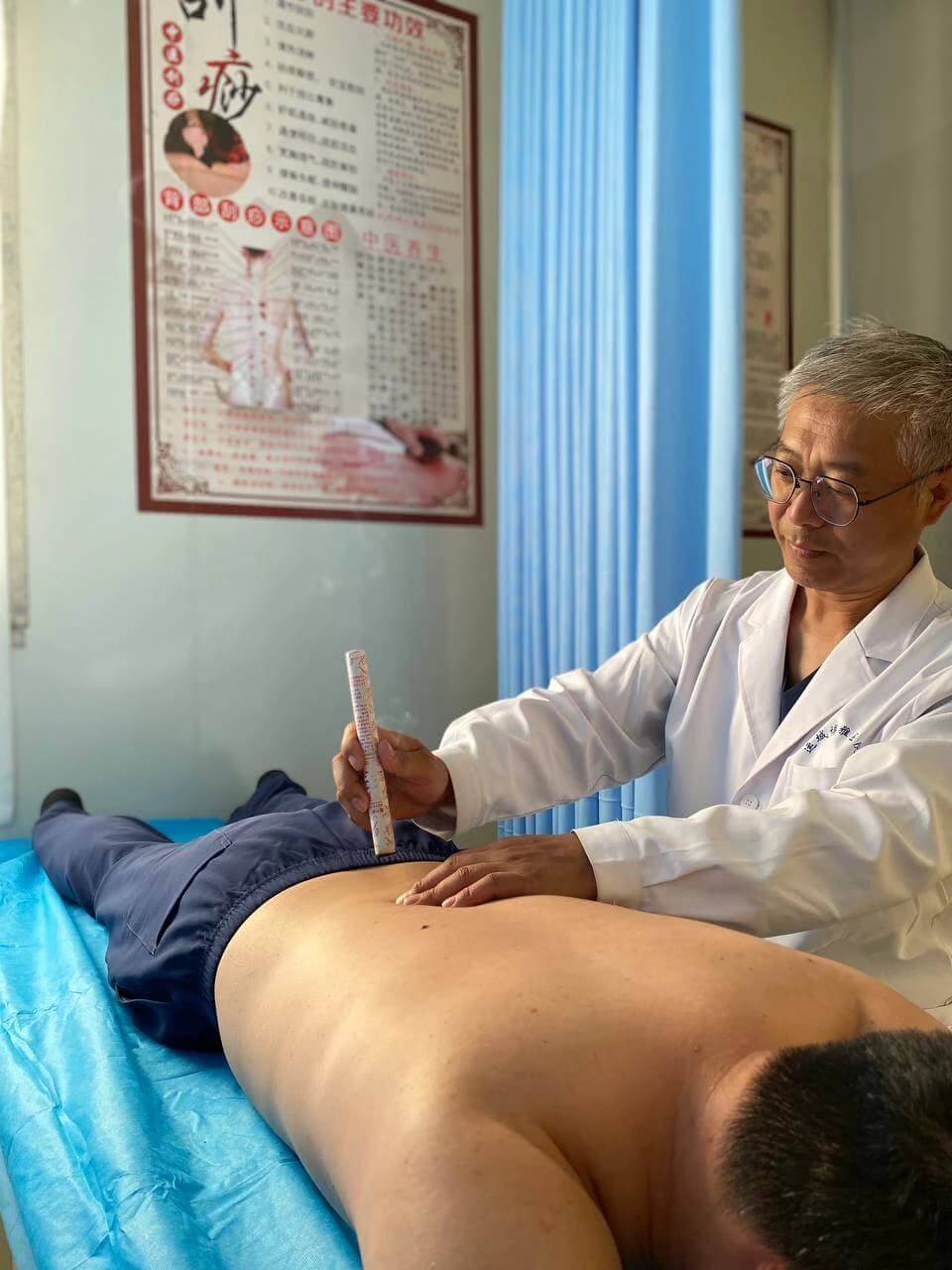
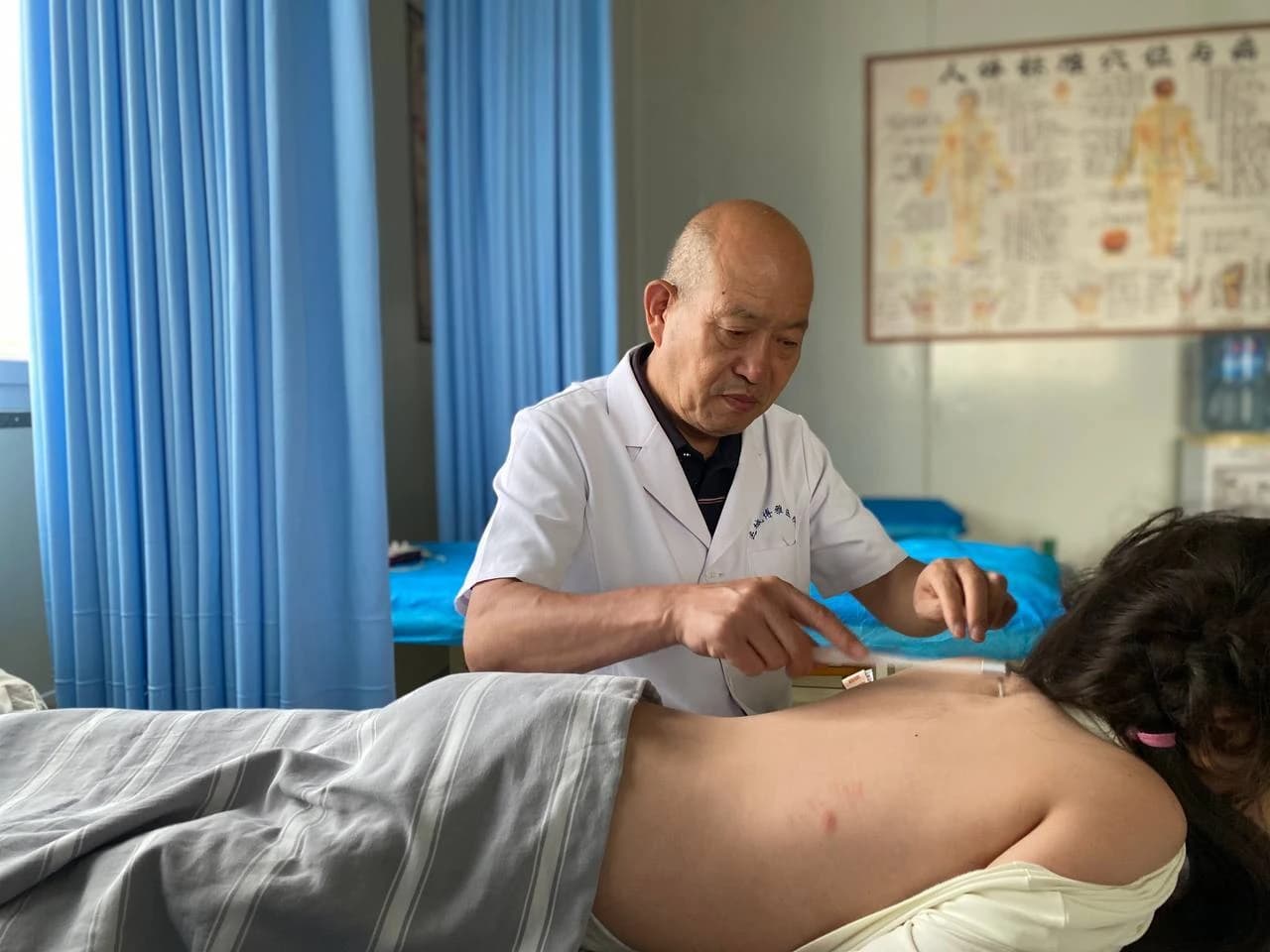
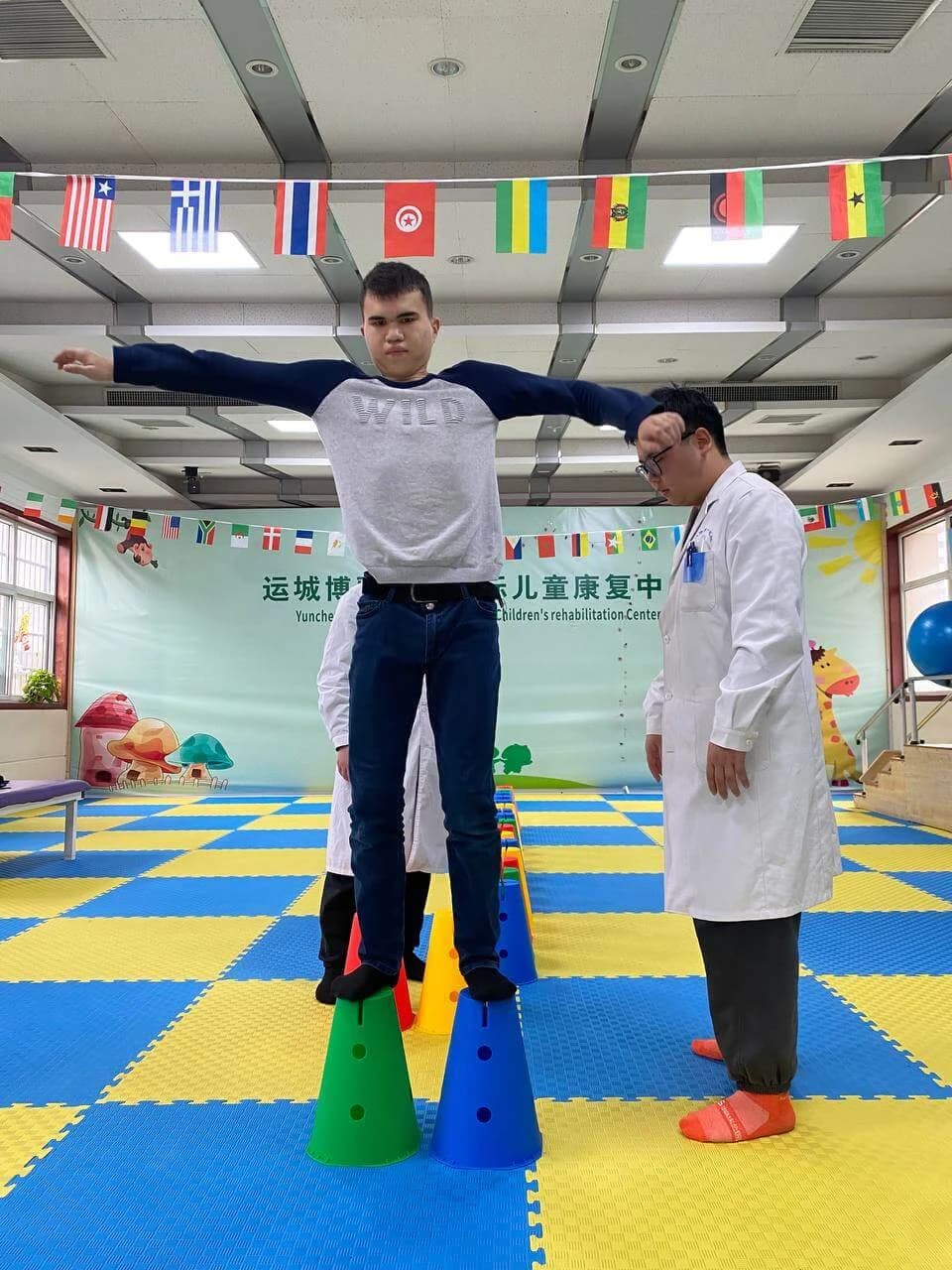
Boya Hospital (Yuncheng, Shanxi Province) addresses anxiety not as a separate diagnosis but as part of the child's overall picture, within pediatric neurological rehabilitation. The course runs at an intensive pace — 6–9 sessions a day, 6 days a week — and that pace itself is built to be predictable: the same specialists, a familiar sequence of procedures, a clear schedule. The program includes sensory integration (working with overload from sound, touch, and movement), occupational therapy and exercise therapy, pediatric Tui Na massage, acupuncture, moxibustion therapy, and herbal compresses — procedures that release muscular and emotional tension. The exact program is selected by the doctor.
What a course actually changes
An honest framing: rehabilitation does not remove fears and does not replace help from a specialist doctor if the child's condition is severe. It does something else — it lowers background overload, builds a clear daily rhythm, and gives the child an experience of success: yesterday this room was frightening, today it is familiar; here is a procedure they got through; here is a skill that worked out. Calm is built from small steps like these — gradually, without pressure and without forcing the pace. That is exactly why the recommended course length is 2–3 months.
How to start
Send us your child's documents — medical records, neurologist's reports, test results — and describe in your own words how the anxiety shows itself at home and what makes it worse. The hospital's doctor will review them and tell you what a course can realistically offer in your case. The document-based consultation is free and there is no prepayment: you pay on site and only for what your child has actually received.
Causes
In children, anxiety rarely appears out of nowhere. More often it grows out of overload: the child struggles to process sounds, touch, and a stream of impressions, cannot predict what comes next, and cannot put into words what is wrong. This is not a whim and not the result of poor parenting.
Symptoms
The child avoids new places, people, and activities, clings to familiar routines, and reacts strongly to any change. Anxiety often speaks through the body: difficulty falling asleep, restless sleep, refusing food, complaints of stomach ache.
Diagnostics
There is no single test for anxiety — assessment rests on observation: in which situations anxiety switches on, what makes it worse, and what calms it down. It is important to rule out physical sources of discomfort: pain, lack of sleep, reduced hearing or vision.
Prognosis and rehabilitation approach
Childhood anxiety responds well to predictability and gentle body-based work. The goal of a course is to lower background overload, give the child a clear daily rhythm, and provide an experience of success in new situations. This is not getting rid of fears in a month, but a gradual widening of the zone where the child feels calm.
How rehabilitation works
Diagnostics
Comprehensive examination and patient assessment by an international team of specialists
Rehabilitation plan
Development of an individual rehabilitation program considering diagnosis specifics
Therapy
Intensive course of procedures: physical therapy, massage, physiotherapy, acupuncture and other methods
Results
Progress evaluation, home recommendations and maintenance therapy plan
Rehabilitation procedures: Anxiety and Fears
Frequently asked questions: Anxiety and Fears
Book a free consultation
Send us the medical records and a short video — Boya doctors will review the materials and tell you how they can help. A coordinator will get back to you within 5 minutes.