Rehabilitation for Coordination at Boya Clinic
Boya Hospital in Yuncheng admits children with coordination and balance disorders — when a child falls often, stands unsteadily, and moves imprecisely. The program is intensive: 6–9 sessions a day, 6 days a week; sensory integration and exercise therapy are combined with apparatus physiotherapy and Traditional Chinese Medicine methods. The recommended course is 2–3 months, with payment on site and no prepayment.
What is Coordination and Balance Disorders?
Coordination and balance make up the ability to control the body: to hold a posture, aim the hand accurately, move the feet in time. A whole chain is responsible for this: the cerebellum, the vestibular system of the inner ear, vision, and the sense of one's own body — proprioception. If even one link works less well, the child starts falling out of nowhere, walks with the legs wide apart, misses when reaching for objects, and looks awkward. Parents often put this down to temperament and age — but clumsiness can have a neurological cause, and it is worth checking.
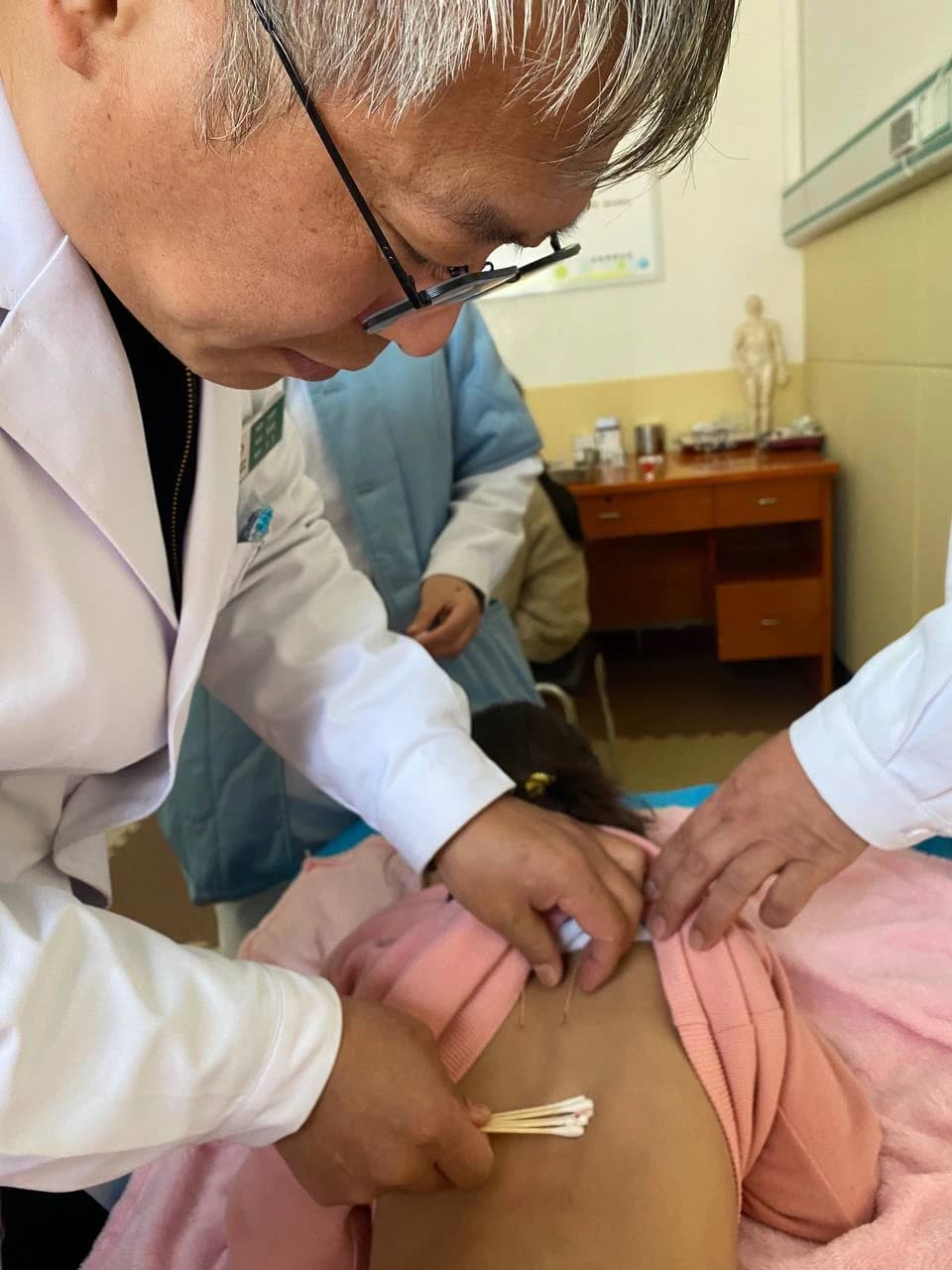
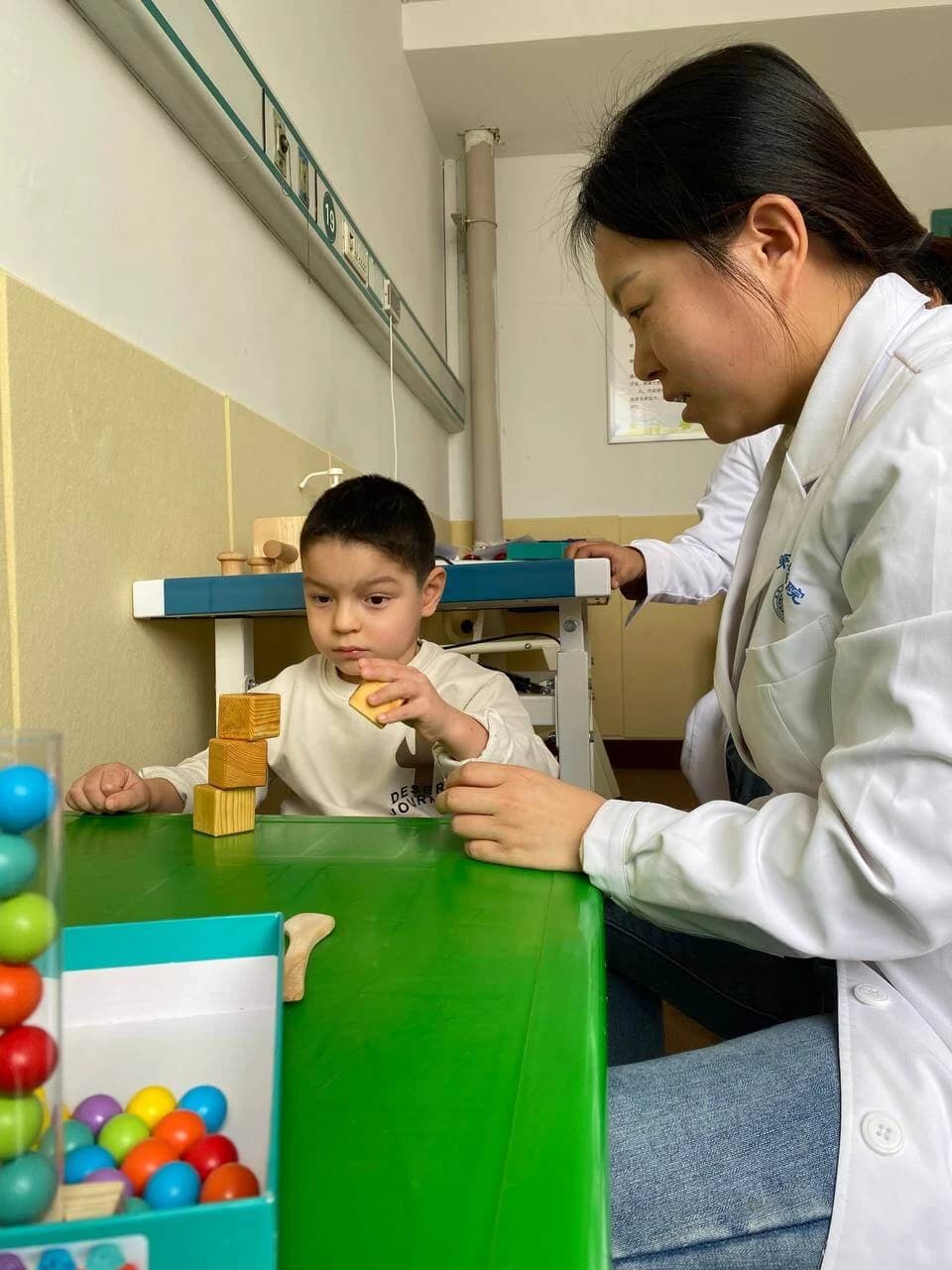
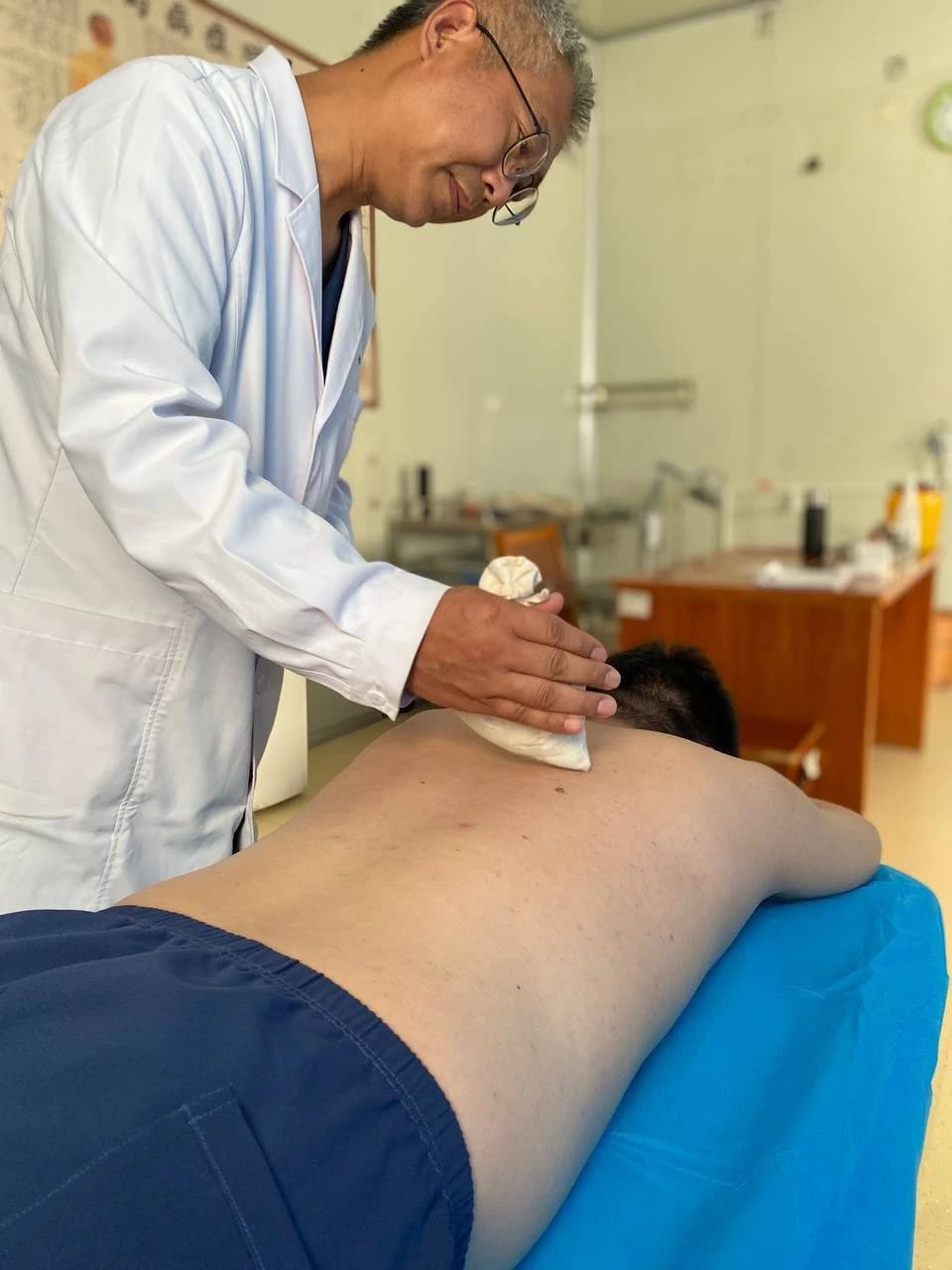
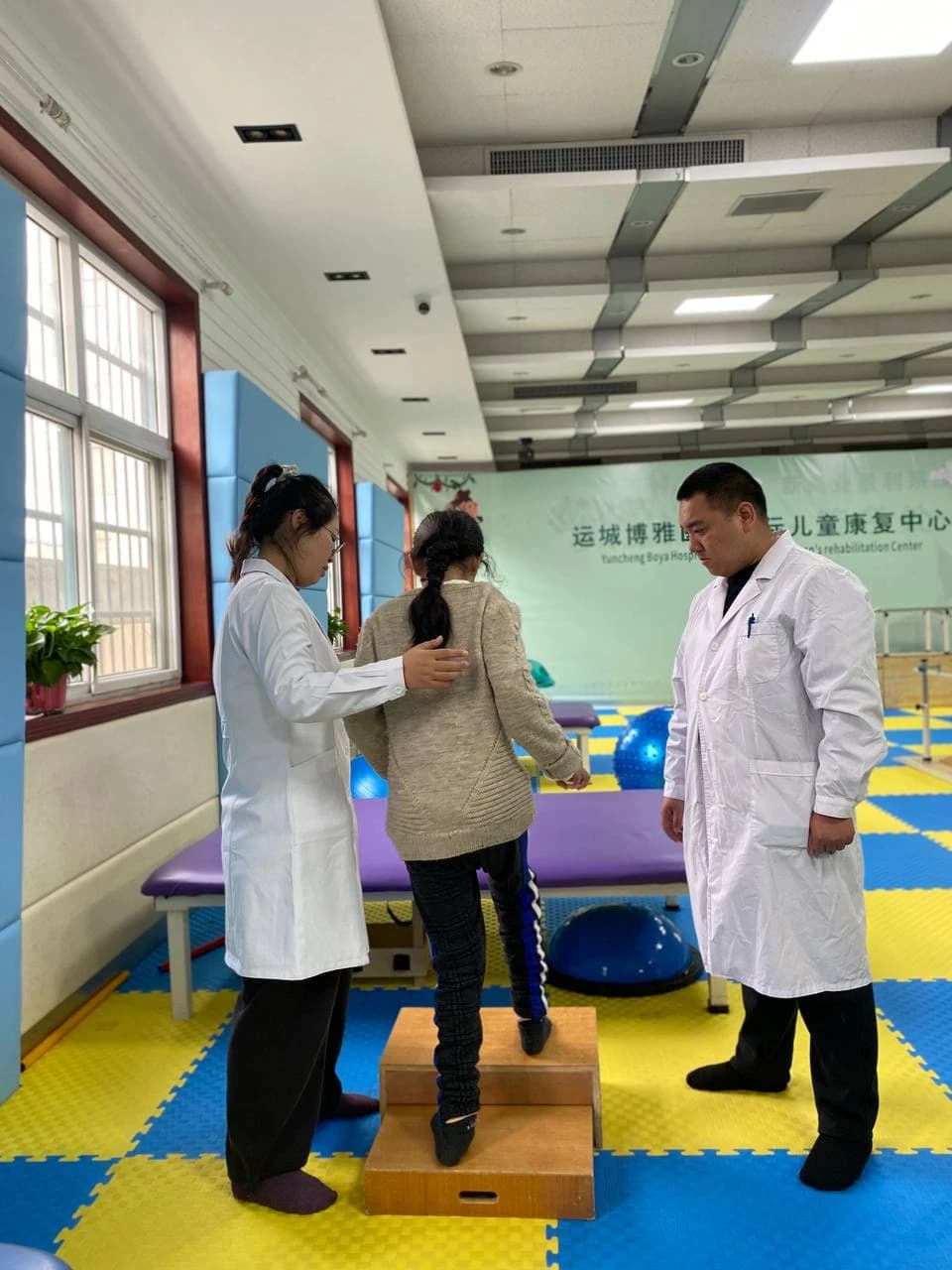
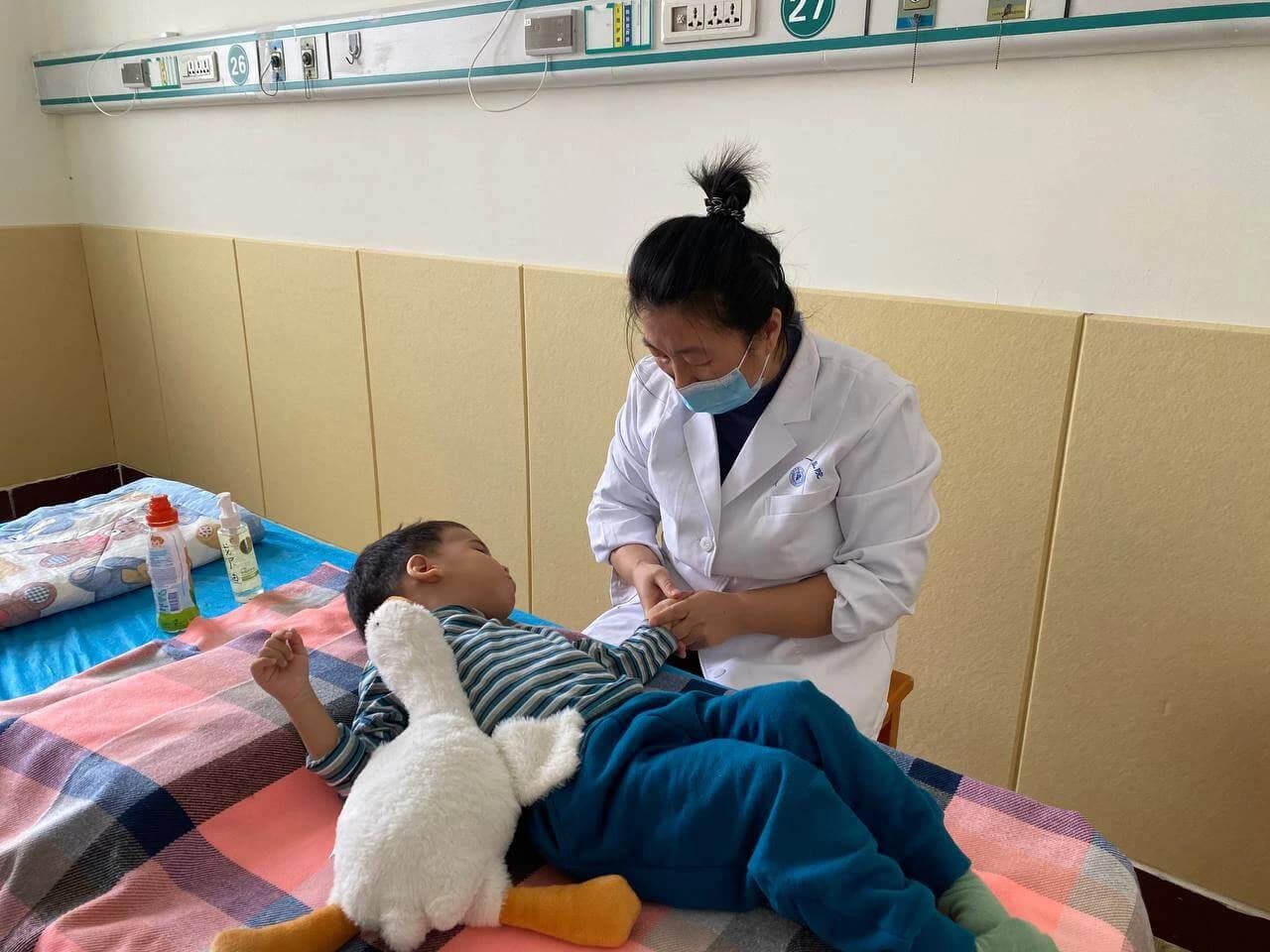
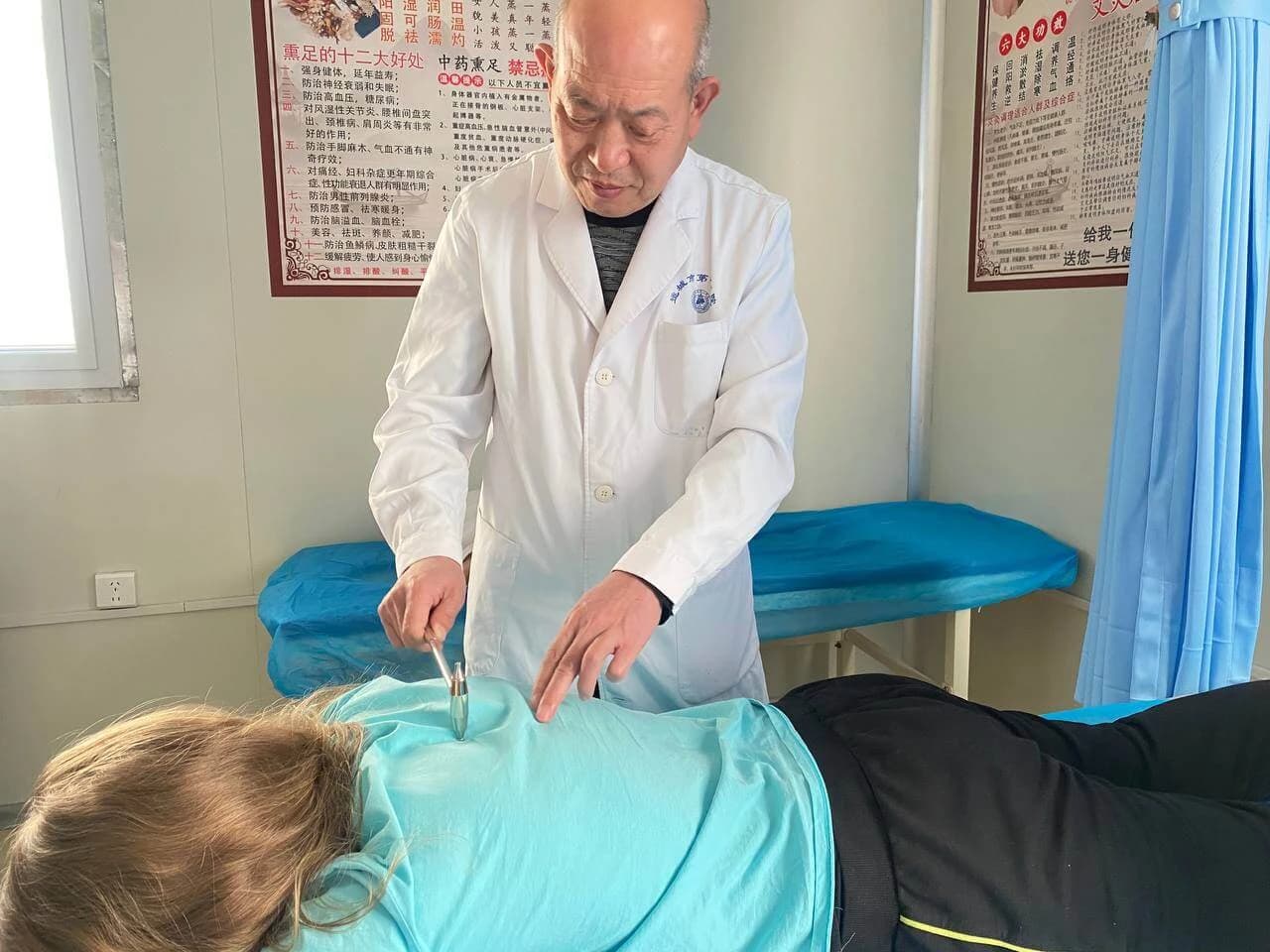
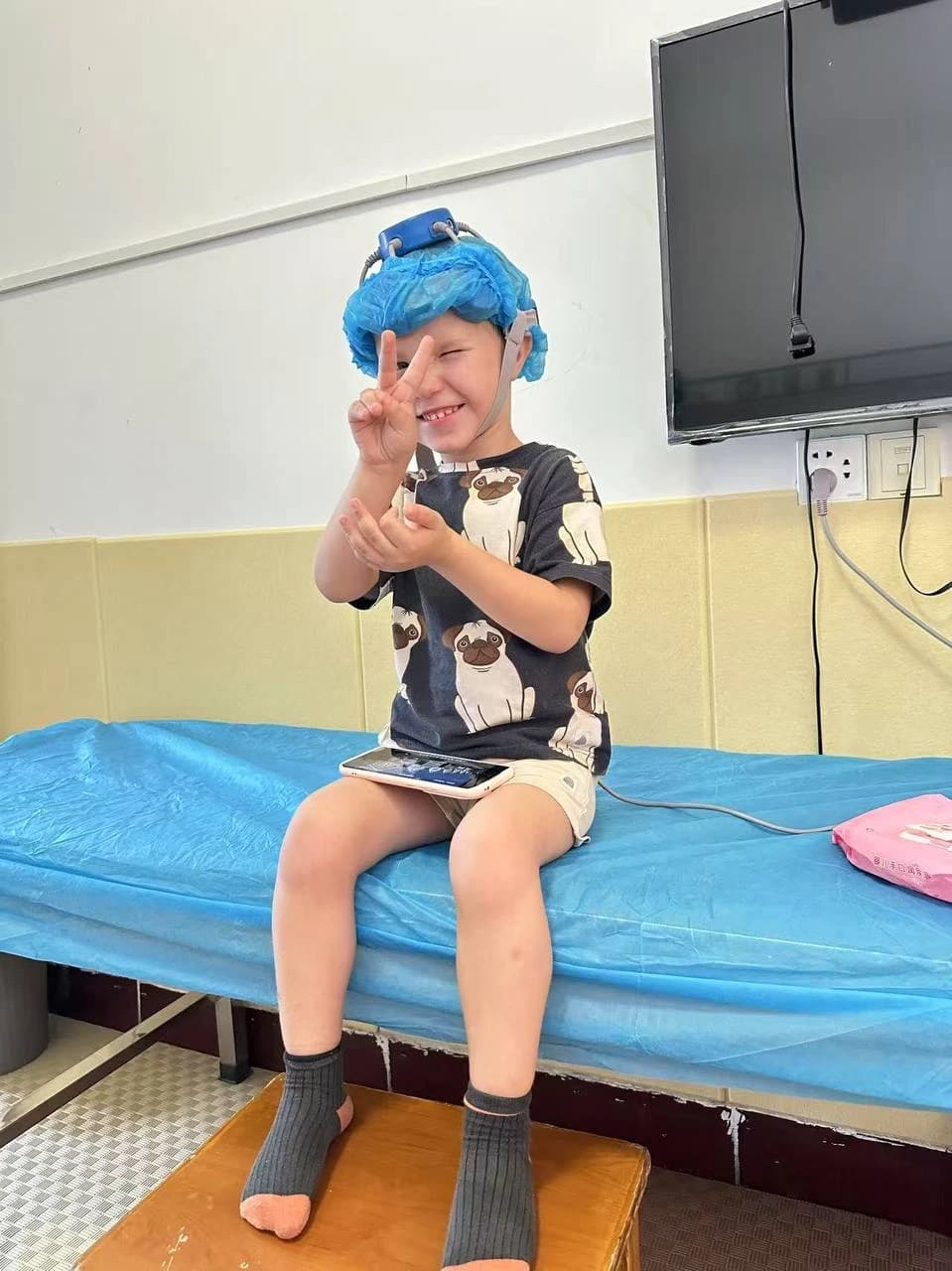
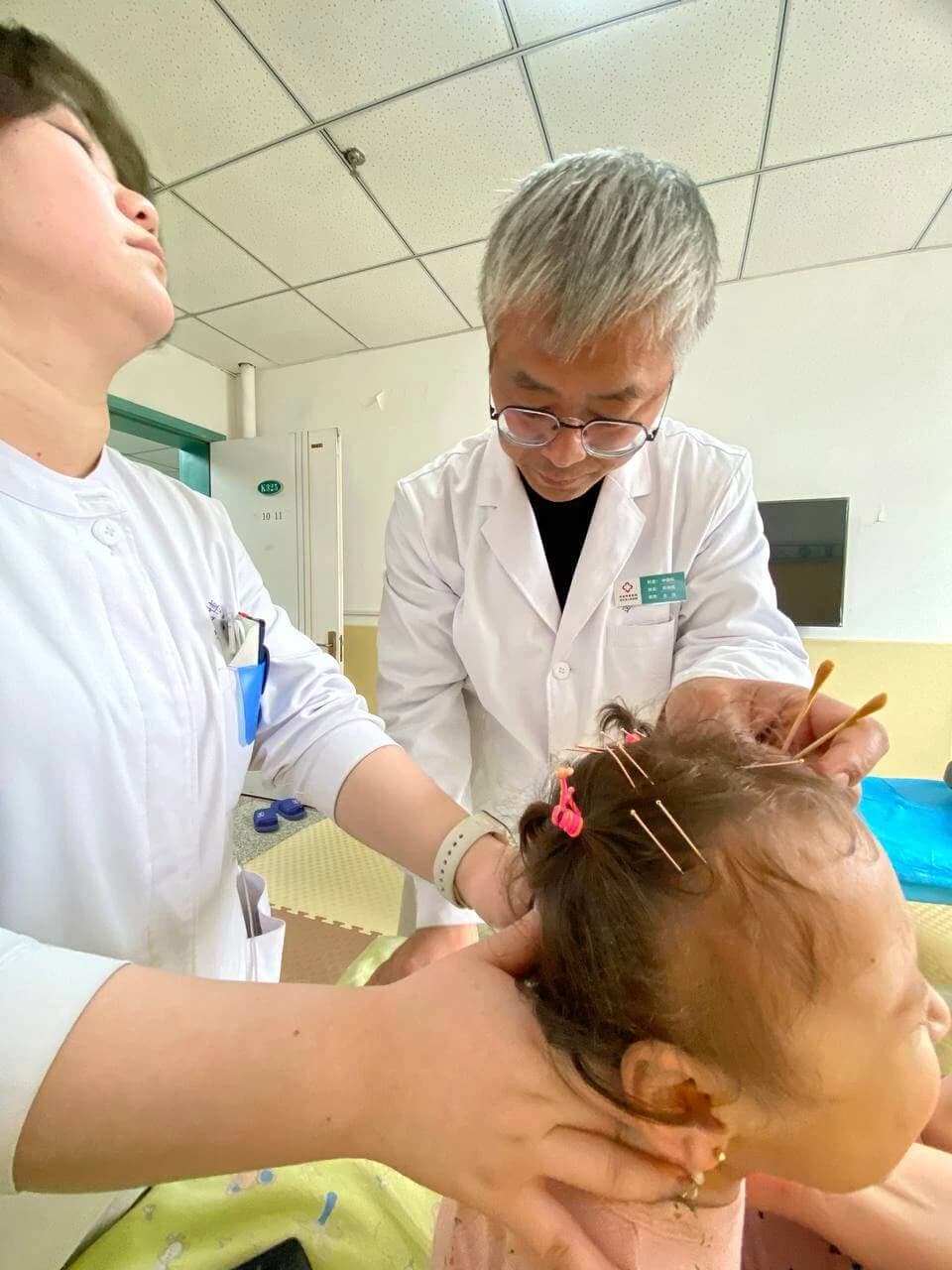
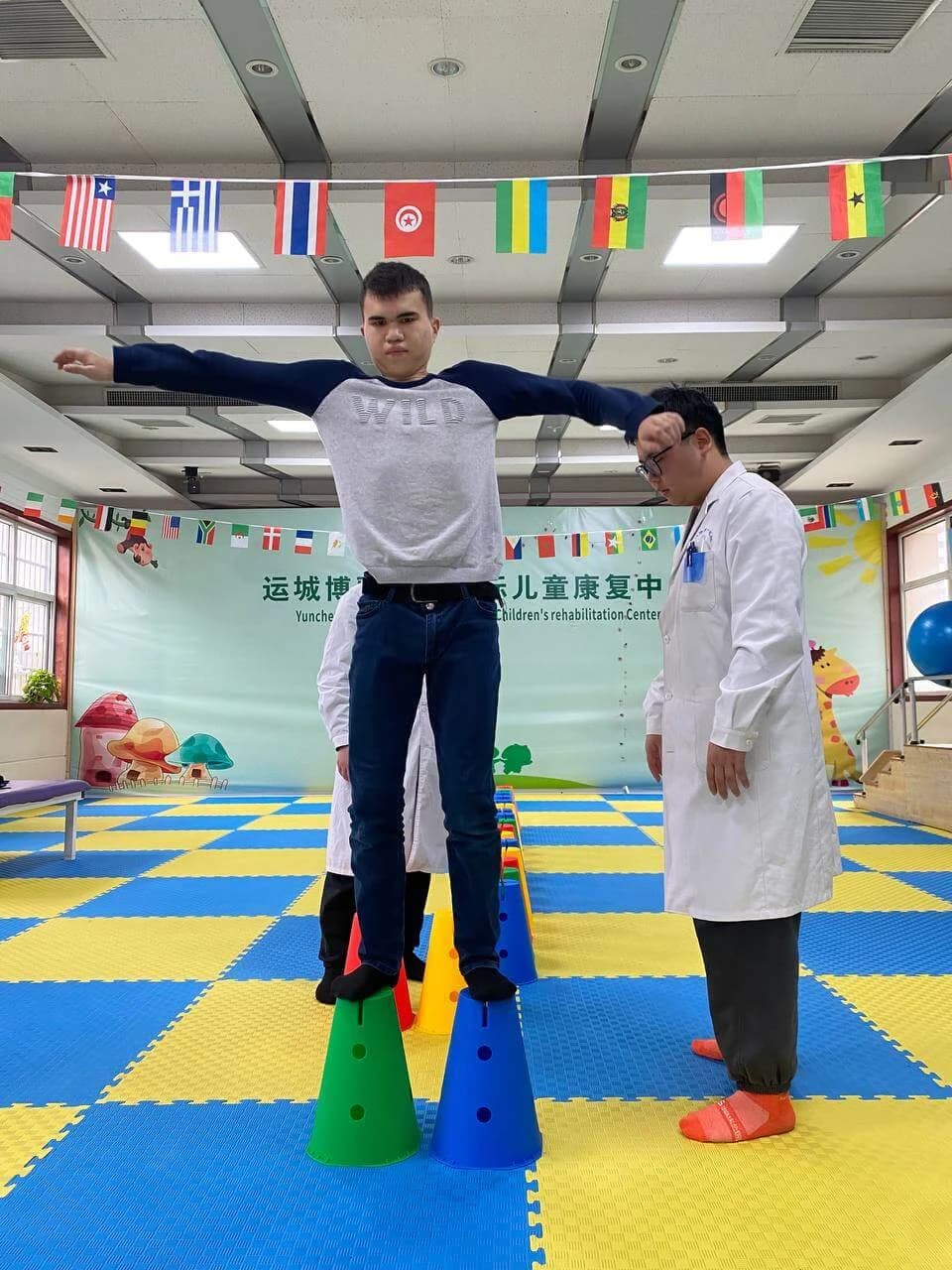
At Boya Hospital (Yuncheng, Shanxi Province), coordination is addressed within the center's core focus — pediatric neurological rehabilitation. Before the start, the doctor assesses stability, gait, tone, and trunk muscle strength. The core direction of the program is sensory integration: play-based sessions on swings, trampolines, and balance boards, and with tactile materials, teach the brain to process signals about body position more accurately. These are complemented by exercise therapy with posture and balance work (Bobath, Vojta, CME methods), apparatus physiotherapy, occupational therapy, and Traditional Chinese Medicine methods — acupuncture, scalp acupuncture, Tui Na massage. The schedule is intensive: 6–9 sessions a day, 6 days a week.
When it is time to see a specialist
Many children go through a clumsy phase of growth, and that is normal. But some signals are best not left to time: the child falls without an obvious reason and this does not fade with age; after ages 4–5 cannot stand on one leg; visibly lags behind peers in active play and avoids it; is afraid of stairs and uneven surfaces. A decline deserves separate attention: if the child used to move more confidently and has become worse, see a neurologist without waiting. The doctor will work out where the cause lies — in the cerebellum, the vestibular system, sensory processing, muscle weakness, or vision.
What matters for parents
Balance is a skill, and skills are built through repetition. The brain learns to hold the body through experience: rocking, changing surfaces, moving with the eyes closed, walking on uneven ground. That is exactly why the recommended course is 2–3 months with sessions 6 days a week: over this time a lasting shift appears rather than a one-off improvement. The result is measured in everyday life: fewer falls, more confidence on stairs, the child heading to the playground on their own. Send the documents — the document-based consultation is free, and there is no prepayment: you pay on site and only for what your child has actually received.
Causes
Balance depends on the chain of cerebellum — vestibular system — sense of one's own body. Problems arise when these structures are affected: the consequences of hypoxia and trauma, forms of cerebral palsy (especially the ataxic form), difficulties processing sensory signals. Weak trunk muscles and low tone also play a part.
Symptoms
The child walks with the legs wide apart, sways, trips often, and falls seemingly out of nowhere. Standing on one leg, going down stairs, or reaching accurately for an object is hard. Movements are sweeping and imprecise; the child avoids swings and slides — or, on the contrary, seeks out intense rocking.
Diagnostics
A neurologist runs coordination and stability tests and assesses gait, tone, and muscle strength. Where needed, MRI, an ophthalmologist's consultation, and a hearing check are ordered — vision and the inner ear are directly involved in keeping balance. Before the course, Boya carries out a functional assessment.
Prognosis and rehabilitation approach
Balance is a skill, and skills can be trained. The brain learns to hold the body through repeated experience: swings, balance boards, unstable surfaces, changes of position. The aim of the course is to make movements more precise and stable, reduce the number of falls, and give the child back the confidence to move.
How rehabilitation works
Diagnostics
Comprehensive examination and patient assessment by an international team of specialists
Rehabilitation plan
Development of an individual rehabilitation program considering diagnosis specifics
Therapy
Intensive course of procedures: physical therapy, massage, physiotherapy, acupuncture and other methods
Results
Progress evaluation, home recommendations and maintenance therapy plan
Rehabilitation procedures: Coordination and Balance Disorders
Frequently asked questions: Coordination and Balance Disorders
Book a free consultation
Send us the medical records and a short video — Boya doctors will review the materials and tell you how they can help. A coordinator will get back to you within 5 minutes.