Rehabilitation for Non-verbal at Boya Clinic
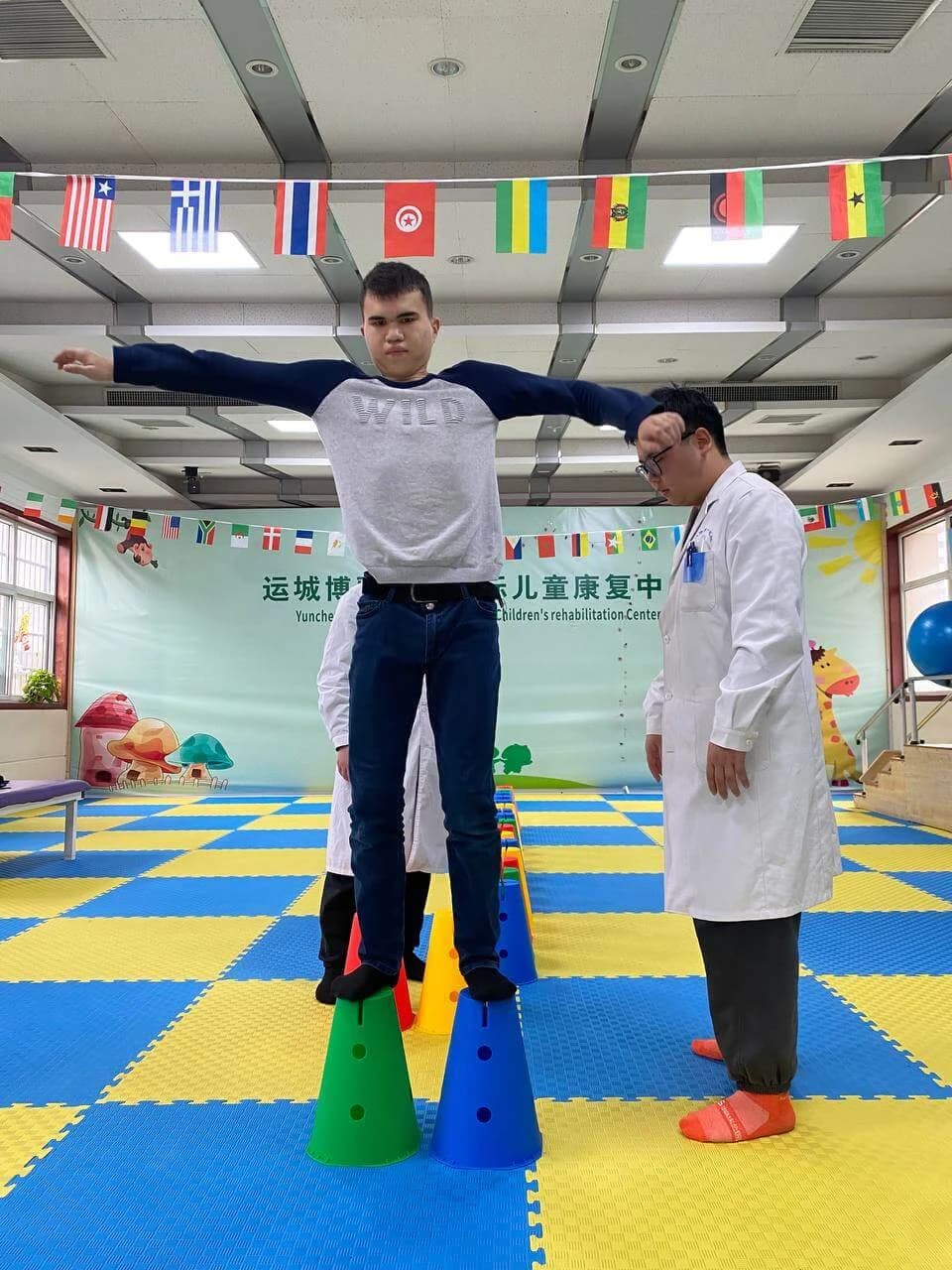
Boya Hospital in Yuncheng admits non-verbal and minimally verbal children to its pediatric neurological rehabilitation courses. Work begins not with words but with the desire to communicate and with comprehension: speech therapy is combined with sensory integration, occupational therapy, and Chinese medicine methods. There are 6–9 sessions a day, 6 days a week; the recommended course is 2–3 months, with payment on site and no prepayment.
What is Absence of speech?
Absence of speech is not a diagnosis but a state: the child does not speak at all, or gets by with a few words and sounds that are not enough for communication. Anything may lie behind it — autism spectrum disorder, alalia, hearing loss, the consequences of oxygen deprivation and birth trauma, a severe form of cerebral palsy with weakness of the articulatory muscles. So the first step is always the same: understand why the child is silent. The answer determines where the work begins.
One thing matters right away: non-verbal does not mean "does not understand". Many non-verbal children understand everyday requests perfectly well, distinguish intonation, and recognize loved ones — they simply have no way to answer. For others it is harder: comprehension lags too. These are two different situations calling for different approaches, and they must not be confused. At Boya Hospital (Yuncheng, Shanxi Province), before the course starts the speech therapist separately assesses comprehension, motivation to communicate, and the state of the articulatory muscles — and the program is assembled around that data.
Where to start when there are no words yet
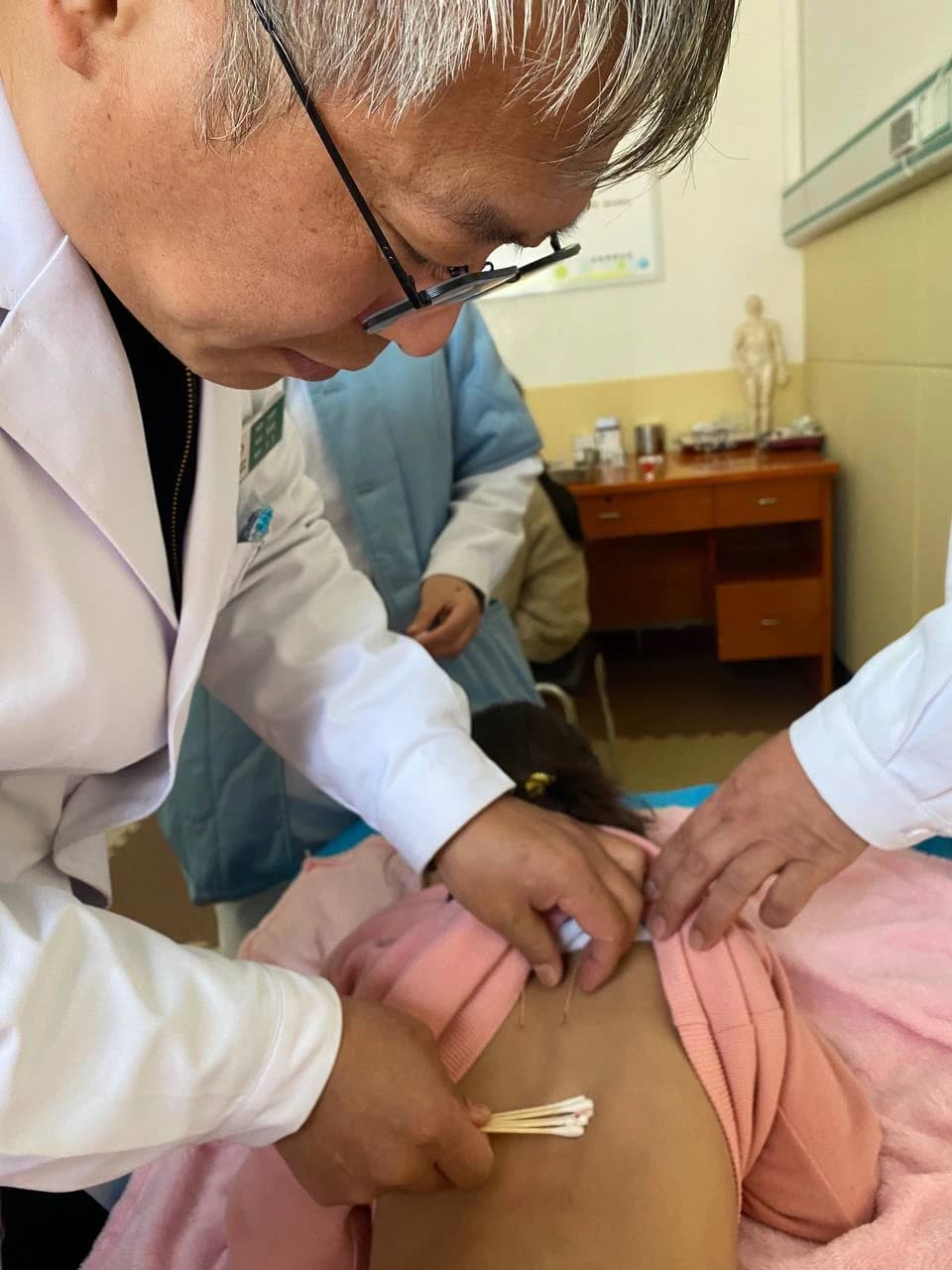
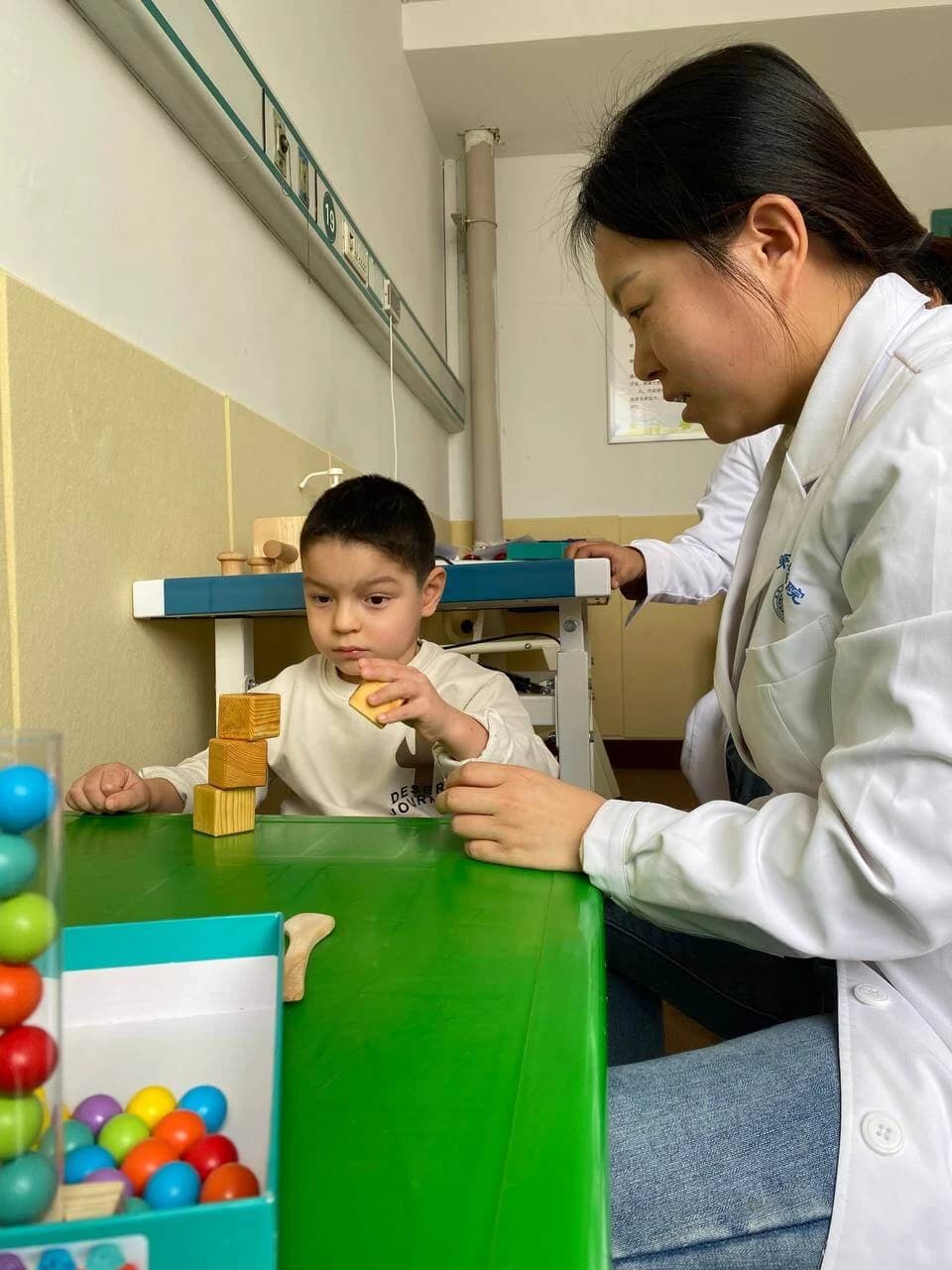
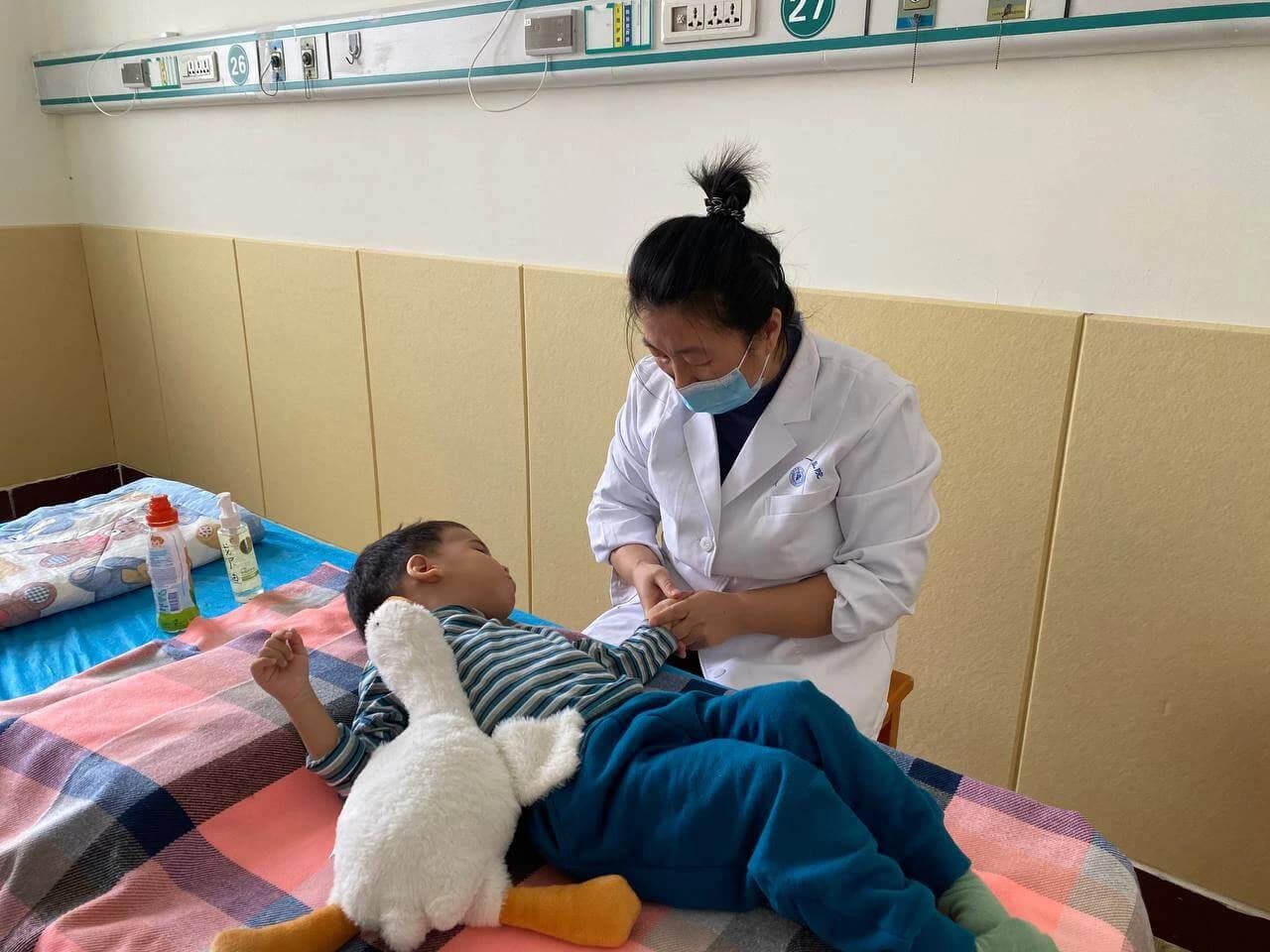
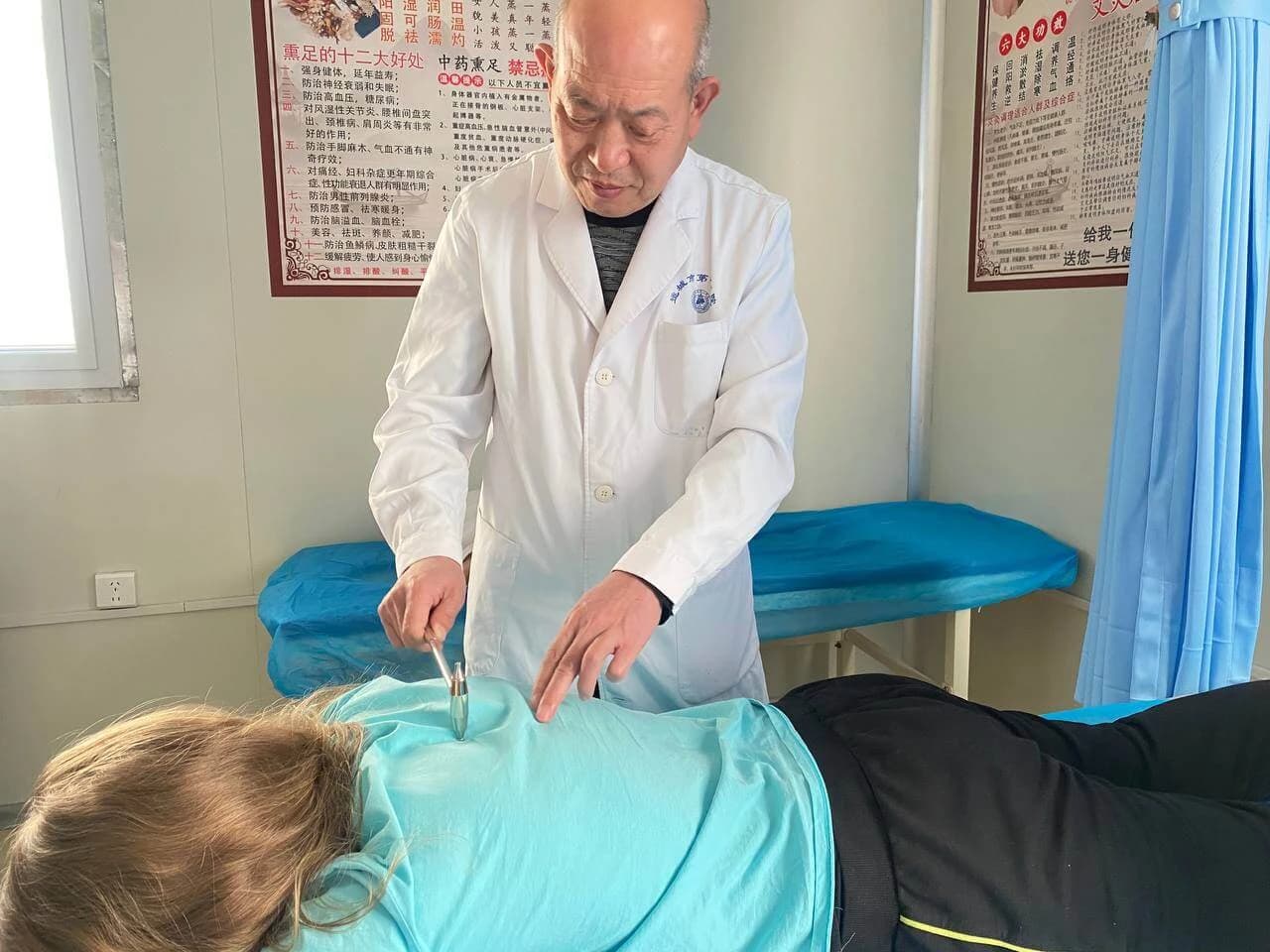
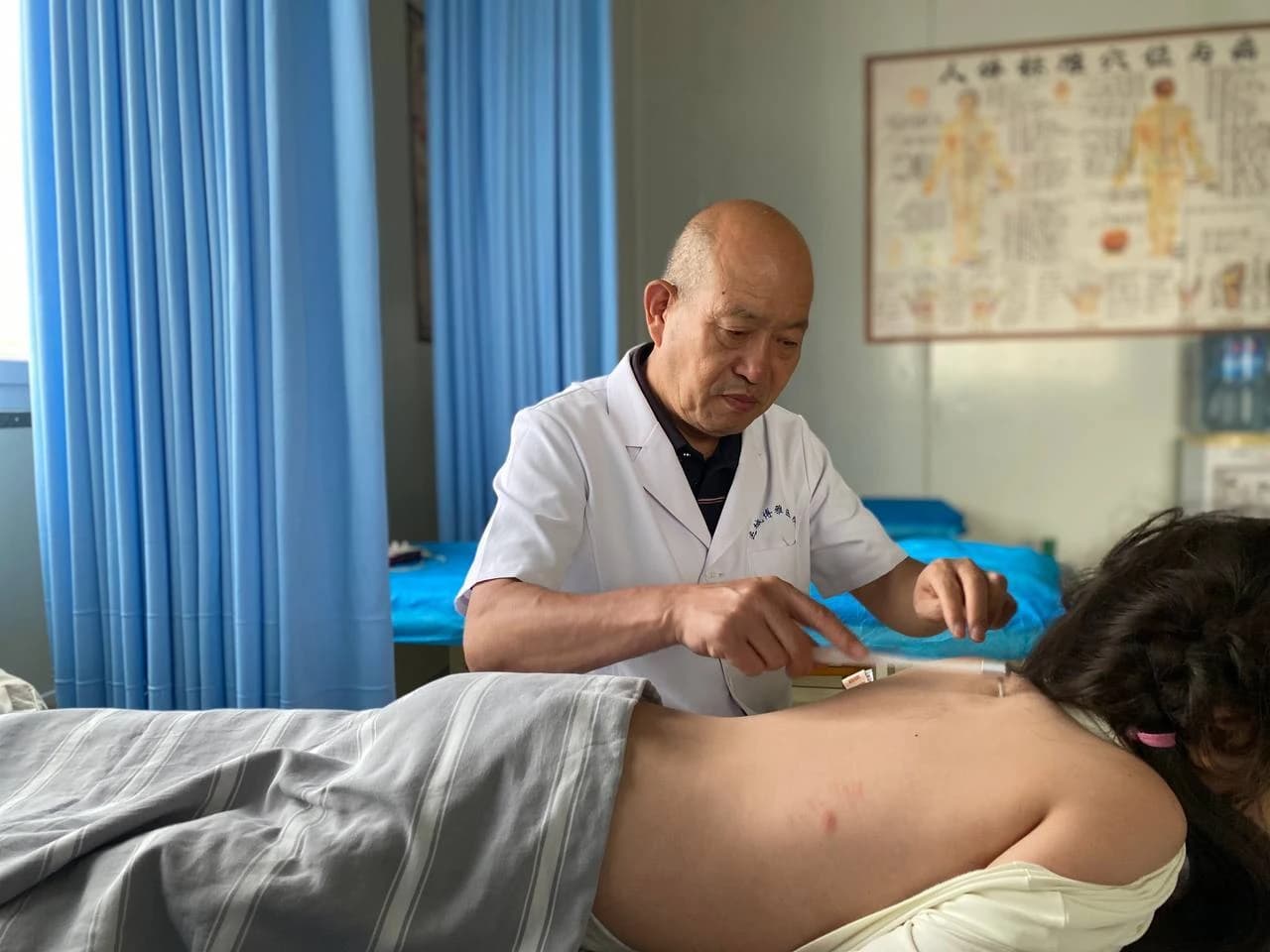
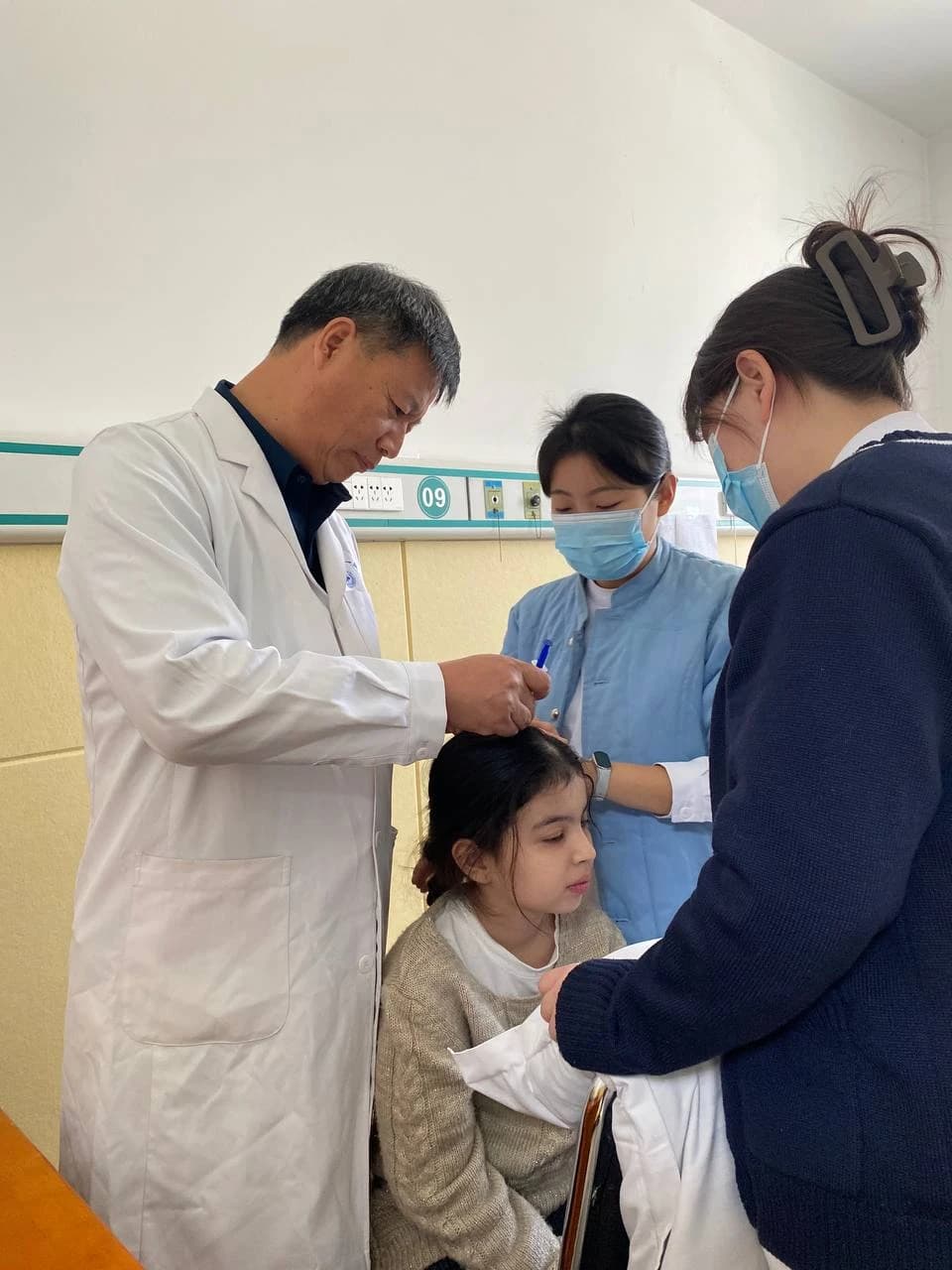
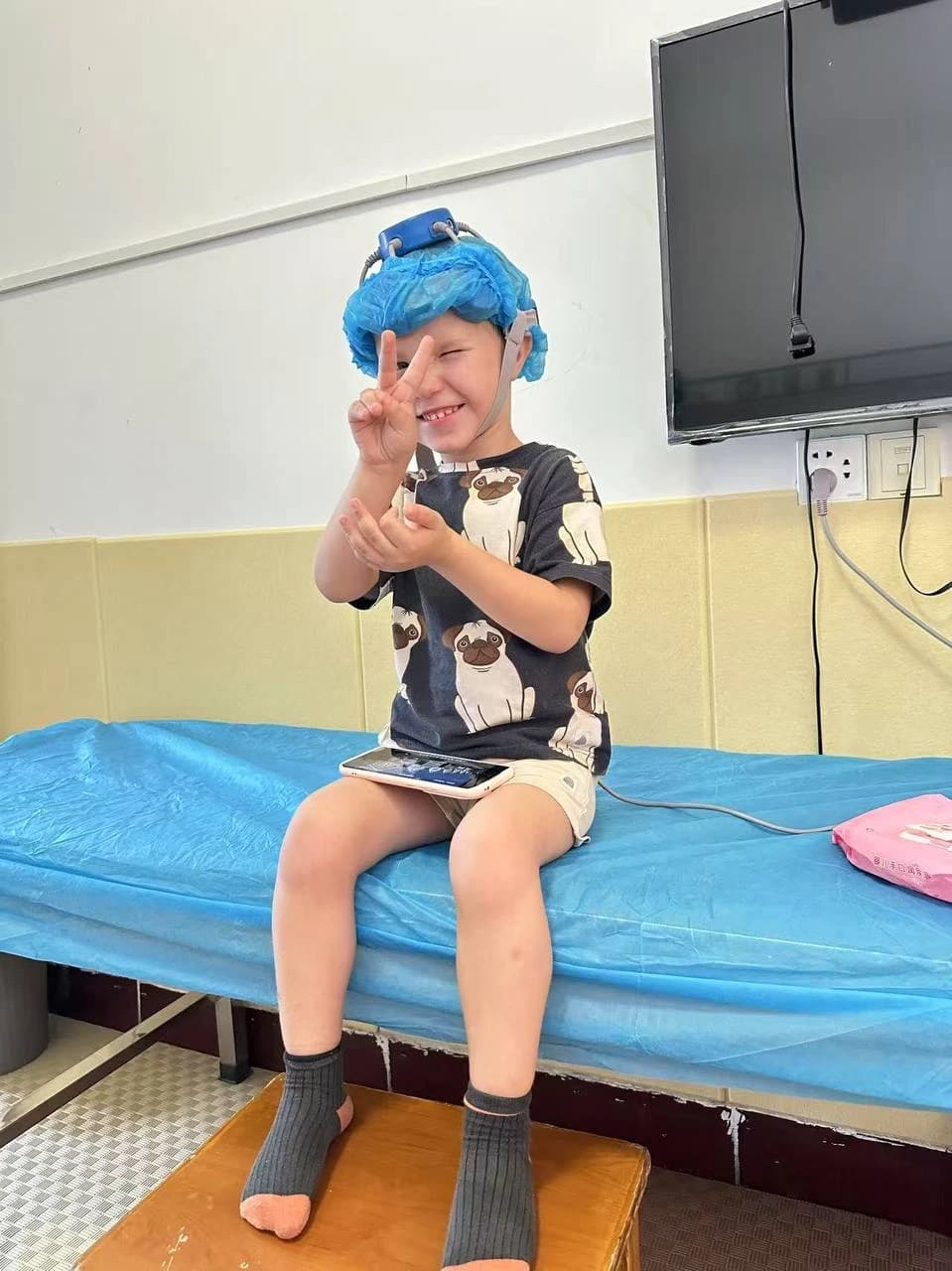
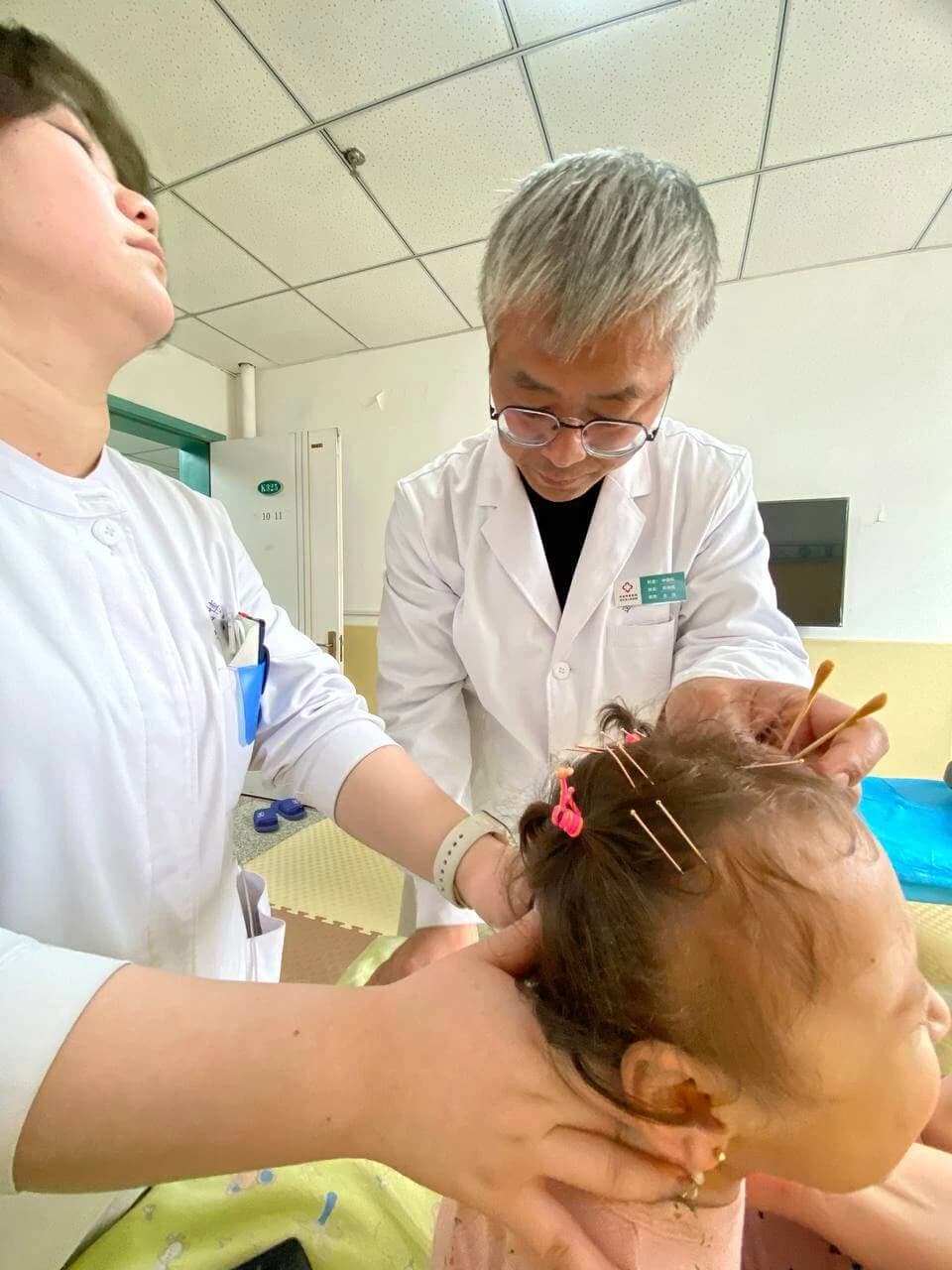
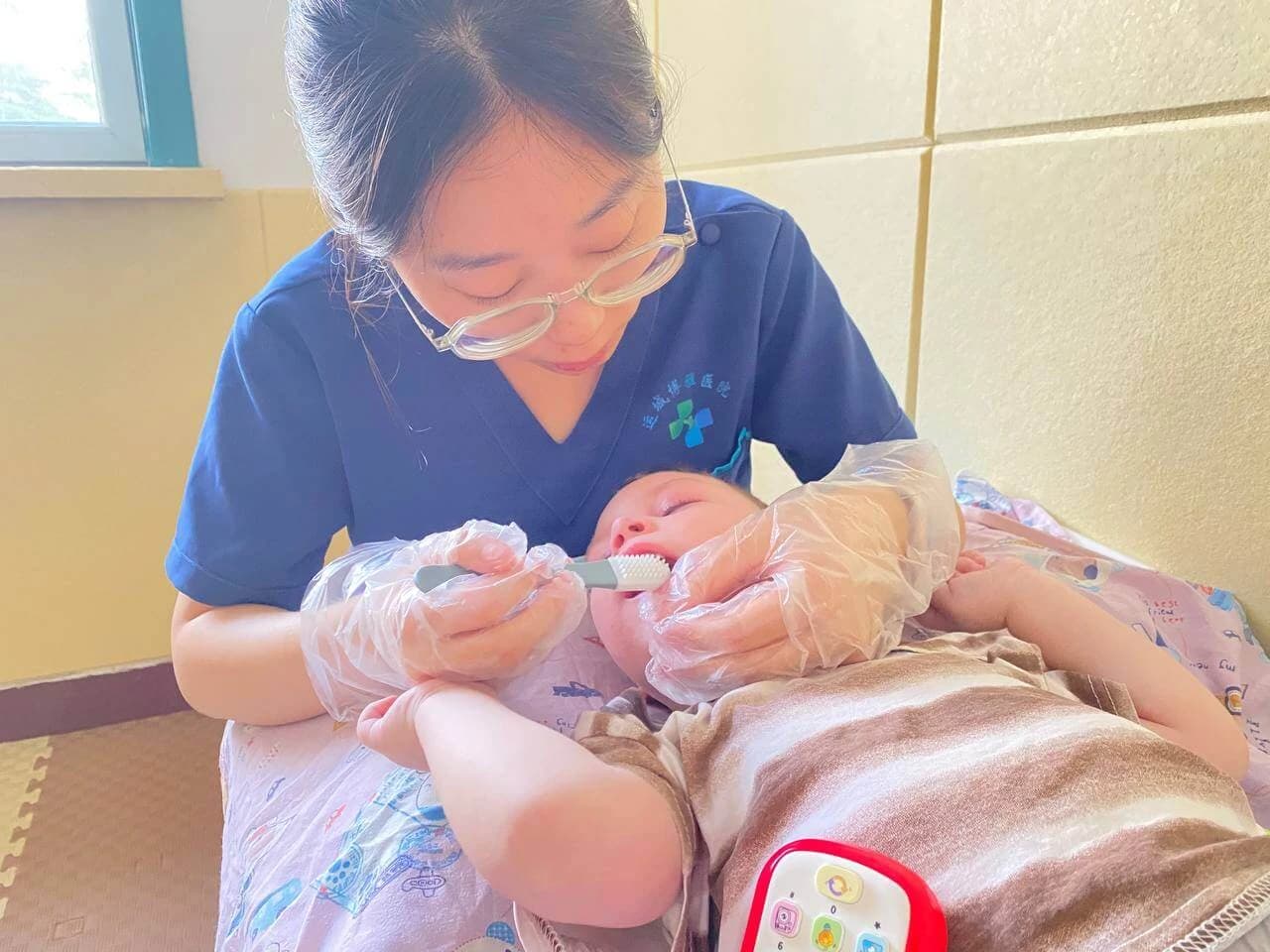
The course at Boya is built as an intensive: 6–9 sessions a day, 6 days a week. But the first goals are "pre-verbal". The speech therapist works toward a steady response to the child's name and to an adult, teaches the child to hold attention in shared play, to understand short requests, and to express a wish in whatever way is available — gesture, gaze, sound. In parallel, the physiological foundation of speech is prepared: breathing and the work of the lips, tongue, and jaw. Sensory integration and occupational therapy help the child tolerate the sessions and stay in contact. Traditional Chinese Medicine methods — acupuncture, scalp acupuncture (needling points on the head, used to activate the speech areas), pediatric Tui Na massage, pharmacopuncture, and meridian point stimulation — run together with the sessions, not instead of them. The exact program is determined by the doctor after reviewing the documents and examining the child.
What matters for parents
Honestly: no one can guarantee that a child will start talking — the prognosis depends on the cause of the silence, the child's age, and the regularity of the sessions. That is why the goals of the course are near-term and verifiable: steady attention, understanding of simple requests, first sound imitations and words, the ability to convey a wish. These are what show whether things are moving. The recommended length is 2–3 months: speech is not started by a single procedure but by accumulated daily experience of communication. Starting is simple: send your child's documents — reports from a neurologist and speech therapist, hearing test results, EEG and MRI if you have them. The document-based consultation is free, and there is no prepayment: you pay on site and only for what your child has actually received.
Causes
There are many reasons for silence, and they often overlap: autism spectrum disorder, alalia (speech does not form despite intact hearing and intellect), the consequences of oxygen deprivation and birth trauma, hearing loss, severe forms of cerebral palsy with weakness of the articulatory muscles. Each case has to be examined separately — the cause determines where to begin.
Symptoms
The child does not speak at all, or uses a handful of words and sound imitations, does not build phrases, and does not repeat after an adult. They communicate by gesture, gaze, or crying, and pull an adult by the hand toward what they want. Comprehension may be intact — or it may lag as well: these are fundamentally different situations, and telling them apart matters.
Diagnostics
Hearing is checked first — even moderate hearing loss blocks the emergence of speech. Then a neurologist, speech therapist, and psychologist look at what exactly has not developed: comprehension, motivation to communicate, work of the articulatory muscles. EEG and MRI are ordered when needed. It is important to distinguish absence of speech in ASD from alalia and from hearing loss — the approach will differ.
Prognosis and rehabilitation approach
The prognosis depends on the cause and the child's age: the earlier systematic work begins, the higher the chance that speech will appear. Promising "speech by a certain date" is not possible. Realistic near-term goals are steady attention to an adult, understanding of simple requests, first sound imitations and words, and the ability to convey a wish by any available means.
How rehabilitation works
Diagnostics
Comprehensive examination and patient assessment by an international team of specialists
Rehabilitation plan
Development of an individual rehabilitation program considering diagnosis specifics
Therapy
Intensive course of procedures: physical therapy, massage, physiotherapy, acupuncture and other methods
Results
Progress evaluation, home recommendations and maintenance therapy plan
Rehabilitation procedures: Absence of speech
Frequently asked questions: Absence of speech
Book a free consultation
Send us the medical records and a short video — Boya doctors will review the materials and tell you how they can help. A coordinator will get back to you within 5 minutes.