
Rehabilitation for Communication at Boya Clinic
The child does not respond when spoken to, does not sustain a dialogue, and does not read facial expressions or tone of voice — this is called a social communication deficit. Boya Hospital in Yuncheng works with such children within pediatric neurological rehabilitation: speech therapy, sensory integration, and occupational therapy combined with Traditional Chinese Medicine methods. Sessions run 6 days a week, the recommended course is 2–3 months, with payment on site.
What is Social Communication Deficit?
A social communication deficit means persistent difficulty in entering contact with other people and staying in it. The child rarely approaches an adult on their own, answers in single words or stays silent, and does not understand what a glance, a raised eyebrow, or a changed tone of voice means. Around peers they may be nearby but not in the shared game. An important nuance: often the issue is not that the child "cannot", but that communication brings them no clear benefit or pleasure — and so it never becomes a habit. Such difficulties most often belong to the picture of Autism Spectrum Disorder, but they also occur on their own — with delayed psycho-speech development, pronounced sensory features, or after severe neurological conditions. This is not something to sort out from articles online: it is a reason to have the child seen by a specialist.
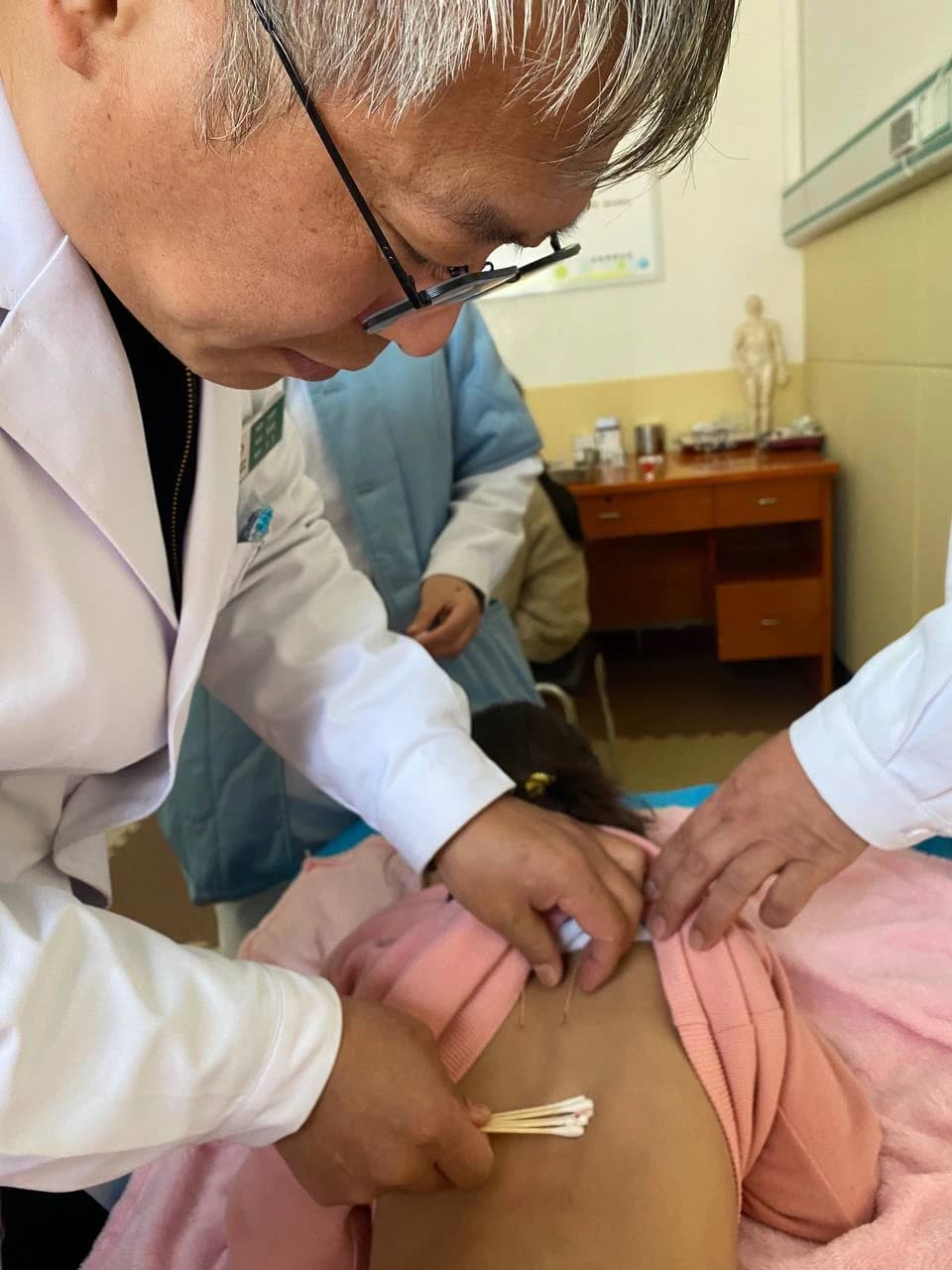
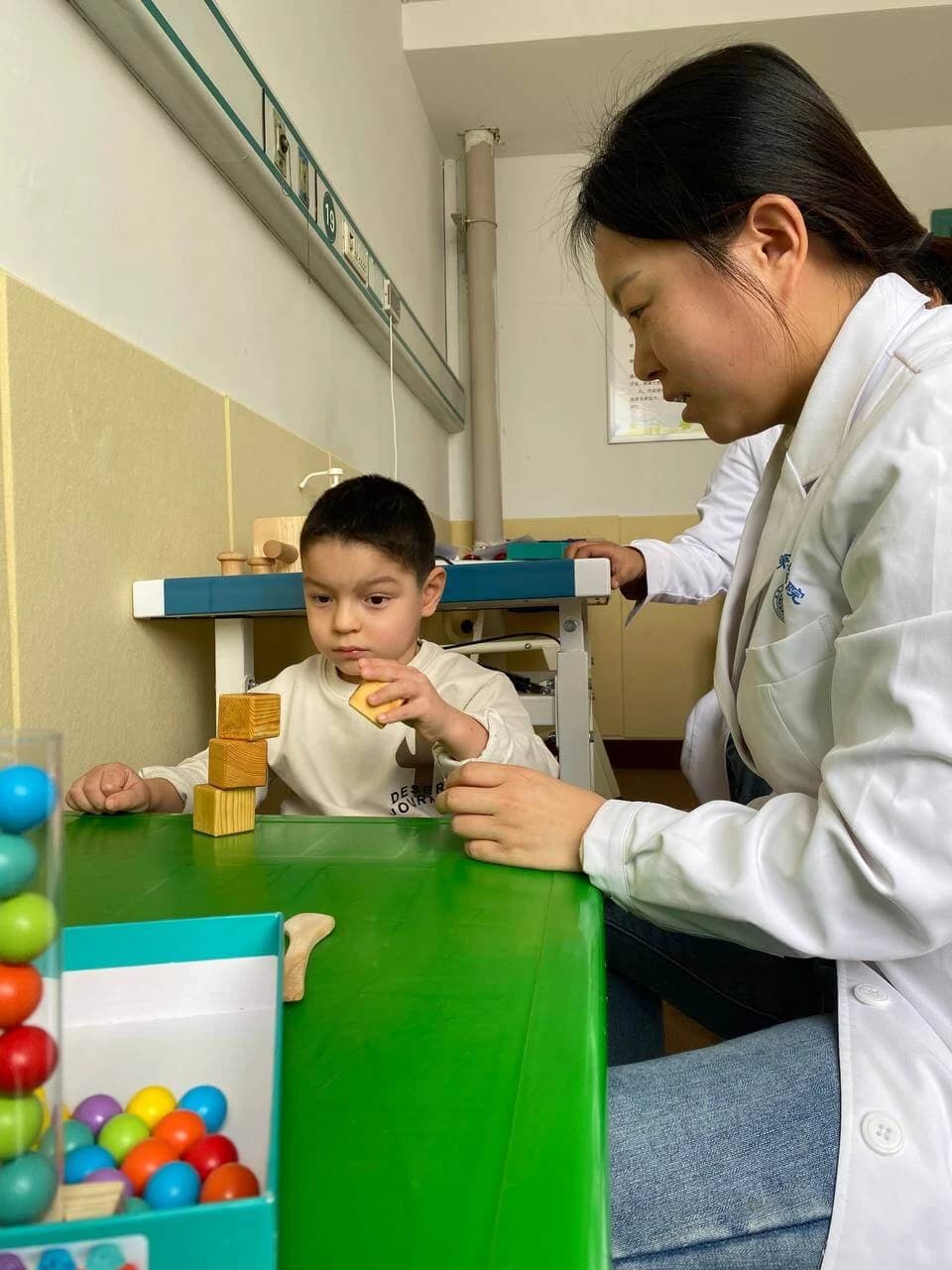
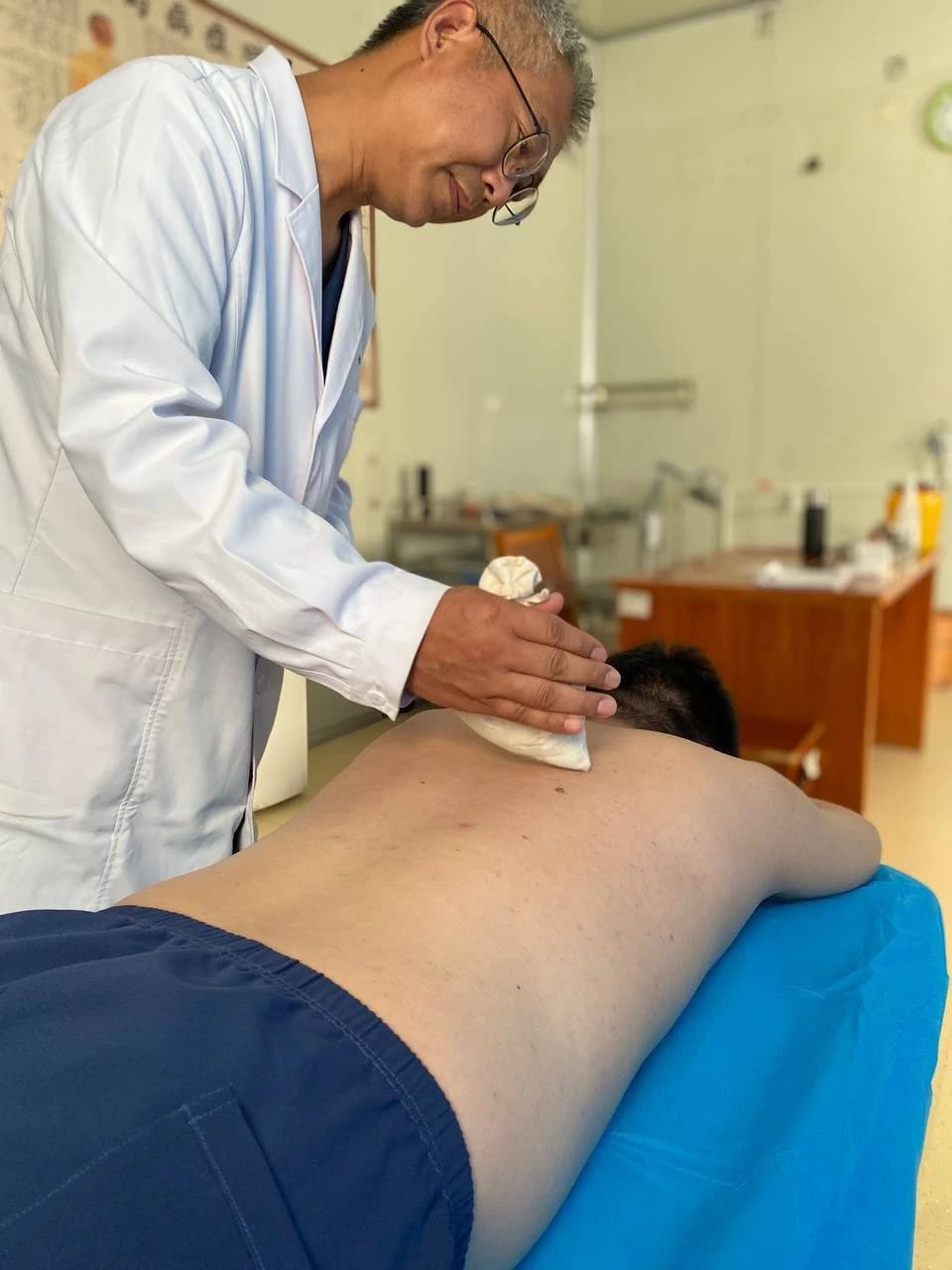
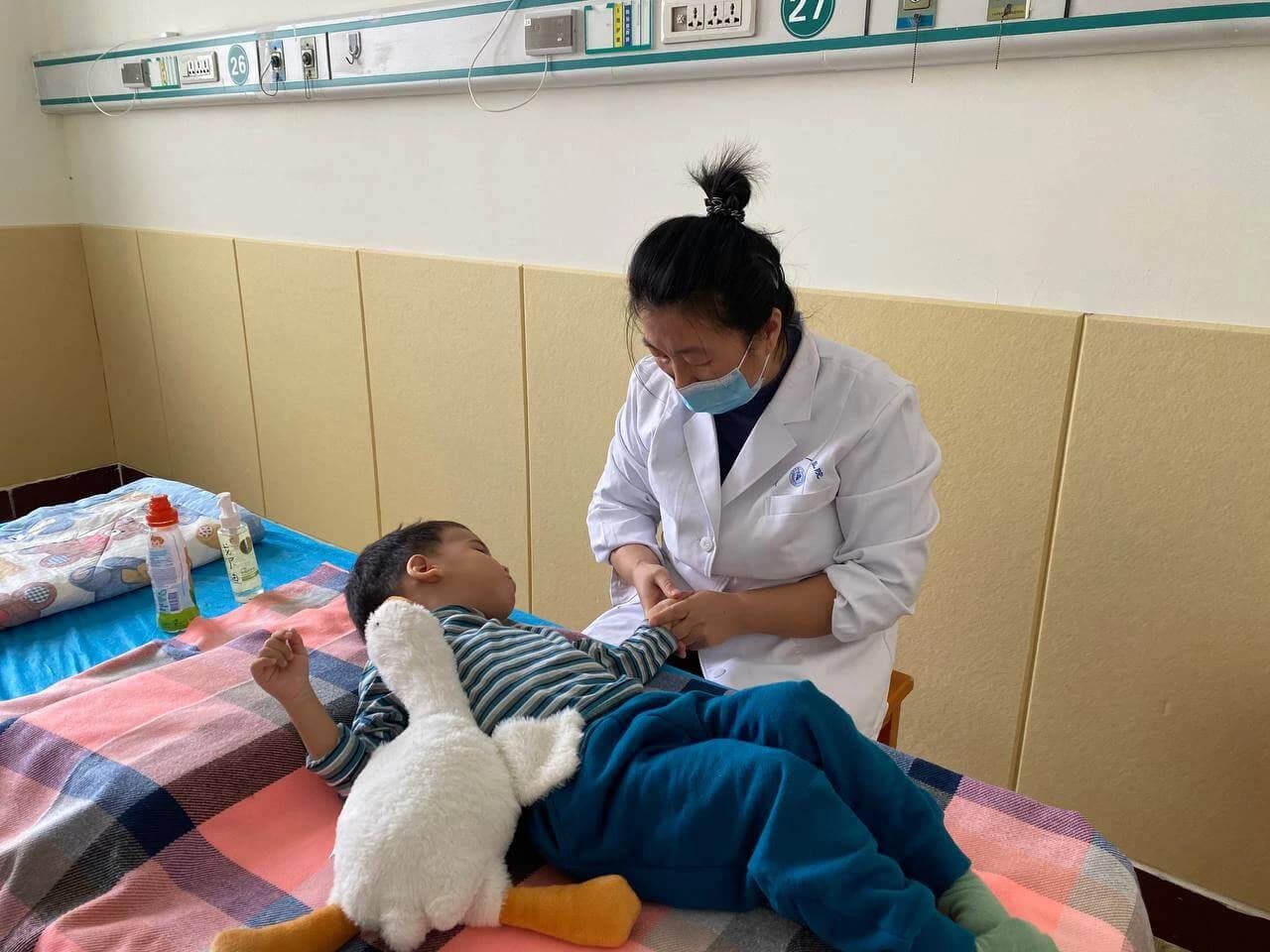
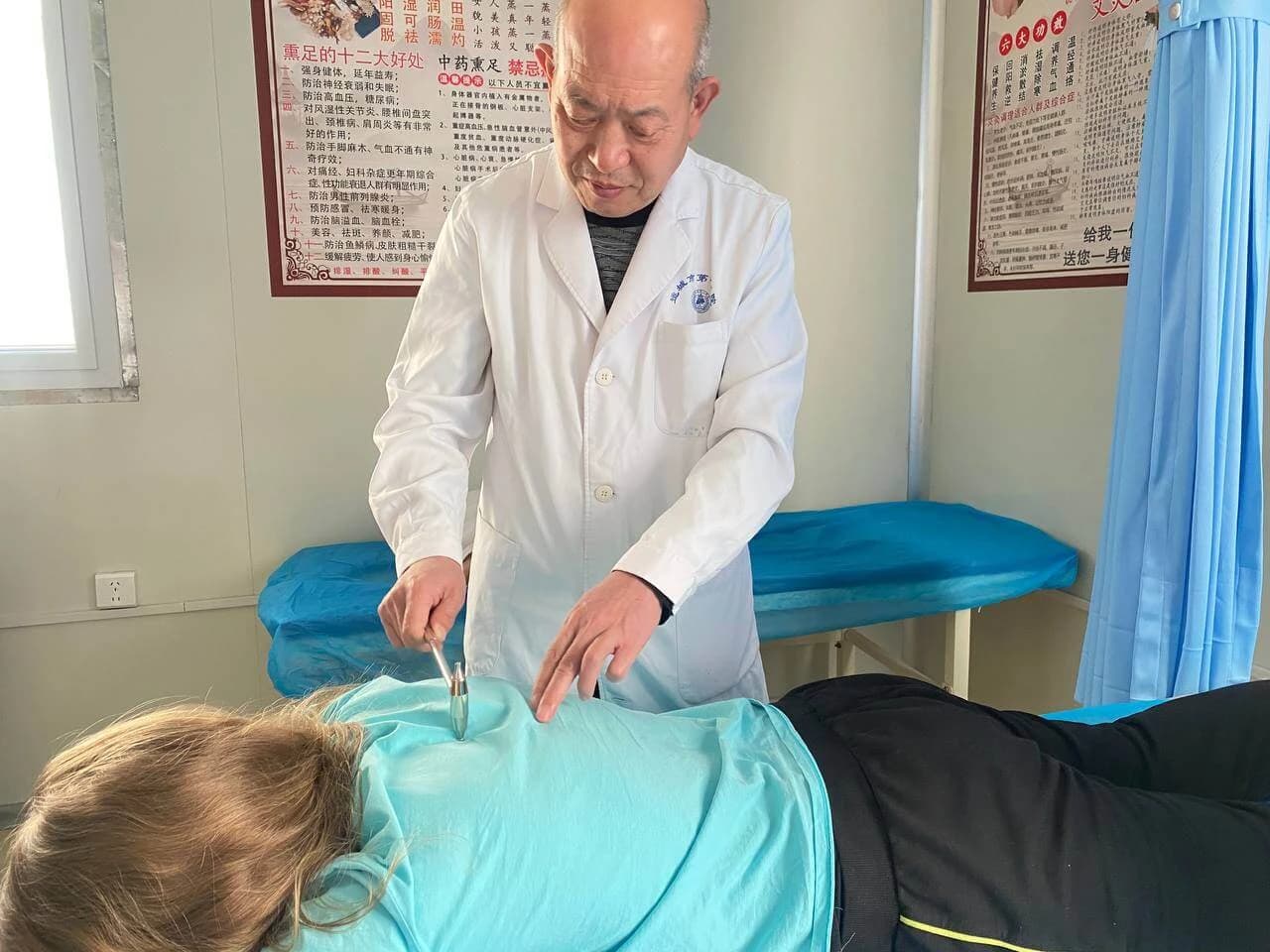
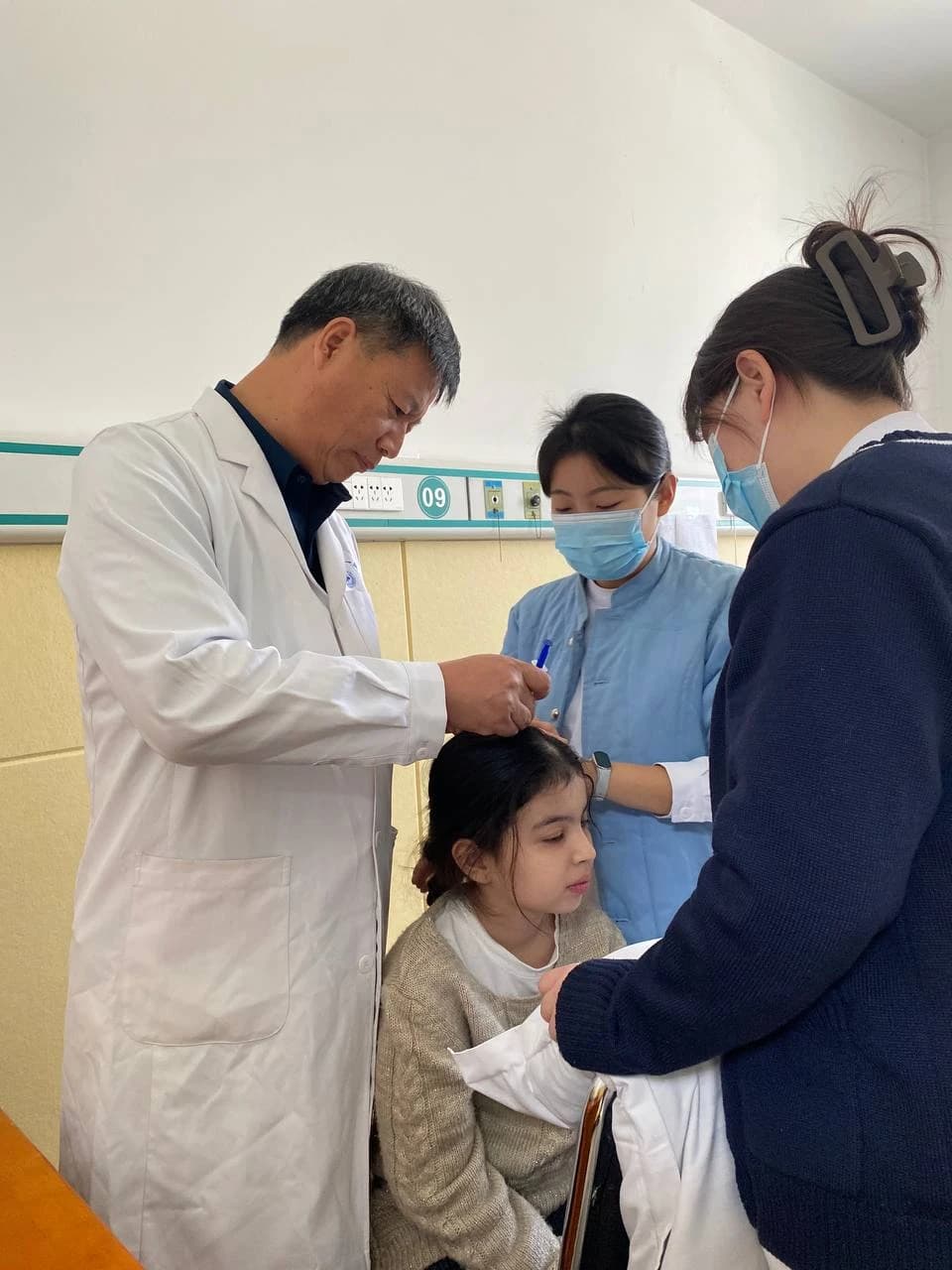
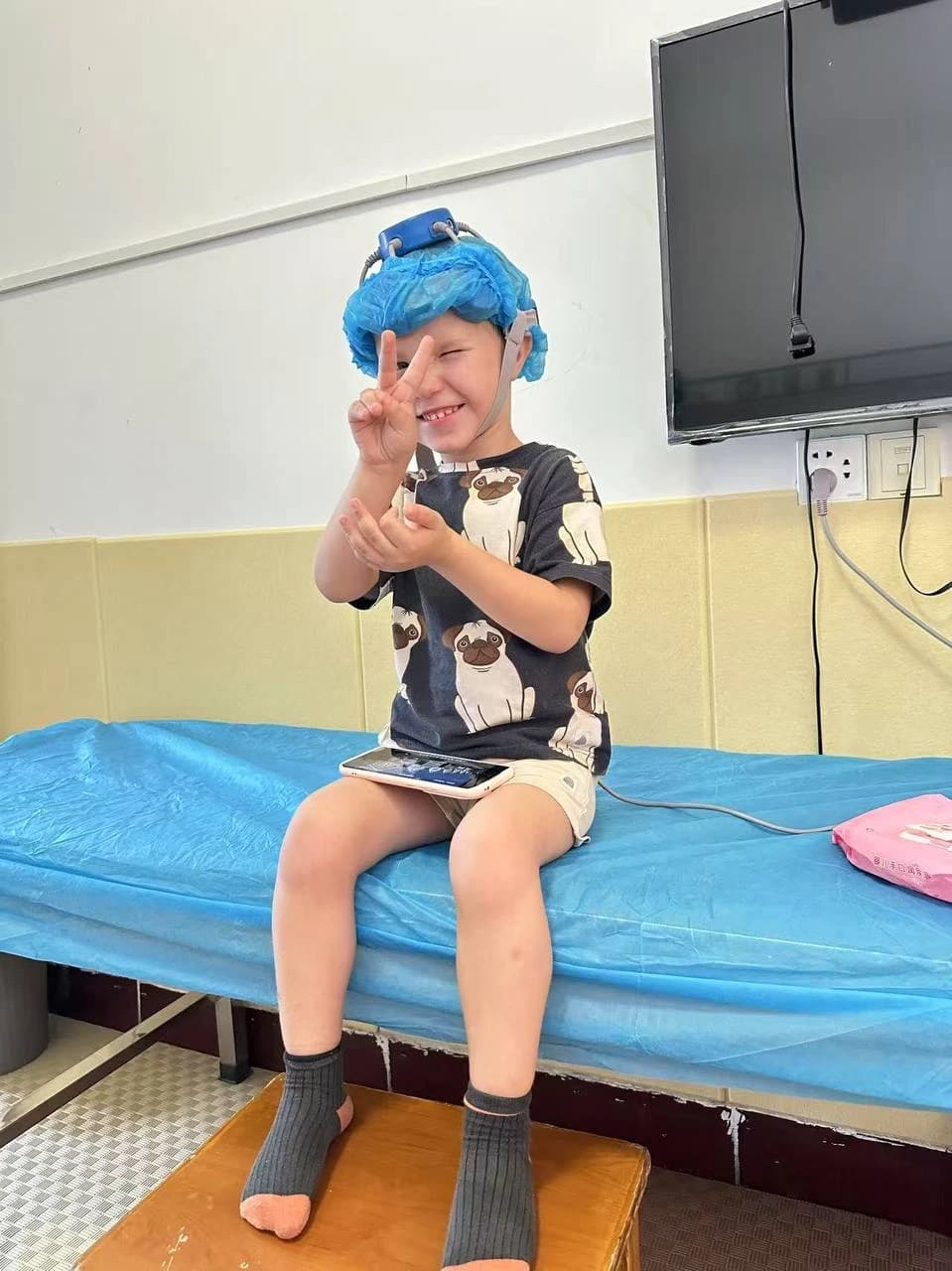
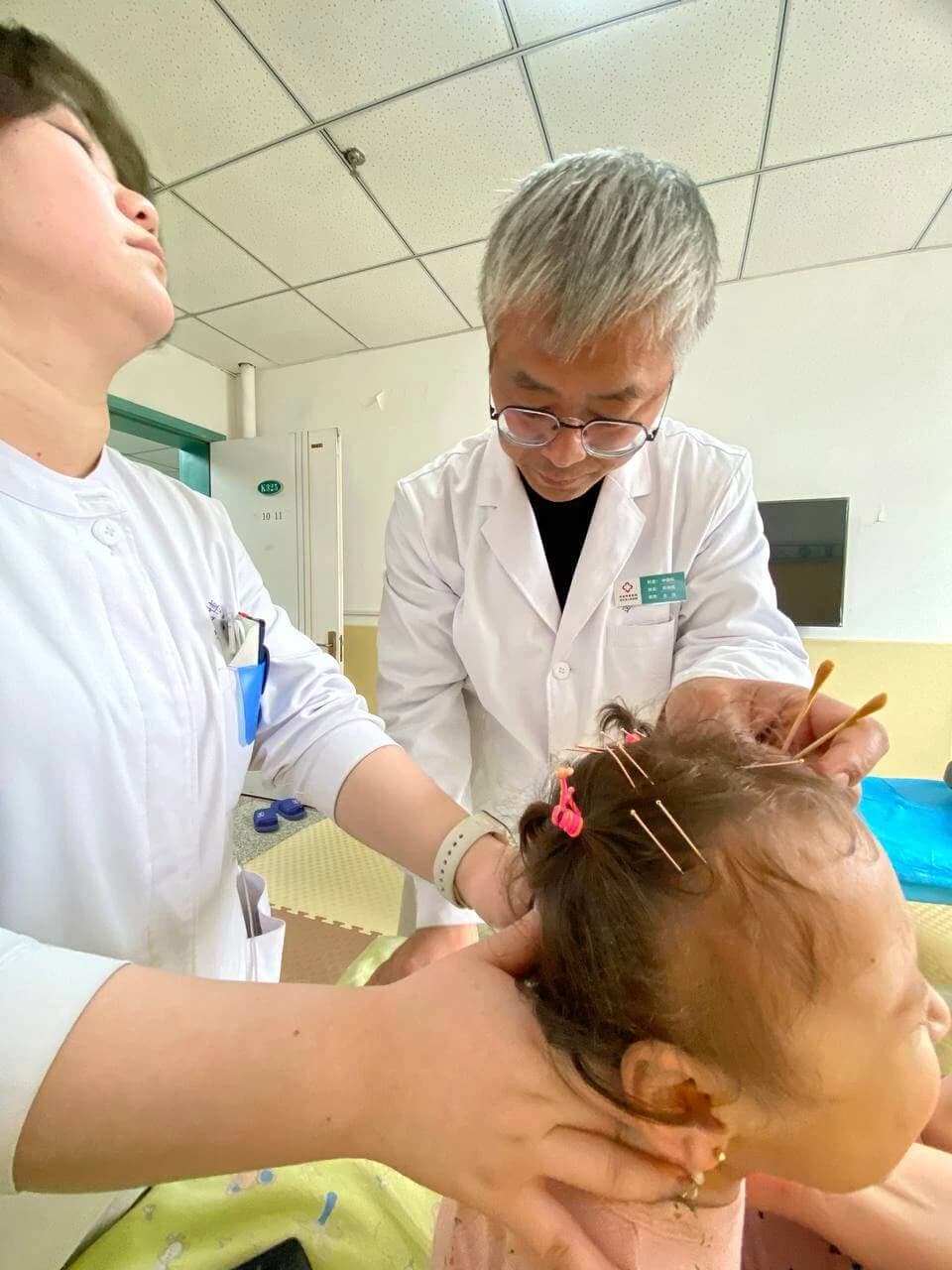
At Boya Hospital (Yuncheng, Shanxi Province) communication deficits are addressed within pediatric neurological rehabilitation. The core of the program is speech therapy (comprehension, breathing and articulation, transferring speech into live dialogue), sensory integration (so the child is able to stay calmly near another person and hold attention), and occupational therapy (shared everyday actions as a natural reason to communicate). These are complemented by Traditional Chinese Medicine methods — acupuncture, scalp acupuncture, Tui Na massage, and pharmacopuncture when indicated — and by apparatus-based physiotherapy. Sessions run 6 days a week, and the program is put together by the doctor.
Sequence matters more than speed
Communication is built in steps, and they cannot be skipped. First comes a stable response: the child notices being addressed and reacts. Then joint action: assembling something together, carrying something together, tidying up together. And only then dialogue: a question, an answer, a follow-up. Starting straight at the third step leaves the child either memorizing phrases mechanically or avoiding the situation altogether. That is why the specialists at Boya first determine where the child is now and build complexity up from there.
What actually changes over a course
The recommended length is 2–3 months, and that figure is not arbitrary: communication skills are consolidated through repetition in different situations and with different people. Over a course parents most often note a more confident response to being addressed, the appearance of the child's own initiative in communication, and longer engagement without "dropping out" after a minute. Send your child's documents — the consultation based on them is free, and there is no prepayment.
Causes
Most often a communication deficit is part of the picture of Autism Spectrum Disorder, but it also occurs with delayed psycho-speech development, after severe neurological conditions, and with pronounced sensory features. It is not a consequence of "poor parenting" or of too little talking at home.
Symptoms
The child rarely approaches an adult on their own initiative, does not keep a conversation going beyond a couple of exchanges, and does not read non-verbal signals — gaze, facial expression, gestures, tone of voice. With peers they play alongside rather than together; speech may be well developed yet not used for communication.
Diagnostics
The assessment involves a neurologist, a speech therapist, and a psychologist: observation of communication in free play, evaluation of speech comprehension and use, and a parent interview. Hearing is always checked — hearing loss looks very much like an unwillingness to communicate.
Prognosis and rehabilitation approach
Communication skills form gradually and in steps: first a response to being addressed, then joint action, then dialogue. Regular systematic sessions help the child move through these steps; the earlier the work begins, the more visible the result.
How rehabilitation works
Diagnostics
Comprehensive examination and patient assessment by an international team of specialists
Rehabilitation plan
Development of an individual rehabilitation program considering diagnosis specifics
Therapy
Intensive course of procedures: physical therapy, massage, physiotherapy, acupuncture and other methods
Results
Progress evaluation, home recommendations and maintenance therapy plan
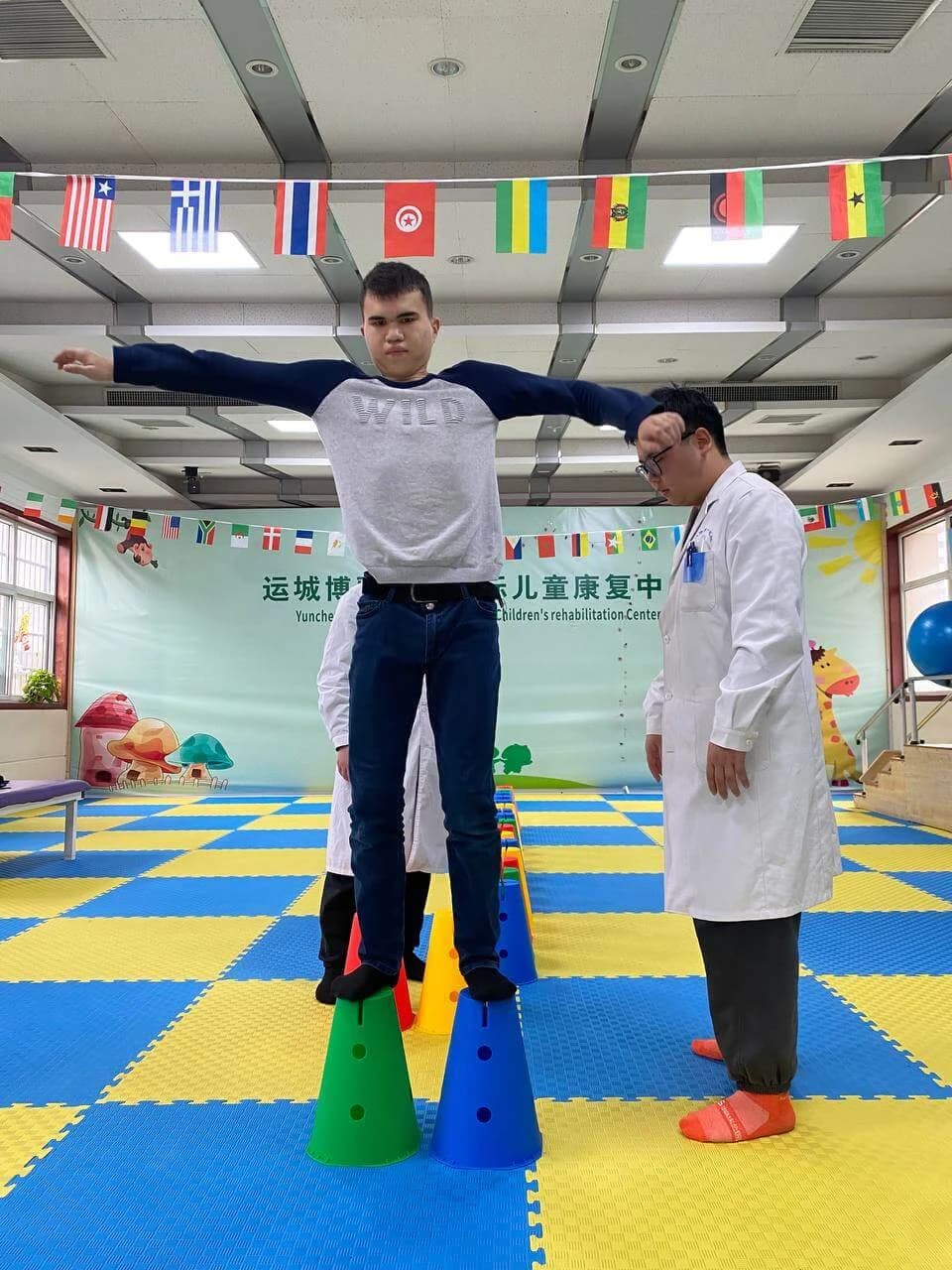
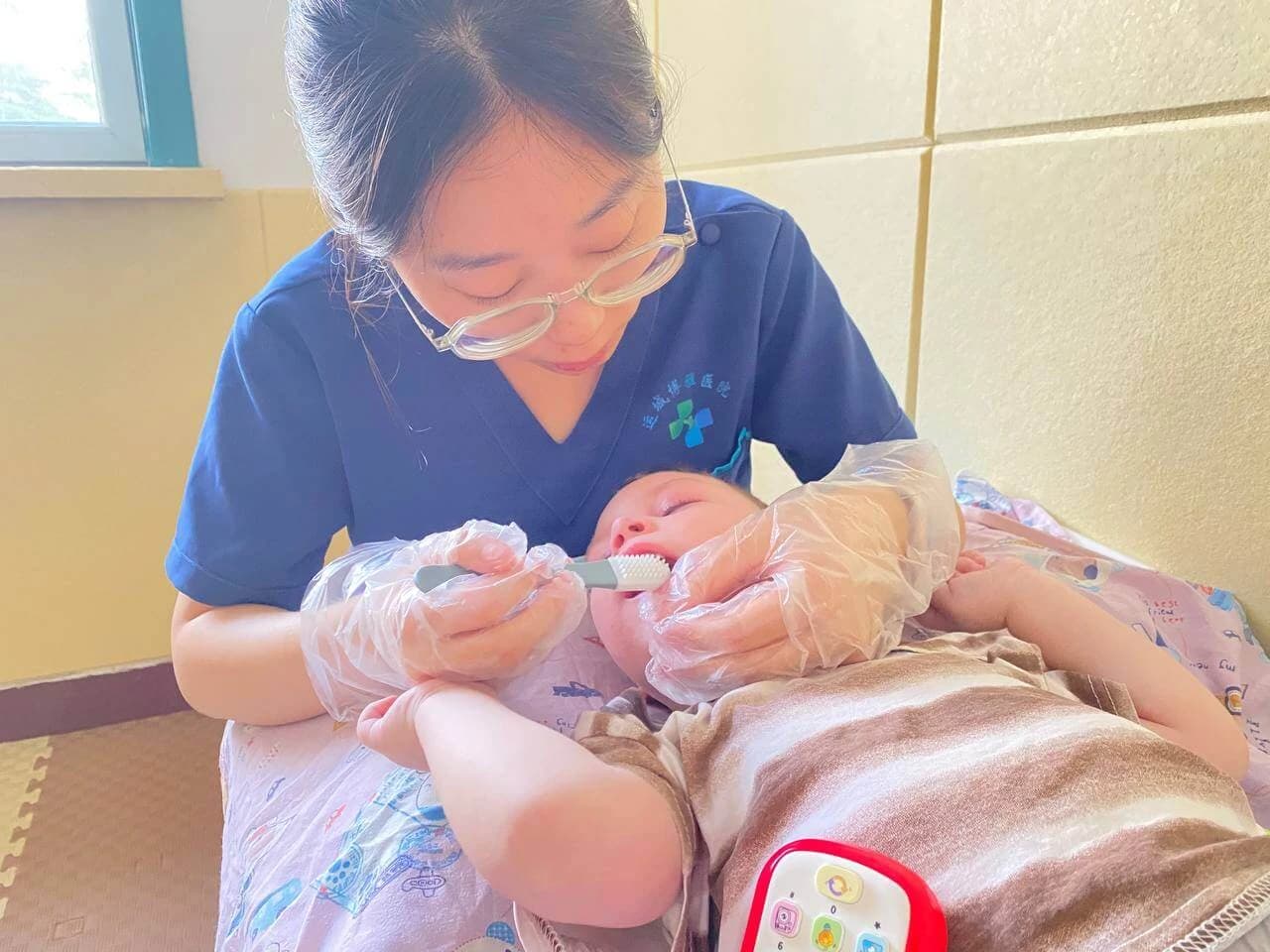
Rehabilitation procedures: Social Communication Deficit
Frequently asked questions: Social Communication Deficit
Book a free consultation
Send us the medical records and a short video — Boya doctors will review the materials and tell you how they can help. A coordinator will get back to you within 5 minutes.