Rehabilitation for ID at Boya Clinic
Boya Hospital in Yuncheng admits children with intellectual disability to its pediatric neurological rehabilitation courses. The goal of the program is not an abstract "intellect" but concrete skills: self-care, communication, learning readiness. An intensive of 6–9 sessions a day, 6 days a week; the recommended course is 2–3 months, with payment on site and no prepayment.
What is Intellectual Disability?
Intellectual disability is a persistent reduction of intellectual functions: mastering speech, thinking, everyday skills, and the rules of communication is noticeably harder for the child. Severity varies — from mild, where difficulties show mainly in learning, to severe, where the child needs help with the simplest everyday actions. It is important to agree on an honest frame from the start: intellectual disability cannot be \"fixed\" by a course of procedures, and promises to \"raise the IQ\" are dishonest. What can and should be developed is something else — concrete skills that define the quality of life of the child and the family.
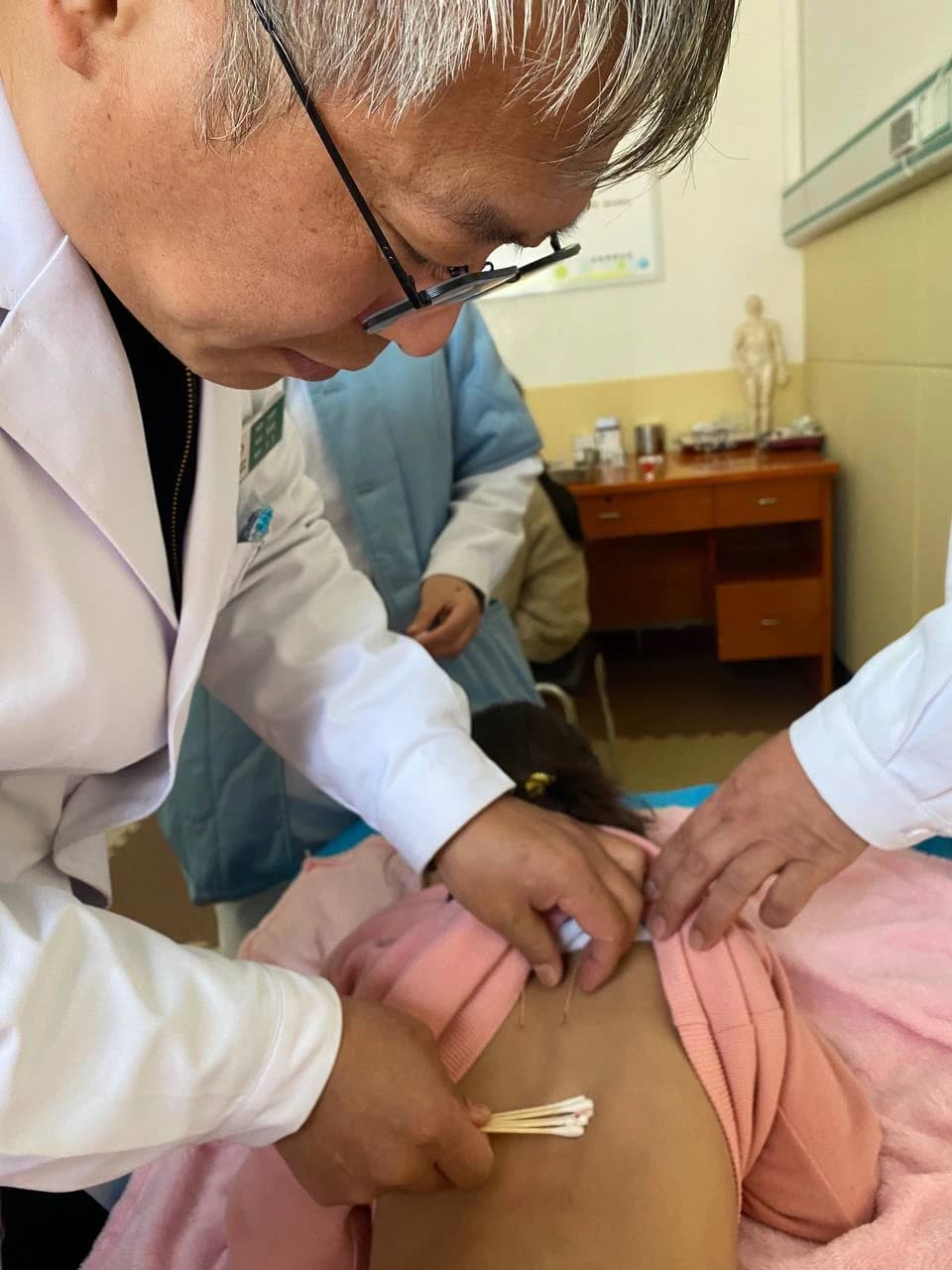
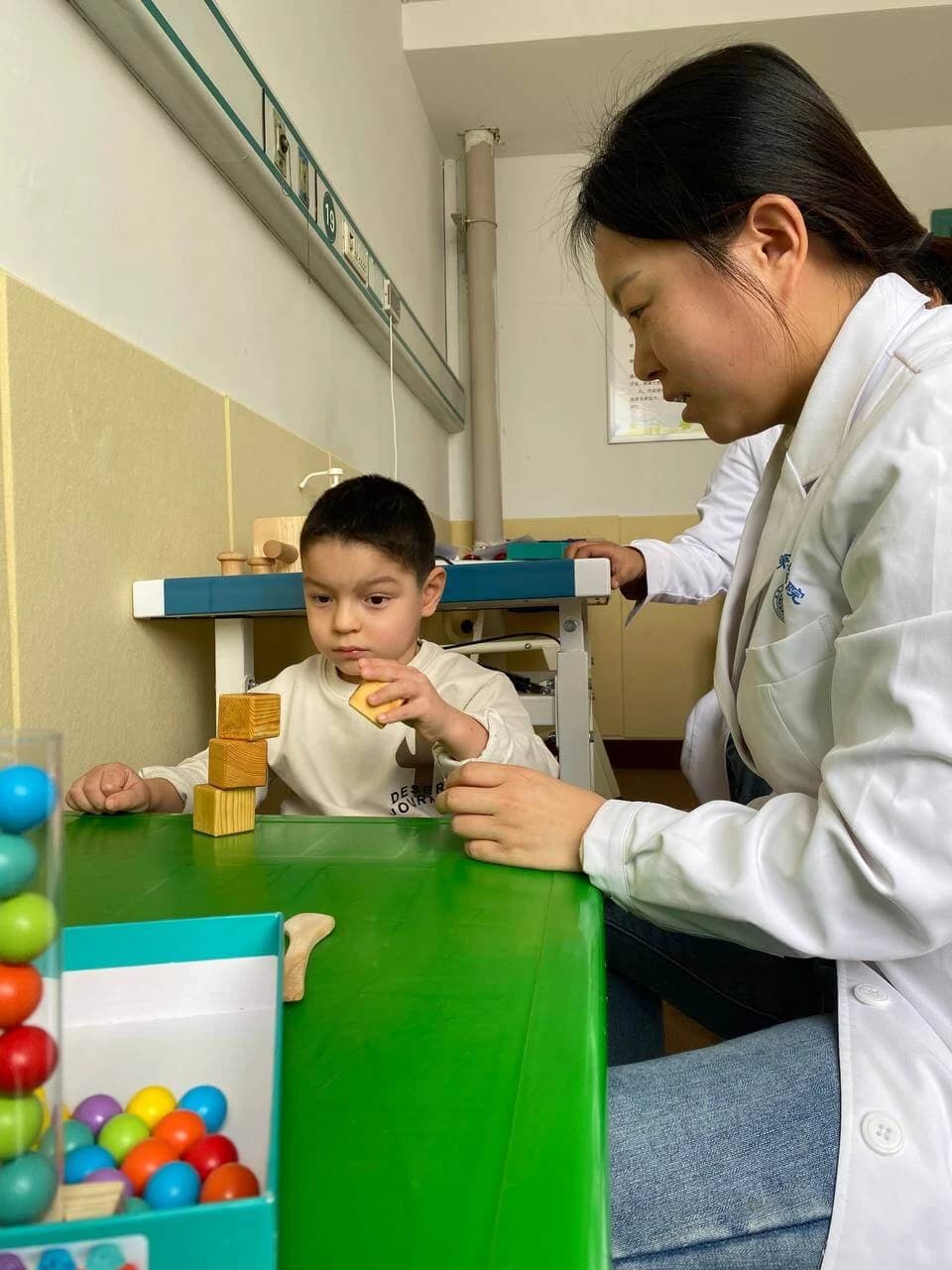
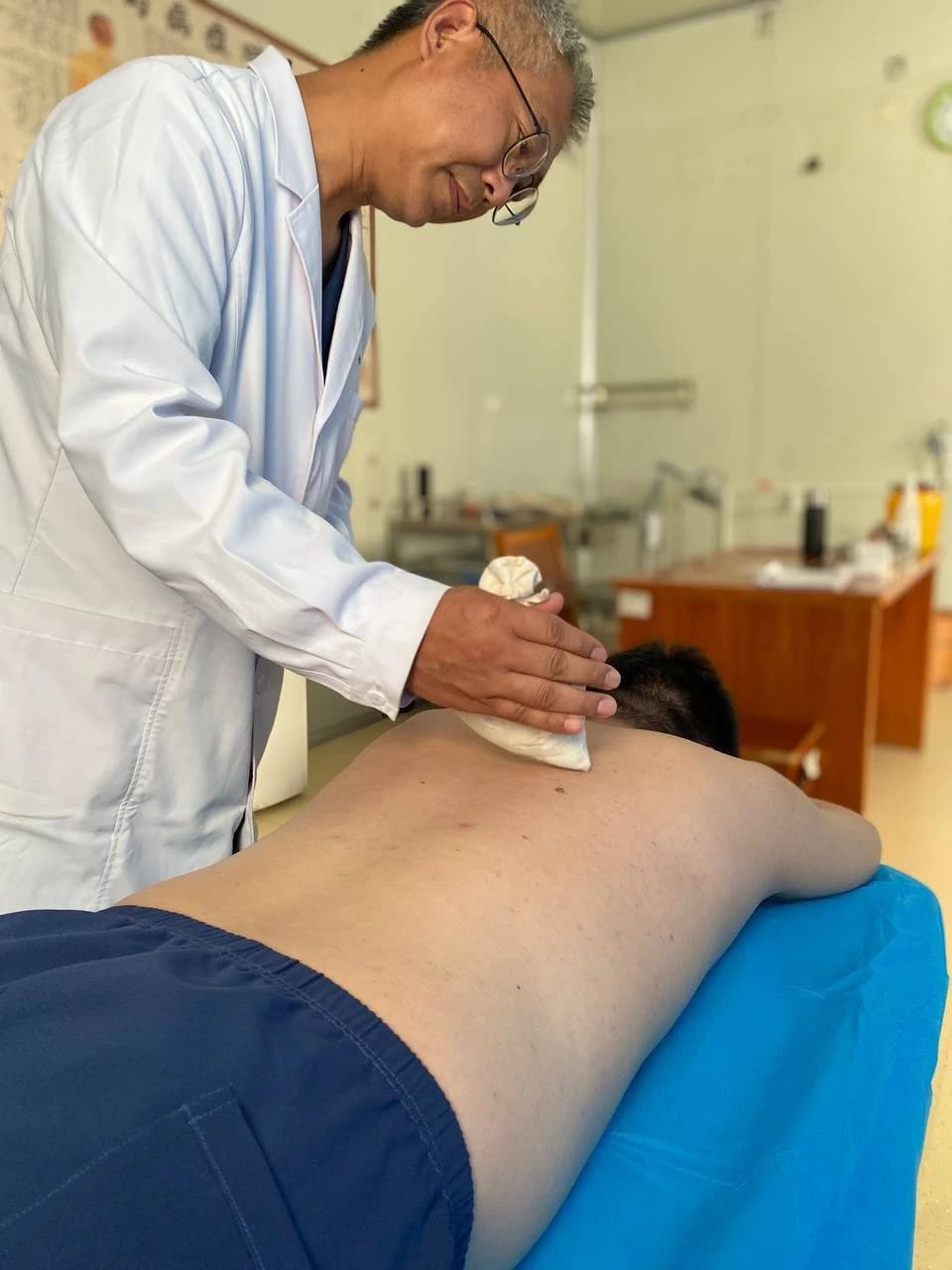
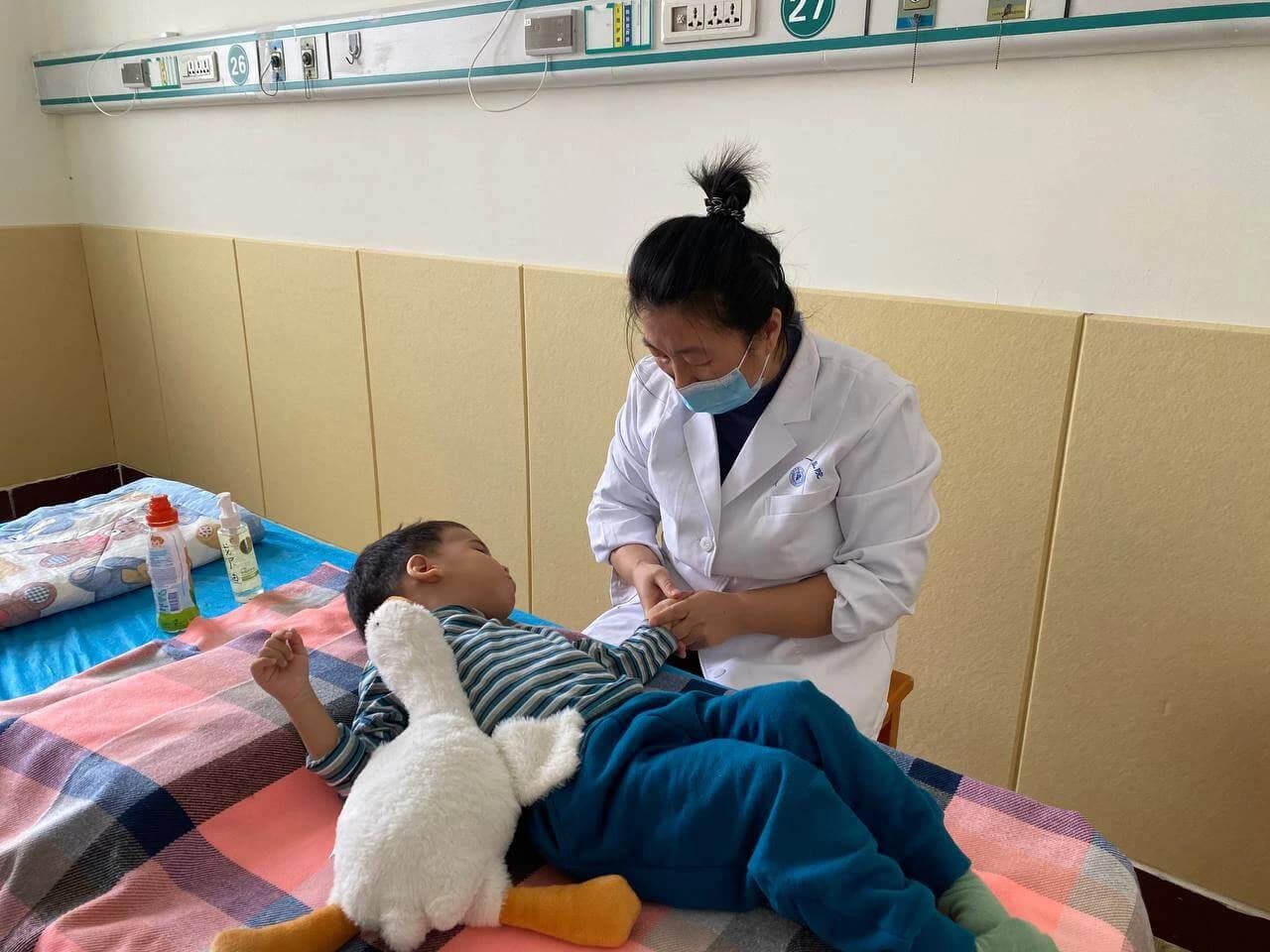
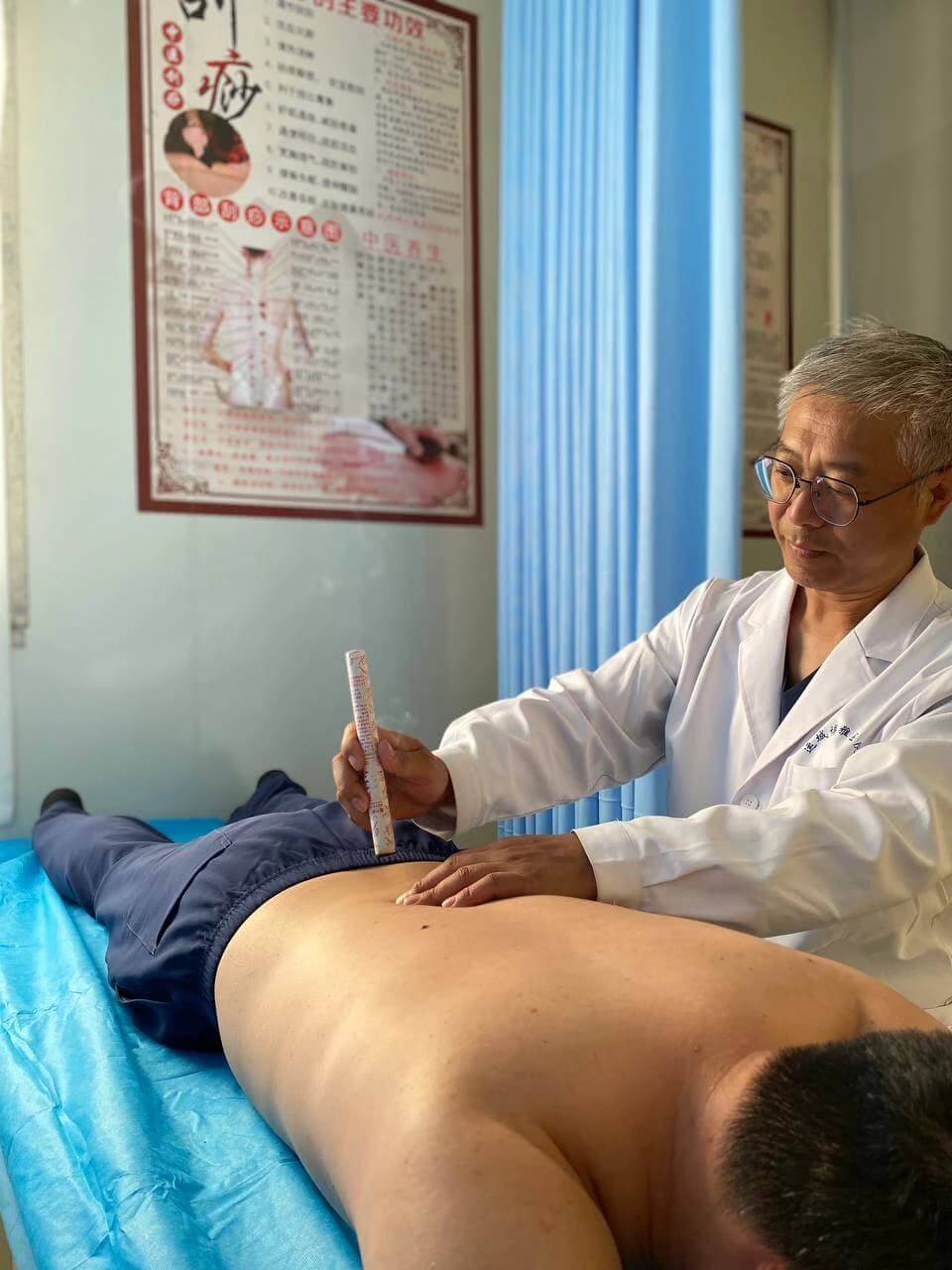
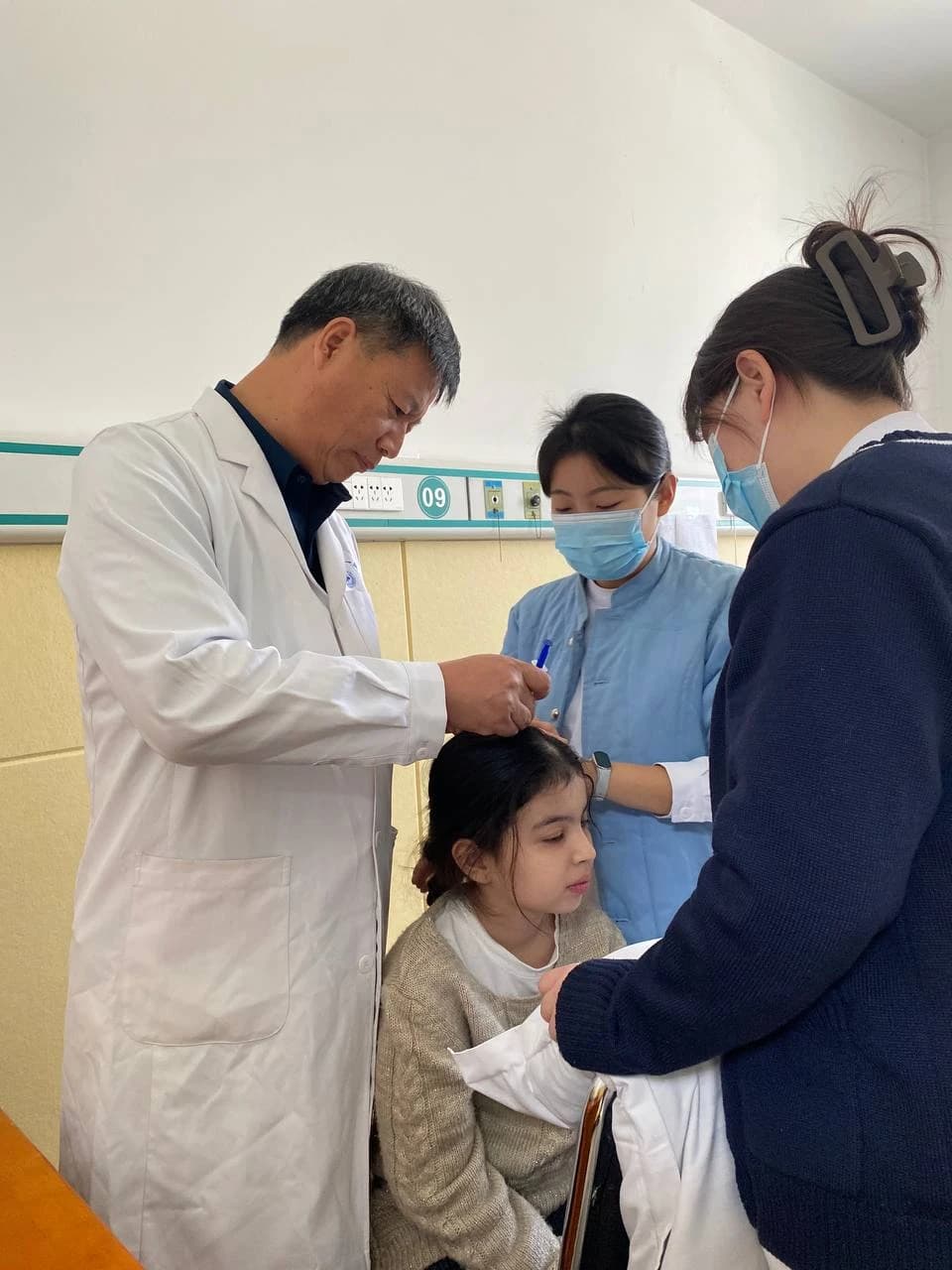
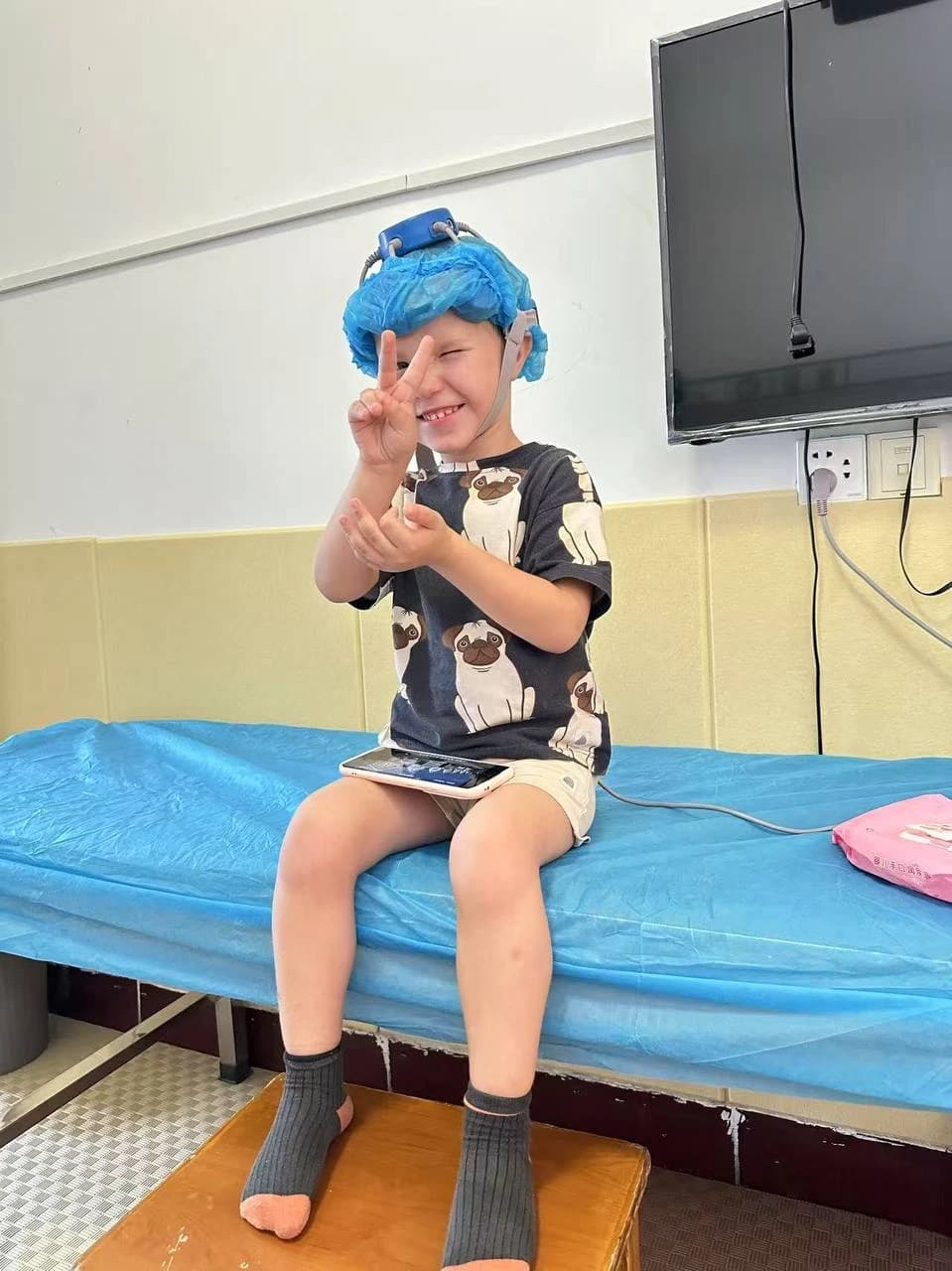
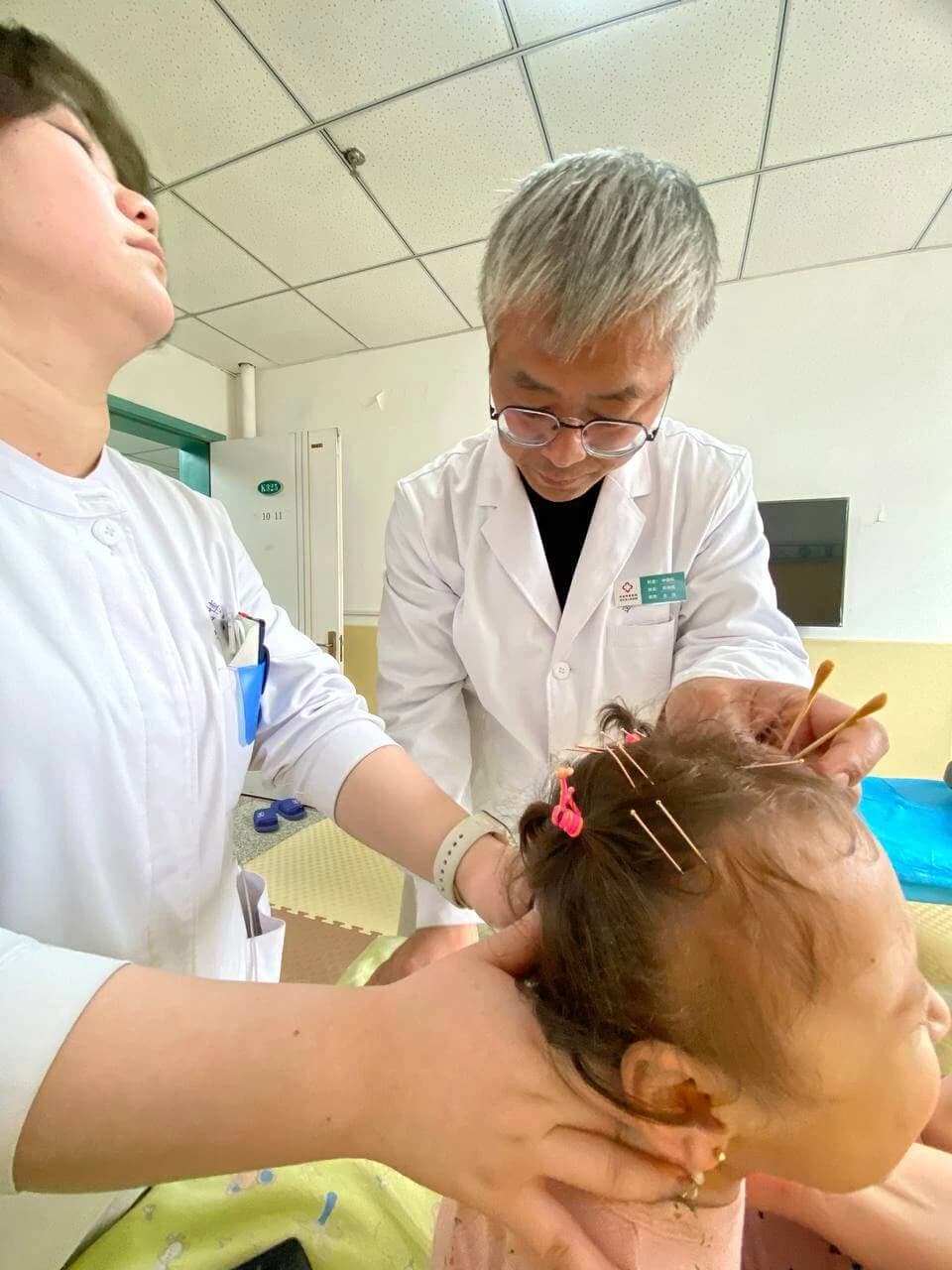
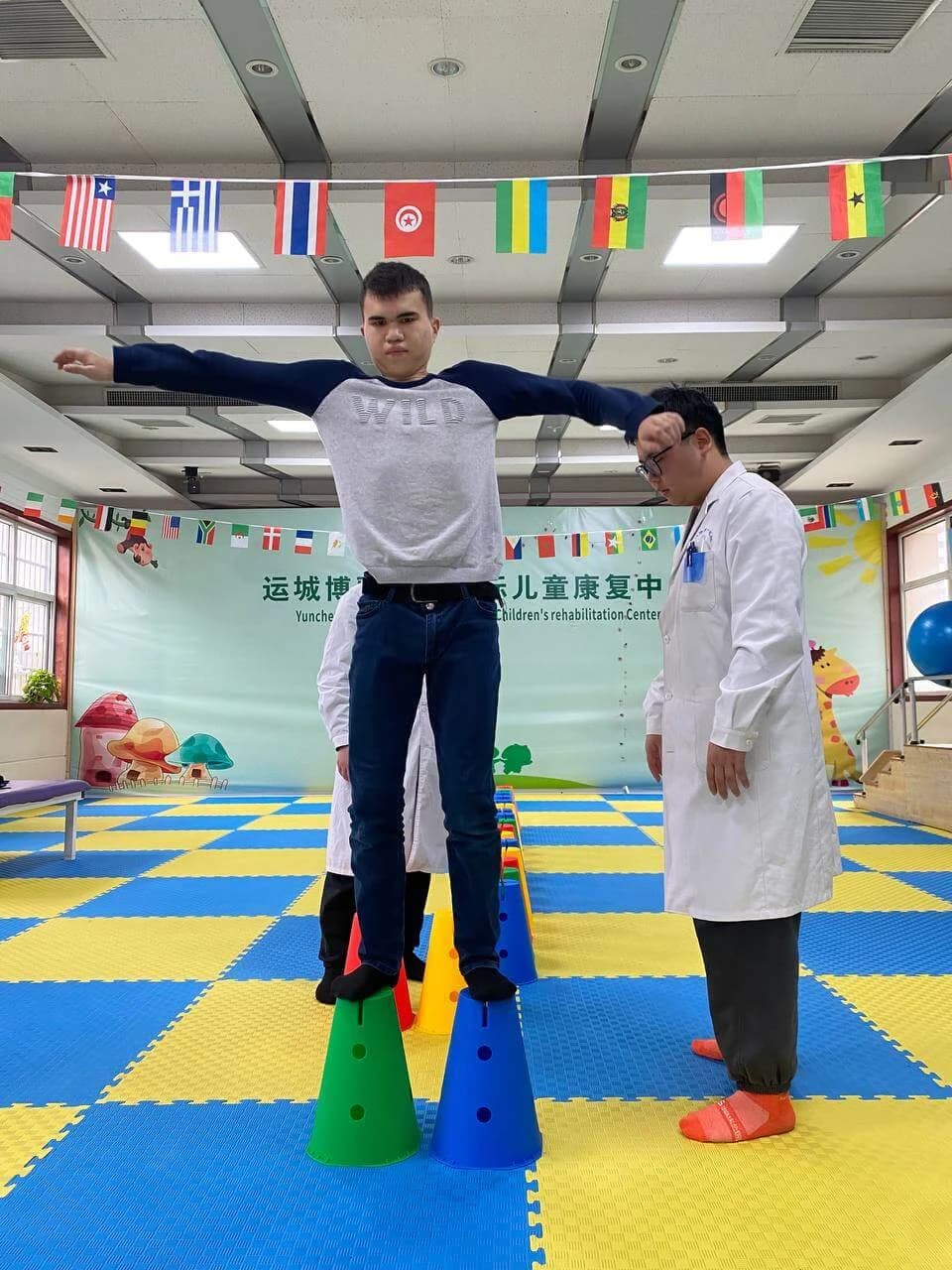
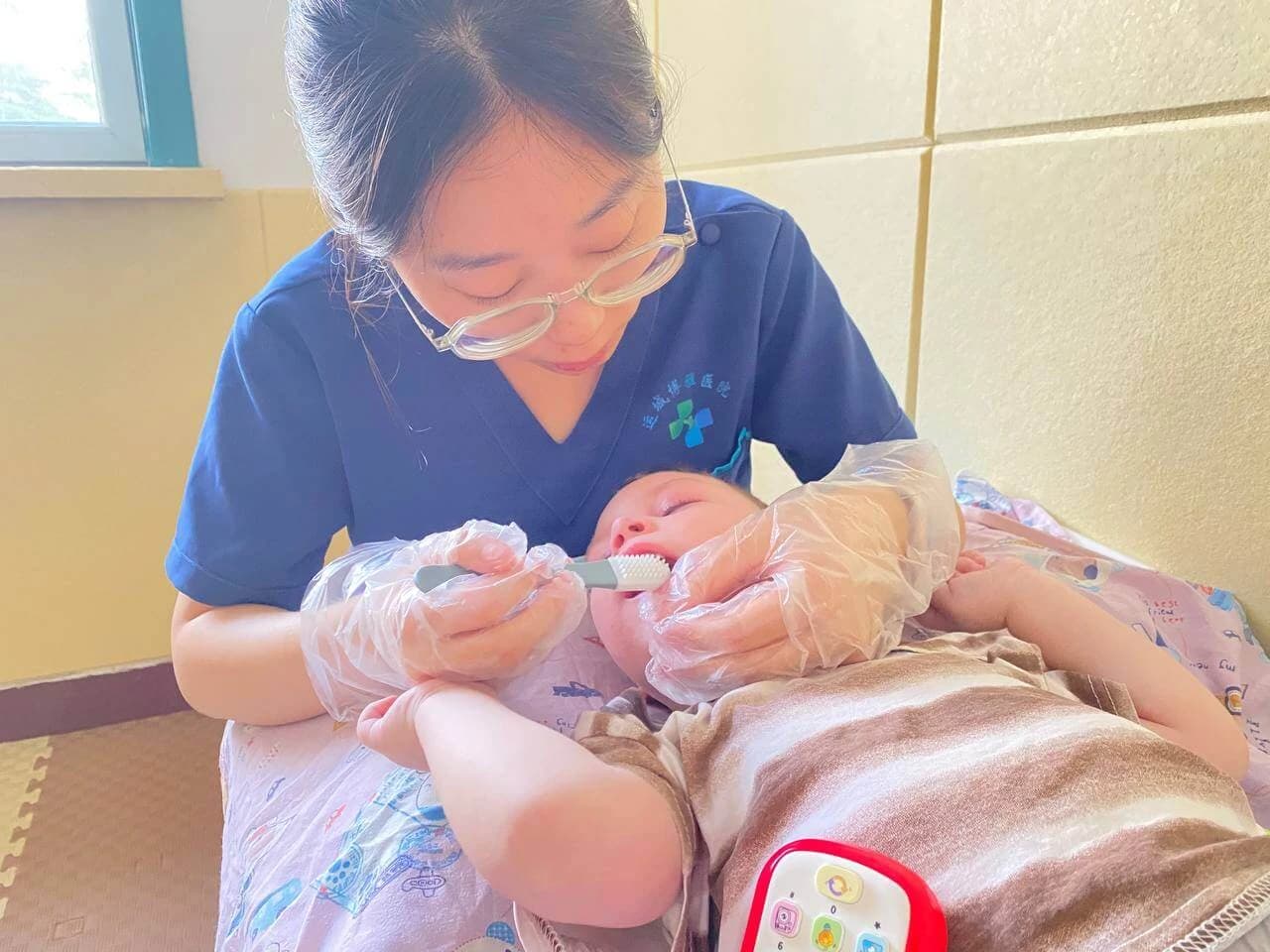
At Boya Hospital (Yuncheng, Shanxi Province), children with intellectual disability follow the pediatric neurological rehabilitation program in an intensive format: 6–9 sessions a day, 6 days a week. The work goes in three directions: self-care — eating, dressing, hygiene, daily routine; communication — making a request, responding when addressed, simple dialogues; learning readiness — attention, persistence, following instructions, basic concepts. Developmental sessions — speech therapy, occupational therapy, sensory integration, sessions on cognitive skills — are combined with Traditional Chinese Medicine methods: acupuncture, scalp acupuncture, pediatric Tui Na massage, and warm procedures for general strengthening.
The honest goal — skills, not \"IQ points\"
Progress in intellectual disability is measured not by intelligence tests but by everyday life: the child eats with a spoon, shows what they want, stays through a session to the end, follows a simple request. Each such step is the result of many repetitions, which is why the course is built as a daily system rather than a set of one-off procedures. Effectiveness is higher in children under 7–8, but Boya also helps older children. The recommended course length is 2–3 months.
How to start
Send us your child's documents — medical records, reports from a neurologist and a psychiatrist, examination results. The hospital's doctor will review them and propose a program with realistic goals for the child's current level. The document-based consultation is free, and there is no prepayment: you pay on site and only for what your child has actually received.
Causes
Most often — genetic syndromes, brain damage during pregnancy and birth, infections, prematurity, oxygen deprivation. In some cases the cause cannot be established — which does not prevent the systematic development of the child's skills.
Symptoms
Learning new things is noticeably harder for the child: speech and thinking lag behind, memory and understanding of instructions suffer, and everyday skills and independence develop more slowly. Severity ranges from mild to severe.
Diagnostics
Assessment of intellect and adaptive behavior, neurological and, when indicated, genetic examination. For the rehabilitation program, the actual level of skills matters more than the wording of the diagnosis: what the child can already do in everyday life, communication, and play.
Prognosis and rehabilitation approach
The reduction of intellectual functions is persistent — promising to "raise the intellect" would be dishonest. But concrete skills can be developed: self-care, communication, learning readiness. The program is built on them, and progress is visible through them.
How rehabilitation works
Diagnostics
Comprehensive examination and patient assessment by an international team of specialists
Rehabilitation plan
Development of an individual rehabilitation program considering diagnosis specifics
Therapy
Intensive course of procedures: physical therapy, massage, physiotherapy, acupuncture and other methods
Results
Progress evaluation, home recommendations and maintenance therapy plan
Rehabilitation procedures: Intellectual Disability
Frequently asked questions: Intellectual Disability
Book a free consultation
Send us the medical records and a short video — Boya doctors will review the materials and tell you how they can help. A coordinator will get back to you within 5 minutes.