Rehabilitation for Alalia at Boya Clinic
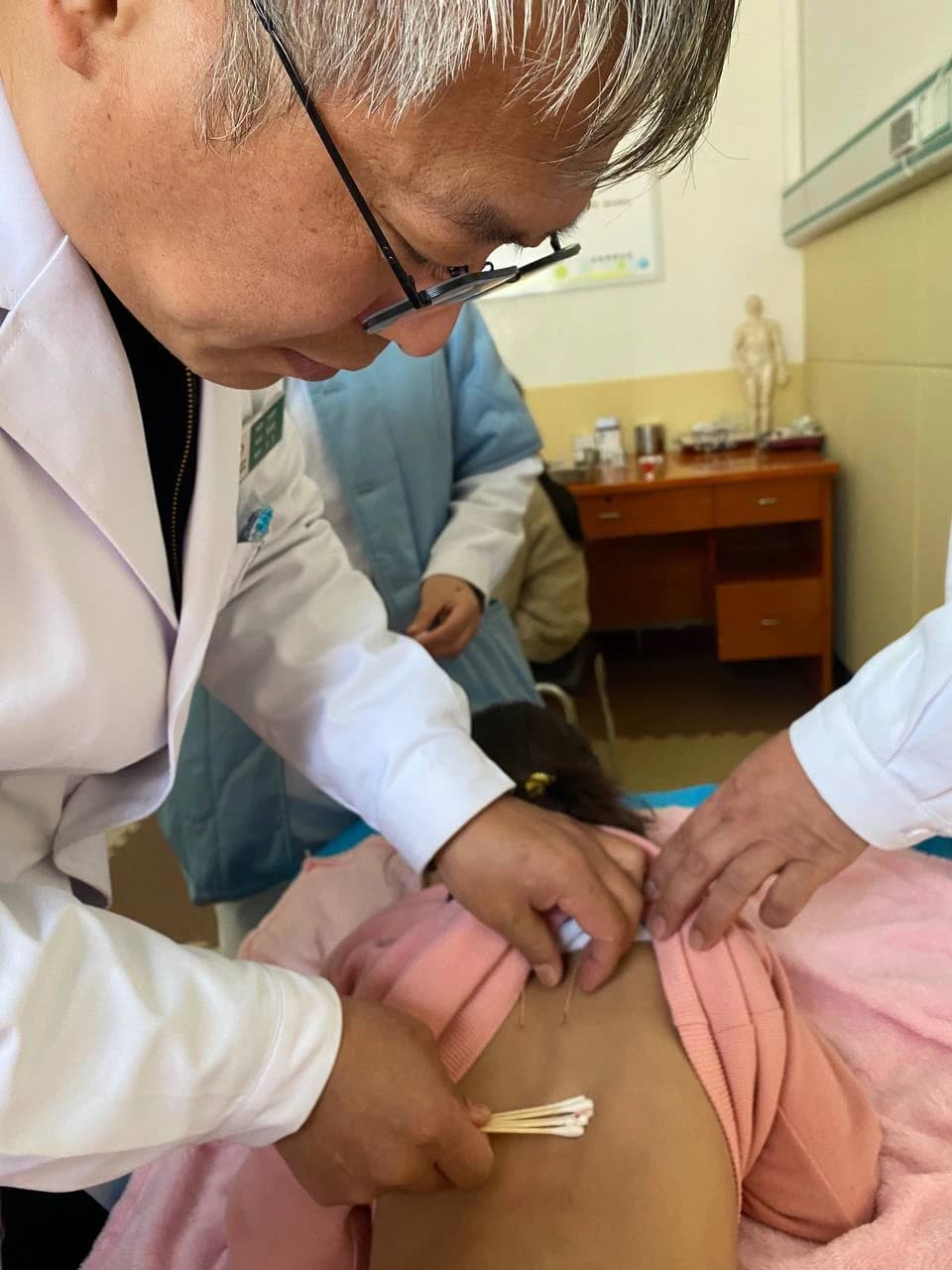
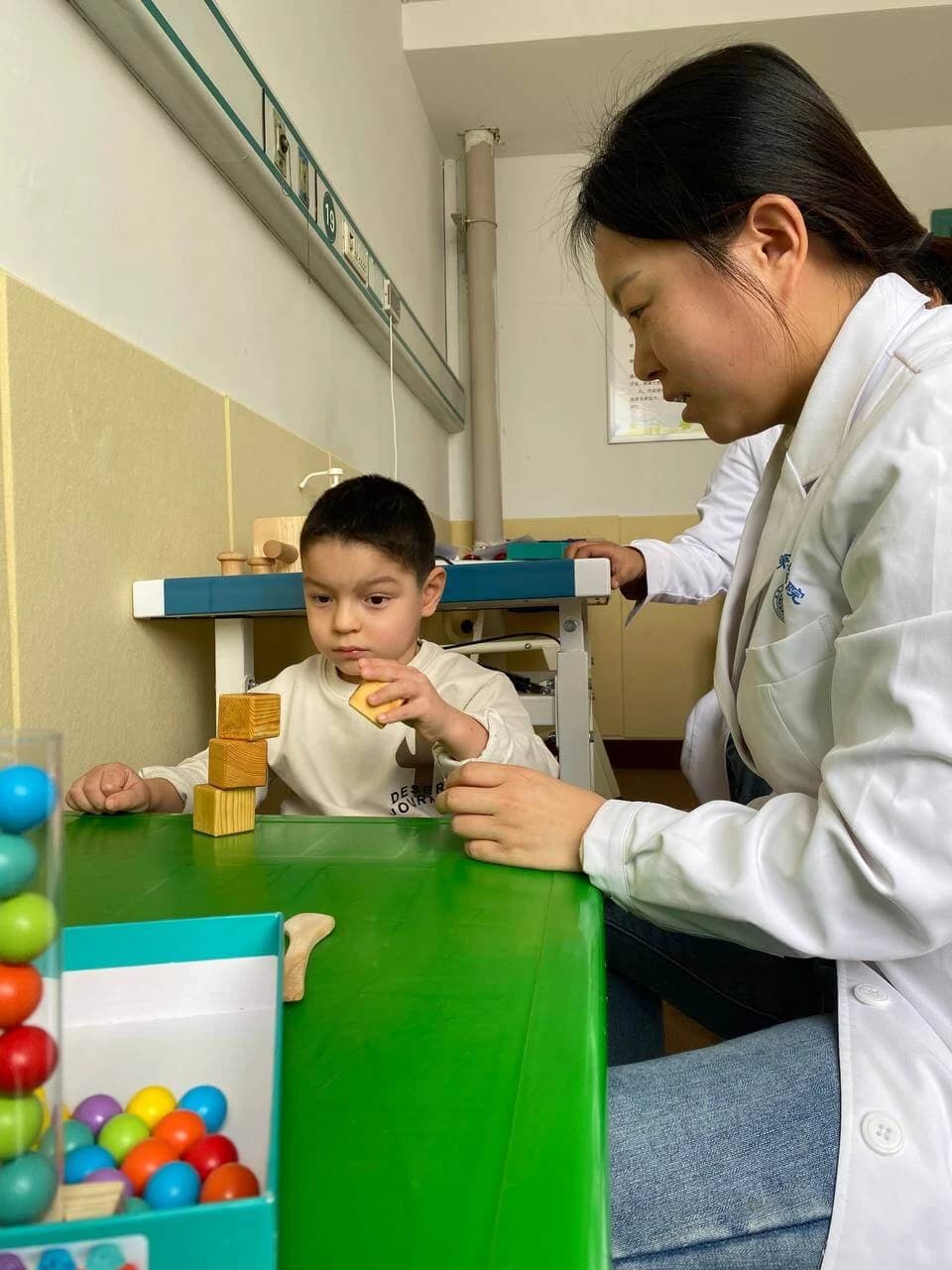
Boya Hospital in Yuncheng admits nonverbal children with alalia to its pediatric neurological rehabilitation courses. The program is intensive — 6–9 sessions a day, 6 days a week: speech therapy aimed at eliciting speech is combined with scalp acupuncture to activate the speech areas, acupuncture, and Tui Na massage. The recommended course is 2–3 months, with payment on site and no prepayment.
What is Alalia?
Alalia is the absence or severe underdevelopment of speech in a child with intact physical hearing. Parents rarely come with this word — more often with the phrase \"our child is three and does not talk\". At the core of alalia is a disruption in the work of the speech areas of the cerebral cortex that arose in early development. It is important to distinguish it from two similar conditions. From a simple speech delay — because in alalia speech does not form without systematic sessions; it does not even out \"on its own\". From aphasia — by the direction in time: in alalia speech never formed in the first place, in aphasia it existed and was lost. There is a motor form (the child understands but does not speak) and a sensory form (comprehension of speech suffers too).
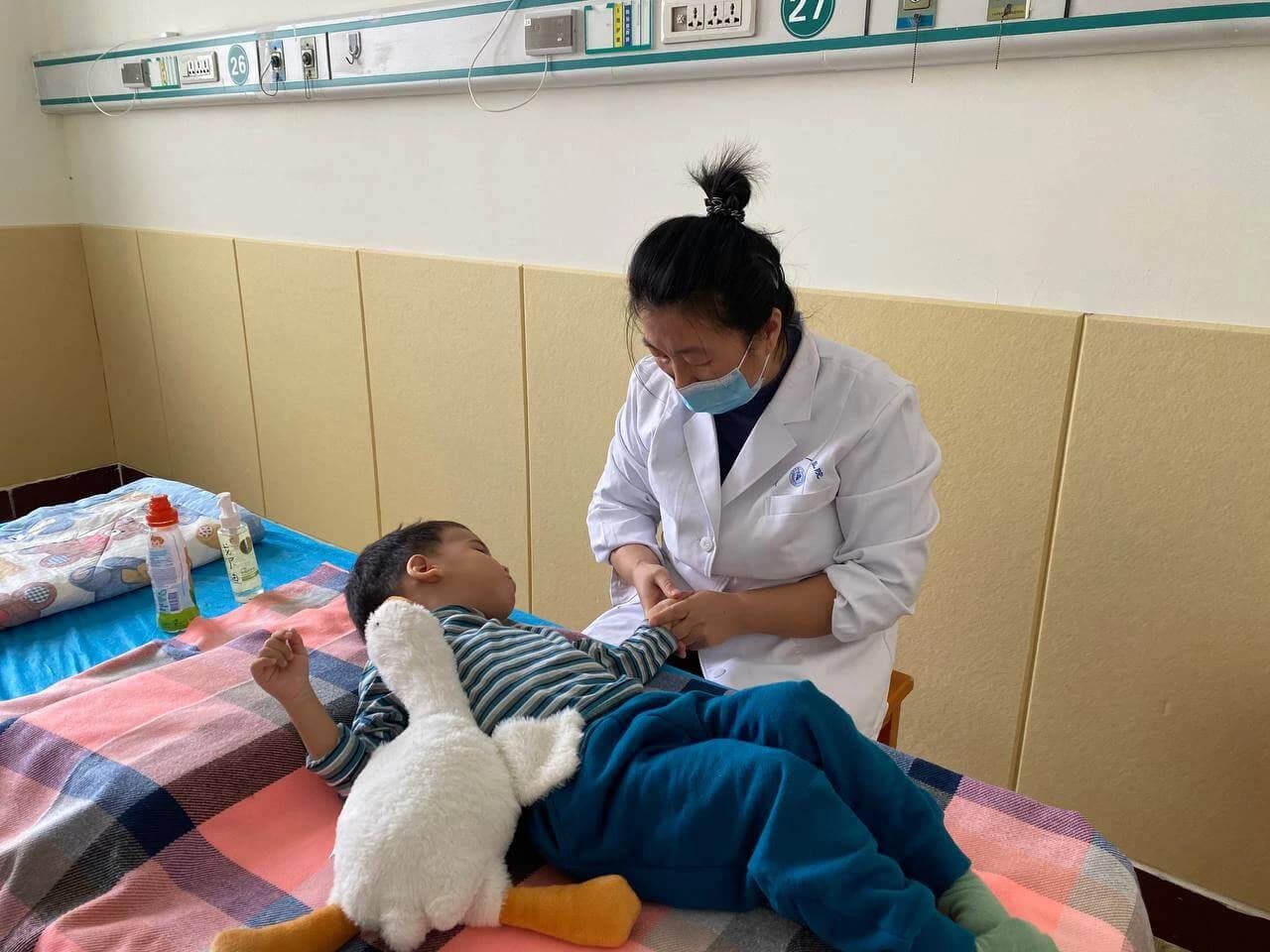
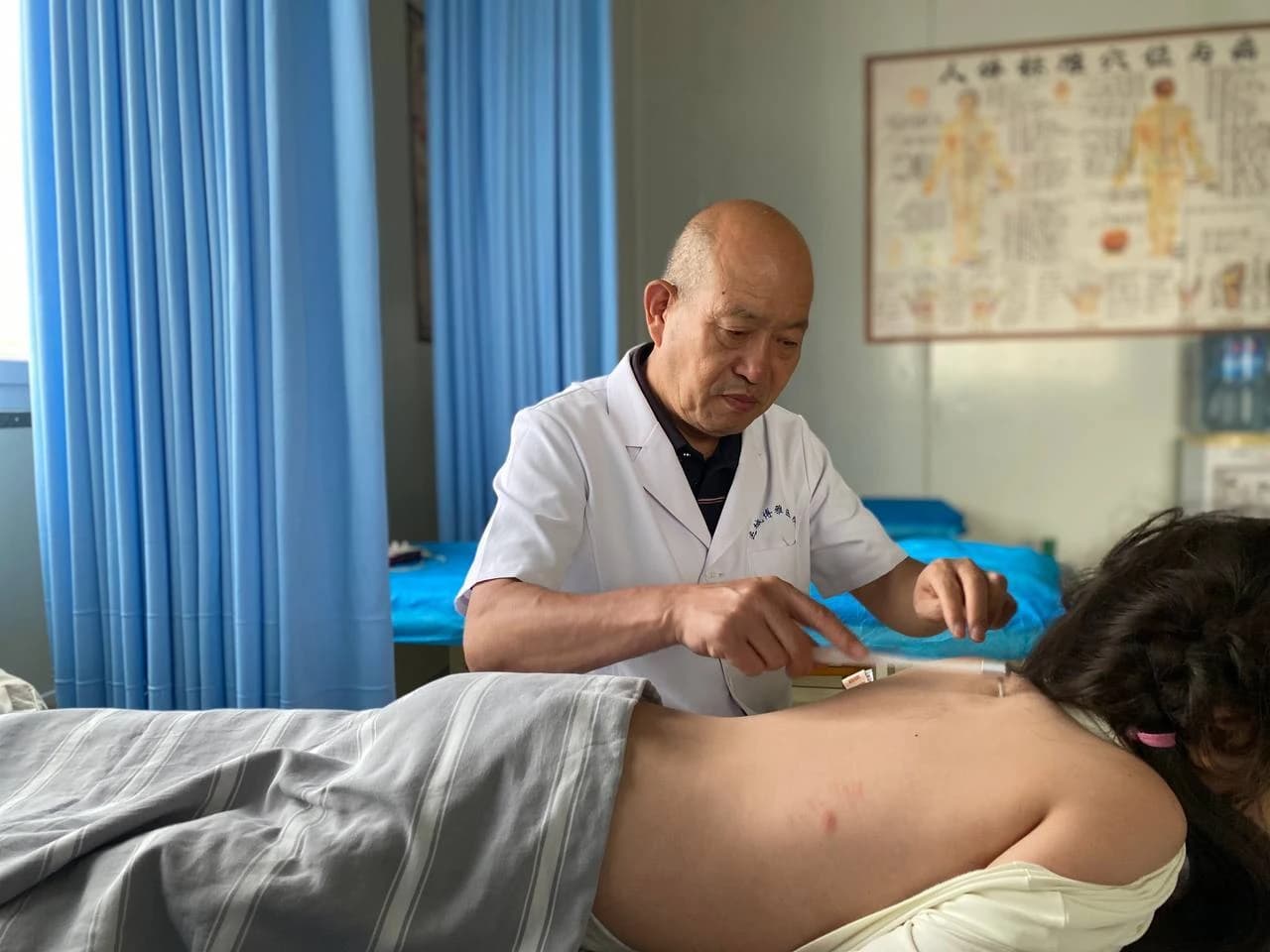
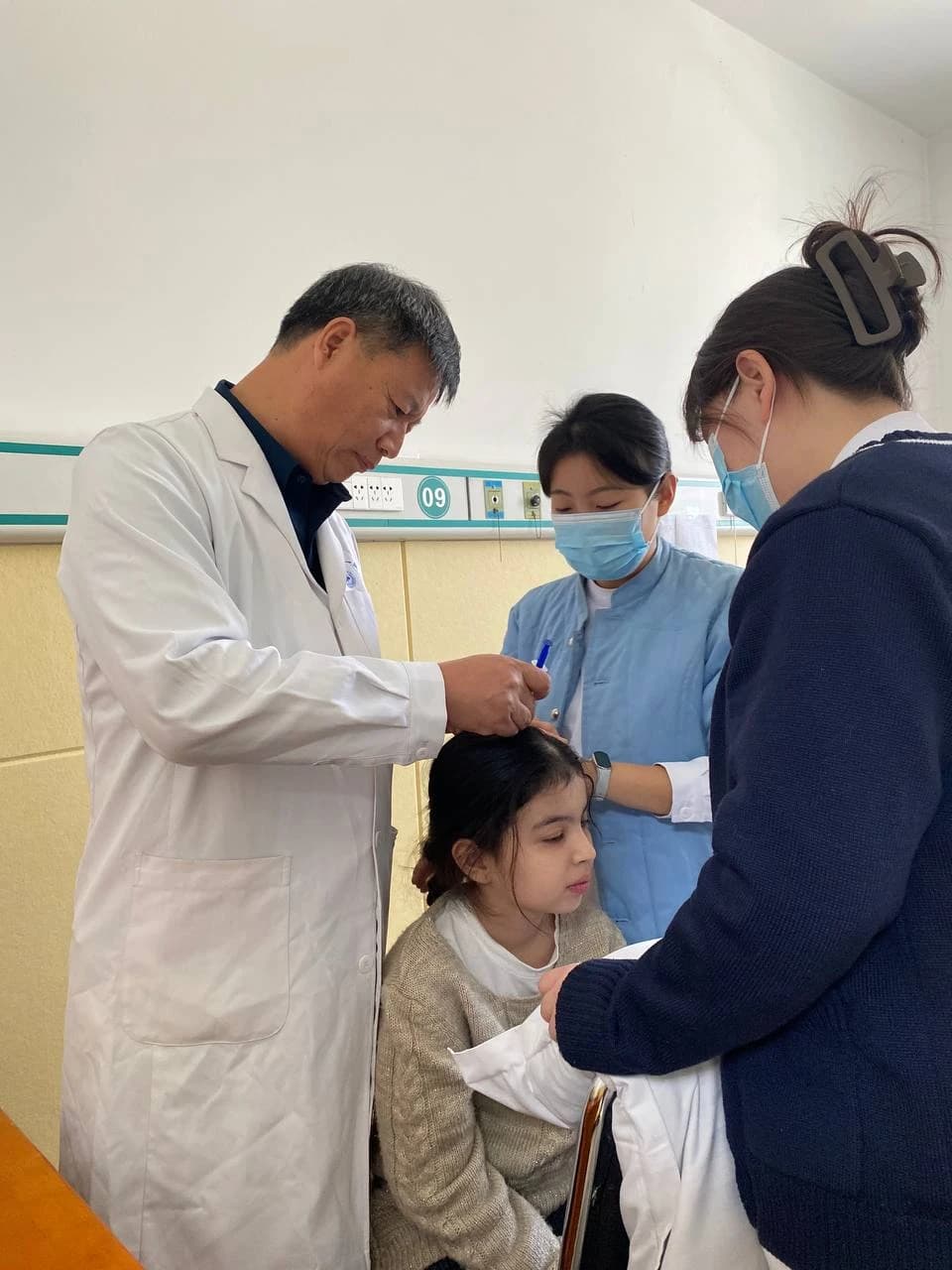
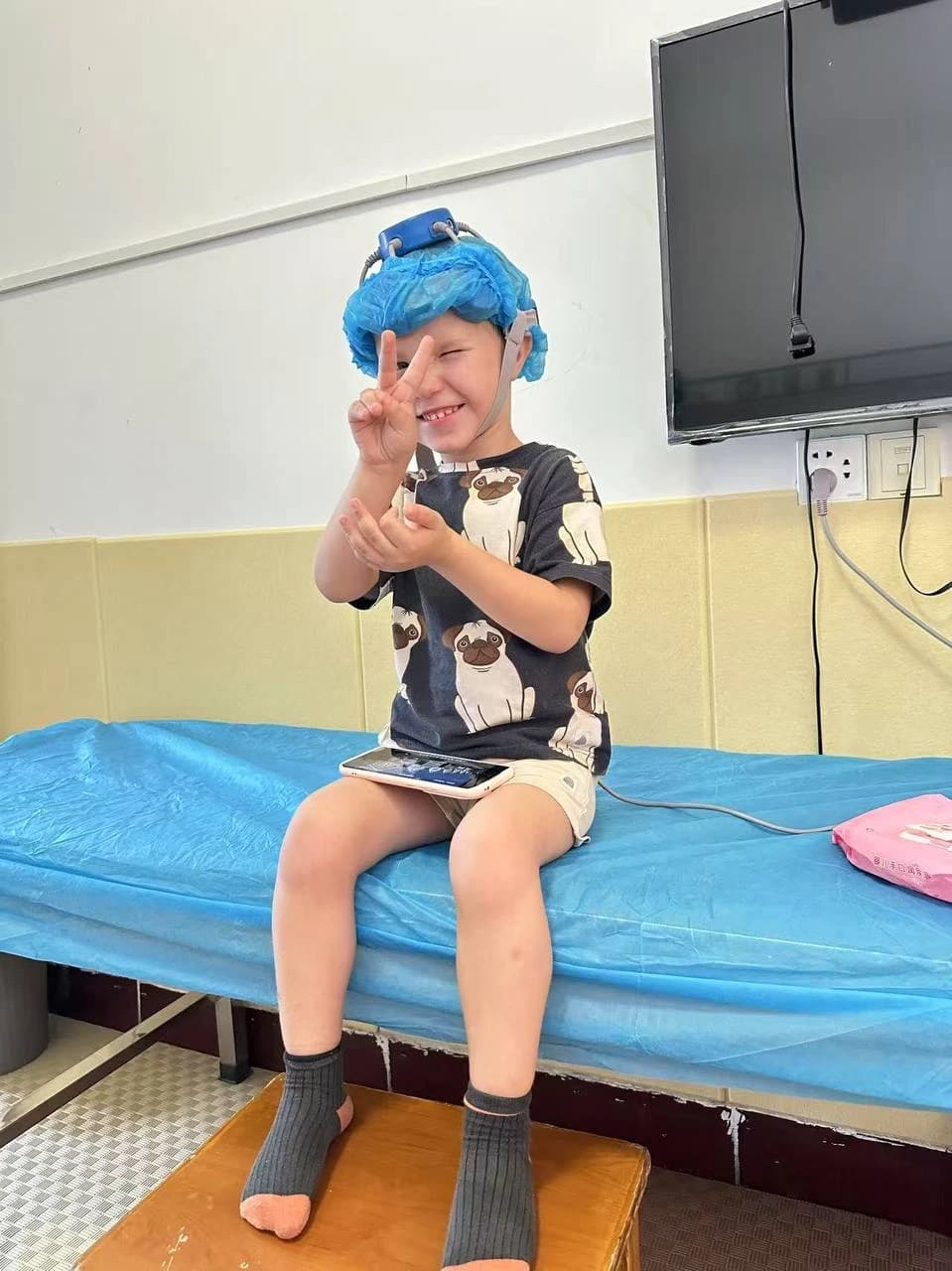
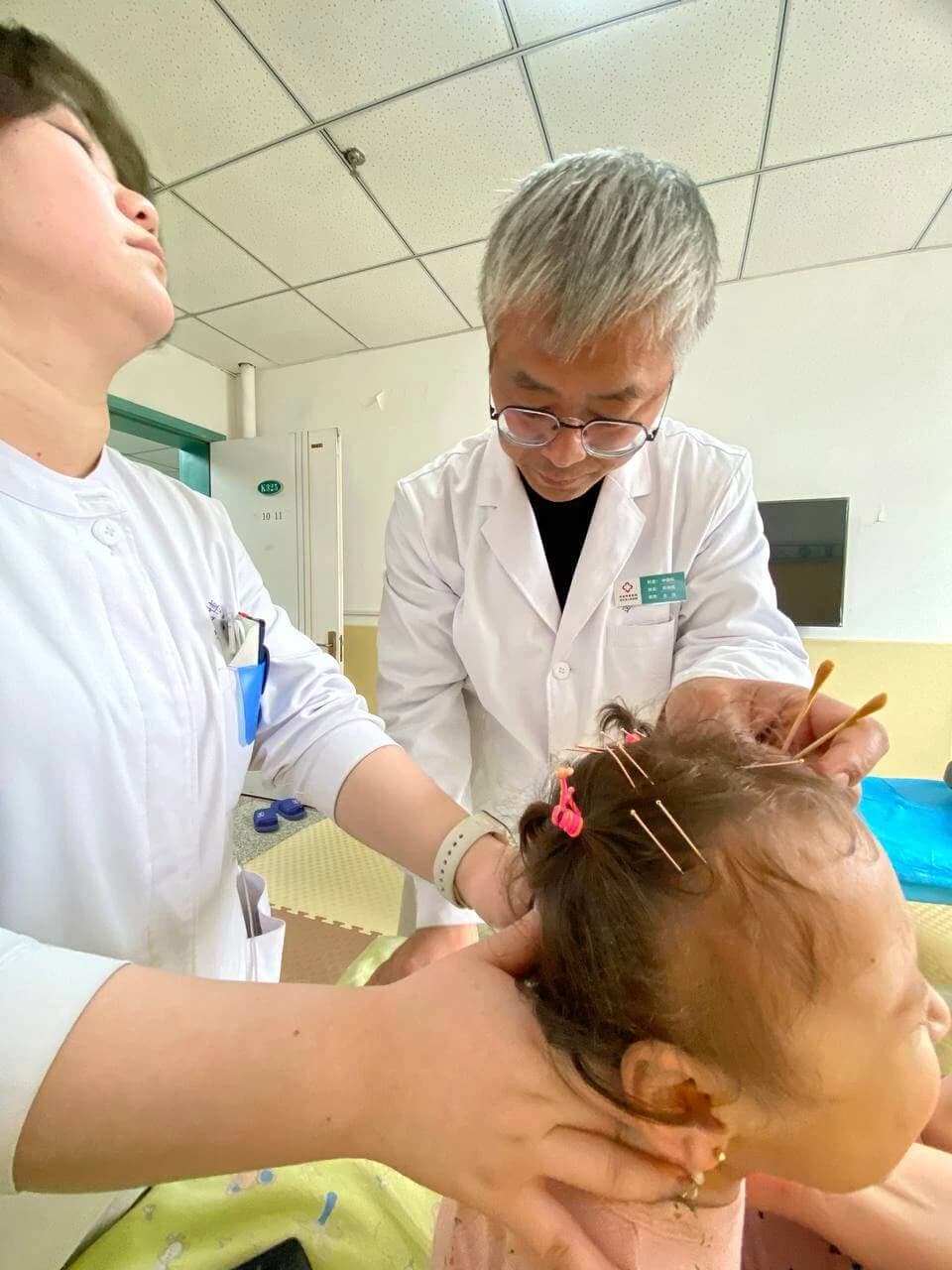
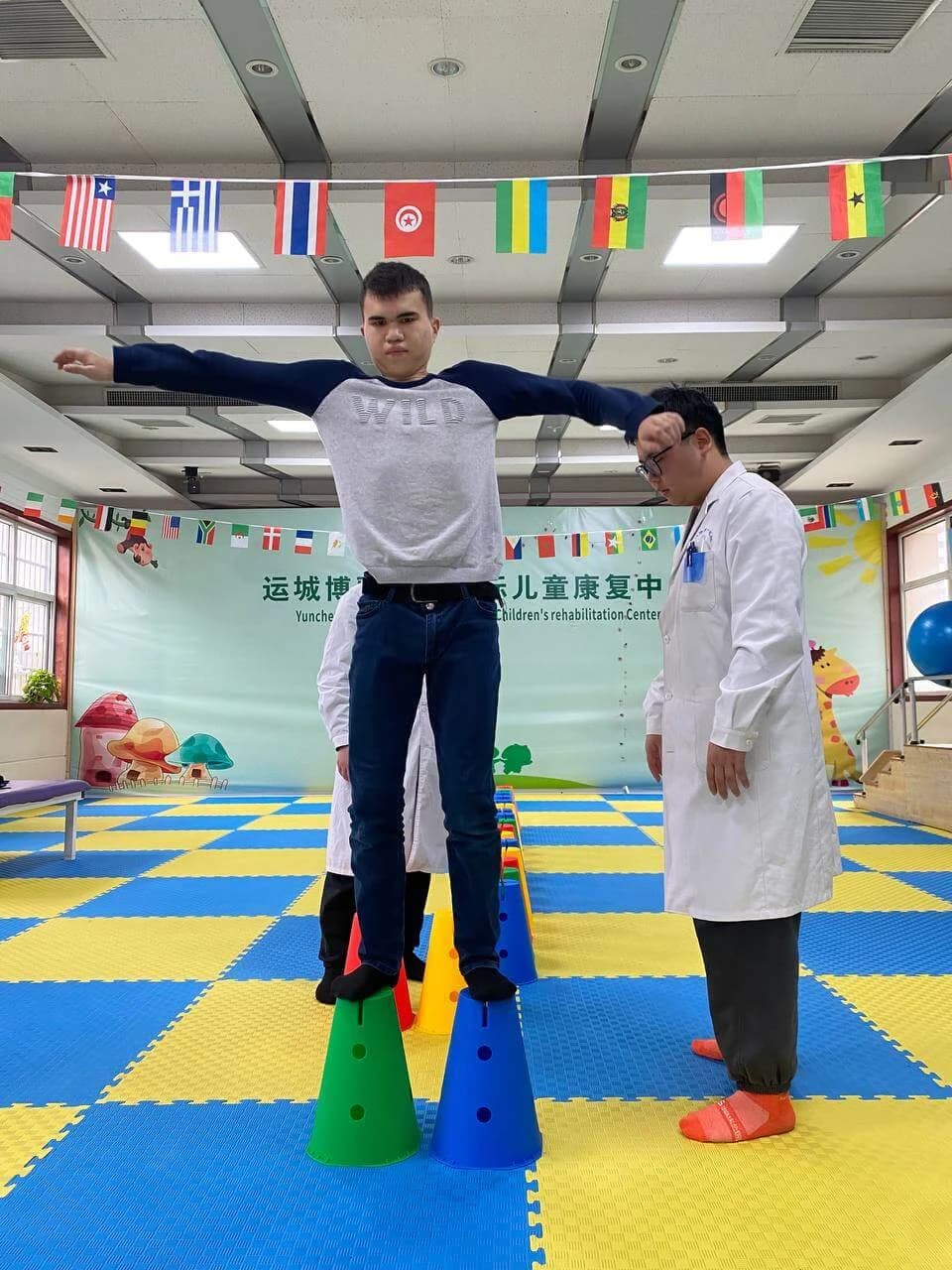
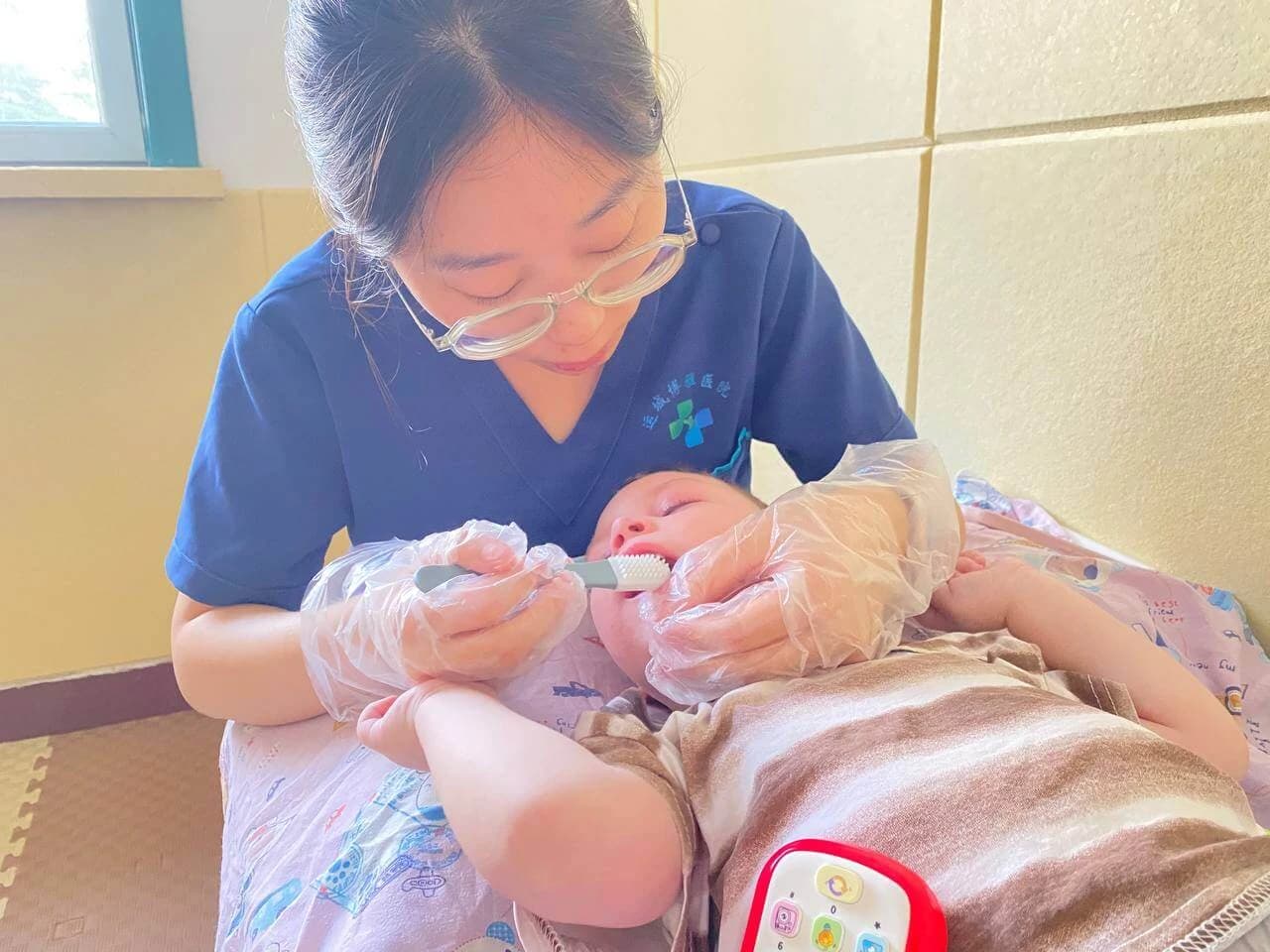
At Boya Hospital (Yuncheng, Shanxi Province), work with nonverbal children is part of the core specialization — pediatric neurological rehabilitation. The course is an intensive: 6–9 sessions a day, 6 days a week. The core is speech therapy aimed at eliciting speech: from sound imitations and first words to vocabulary and phrases, built on comprehension. It is reinforced by Traditional Chinese Medicine methods: scalp acupuncture (needling points on the head) is used to activate the speech areas, classical acupuncture — including the Shanxi school of the \"new nine needles\" — stimulates the speech centers, and pediatric Tui Na massage relaxes the articulation muscles. Sensory integration and occupational therapy provide the base: attention to sounds and speech, persistence, readiness to work in sessions.
Honest expectations
Progress in alalia is individual: it depends on the form, the age, and accompanying features, and no honest specialist will promise that a child will \"start talking in a month\". The realistic goal of the course is a shift along the steps of speech: steady response and comprehension, first sounds and words, vocabulary growth, phrases. An early start gives better momentum — effectiveness is higher in children under 7–8, but Boya also helps older children. The recommended course is 2–3 months: speech is elicited by repetition, day after day.
How to start
Send us your child's documents — reports from a neurologist and a speech therapist, hearing test results, other examinations. The hospital's doctor will review them and formulate the course goals before your arrival. The document-based consultation is free, and there is no prepayment: you pay on site and only for what your child has actually received.
Causes
Damage to or immaturity of the speech areas of the cerebral cortex in early development — in the womb, during birth, or in the first years of life. Hearing is intact: the child hears, but their own speech does not form or forms grossly incompletely.
Symptoms
In motor alalia, the child understands spoken language but barely speaks: there is no vocabulary or it is extremely poor, and phrases are not built. In sensory alalia, comprehension of speech itself suffers. Difficulties with attention, behavior, and communication are frequent companions.
Diagnostics
The first step is to rule out hearing loss. Then speech comprehension, active vocabulary, the state of the articulation muscles, and the overall developmental level are assessed — including with specialized scales (S-S, PEP). The program depends on this picture.
Prognosis and rehabilitation approach
Alalia does not resolve on its own — but speech can be developed. Systematic sessions elicit it step by step: from sound imitations and first words to phrases. The earlier the work begins, the steadier the progress; older children are helped too.
How rehabilitation works
Diagnostics
Comprehensive examination and patient assessment by an international team of specialists
Rehabilitation plan
Development of an individual rehabilitation program considering diagnosis specifics
Therapy
Intensive course of procedures: physical therapy, massage, physiotherapy, acupuncture and other methods
Results
Progress evaluation, home recommendations and maintenance therapy plan
Rehabilitation procedures: Alalia
Frequently asked questions: Alalia
Book a free consultation
Send us the medical records and a short video — Boya doctors will review the materials and tell you how they can help. A coordinator will get back to you within 5 minutes.