Rehabilitation for Dysarthria at Boya Clinic
Boya Hospital in Yuncheng admits children with dysarthria to its pediatric neurological rehabilitation courses. In dysarthria it is not comprehension that suffers but the very "mechanics" of speech — so daily speech therapy is combined with massage, acupuncture, and scalp acupuncture. There are 6–9 sessions a day, 6 days a week; the recommended course is 2–3 months, with payment on site and no prepayment.
What is Dysarthria?
Dysarthria is an impairment of the articulatory side of speech. The child understands what is said to them and knows what they want to say, but cannot pronounce it clearly: the muscles of the lips, tongue, jaw, and soft palate obey poorly. From the outside it sounds like "mush in the mouth" — sounds are blurred, words run together, the voice is quiet or nasal, and saliva may escape during speech. Family members often understand the child from half a word while strangers do not, and this is usually what prompts parents to seek help.
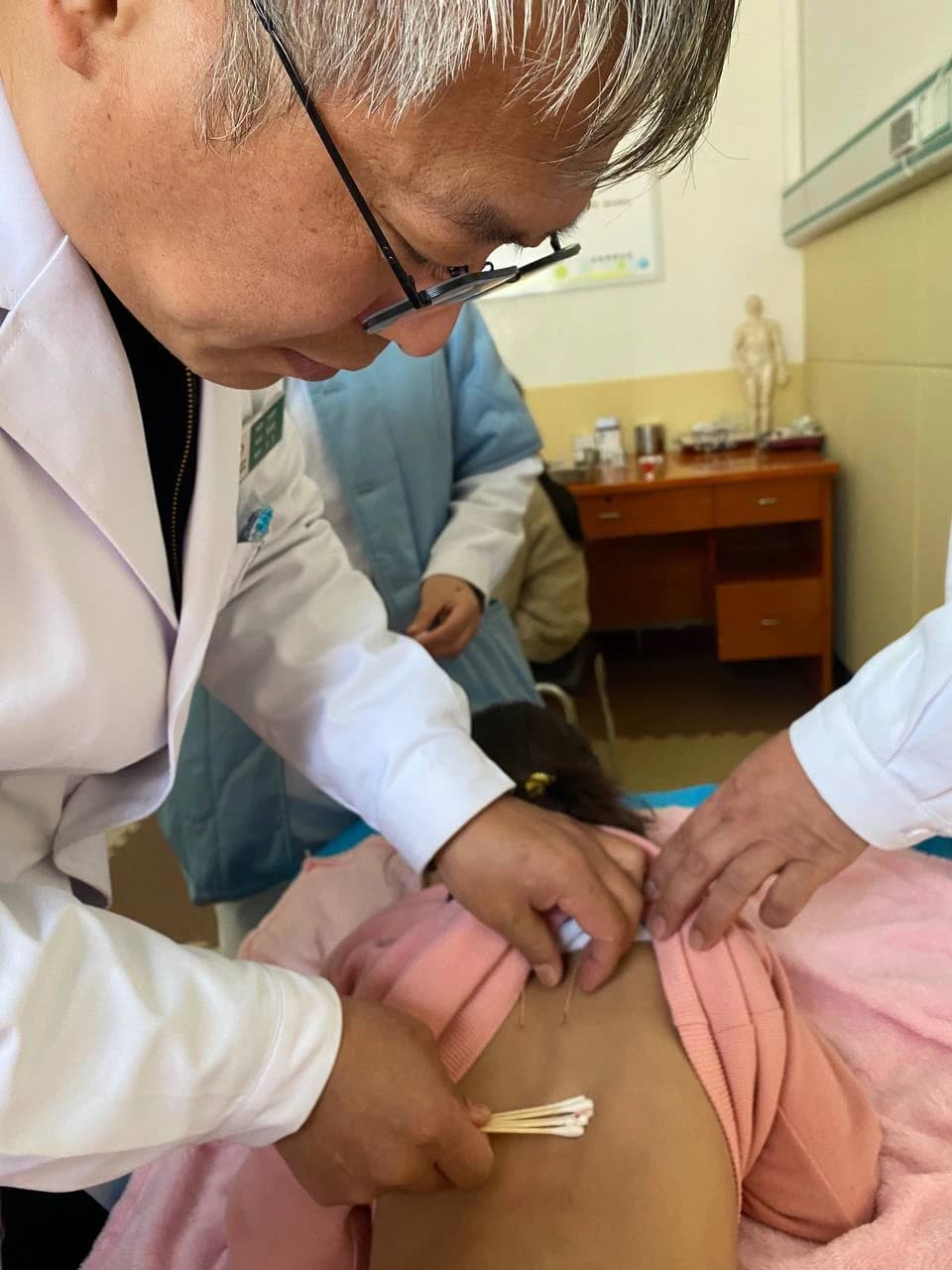
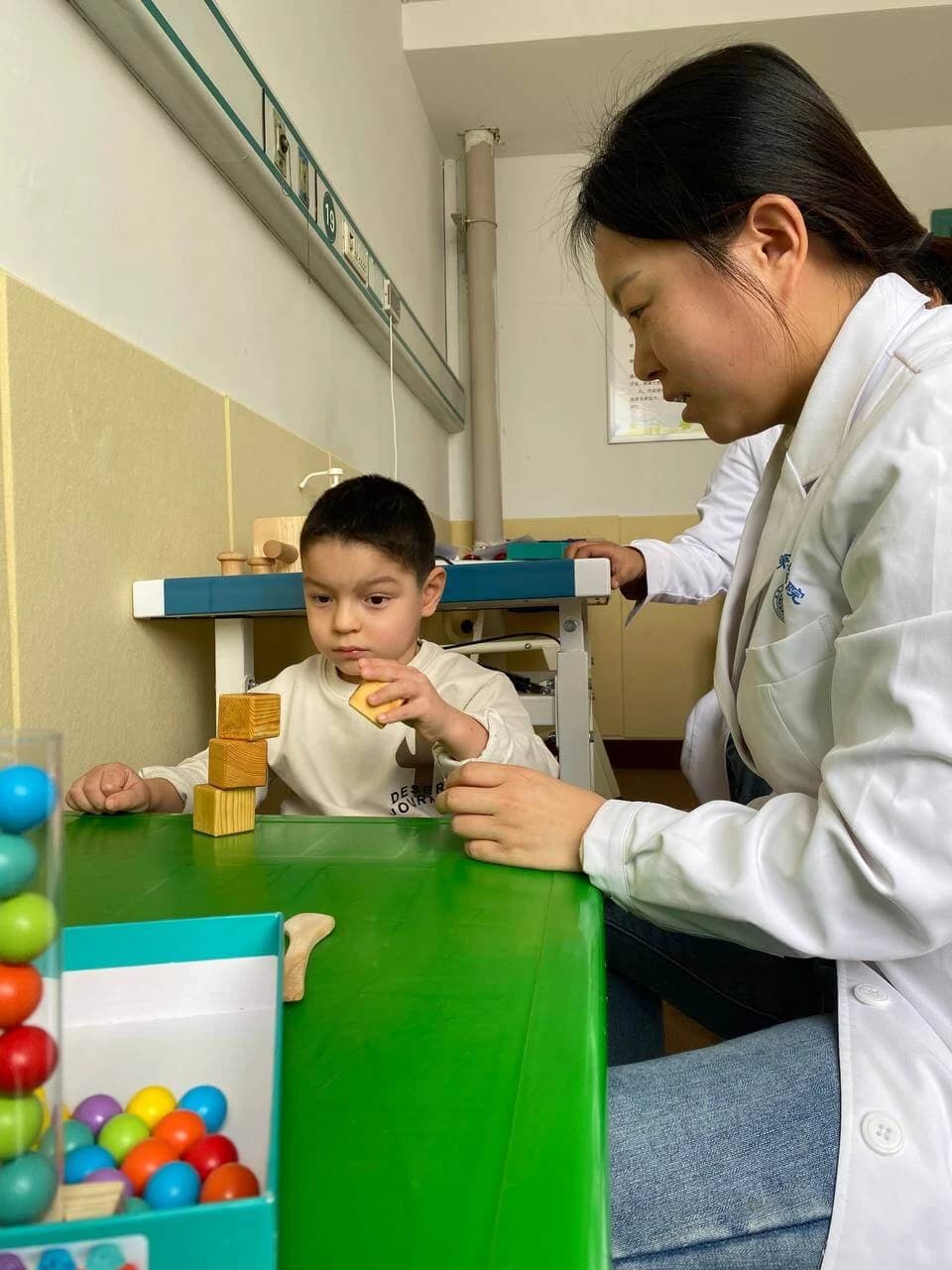
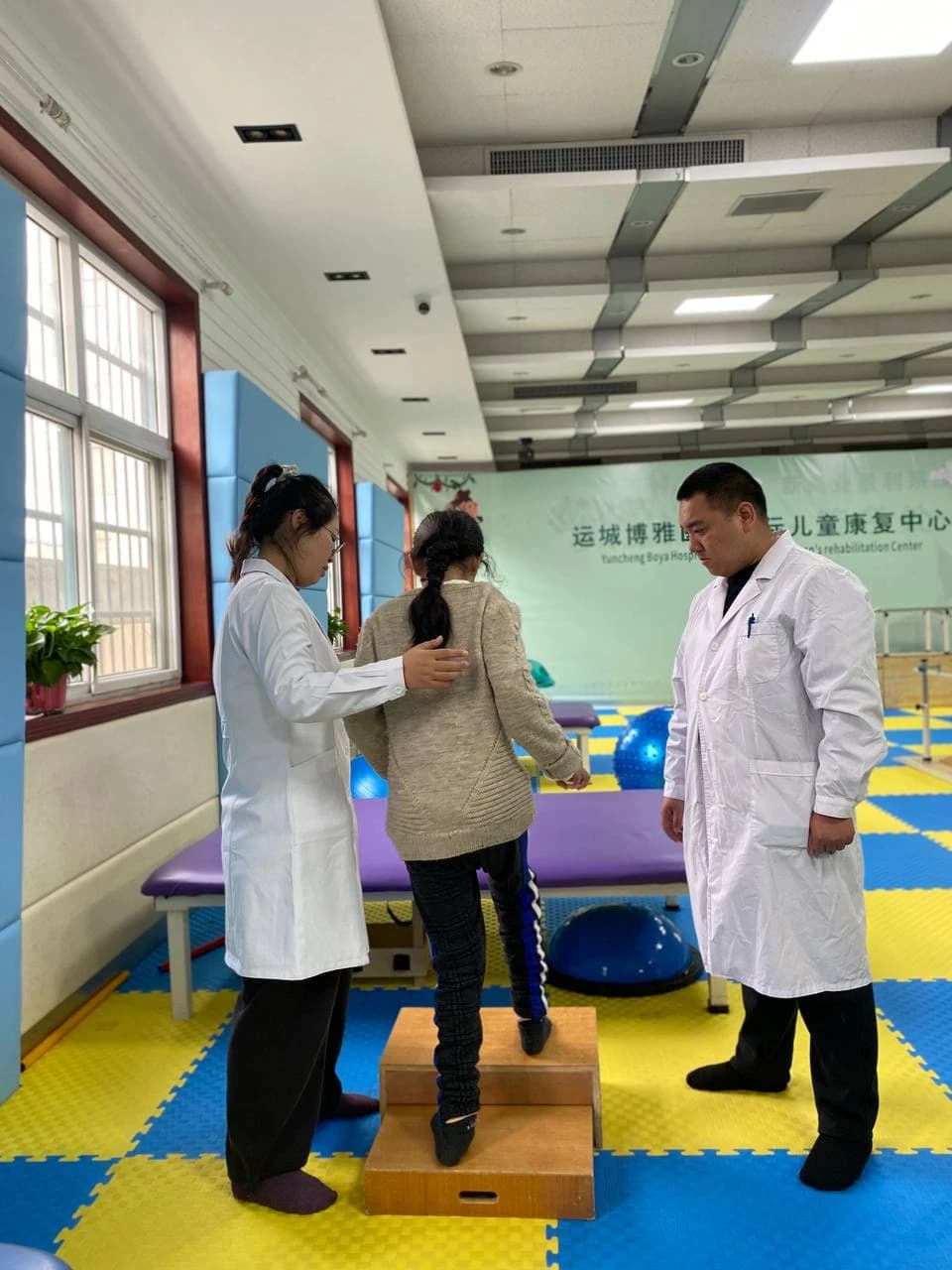
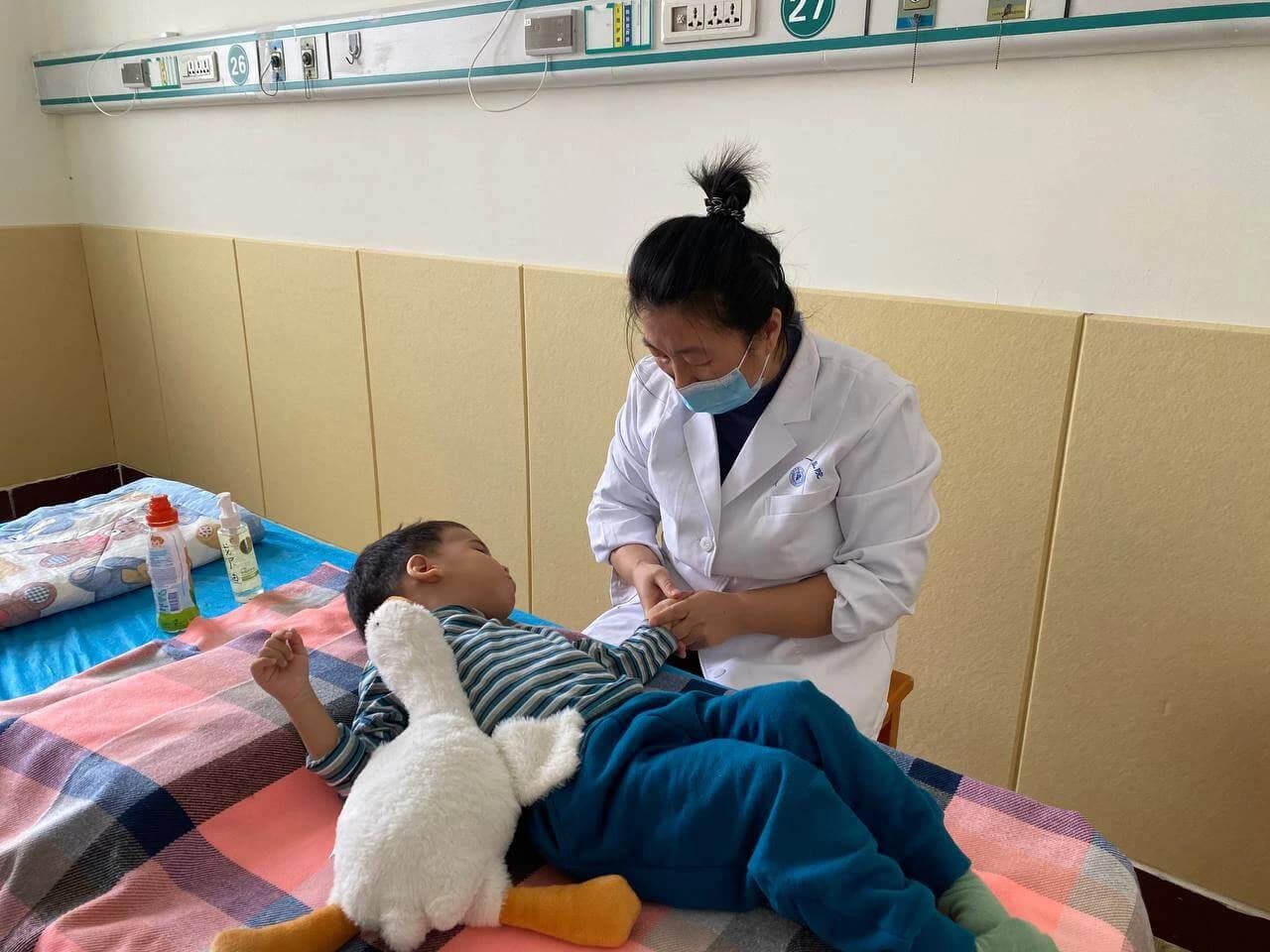
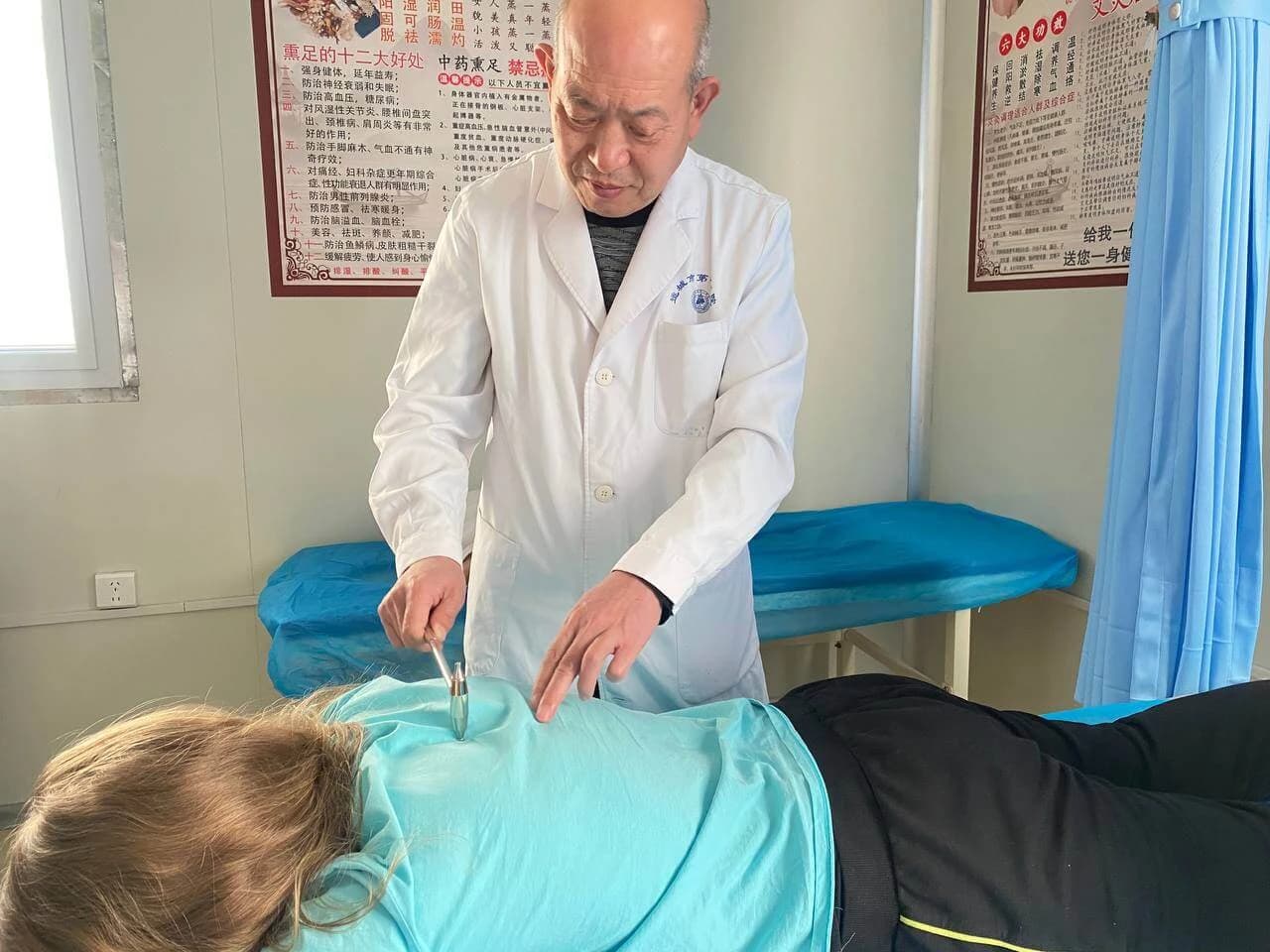
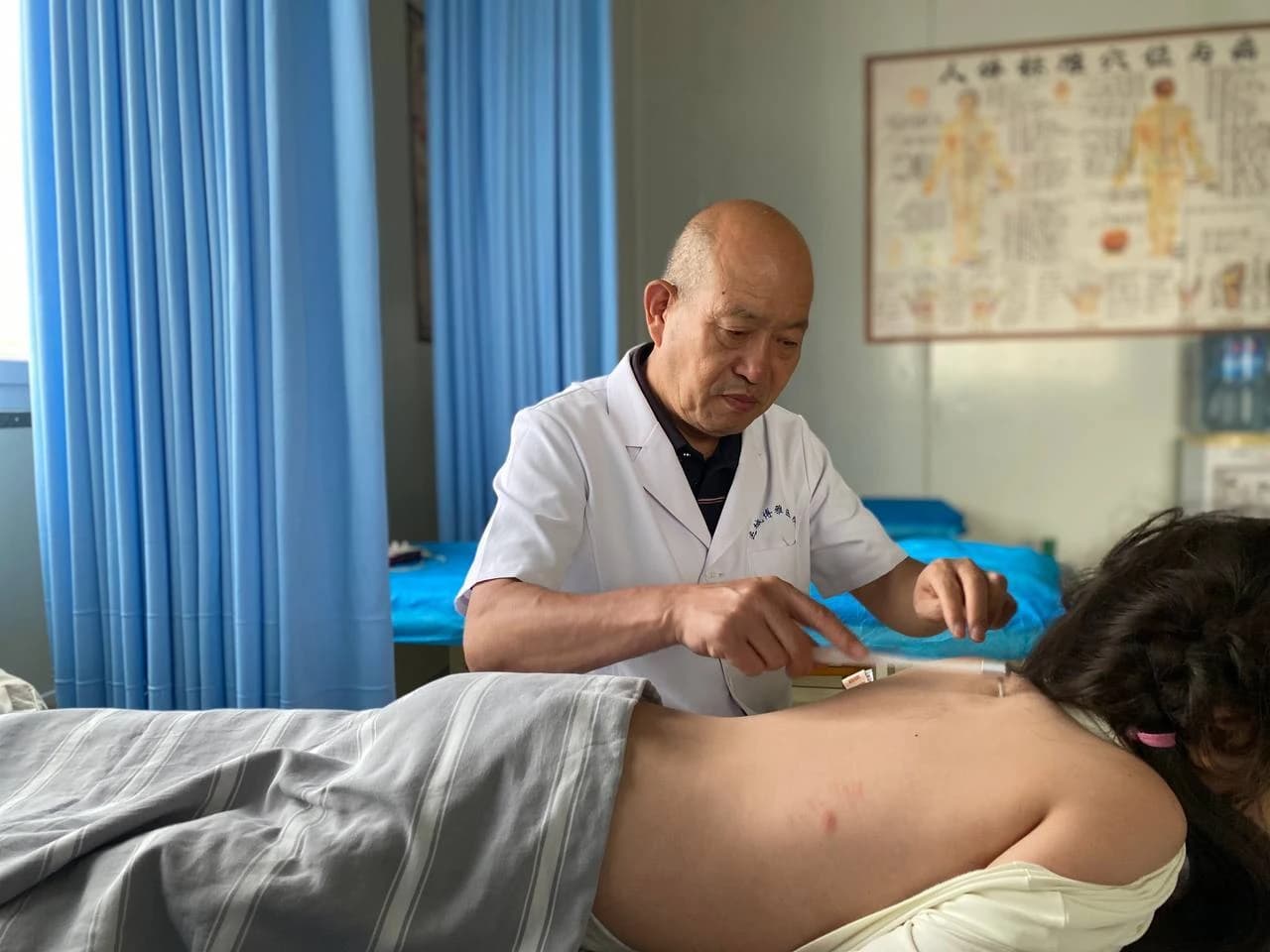
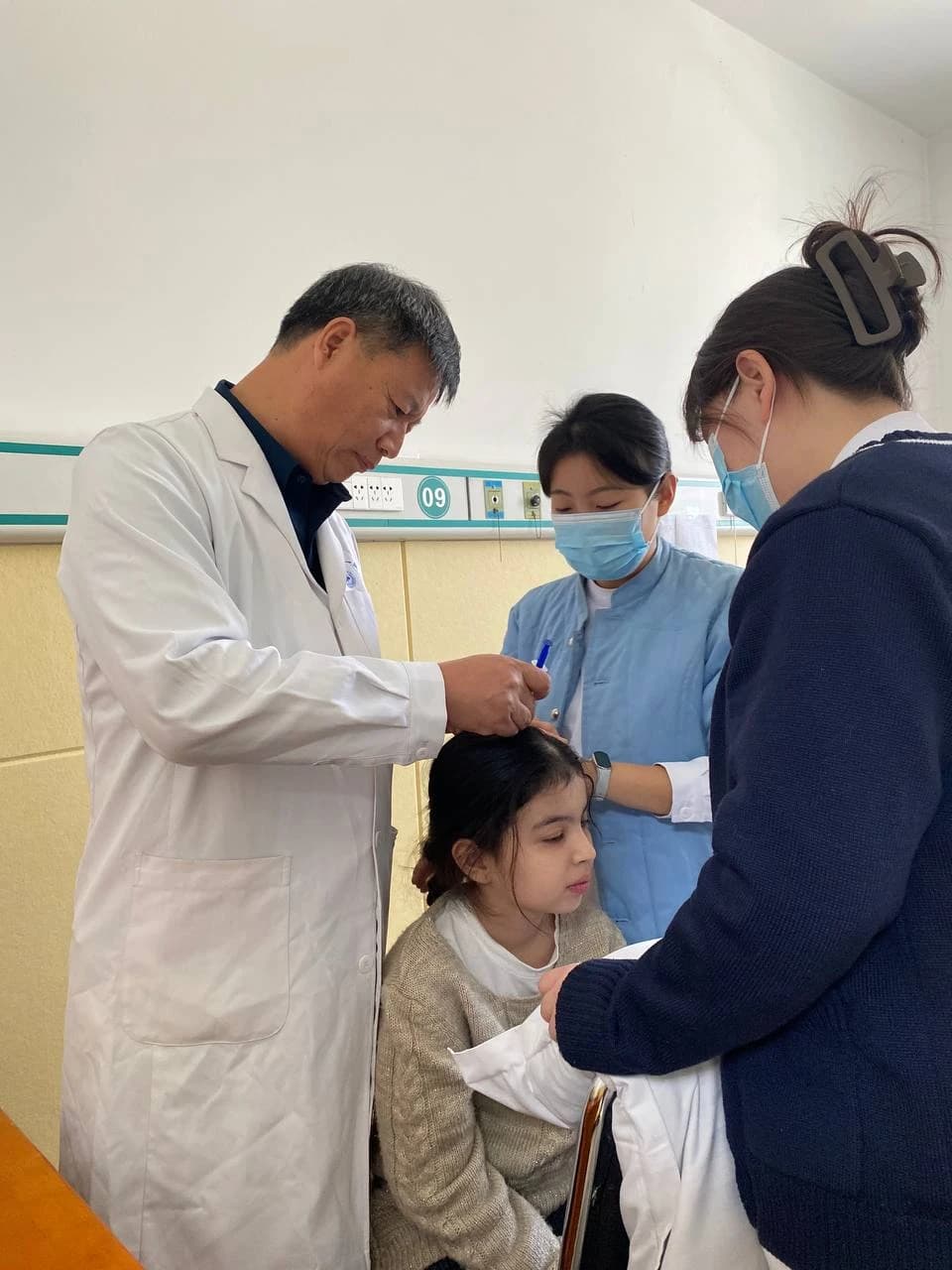
Dysarthria rarely occurs on its own. Most often it accompanies cerebral palsy and other consequences of nervous system damage: oxygen deprivation, birth trauma, past neuroinfections, traumatic brain injury. Boya Hospital (Yuncheng, Shanxi Province) works with such children as part of its core specialization — pediatric neurological rehabilitation. The course is built as an intensive: 6–9 sessions a day, 6 days a week. The core of the program is daily speech therapy: speech breathing, voice production, exercises for the lips, tongue, and jaw, sound production, and carrying those sounds over into live speech. Alongside it work the methods of Traditional Chinese Medicine — pediatric Tui Na massage, acupuncture, scalp acupuncture (needling points on the head, used to activate the speech areas), pharmacopuncture, and meridian point stimulation. When muscle tension is pronounced, apparatus-based physiotherapy, exercise therapy, and occupational therapy are added.
Why speech therapy here starts with the muscles
Speech is the precise, coordinated work of dozens of small muscles. If tone is increased or, conversely, reduced, the child physically cannot hold the required position of the tongue and lips — and no amount of repeating "say R" will help while the foundation is missing. That is why at Boya the speech therapist first works on the oromotor foundation: the strength of the outbreath, the mobility and sensitivity of the mouth muscles, chewing and swallowing, along with gentle manual techniques. Once the foundation is stronger, work moves to individual sounds, then to words and phrases, and only afterwards to fluent speech in dialogue. This sequence explains why the first weeks may feel "non-verbal": it is the preparation without which clear pronunciation is not possible.
What matters for parents
The honest goal of the course is to make the child's speech more intelligible to those around them, not to instantly produce every sound. Progress is tracked over time: the speech therapist records which sounds have appeared, how much clearer speech has become, and how breathing and voice have changed — and adjusts the program based on that data. Parents pick up many of the exercises and continue them at home: the specialist demonstrates the specific techniques during the session. Starting is simple: send your child's documents — reports from a neurologist and speech therapist, medical records, and a speech video if possible. The document-based consultation is free, and there is no prepayment: you pay on site and only for what your child has actually received.
Causes
Dysarthria appears when the nervous system controls the speech muscles poorly. Most often this follows damage to the central nervous system: cerebral palsy, the consequences of oxygen deprivation and birth trauma, past neuroinfections, traumatic brain injury. In cerebral palsy, dysarthria is one of the most frequent accompanying impairments.
Symptoms
Speech sounds slurred: sounds are "swallowed", words run together, and strangers find the child hard to understand. The voice may be quiet, muffled, or nasal; the tempo is either slowed down or, on the contrary, rushed. An open mouth and drooling during speech are common. At the same time, comprehension is usually intact — the child knows what they want to say.
Diagnostics
The speech therapist checks the foundation of articulation — tone and mobility of the lips, tongue, jaw, and soft palate, the strength of the outbreath, muscle work during chewing and swallowing — and reviews pronunciation by sound groups. The neurologist assesses the nervous system and looks for the cause. Hearing is always checked: hearing loss produces a similar picture.
Prognosis and rehabilitation approach
Dysarthria responds well to regular work: the steadier the sessions, the clearer the child's speech becomes to those around them. The logic is simple — first strengthen the muscular foundation of articulation, then set individual sounds, and only afterwards work toward fluent speech. The pace depends on the cause, age, and initial severity.
How rehabilitation works
Diagnostics
Comprehensive examination and patient assessment by an international team of specialists
Rehabilitation plan
Development of an individual rehabilitation program considering diagnosis specifics
Therapy
Intensive course of procedures: physical therapy, massage, physiotherapy, acupuncture and other methods
Results
Progress evaluation, home recommendations and maintenance therapy plan
Rehabilitation procedures: Dysarthria
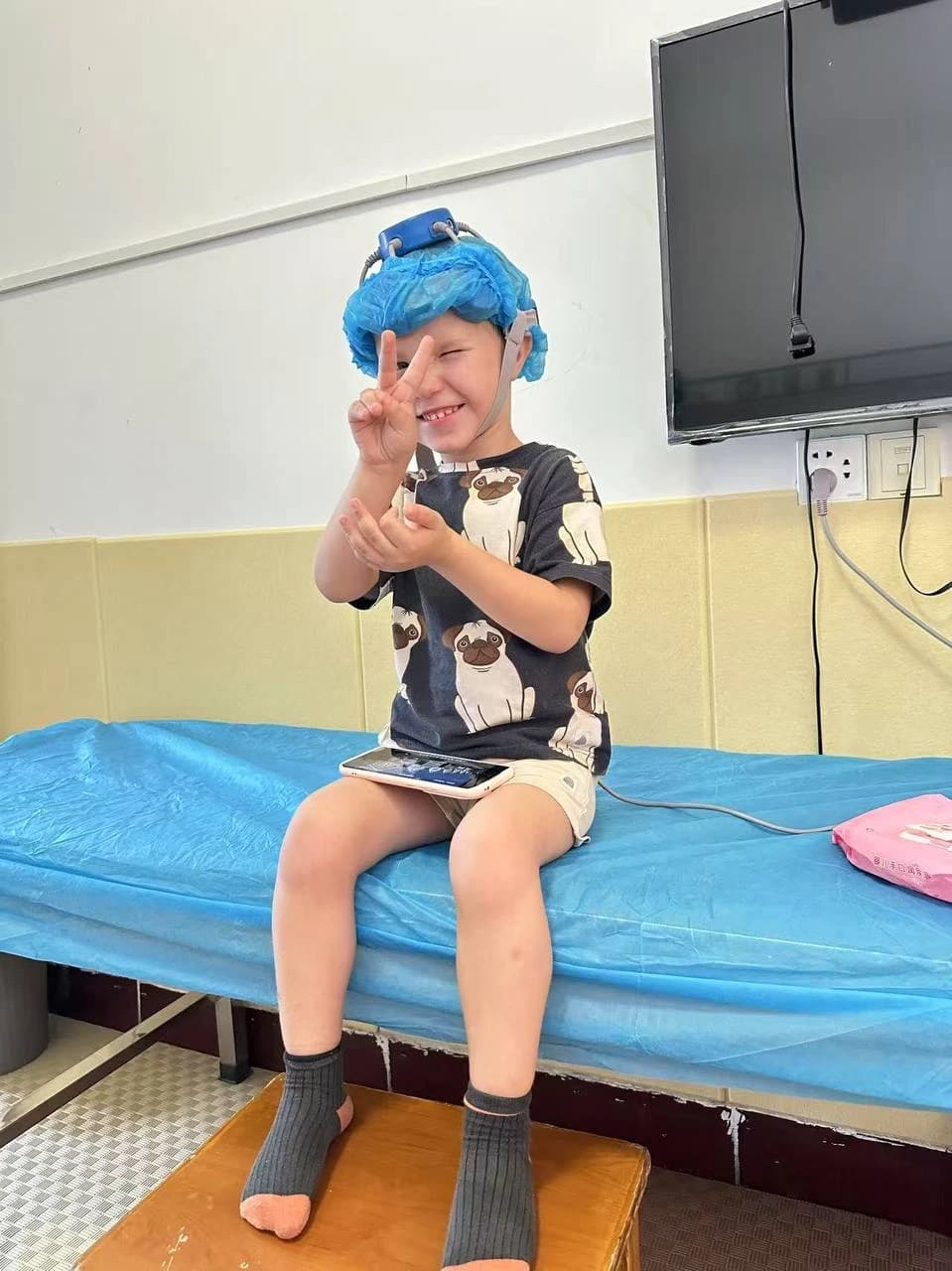
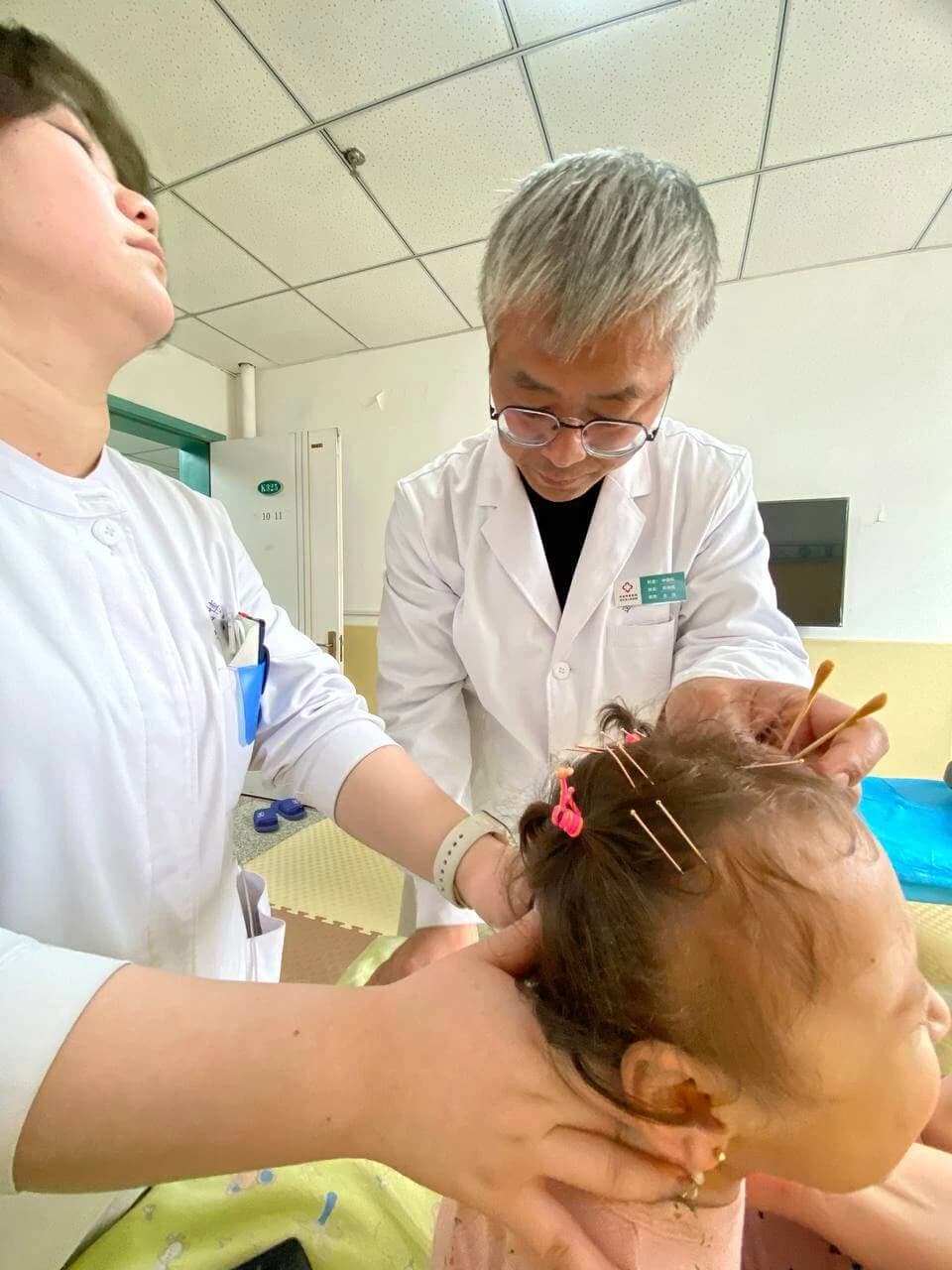
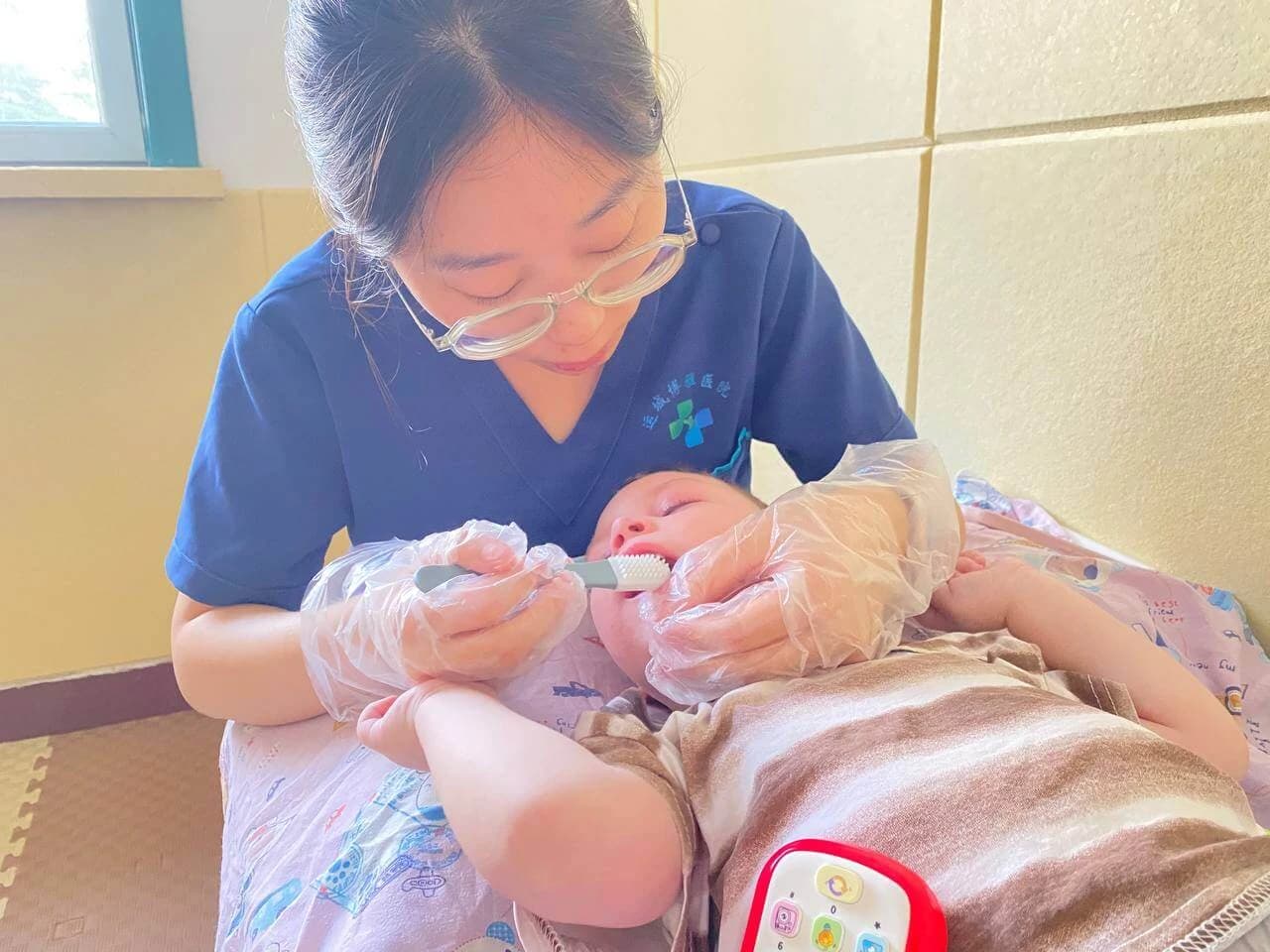
Frequently asked questions: Dysarthria
Book a free consultation
Send us the medical records and a short video — Boya doctors will review the materials and tell you how they can help. A coordinator will get back to you within 5 minutes.