Pharmacopuncture (Acupoint Injections)
Pharmacopuncture (acupoint injections) combines the principles of traditional Chinese medicine with modern pharmacology: micro-doses of medication are injected into biologically active points. The medication stays at the point longer, so the effects of acupuncture and the drug combine and last longer.
How the procedure works
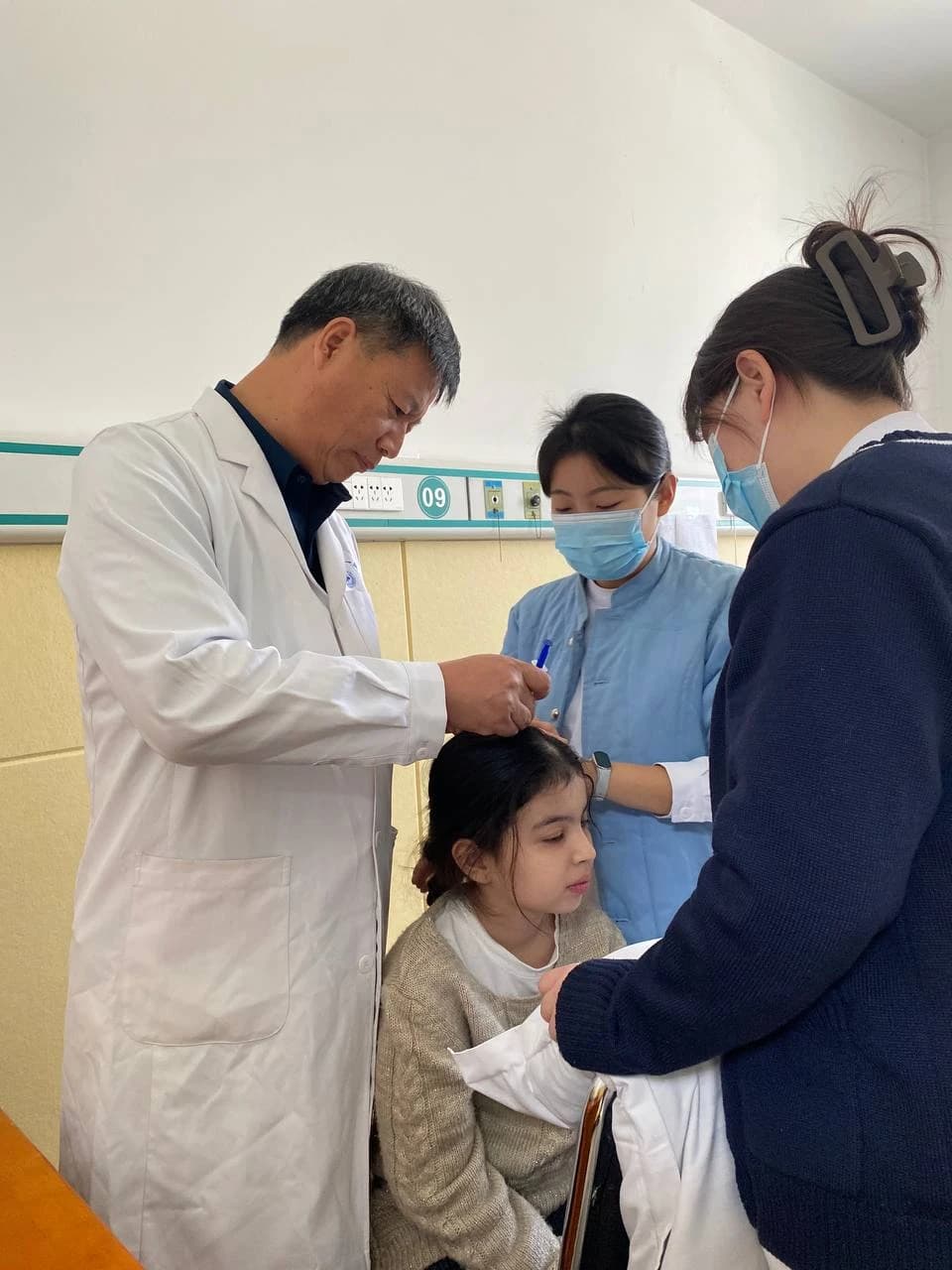
Pharmacopuncture (acupoint injections) is a method built on the core principles of traditional Chinese medicine and reinforced with modern pharmacology. Stimulation of an acupuncture point is combined with the injection of a micro-dose of medication into that point. After the injection the medication remains in the area of the point for longer — the effects of the point itself and of the drug combine, and the overall effect is prolonged. In children's rehabilitation the method is used as a complement to physical therapy, occupational therapy, speech therapy and sensory integration sessions.
How it works
According to TCM, biologically active points are linked to meridians — the channels along which the vital energy Qi circulates — and working with them aims to regulate the nervous system and internal organs. From the perspective of modern medicine, injecting a medication into the area of a point creates a "depot": the drug is released gradually, providing a longer-lasting local effect. The course plan — medications, points and session frequency — is always determined by a doctor after examining the child.
Medications used in the method
Below are the main medications used in pharmacopuncture for the rehabilitation of children with neurological conditions. The specific prescription is always individual.
Nerve growth factor (NGF, 鼠神经生长因子)
A neurotrophic medication: it supports the viability of nerve cells and recovery processes in nervous tissue. It is used for the consequences of brain and spinal cord injuries, hypoxic-ischemic encephalopathy, cerebral palsy and post-encephalitic complications — as prescribed by a doctor.
Methylcobalamin (MB-12, 甲钴胺)
An active coenzyme form of vitamin B12 that easily penetrates nerve cells. It participates in the metabolism of nucleic acids and proteins and in the synthesis of myelin — the sheath of nerve fibres. It aims to support nerve impulse transmission and the normal function of nervous tissue.
Cerebrolysin (脑苷肌肽)
A complex peptide medication (peptides, gangliosides, amino acids). It is used to nourish and protect neurons and supports recovery processes in nervous tissue.
Oculopeptide (眼氨肽)
Contains amino acids, peptides, nucleotides and trace elements (calcium, magnesium). It aims to improve metabolism in eye tissues and is used for strabismus and amblyopia — conditions the centre also addresses with acupuncture techniques.
Ganglioside (脑蛋白水解物)
A peptide neurotrophic agent. It is used for the consequences of traumatic brain injury, to support brain function, and for reduced memory and attention difficulties.
Acetylglutamide (乙酰谷酰胺)
A medication that supports the central nervous system: it crosses the blood-brain barrier, breaking down into glutamate and GABA — substances involved in nerve signal transmission. It aims to improve metabolism in nerve cells.
The method's place in the rehabilitation programme
Pharmacopuncture brings together TCM and modern pharmacology: the prolonged local action of a medication at an active point complements the effect of the other procedures in the programme. The method is used for cerebral palsy, ASD, speech and psycho-speech delays and the consequences of traumatic brain injury — always as part of a comprehensive programme, together with physical therapy, massage, physiotherapy and sessions with specialists.
What parents should know
All injections are performed by a doctor; the doses are micro-doses, and the points and course schedule are selected individually. Before the course starts a doctor examines the child, assesses the indications, rules out contraindications and explains to parents how the course will be structured. Pharmacopuncture does not replace sessions with rehabilitation specialists — it works alongside them.
Consultation and prescription
The doctor examines the child, reviews the diagnosis and rehabilitation history, determines indications and contraindications, and selects the medication and course schedule.
Selecting the points
The doctor chooses biologically active points for the child's goals — following TCM principles and the clinical picture.
Administering the medication
The skin is cleaned with antiseptic and the doctor uses a fine needle to inject a micro-dose of the medication into the selected points. The procedure takes a few minutes.
Observation and progress review
The doctor monitors tolerance, tracks changes in the child's condition and adjusts the course schedule if needed.
How Sessions Look
Indications and contraindications
Indications
Contraindications
Who performs the procedure
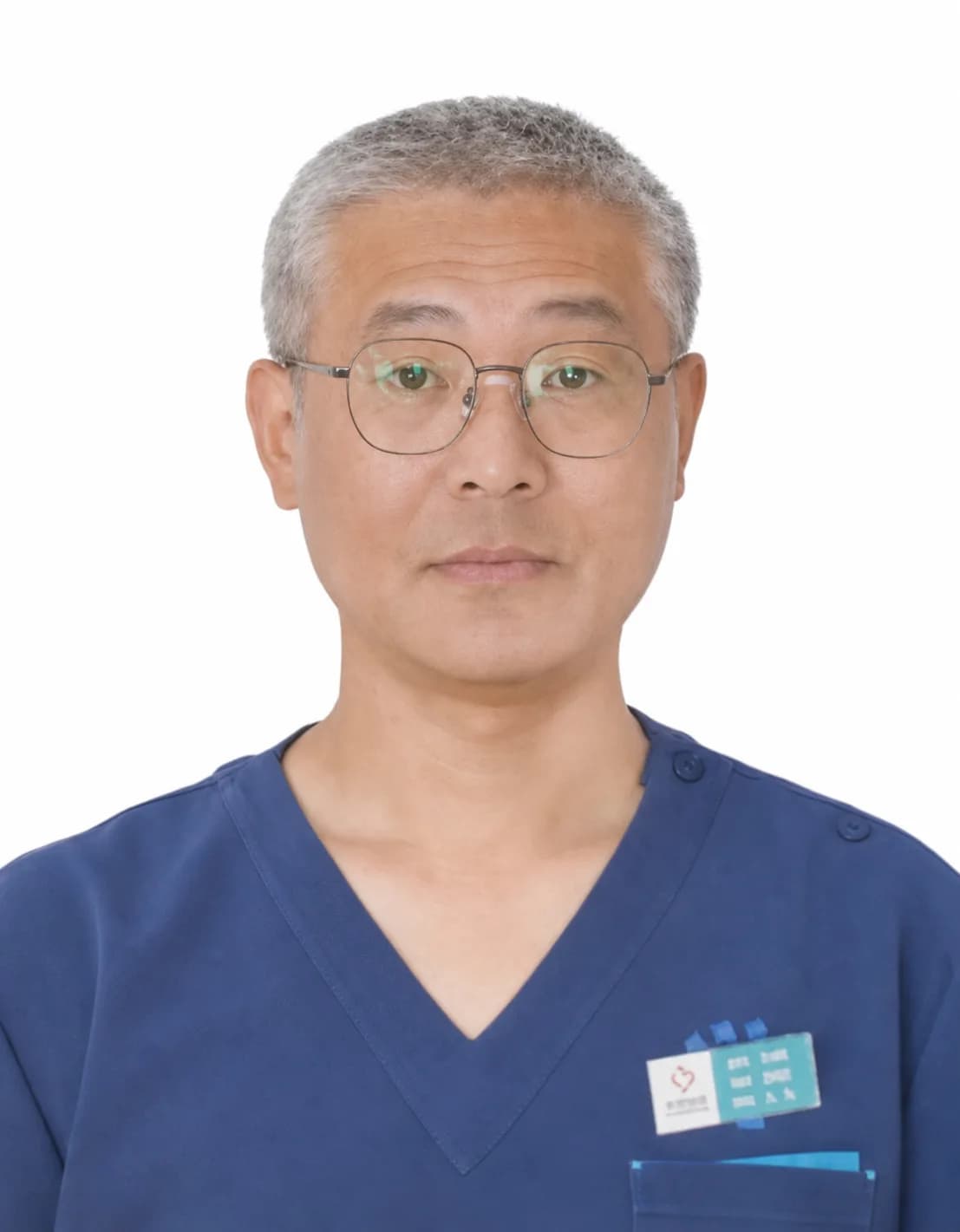
Chen Ruixu陈锐旭
Head of the Chinese medicine department

Zhang Mingjian张明建
Expert of the Chinese medicine department
What diagnoses it helps with: Pharmacopuncture (Acupoint Injections)
Book a free consultation
Send us the medical records and a short video — Boya doctors will review the materials and tell you how they can help. A coordinator will get back to you within 5 minutes.