
New Nine Needles
New Nine Needles is a modern revision of a classical TCM method: the doctor matches the instrument to the child. In children's rehabilitation the gentler options are used most often — cutaneous, magnetic and blunt needles, plus painless insertion techniques for the filiform needle.
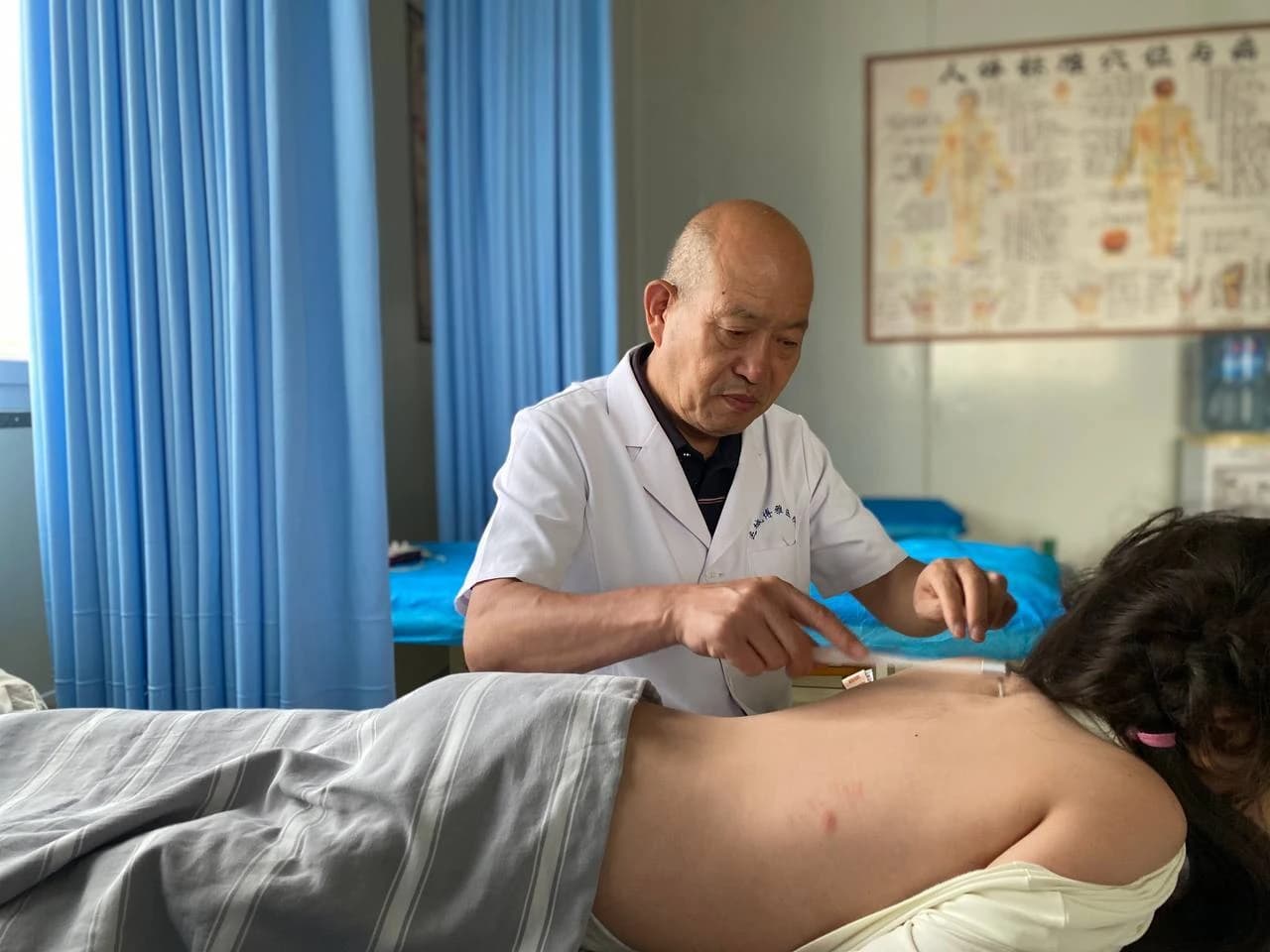
How the procedure works
New Nine Needles is a modern revision of the classical traditional Chinese medicine method known as the "Nine Needles". It was developed in the 1970s by Professor Shi Huaitang: the core ideas of the tradition were kept while the shape of the instruments and the ways of using them were optimised. The guiding principle is to match the needle to the patient's condition, so the doctor combines different instruments for each individual child.
The needle types
- Plum-blossom (cutaneous) needle — several small needles gathered into a cluster. Light tapping on the skin is used for gentle stimulation and to support the nervous system.
- Round magnetic needle — a rounded blunt tip with a built-in magnet, combining acupuncture with magnet therapy. It works through pressure or gliding along points and meridians without piercing the skin — suitable for weaker children and those afraid of needles.
- Ti Zhen (blunt needle) — short, with a blunt tip, used for pressure without piercing the skin. It helps release muscle spasm, especially in children and on sensitive areas such as the face.
- Hao Zhen (filiform needle) — the most widely used instrument in modern acupuncture, as thin as a hair. The method applies painless insertion techniques.
- Hook needle (micro-knife) — a needle with a hooked tip used to release adhesions and work with areas of persistent muscle tension. It calls for high precision and strict sterility.
Use in cerebral palsy and ASD
In cerebral palsy the aim is to reduce spasticity, improve circulation, stimulate neural connections and support motor and speech development. A combination of several needles is normally used so that muscles, nervous system and joints are all addressed.
In ASD, speech and developmental delay the emphasis is on gentle techniques: magnetic, blunt and cutaneous needles help lower sensory tension, while filiform needles are used to support attention. The work targets better sleep, less anxiety and hyperactivity, and stimulation of speech and cognitive function.
A complement: ear points and Vaccaria seeds
As a continuation of the main procedure, ear therapy (耳穴贴压) is used: patches with Wang Buliu (Vaccaria) seeds are applied to ear points. The method is gentle and painless, which suits young children well. Parents are shown how to press the patches gently for 1–2 minutes several times a day. Patches are worn for 3–5 days and changed roughly every 3 days for children, after which the skin is given a rest.
What parents should know
A session lasts 20 minutes, with procedures once a day, 6 days a week, and a course of 20 sessions. The combination of filiform, cutaneous and magnetic needles is considered safe and gentle, which makes it convenient for long rehabilitation stays. The method is used as part of the centre's comprehensive programme — alongside physical therapy, occupational therapy, speech therapy and physiotherapy.
Assessment and instrument selection
A TCM doctor examines the child and selects a combination of needles suited to their condition and tolerance — following the principle of matching the needle to the patient.
The session
The specialist works through the chosen instruments in turn: light tapping with the cutaneous needle, pressure with the magnetic or blunt needle and, where needed, a filiform needle using a painless technique. A session lasts 20 minutes.
Ear seed patches
As a complement, patches with Vaccaria seeds are applied to ear points. Parents are shown how to press them gently for 1–2 minutes several times a day.
Changing patches and reviewing progress
Patches are worn for 3–5 days and changed roughly every 3 days for children, after which the skin is given a rest. The doctor assesses tolerance and adjusts the scheme.
How Sessions Look
Indications and contraindications
Indications
Contraindications
Who performs the procedure
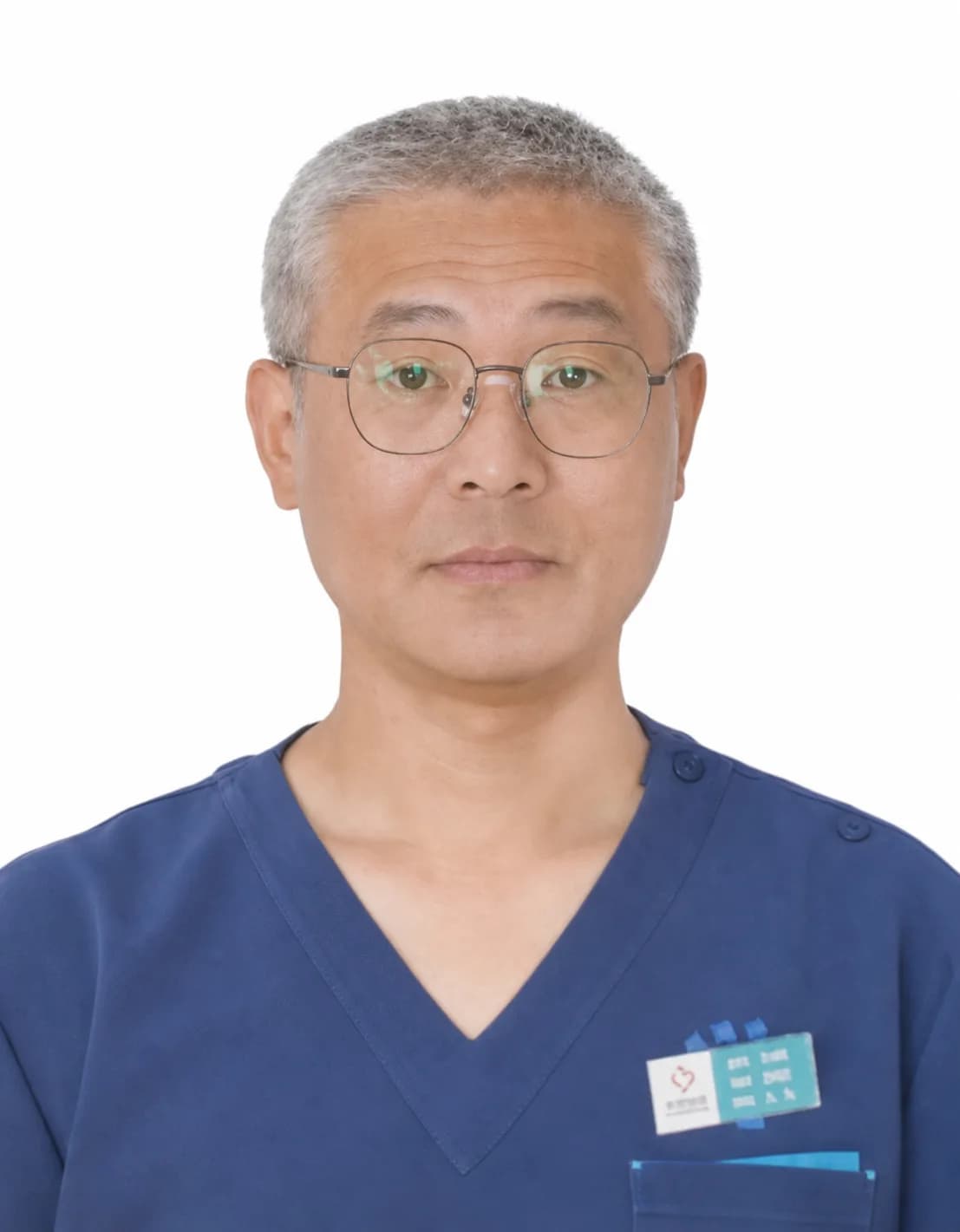
Chen Ruixu陈锐旭
Head of the Chinese medicine department

Zhang Mingjian张明建
Expert of the Chinese medicine department
What diagnoses it helps with: New Nine Needles
Book a free consultation
Send us the medical records and a short video — Boya doctors will review the materials and tell you how they can help. A coordinator will get back to you within 5 minutes.