Rehabilitation for Dysphagia at Boya Clinic
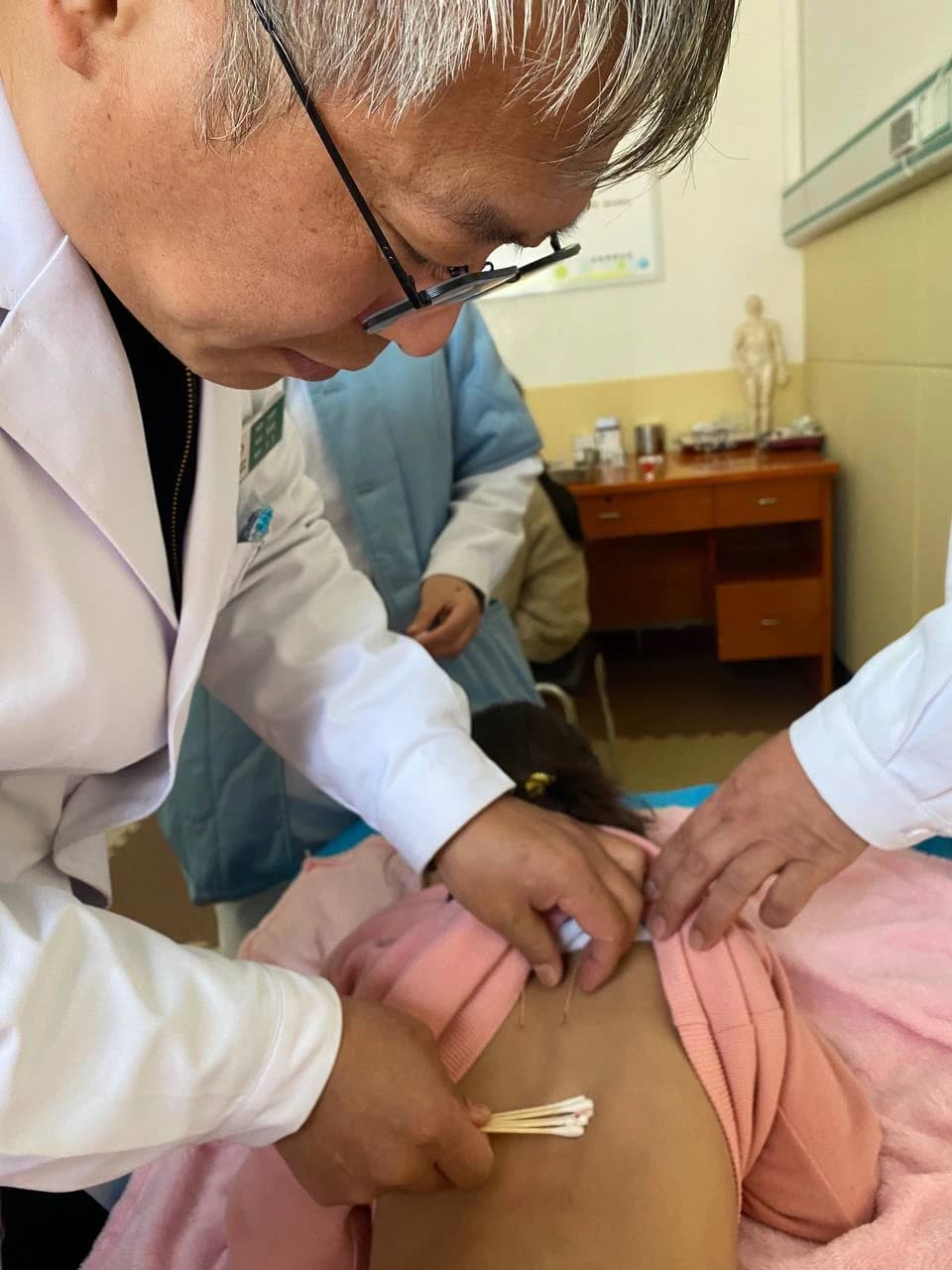
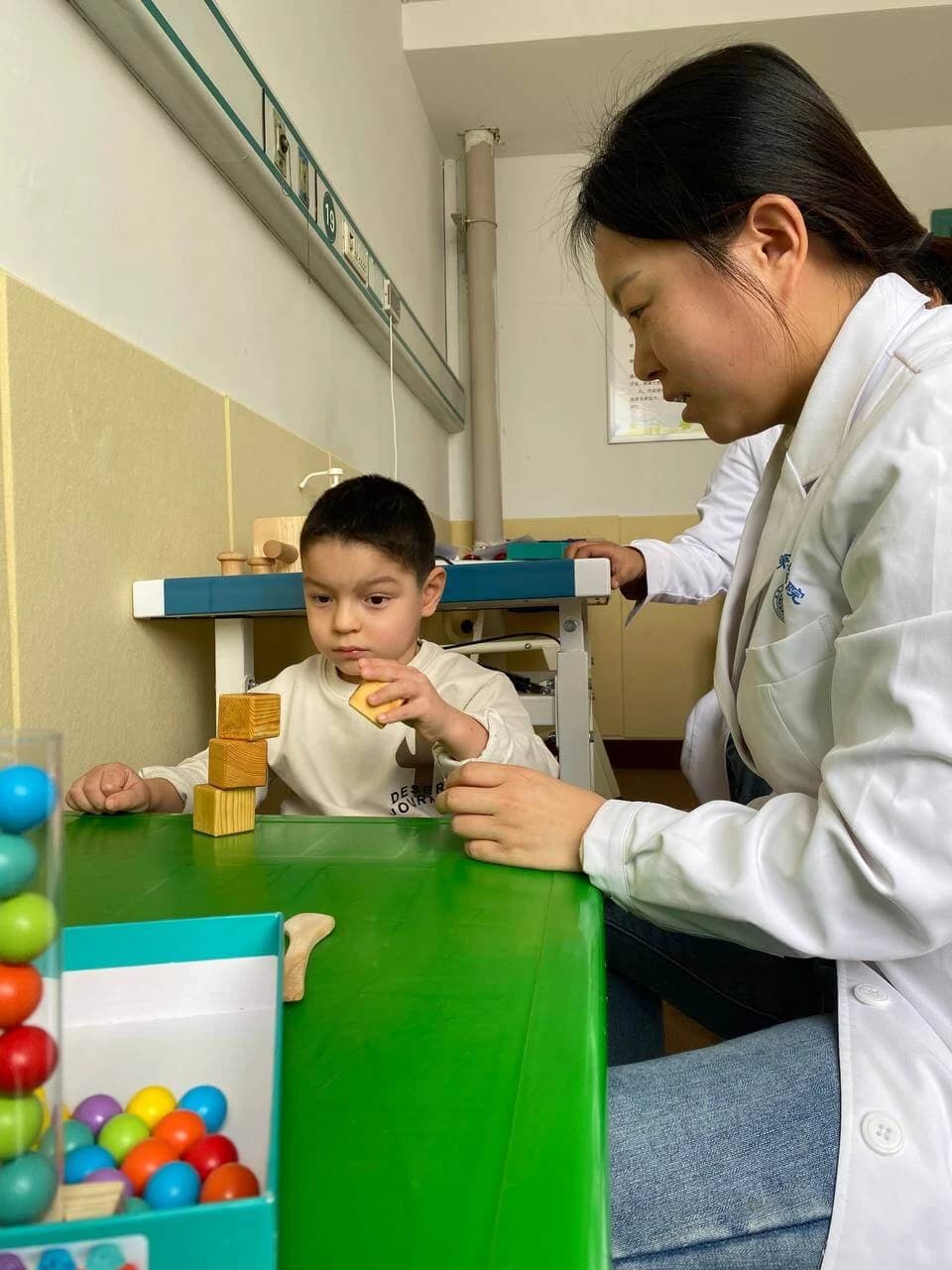
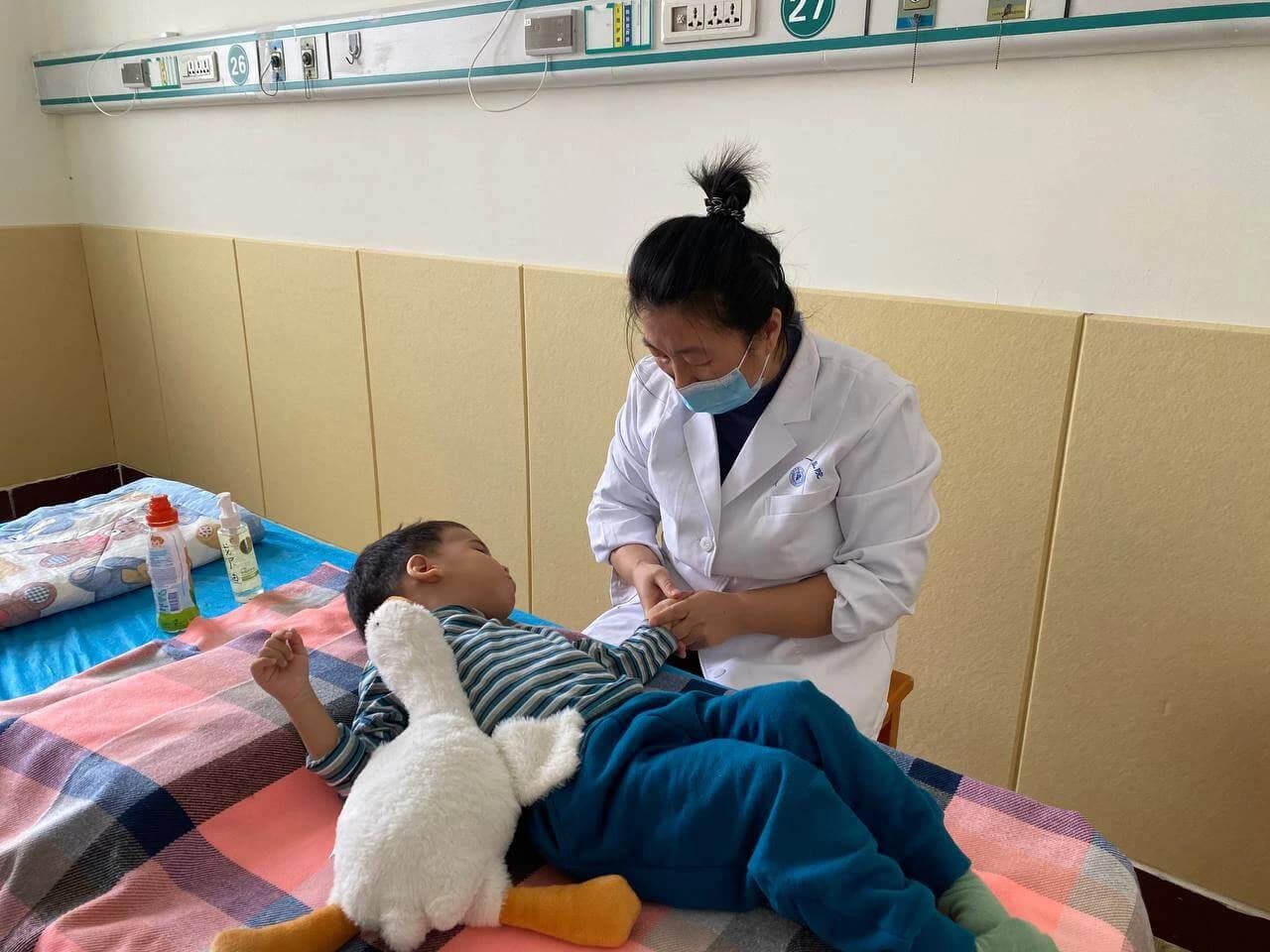
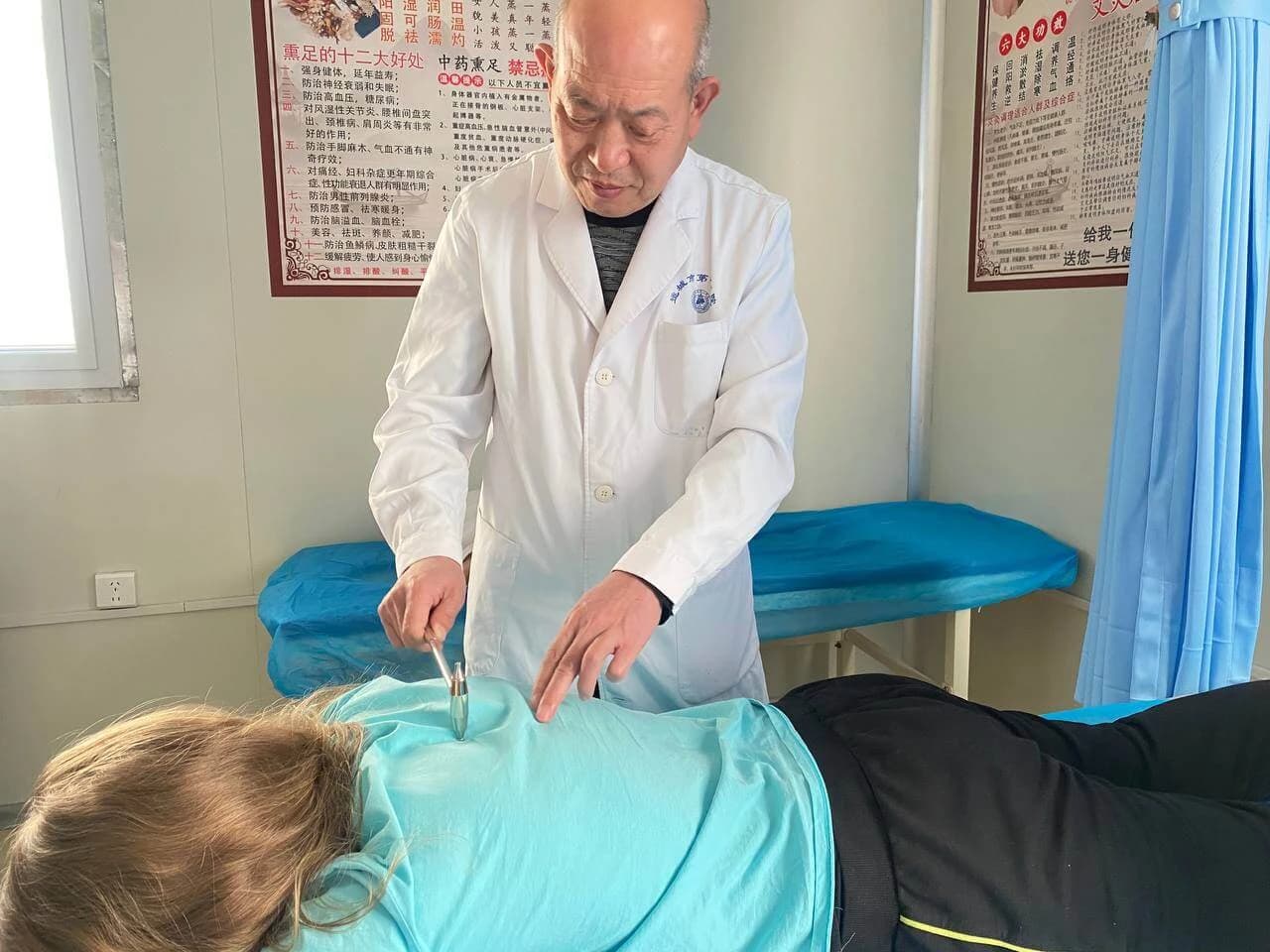
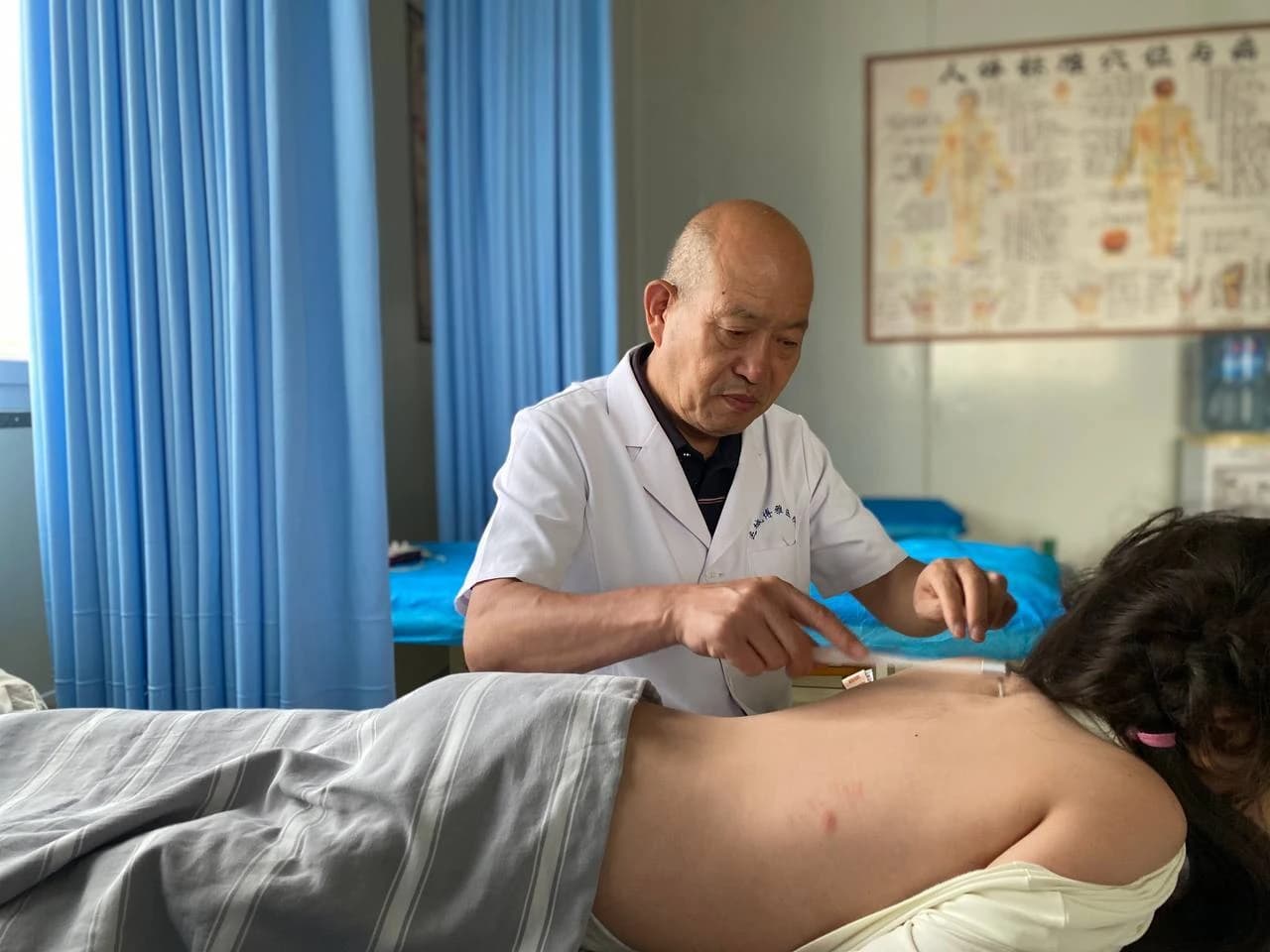
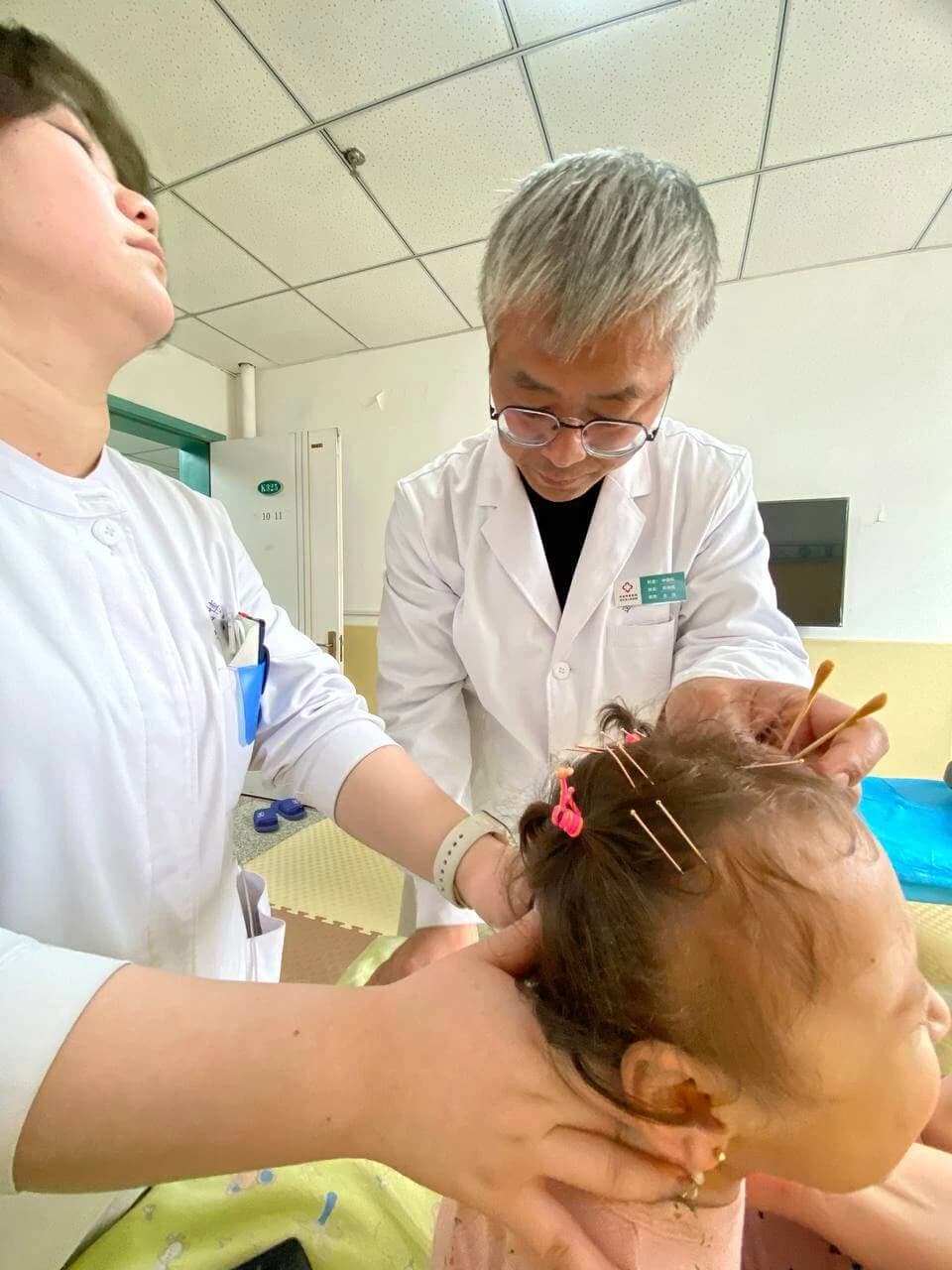
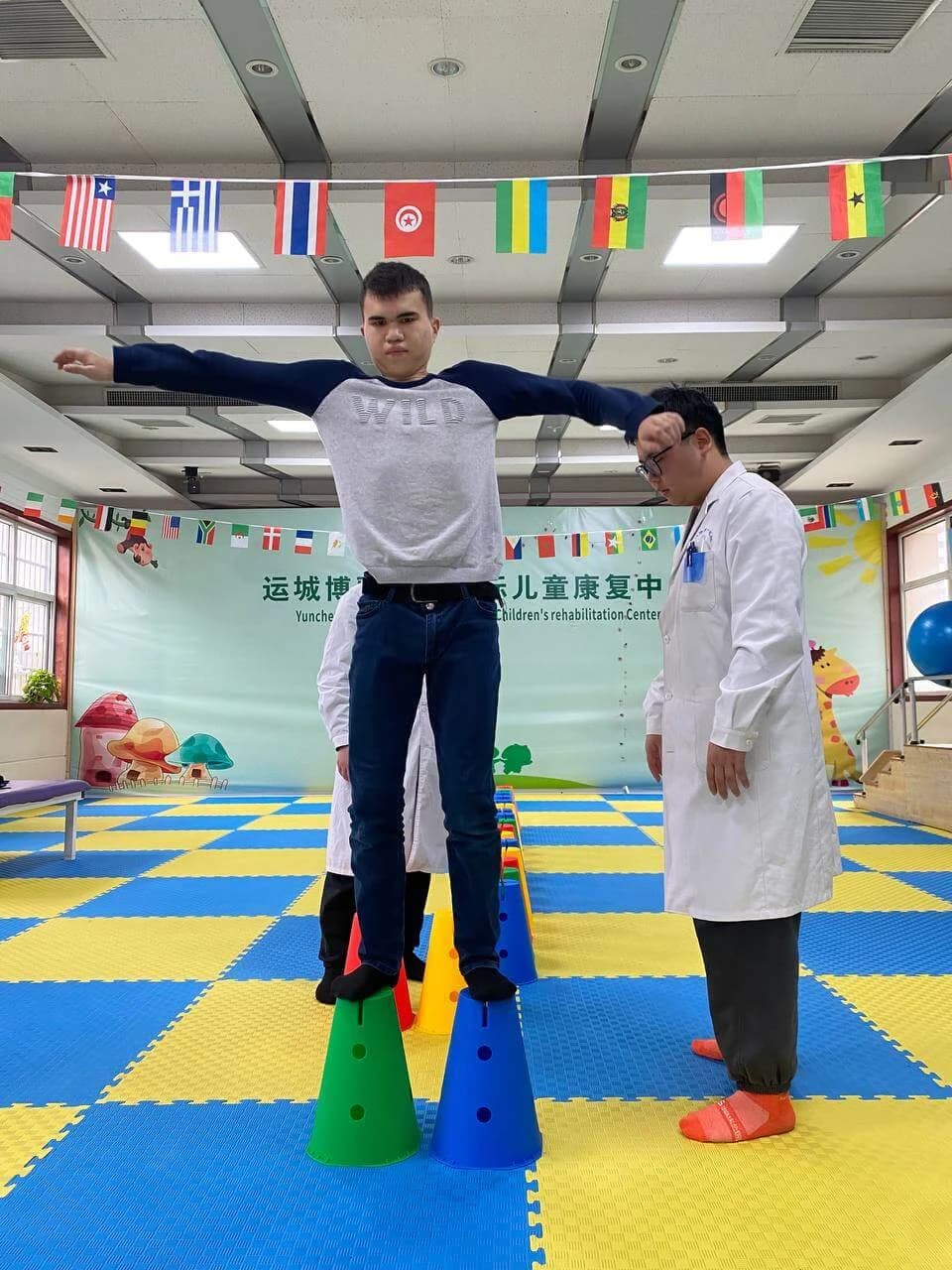
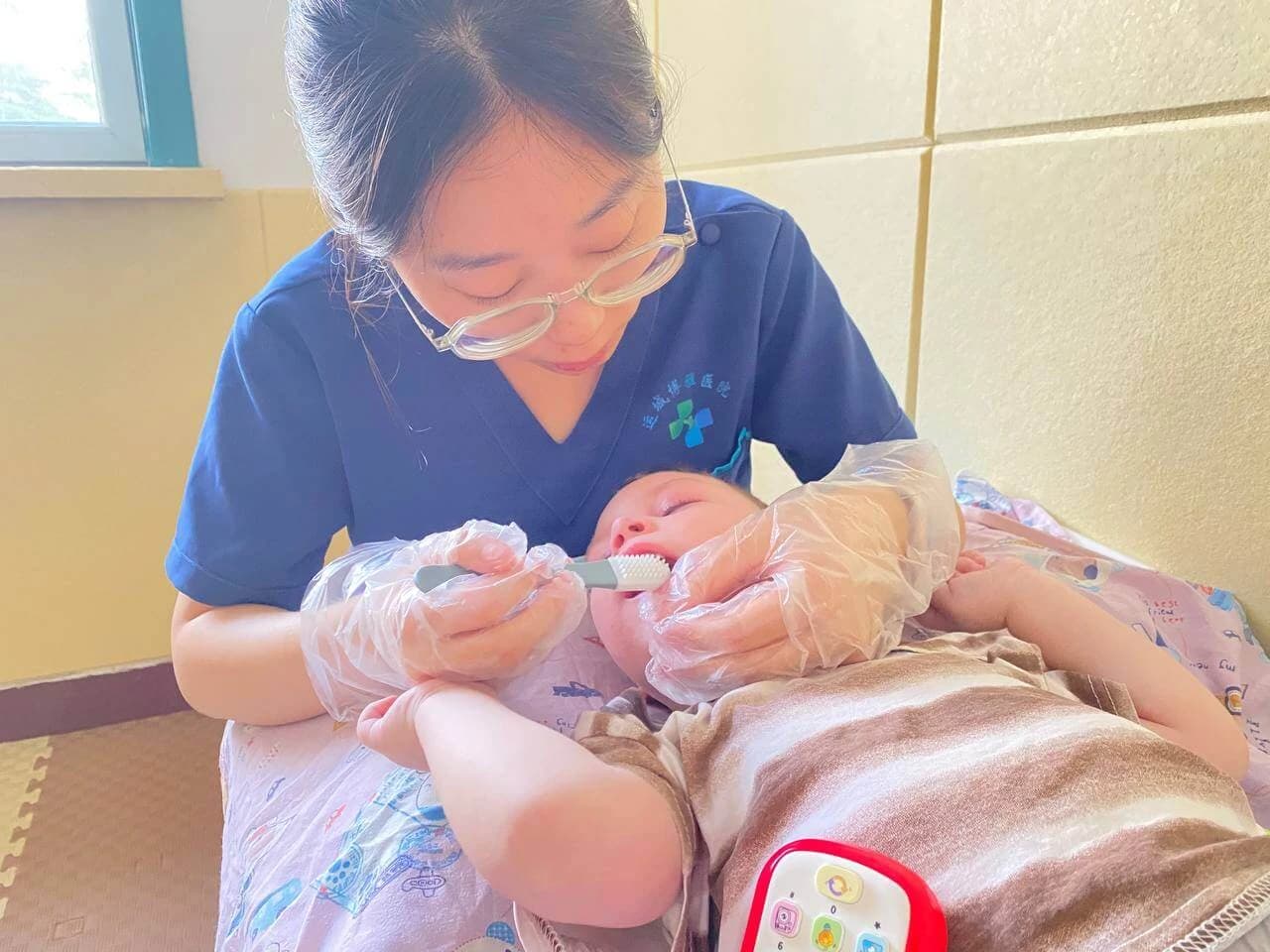
Boya Hospital in Yuncheng admits children with swallowing disorders to its pediatric neurological rehabilitation courses. The program is built around the muscles of the mouth and throat: daily speech therapy including work on swallowing, Tui Na massage, acupuncture, and apparatus-based physiotherapy. There are 6–9 sessions a day, 6 days a week; before the start the child is always examined by a specialist on site. The course is 2–3 months, with payment on site and no prepayment.
What is Dysphagia?
Dysphagia is a swallowing disorder. It looks different from case to case: the child coughs and chokes while eating or drinking, keeps food in the mouth for a long time, eats very slowly, refuses some textures and accepts only others. An ordinary meal turns into a long, tense event for the whole family. Drooling, chewing difficulties, and unclear speech often come alongside it — all of these rest on the same group of muscles of the mouth and throat.
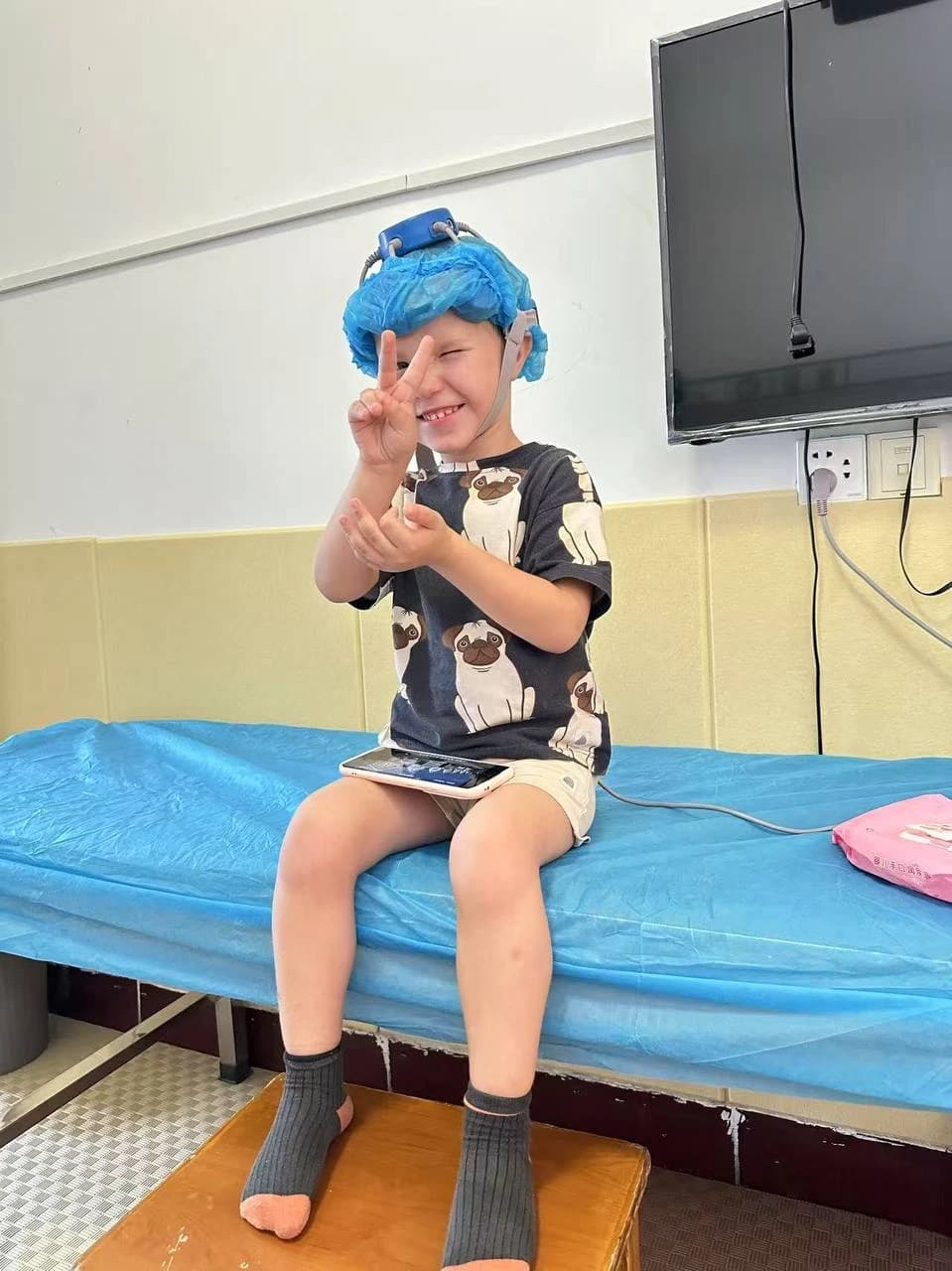
A swallow seems instantaneous, but behind it lies a precise sequence: gather the food with the tongue, move it back, close the airway at the right moment, let the food pass on. When the nervous system controls the muscles less well — as happens in cerebral palsy, after hypoxia and birth trauma, or following neuroinfections — that sequence breaks down. Boya Hospital (Yuncheng, Shanxi Province) admits such children as part of its core specialization — pediatric neurological rehabilitation. The course runs intensively: 6–9 sessions a day, 6 days a week. At its center is daily speech therapy, which covers not only speech but also the work of the mouth muscles, chewing, and swallowing. Alongside it run pediatric Tui Na massage, acupuncture and scalp acupuncture, pharmacopuncture, meridian point stimulation, and apparatus-based physiotherapy. When the mouth is oversensitive, sensory integration is added to the program.
Why an on-site assessment is required
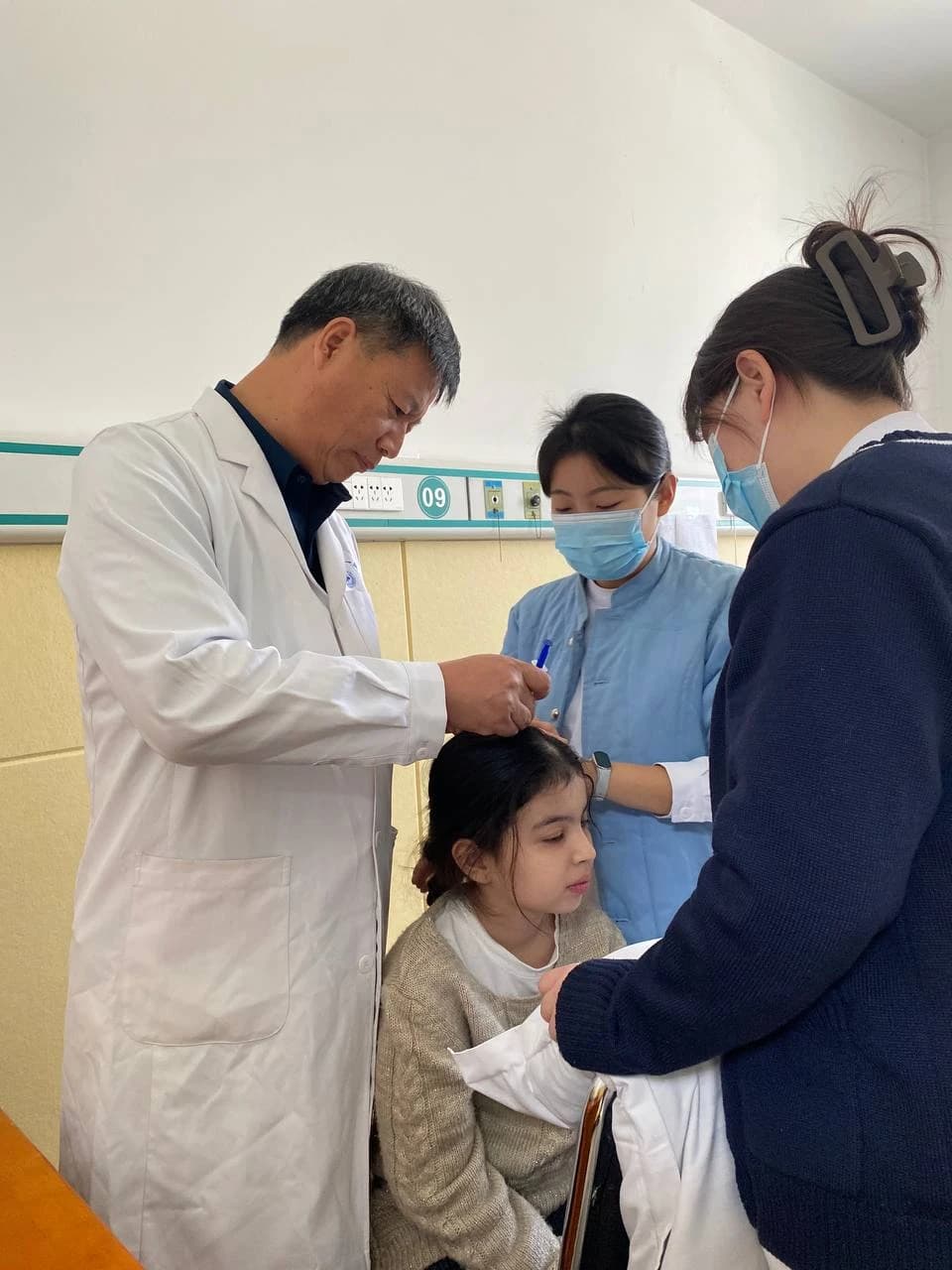
With swallowing disorders, what matters is not the wording in a medical record but the real picture: which texture the child handles calmly, where the coughing begins, in what position they eat, how quickly they tire. A specialist can see all of this only in person, watching a meal. That is why a program for dysphagia is not built remotely: the child is examined on site first, and only then is it decided where to start and how exactly the child should be fed during the course. The reason for this caution is the risk of food and liquid entering the airway — here safety comes before speed.
What matters for parents
The honest goal of the course is to make swallowing safer and easier, not to "remove dysphagia" in a single trip. Progress is tracked over time: how coughing and choking have changed, whether meals have become shorter and calmer, which textures the child accepts without strain. Much depends on what you tell the specialists at the start — the details of feeding shape the program more than any written report. Getting started is simple: send your child's documents and, if possible, a short video of a meal. The document-based consultation is free, and there is no prepayment: you pay on site and only for what your child has actually received.
Causes
Swallowing is a fast, precisely coordinated reflex involving dozens of muscles of the mouth, tongue, and throat. In children it is disrupted above all by damage to the central nervous system: cerebral palsy, consequences of hypoxia and birth trauma, past neuroinfections, head injuries. A weak oral motor base and heightened sensitivity inside the mouth also contribute.
Symptoms
The child chokes or coughs while eating and drinking, holds food in the mouth for a long time, eats slowly, and refuses certain textures. The voice may sound "wet" after a swallow. Drooling and unclear speech often come with it — they rely on the same group of muscles.
Diagnostics
The assessment is made by a specialist observing how the child actually drinks and eats: movements of the tongue and lips, the moment of the swallow, the reaction after it, the position of the head and body. The speech therapist checks the tone and mobility of the muscles of the mouth and throat; the neurologist looks for the cause on the nervous system side. Additional examinations are ordered by the doctor overseeing the child when indicated.
Prognosis and rehabilitation approach
With dysphagia the goal is twofold — to make swallowing safer and more effective. The work is gradual: first the muscles of the mouth and throat are strengthened and coordinated, then the swallow is consolidated on the textures the child tolerates calmly. The outcome depends on the cause and severity, so the program is reviewed as the course goes on.
How rehabilitation works
Diagnostics
Comprehensive examination and patient assessment by an international team of specialists
Rehabilitation plan
Development of an individual rehabilitation program considering diagnosis specifics
Therapy
Intensive course of procedures: physical therapy, massage, physiotherapy, acupuncture and other methods
Results
Progress evaluation, home recommendations and maintenance therapy plan
Rehabilitation procedures: Dysphagia
Frequently asked questions: Dysphagia
Book a free consultation
Send us the medical records and a short video — Boya doctors will review the materials and tell you how they can help. A coordinator will get back to you within 5 minutes.