
Rehabilitation for Drooling at Boya Clinic
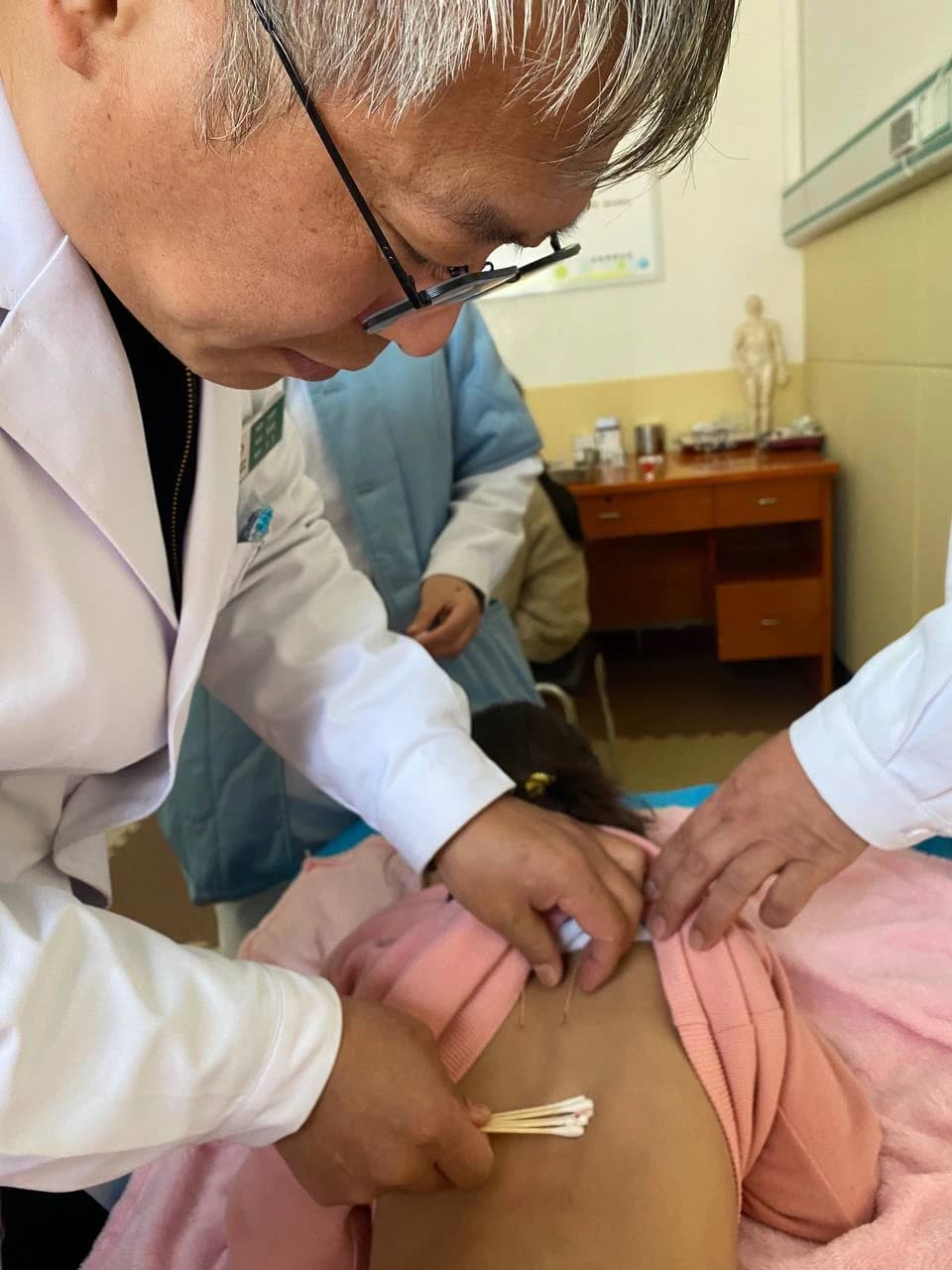
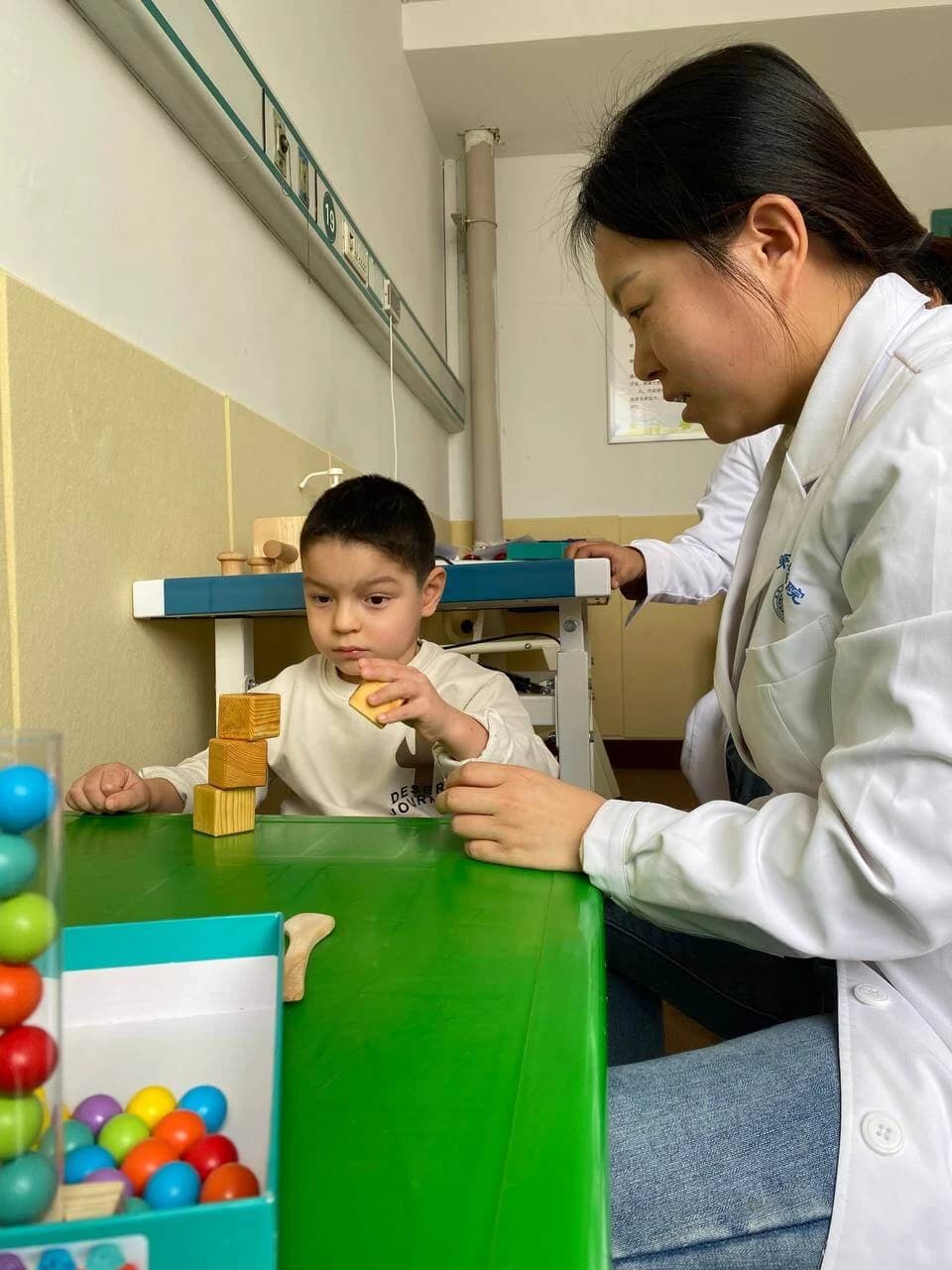
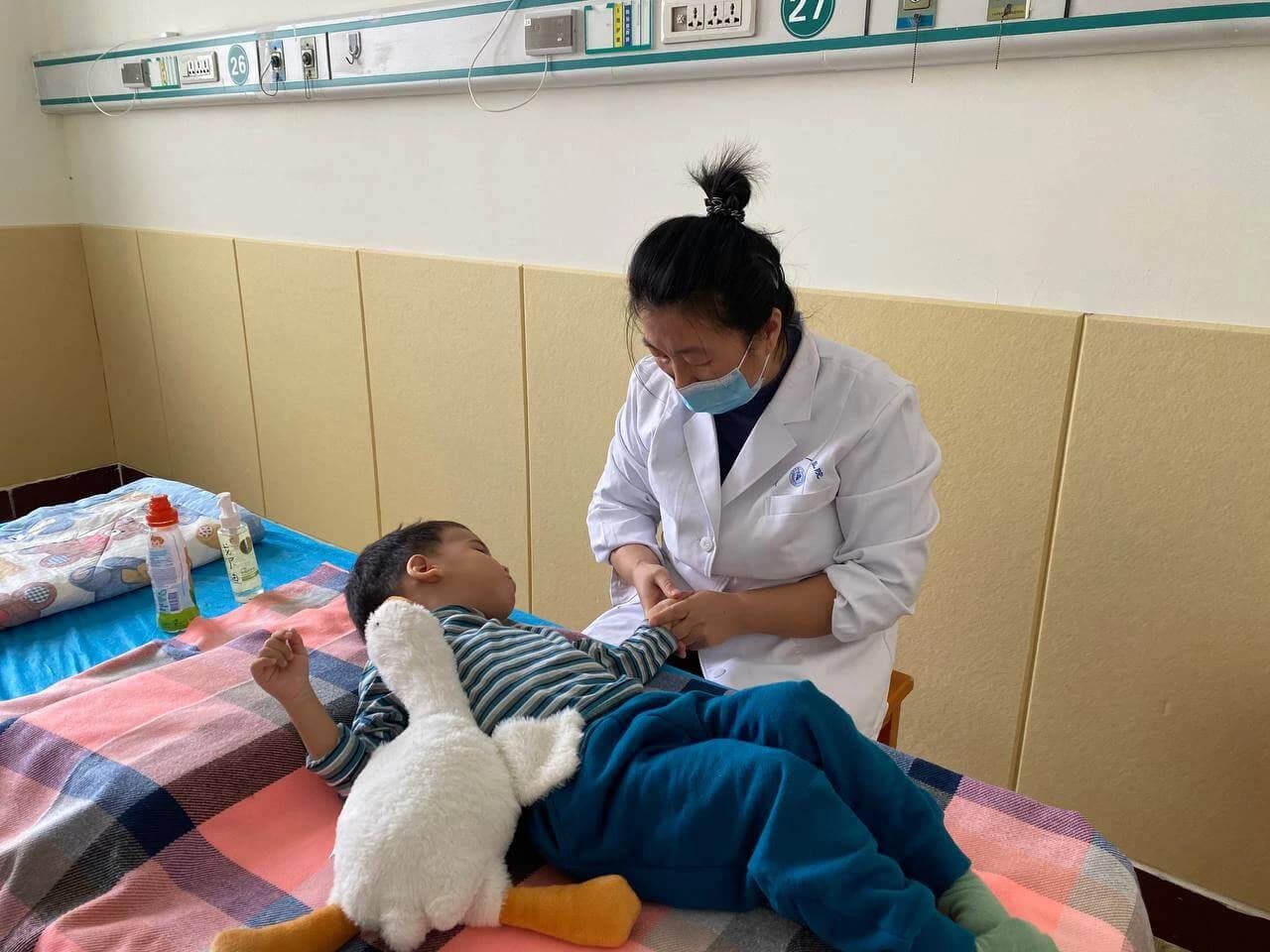
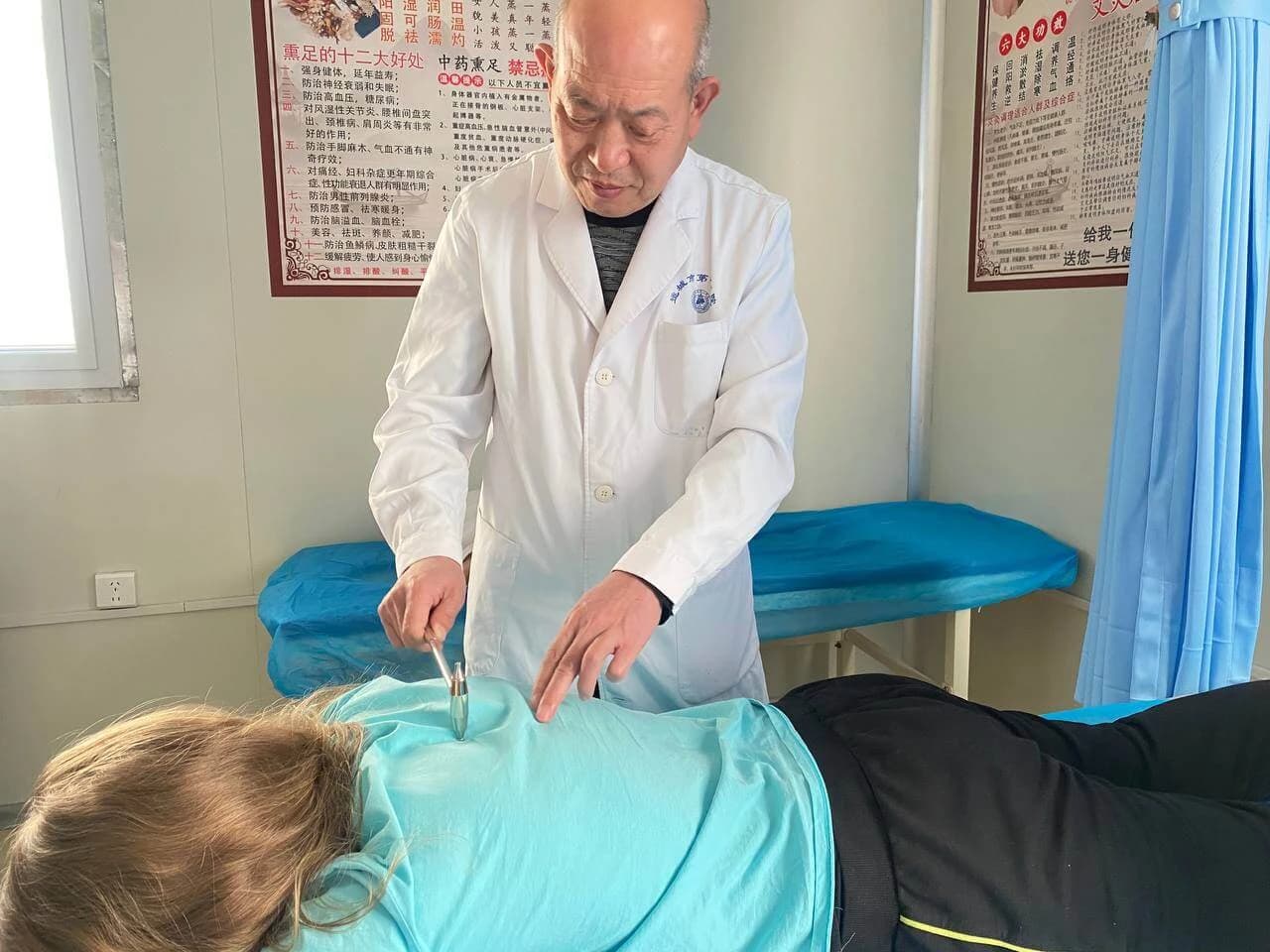
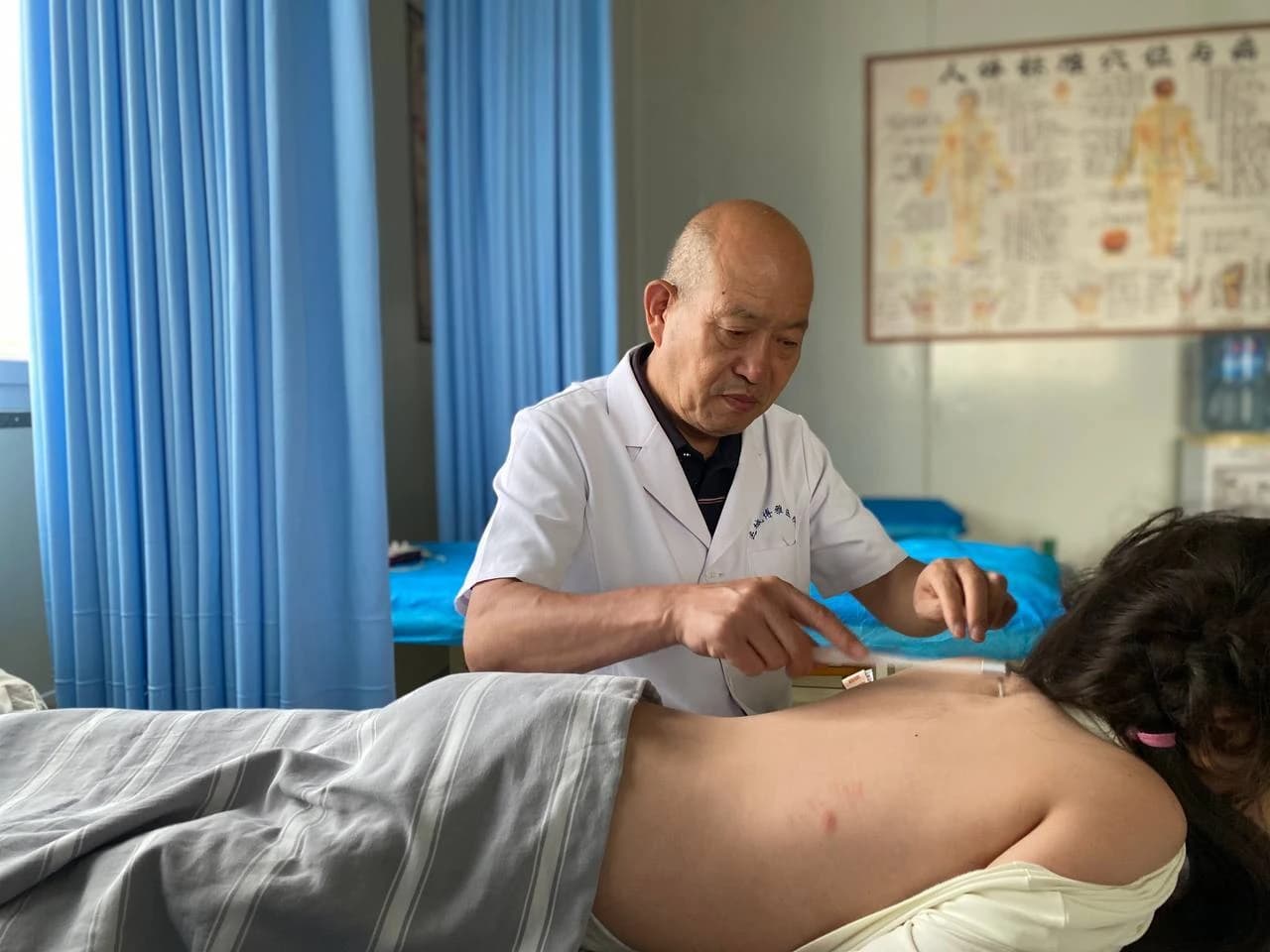
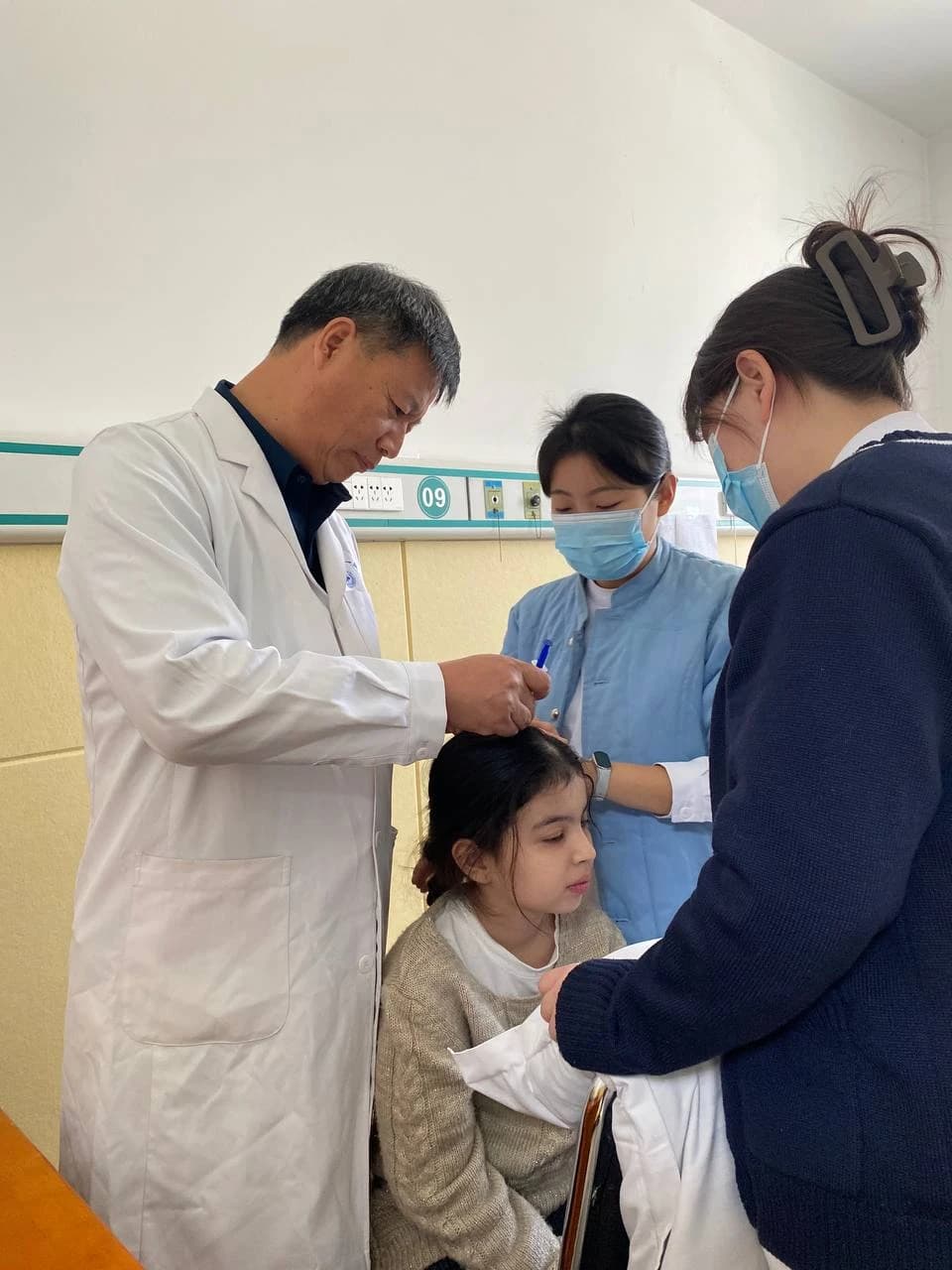
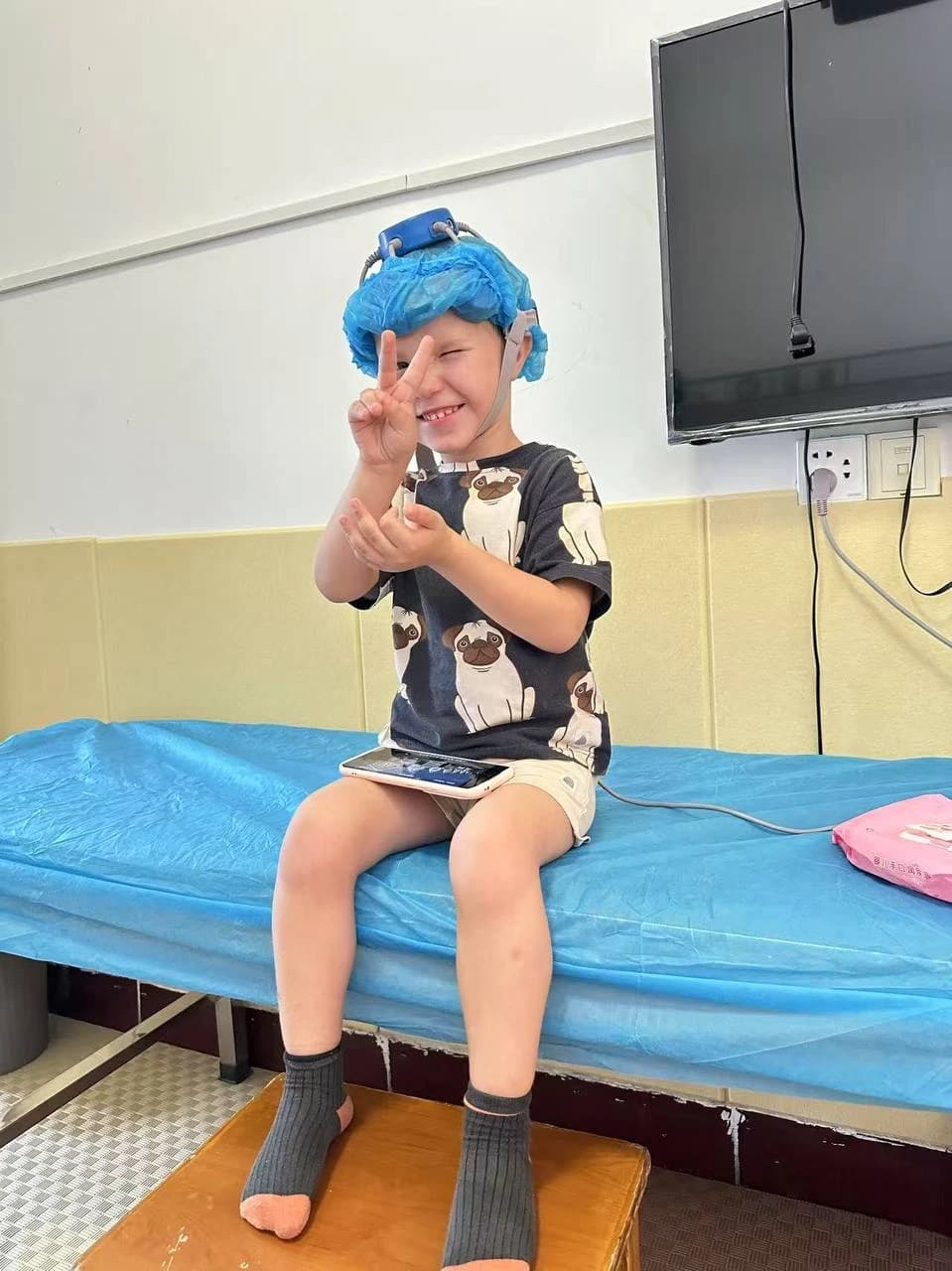
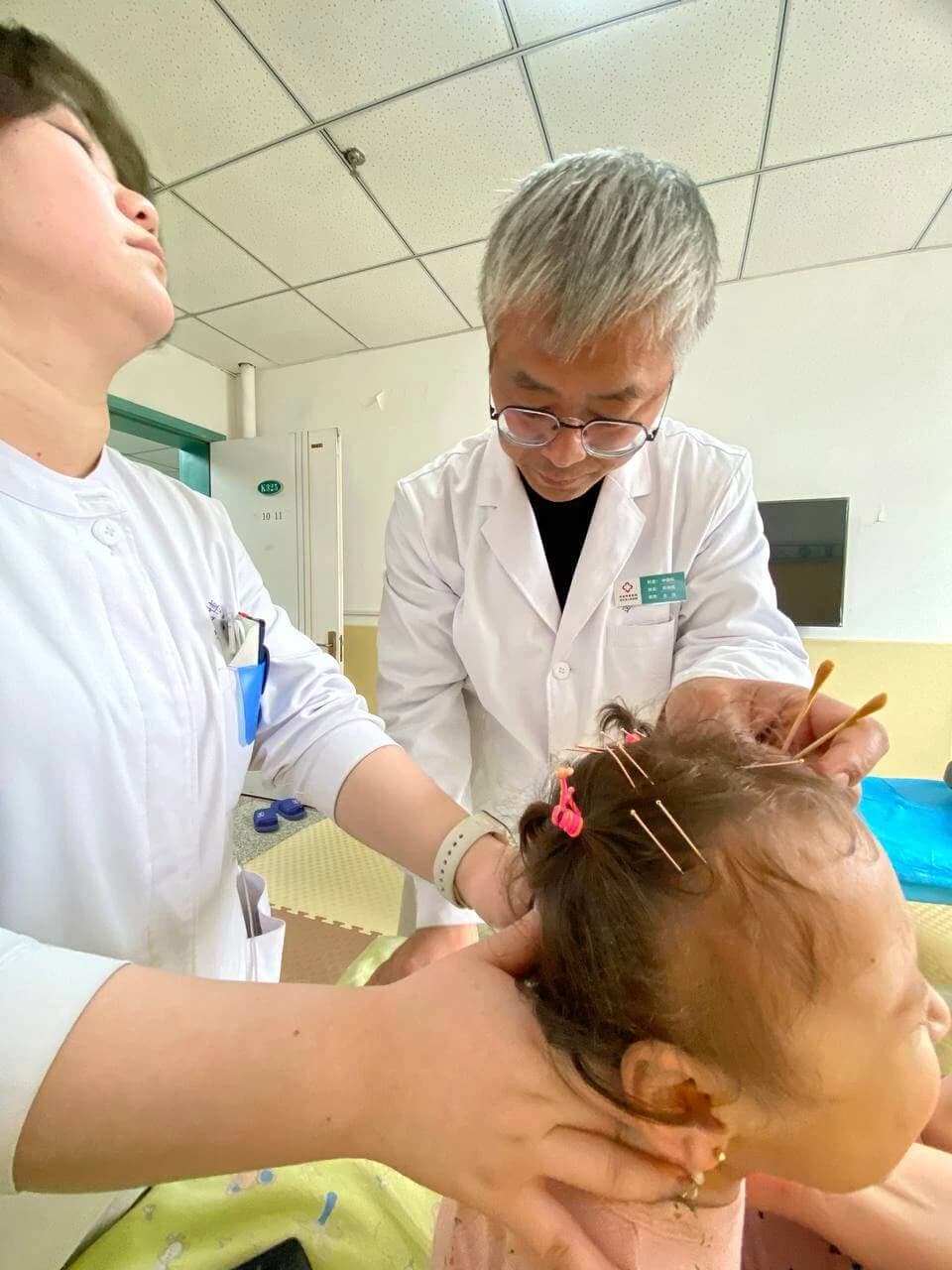
Boya Hospital in Yuncheng admits children with drooling to its pediatric neurological rehabilitation courses. The work targets not the salivary glands but the mouth muscles and swallowing: daily speech therapy, Tui Na massage, acupuncture, and apparatus-based physiotherapy. There are 6–9 sessions a day, 6 days a week; the recommended course is 2–3 months, with payment on site and no prepayment.
What is Drooling?
Drooling is a common and very everyday problem: saliva escapes from the mouth constantly or in episodes, especially when the child is focused on play, speaking, or moving. Wet clothes, irritated skin around the mouth, the need to keep tissues and a spare shirt at hand — all of this makes an ordinary day noticeably harder. Parents also worry about how others react: drooling is often the first thing strangers notice.
It is important to understand that the child produces roughly as much saliva as their peers. The problem is control — weak lip and tongue muscles, an open mouth, rare and poorly coordinated swallows, reduced sensitivity around the mouth. This pattern is typical in cerebral palsy and other consequences of nervous system damage, and it usually comes together with chewing difficulties, choking, and unclear speech: they all share the same oral motor base. Boya Hospital (Yuncheng, Shanxi Province) works with such children as part of its core specialization — pediatric neurological rehabilitation. The course runs intensively: 6–9 sessions a day, 6 days a week. At its center is daily speech therapy with oral motor exercises; alongside it run pediatric Tui Na massage, acupuncture and scalp acupuncture, pharmacopuncture, meridian point stimulation, and apparatus-based physiotherapy.
The work targets muscles, not glands
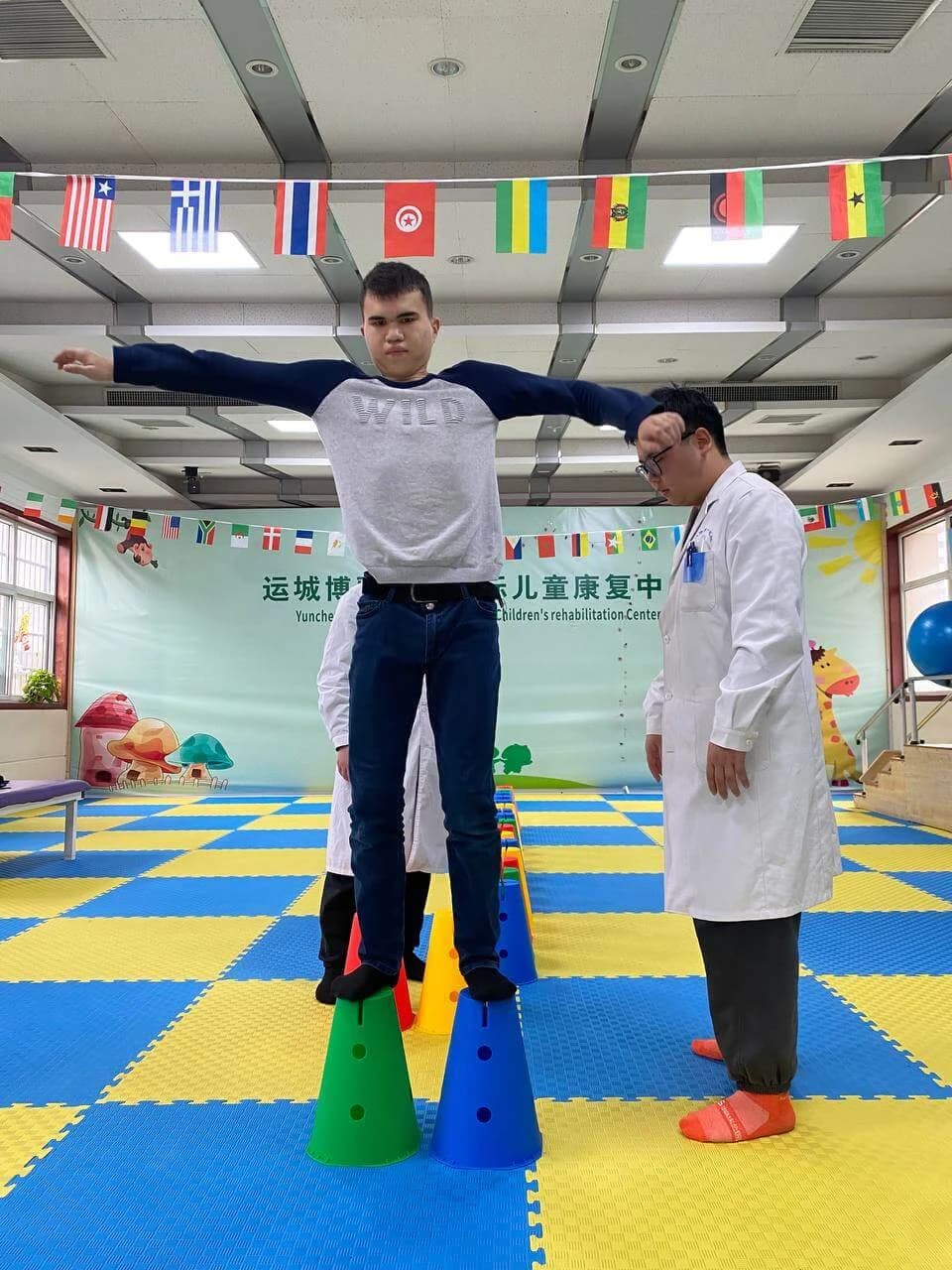
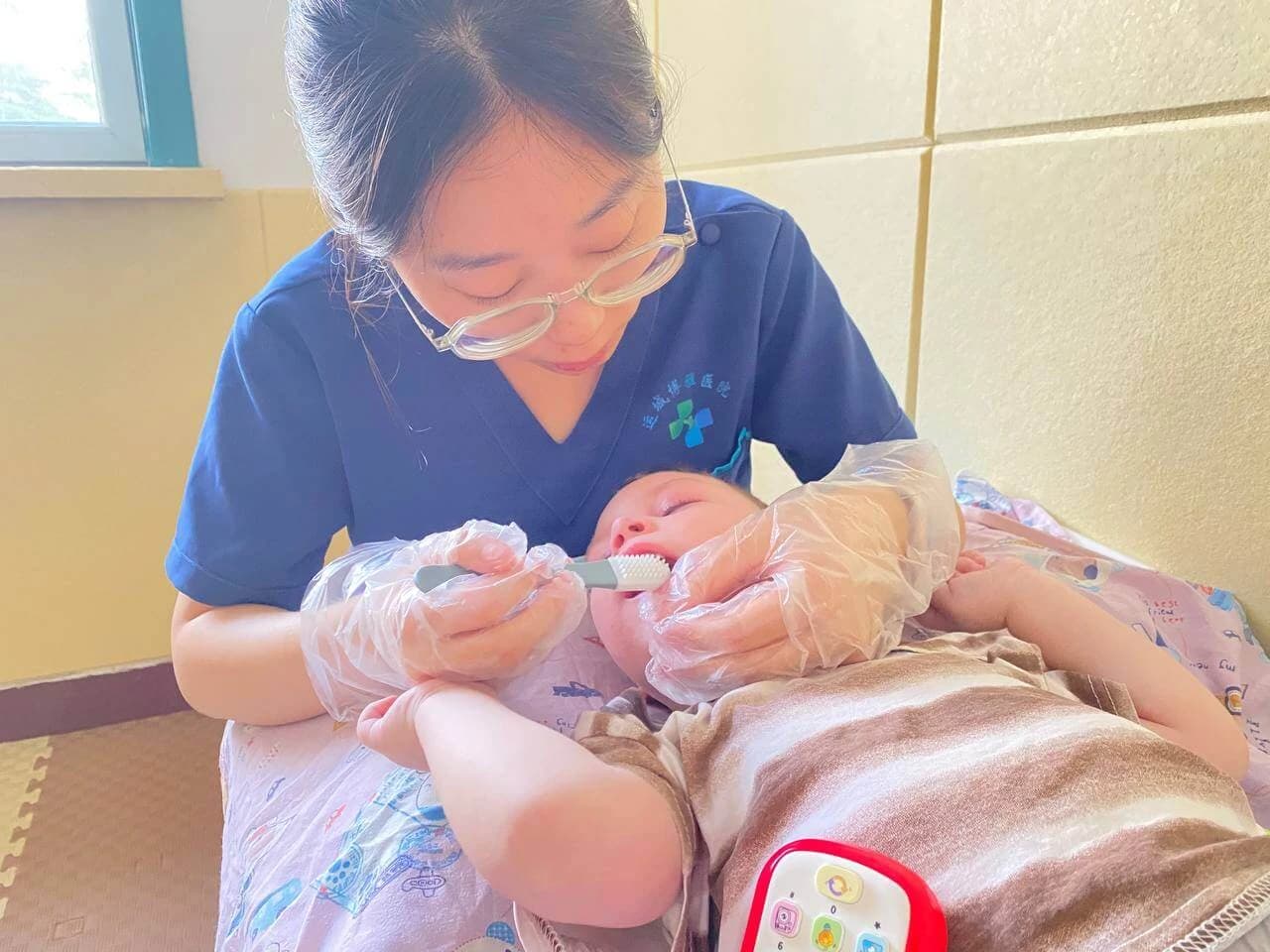
The logic of the program is simple: teach the mouth to close and the swallow to happen on time. The speech therapist trains lip closure, tongue mobility and strength, sensitivity inside the mouth, and the rhythm of swallowing; Tui Na massage and acupuncture help regulate the tone of the face and neck muscles; apparatus-based physiotherapy supports the muscles between sessions. Head and body position get separate attention: when the head is lowered or tilted, saliva escapes faster than the child manages to swallow it. That is why the work on postural control done in exercise therapy and occupational therapy helps here as well.
What matters for parents
Drooling is not a "bad habit" or carelessness on the child's part — it is a functional feature that can be worked with. The honest goal of the course is to reduce the leakage noticeably and make the child's day more comfortable, not to guarantee that drooling will vanish entirely. Progress is tracked over time: how often the child swallows on their own, how dry their clothes stay, whether the resting position of the mouth has changed. Parents continue many of the exercises at home — the specialist demonstrates them right during the session. Getting started is simple: send your child's documents. The document-based consultation is free, and there is no prepayment: you pay on site and only for what your child has actually received.
Causes
A child usually produces about as much saliva as their peers — the issue is control. Weak lip and tongue muscles, an open mouth, rare and poorly coordinated swallowing, reduced sensitivity around the mouth: the saliva simply does not get moved inward in time. This pattern is most often seen in cerebral palsy and other consequences of nervous system damage.
Symptoms
Saliva escapes constantly or in episodes — more so during concentration, speech, or active play. Clothes and bibs get wet quickly and the skin around the mouth becomes irritated. An open mouth posture, unclear speech, chewing difficulties, and choking often come with it.
Diagnostics
The speech therapist assesses the oral motor base: lip closure, mobility and tone of the tongue, sensitivity inside the mouth, how often the child swallows, head position. The neurologist looks for the cause on the nervous system side. Inflammation of the mouth and ENT organs, which makes drooling worse, is checked separately.
Prognosis and rehabilitation approach
The work targets not the salivary glands but the mouth muscles and the swallowing reflex: lip closure, tongue mobility, regularity of swallows. With systematic sessions many children drool noticeably less — and that shows immediately in everyday comfort and in how peers respond to the child. The pace depends on the starting condition and accompanying impairments.
How rehabilitation works
Diagnostics
Comprehensive examination and patient assessment by an international team of specialists
Rehabilitation plan
Development of an individual rehabilitation program considering diagnosis specifics
Therapy
Intensive course of procedures: physical therapy, massage, physiotherapy, acupuncture and other methods
Results
Progress evaluation, home recommendations and maintenance therapy plan
Rehabilitation procedures: Drooling
Frequently asked questions: Drooling
Book a free consultation
Send us the medical records and a short video — Boya doctors will review the materials and tell you how they can help. A coordinator will get back to you within 5 minutes.