Rehabilitation for ASD+ at Boya Clinic
When something else is added to ASD — speech does not emerge, muscle tone is too high or too low, the child reacts painfully to sounds and touch, or sleeps poorly — the rehabilitation program is assembled more broadly and planned more carefully. Boya Hospital in Yuncheng handles such cases within pediatric neurological rehabilitation: 6–9 sessions a day, 6 days a week. The recommended course is 2–3 months, with payment on site and no prepayment.
What is ASD with Co-occurring Conditions?
ASD with co-occurring conditions is a situation familiar to many parents: something else is added to autism. Speech does not appear or stays limited, muscle tone is increased or, on the contrary, reduced, the child reacts painfully to noise and touch, falls asleep with difficulty, eats only a few familiar foods, and is easily irritated. None of these difficulties is "worse" than autism on its own, but together they drain the child's resources: sessions take place, yet there is little shift — because the child arrives tired and physically uncomfortable.
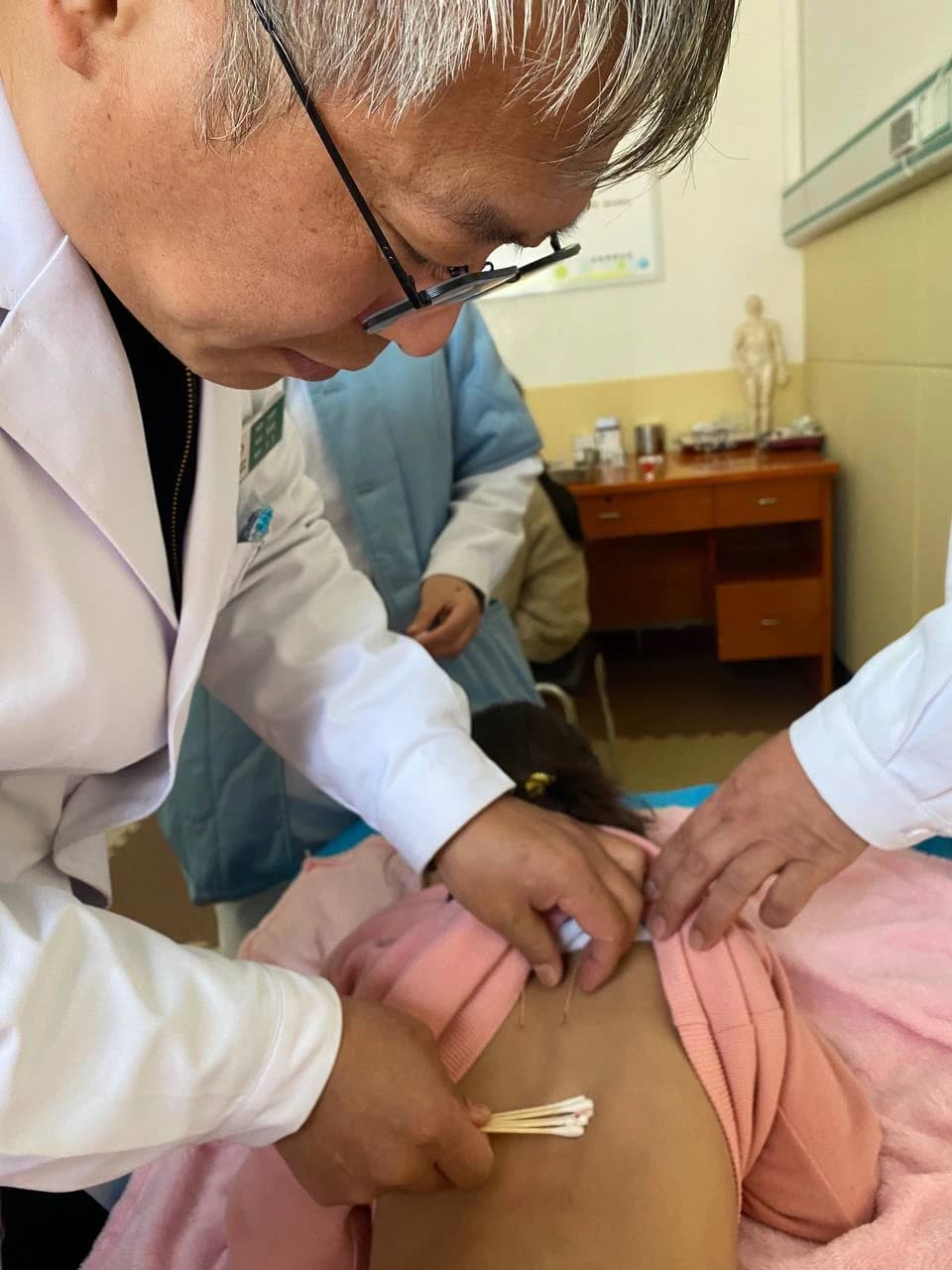
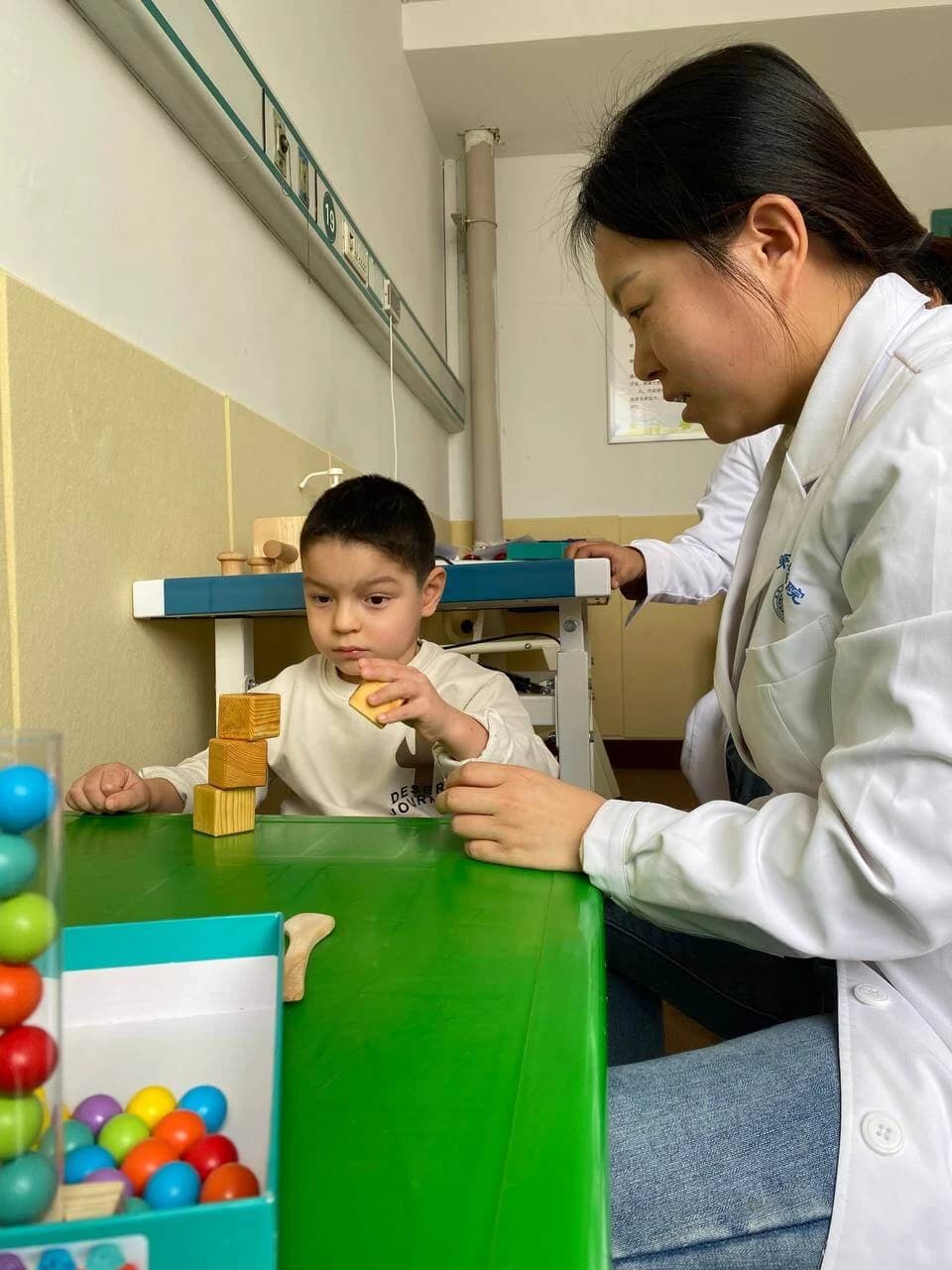
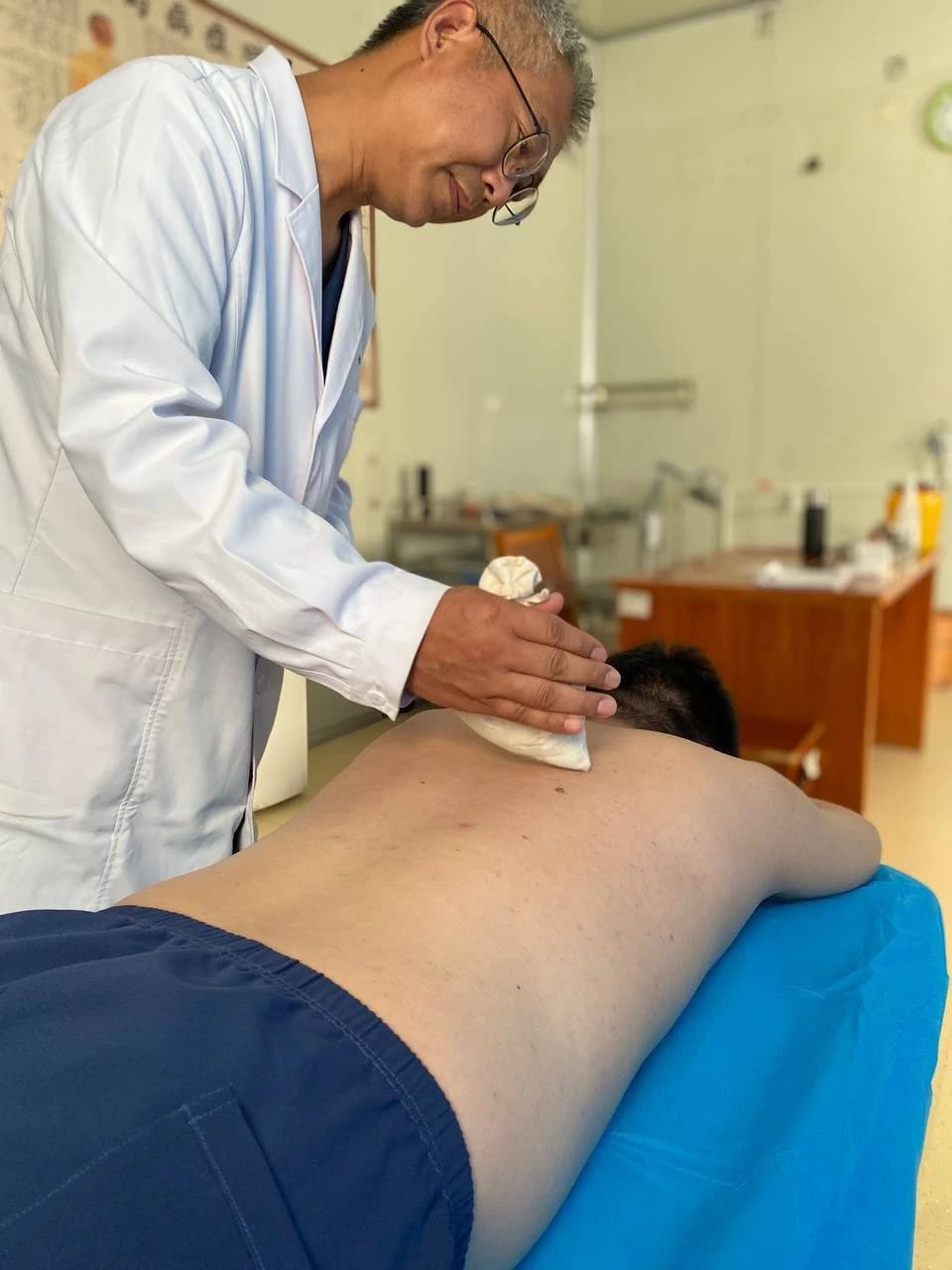
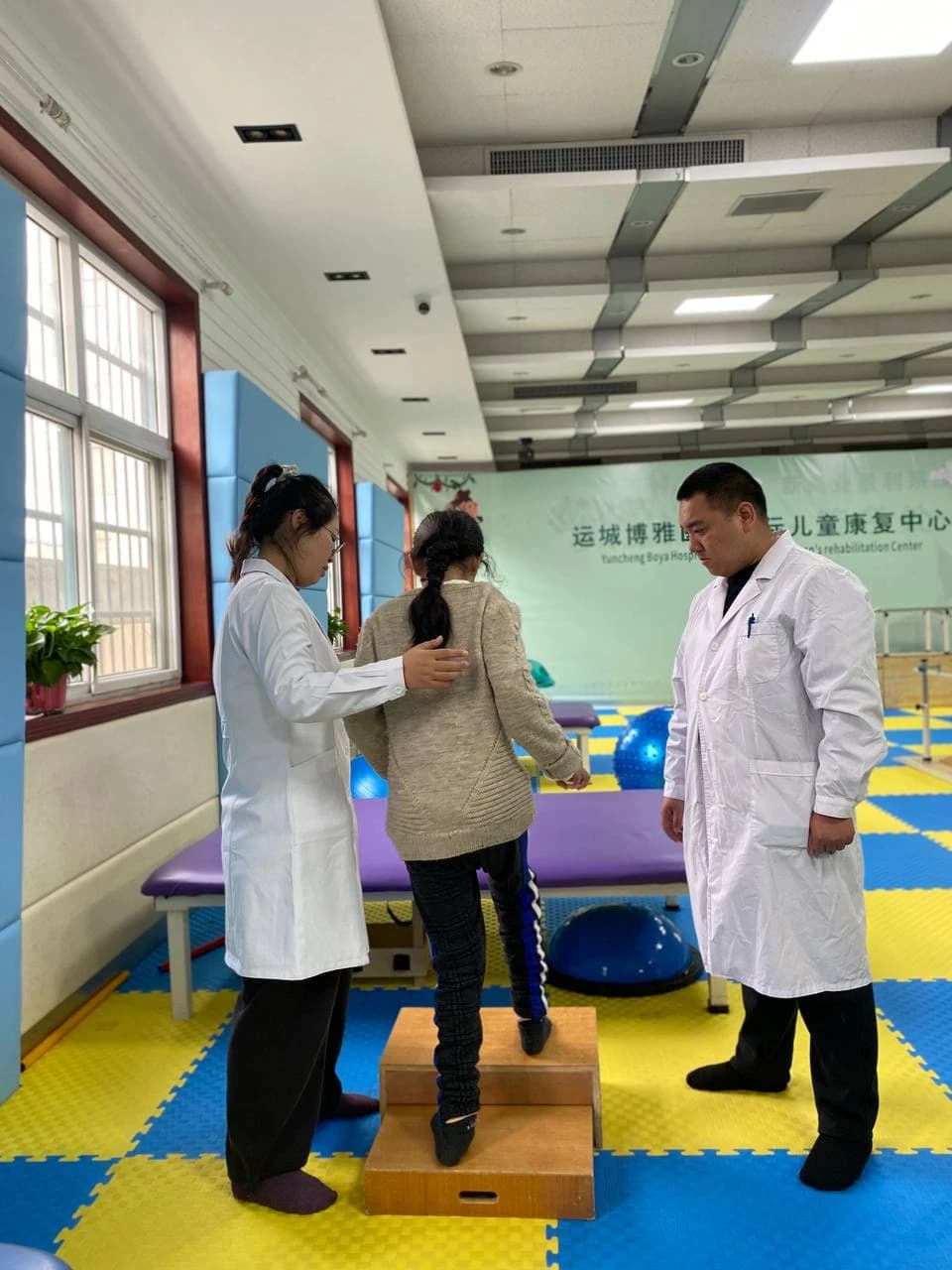
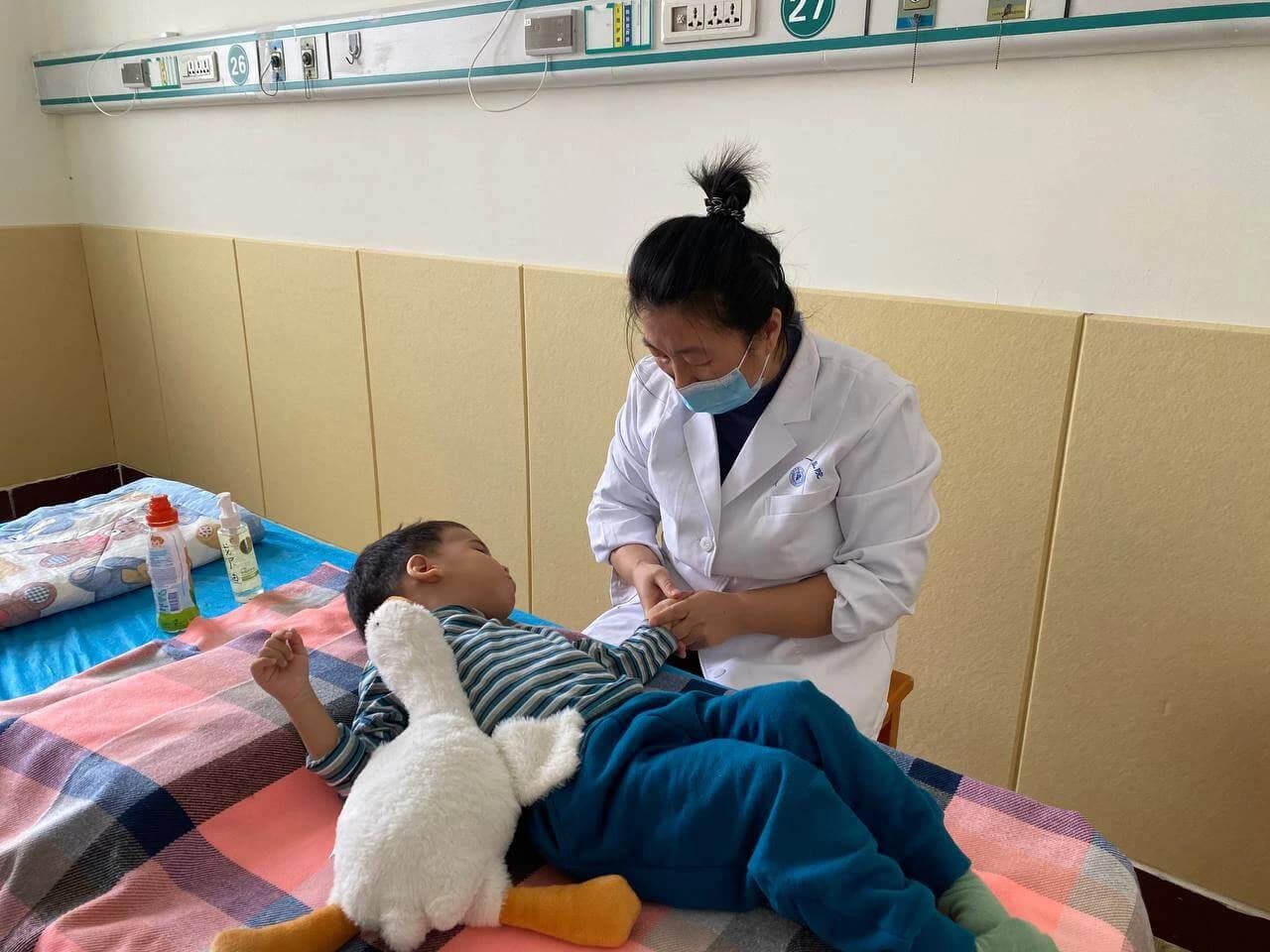
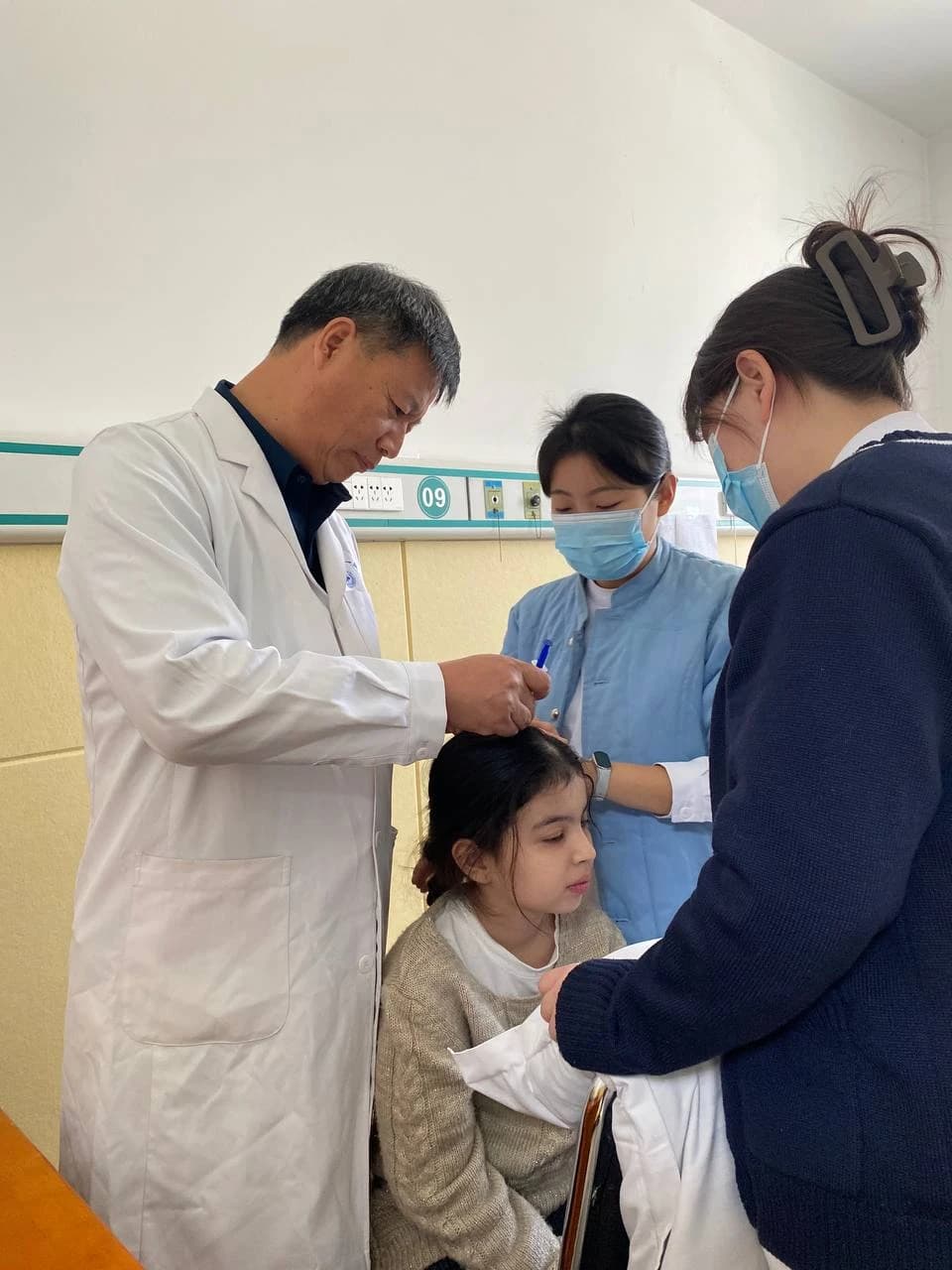
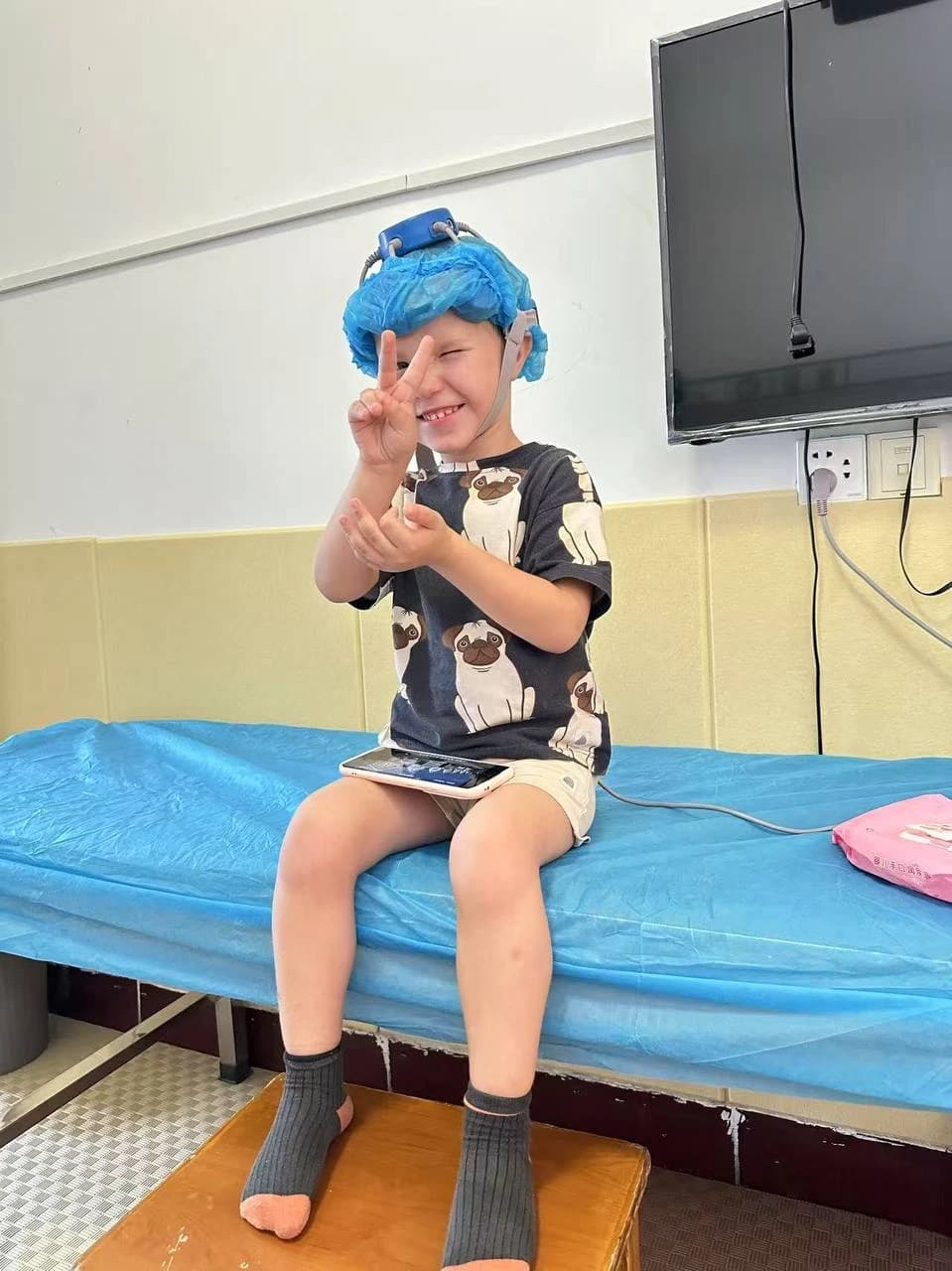
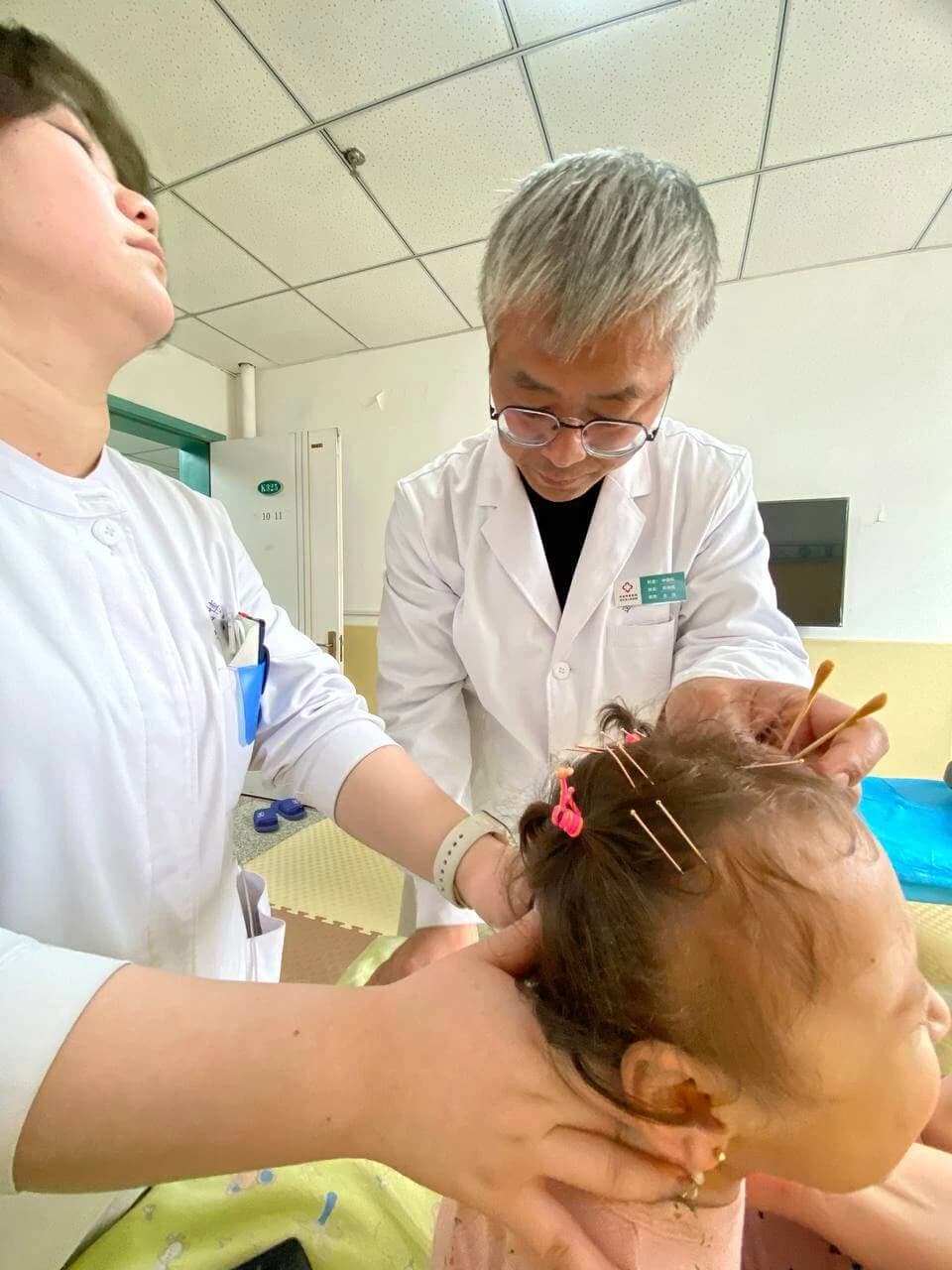
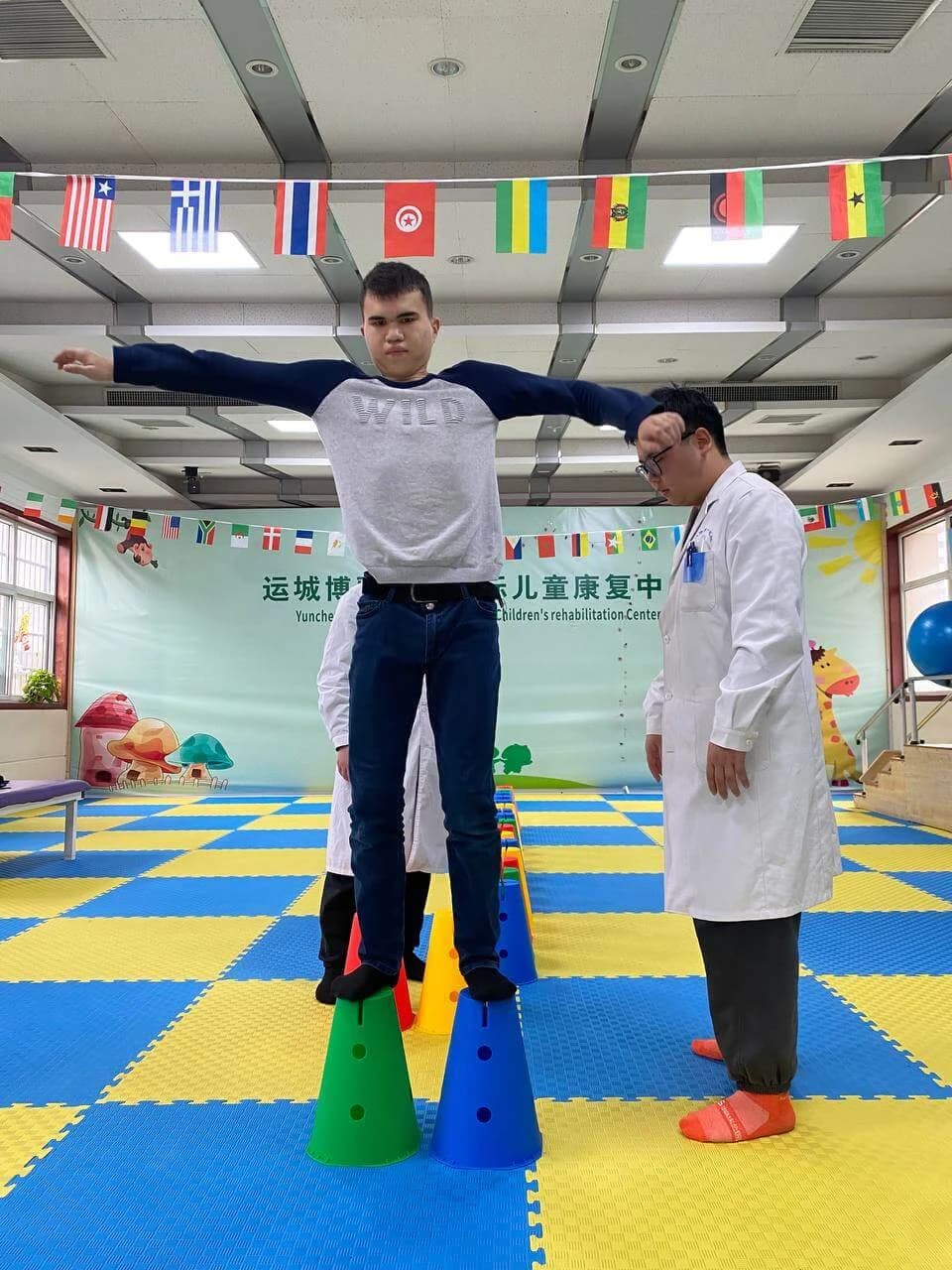
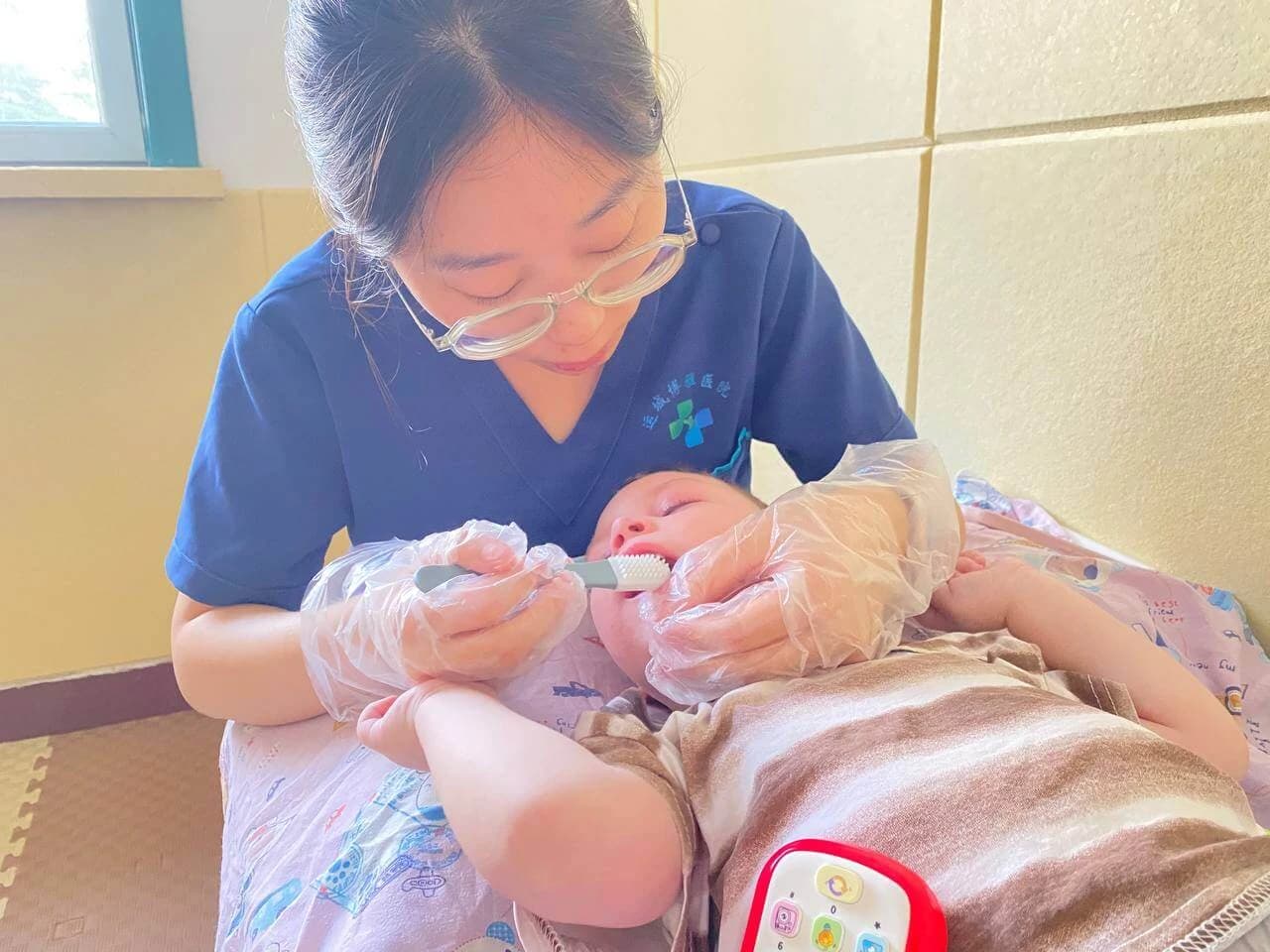
At Boya Hospital (Yuncheng, Shanxi Province) such cases are handled within pediatric neurological rehabilitation, but the program is assembled more broadly than usual. Alongside sensory integration, speech therapy, and occupational therapy it includes exercise therapy and physical rehabilitation when there are motor difficulties, apparatus-based physiotherapy when working with muscle tone, and Traditional Chinese Medicine methods: acupuncture, scalp acupuncture, pediatric Tui Na massage, pharmacopuncture, and herbal compresses. The composition and sequence of procedures are determined by the doctor after reviewing the documents and examining the child.
Why co-occurring difficulties are addressed from day one
The intensive schedule — 6–9 sessions a day, 6 days a week — works only when the child can actually sustain those hours. That is why the goal in the first days is not to deliver maximum load but to understand the child's real capacity: how long attention holds, what overloads them, after which sessions a break is needed. Relaxing Chinese medicine procedures are placed in the schedule for a reason — they release muscular tension and help the child recover between sessions. As sleep and tolerance for load even out, the program is made more demanding.
What to prepare before the trip
Collect not only medical documents but also the everyday picture: how the child sleeps, what and how they eat, which medications and doses they take, what they avoid, how they behave in a new place. This is not a formality — the daily schedule is built from exactly such details. The document-based consultation is free, and there is no prepayment: you pay on site and only for the procedures your child has actually received.
Causes
Co-occurring difficulties in ASD are not a second illness — they are part of the overall picture of how the nervous system develops. Most often autism comes with speech delay, altered muscle tone, sensory features, restless sleep, and difficult eating behavior.
Symptoms
On top of the core ASD signs: speech is limited or absent, movements are clumsy, the child tires quickly. Frequently there is difficulty falling asleep and night waking, selective eating, outbursts of irritability, and acute reactions to noise, light, and touch.
Diagnostics
A broader assessment is needed than for ASD alone: the neurologist evaluates muscle tone and motor skills, the speech therapist checks comprehension and articulation, and the sensory integration specialist maps the child's sensory profile. Hearing is always checked.
Prognosis and rehabilitation approach
The first step is to remove what prevents the child from working in sessions: fatigue, muscular discomfort, sensory overload, poor sleep. On that foundation developmental sessions go noticeably easier and progress becomes more stable. A full recovery cannot be promised — the goal of the course is the steady development of the child's functions.
How rehabilitation works
Diagnostics
Comprehensive examination and patient assessment by an international team of specialists
Rehabilitation plan
Development of an individual rehabilitation program considering diagnosis specifics
Therapy
Intensive course of procedures: physical therapy, massage, physiotherapy, acupuncture and other methods
Results
Progress evaluation, home recommendations and maintenance therapy plan
Rehabilitation procedures: ASD with Co-occurring Conditions
Frequently asked questions: ASD with Co-occurring Conditions
Book a free consultation
Send us the medical records and a short video — Boya doctors will review the materials and tell you how they can help. A coordinator will get back to you within 5 minutes.