Rehabilitation for Aphasia at Boya Clinic
Boya Hospital in Yuncheng admits children with aphasia to its pediatric neurological rehabilitation courses. The goal is to give the child back the ability to understand speech and to speak: daily speech therapy is combined with scalp acupuncture, acupuncture, and the recovery of everyday skills. There are 6–9 sessions a day, 6 days a week; the recommended course is 2–3 months, with payment on site and no prepayment.
What is Aphasia?
Aphasia is the loss of already acquired speech, or impaired comprehension of it, caused by damage to the brain's speech areas. This is exactly what sets it apart from other childhood speech impairments: the speech was there, the child was talking — and after an injury, a severe neuroinfection, a disturbance of cerebral blood flow, or surgery, they stopped. Sometimes speech output is affected: the child understands but cannot find the words. Sometimes comprehension is affected: words sound like a foreign language to them. Both can happen at once. For parents this is an abrupt and painful break, because there is something to compare it with.
It is important not to confuse aphasia with alalia: in alalia speech never formed in the first place — the child simply did not start talking on time. In aphasia speech was lost. The wording is determined by the neurologist from the medical report, but for planning rehabilitation something else matters more — what the level of speech was before the event and what remains now. Work begins with that comparison.
How the course is built at Boya
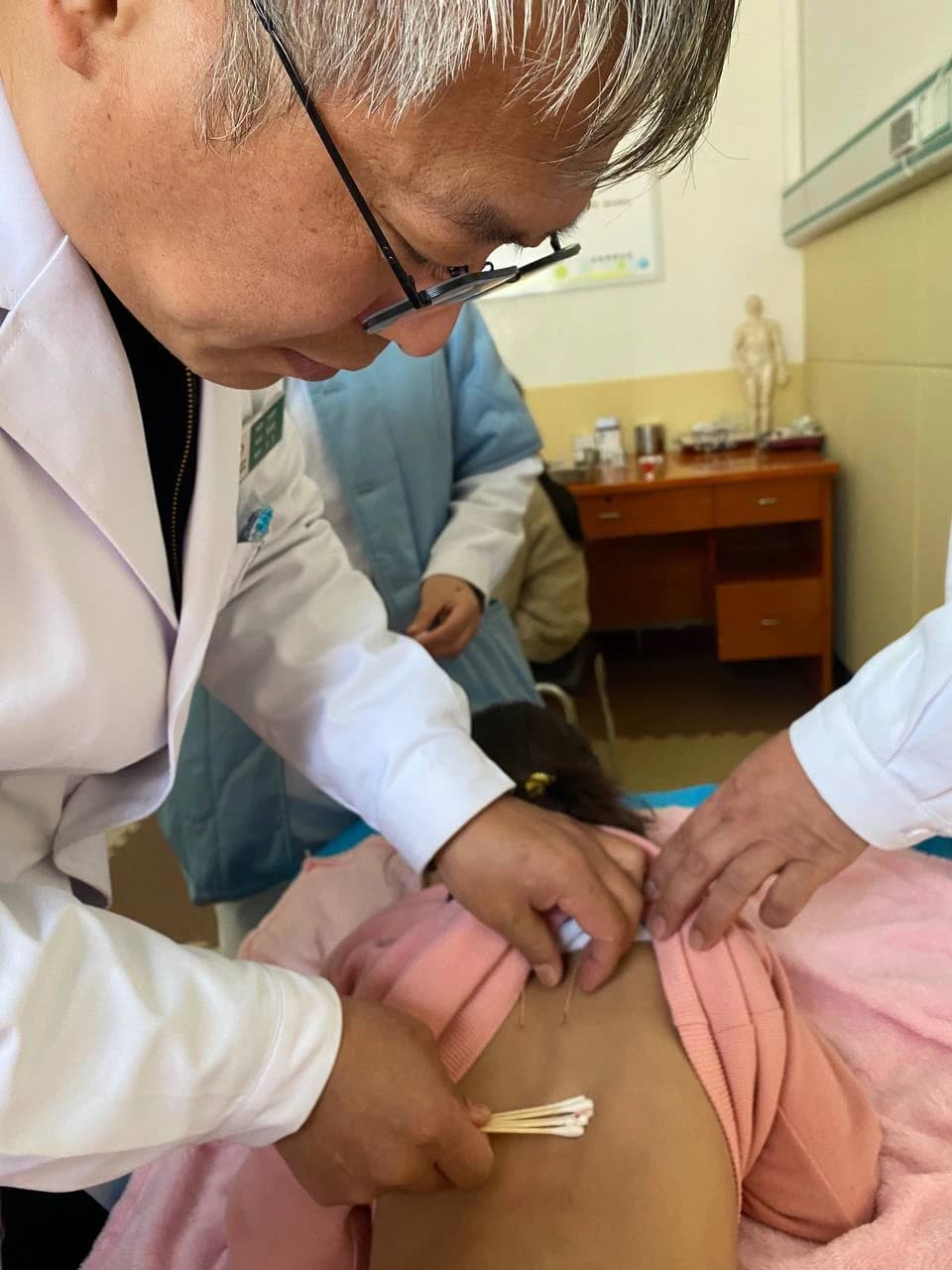
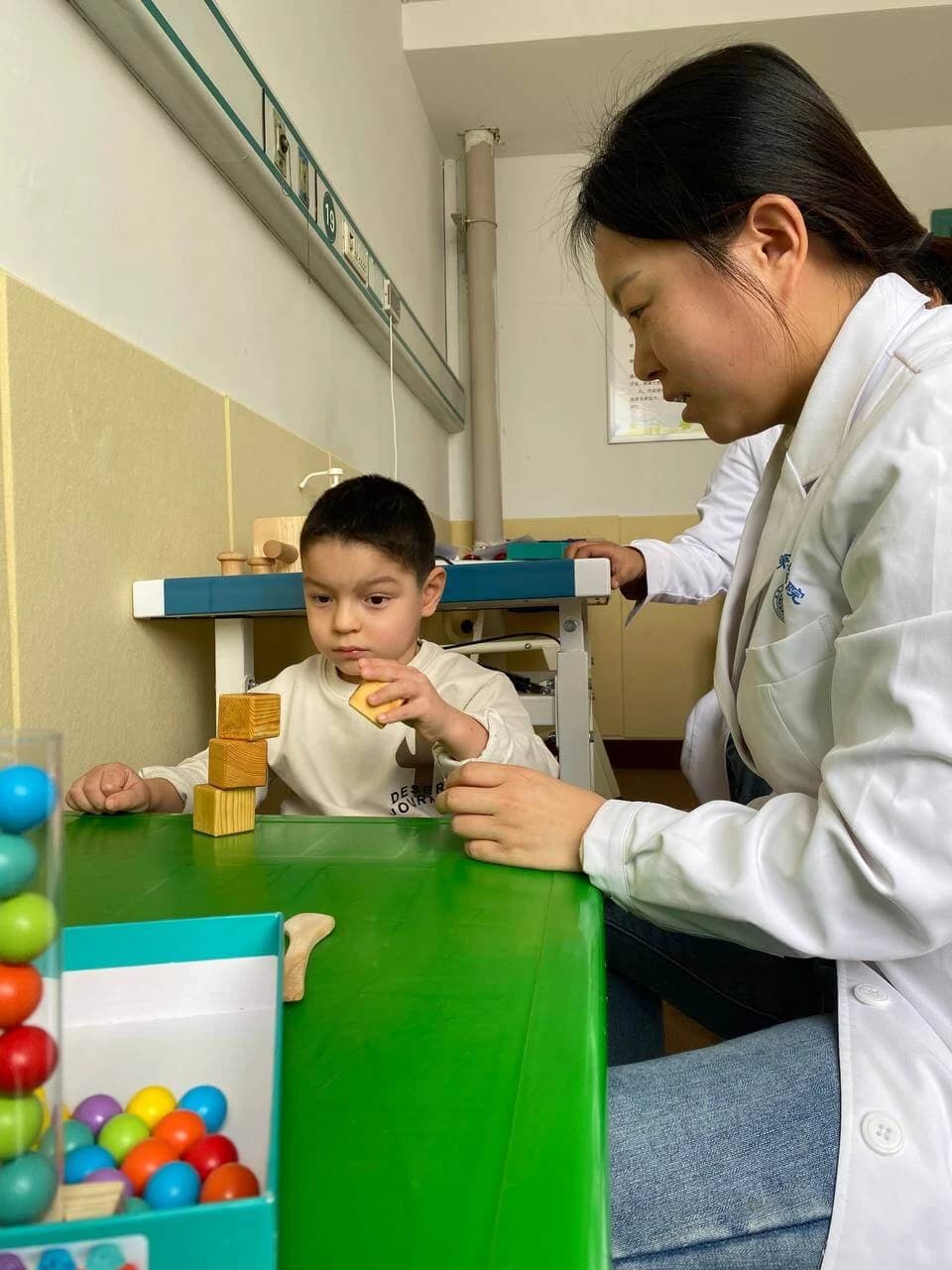
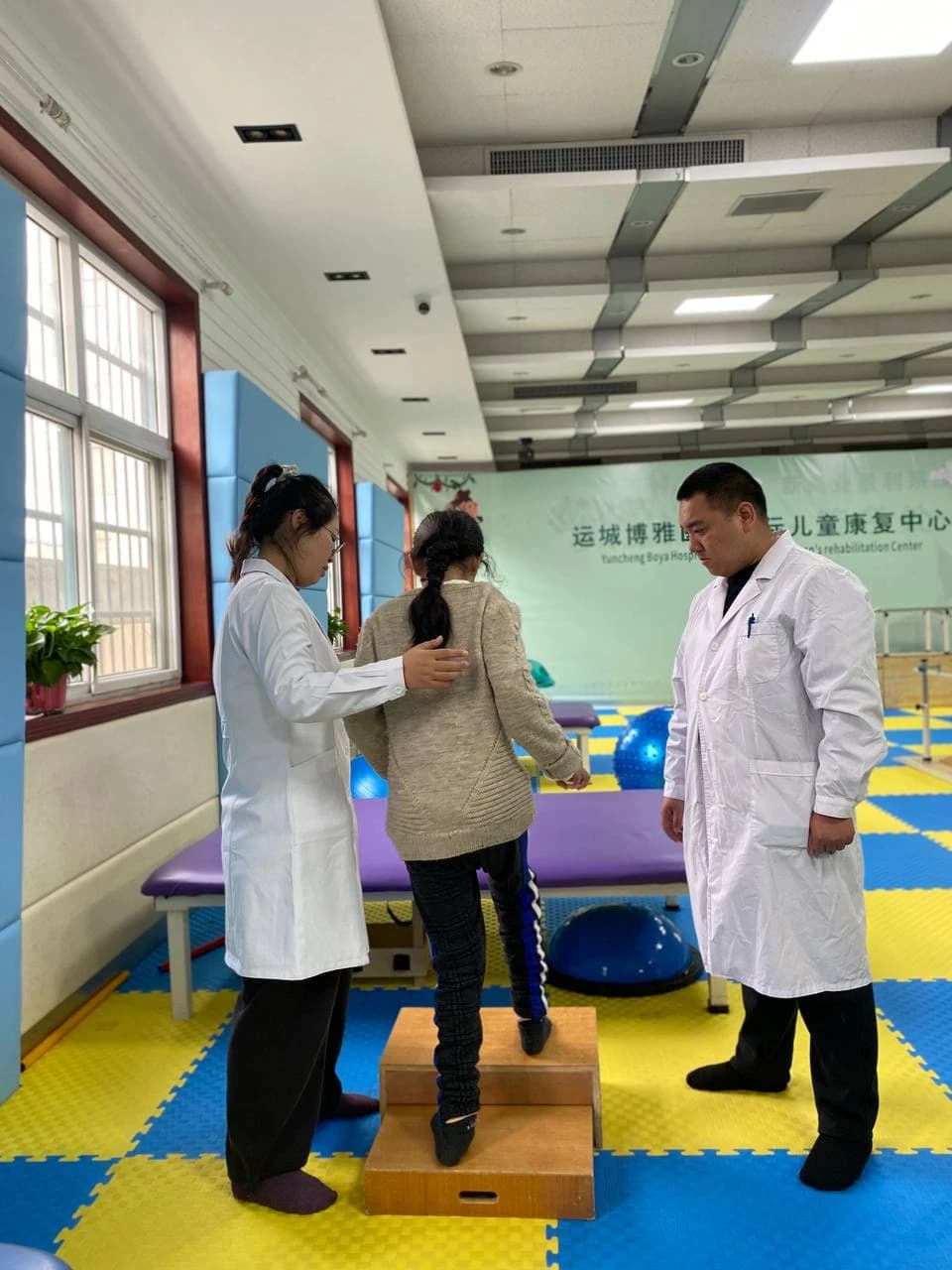
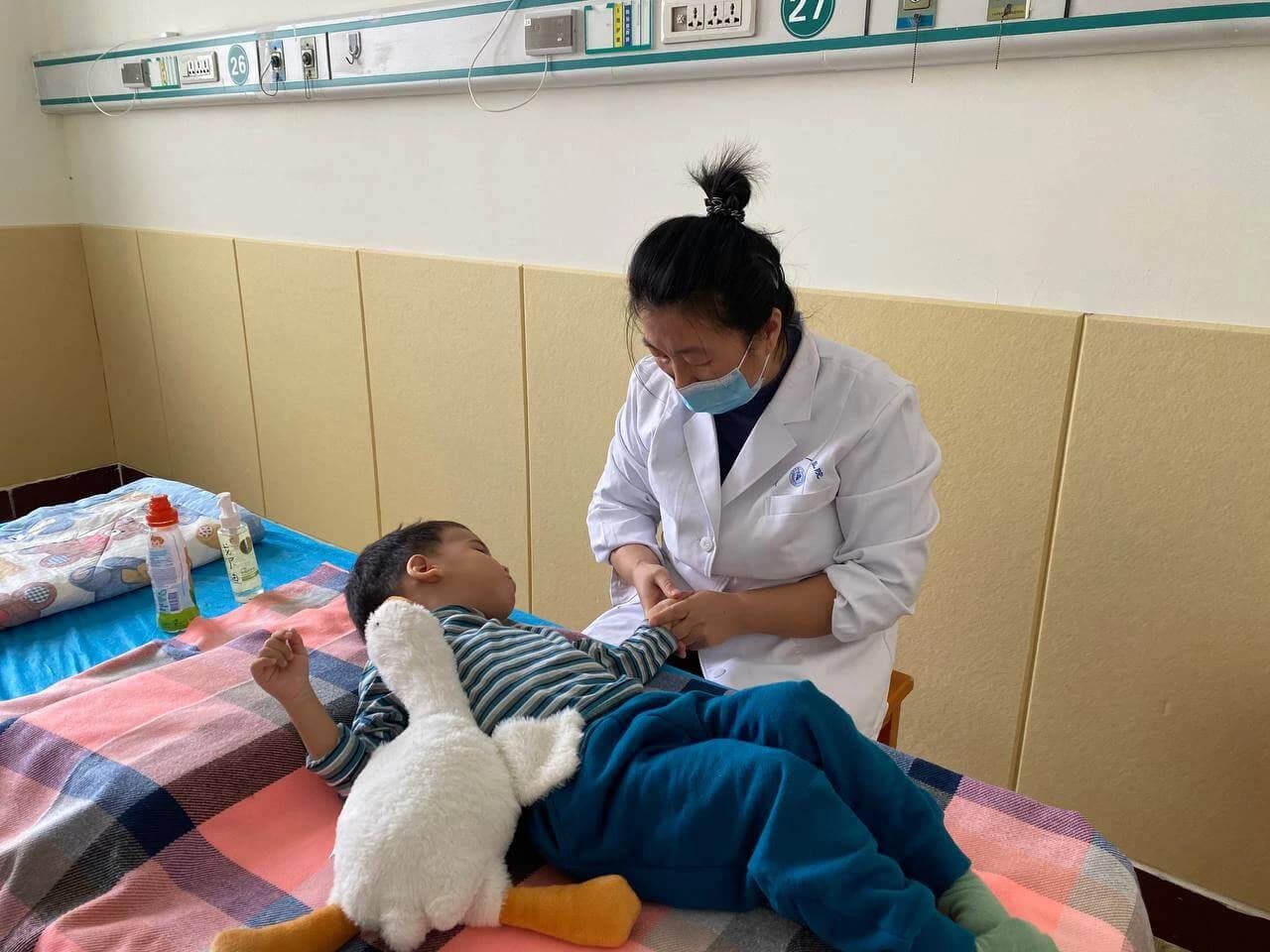
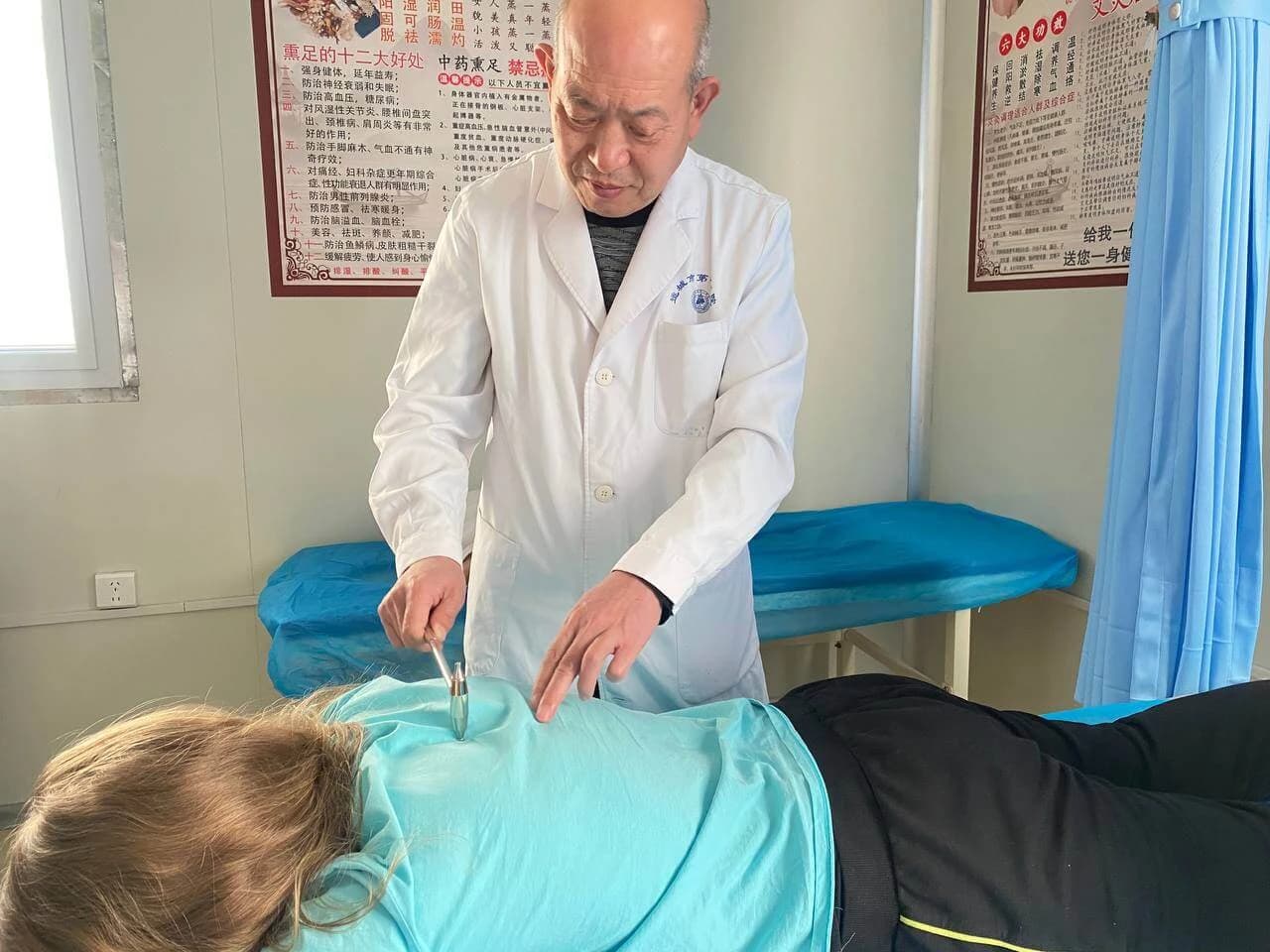
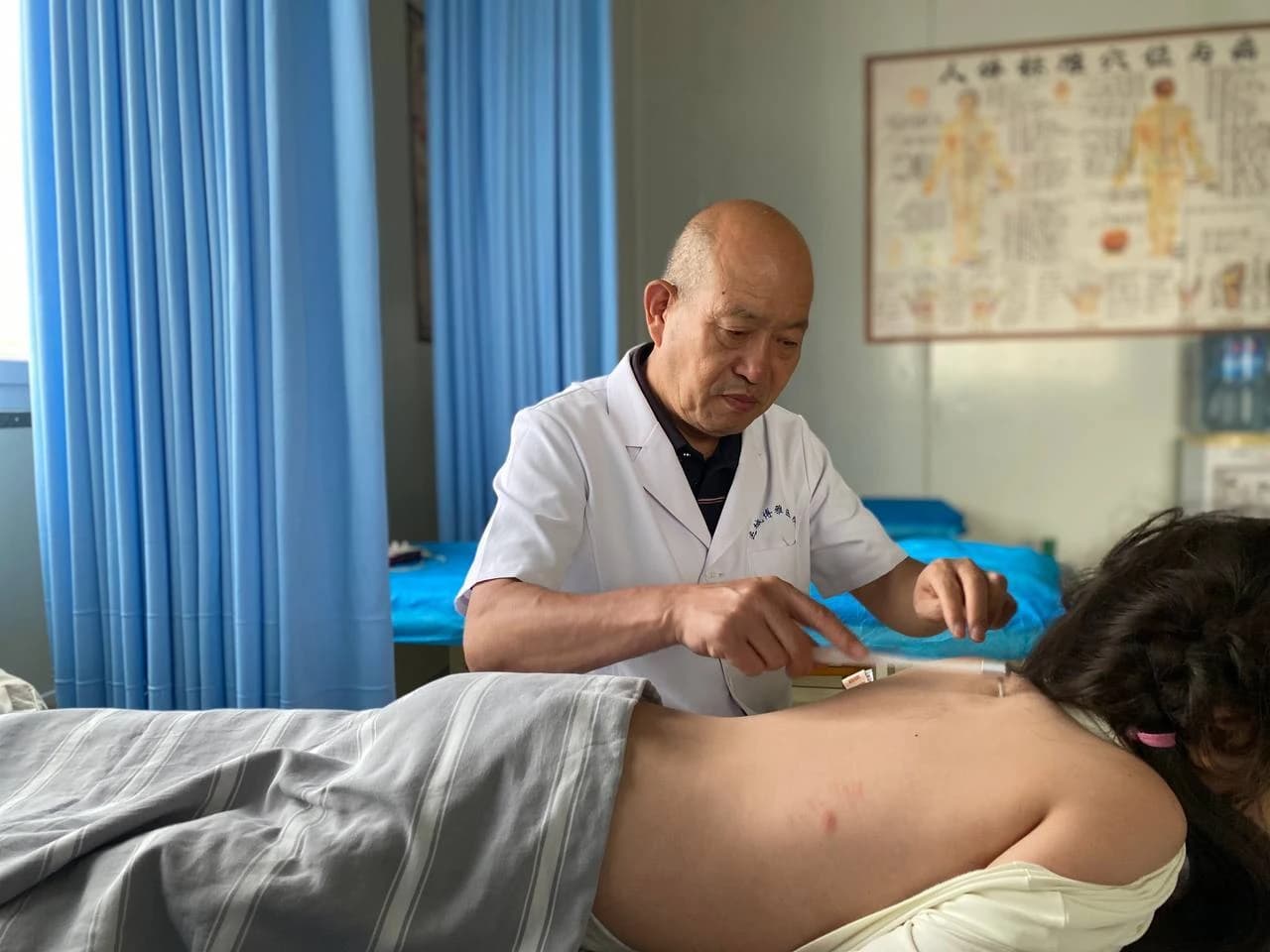
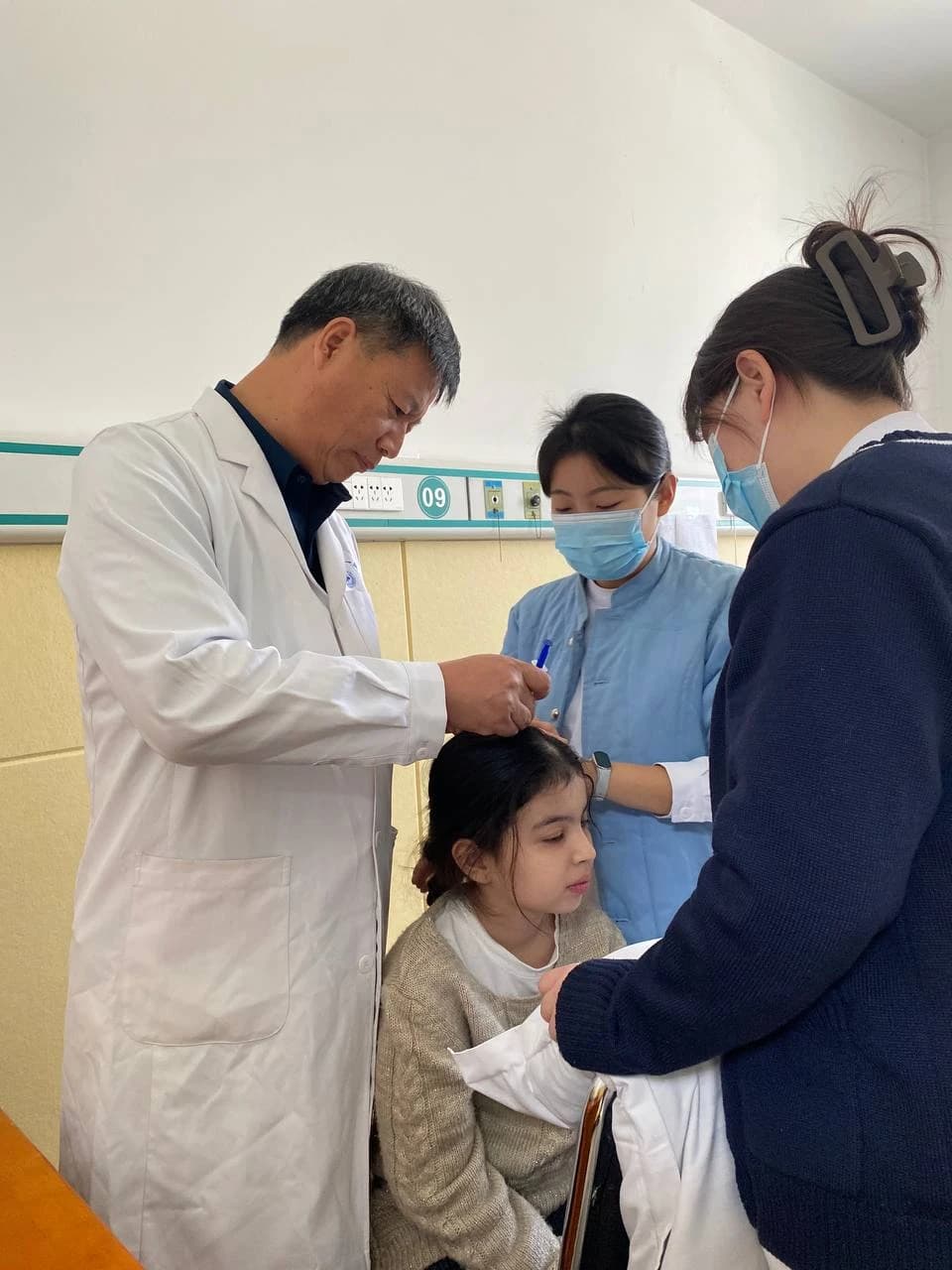
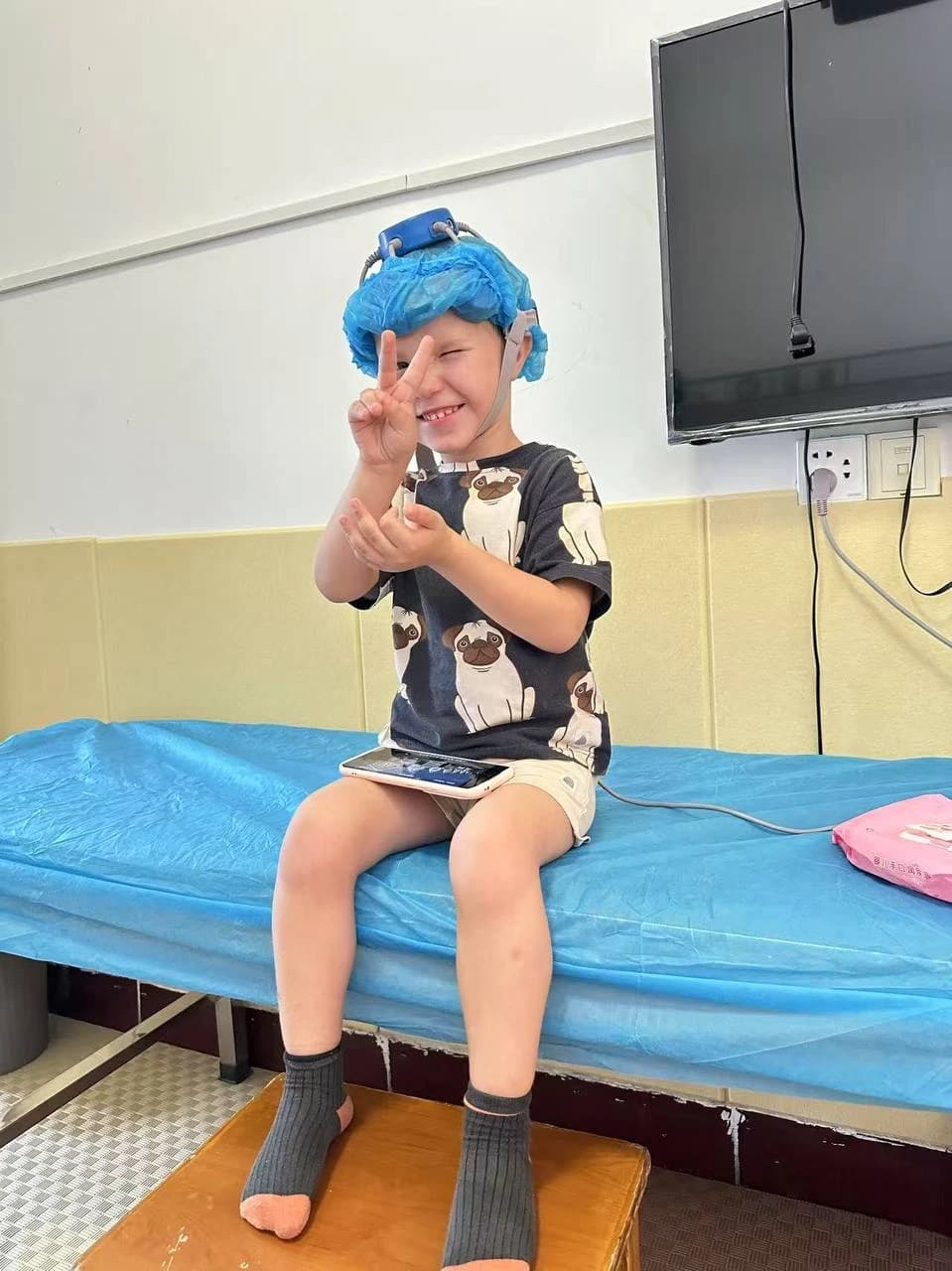
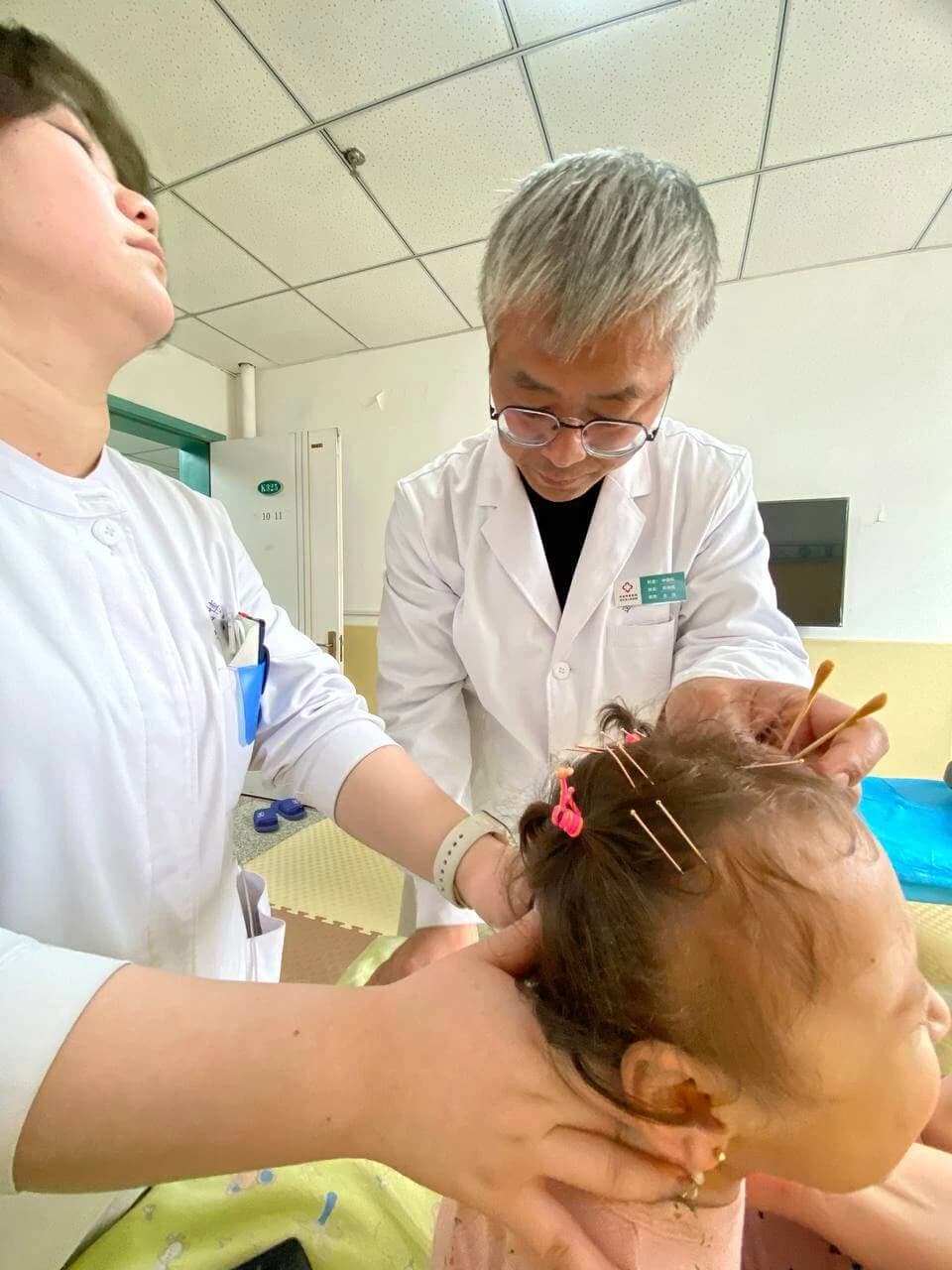
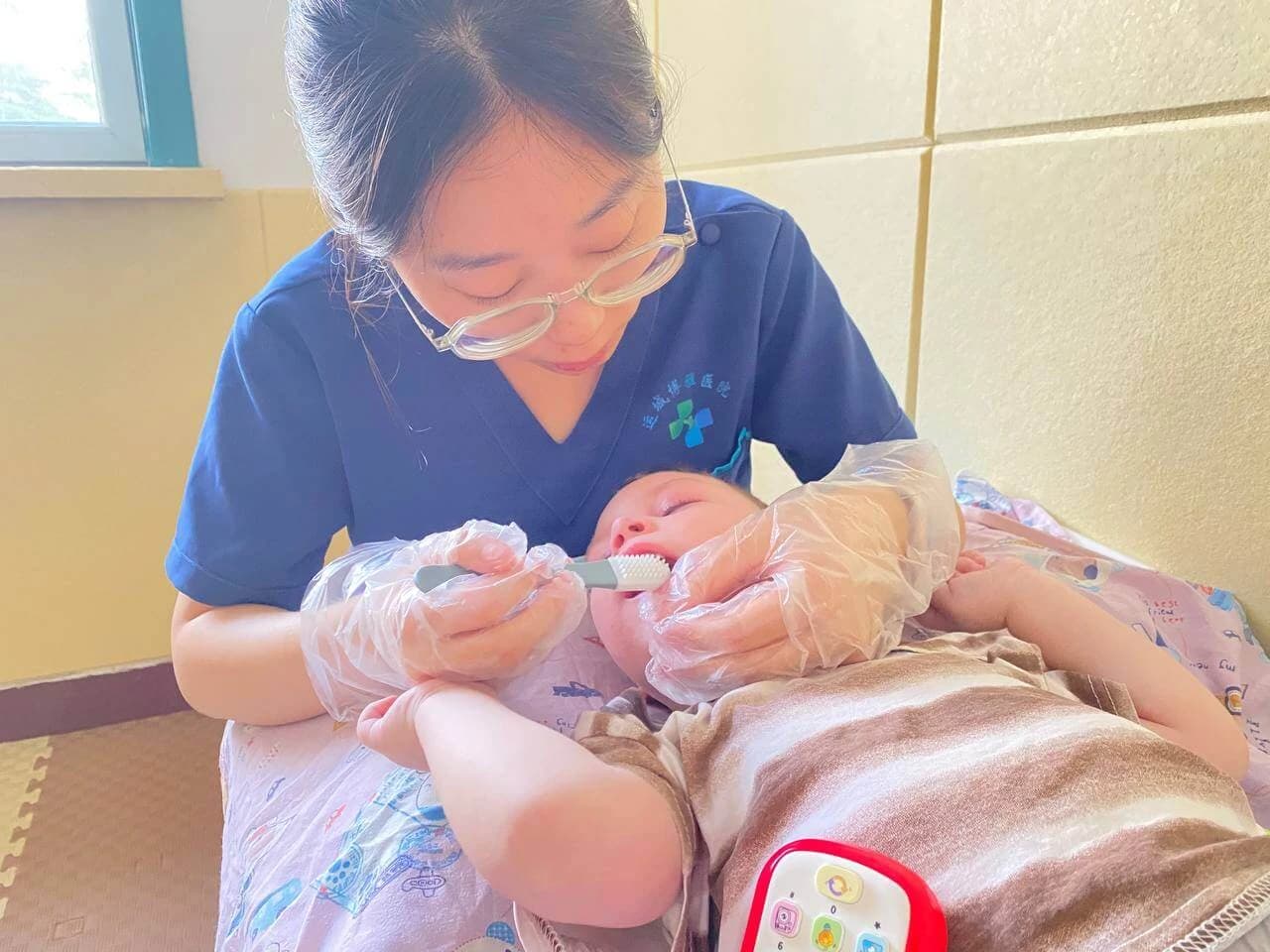
Boya Hospital (Yuncheng, Shanxi Province) admits such children as part of pediatric neurological rehabilitation. The course runs as an intensive: 6–9 sessions a day, 6 days a week. The core is daily speech therapy organized by levels: first the understanding of simple requests and names is restored, then the naming of objects and actions, then phrases and dialogue. If articulation was affected, breathing, voice, and the mouth muscles are worked on separately. Traditional Chinese Medicine methods run in parallel: scalp acupuncture — needling points on the head, used in Chinese medicine to activate the speech areas — along with acupuncture, pharmacopuncture, meridian point stimulation, and pediatric Tui Na massage. Since aphasia in children often comes together with the motor consequences of an injury, occupational therapy, exercise therapy, and apparatus-based physiotherapy are added so that everyday skills return alongside speech.
What matters for parents
Recovering speech after brain damage is a slow and uneven process: periods of visible progress alternate with plateaus. Promising a full return to the previous level would not be honest — the outcome depends on the extent of the damage, the child's age, and how early the sessions began. What is real is that a child's nervous system is plastic, and intact areas of the brain genuinely can take over part of the lost functions — given regular load. The recommended course is 2–3 months. Starting is simple: send hospital discharge summaries, reports from a neurologist and speech therapist, MRI images and EEG results, and describe what the level of speech was before the event. The document-based consultation is free, and there is no prepayment: you pay on site and only for what your child has actually received.
Causes
Aphasia occurs when the brain's speech areas are damaged. In children this is most often traumatic brain injury, a past neuroinfection (meningitis, encephalitis), a disturbance of cerebral blood flow, or the consequences of surgery or a space-occupying process. The key difference from other speech impairments is that the child already had speech and then lost it.
Symptoms
The picture depends on which area was affected. A child may understand speech but be unable to find words and mix up syllables; or, conversely, speak a great deal without understanding what is said to them. Ungrammatical phrases and difficulty naming objects are common, and in school-age children reading and writing are often affected.
Diagnostics
The diagnosis is made by a neurologist together with a speech therapist: comprehension, naming, repetition, reading, and writing are assessed. The cause and extent of the damage are clarified with brain MRI and EEG. Hearing and the child's general condition are checked separately — they determine how much session load the child can tolerate.
Prognosis and rehabilitation approach
In children the speech areas have high neuroplasticity: intact parts of the brain can partly take over lost functions. That is why an early start of systematic sessions — once the condition has stabilized — matters so much. The outcome depends on the extent of the damage and the child's age; a full return of speech cannot be guaranteed.
How rehabilitation works
Diagnostics
Comprehensive examination and patient assessment by an international team of specialists
Rehabilitation plan
Development of an individual rehabilitation program considering diagnosis specifics
Therapy
Intensive course of procedures: physical therapy, massage, physiotherapy, acupuncture and other methods
Results
Progress evaluation, home recommendations and maintenance therapy plan
Rehabilitation procedures: Aphasia
Frequently asked questions: Aphasia
Book a free consultation
Send us the medical records and a short video — Boya doctors will review the materials and tell you how they can help. A coordinator will get back to you within 5 minutes.