
Rehabilitation for Fine motor at Boya Clinic
Boya Hospital in Yuncheng admits children with fine motor weakness — when grasping, buttons, a spoon, or a pencil are hard. The core direction of the program is occupational therapy: sessions are built around everyday actions. The schedule is intensive: 6–9 sessions a day, 6 days a week. The recommended course is 2–3 months, with payment on site and no prepayment.
What is Fine Motor Weakness?
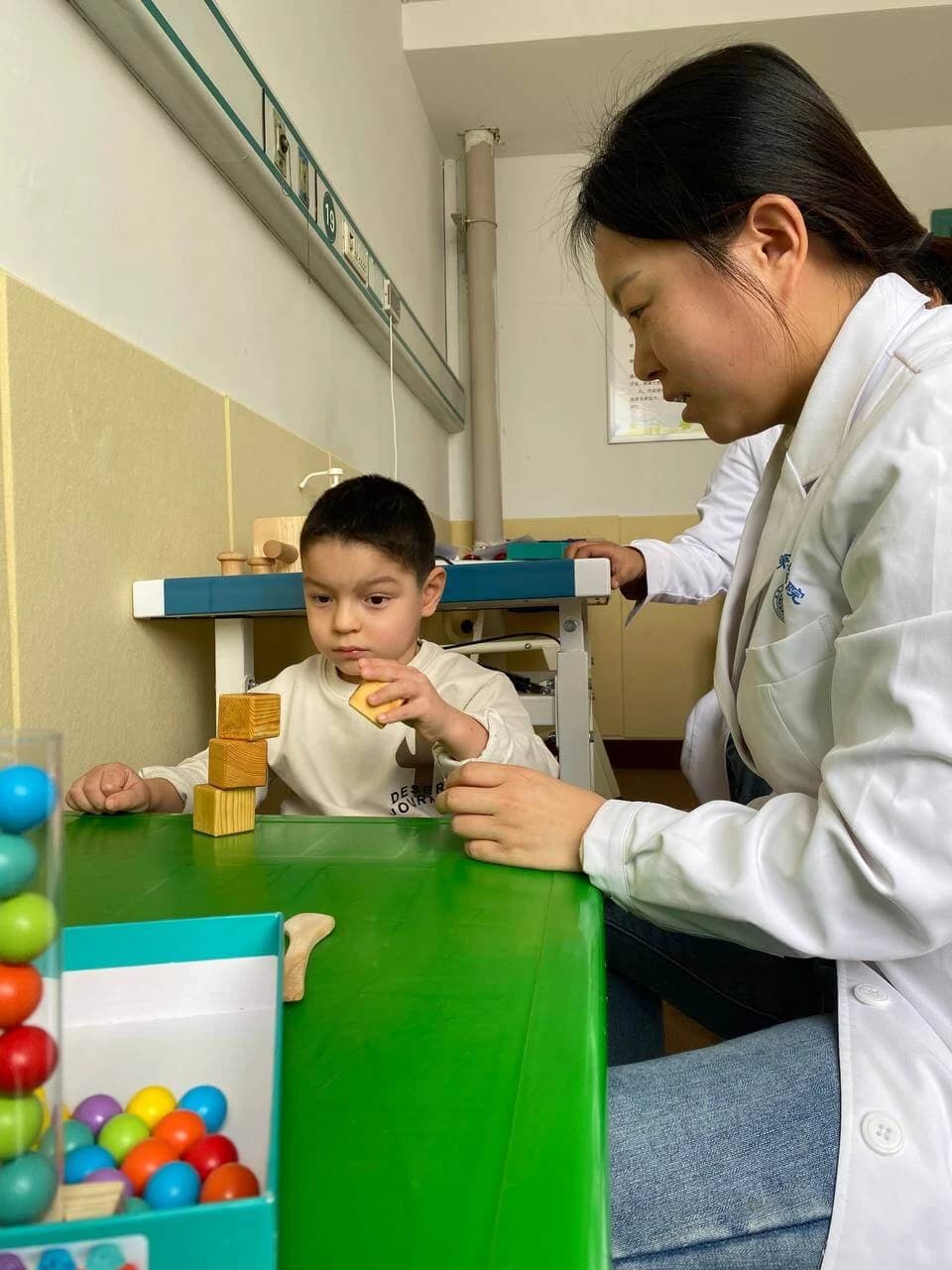
Fine motor skill means precise movements of the hands and fingers: picking up a small object with two fingers, holding a spoon, fastening a button, drawing a line with a pencil. Behind them lies the coordinated work of the brain, sensation, and hand muscles, which is why fine motor weakness is almost always visible in everyday life long before it shows up at an appointment. Parents describe it in similar ways: the child drops objects, picks them up with the whole palm instead of the fingers, cannot manage zippers and buttons, tires of drawing within a couple of minutes, and the lines come out uneven.
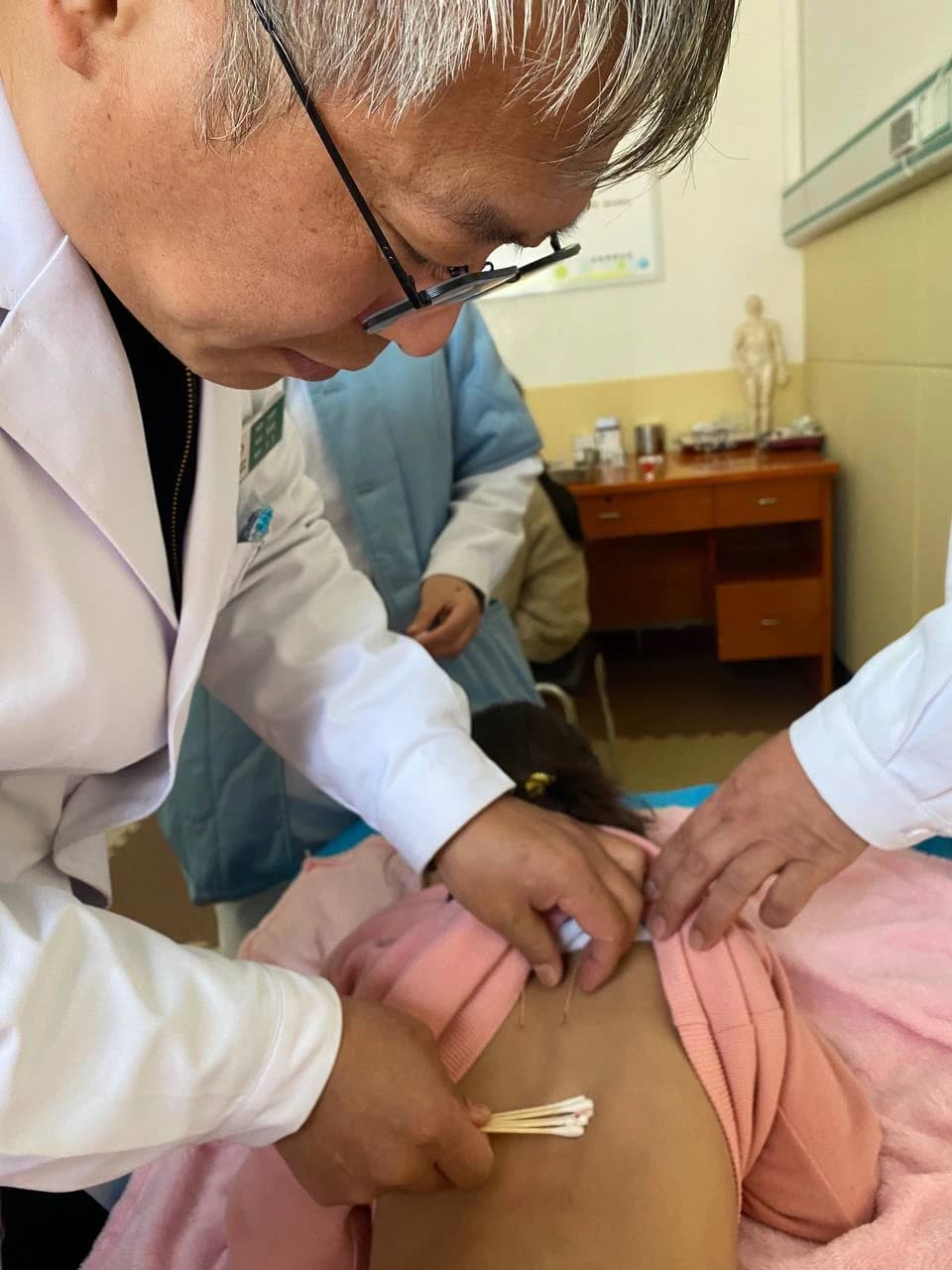
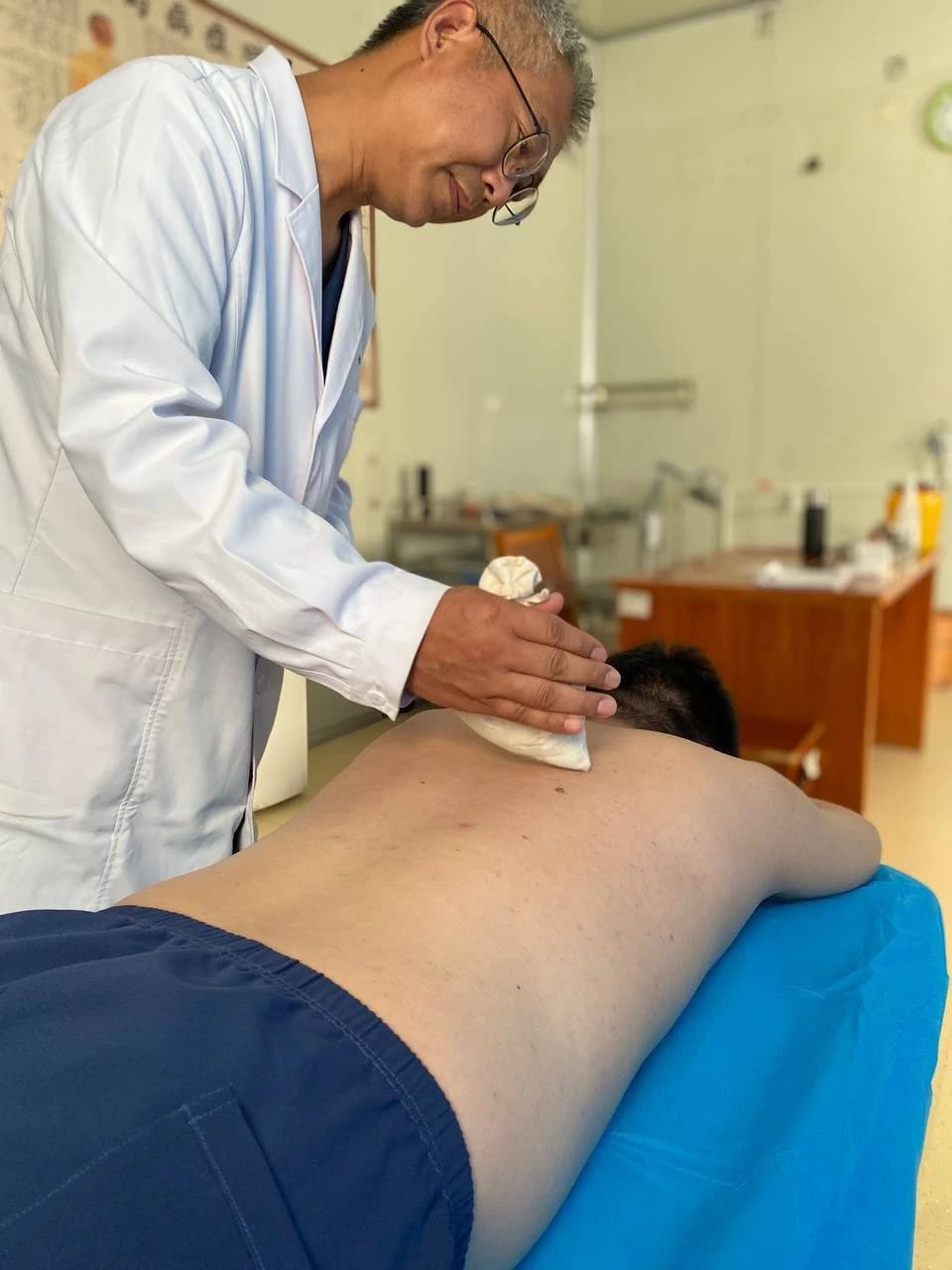
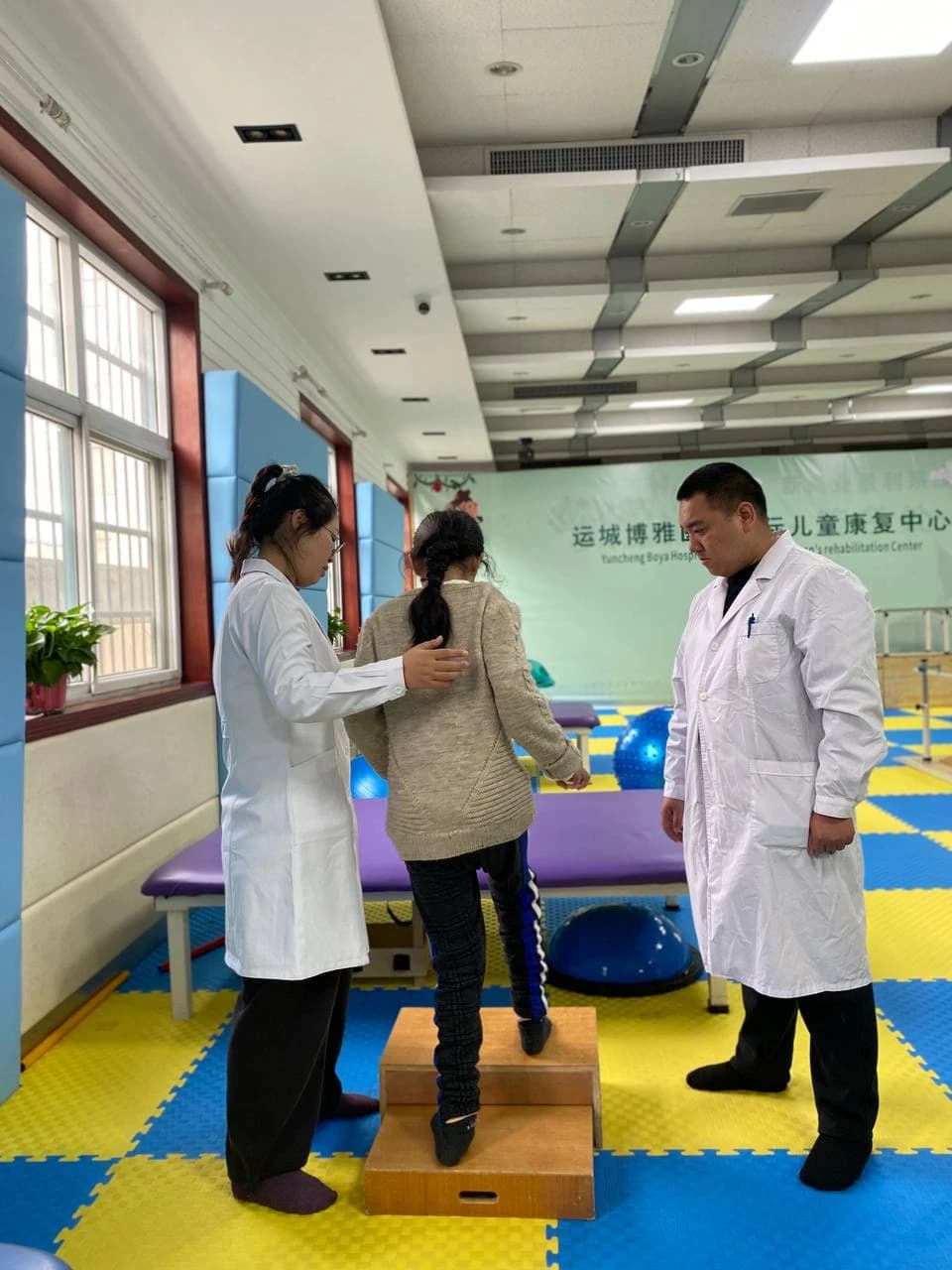
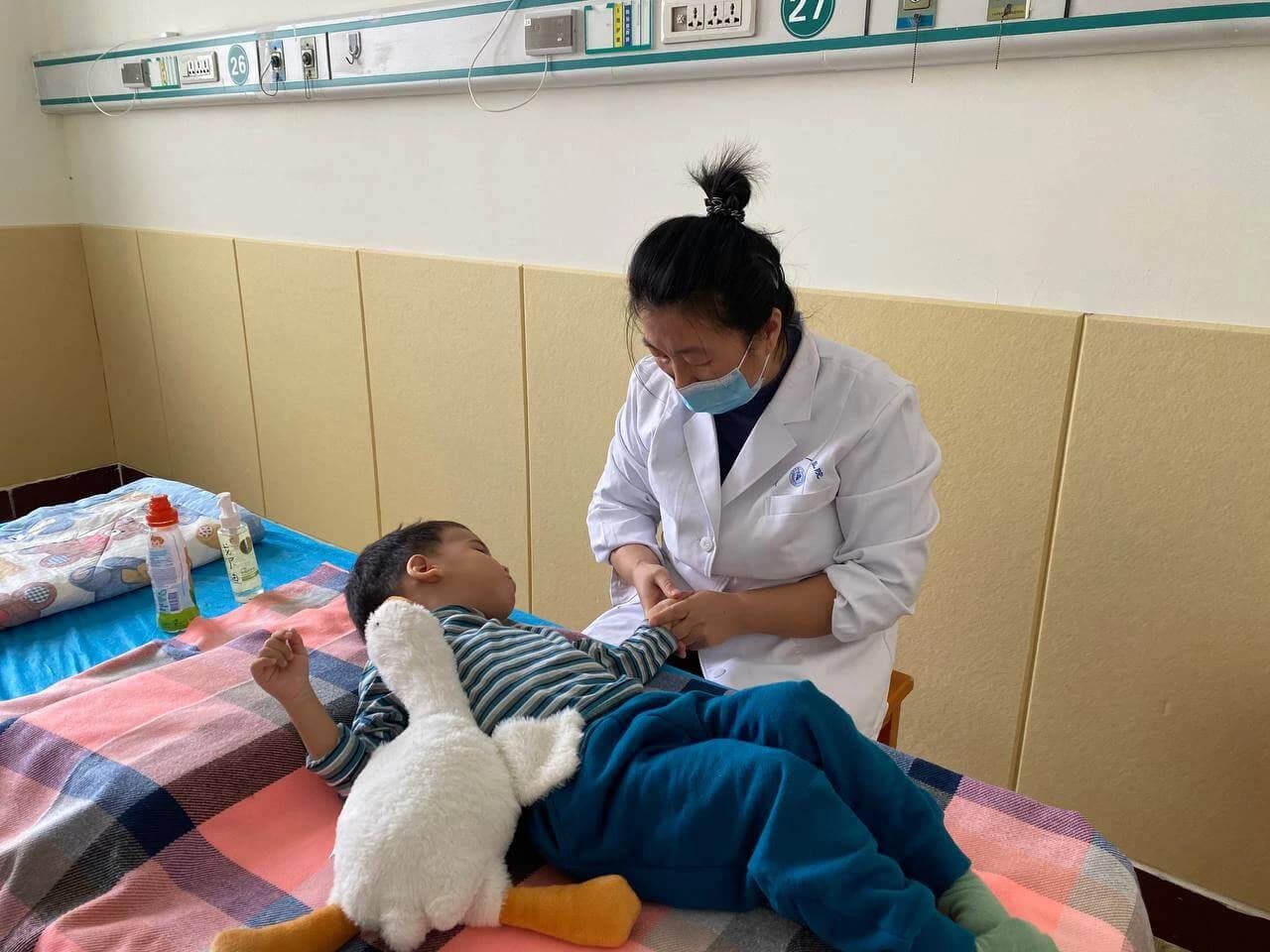
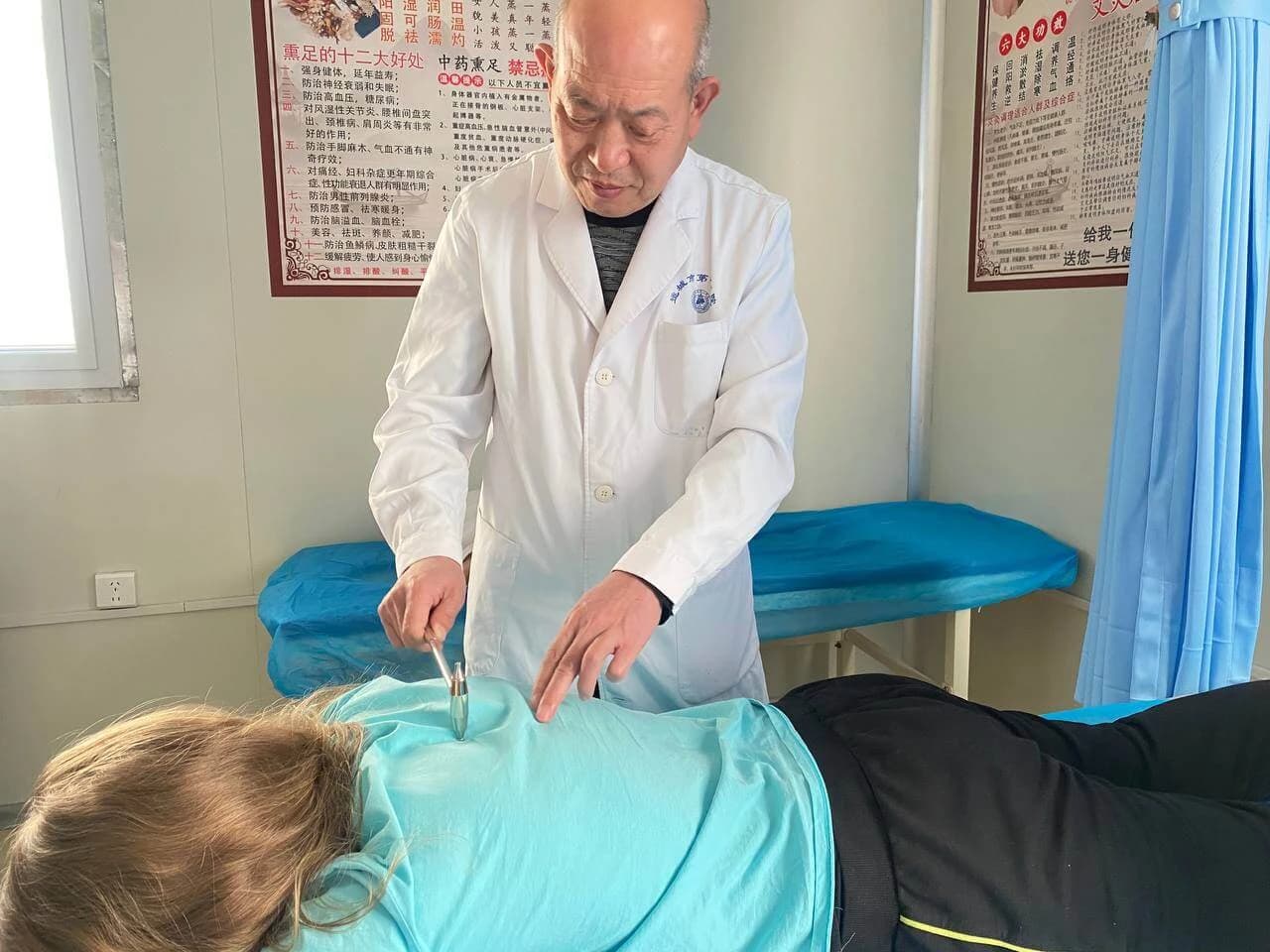
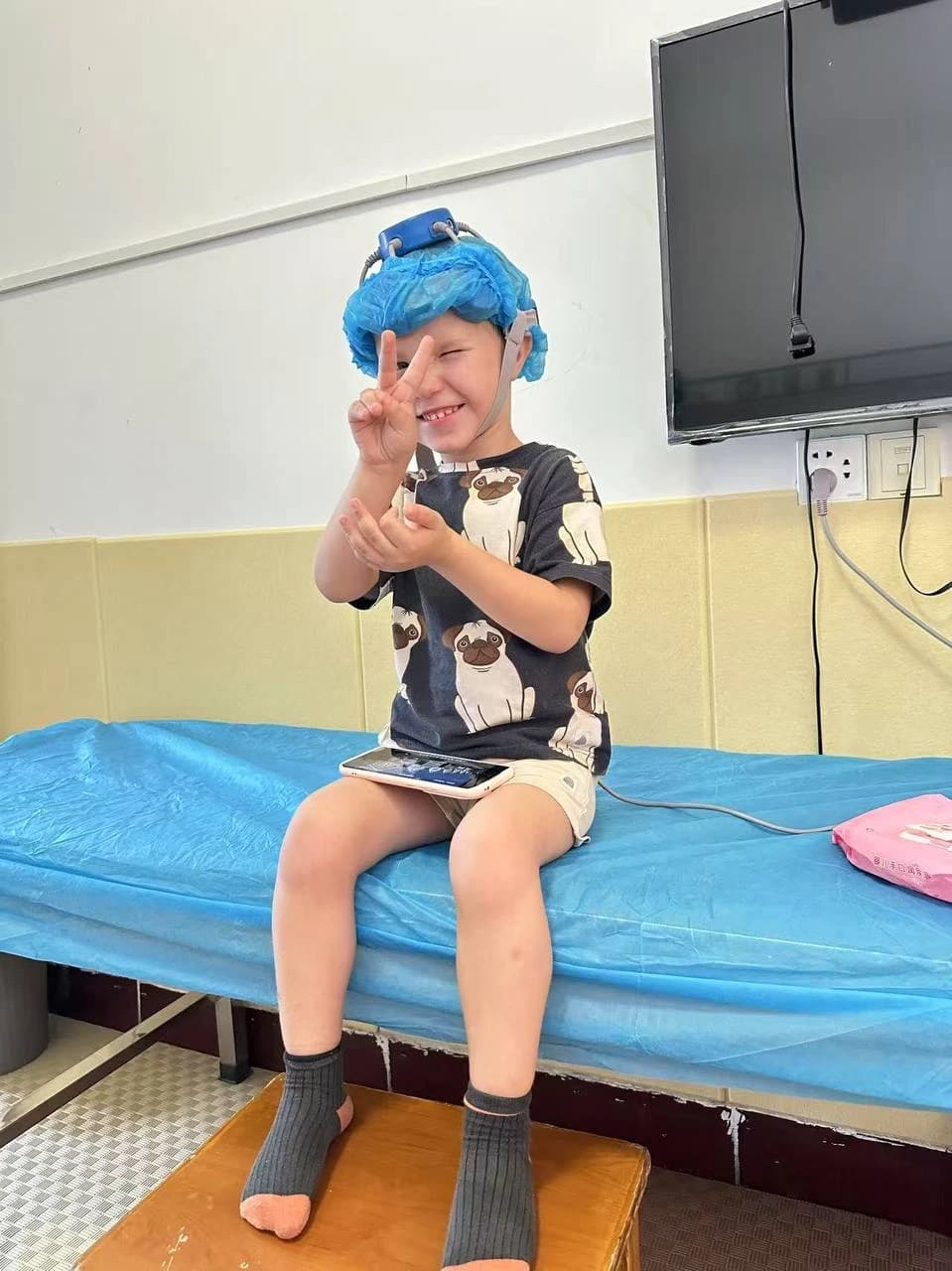
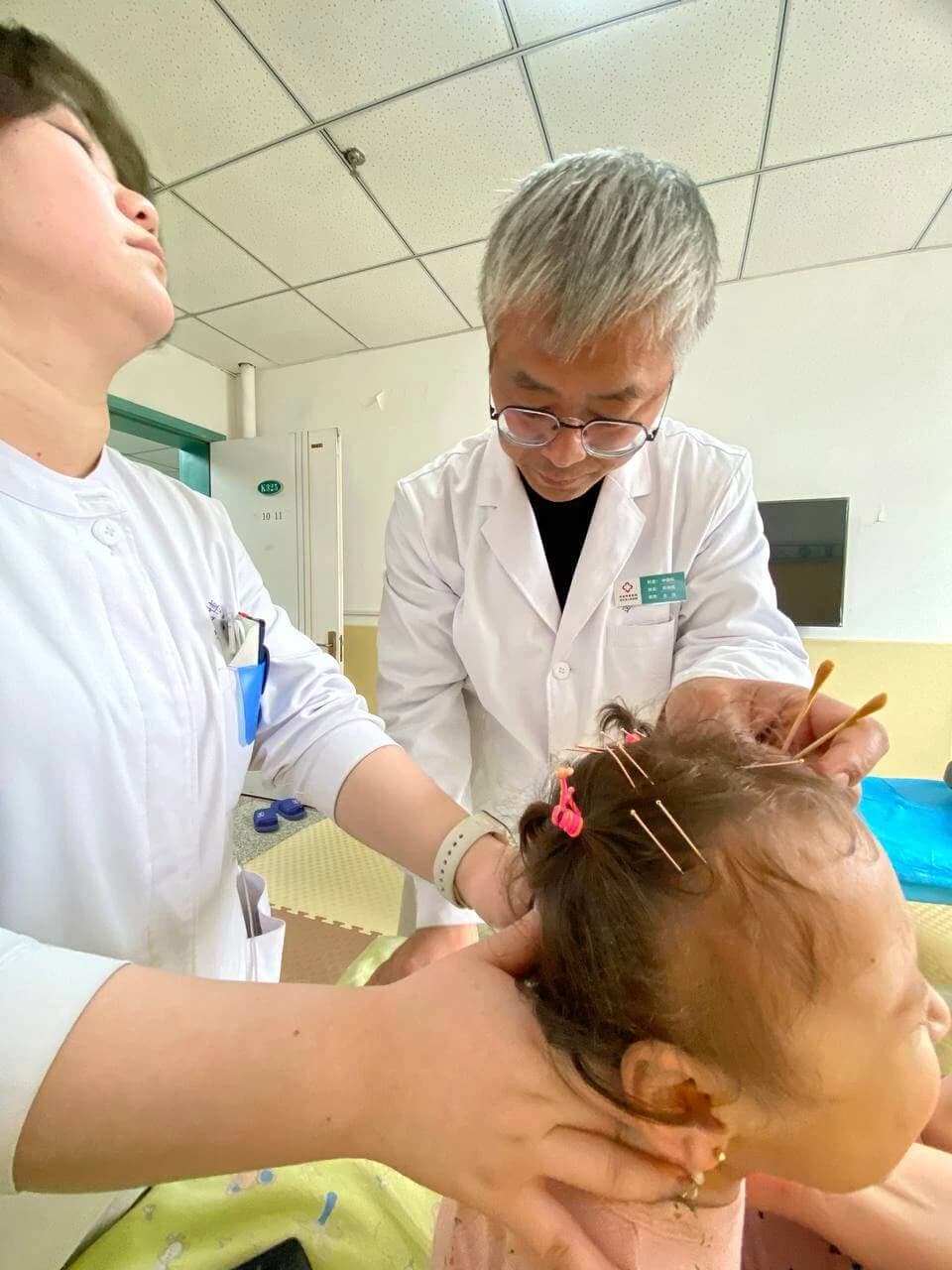
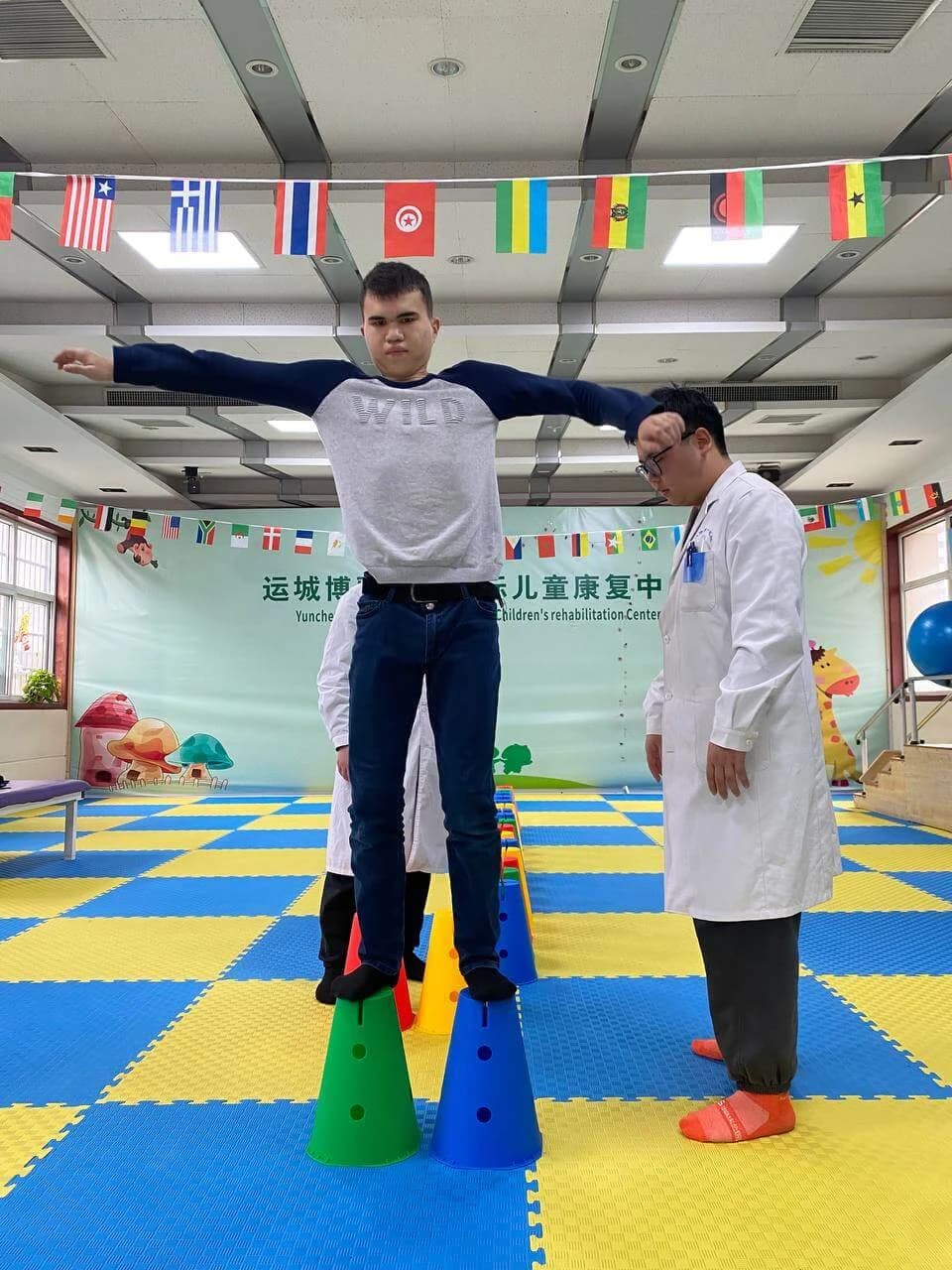
At Boya Hospital (Yuncheng, Shanxi Province), fine motor skills are addressed within the center's core focus — pediatric neurological rehabilitation. The core direction of the program is occupational therapy: sessions are built around real everyday actions so that the skill turns into independence straight away. Added to it are sensory integration (processing tactile signals and coordinating hand and eye), exercise therapy with work on trunk support and arm position, Tui Na massage for the hands and forearms, apparatus physiotherapy, and Traditional Chinese Medicine methods — acupuncture, scalp acupuncture, meridian stimulation. The schedule is intensive: 6–9 sessions a day, 6 days a week.
Everyday life is the main training ground
A strong hand does not begin with handwriting drills. First the child needs a stable seated position and trunk support — without them the arm works in mid-air and tires quickly. Then come whole-hand grasping and holding, and after that precise finger movements: buttons, laces, lids, a spoon, scissors, beads. Only on this foundation does a confident pencil grip appear. That is why the program contains many everyday tasks: dressing, eating, playing with small parts. At home the same principle works better than any exercise set — let the child do with their own hands whatever they can manage, even if it takes longer and does not work the first time.
Why this matters for schoolwork
Writing, scissors, building sets, fastening a uniform — the whole school day is built on hand work. If the hand tires quickly, the child starts avoiding such tasks, and the gap becomes not only motor but academic. The goal of the course is therefore not neat letters but hand endurance, grasp accuracy, and everyday independence: writing builds on top of those by itself. Results tend to be stronger in children under 7–8, but we also help older children. Send your child's documents and briefly describe what already works with the hands and what does not. The document-based consultation is free, and there is no prepayment: you pay on site and only for what your child has actually received.
Causes
Precise finger movements require the brain, sensation, and hand muscles to work together. Fine motor weakness is most often linked to delayed motor development, forms of cerebral palsy, the consequences of hypoxia and trauma, and difficulties processing sensory signals. It also occurs as a developmental feature in its own right.
Symptoms
The child picks up small objects awkwardly, drops them, and uses the whole palm instead of the fingers. Buttons and zippers, holding a spoon, threading beads, and cutting with scissors are hard. The pencil is gripped either too tightly or too loosely, the hand tires quickly, and lines come out uneven.
Diagnostics
Assessment is based on watching the child in action: how they pick up and hold objects, what kind of grasp they use, how both hands work together, how well hand and eye are coordinated. A neurologist rules out tone and strength disorders; an ophthalmologist is involved where needed. Before the course, Boya carries out a functional assessment.
Prognosis and rehabilitation approach
Fine motor skills respond well to training, especially with regular practice on manageable tasks. The goal is not neat handwriting in itself but everyday independence: eating unaided, dressing unaided, holding a pencil confidently. The skill is consolidated through repetition in real actions rather than through isolated exercises.
How rehabilitation works
Diagnostics
Comprehensive examination and patient assessment by an international team of specialists
Rehabilitation plan
Development of an individual rehabilitation program considering diagnosis specifics
Therapy
Intensive course of procedures: physical therapy, massage, physiotherapy, acupuncture and other methods
Results
Progress evaluation, home recommendations and maintenance therapy plan
Rehabilitation procedures: Fine Motor Weakness
Frequently asked questions: Fine Motor Weakness
Book a free consultation
Send us the medical records and a short video — Boya doctors will review the materials and tell you how they can help. A coordinator will get back to you within 5 minutes.