
Rehabilitation for Attention at Boya Clinic
The child listens but does not hear, is distracted by the slightest rustle, and abandons a task halfway — while staying calm and not running around. Boya Hospital in Yuncheng works with such children within pediatric neurological rehabilitation: sensory integration, occupational therapy, and speech therapy sessions train sustained attention, while Traditional Chinese Medicine methods play a supporting role. Sessions run 6 days a week, the course is 2–3 months, with payment on site.
What is Attention Deficit?
Attention deficit is a reduced ability to focus on a task and hold it through to the end. Unlike ADHD, there is no marked hyperactivity here: the child does not run around and does not interrupt, they simply drop out — look out of the window, switch to an outside sound, forget what they were asked a minute ago. This is exactly why such children go unnoticed for a long time: they are seen as slow or dreamy, and the difficulties are picked up at school, once the volume of work grows. On its own, attention deficit is uncommon — more often it accompanies developmental delay, Autism Spectrum Disorder, sensory differences, or the consequences of early damage to the nervous system.
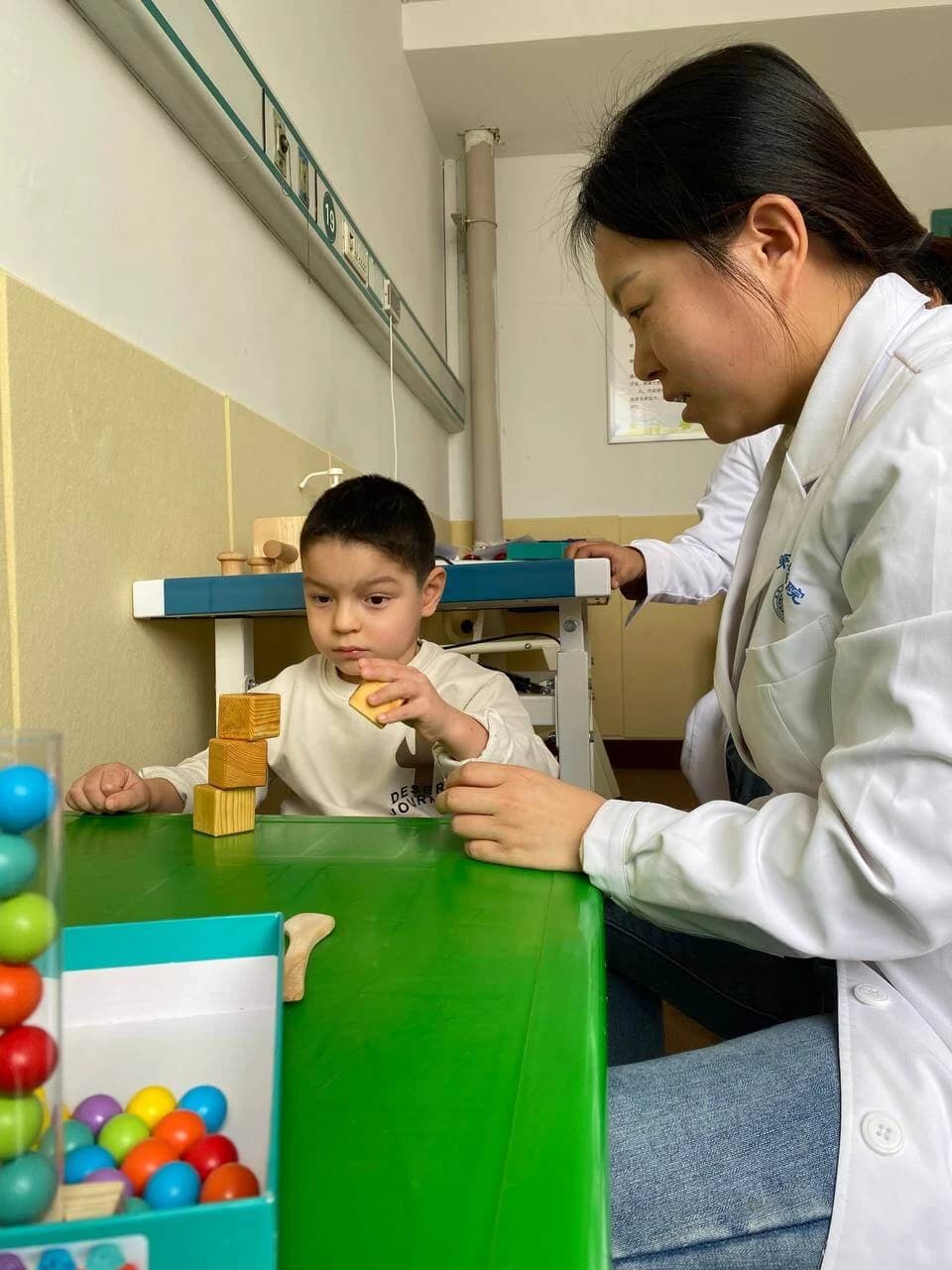
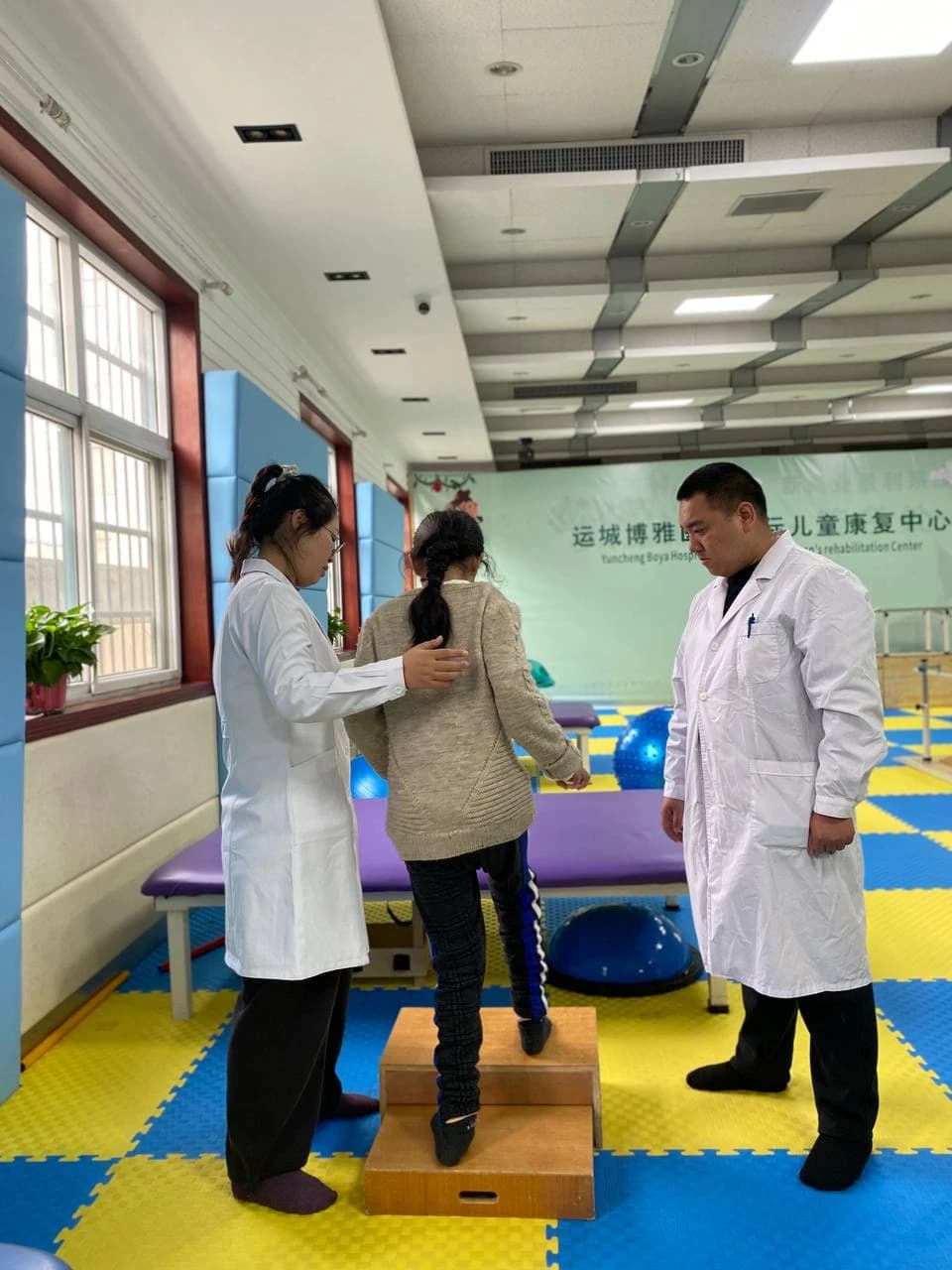
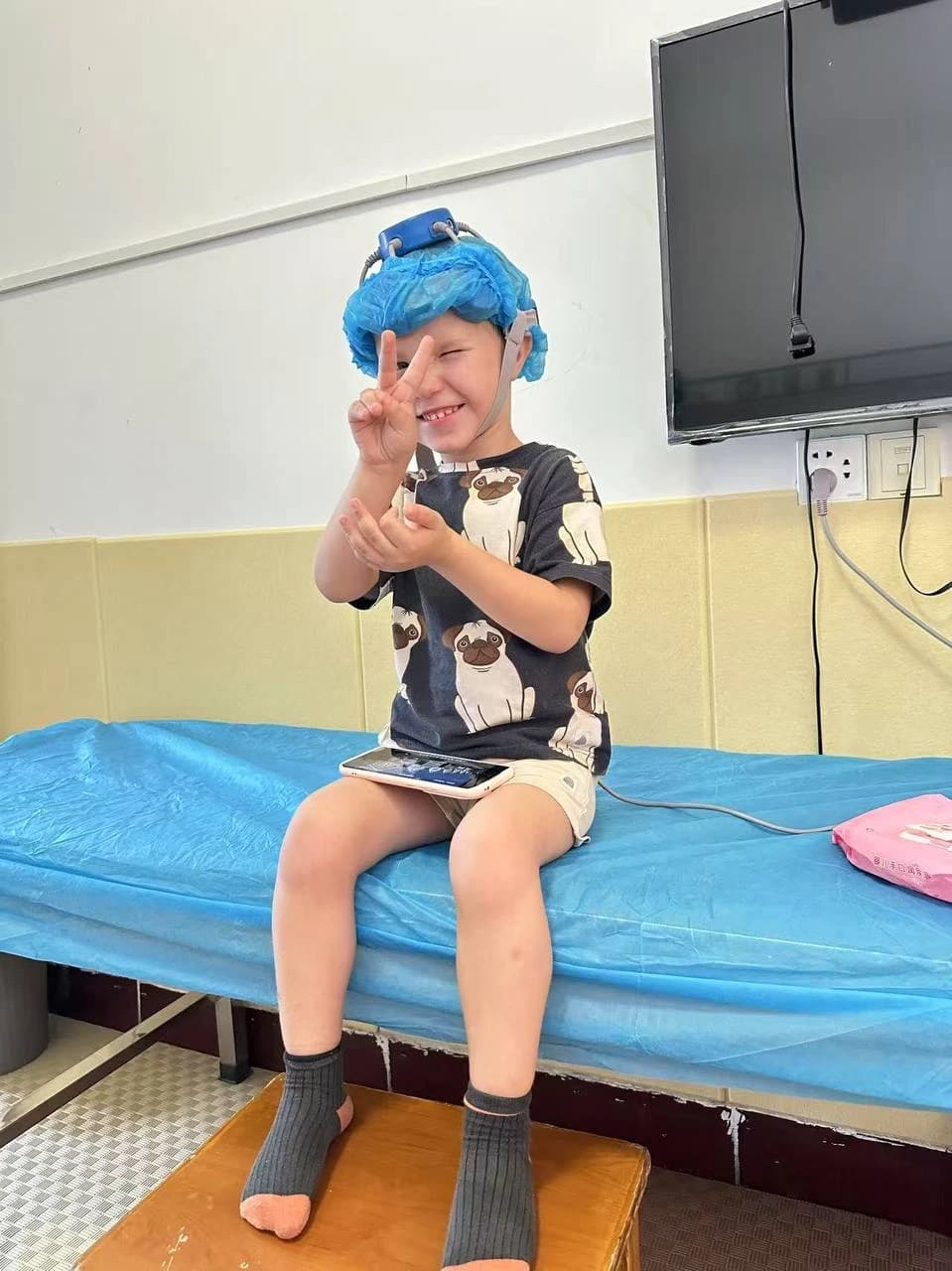
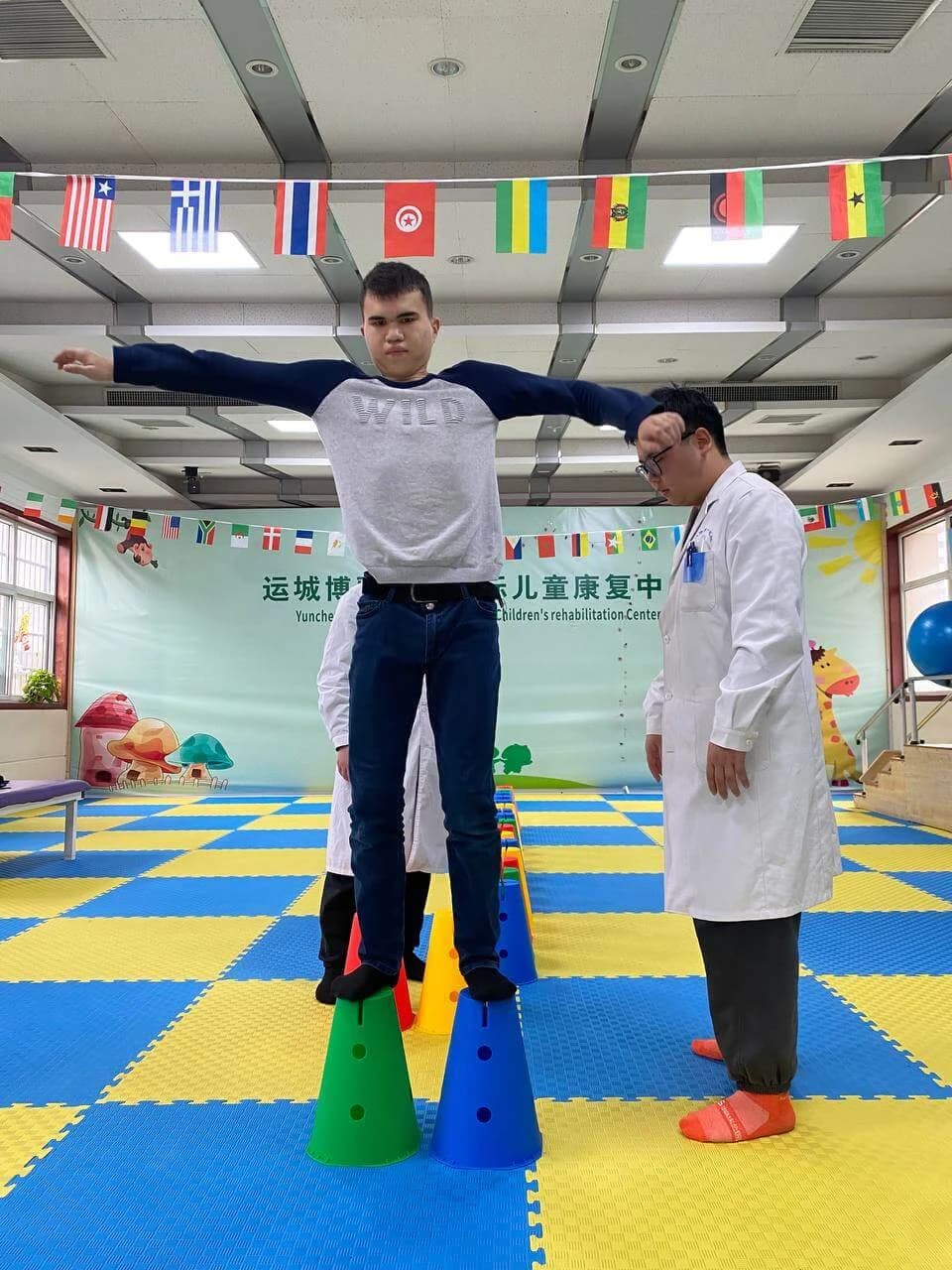
At Boya Hospital (Yuncheng, Shanxi Province), such children are worked with inside the general pediatric neurological rehabilitation program. Sensory integration removes the background that makes concentrating hard: the more accurately the child processes body signals and outside stimuli, the less they are pulled away by them. Occupational therapy trains task completion through clear everyday activities with a beginning and a result. The speech therapist joins in to work on understanding and holding instructions — a separate skill that can be trained. Exercise therapy and apparatus-based physiotherapy support general tone and stamina, while supporting Traditional Chinese Medicine procedures — scalp acupuncture, pediatric Tui Na massage, herbal compresses — help the child get through a full day more calmly and sleep better. Sessions run 6 days a week.
Attention can be trained, but not on command
Telling a child to pull themselves together does not work: holding attention is a skill that is built up step by step and only on manageable tasks. If a task is longer than the child's capacity, they leave it within the first minutes, and repeating that experience locks in avoidance. That is why during a course tasks are broken into short blocks with a clear finish, unnecessary distractions are cleared from view, and a session is lengthened only after the previous duration has become stable. The same principle is worth keeping at home — otherwise what was gained in sessions is quickly lost.
What counts as progress
The benchmarks are simple and verifiable: the child stays with one activity longer, follows two- and three-step instructions more often, returns to a task on their own after being pulled away, and loses belongings less often. These observations are recorded during the course and used to adjust the program. The recommended length is 2–3 months. The document-based consultation is free, and there is no prepayment: you pay on site and only for what your child has actually received.
Causes
Attention deficit rarely comes on its own. More often it accompanies developmental delay, Autism Spectrum Disorder, sensory differences, or the consequences of early damage to the nervous system. A separate common cause is lack of sleep and a chronically overloaded daily schedule.
Symptoms
Short concentration span, a reaction to any outside stimulus, difficulty with multi-step instructions (take it, carry it, put it down), unfinished tasks, lost belongings. Hyperactivity is weak or absent: the child drops out rather than disrupts.
Diagnostics
The assessment involves a neurologist, a psychologist, and a speech therapist: observation in both free and structured situations, a conversation with the parents, and tasks that require holding an instruction. Hearing and vision are always checked — a child who hears or sees poorly looks distracted.
Prognosis and rehabilitation approach
Attention responds well to regular training when tasks are within reach and the setting is predictable. The goal of a course is to extend the holding time and to teach the child to come back to a task after being distracted; the same rules help carry the skill home: a clear routine, short tasks, fewer background distractions.
How rehabilitation works
Diagnostics
Comprehensive examination and patient assessment by an international team of specialists
Rehabilitation plan
Development of an individual rehabilitation program considering diagnosis specifics
Therapy
Intensive course of procedures: physical therapy, massage, physiotherapy, acupuncture and other methods
Results
Progress evaluation, home recommendations and maintenance therapy plan
Rehabilitation procedures: Attention Deficit





Frequently asked questions: Attention Deficit
Book a free consultation
Send us the medical records and a short video — Boya doctors will review the materials and tell you how they can help. A coordinator will get back to you within 5 minutes.