
Rehabilitation for Sensory at Boya Clinic
Boya Hospital in Yuncheng admits children whose brains process sensory signals inaccurately: the child reacts sharply to sounds, touch, and movement — or, conversely, constantly seeks strong sensations. The core of the program is sensory integration in a play-based format, supported by occupational therapy, exercise therapy, and Traditional Chinese Medicine. There are 6–9 sessions a day, 6 days a week; the recommended course is 2–3 months, with payment on site.
What is Sensory Processing Disorder?
Sensory processing disorder is a condition in which a child's brain handles the stream of signals from the senses inaccurately. Hearing, vision, and skin work normally, but the brain cannot assemble their data into one picture: ordinary noise in a canteen becomes unbearable, a label on a T-shirt ruins the whole day, and a swing turns into a source of fear. Or the opposite: the signals seem insufficient, and the child spends the day hunting for them — jumping, crashing into furniture, mouthing objects, hugging with all their strength. The cost is more than discomfort: while the brain is busy fighting sensations, it is hard to hold attention, to learn, and to play with other children.
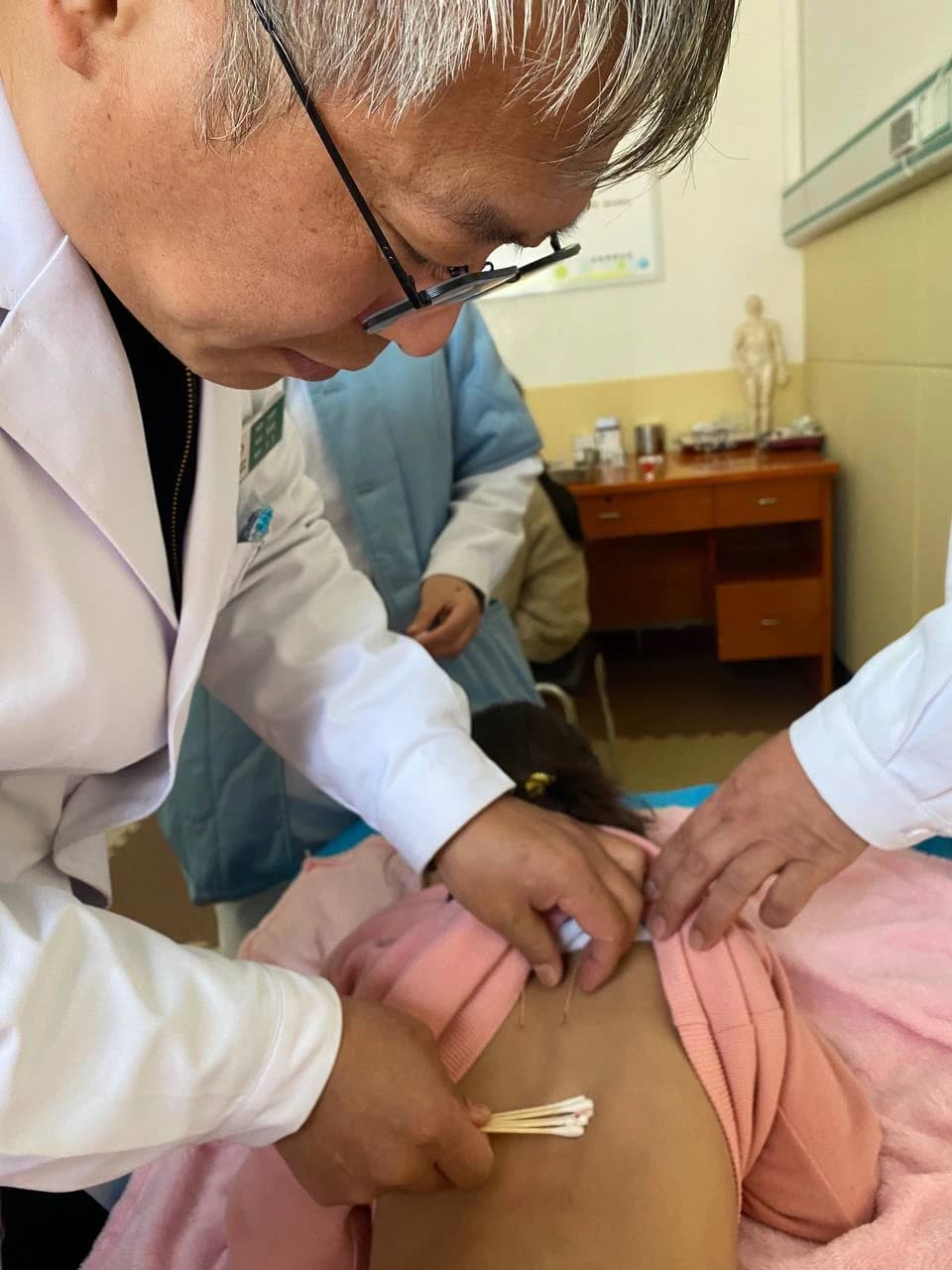
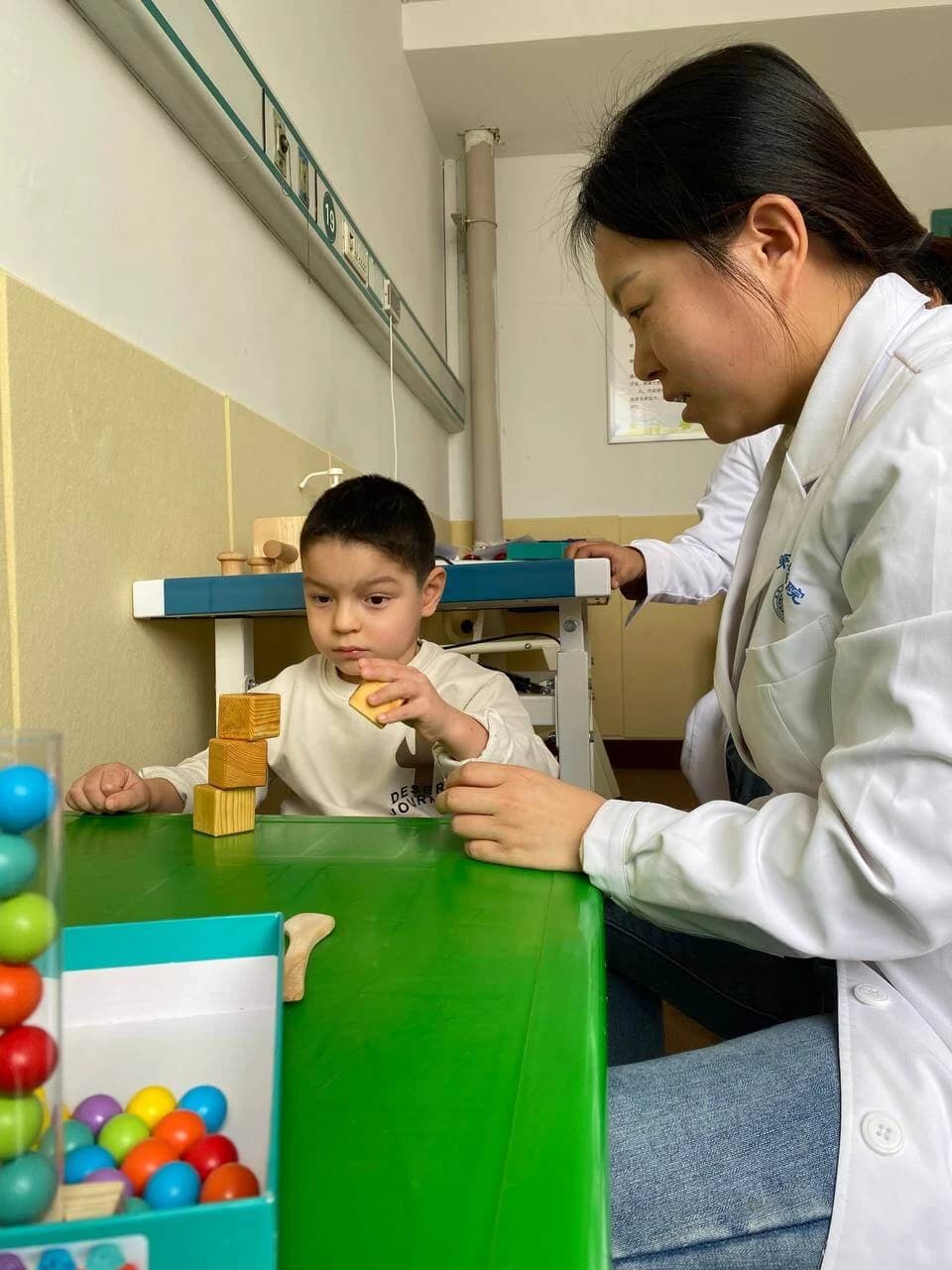
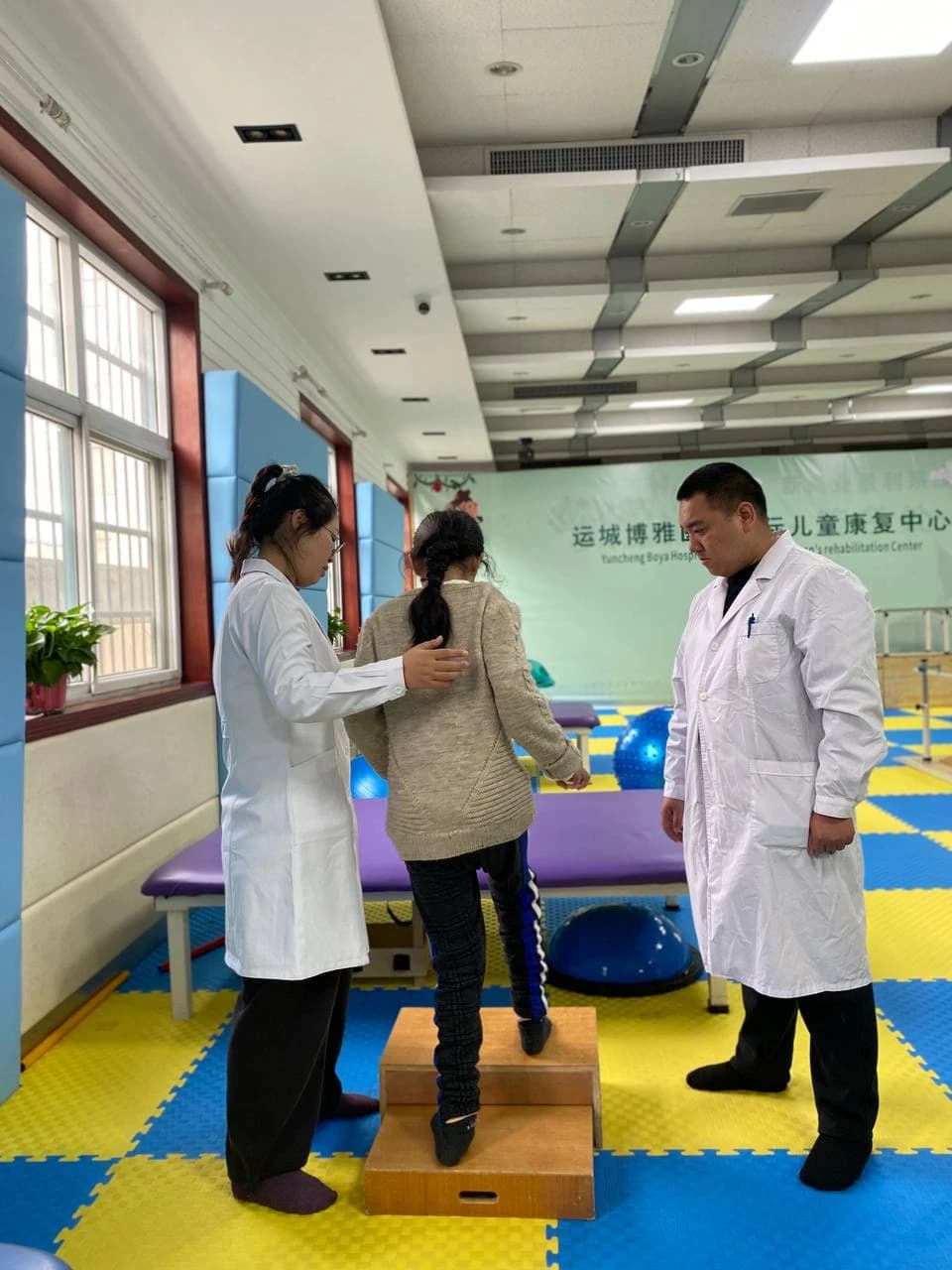
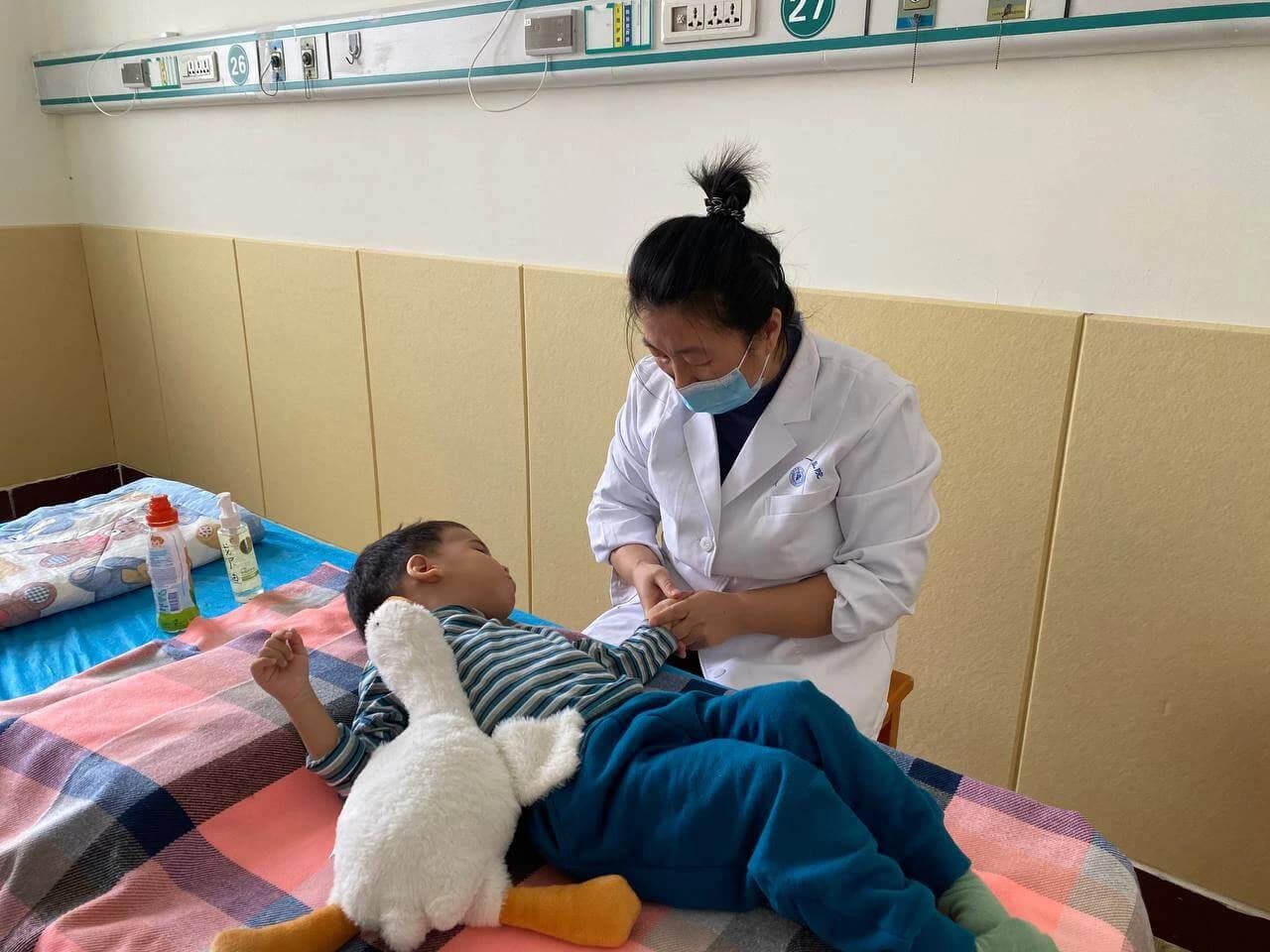
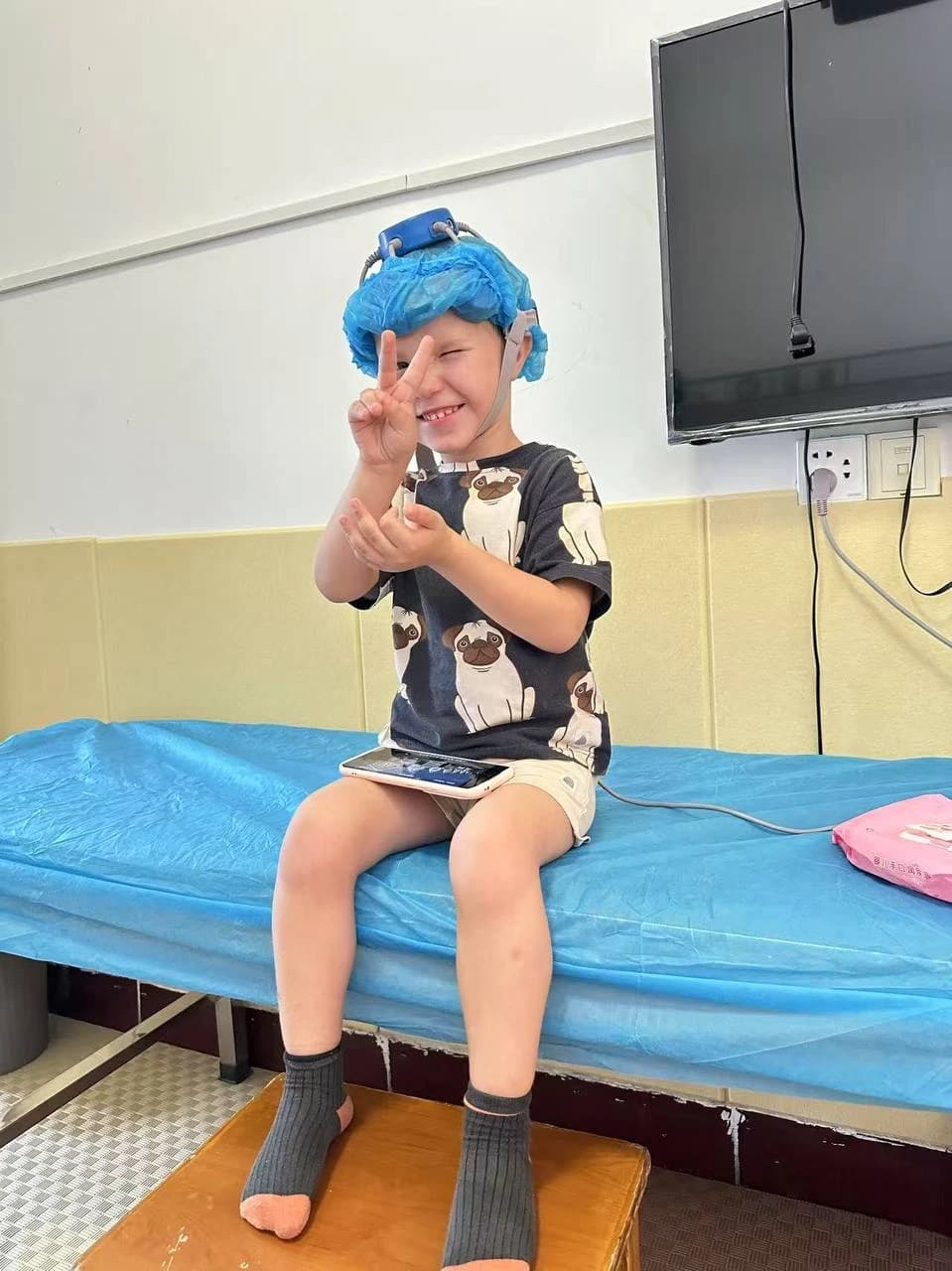
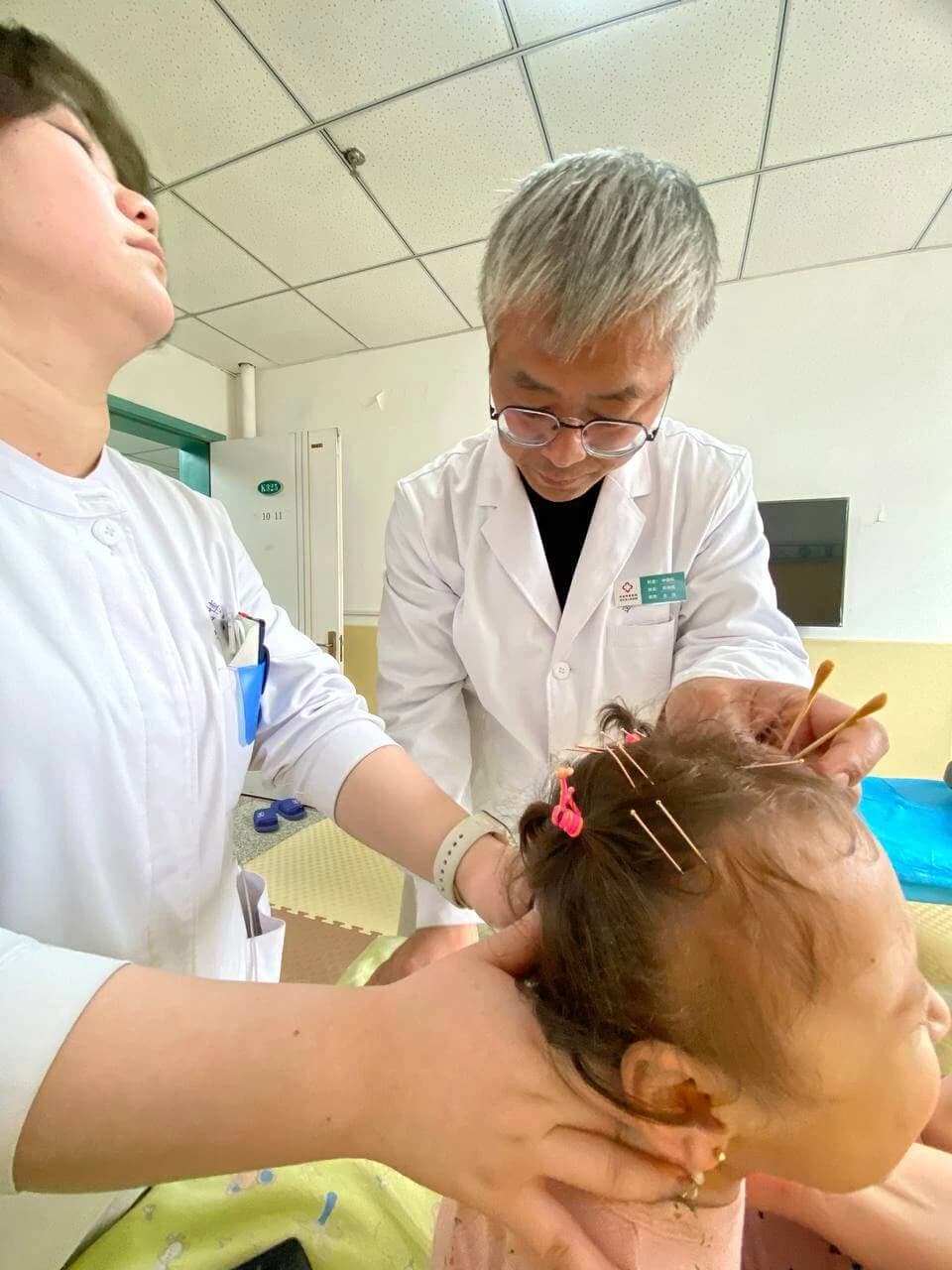
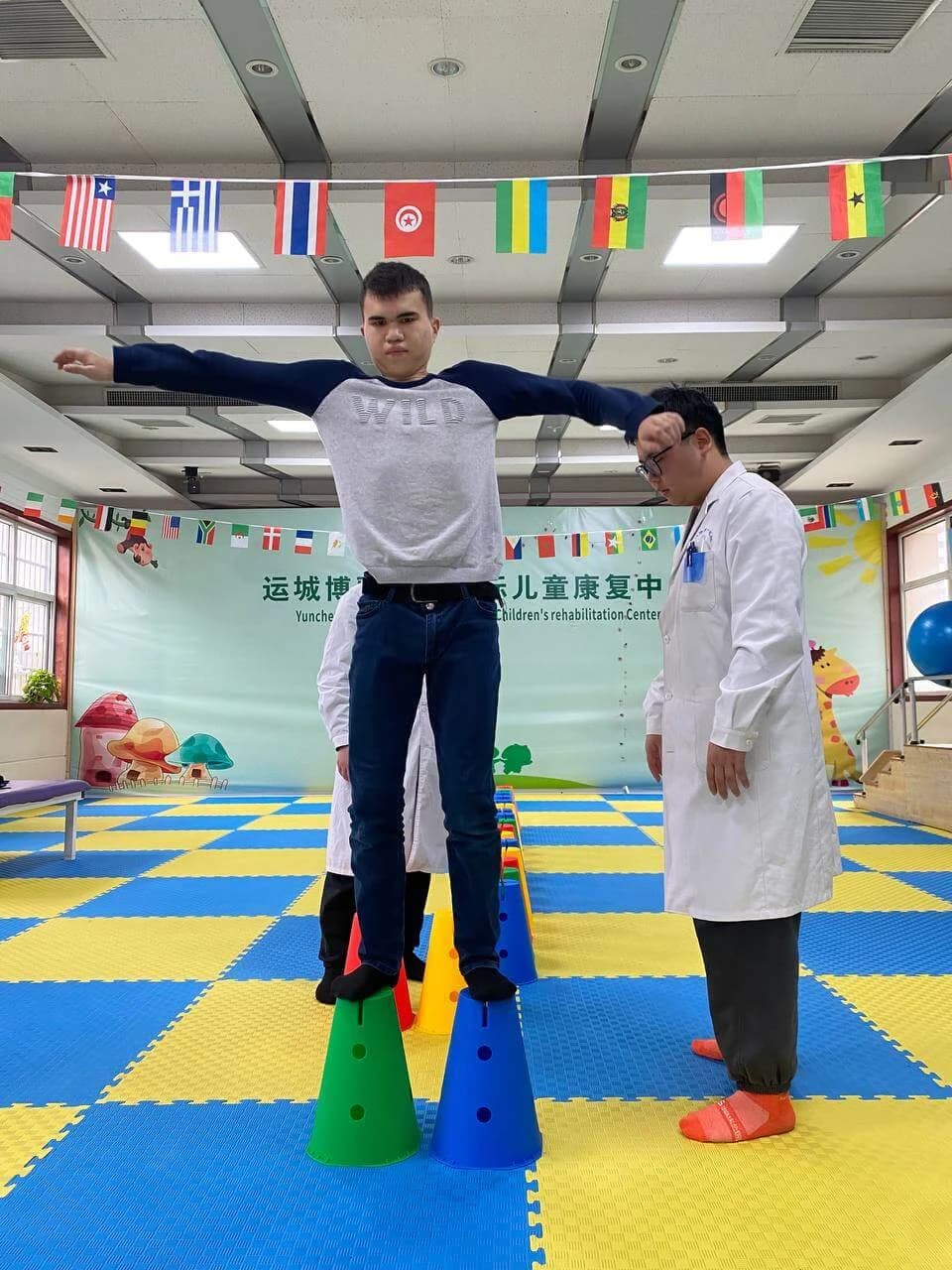
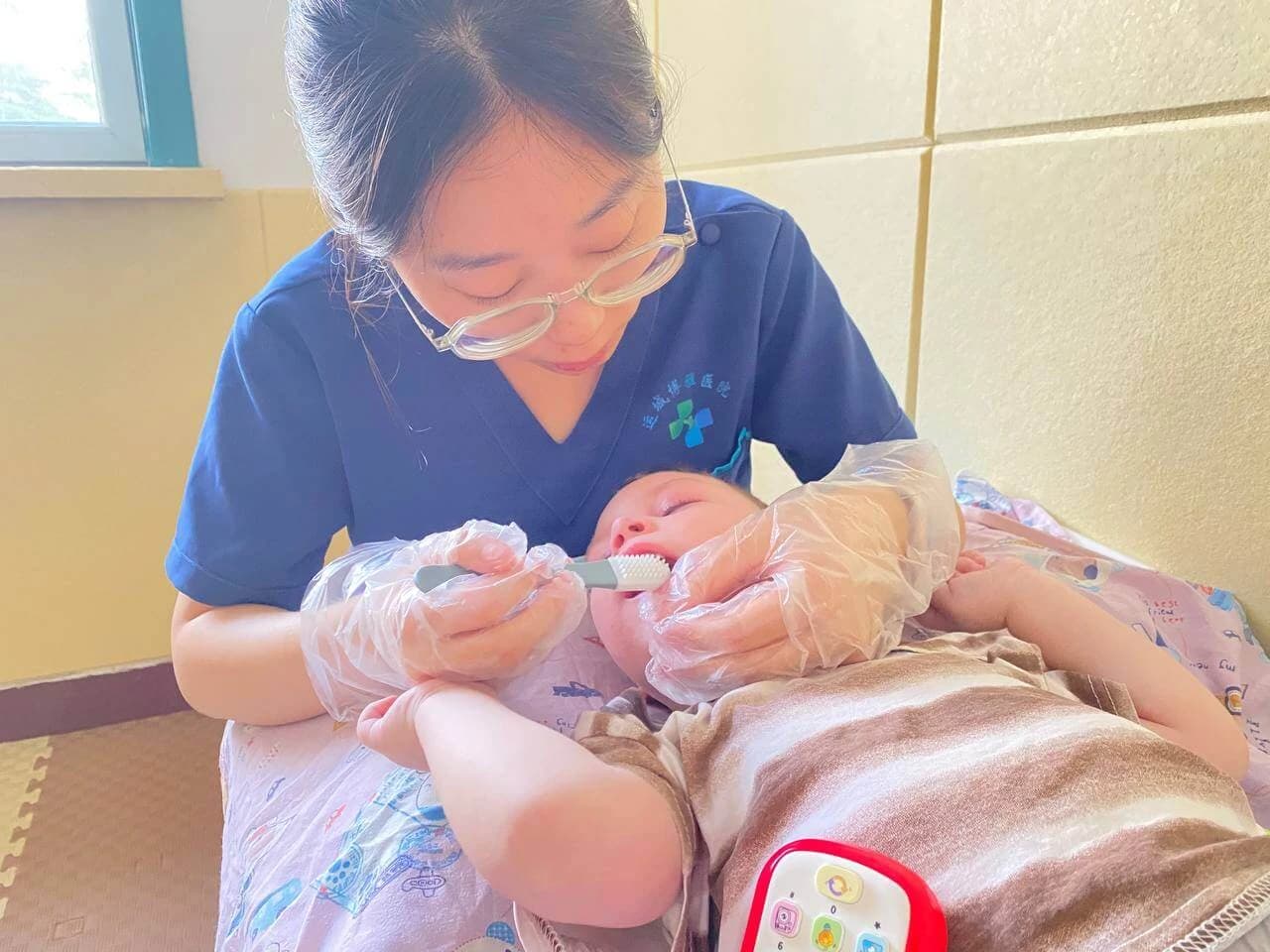
Boya Hospital (Yuncheng, Shanxi Province) works with such children as part of its core specialization — pediatric neurological rehabilitation. It starts with a sensory profile: the specialist looks at which signals the child tolerates poorly and which ones they lack. Sensory integration sessions are then selected to match that profile — play-based, using the equipment of the therapy room. From there they are built into the overall day: 6–9 sessions a day, 6 days a week — occupational therapy, exercise therapy, speech therapy where needed, and, from Traditional Chinese Medicine, Tui Na massage, acupuncture, and scalp acupuncture.
Two different profiles — and why that matters
Sensory processing disorder rarely looks the same twice. With over-responsiveness the child defends against the world: avoiding noise, touch, and new textures, refusing active games. With under-responsiveness it is the reverse — the child tops up the missing sensations any way they can, which from the outside is often read as hyperactivity or bad behavior. The two profiles frequently coexist in one child: for example, they cannot bear loud sounds yet cannot sit still either. Programs for these cases are built differently — one child needs their tolerance widened gently, another needs the sensory input they crave delivered in an organized form so they no longer have to chase it chaotically. That is exactly why the assessment comes before the sessions, not after.
What matters for parents
Sensory integration is not a standalone "magic" procedure but the foundation that attention, speech, self-care, and communication rest on. That is why the changes are often broader than expected: the child dresses more calmly, stays at the table longer, joins in play more willingly. Everyone's pace is different, and promising a specific result in advance would be dishonest — which is why the recommended course is 2–3 months: enough time to see steady dynamics rather than a one-off reaction. Send your child's documents — the document-based consultation is free and there is no prepayment: you pay on site and only for what your child has actually received.
Causes
The issue is not with the sense organs but with how the central nervous system combines their signals: the information reaches the brain, yet it is processed inaccurately. It is more common in children with ASD, in premature babies, and after perinatal damage to the nervous system. It is not a result of parenting and not misbehavior.
Symptoms
In some children over-responsiveness dominates: covering the ears at ordinary noise, refusing clothing tags and seams, avoiding swings and slides. In others it is under-responsiveness: constant motion, bumping into things, seeking tight hugs and deep pressure. Clumsiness, attention difficulties, and quick overload in crowded places are frequent companions.
Diagnostics
There is no single test or scan. A specialist observes how the child responds to movement, touch, sound, and light, questions the parents in detail about behavior at home and at kindergarten, and assesses balance and motor skills. Hearing and vision are checked separately — impairments there can look similar.
Prognosis and rehabilitation approach
Sensory processing can be trained. With regular sessions children usually tolerate noise and touch more calmly, move with more confidence, and hold attention longer. The earlier the work begins, the smoother the progress — but it is worth starting at any age.
How rehabilitation works
Diagnostics
Comprehensive examination and patient assessment by an international team of specialists
Rehabilitation plan
Development of an individual rehabilitation program considering diagnosis specifics
Therapy
Intensive course of procedures: physical therapy, massage, physiotherapy, acupuncture and other methods
Results
Progress evaluation, home recommendations and maintenance therapy plan
Rehabilitation procedures: Sensory Processing Disorder
Frequently asked questions: Sensory Processing Disorder
Book a free consultation
Send us the medical records and a short video — Boya doctors will review the materials and tell you how they can help. A coordinator will get back to you within 5 minutes.