
Rehabilitation for Cognition at Boya Clinic
Boya Hospital in Yuncheng admits children with cognitive development delay to its pediatric neurological rehabilitation courses. The program is intensive — 6–9 sessions a day, 6 days a week: sessions on developing cognitive skills are combined with sensory integration, speech therapy, and Chinese medicine methods. The recommended course is 2–3 months, with payment on site and no prepayment.
What is Cognitive Delay?
Cognitive delay is a lag in the pace of development of cognitive functions: attention, memory, thinking, basic concepts. The child struggles to hold attention and finish what they started, the concepts of \"color\", \"shape\", \"size\", \"more — less\" remain blurry, two-step instructions get lost, and cause-and-effect relationships come with difficulty. It is important not to confuse this condition with intellectual disability: a delay means a slowed pace with the developmental potential preserved, while a persistent reduction is a different condition with different goals of work. Assessment and observation over time help distinguish them — and honest goal-setting depends on it.
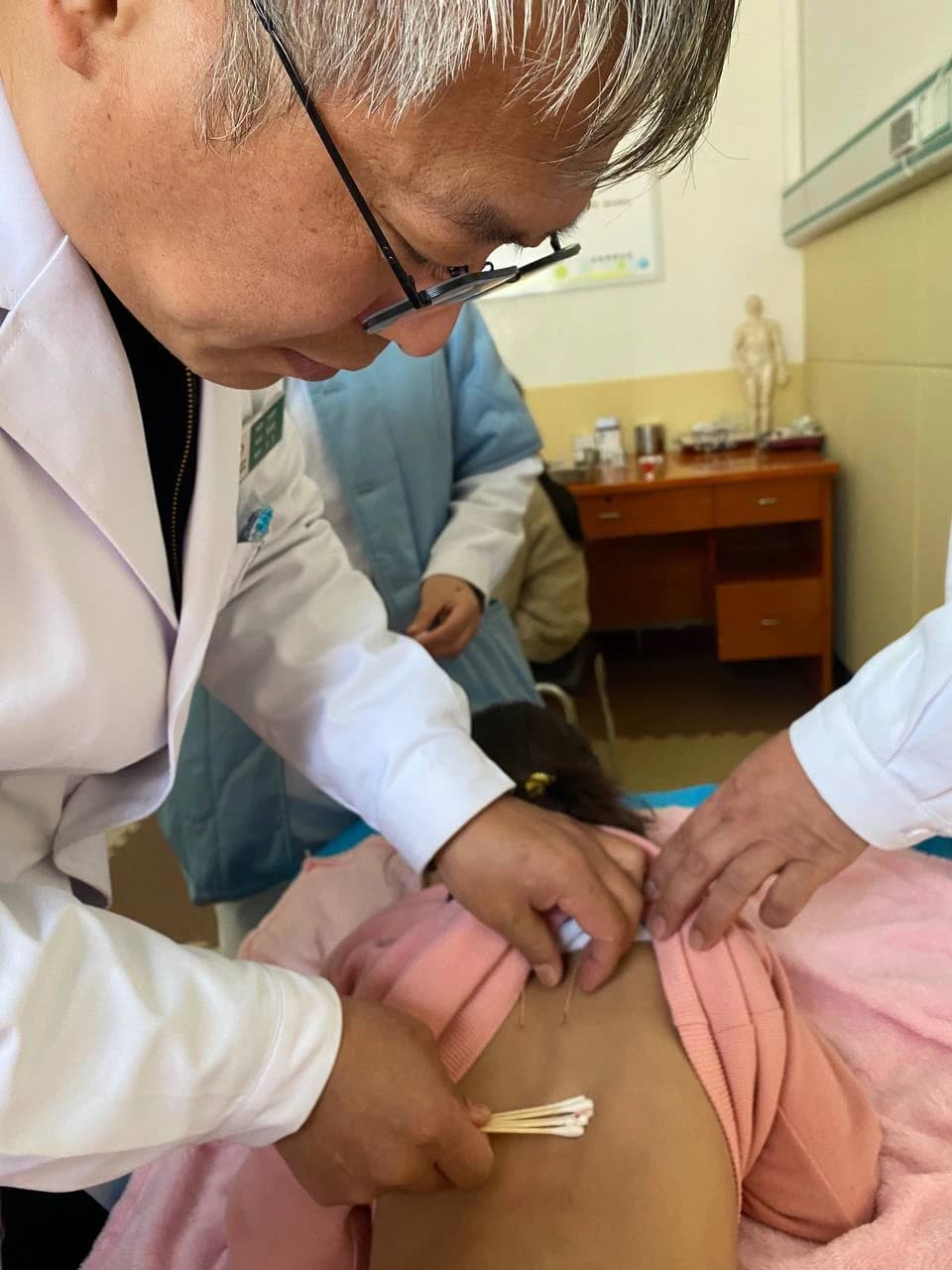
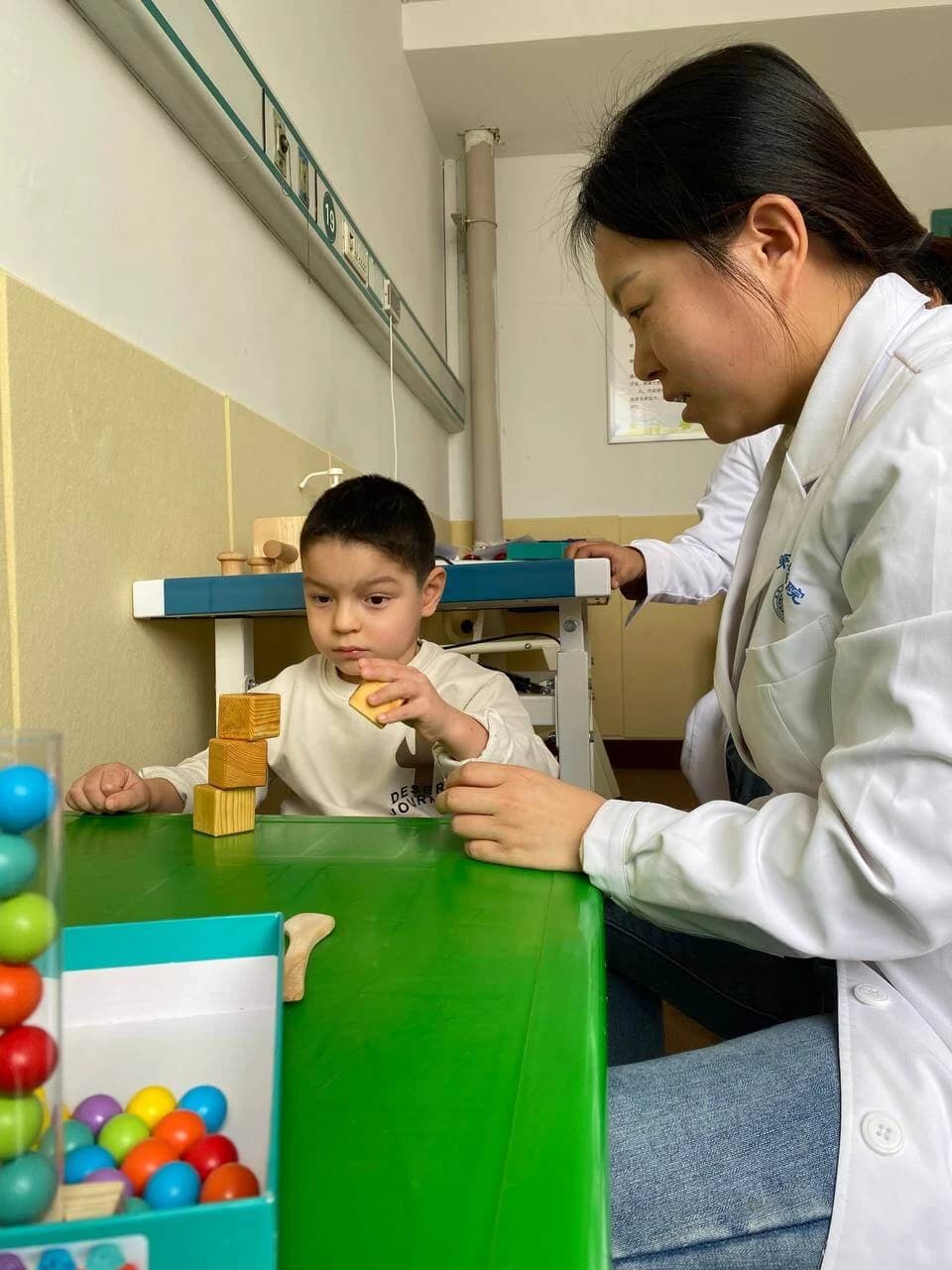
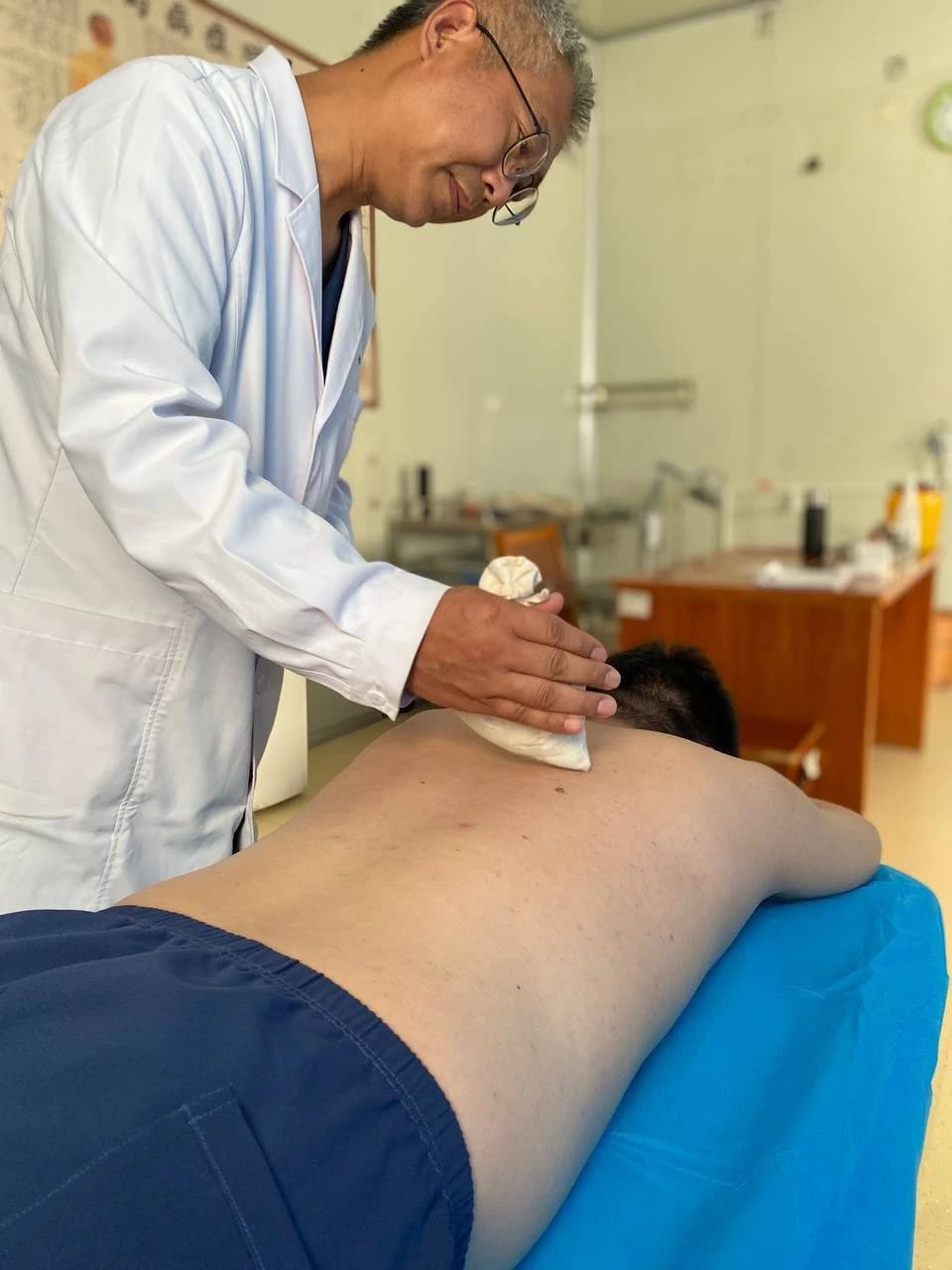
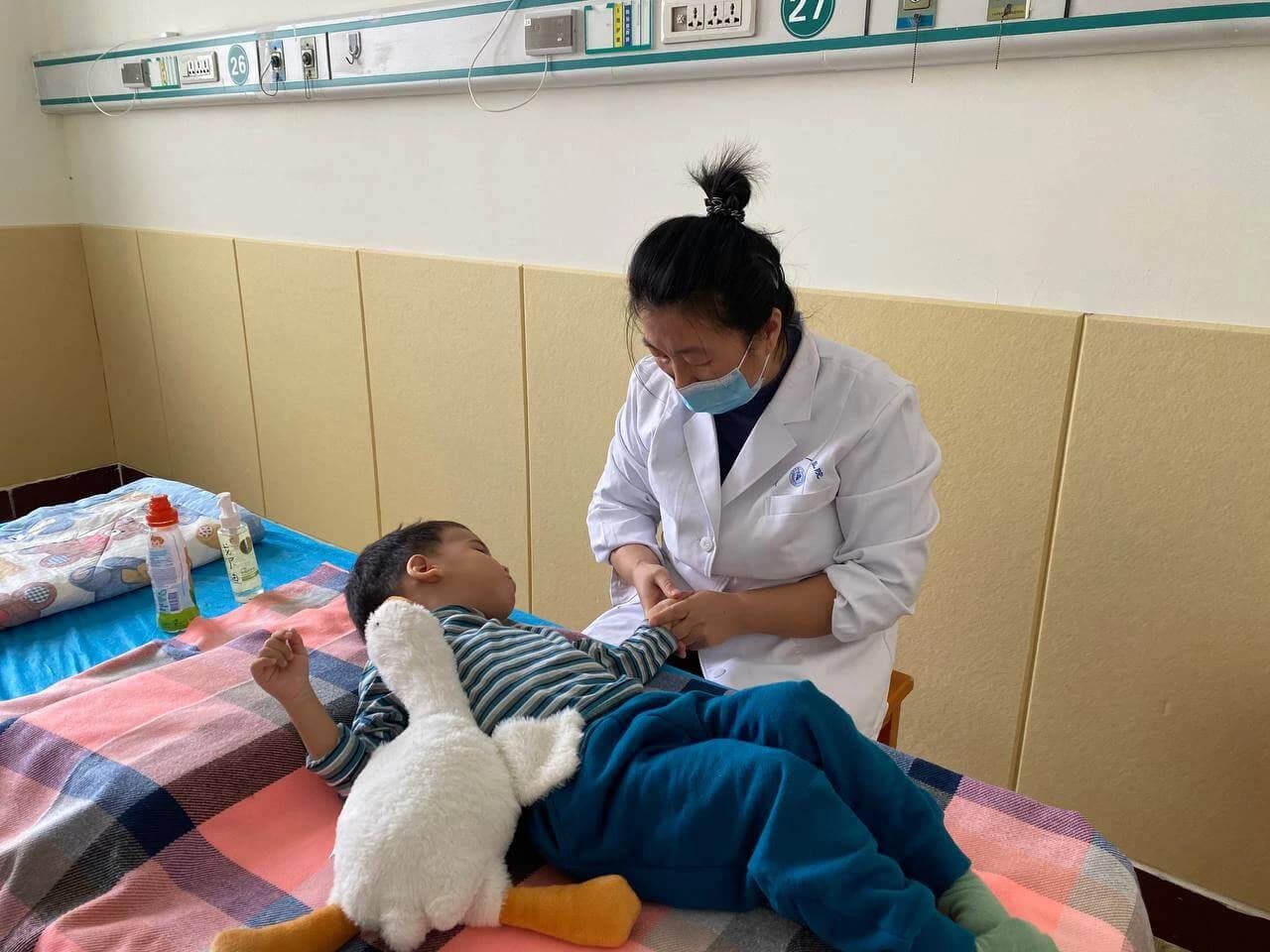
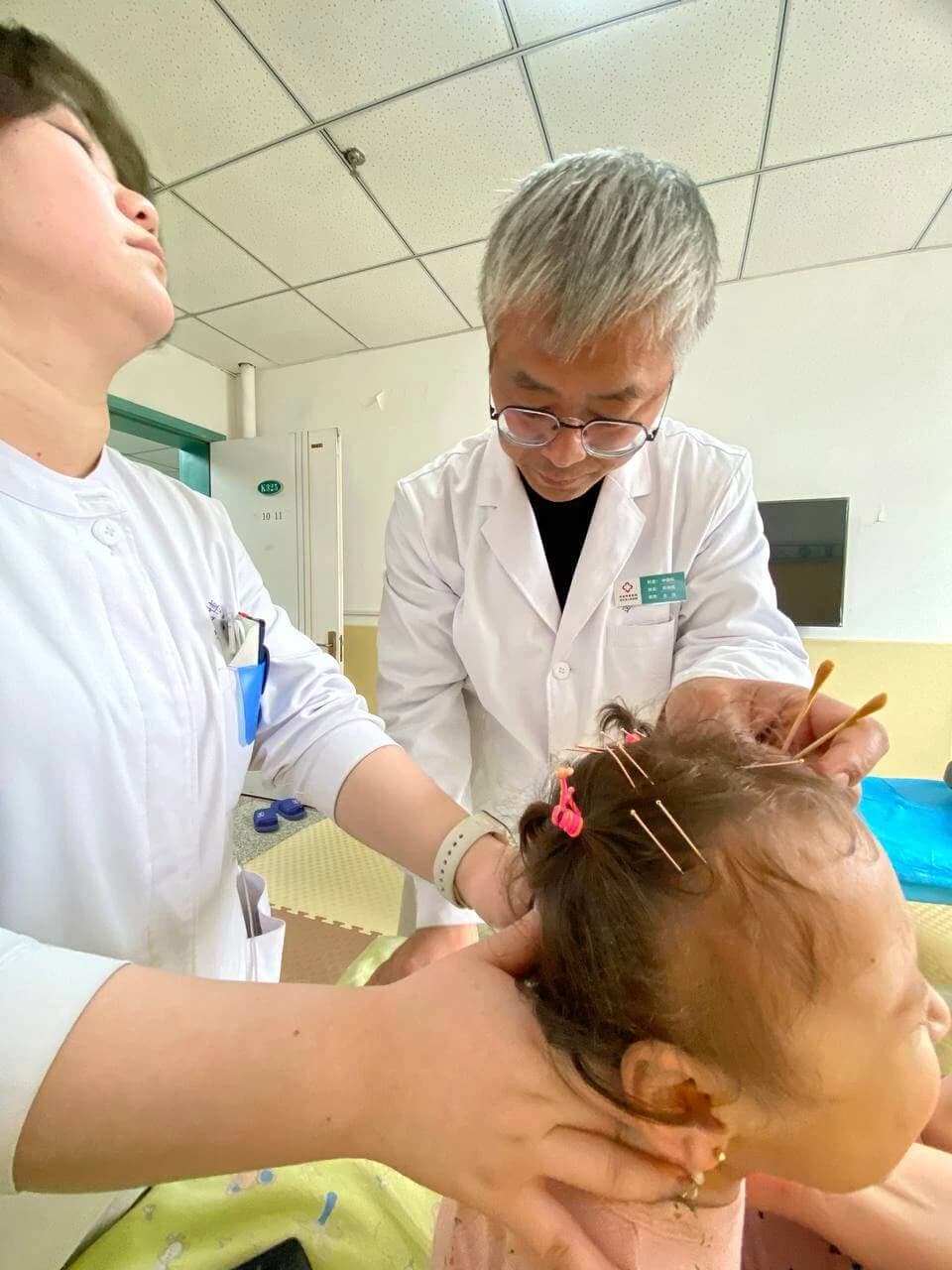
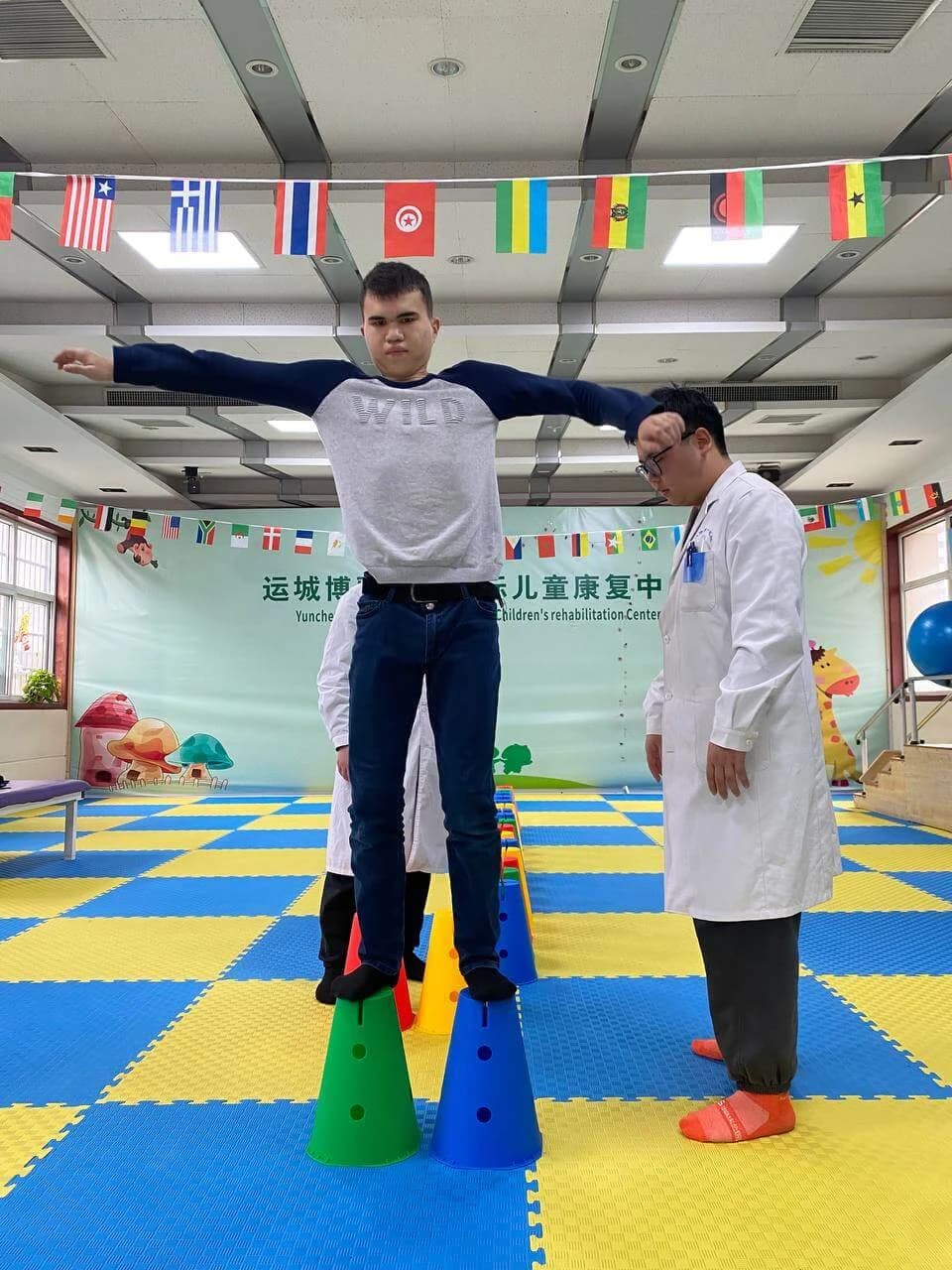
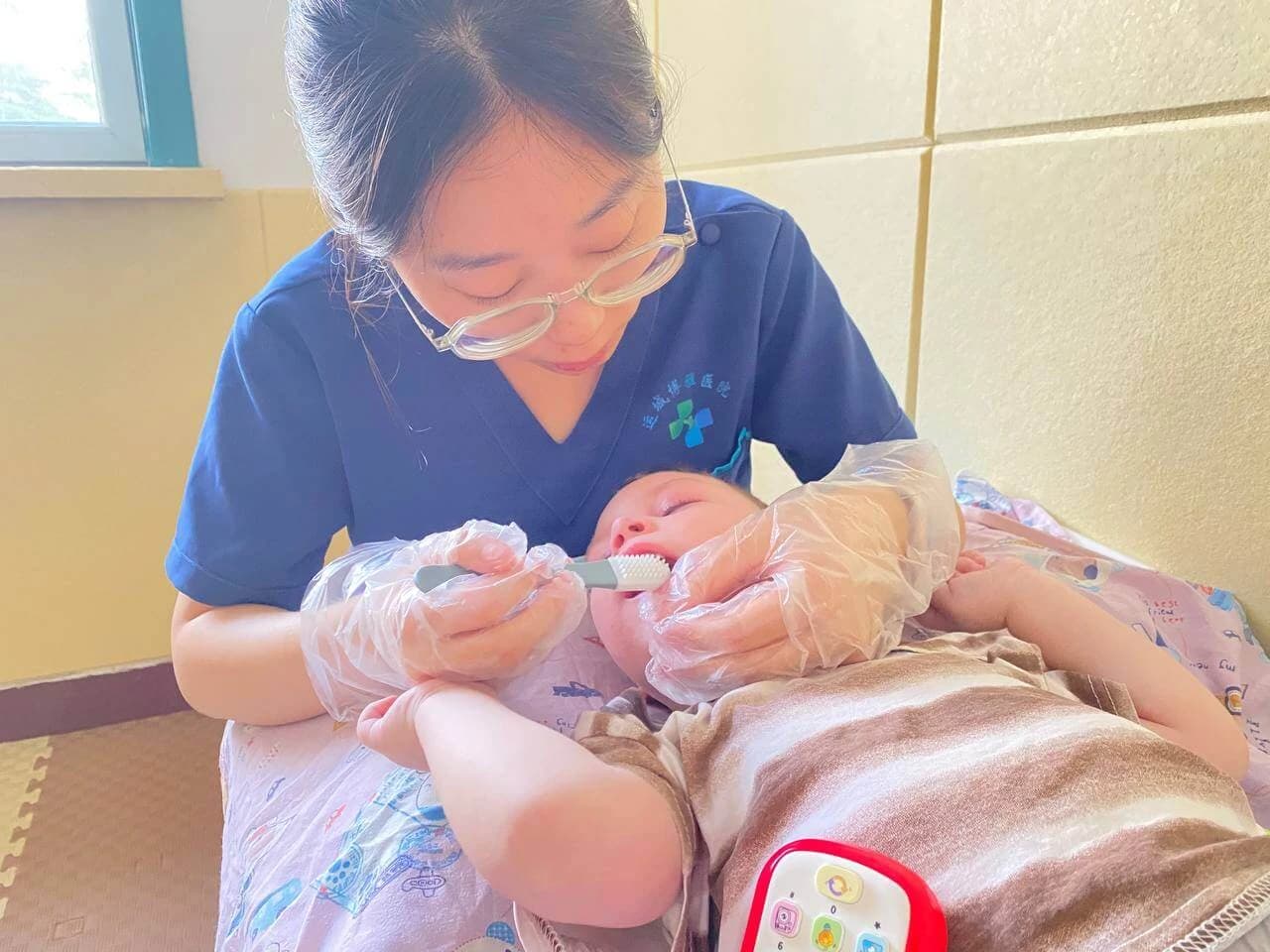
At Boya Hospital (Yuncheng, Shanxi Province), cognitive delay is addressed within pediatric neurological rehabilitation, in an intensive format: 6–9 sessions a day, 6 days a week. The main block is sessions on developing cognitive skills: attention, perception, memory, thinking, understanding instructions and basic concepts; the work is play-based and step-by-step, from simple to complex. The program's principle: comprehension first, everything else after — without steady comprehension, neither speech nor learning can be built. Sensory integration and occupational therapy provide the base, and speech therapy supports the speech side. Traditional Chinese Medicine methods — acupuncture, scalp acupuncture, pediatric Tui Na massage, and herbal compresses — help with sleep, calm, and overall stamina, without which it is hard for a child to get through the sessions.
A delay in pace is not a persistent impairment
It is important for parents to hear this distinction: a cognitive delay is not \"reduced intellect\". A child with a delay in pace has the potential to approach the age norm, and the task of the course is to unlock it through systematic daily work. Effectiveness is higher in children under 7–8, but Boya also helps older children. The recommended course is 2–3 months: attention and thinking, like speech, are built by repetition, and progress shows in concrete things — the child stays with a session longer, understands an instruction, solves a play task on their own.
How to start
Send us your child's documents — reports from a neurologist and a psychologist, medical records, examination results. The hospital's doctor will review them and determine which sessions the program will consist of. The document-based consultation is free, and there is no prepayment: you pay on site and only for what your child has actually received.
Causes
A cognitive delay can occur on its own or as part of a broader picture — a global developmental delay, speech disorders, consequences of early damage to the nervous system. It is often accompanied by features of sensory perception and unsteady attention.
Symptoms
Unsteady attention and quick fatigue during sessions, blurry basic concepts — color, shape, size, quantity — difficulties understanding instructions and cause-and-effect relationships, a slow pace of mastering new things.
Diagnostics
The level of cognitive development is assessed with specialized scales (PEP, S-S, the Gesell scale): attention, understanding of instructions, basic concepts, thinking. The assessment shows the starting point — the program is built from it, and progress is tracked against it.
Prognosis and rehabilitation approach
The key phrase is a delay in pace, not a persistent reduction: the child has the potential to approach the age norm. Systematic sessions build up attention, comprehension, and thinking — the base for speech, learning, and everyday independence.
How rehabilitation works
Diagnostics
Comprehensive examination and patient assessment by an international team of specialists
Rehabilitation plan
Development of an individual rehabilitation program considering diagnosis specifics
Therapy
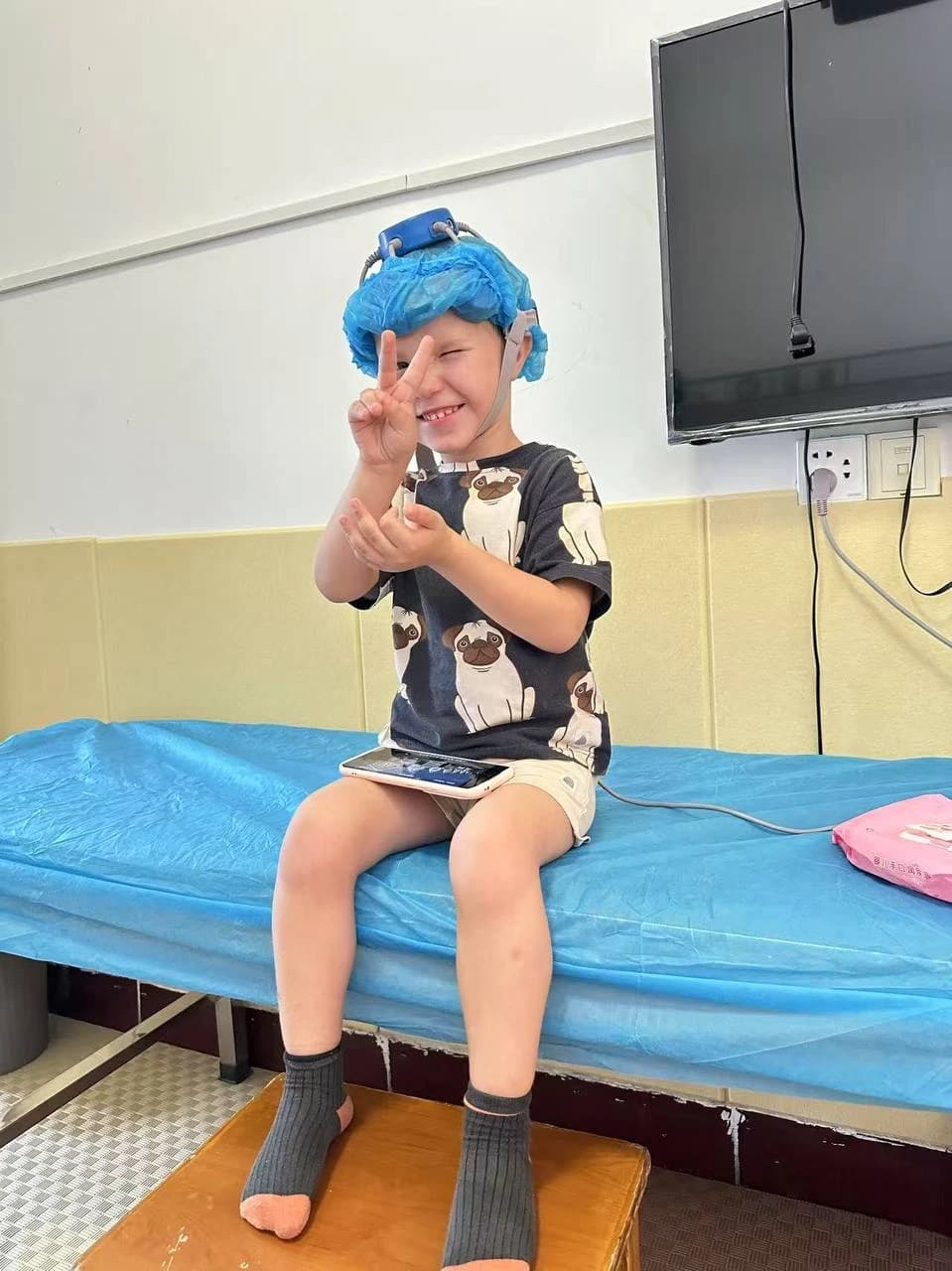
Intensive course of procedures: physical therapy, massage, physiotherapy, acupuncture and other methods
Results
Progress evaluation, home recommendations and maintenance therapy plan
Rehabilitation procedures: Cognitive Delay
Frequently asked questions: Cognitive Delay
Book a free consultation
Send us the medical records and a short video — Boya doctors will review the materials and tell you how they can help. A coordinator will get back to you within 5 minutes.