
Rehabilitation for Hypersensitivity at Boya Clinic
Boya Hospital in Yuncheng admits children with heightened sensitivity of the mouth and face to its pediatric neurological rehabilitation courses. The program is built on sensory integration and gentle work around the mouth: speech therapy with oral motor exercises, Tui Na massage, acupuncture. There are 6–9 sessions a day, 6 days a week; the recommended course is 2–3 months, with payment on site and no prepayment.
What is Oral Hypersensitivity?
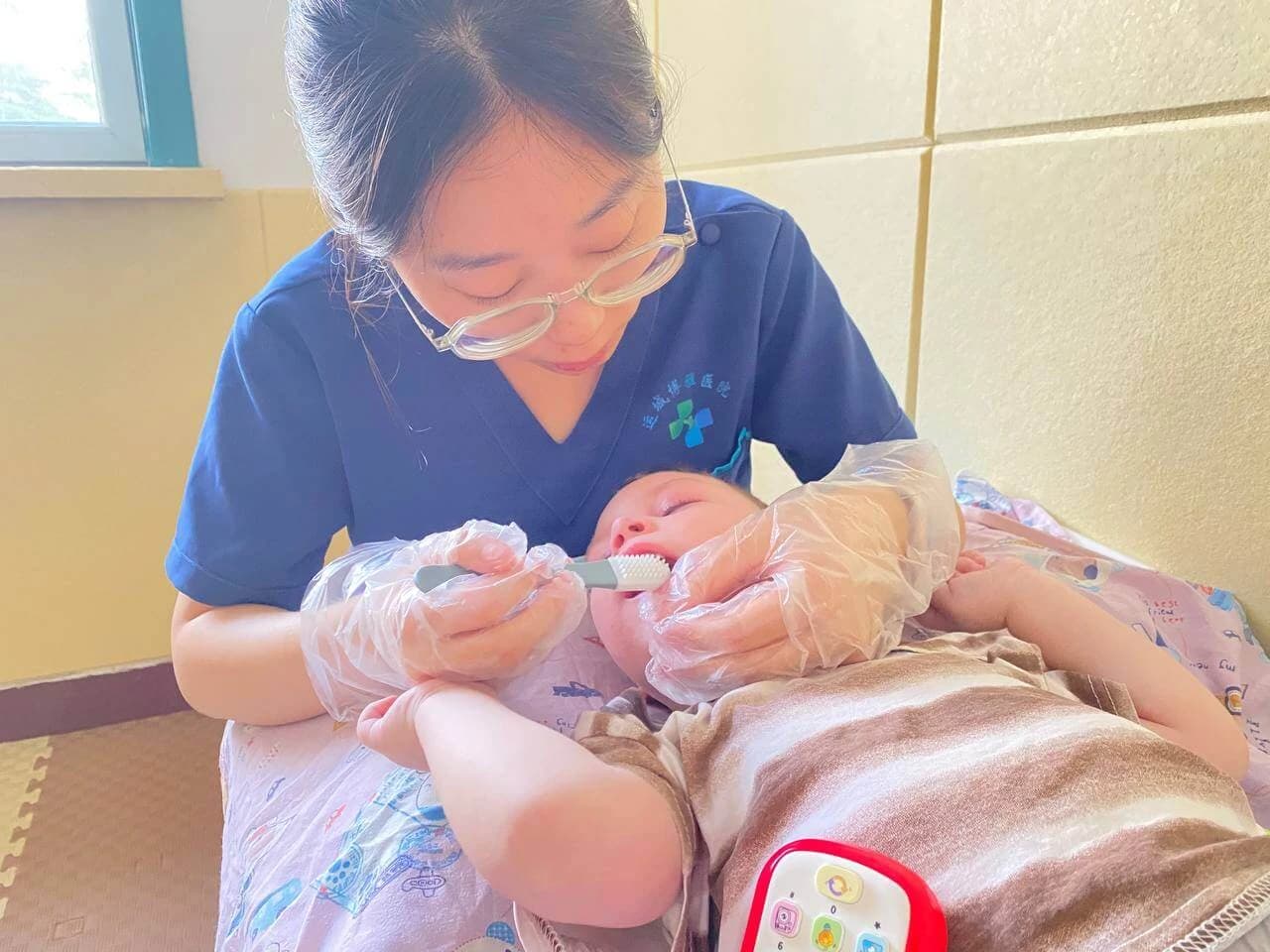
Oral hypersensitivity is heightened sensitivity of the mouth and face. The child turns away from touch, resists tooth brushing, will not let their mouth be wiped with a tissue, and finds a dental check-up hard to bear. At the table it shows up as sharp selectivity: a familiar set of textures is accepted calmly, while anything new is rejected at once, sometimes with gagging. From the outside this is easy to mistake for stubbornness, but the child's sensations are real: an ordinary touch is felt far more acutely than it would be by their peers.
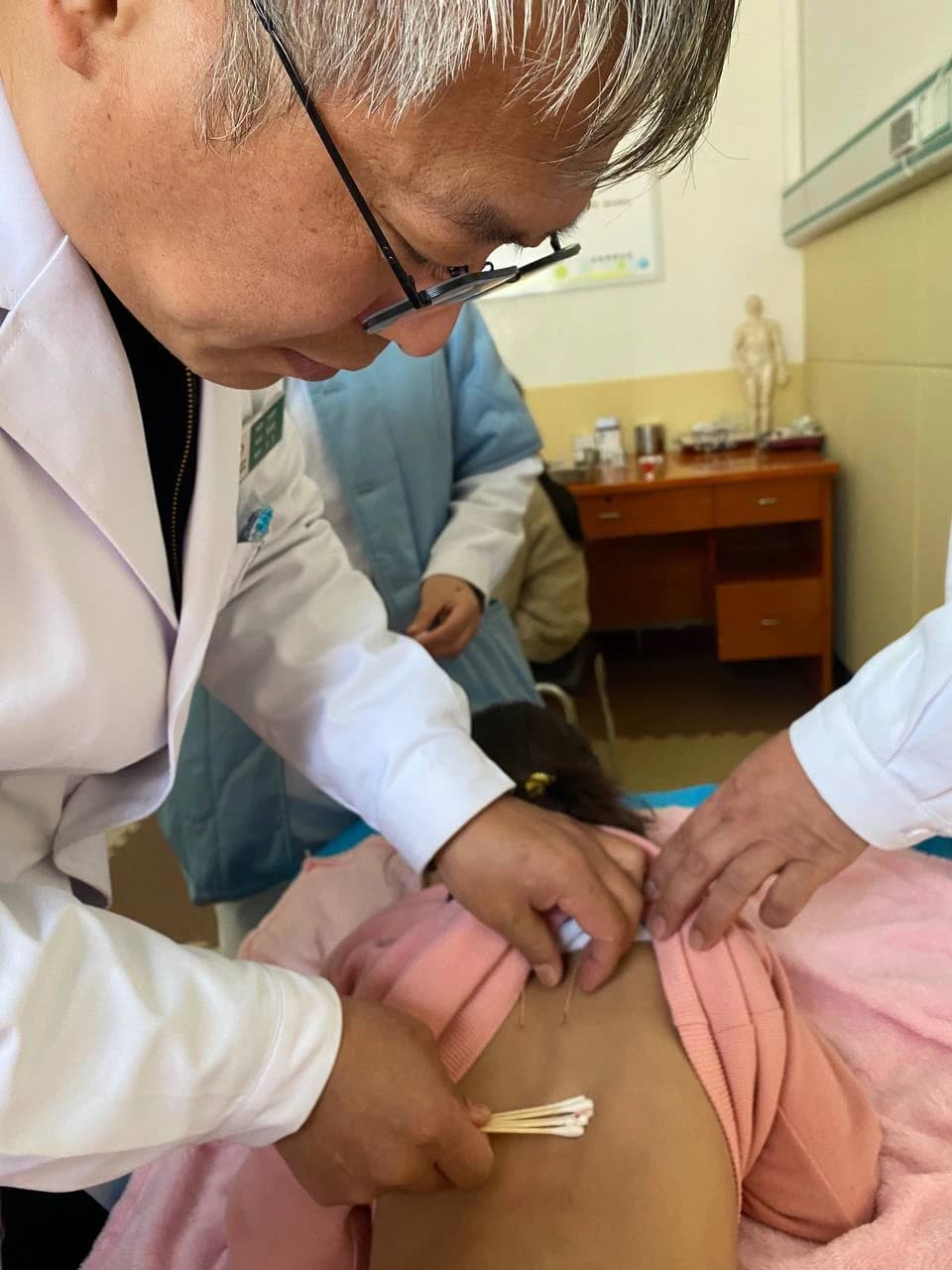
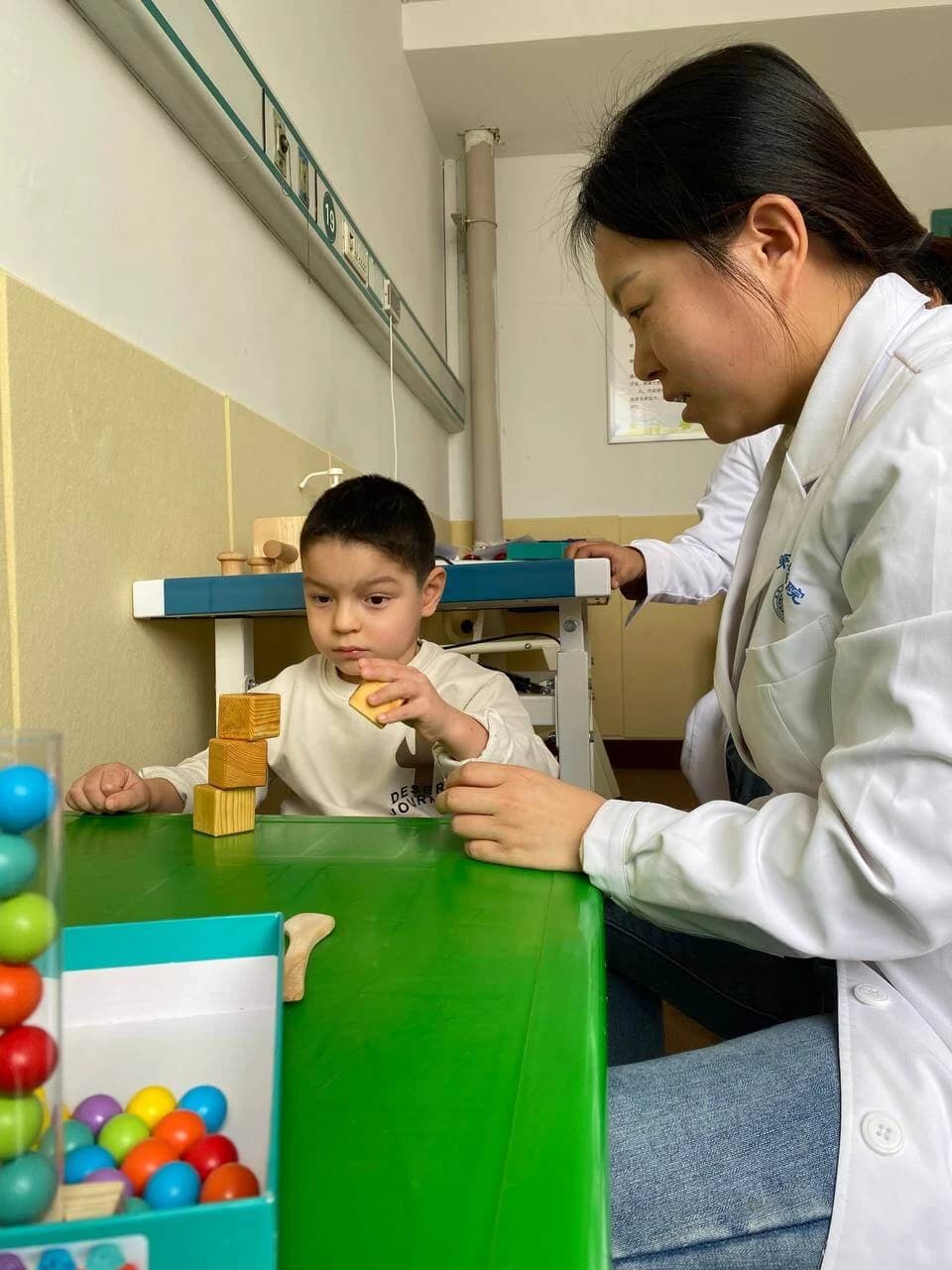
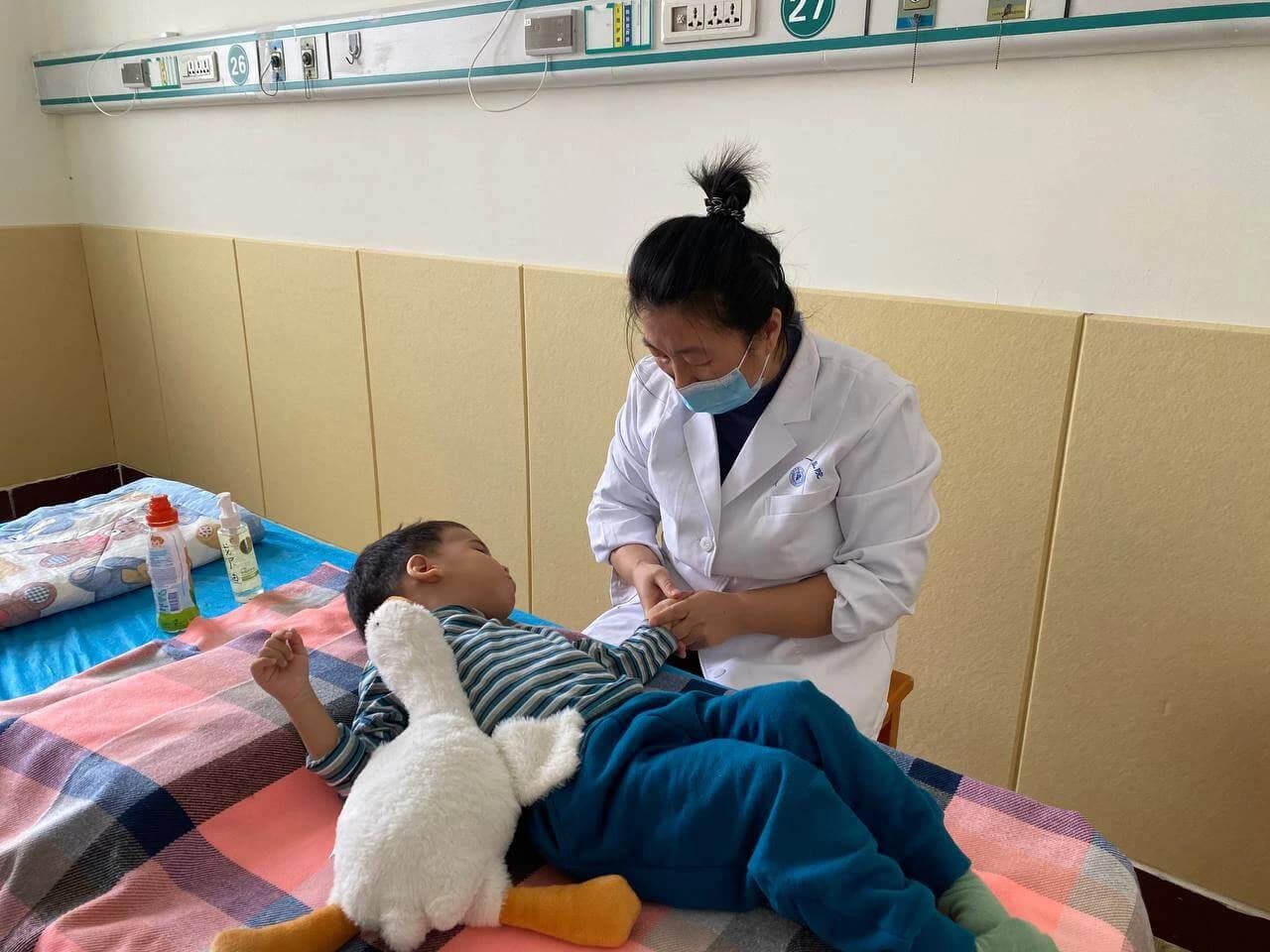
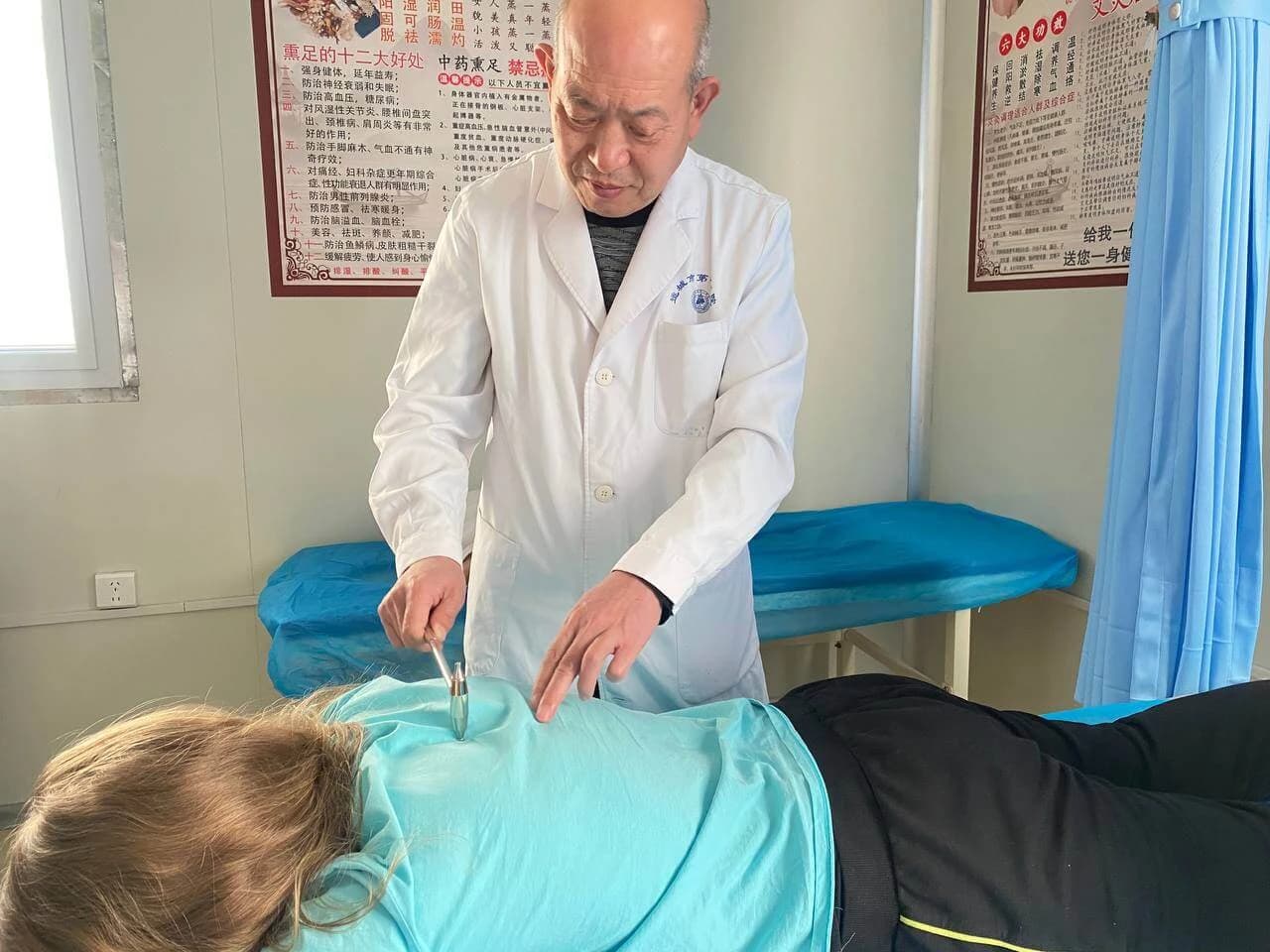
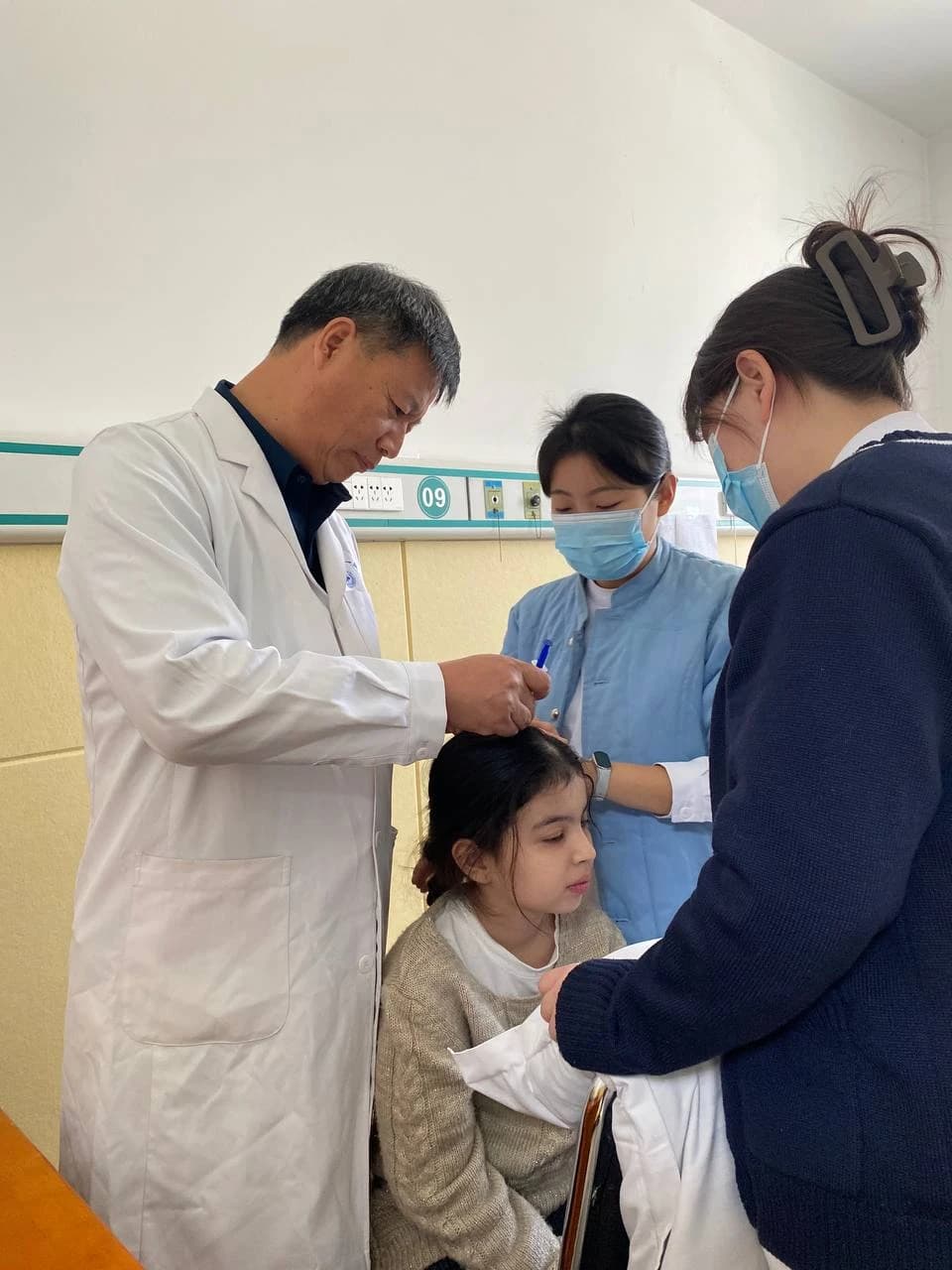
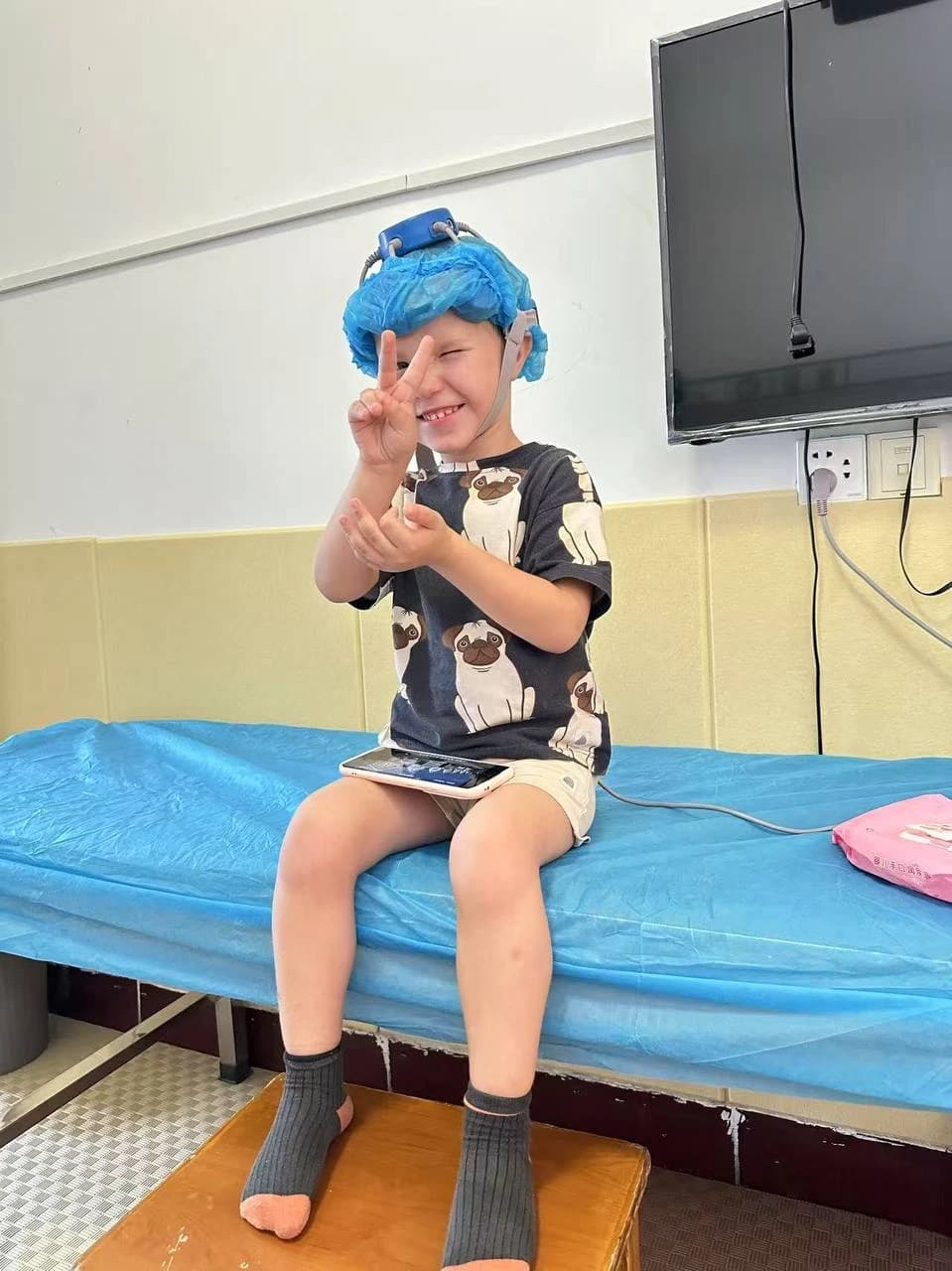
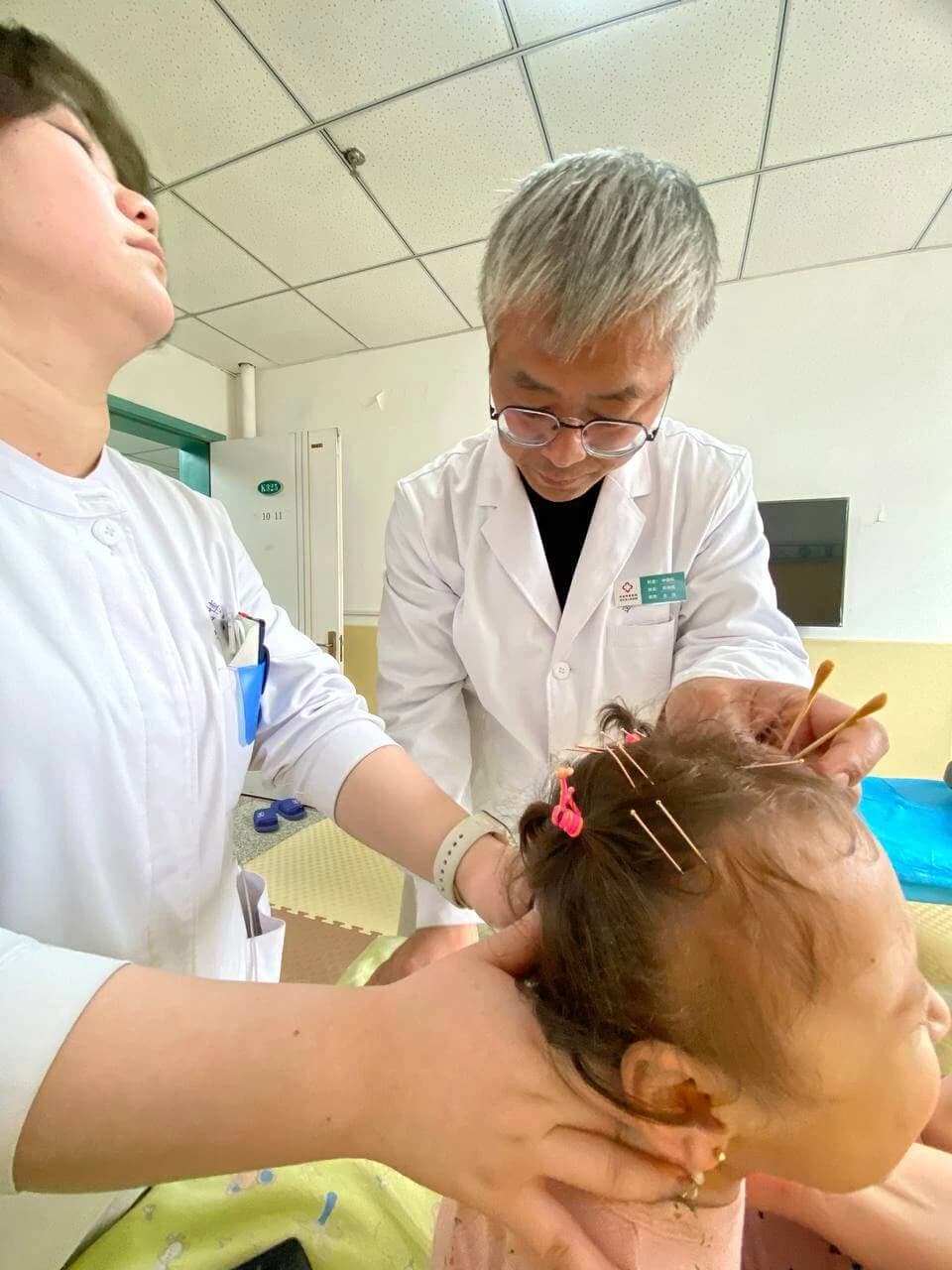
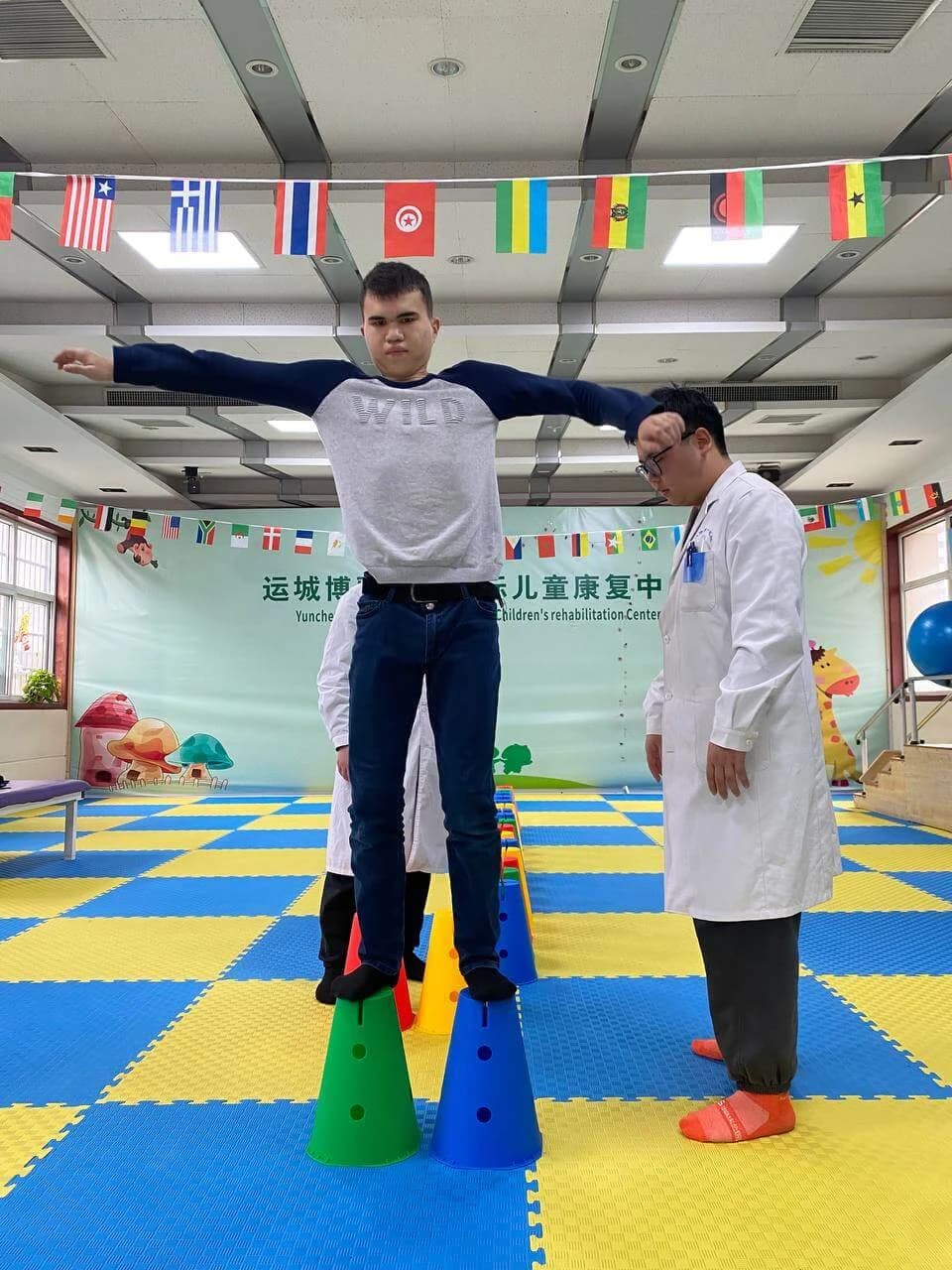
This feature is most often seen in ASD and sensory dysregulation, and also after damage to the nervous system. It frequently comes together with weak mouth muscles — and then chewing difficulties, drooling, and unclear speech are added to the sensitivity. Boya Hospital (Yuncheng, Shanxi Province) works with such children as part of its core specialization — pediatric neurological rehabilitation. The course runs intensively: 6–9 sessions a day, 6 days a week. The foundation of the program is sensory integration: vestibular, proprioceptive, and tactile training in a play format that helps the nervous system process sensory signals more accurately. In parallel, the speech therapist works gently around the mouth, with delicate pediatric Tui Na massage techniques around the face, acupuncture and scalp acupuncture, occupational therapy, and apparatus-based physiotherapy.
Why progress comes in small steps
With hypersensitivity the order of work is always the same: first touch where the child tolerates it — hands, shoulders, back; then the area around the mouth; and only then gentle work inside the mouth and an introduction to new textures. Each step is consolidated until it feels calm and predictable to the child. Trying to speed the process up usually produces the opposite result: resistance grows and the negative experience is remembered for a long time. This is why the specialists at Boya do not force events and explain to parents in advance that the first weeks may look like "just play" — in fact this is exactly how the nervous system is being prepared.
What matters for parents
The honest goal of the course is to widen the range of what the child tolerates calmly: touch to the face, mouth care, new textures. Progress is tracked over time: how the child responds to touch, whether tooth brushing has become easier, whether new textures are accepted without strain. Much of this transfers to family life — the specialist shows how to handle everyday situations so the gains from the sessions are not lost at home. Getting started is simple: send your child's documents and briefly describe their reactions. The document-based consultation is free, and there is no prepayment: you pay on site and only for what your child has actually received.
Causes
At the root lies a feature of sensory processing: the brain registers ordinary touch to the face and mouth as too intense, unpleasant, at times almost painful. This sensitivity is common in ASD and sensory dysregulation, and also after damage to the nervous system. The child's reaction is genuine — they really do feel differently, they are not "being difficult".
Symptoms
The child turns away from touch to the face, resists tooth brushing, will not let their mouth be wiped, and finds a dental check-up hard to tolerate. At the table they accept only a narrow range of familiar textures and refuse new ones outright; pressing the issue can trigger gagging. Drooling and chewing difficulties often accompany this.
Diagnostics
The assessment is carried out by the speech therapist and the sensory integration specialist together with the neurologist: observing reactions to touch, assessing sensitivity and tone of the mouth muscles, watching how the child behaves at the table. It is important to see where the sensory reaction ends and weakness of the oral motor base begins — that determines the order of the work.
Prognosis and rehabilitation approach
The main principle is gradual progress without pressure. First the child gets used to touch away from the mouth, then to the area around the mouth, and only then to work inside the mouth and to new textures. Forcing the pace usually backfires: resistance grows stronger and settles in. At a calm pace, most children come to tolerate touch and everyday care noticeably more easily.
How rehabilitation works
Diagnostics
Comprehensive examination and patient assessment by an international team of specialists
Rehabilitation plan
Development of an individual rehabilitation program considering diagnosis specifics
Therapy
Intensive course of procedures: physical therapy, massage, physiotherapy, acupuncture and other methods
Results
Progress evaluation, home recommendations and maintenance therapy plan
Rehabilitation procedures: Oral Hypersensitivity
Frequently asked questions: Oral Hypersensitivity
Book a free consultation
Send us the medical records and a short video — Boya doctors will review the materials and tell you how they can help. A coordinator will get back to you within 5 minutes.