
Rehabilitation for Echolalia at Boya Clinic
Boya Hospital in Yuncheng admits children with echolalia as part of its pediatric neurological rehabilitation programs. Echolalia is not "banned" — it is used as a foothold: the goal of the sessions is for meaning and a real addressee to appear behind the repeated phrases. There are 6–9 sessions a day, 6 days a week; the recommended course is 2–3 months, with payment on site and no prepayment.
What is Echolalia?
Echolalia is echoed speech: the child repeats what they have heard but does not address those words to anyone. The repetition may be immediate — an echo right after an adult's phrase — or delayed, when a day or two later the child suddenly reproduces a whole monologue from a cartoon, preserving the intonation and timbre. A frequent companion is pronoun confusion: asked "Do you want a drink?", the child answers with the same phrase instead of "yes".
It is worth removing the excess worry right away: repetition in itself is a normal stage of speech development. Children under three echo actively, trying on adult speech — that is how language is acquired. It becomes a reason for intervention when the child is noticeably older and the repeated phrases do not turn into their own words: they do not address anyone with them, do not use them to ask or answer. Such persistent echolalia is most often seen in children with autism spectrum disorders, less frequently in speech delay.
Do not forbid it — build the meaning onto it
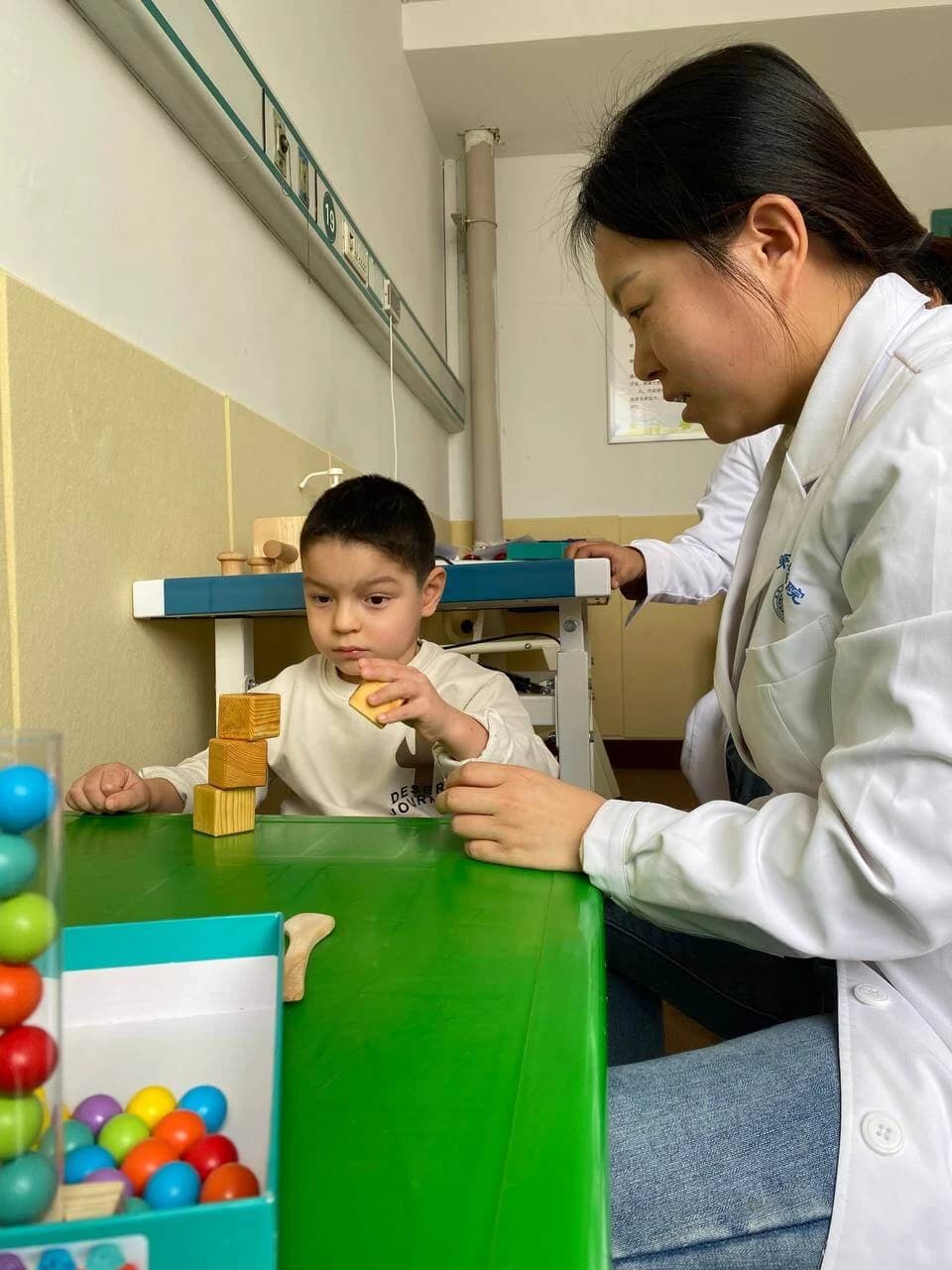
A parent's first impulse is to stop the repetition. In practice, a ban takes away the only way of speaking the child has. At Boya Hospital (Yuncheng, Shanxi Province) echolalia is handled differently: it is used as a foothold. The child already produces speech and remembers phrases — what is missing is meaning and an addressee. So the speech therapist feeds them short working phrases ("want a drink", "more please", "help me"), ties them firmly to a real situation, and works until the phrase is spoken by the child independently and to the point. Pronouns are addressed separately — "I" and "you" have to be learned anew.
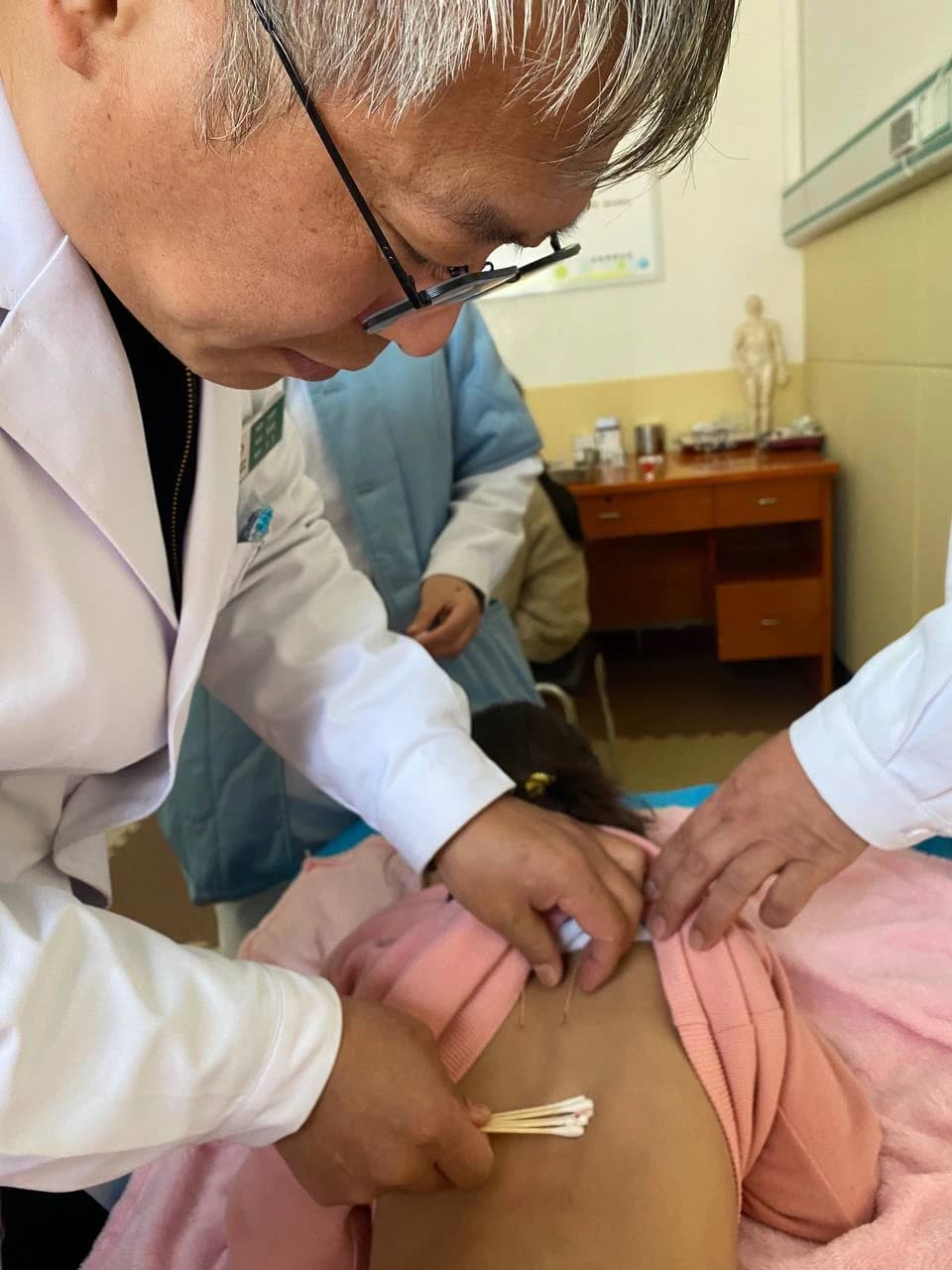
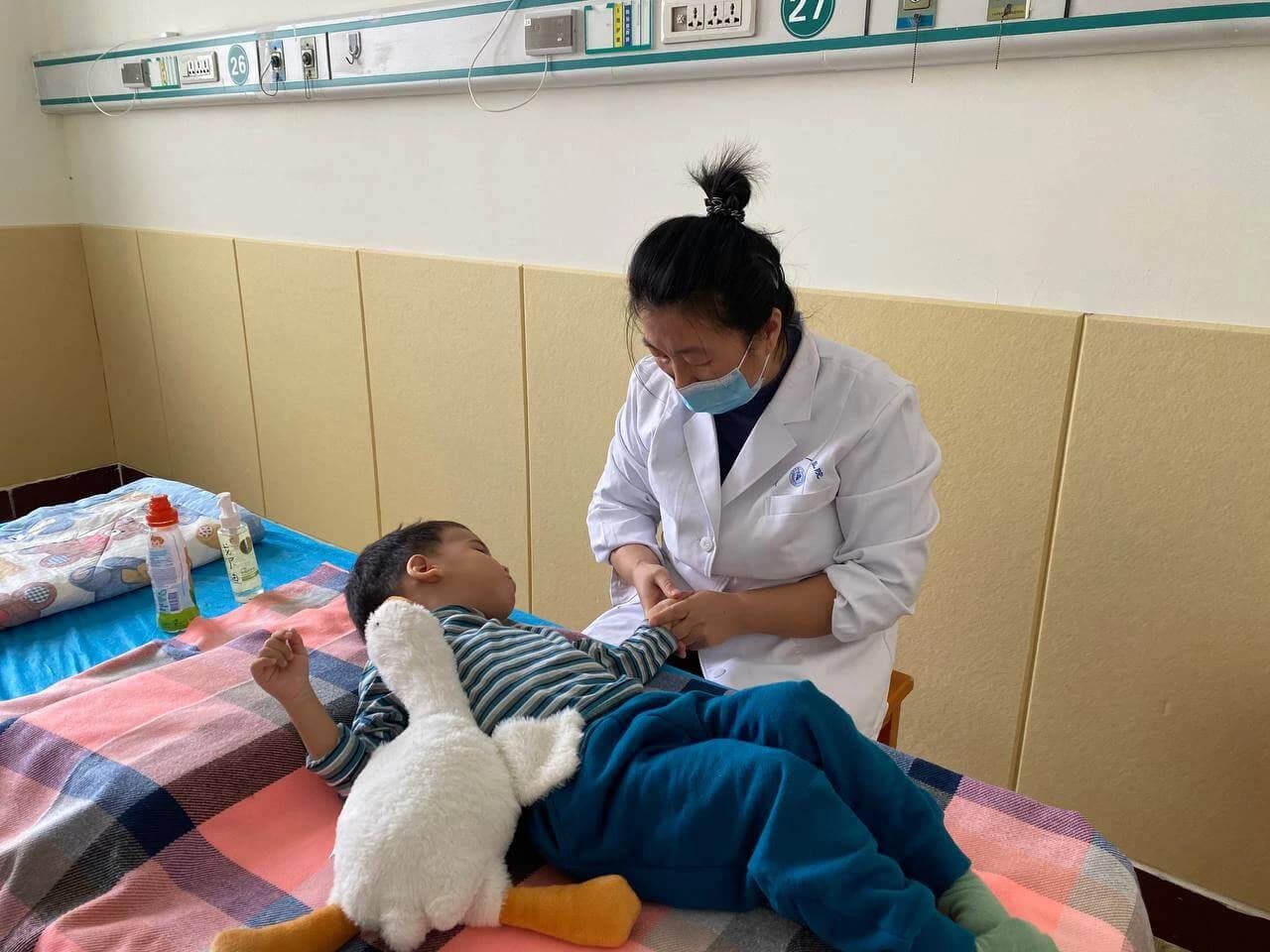
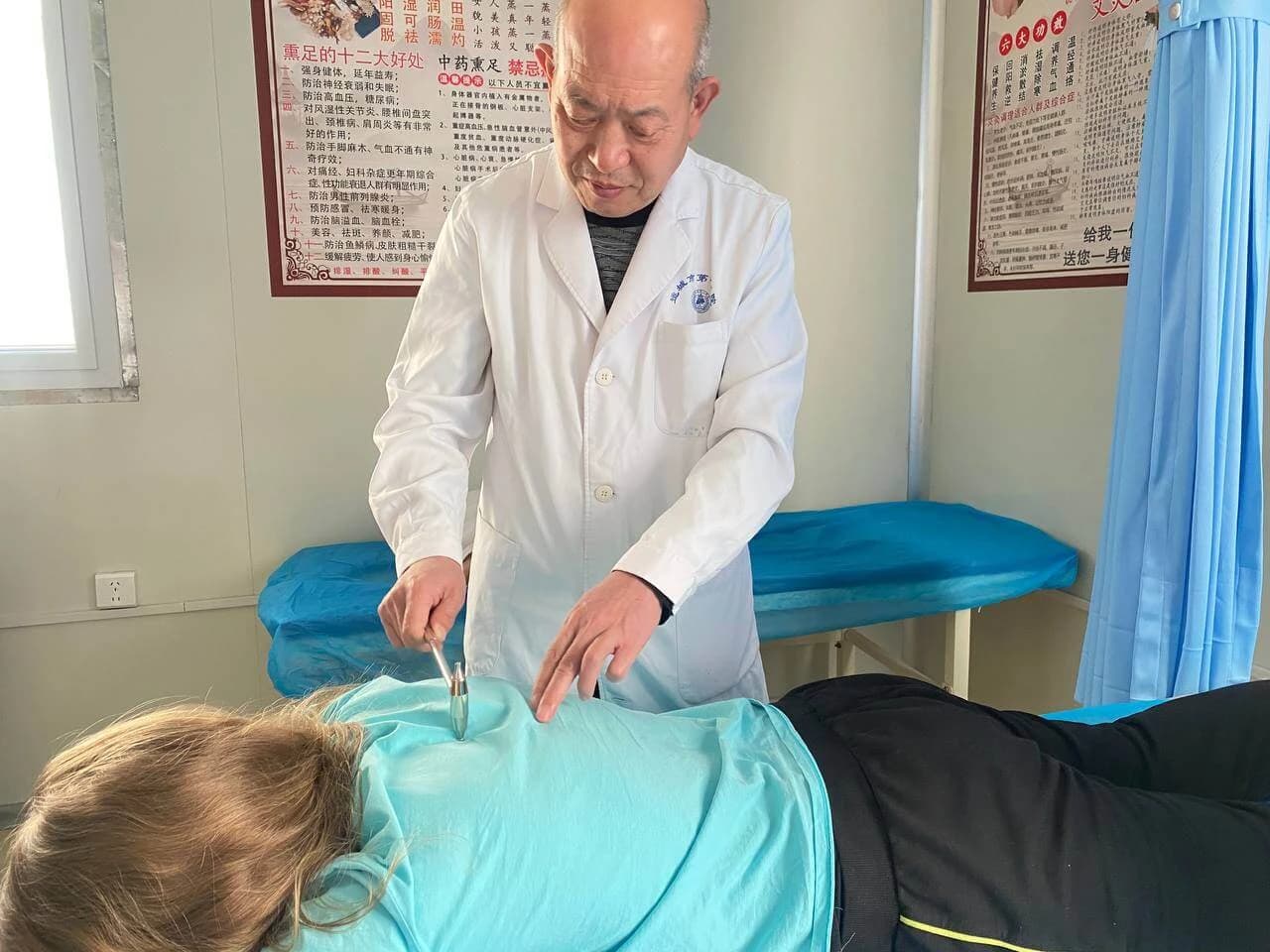
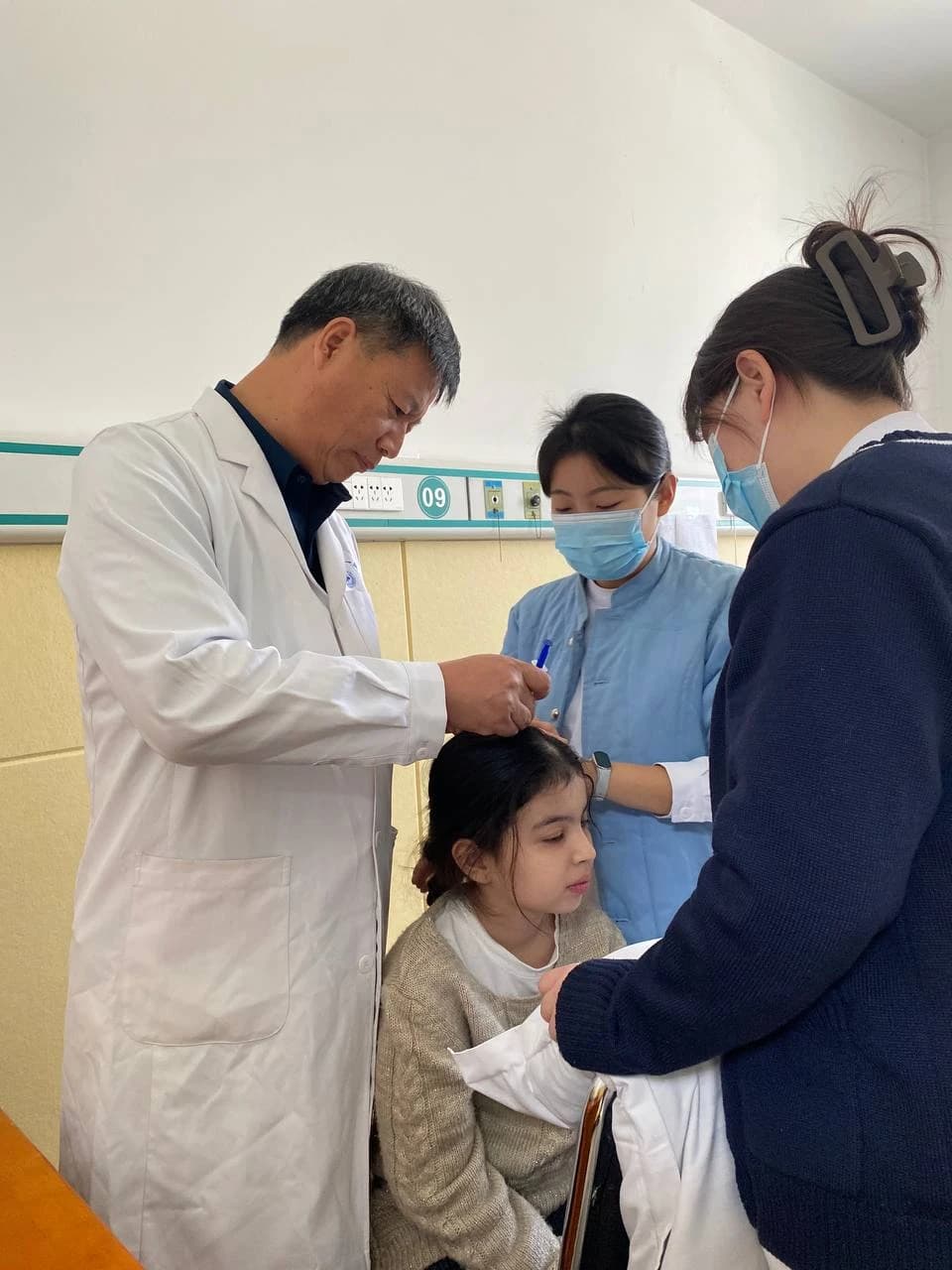
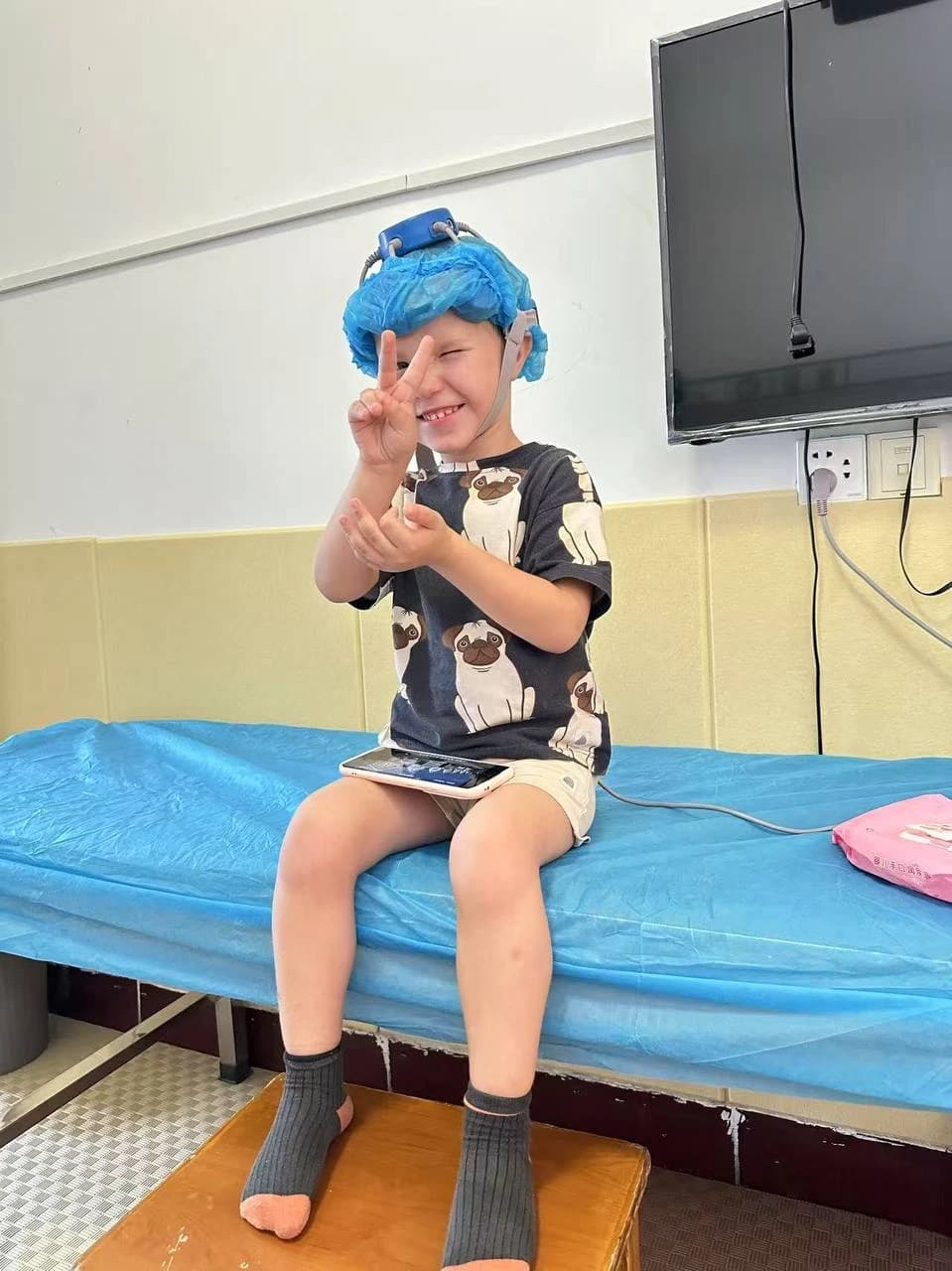
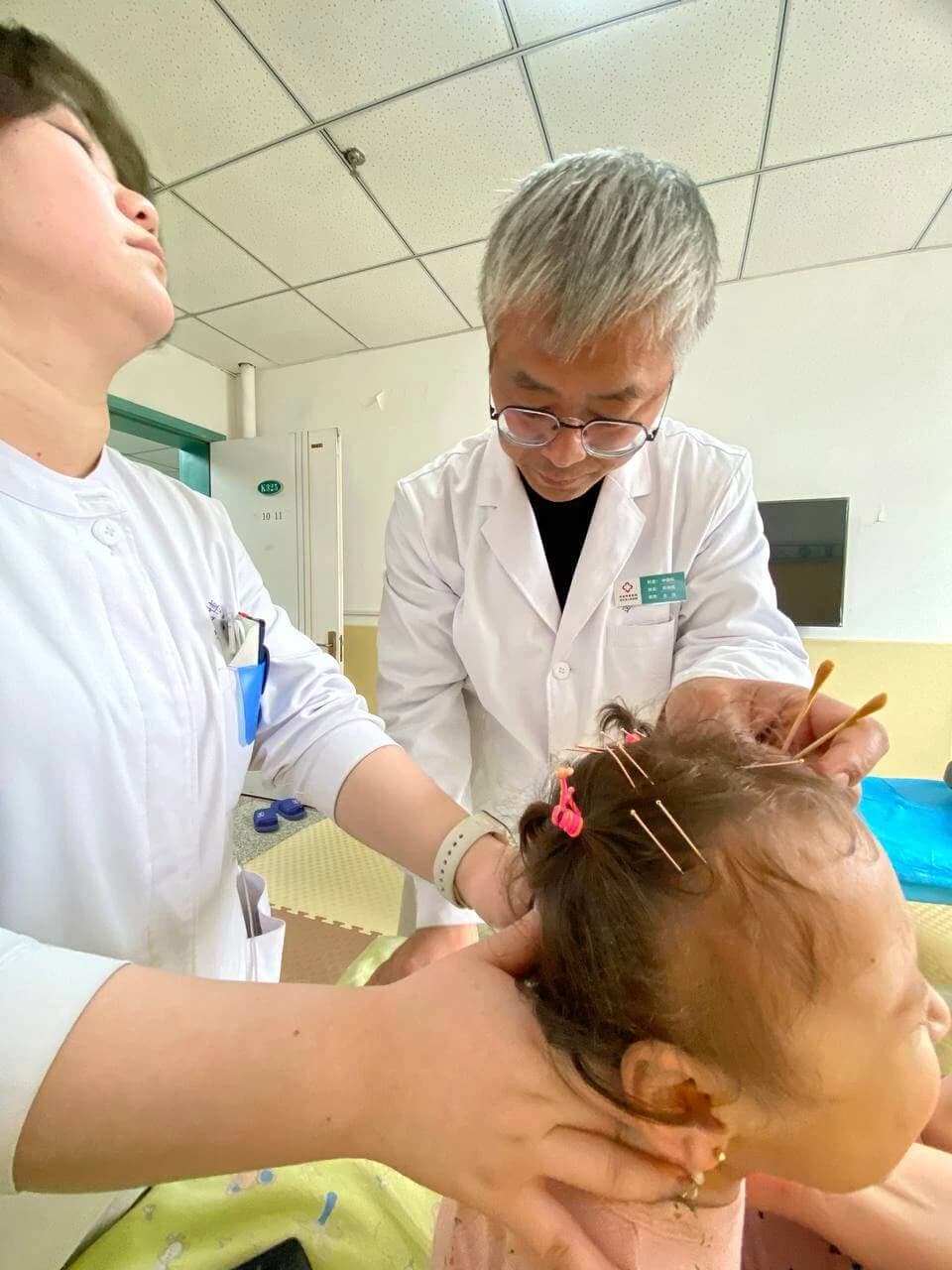
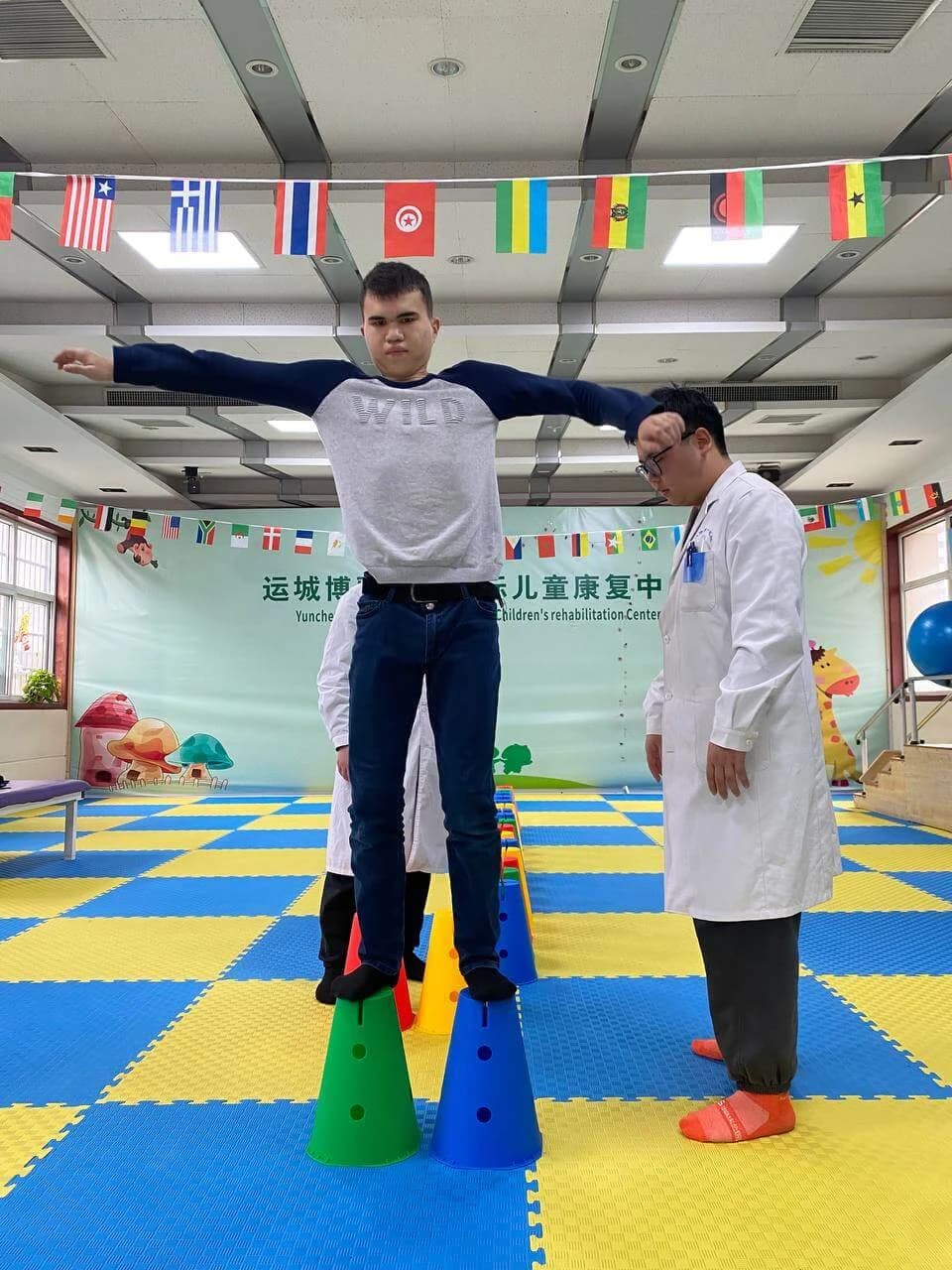
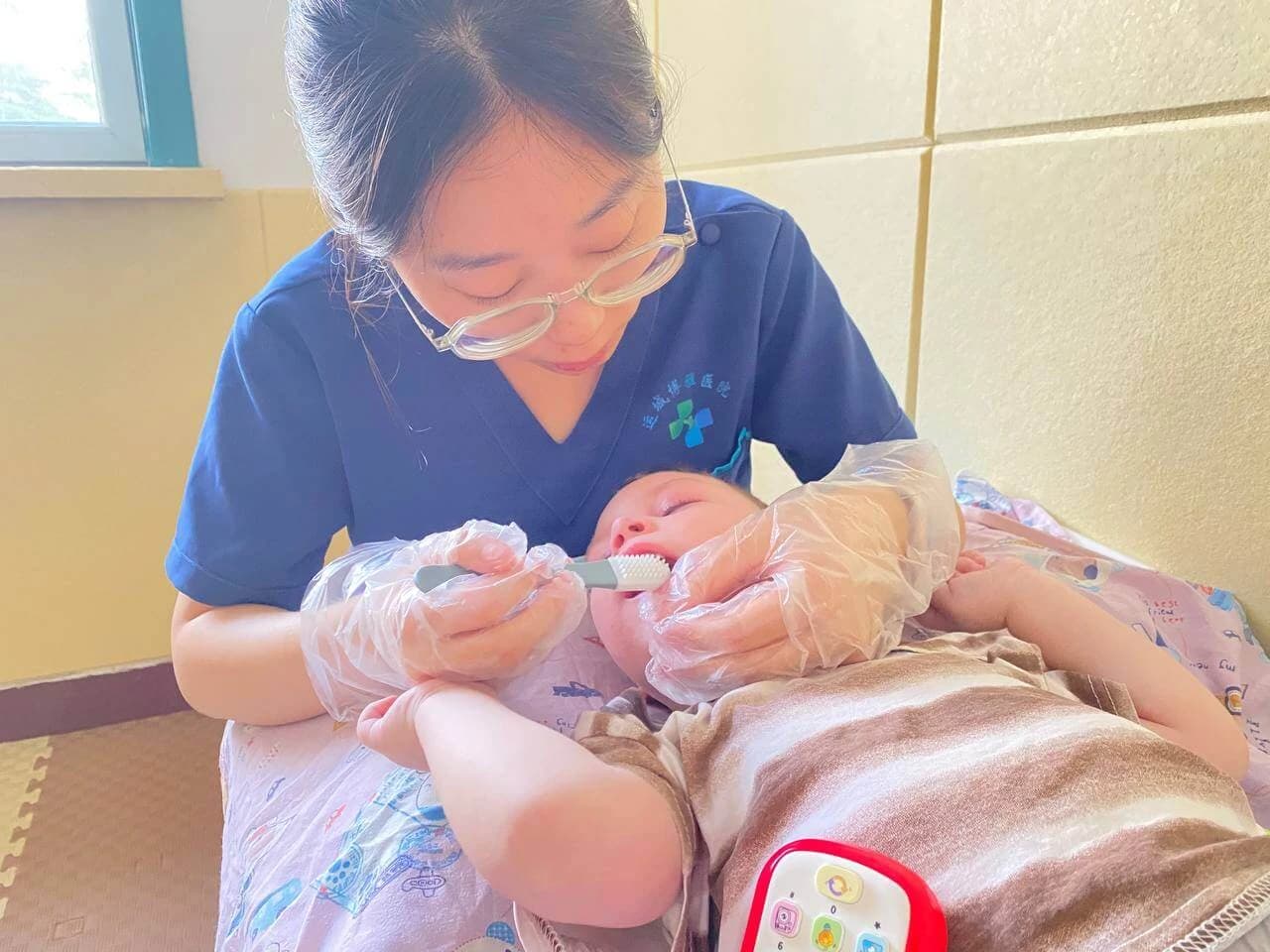
There is no special "echolalia program" at Boya — it is addressed inside the general speech and developmental program, which runs in an intensive format: 6–9 sessions a day, 6 days a week. Besides speech therapy it includes sensory integration and occupational therapy — they help the child hold attention and get through a full day of sessions — as well as Traditional Chinese Medicine methods: scalp acupuncture (needling points on the head), acupuncture, pediatric Tui Na massage, pharmacopuncture, and meridian point stimulation. The program composition is selected by the doctor.
What matters for parents
Echolalia does not disappear on command, and its volume is not the main indicator. What is worth watching is different: whether the child produces their own requests and answers, whether they address a person with them, and whether the "I"/"you" confusion is decreasing. That is the progress tracked during the sessions, and the program is adjusted accordingly. The recommended course length is 2–3 months: meaningful speech is assembled from many repeated everyday situations, not from isolated procedures. Starting is simple: send your child's documents — reports from a neurologist, psychiatrist, and speech therapist, and a short video of their speech if possible. The document-based consultation is free, and there is no prepayment: you pay on site and only for what your child has actually received.
Causes
Repetition in itself is a normal stage of acquiring speech: children under three often echo what they hear — that is how language is learned. Echolalia becomes a reason for intervention when the child grows older and the repetition does not turn into speech of their own. This picture is most often seen in autism spectrum disorders, less frequently in speech delay.
Symptoms
The child repeats adults' remarks and lines from cartoons and advertisements. Repetition can be immediate (right after what was heard) or delayed (hours or days later, often with the same intonation). Pronoun confusion is typical: asked "Do you want a drink?", the child answers "Do you want a drink?" instead of "Yes".
Diagnostics
There is no separate test for echolalia — it is a symptom, not a diagnosis. Specialists look at the overall developmental picture: the ratio of repeated to self-generated speech, comprehension, interest in communication, and behavior in play. Hearing is always checked, and it is assessed whether an autism spectrum disorder lies behind it.
Prognosis and rehabilitation approach
Echolalia is not a dead end but often an intermediate step: the child already produces speech; what is missing is meaning and an addressee. Speech therapy aims to tie familiar phrases to real situations and turn them into meaningful requests. The pace is individual and depends on the cause, the child's age, and their comprehension.
How rehabilitation works
Diagnostics
Comprehensive examination and patient assessment by an international team of specialists
Rehabilitation plan
Development of an individual rehabilitation program considering diagnosis specifics
Therapy
Intensive course of procedures: physical therapy, massage, physiotherapy, acupuncture and other methods
Results
Progress evaluation, home recommendations and maintenance therapy plan
Rehabilitation procedures: Echolalia
Frequently asked questions: Echolalia
Book a free consultation
Send us the medical records and a short video — Boya doctors will review the materials and tell you how they can help. A coordinator will get back to you within 5 minutes.