Rehabilitation for Chewing at Boya Clinic
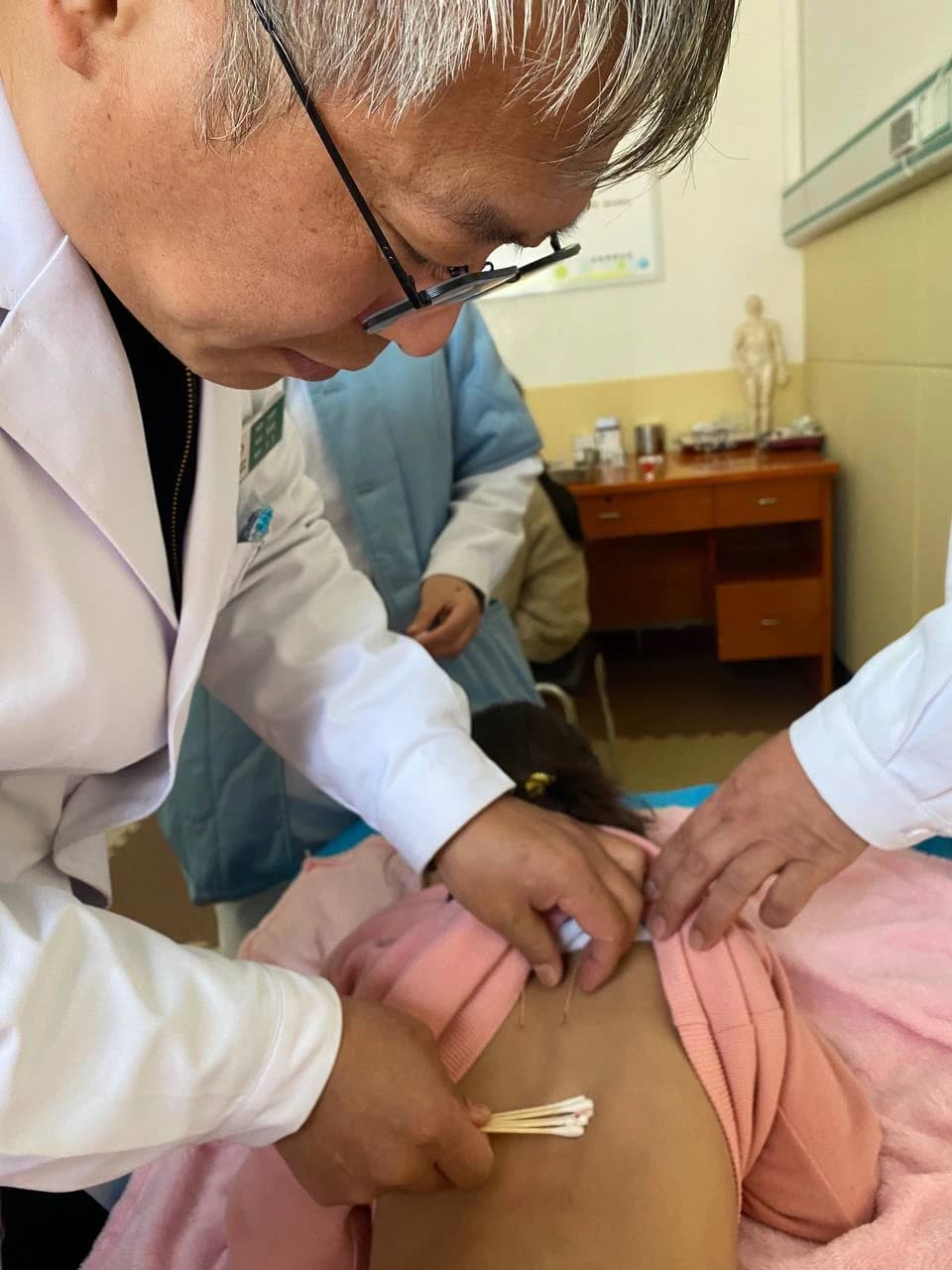
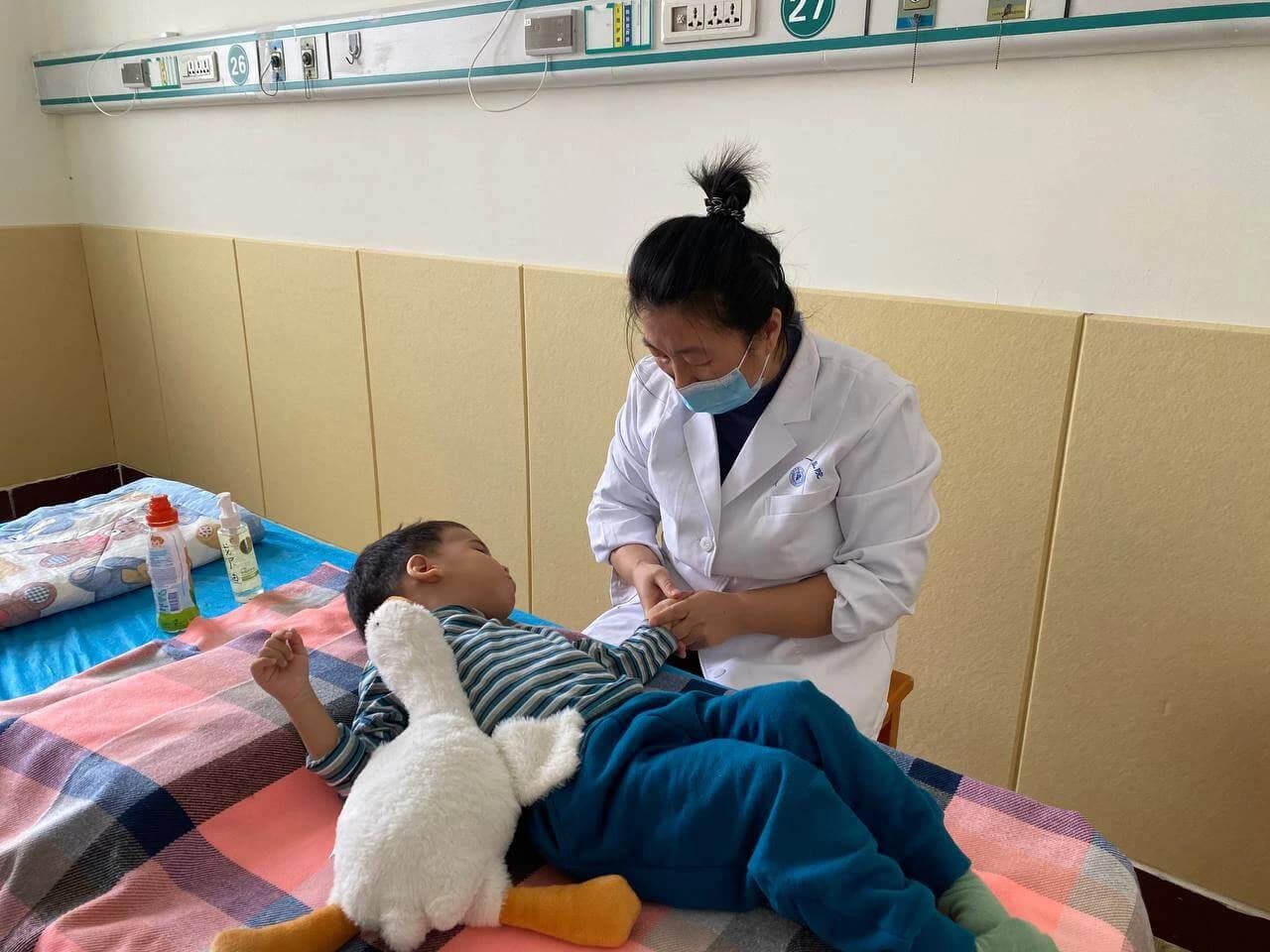
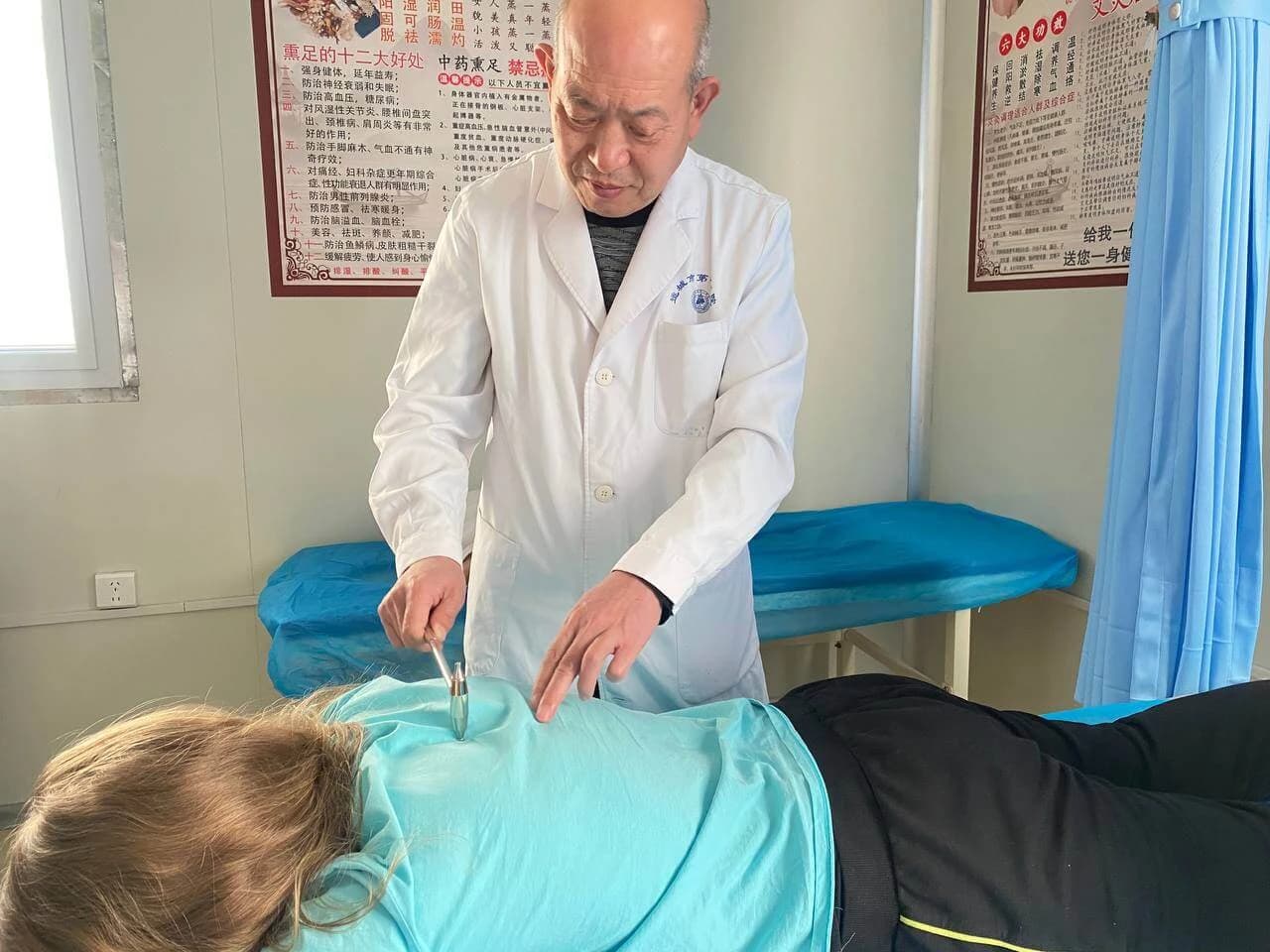
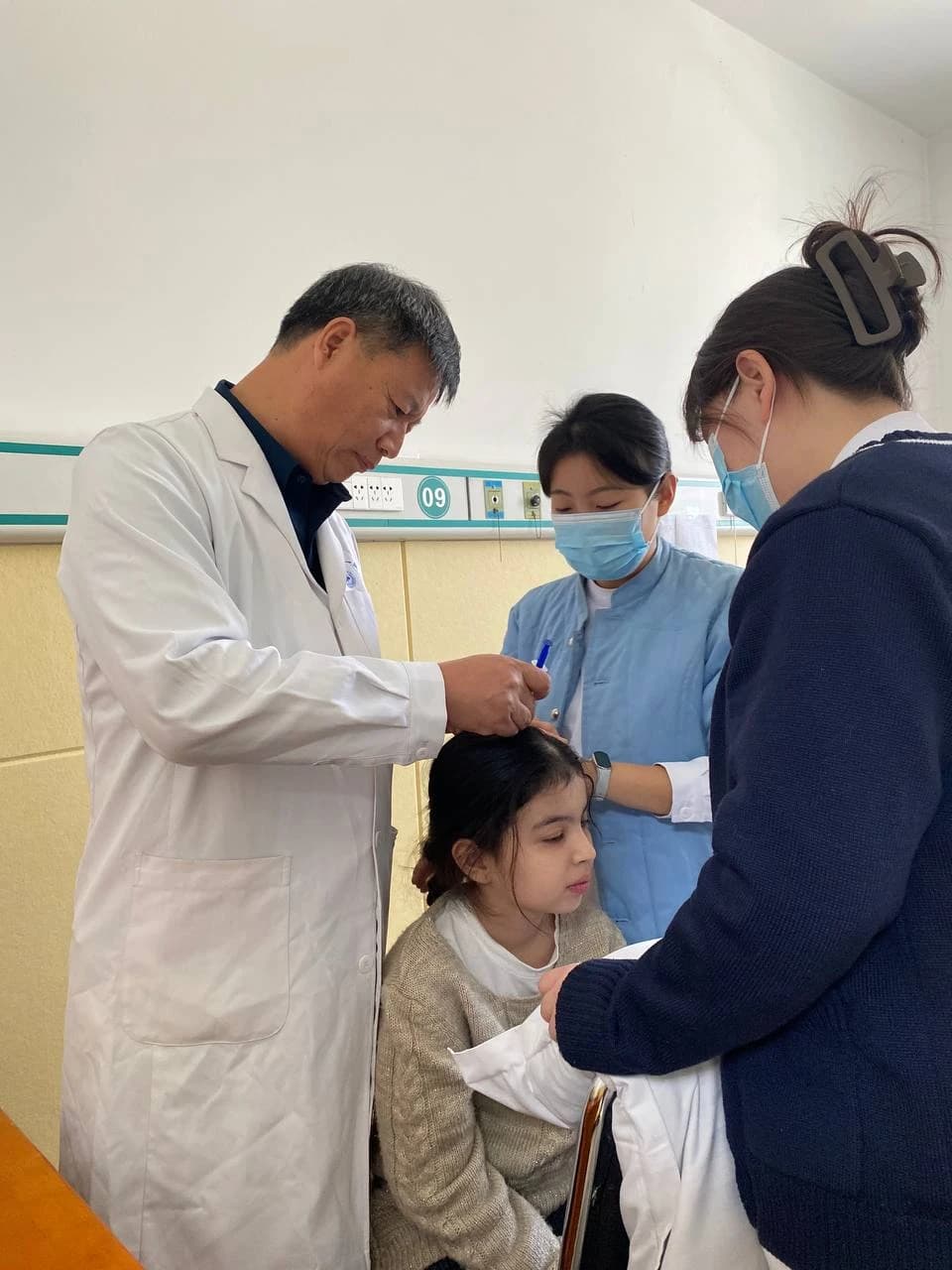
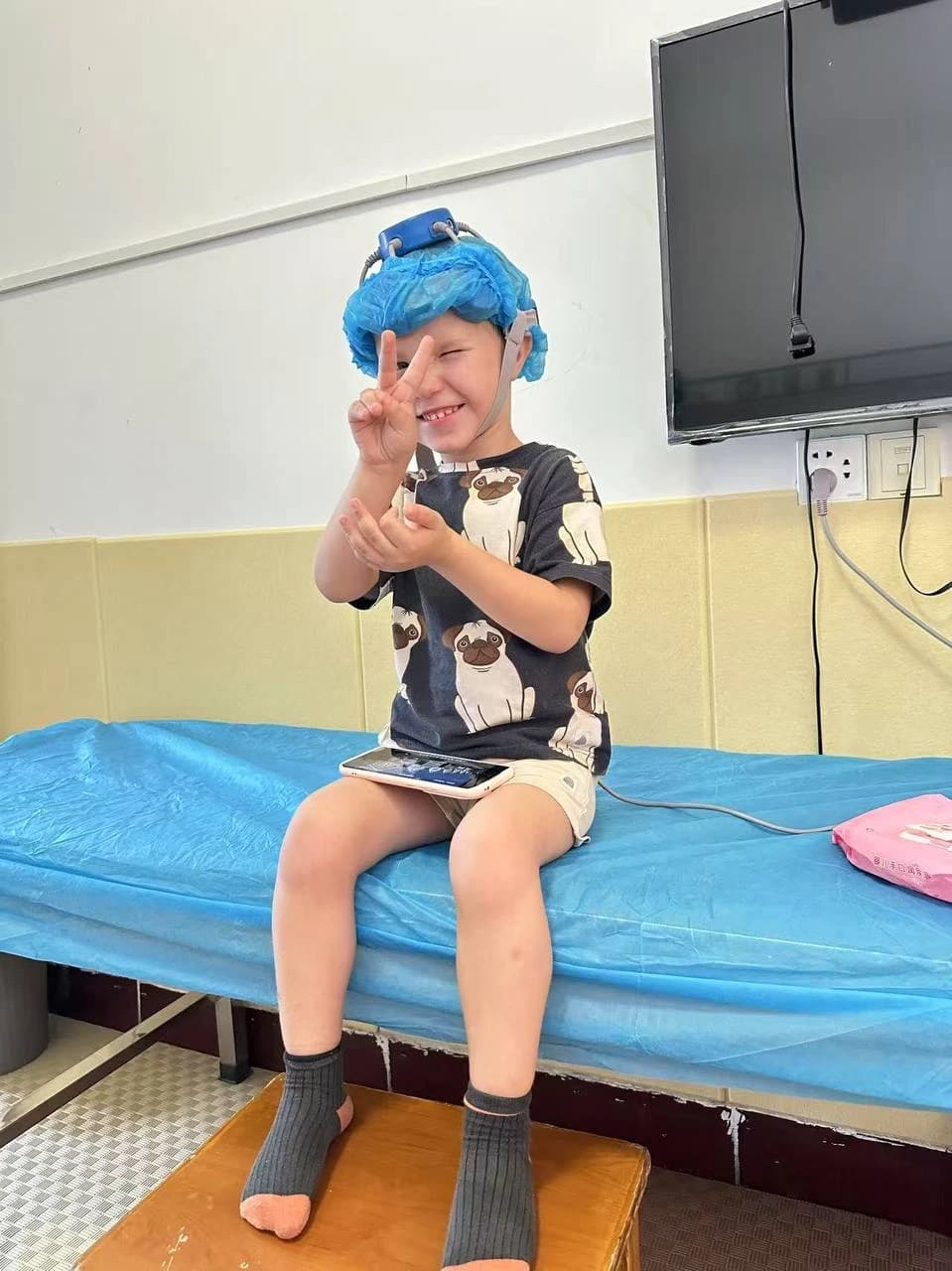
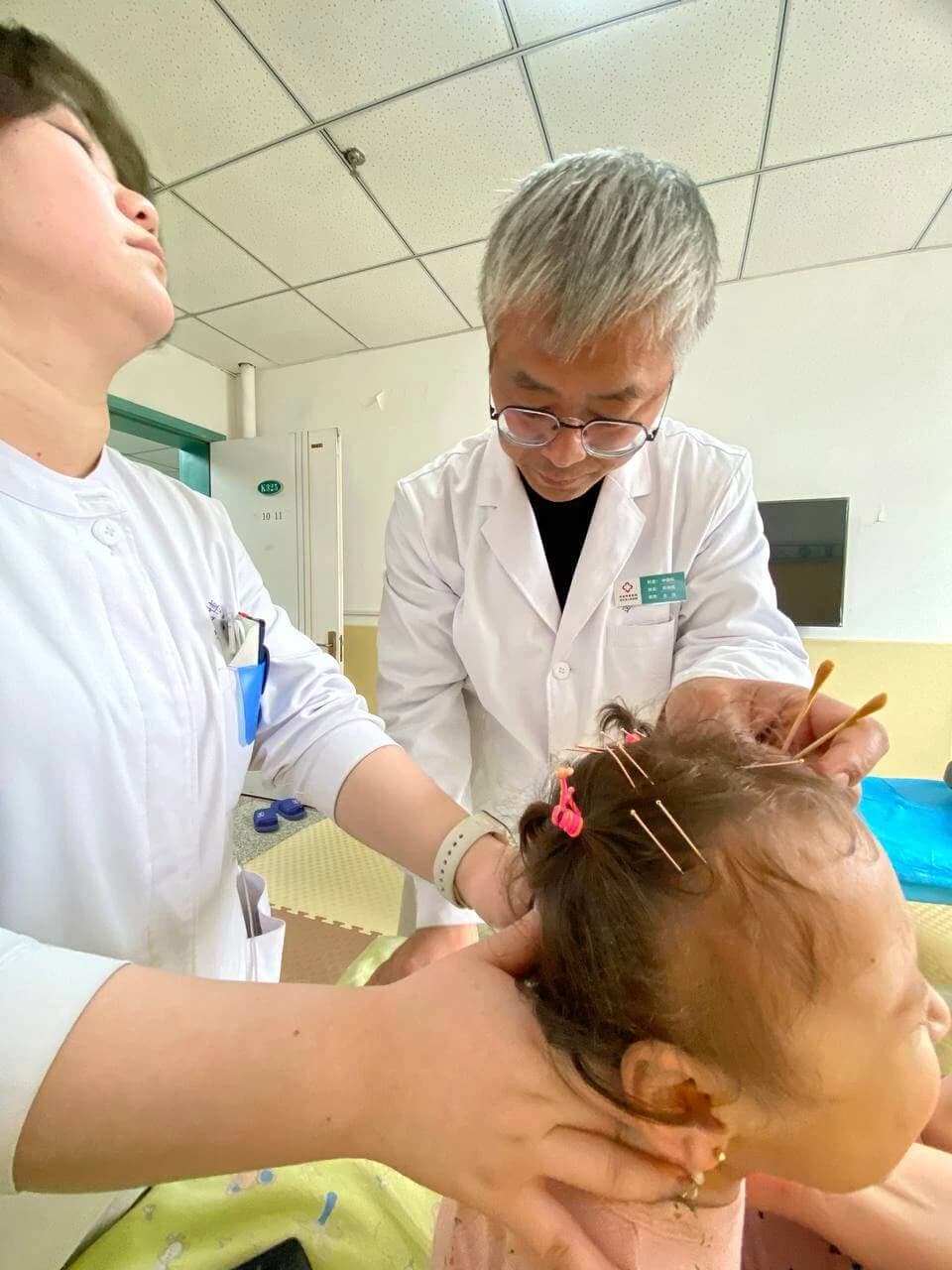
Boya Hospital in Yuncheng admits children who struggle to chew and to move on to solid food. The work targets the mouth muscles: daily speech therapy with oral motor exercises, Tui Na massage, acupuncture, and apparatus-based physiotherapy. There are 6–9 sessions a day, 6 days a week; the recommended course is 2–3 months, with payment on site and no prepayment.
What is Chewing Difficulties?
Chewing difficulties describe a state in which ordinary food is physically hard for a child to handle. They hold a piece in the cheek for a long time, swallow it almost unchewed, tire at the table, and prefer whatever takes no effort: purees, soft or mashed food. Parents often describe it as being "stuck on baby food": the child is old enough to eat like everyone else, yet the move to solid food never happens. In infants the same muscle weakness looks different — as sluggish, interrupted sucking with rapid fatigue.
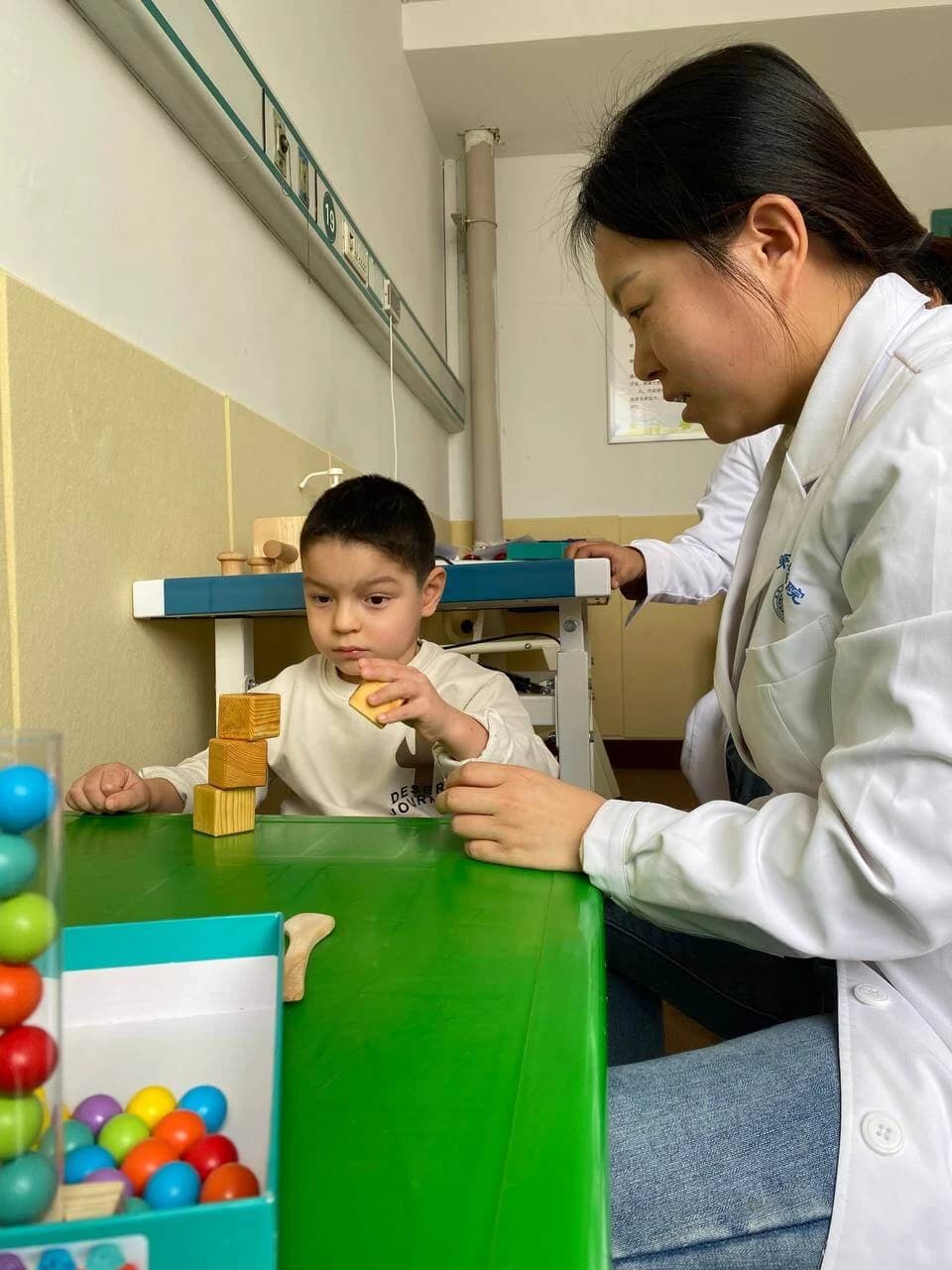
The reason is rarely stubbornness; it lies in the work of the mouth muscles. The tongue, lips, cheeks, and jaw have to act together, and in cerebral palsy and other consequences of nervous system damage that coordination is disrupted. This is why chewing difficulties rarely come alone: drooling, choking, and unclear speech often accompany them — all of them rest on the same oral motor base. Boya Hospital (Yuncheng, Shanxi Province) works with such children as part of its core specialization — pediatric neurological rehabilitation. The course is built as an intensive: 6–9 sessions a day, 6 days a week. At its center is daily speech therapy with oral motor exercises; alongside it run pediatric Tui Na massage, acupuncture and scalp acupuncture, pharmacopuncture and meridian point stimulation, and apparatus-based physiotherapy. When the mouth is oversensitive, sensory integration is added; when hand control at the table is weak, occupational therapy joins in.
Why the muscles come first and food comes second
Chewing looks like a simple action, but it is in fact the precise work of many muscles: holding a piece, moving it with the tongue, closing the lips so nothing falls out, working the jaw rhythmically. If the muscles are weak or unresponsive, no amount of persuasion at the table will help — the base for the skill is simply missing. That is why the speech therapist at Boya starts by strengthening the oral motor base: mobility and sensitivity of the tongue, lips, and cheeks, strength of exhalation, lip closure, coordination of jaw movements. Once that base is stronger, the child is gradually led toward denser textures. This sequence explains why the first weeks may look like "exercises" rather than learning to eat: it is the preparation without which the skill will not hold.
What matters for parents
The honest goal of the course is to make eating simpler and calmer for the child: less fatigue at the table, more confident jaw movement, a wider range of textures accepted without resistance. The pace is individual and depends on the starting condition and accompanying impairments. Parents pick up many of the exercises and continue them at home — the specialist demonstrates them right during the session. Getting started is simple: send your child's documents and, if possible, a short video of a meal. The document-based consultation is free, and there is no prepayment: you pay on site and only for what your child has actually received.
Causes
Chewing difficulties usually come from weak and poorly coordinated mouth muscles — the tongue, lips, cheeks, and jaw. This pattern is typical in cerebral palsy and other consequences of nervous system damage: hypoxia, birth trauma, past neuroinfections. Experience matters too: if a child has eaten only pureed food for a long time, the muscles simply have not had the workload they need.
Symptoms
The child holds food in the cheek for a long time, swallows pieces almost without chewing, tires quickly at the table, and asks for soft or pureed food. Food may fall out of the mouth, meals stretch out, and solid textures are met with caution. In infants the same muscle weakness looks like weak, interrupted sucking with rapid fatigue.
Diagnostics
The speech therapist assesses the oral motor base: tone and mobility of the tongue, lips, and jaw, lip closure, strength of exhalation, sensitivity inside the mouth — and observes how the child actually eats. The neurologist looks for the cause on the nervous system side. Swallowing safety is checked separately: it determines which textures the work can start with.
Prognosis and rehabilitation approach
Chewing is a skill, and skills can be trained. The order of work is usually the same: first strengthen the mouth muscles and normalize sensitivity, then introduce denser textures and consolidate the skill in a calm, familiar setting. The pace depends on the starting condition and any accompanying neurological impairments, so sessions move gradually and without pressure.
How rehabilitation works
Diagnostics
Comprehensive examination and patient assessment by an international team of specialists
Rehabilitation plan
Development of an individual rehabilitation program considering diagnosis specifics
Therapy
Intensive course of procedures: physical therapy, massage, physiotherapy, acupuncture and other methods
Results
Progress evaluation, home recommendations and maintenance therapy plan
Rehabilitation procedures: Chewing Difficulties
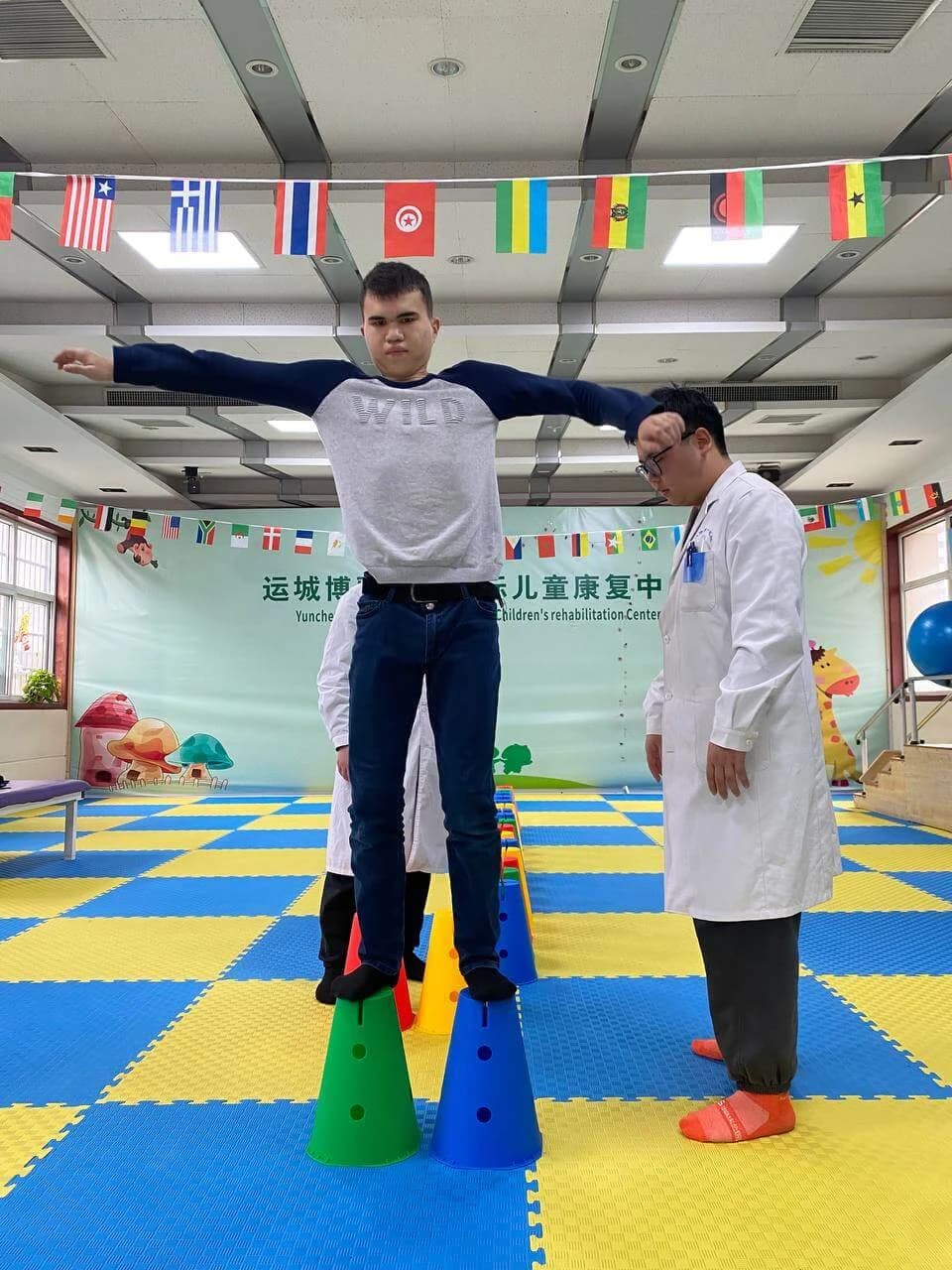
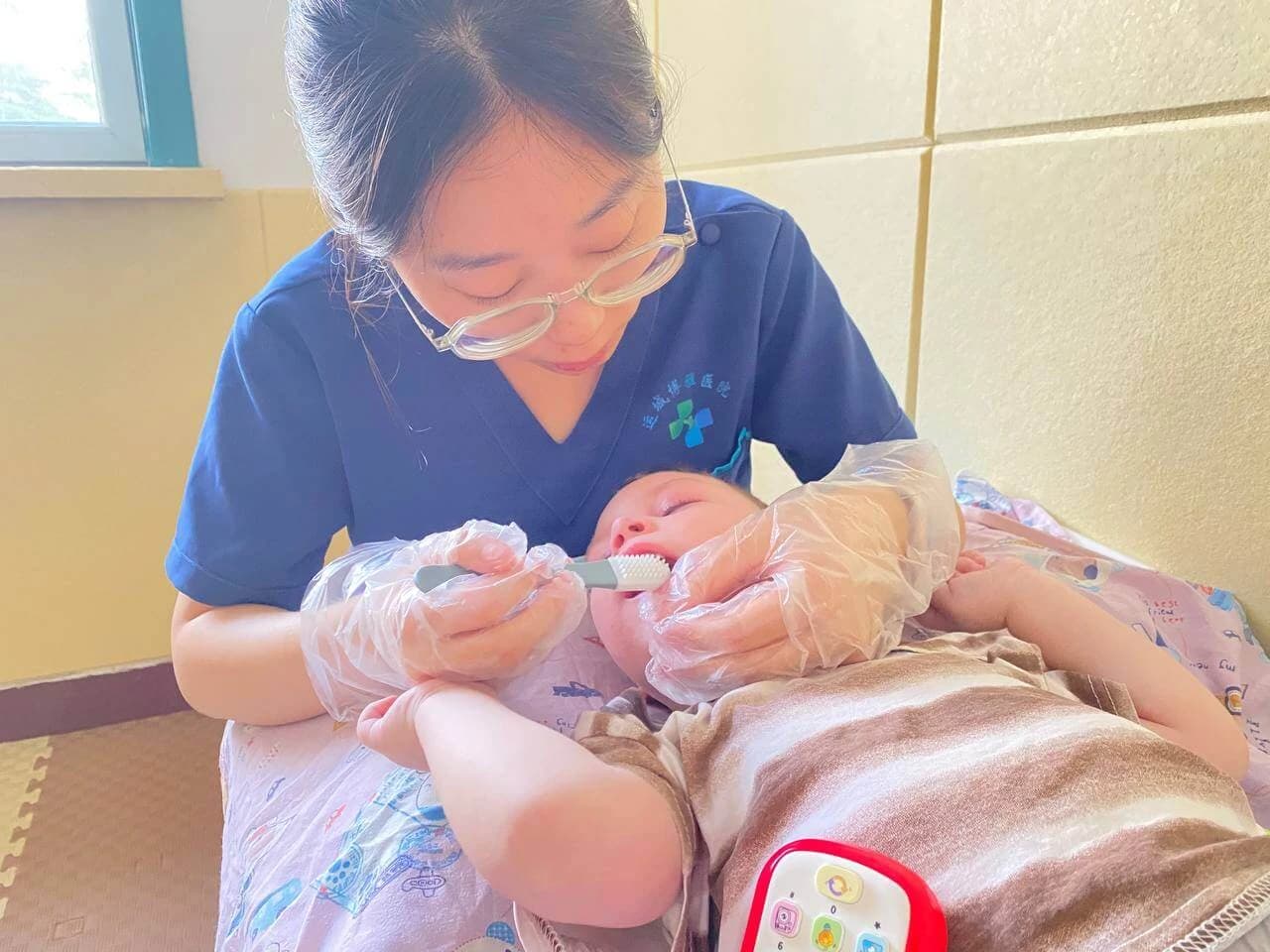
Frequently asked questions: Chewing Difficulties
Book a free consultation
Send us the medical records and a short video — Boya doctors will review the materials and tell you how they can help. A coordinator will get back to you within 5 minutes.