Rehabilitation for Aggression at Boya Clinic
The child hits, bites, throws things, melts down over a trifle, or eats inedible objects. Boya Hospital in Yuncheng works with such behavior within pediatric neurological rehabilitation: first the team works out what the behavior does for the child, then gives another way to achieve the same thing — through sensory integration, occupational therapy, and speech therapy. Sessions run 6 days a week, the course is 2–3 months, with payment on site.
What is Aggression and Impulsivity?
Aggression and impulsivity are not a separate illness but a group of manifestations sharing one mechanism: the behavior solves a problem the child cannot solve any other way. It covers hitting, biting, throwing objects, screaming, acting without a pause to think, as well as pica (eating inedible objects) and wandering off from home or kindergarten. Most often this is seen in children with Autism Spectrum Disorder, developmental delay, and pronounced sensory differences — that is, where there is not enough speech to say "it hurts", "it is too loud", "I do not understand what comes next". So the first step is always the same: work out what the behavior is about, rather than how to shut it down faster.
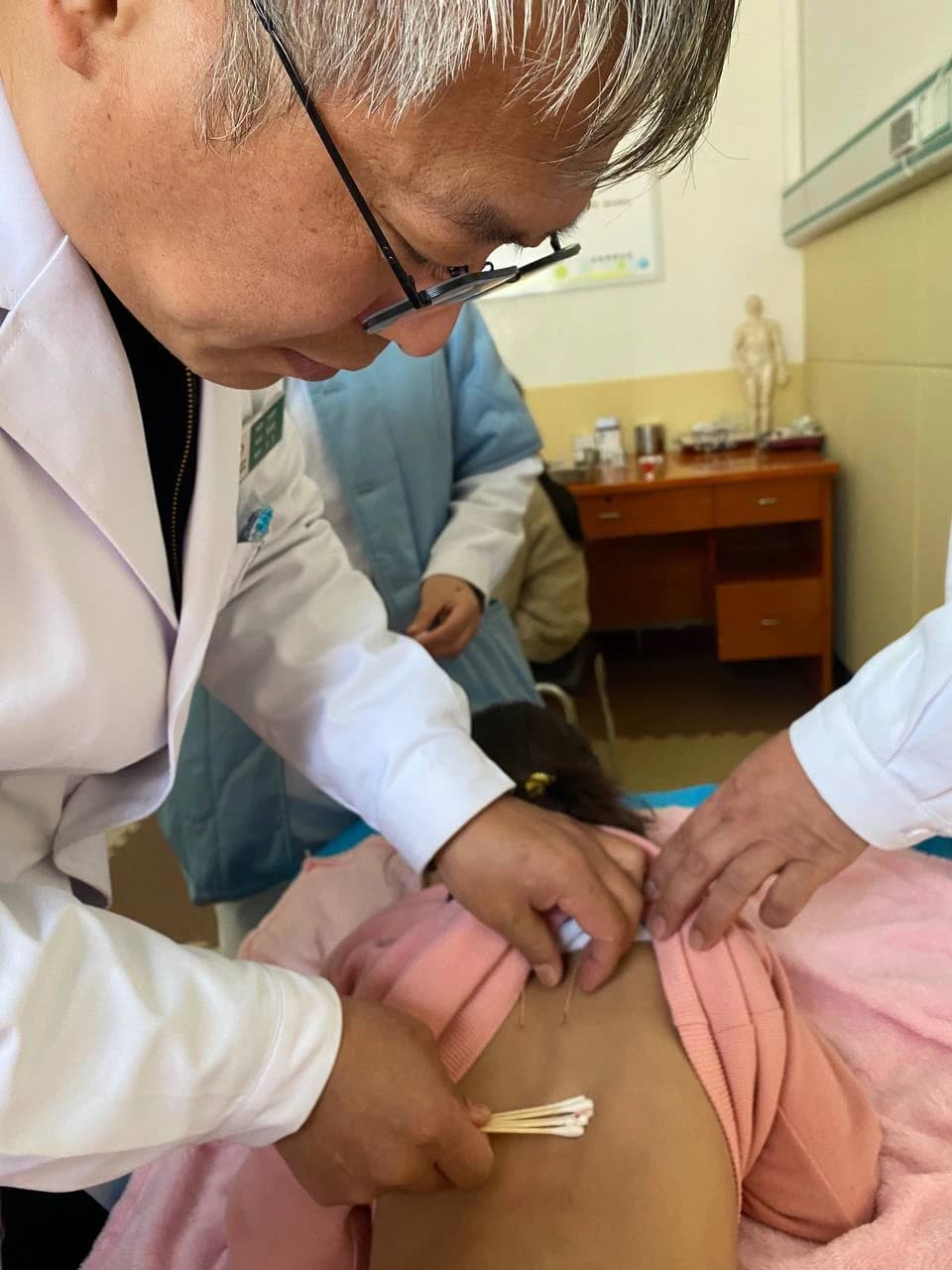
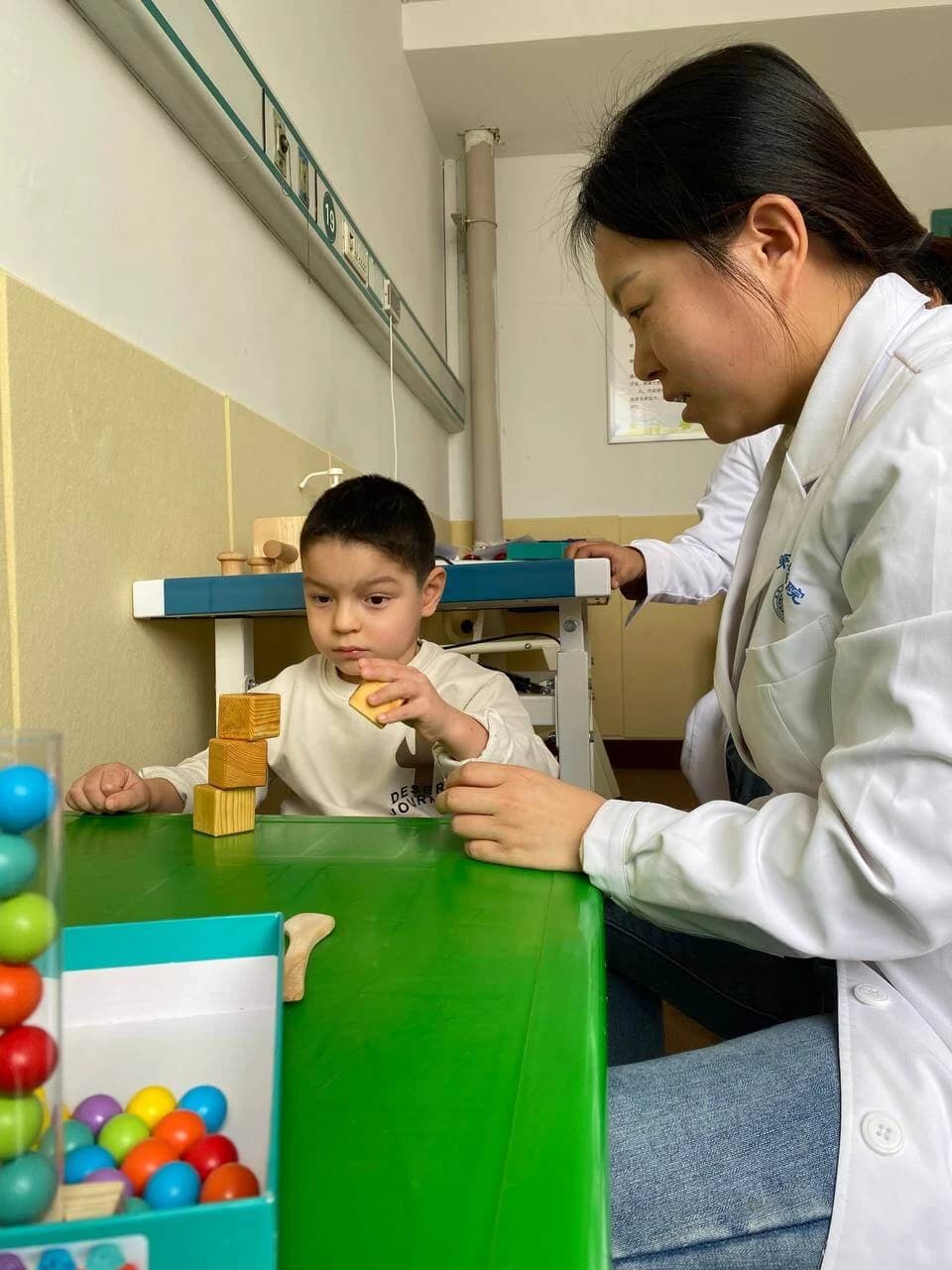
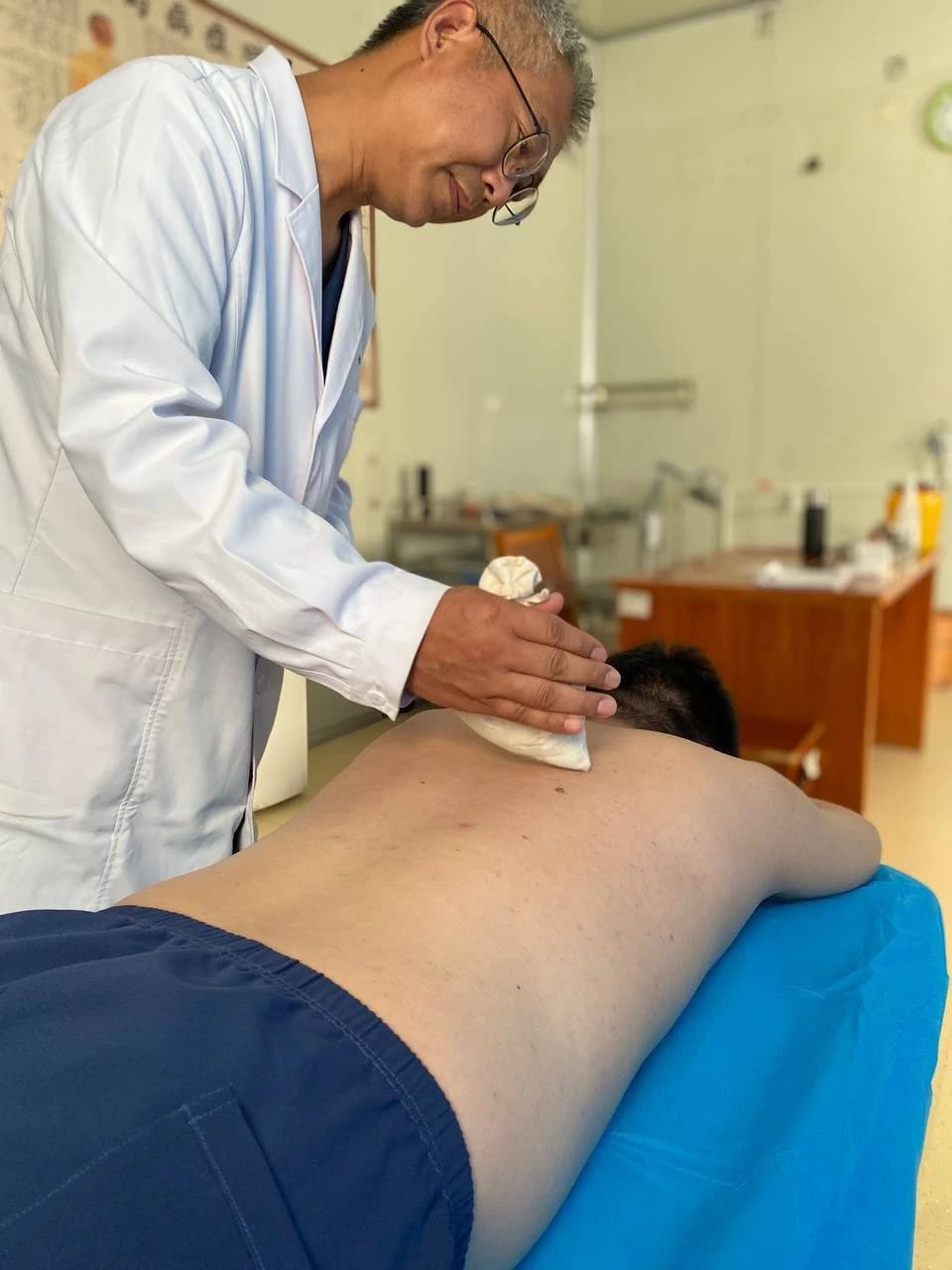
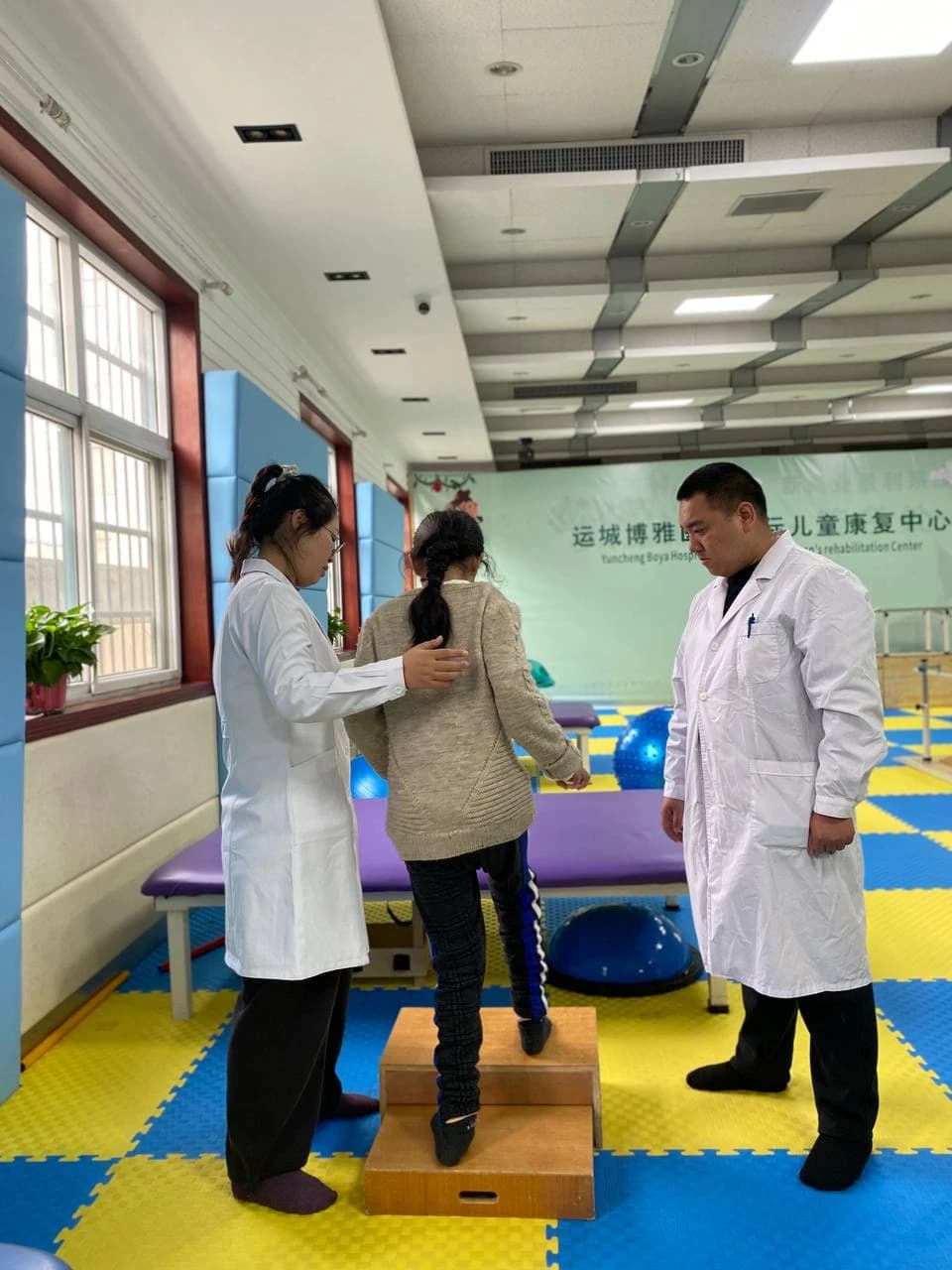
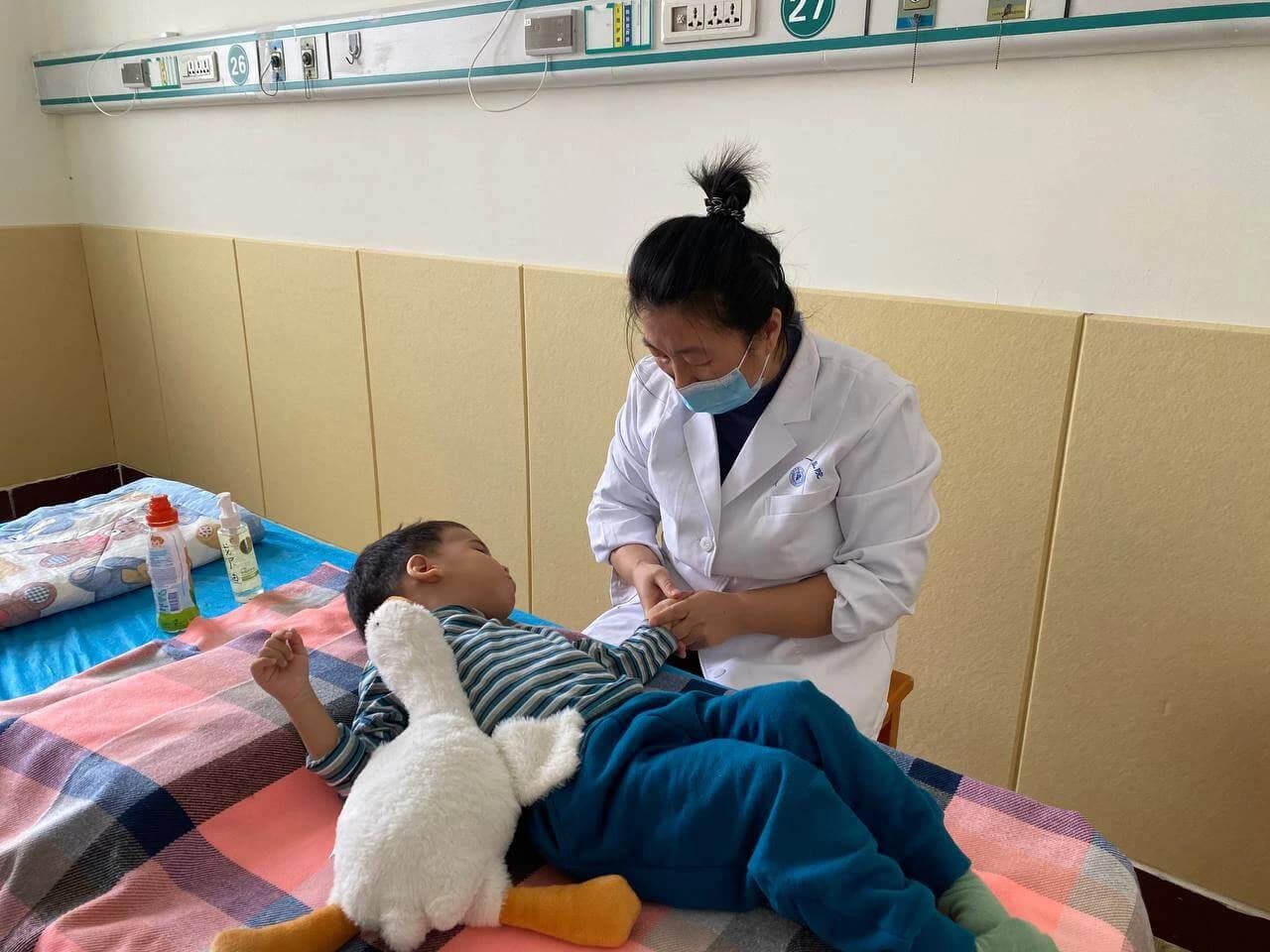
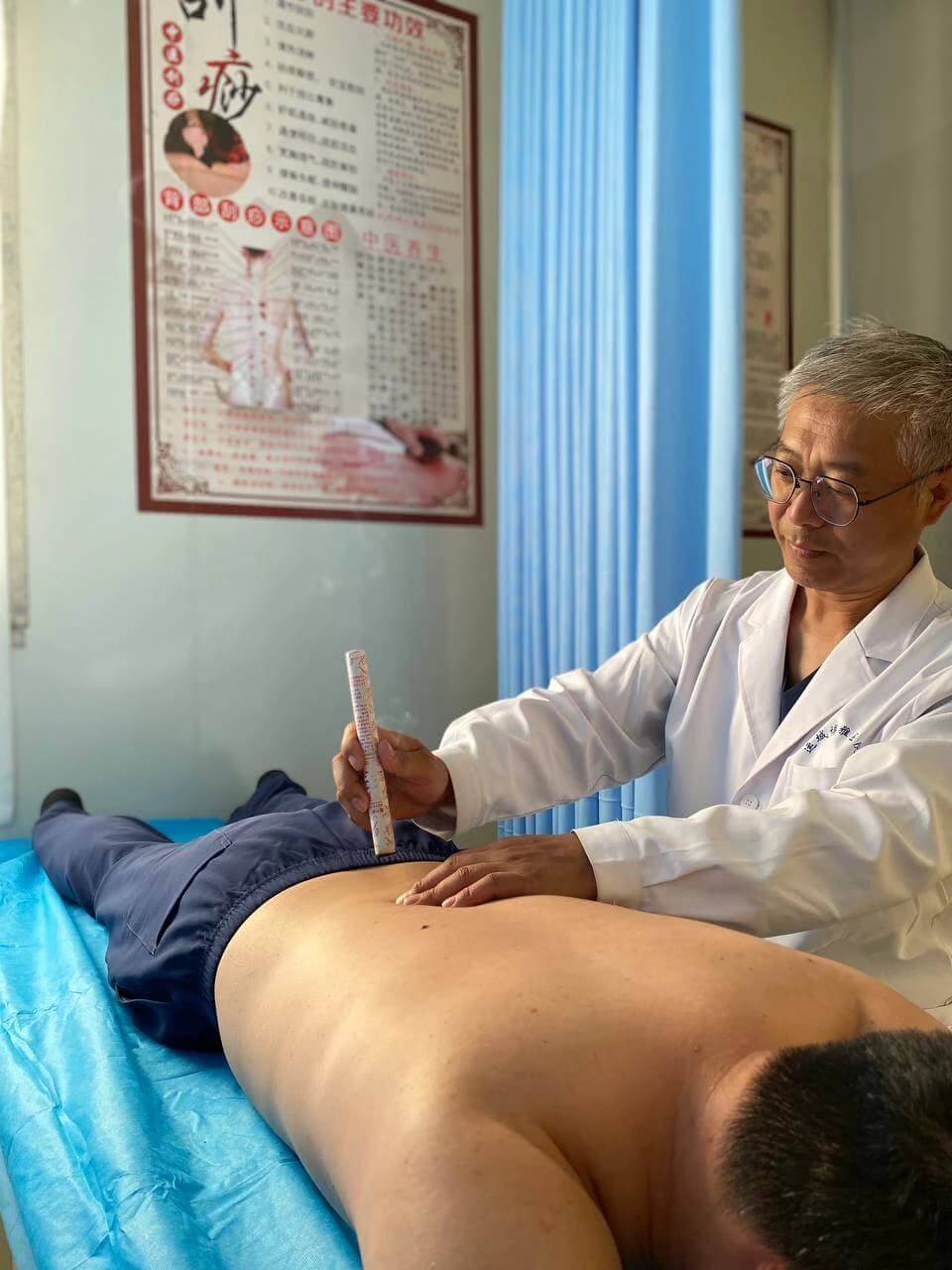
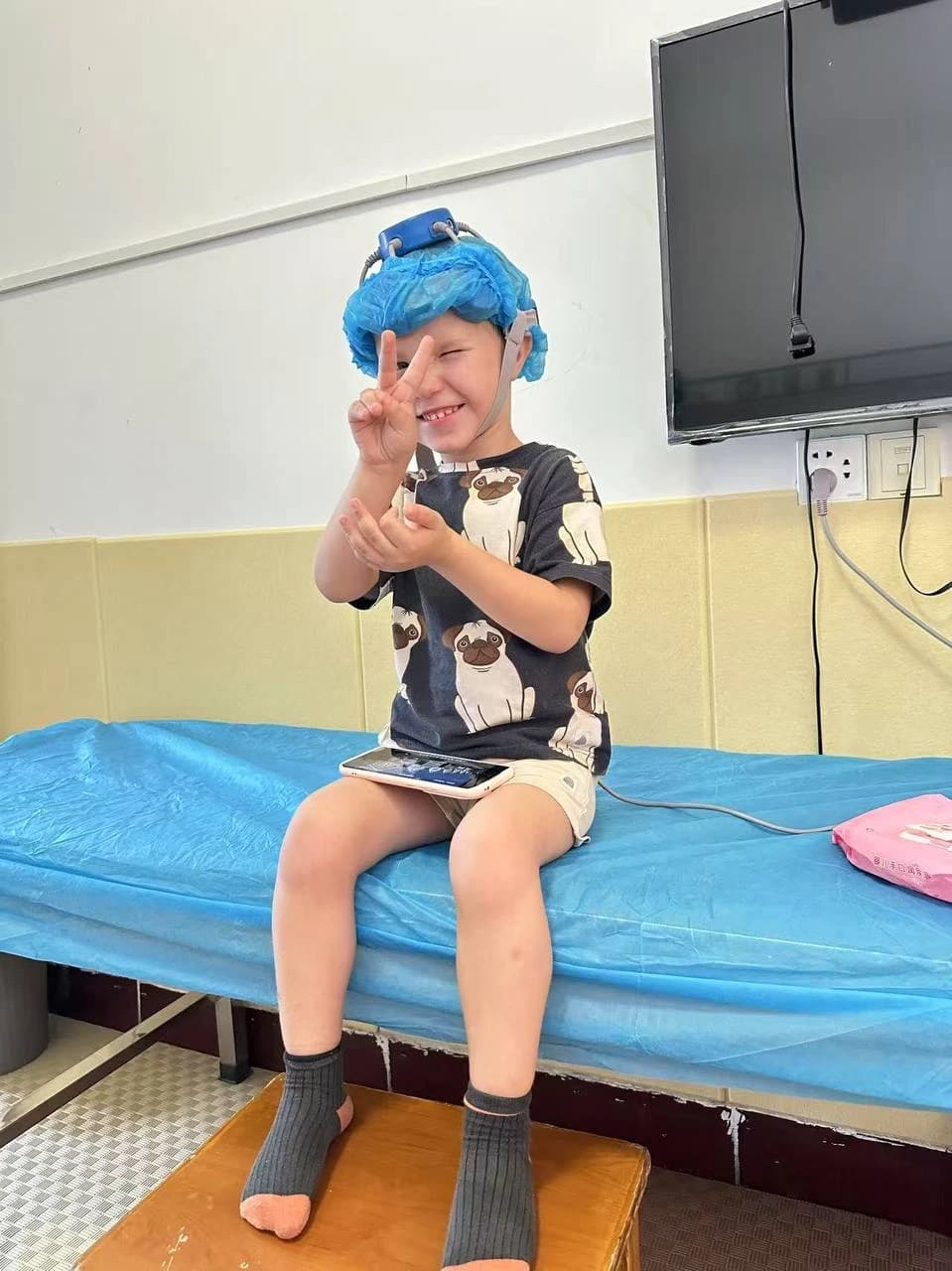
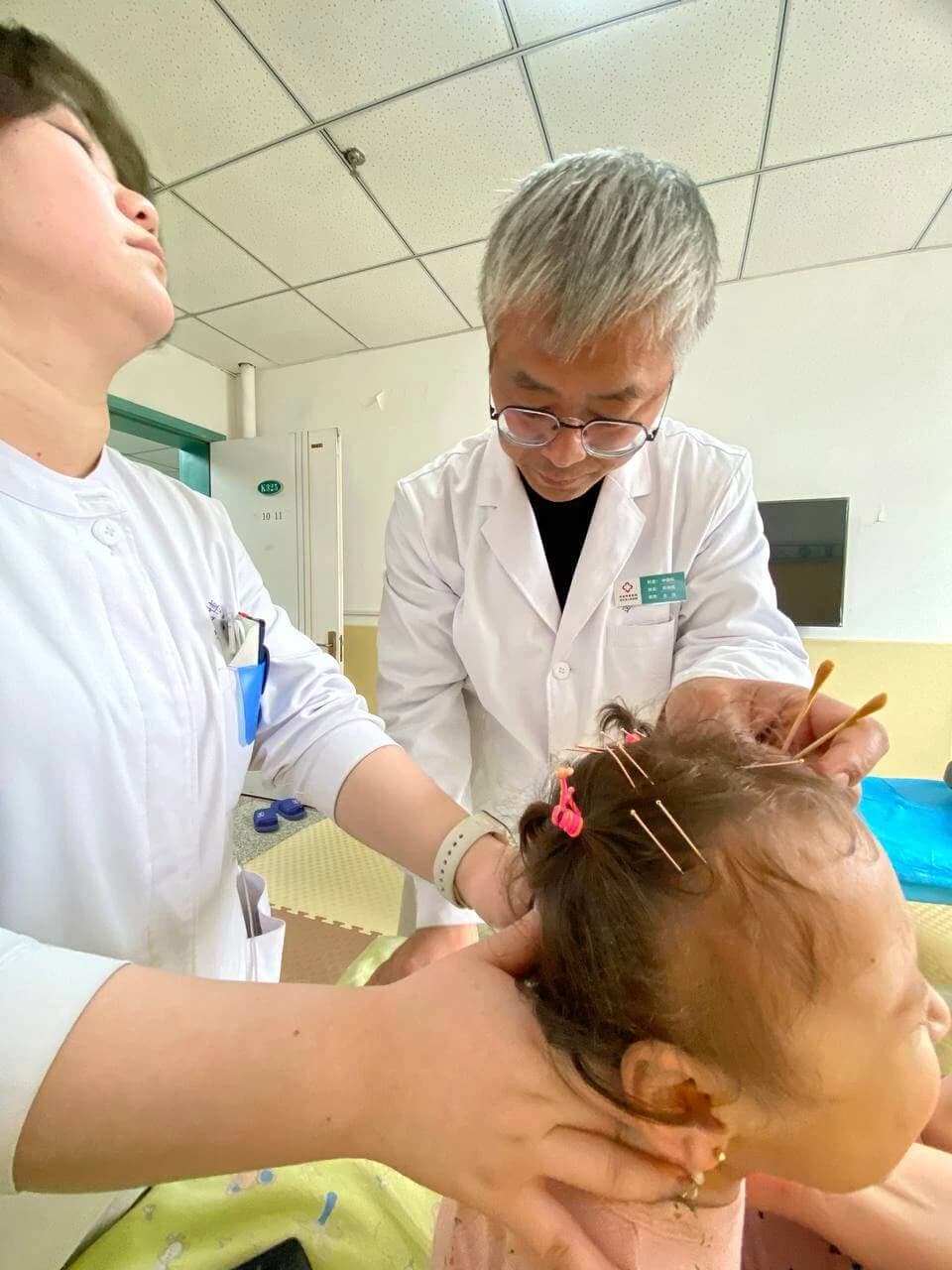
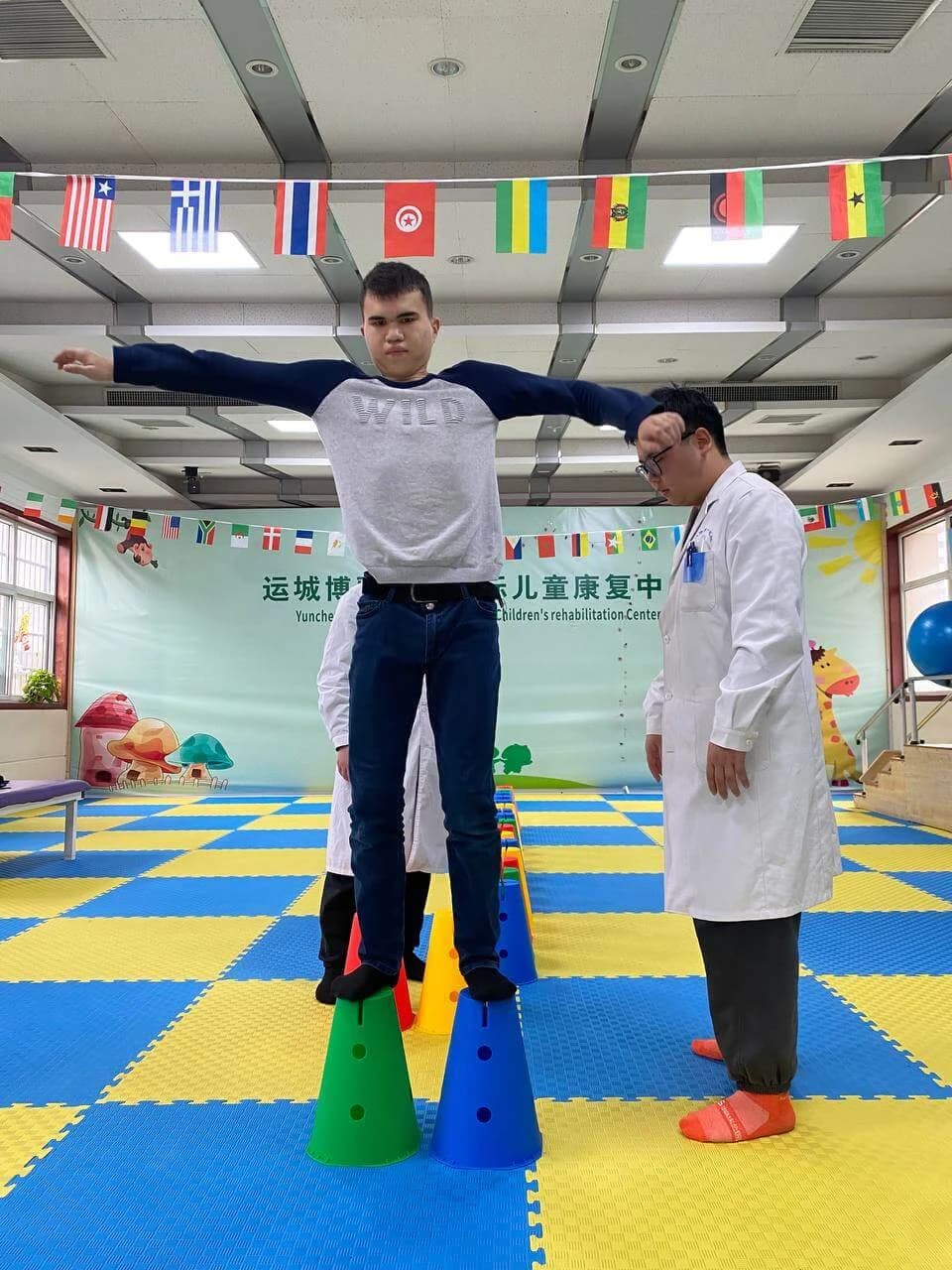
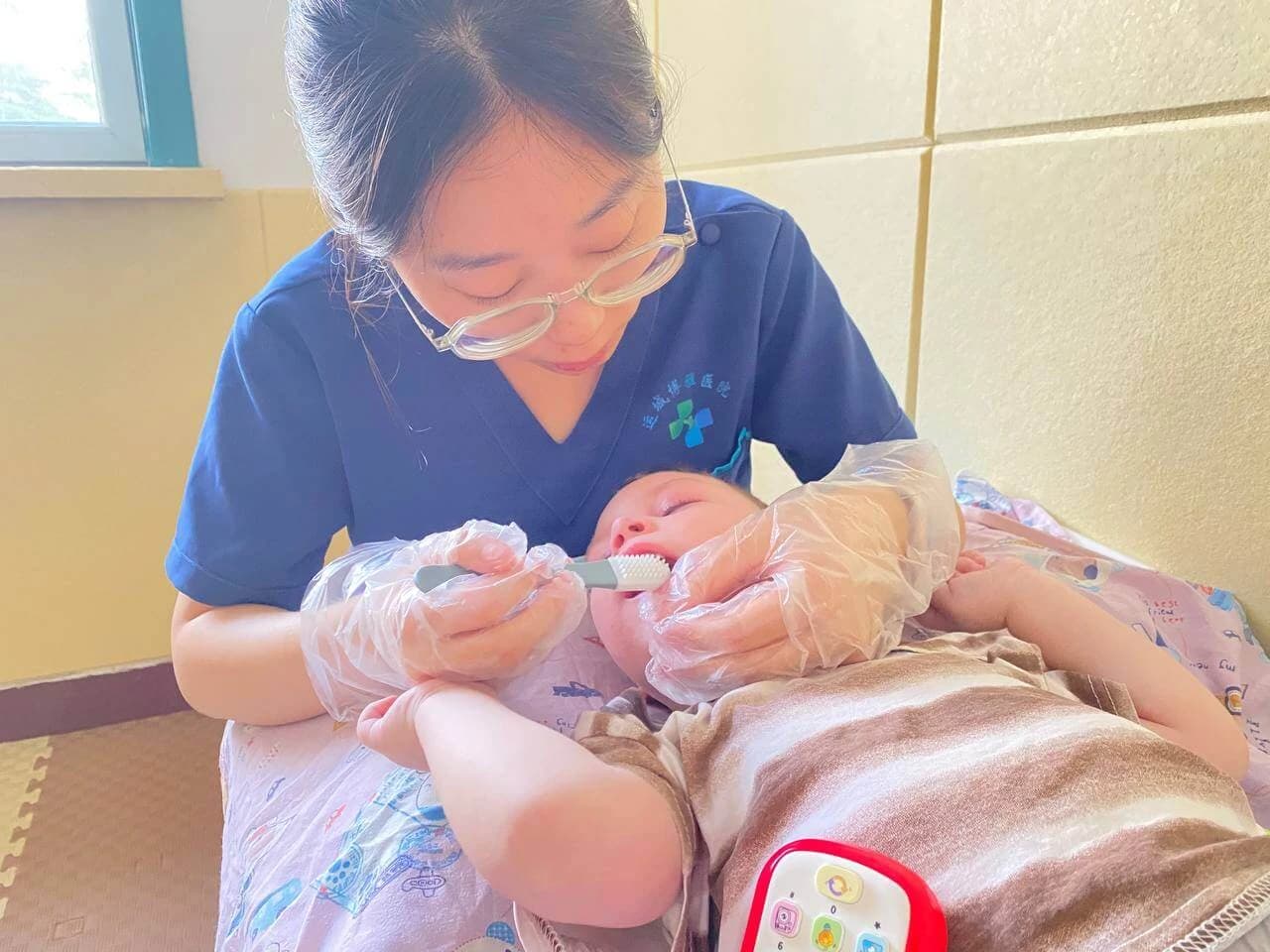
At Boya Hospital (Yuncheng, Shanxi Province) such children are worked with inside the general pediatric neurological rehabilitation program. Sensory integration reduces the overload that most often forms the background of a meltdown: the child gets the movement and tactile input they need in an acceptable form. Occupational therapy provides clear everyday actions with a beginning and an end — tension is lower in a predictable situation. The speech therapist works on giving the child an available way to signal a need: a word, a gesture, a card. Exercise therapy and apparatus-based physiotherapy give accumulated tension an outlet. Relaxing Traditional Chinese Medicine procedures — pediatric Tui Na massage, herbal compresses, moxotherapy — make the day easier to get through; acupuncture and scalp acupuncture are prescribed by the doctor when indicated. Sessions run 6 days a week.
Behavior as a way of speaking
An outburst almost never comes out of nowhere. It has a backstory: a noisy room, a cancelled walk, uncomfortable clothes, poor sleep, a stomach ache or an earache. A child with no speech, or very little of it, reports this the only way available. That is why, during a course, specialists first look at what precedes a meltdown and what follows it, and only then assemble the program. Parents are asked to keep short notes — what came before, how long it lasted, what helped: these observations are more useful than any general wording and speed up finding the pattern.
What changes over a course
A realistic goal is not "the child will never hit again" but fewer and milder outbursts, plus another way for the child to get what they need. Signs of movement: meltdowns become rarer and shorter, the child calms down faster, shows or says what they want more often, and copes with changes in the schedule more calmly. The observations are recorded during the course and used to adjust the program. The recommended length is 2–3 months. The document-based consultation is free, and there is no prepayment: you pay on site and only for what your child has actually received.
Causes
Such behavior most often appears in children who have no words available: with Autism Spectrum Disorder, developmental delay, or sensory differences. The trigger is usually overload from noise and crowds, an unexplained change of plans, tiredness, hunger, or pain the child cannot report any other way.
Symptoms
Hitting, biting, pushing, throwing objects, screaming; acting without a pause to think — running into the road, grabbing what belongs to others. The same group includes pica (the child eats chalk, paper, soil) and wandering off from home or kindergarten without a sense of danger.
Diagnostics
The point of the assessment is not to label the behavior but to understand what job it does: avoiding something unpleasant, getting an adult's attention, obtaining a needed sensation. To do that, specialists observe the child in different situations and question the parents in detail about what precedes an outburst. With pica, blood test values are checked as well.
Prognosis and rehabilitation approach
Bans and punishment on their own do not work: if the need remains, the behavior returns in another form. Lasting results come from the chain reduce overload — provide another way to signal the need — make the day predictable. The clearer the setting is to the child, the rarer the meltdowns.
How rehabilitation works
Diagnostics
Comprehensive examination and patient assessment by an international team of specialists
Rehabilitation plan
Development of an individual rehabilitation program considering diagnosis specifics
Therapy
Intensive course of procedures: physical therapy, massage, physiotherapy, acupuncture and other methods
Results
Progress evaluation, home recommendations and maintenance therapy plan
Rehabilitation procedures: Aggression and Impulsivity
Frequently asked questions: Aggression and Impulsivity
Book a free consultation
Send us the medical records and a short video — Boya doctors will review the materials and tell you how they can help. A coordinator will get back to you within 5 minutes.