
Rehabilitation for Withdrawal at Boya Clinic
The child keeps to the side, does not answer when spoken to, and becomes anxious in new places and around unfamiliar people. Boya Hospital in Yuncheng works with such children gently and gradually, within pediatric neurological rehabilitation: sensory integration, occupational therapy, speech therapy, and gentle Traditional Chinese Medicine methods. Sessions run 6 days a week, the course is 2–3 months, with payment on site.
What is Social Withdrawal?
Social withdrawal is a persistent avoidance of communication: the child keeps to the side, plays alone, does not answer when spoken to, and tenses up or cries in a new place or around unfamiliar people. The causes vary, and telling them apart matters. With Autism Spectrum Disorder, communication is usually not among the child's needs. With anxiety it is the opposite: the wish is there, but fear is stronger. A third variant is sensory overload, when a noisy playground or a crowded room is physically unbearable. There are also entirely prosaic reasons, such as reduced hearing. The approach depends on what exactly lies behind the withdrawal, so the first sensible step is not your own conclusions but a specialist's opinion.
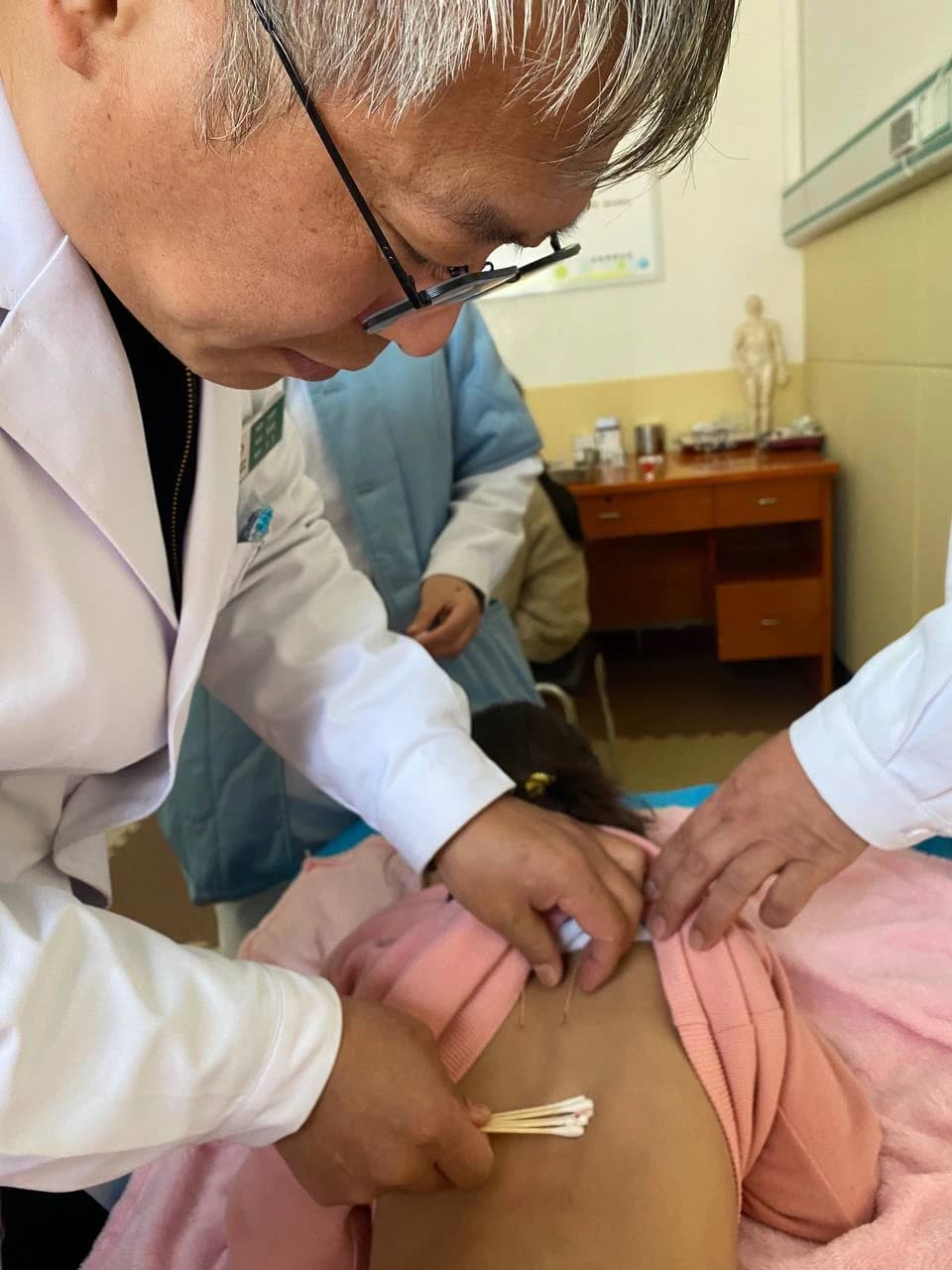
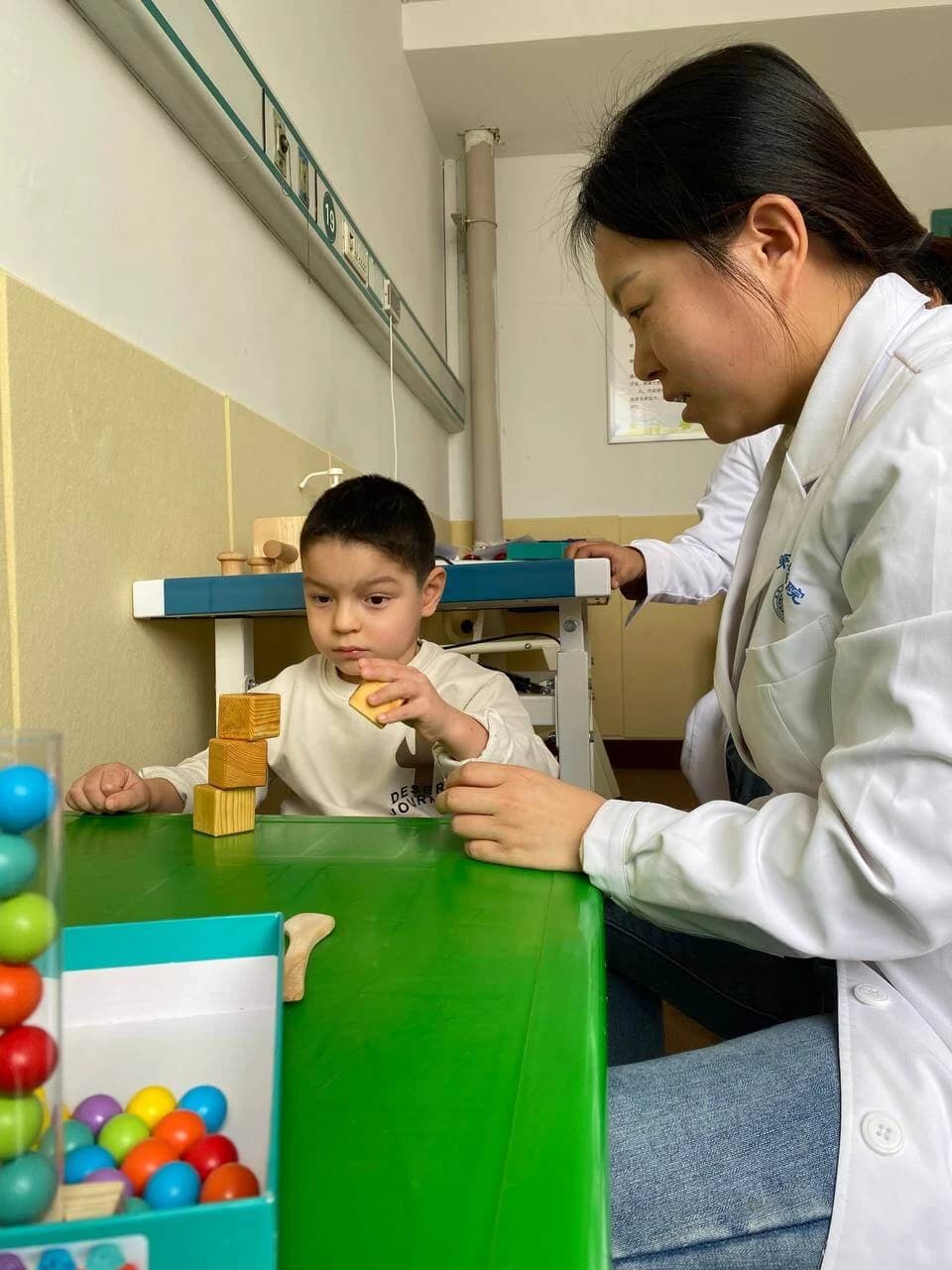
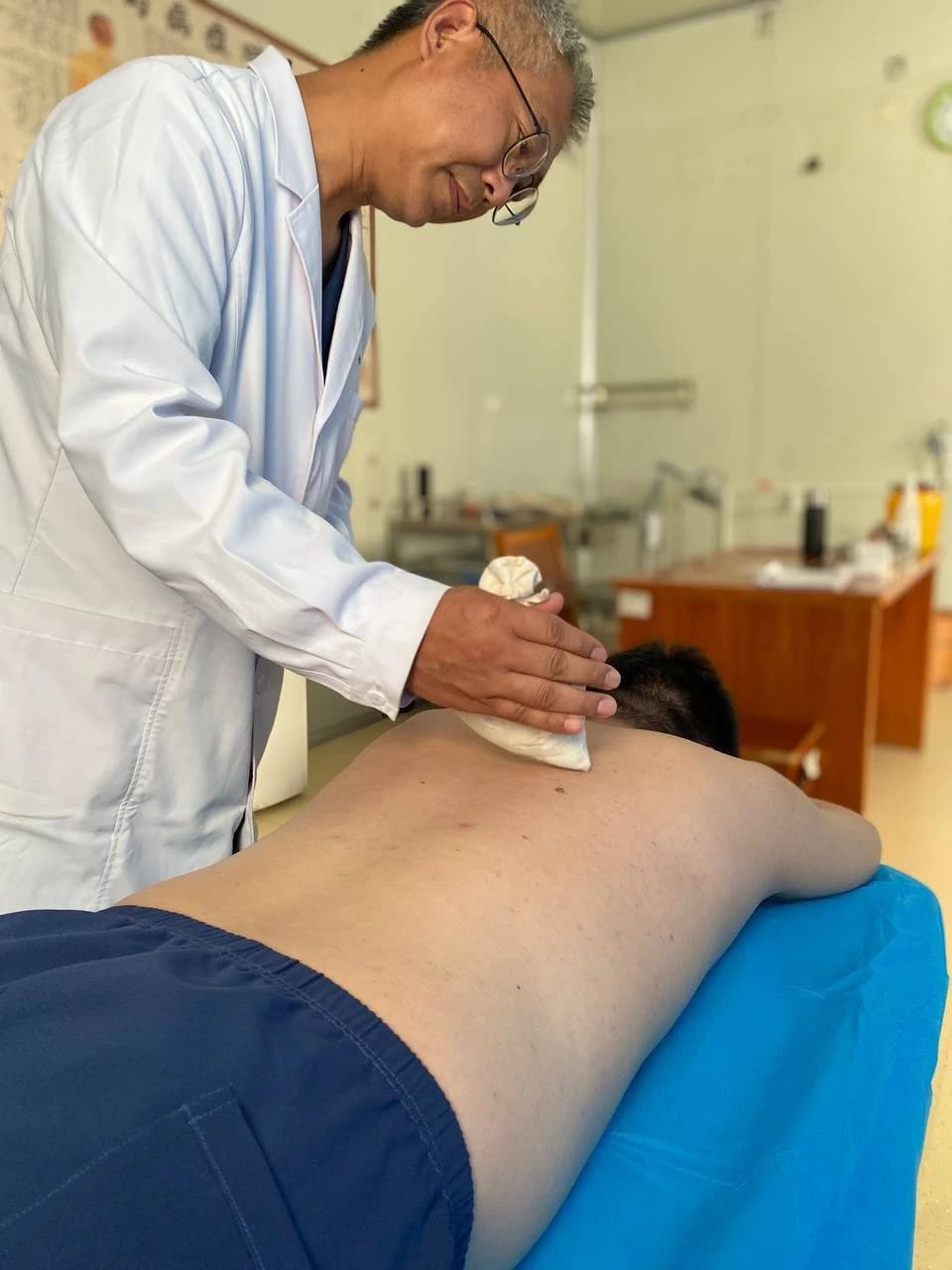
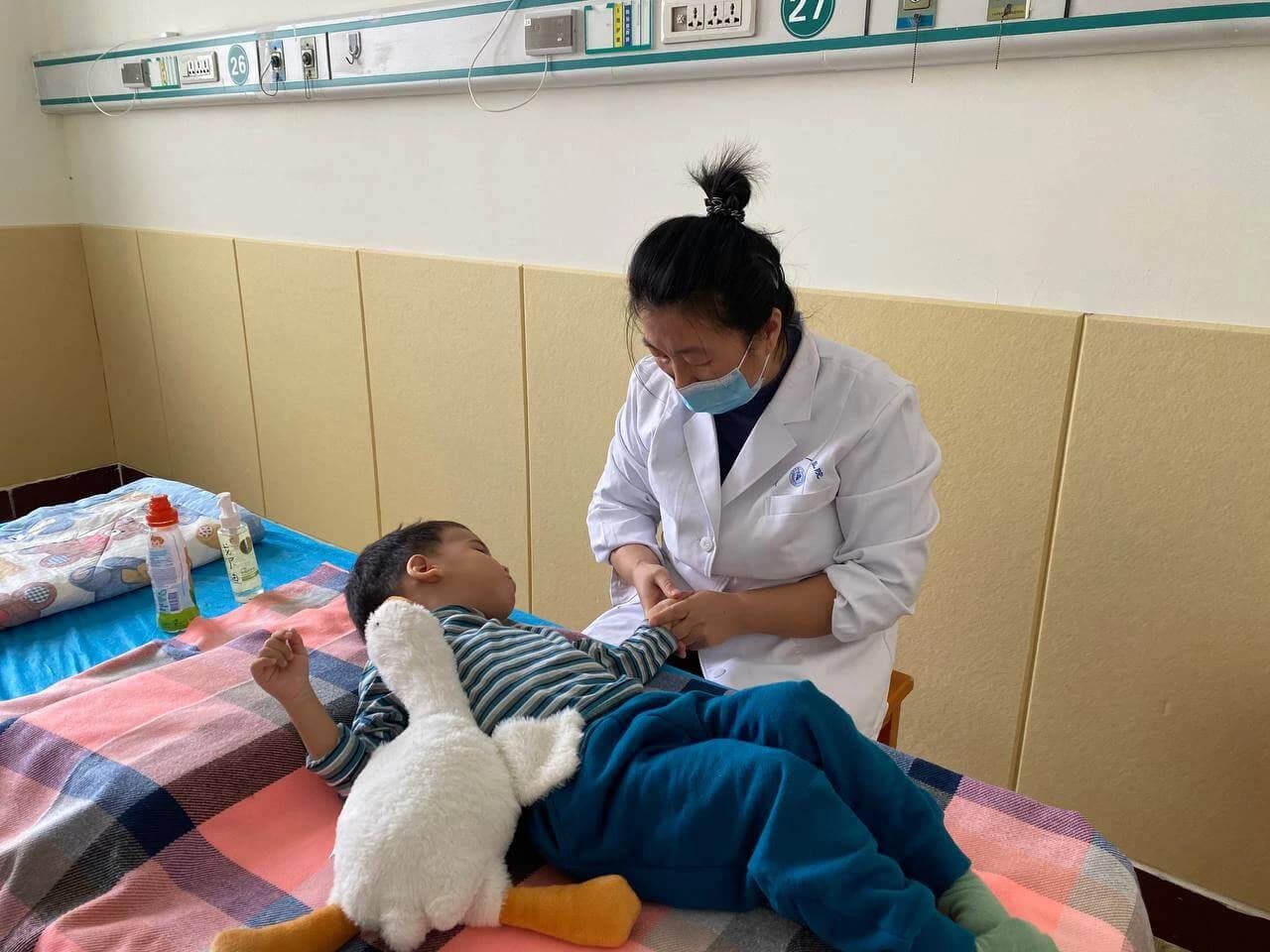
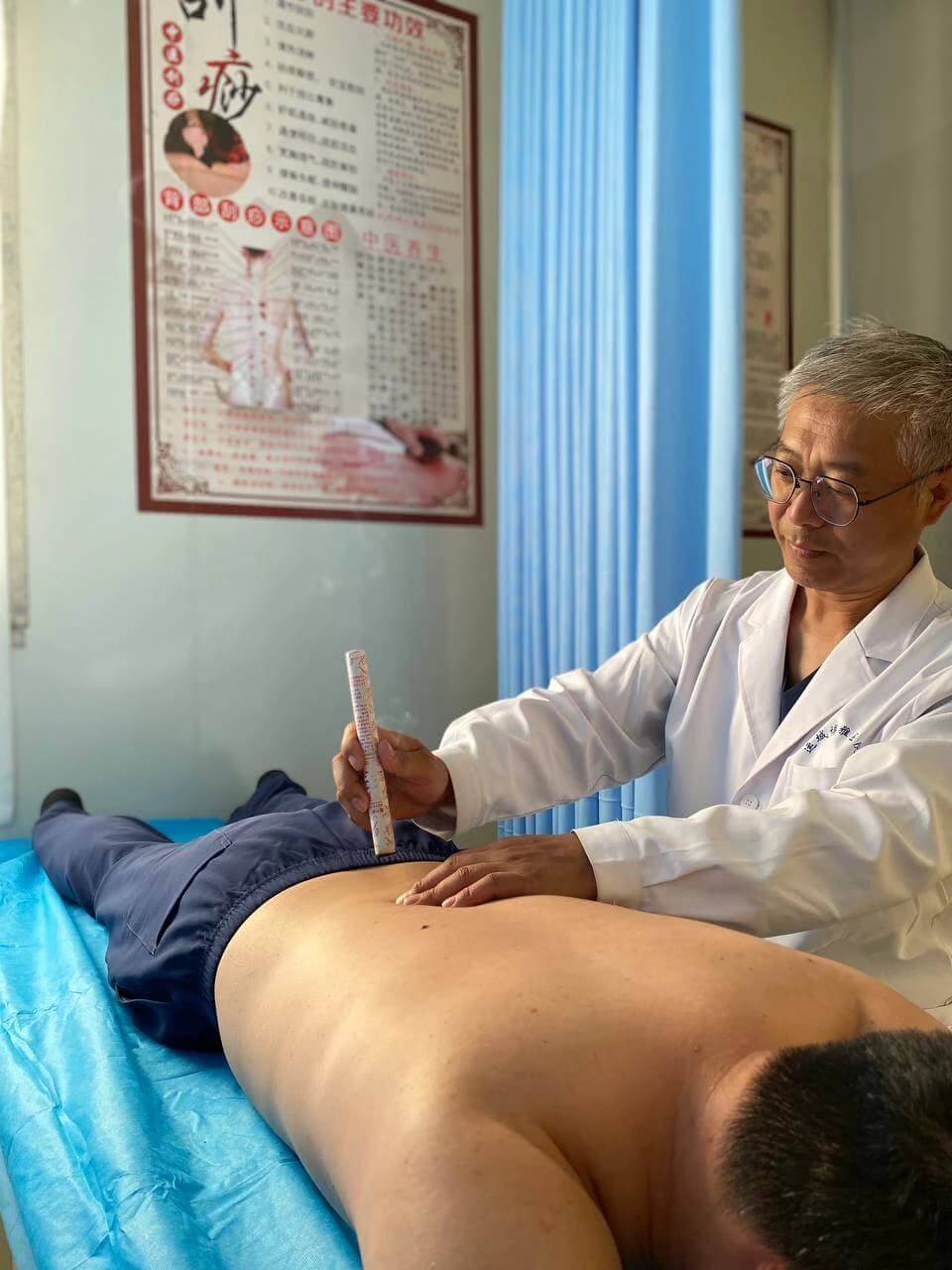
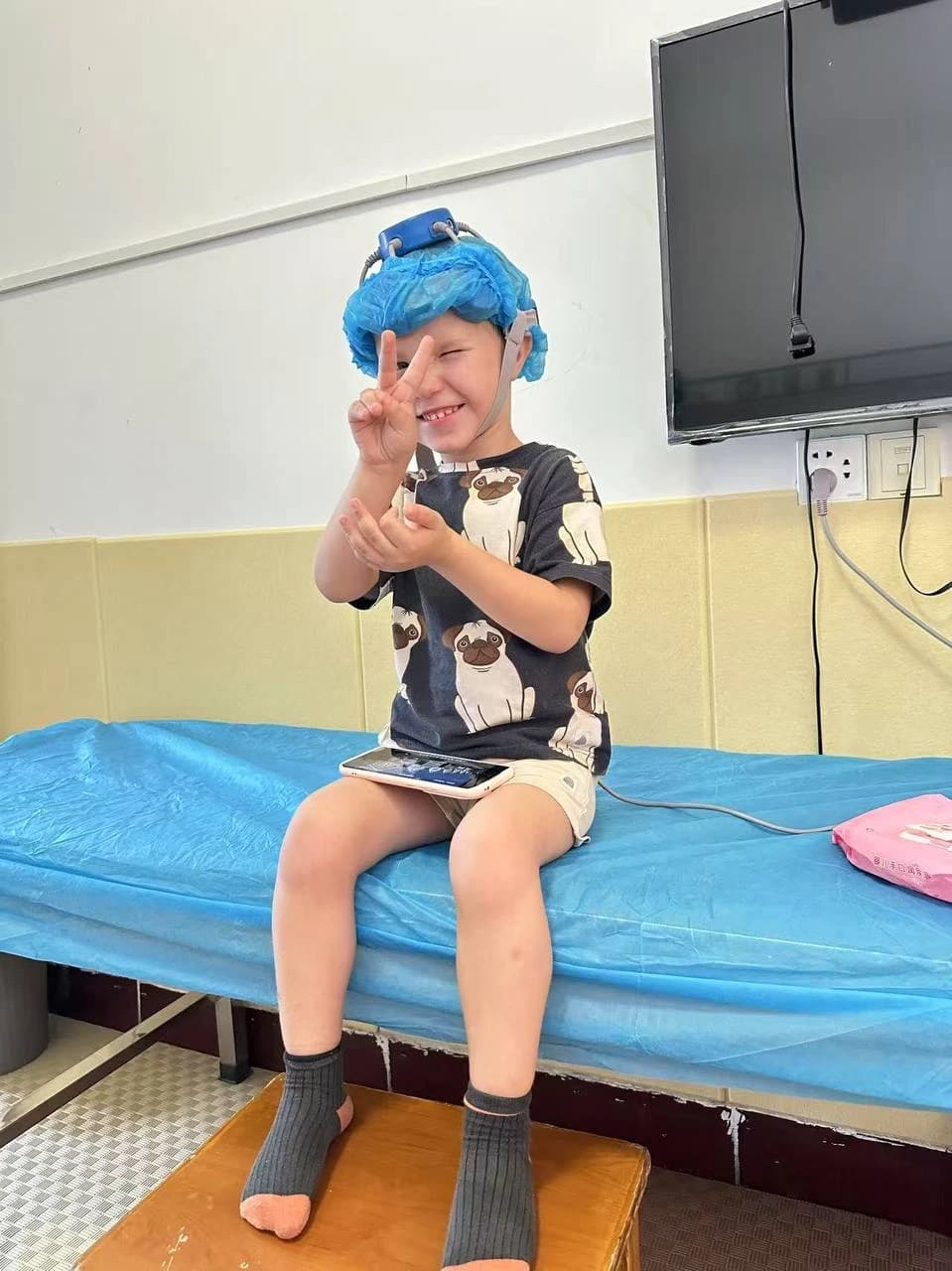
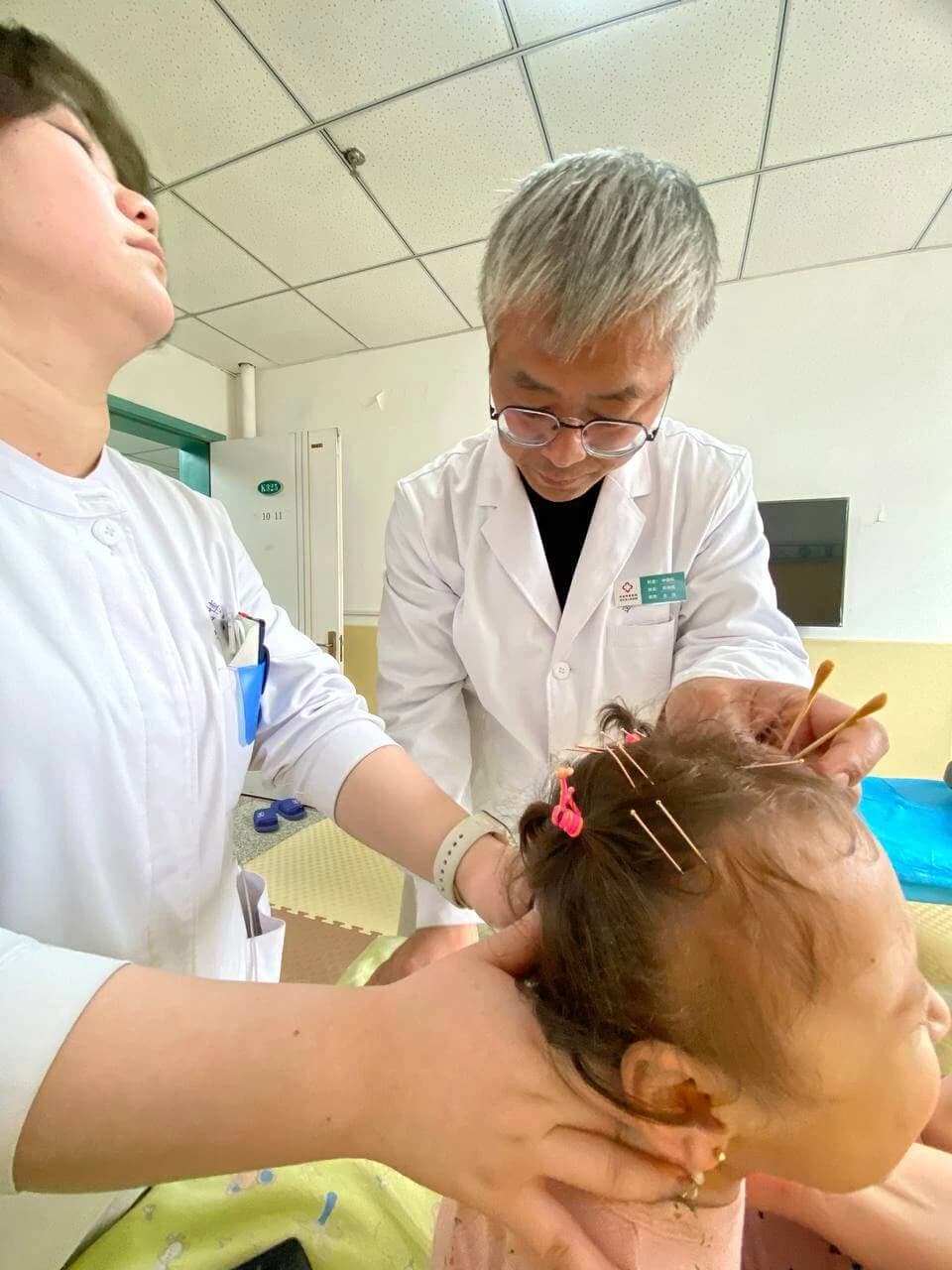
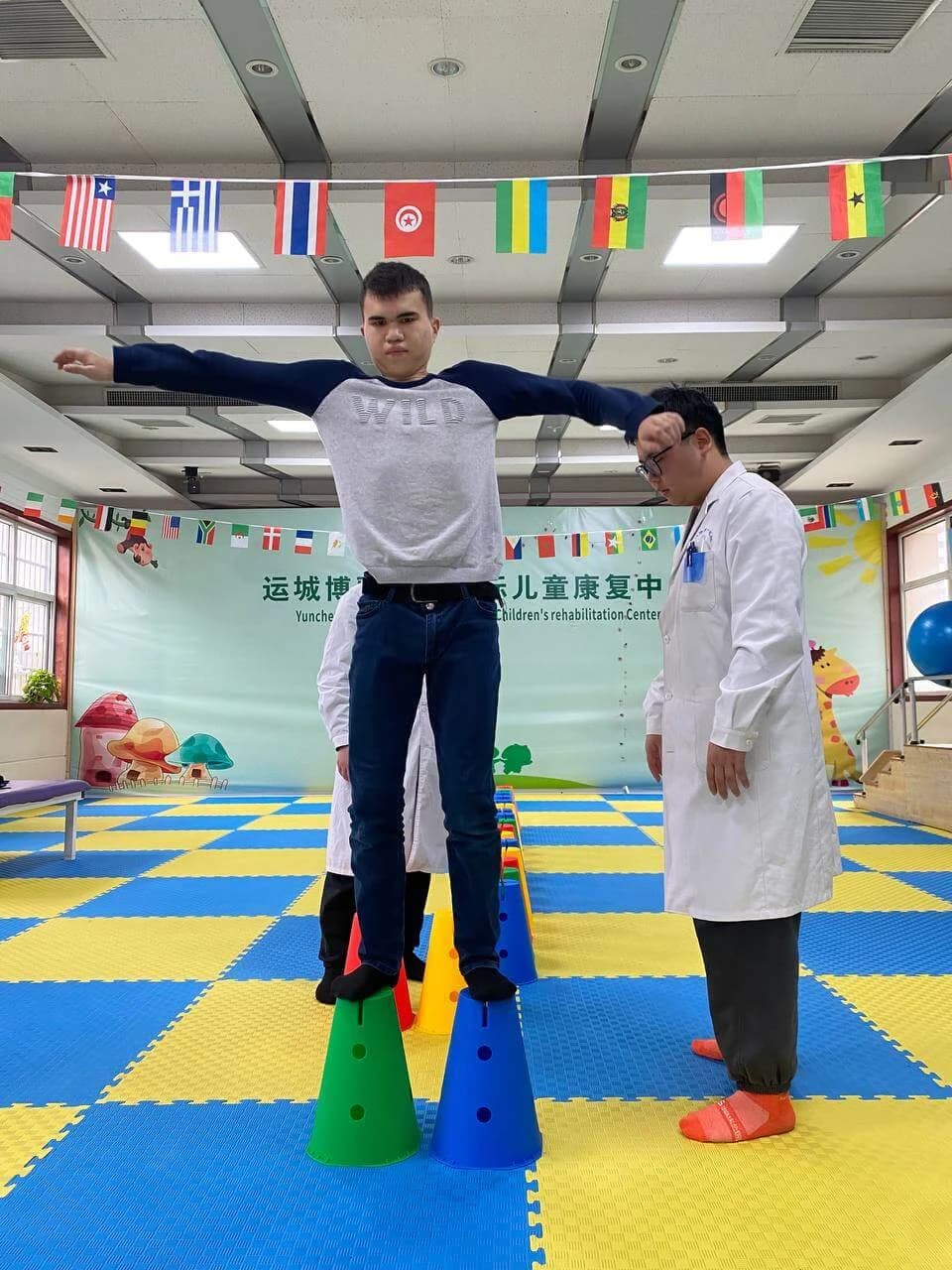
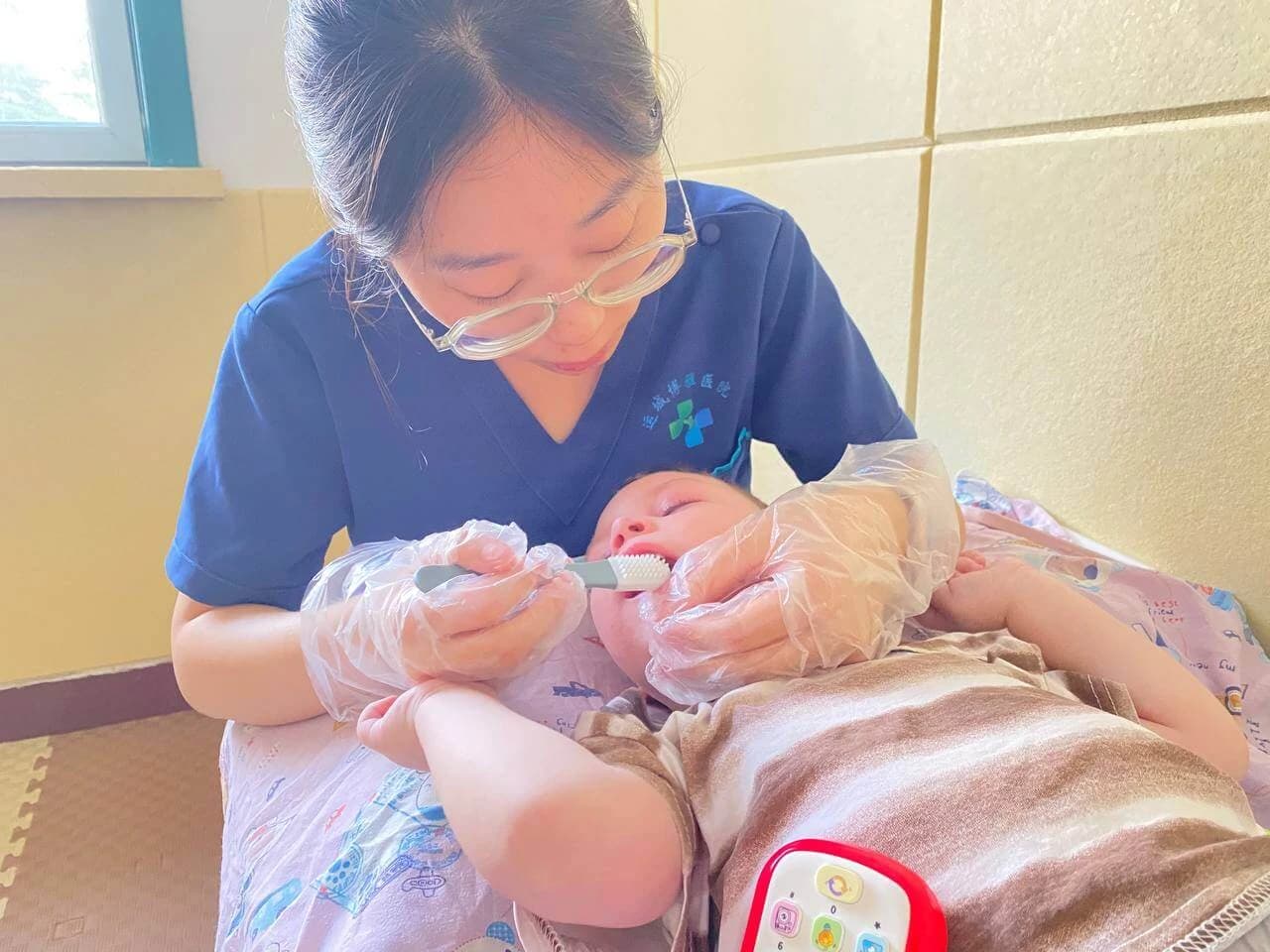
At Boya Hospital (Yuncheng, Shanxi Province) such children are worked with inside the general pediatric neurological rehabilitation program, but with an adjustment to pace. Sensory integration sessions reduce the overload that makes being around people hard. Occupational therapy provides clear shared activities — with a predictable beginning and end, where interaction is not frightening. The speech therapist joins in once the child is ready to answer. Relaxing Traditional Chinese Medicine procedures — pediatric Tui Na massage, herbal compresses, moxotherapy — help release tension and get through a full day more easily; acupuncture and scalp acupuncture are prescribed by the doctor when indicated. Sessions run 6 days a week.
Why force does not work here
Withdrawal is a defense, and it responds to pressure by intensifying. A child who is persistently "brought out to the other children" finds the situation more frightening, and the avoidance gets locked in. That is why the first days of a course at Boya are given over to settling in: short sessions, a familiar adult nearby, a predictable schedule. The range of situations widens in small steps — first one specialist, then a room with other children, then noisier formats. This approach is slower at the start, but the result holds longer.
What parents should watch for
An honest measure of progress in withdrawal is not "the child became sociable" but a widening comfort zone: more places and people they feel fine around, less time needed to adapt to something new, fewer refusals to take part. This is exactly what is tracked during the course, and the program is adjusted from these observations. The recommended length is 2–3 months. The document-based consultation is free, and there is no prepayment: you pay on site and only for what your child has actually received.
Causes
Withdrawal has different causes, and telling them apart matters. With Autism Spectrum Disorder the child usually feels no need for communication. With anxiety the need is there, but fear overrides it. A separate cause is sensory overload: a crowded, noisy place is simply unbearable.
Symptoms
The child moves away from the group, plays alone, does not answer unfamiliar people, and has flat facial expression and sparse gestures. In a new place they may freeze, cry, or cling to a parent. Sleep difficulties and irritability sometimes come with it.
Diagnostics
The assessment involves a neurologist, a psychiatrist, and a psychologist: observation of behavior in both free and structured situations, a conversation with the parents, and evaluation of speech and play. Hearing is always checked — a child who hears poorly also looks withdrawn.
Prognosis and rehabilitation approach
Withdrawal calls for gradual steps: the more pressure, the firmer the avoidance. The work goes through familiarization with the setting, predictability, and pleasant experiences of interaction. When started early, most children noticeably widen the range of situations in which they feel at ease.
How rehabilitation works
Diagnostics
Comprehensive examination and patient assessment by an international team of specialists
Rehabilitation plan
Development of an individual rehabilitation program considering diagnosis specifics
Therapy
Intensive course of procedures: physical therapy, massage, physiotherapy, acupuncture and other methods
Results
Progress evaluation, home recommendations and maintenance therapy plan
Rehabilitation procedures: Social Withdrawal
Frequently asked questions: Social Withdrawal
Book a free consultation
Send us the medical records and a short video — Boya doctors will review the materials and tell you how they can help. A coordinator will get back to you within 5 minutes.