Rehabilitation for Self-injury at Boya Clinic
The child hits their own head, bites their hands, scratches, or bangs their head against the wall. Boya Hospital in Yuncheng approaches this behavior gently and step by step, within pediatric neurological rehabilitation: physical pain is ruled out first, then sensory overload is reduced and the child is given another way to communicate. Sessions run 6 days a week, the course is 2–3 months, with payment on site.
What is Self-Injurious Behavior?
Self-injurious behavior means actions through which a child causes pain to themselves: hitting their head with a hand or an object, biting their hands and forearms, scratching the skin, banging their head against something hard, pulling out hair. For parents this is one of the hardest things to witness, and the first thing worth knowing is that the child does not do it out of spite or to get their way at any cost. Most often it is the only available means of coping with pain, sensory overload, or anxiety — or of reporting them when there is no speech, or very little. Such behavior is seen above all in Autism Spectrum Disorder, developmental delay, and pronounced sensory differences.
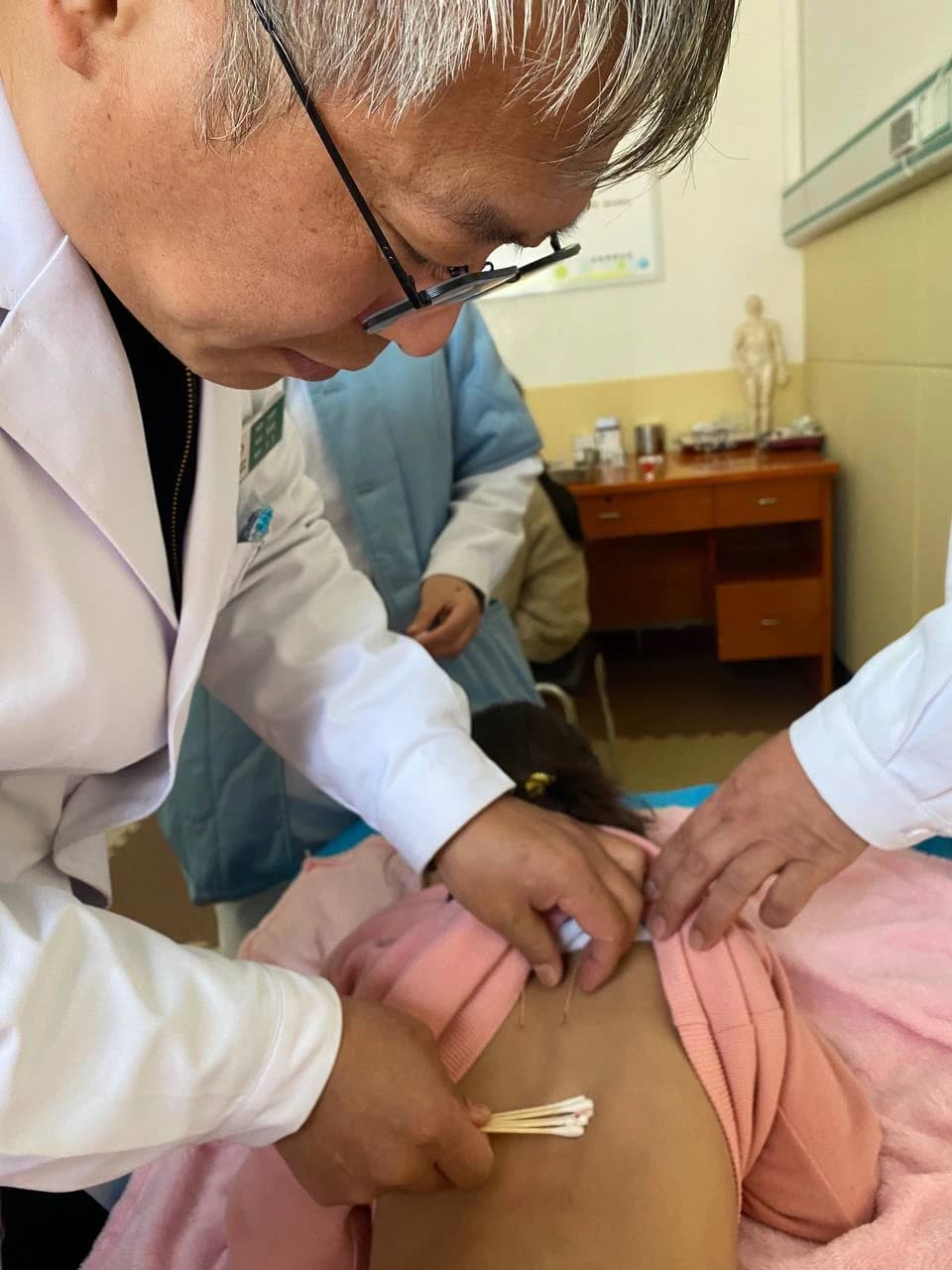
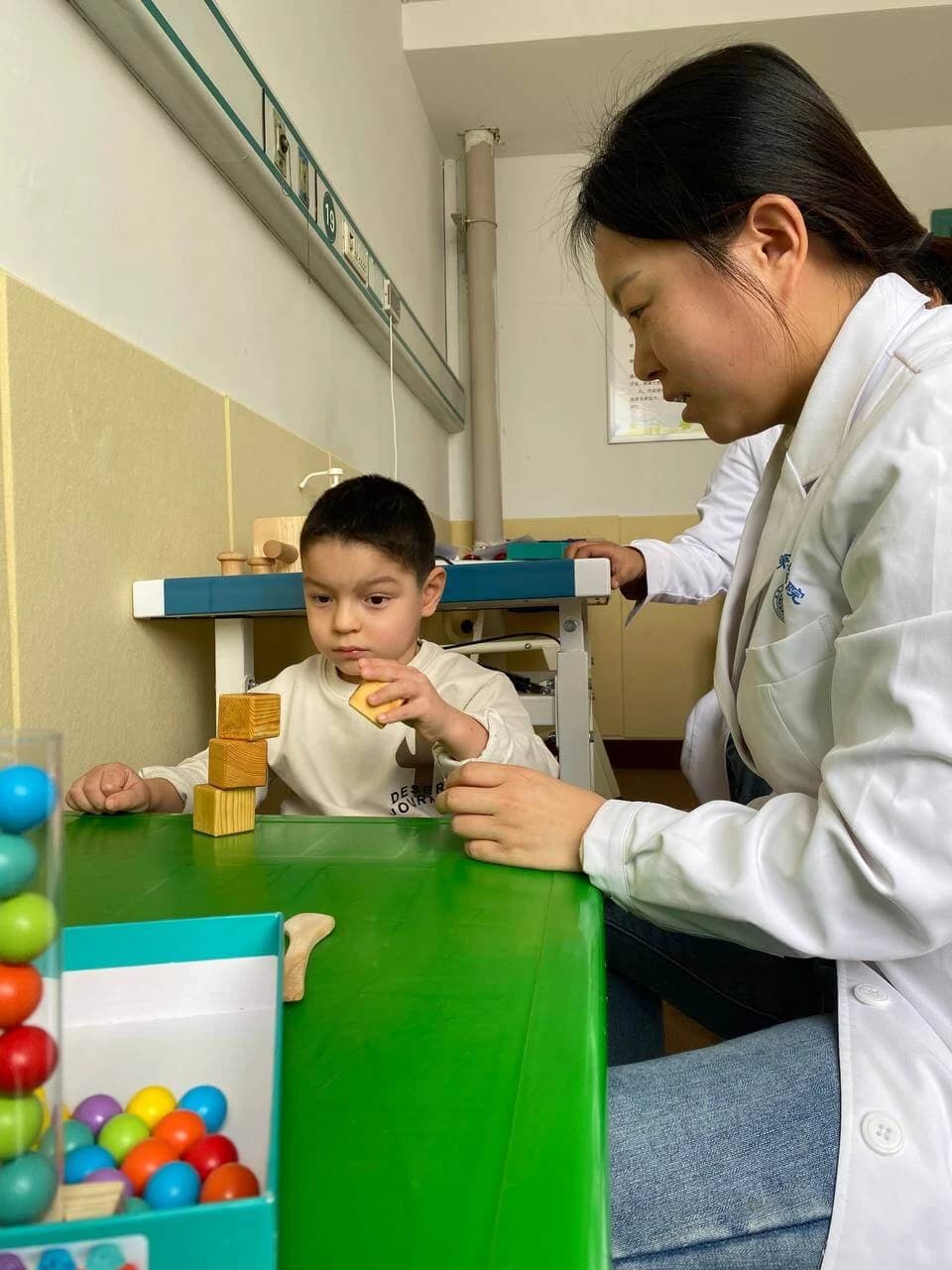
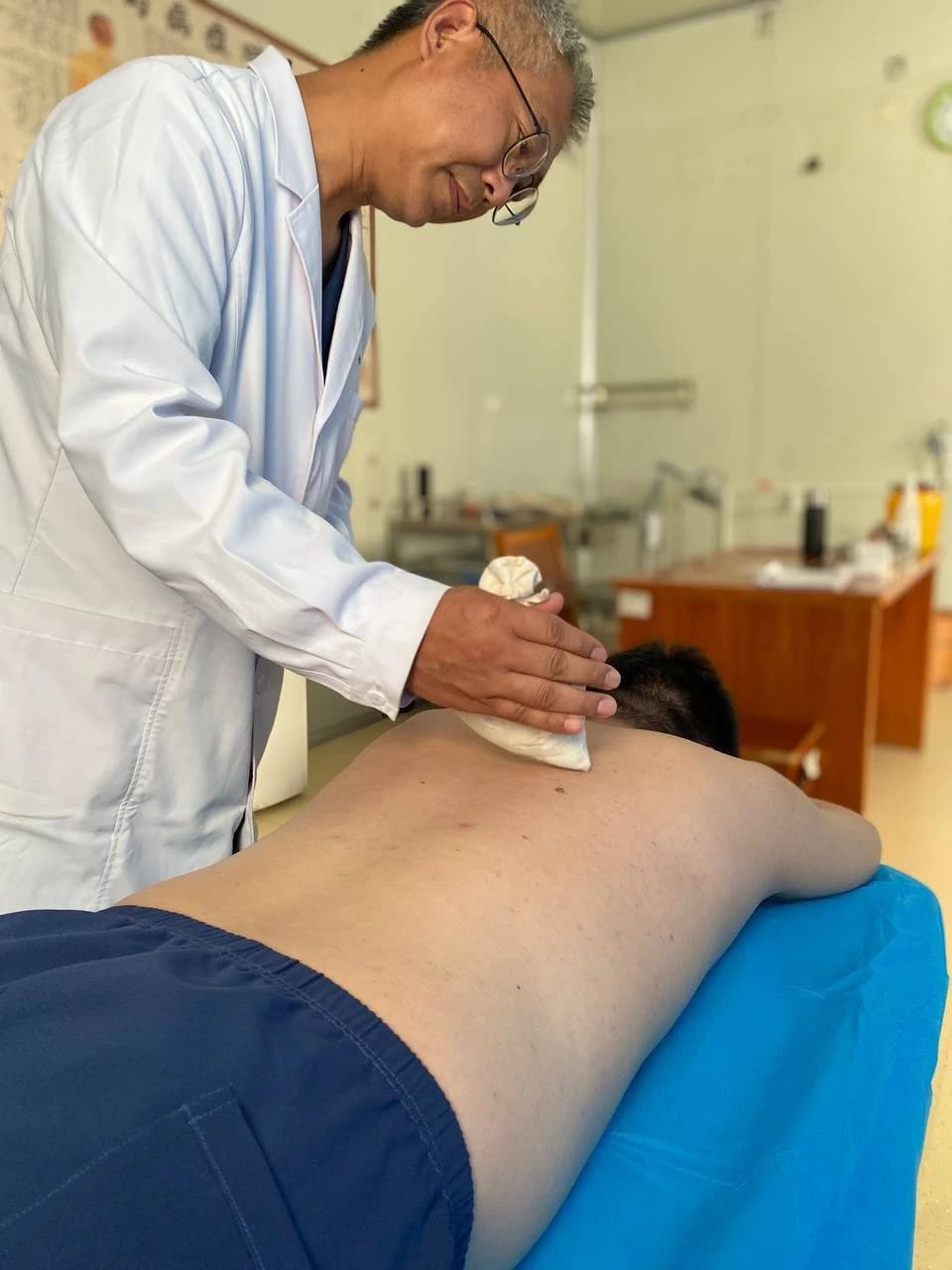
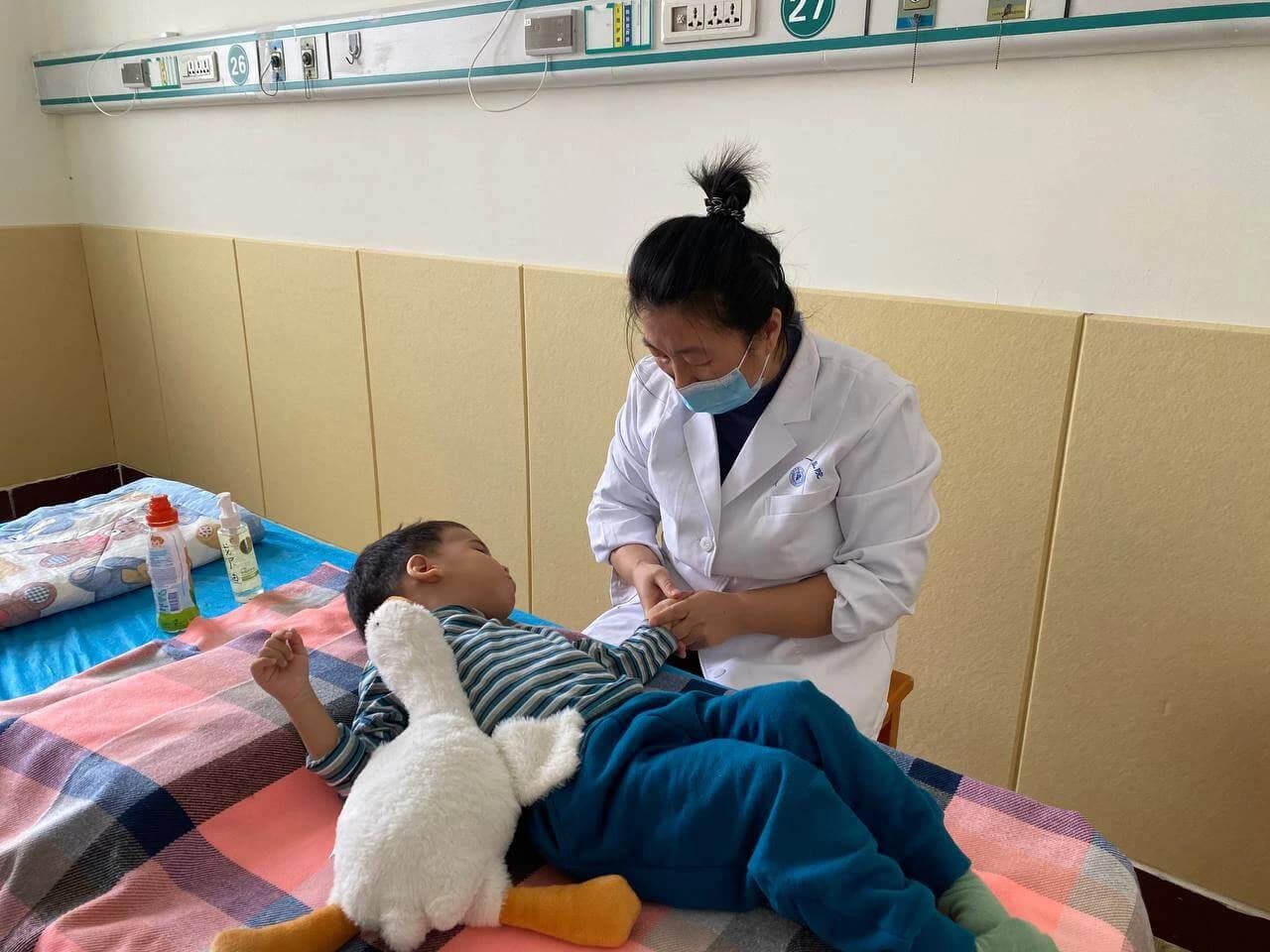
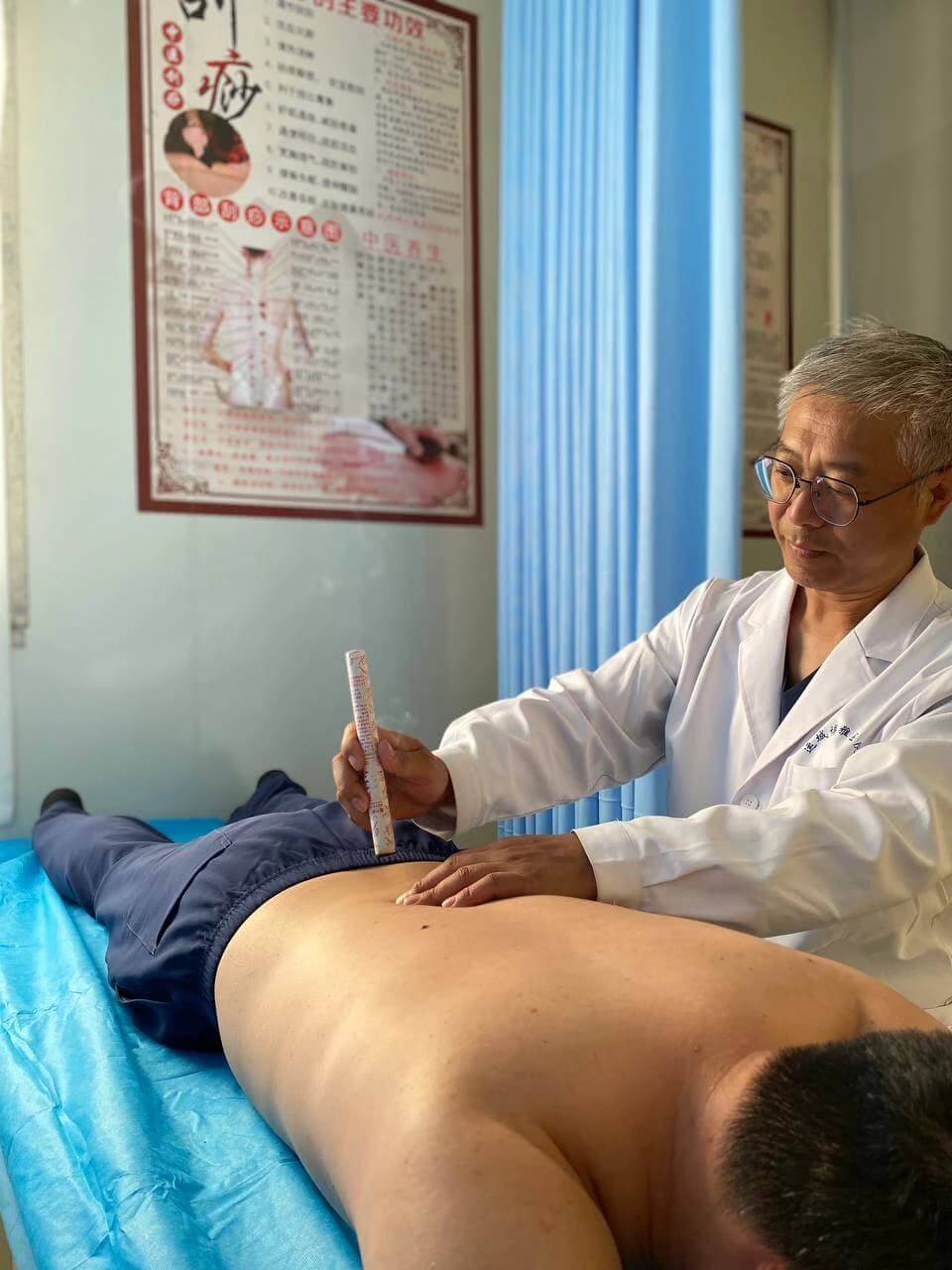
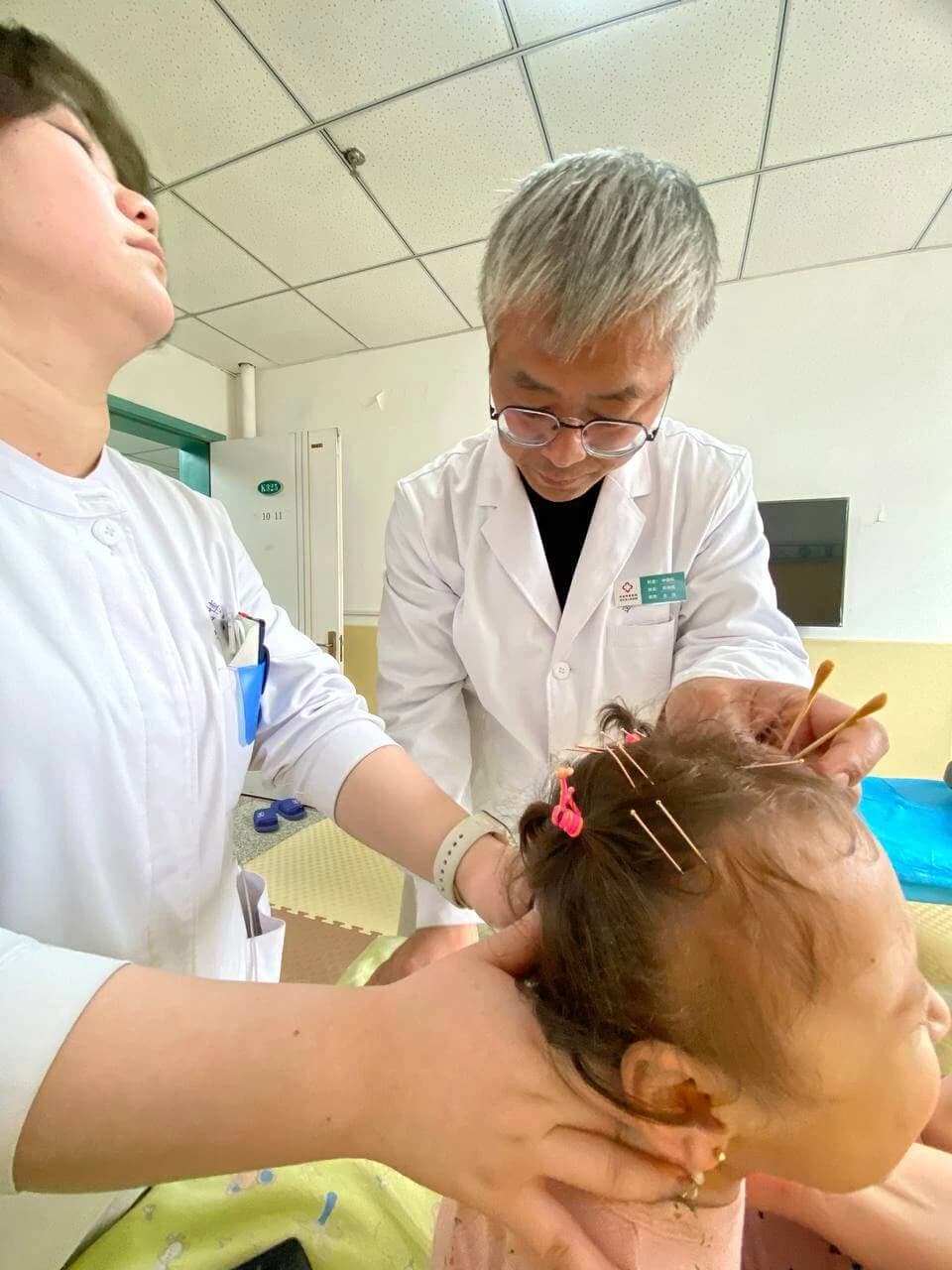
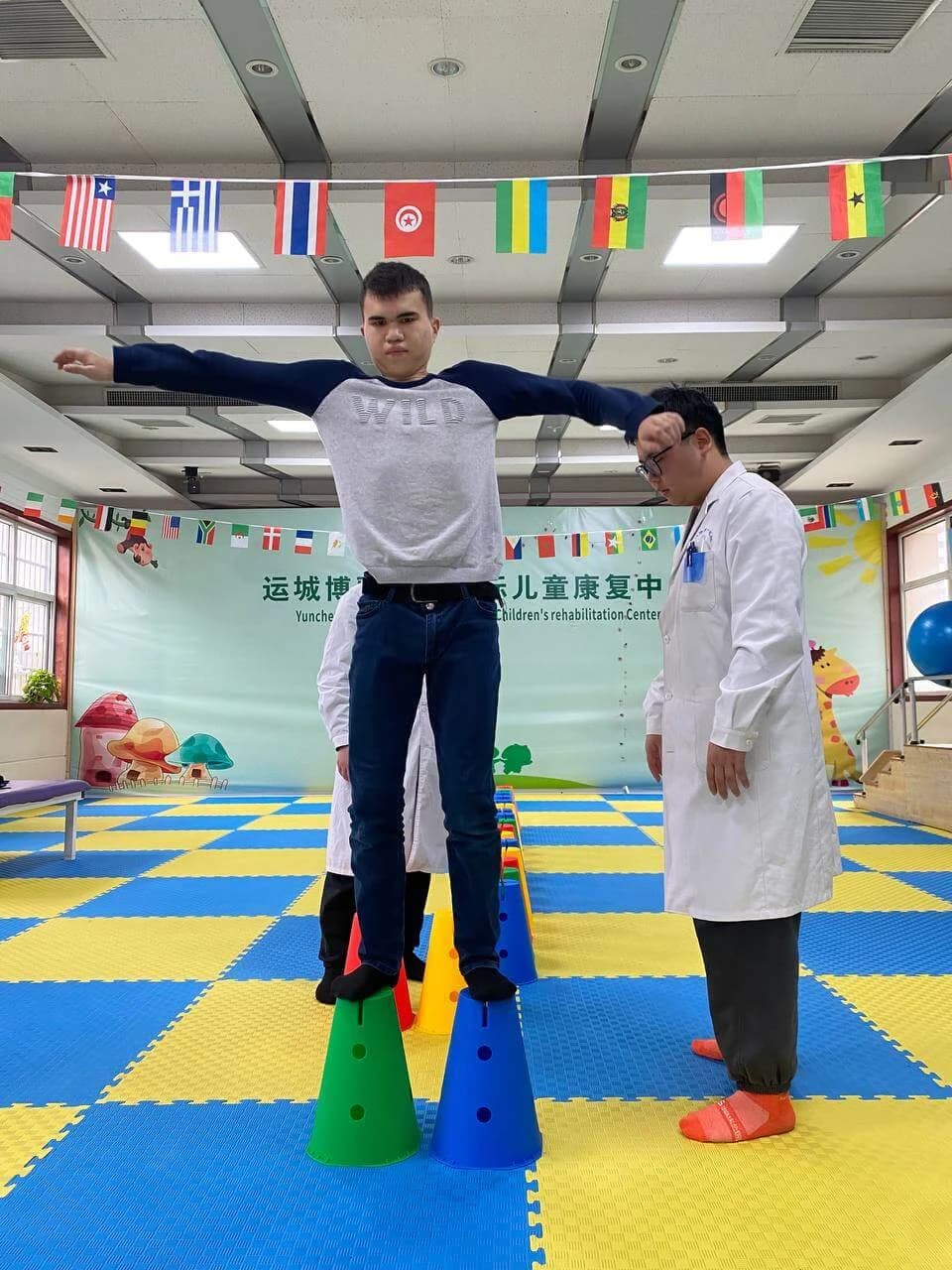
At Boya Hospital (Yuncheng, Shanxi Province) such children are worked with inside the general pediatric neurological rehabilitation program, but with a mandatory first step: ruling out physical pain. Sensory integration follows: it reduces overload and gives the child the input they need in a safe form — through swings, weighted items, tactile materials. Occupational therapy keeps the hands busy with a meaningful activity and makes the day predictable. The speech therapist works on giving the child an available way to communicate: a word, a gesture, a card. Gentle Traditional Chinese Medicine procedures — pediatric Tui Na massage, herbal compresses, moxotherapy — release tension and make a full day easier to get through; acupuncture and scalp acupuncture are prescribed by the doctor when indicated and with regard to how the child reacts. Sessions run 6 days a week.
First — rule out pain
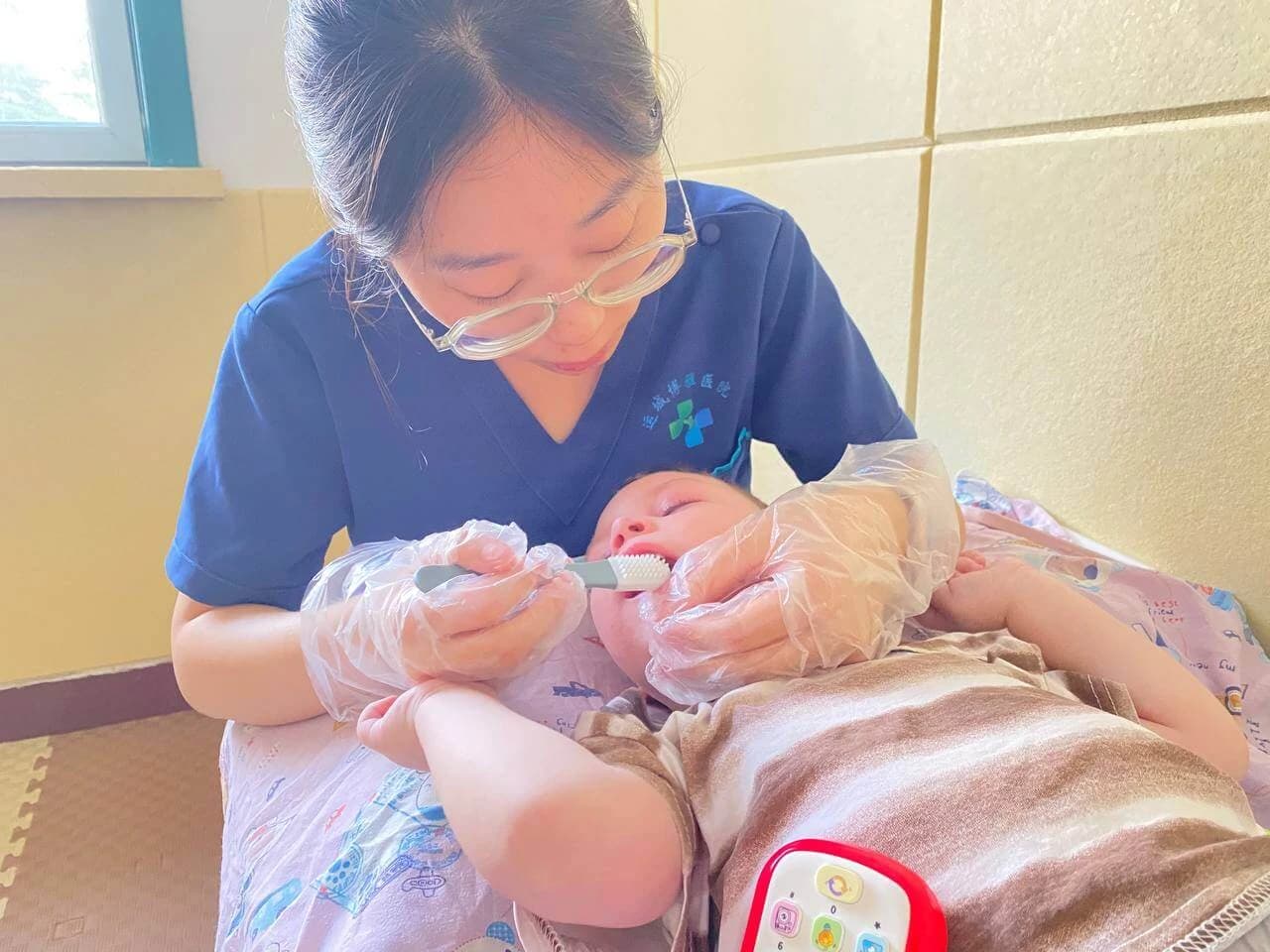
The rule sounds simple, yet it is the one most often skipped. A child who does not speak reports pain the only way available: hitting their head during an ear infection or teething, hitting the stomach during cramps, hitting the cheek when a tooth hurts. So a dental, ENT, and pediatric examination is worth completing before the trip, with the results attached to the documents. Episodes often drop noticeably as soon as the source of pain is found and removed — and only after that does it make sense to work through the sensory and emotional side.
What matters for parents
Parents usually have the hardest time in this situation, and guilt has no place here: self-injury is not a consequence of parenting. The practical part of the work is ensuring safety (soft coverings, dangerous objects put away, keeping the child safe during an episode) and keeping short notes on what precedes the episodes. A realistic goal for a course is to reduce how often and how hard the episodes happen and to give the child another way to communicate — not to make the behavior disappear within a week. The recommended length is 2–3 months. The document-based consultation is free, and there is no prepayment: you pay on site and only for what your child has actually received.
Causes
Self-injury is most often seen in children with Autism Spectrum Disorder, developmental delay, and pronounced sensory differences. The reasons vary: hidden physical pain (teeth, ears, stomach, head), sensory overload, strong anxiety, or the inability to put a need into words.
Symptoms
Hitting the head with a hand or an object, biting the hands and forearms, scratching the skin, banging the head against something hard, pulling out hair. There are usually patterns: a certain time of day, a certain setting, tiredness, or noise.
Diagnostics
First comes an ordinary physical examination to rule out pain: teeth, ears, throat, stomach, headache. Then the sensory profile is assessed and specialists observe what precedes the episodes and what follows them. The task is to understand what job the self-injury does for this particular child.
Prognosis and rehabilitation approach
On its own this behavior usually does not go away, but it responds well to systematic work with the cause. The order of steps is: remove pain — reduce overload — provide an available way to communicate. Physical restraint and bans without replacing the behavior usually only intensify the episodes.
How rehabilitation works
Diagnostics
Comprehensive examination and patient assessment by an international team of specialists
Rehabilitation plan
Development of an individual rehabilitation program considering diagnosis specifics
Therapy
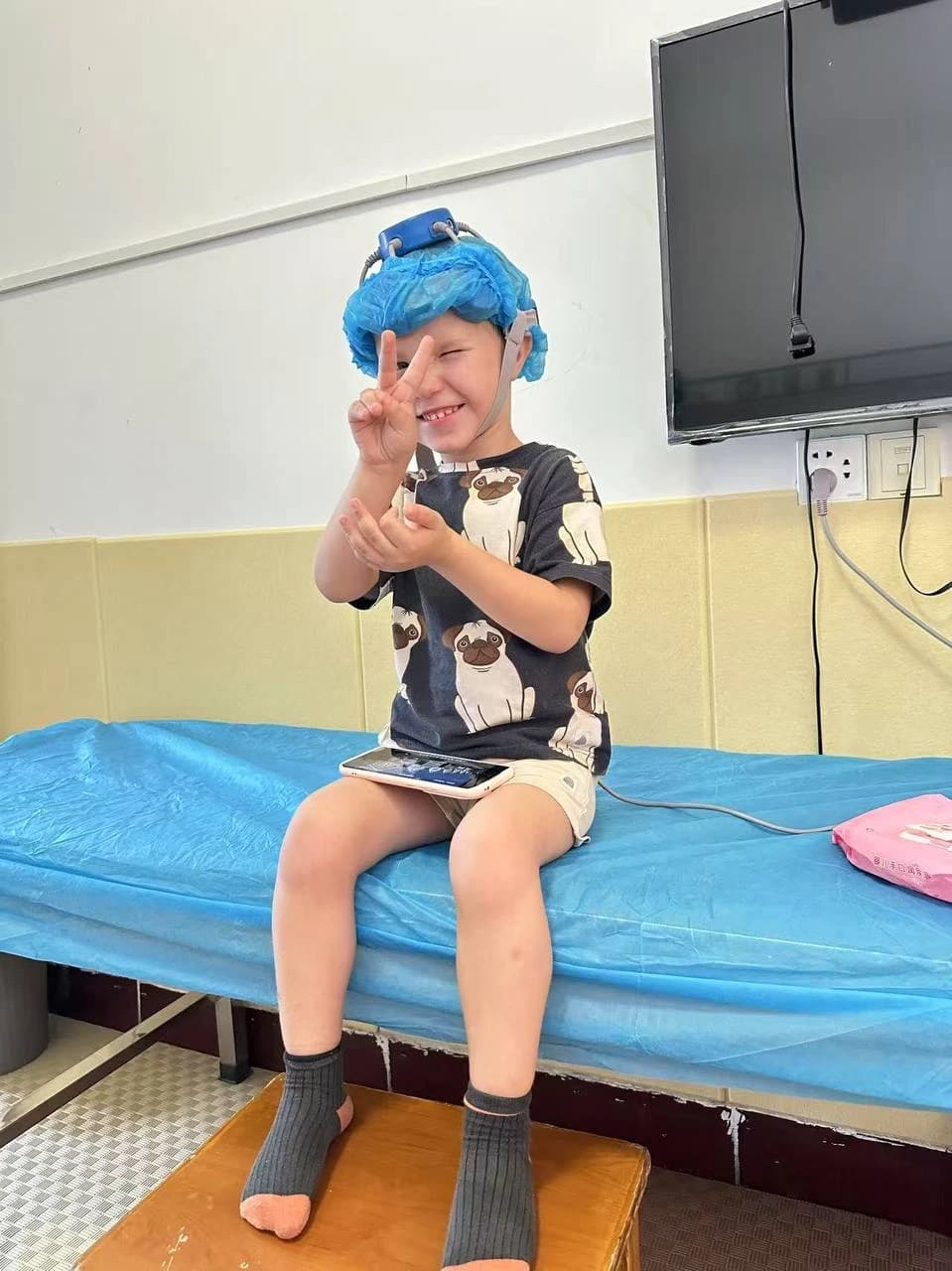
Intensive course of procedures: physical therapy, massage, physiotherapy, acupuncture and other methods
Results
Progress evaluation, home recommendations and maintenance therapy plan
Rehabilitation procedures: Self-Injurious Behavior
Frequently asked questions: Self-Injurious Behavior
Book a free consultation
Send us the medical records and a short video — Boya doctors will review the materials and tell you how they can help. A coordinator will get back to you within 5 minutes.