
Rehabilitation for Joint attention at Boya Clinic
The child does not follow an adult's pointing, does not point and say "look!", and does not share a discovery. This is called a lack of joint attention. The skill looks like a small thing, yet speech and communication grow out of it. Boya Hospital in Yuncheng works on it within pediatric neurological rehabilitation: sensory integration, occupational therapy, speech therapy, and Chinese medicine methods, 6 days a week, with a 2–3 month course.
What is Lack of Joint Attention?
Joint attention is the ability of a child and an adult to focus at the same time on one object or event, both understanding that they are doing it together. It looks entirely ordinary: a toddler turns toward what the adult pointed at, or points at a passing car themselves and glances back — "see it?" When the skill is missing, the child does not follow the pointing, does not point themselves, does not bring a discovery to show, and does not share delight with a glance. The landmark for parents is 18 months: by that age the pointing gesture is usually there. Its absence often belongs to the early picture of Autism Spectrum Disorder, but on its own it is not a diagnosis — it is a reason to have the child seen by a specialist and to establish the cause.
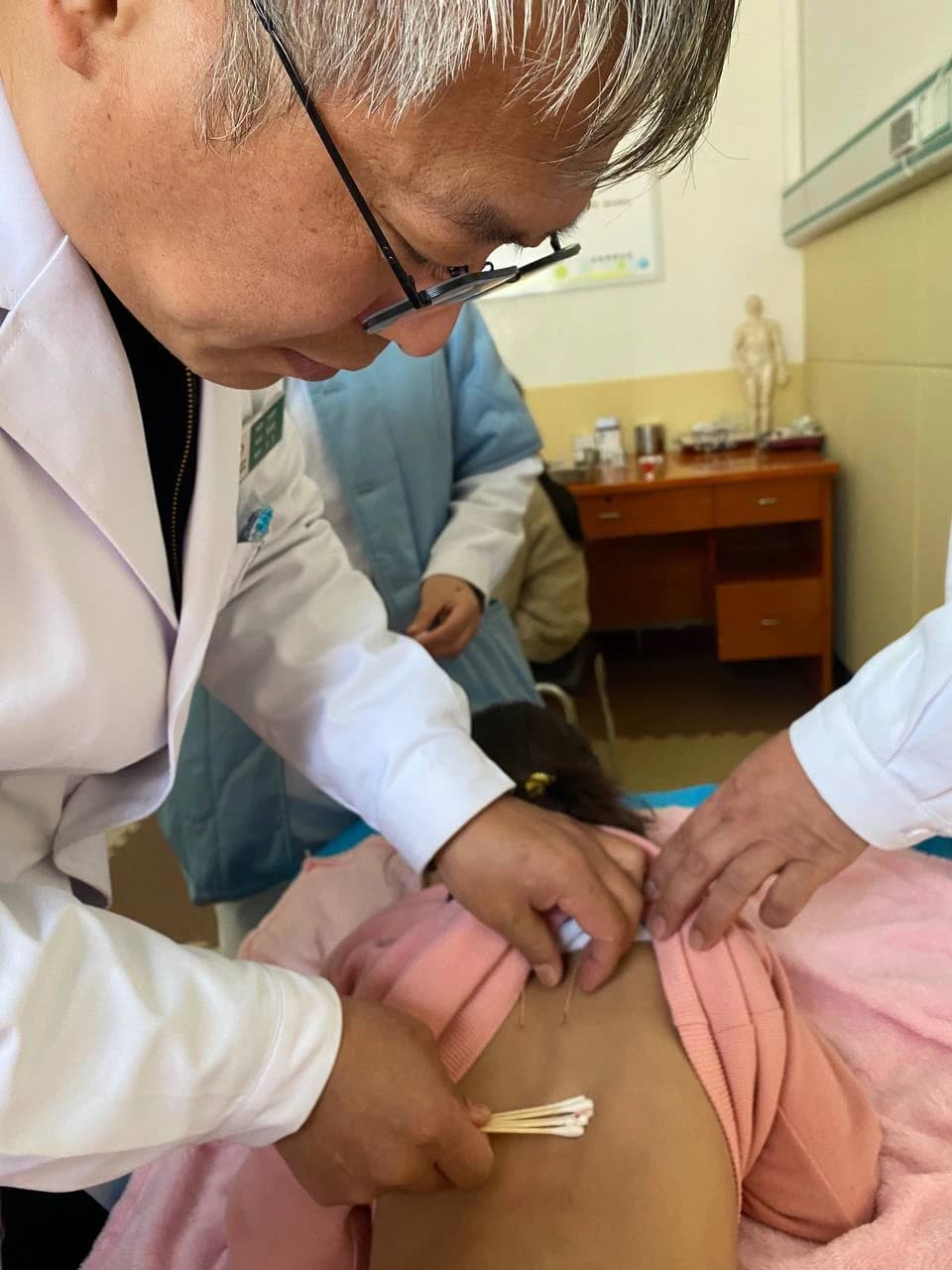
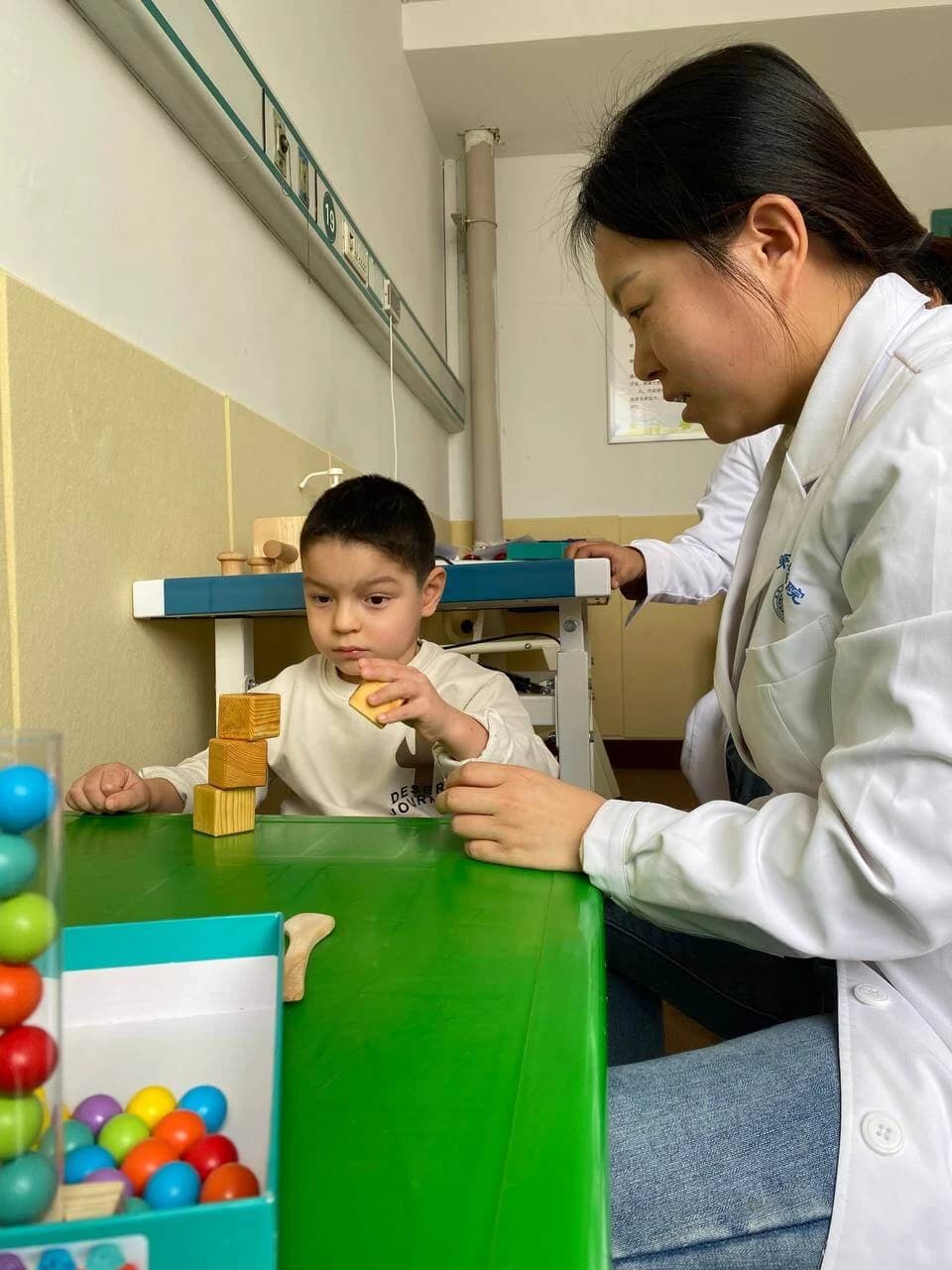
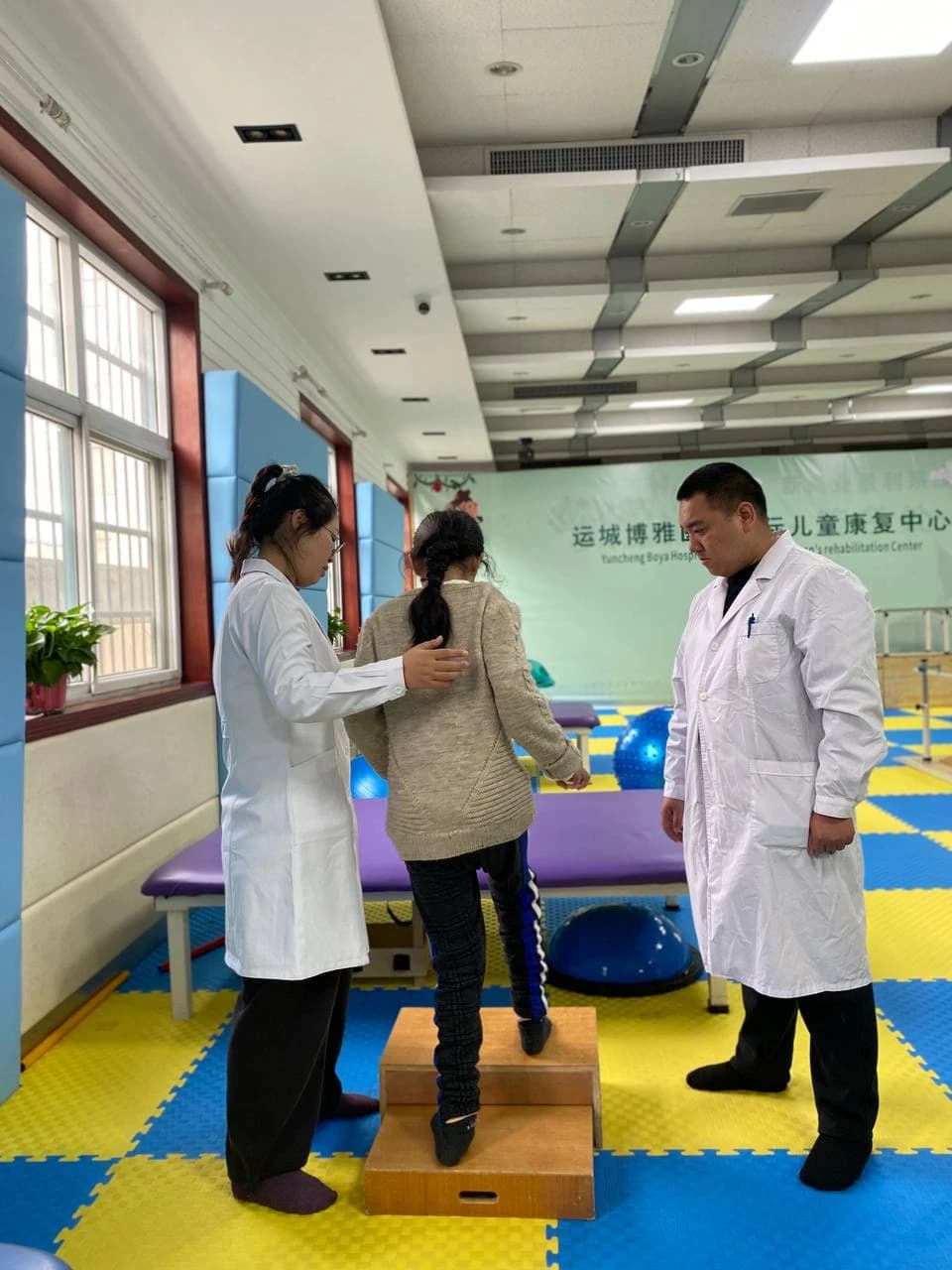
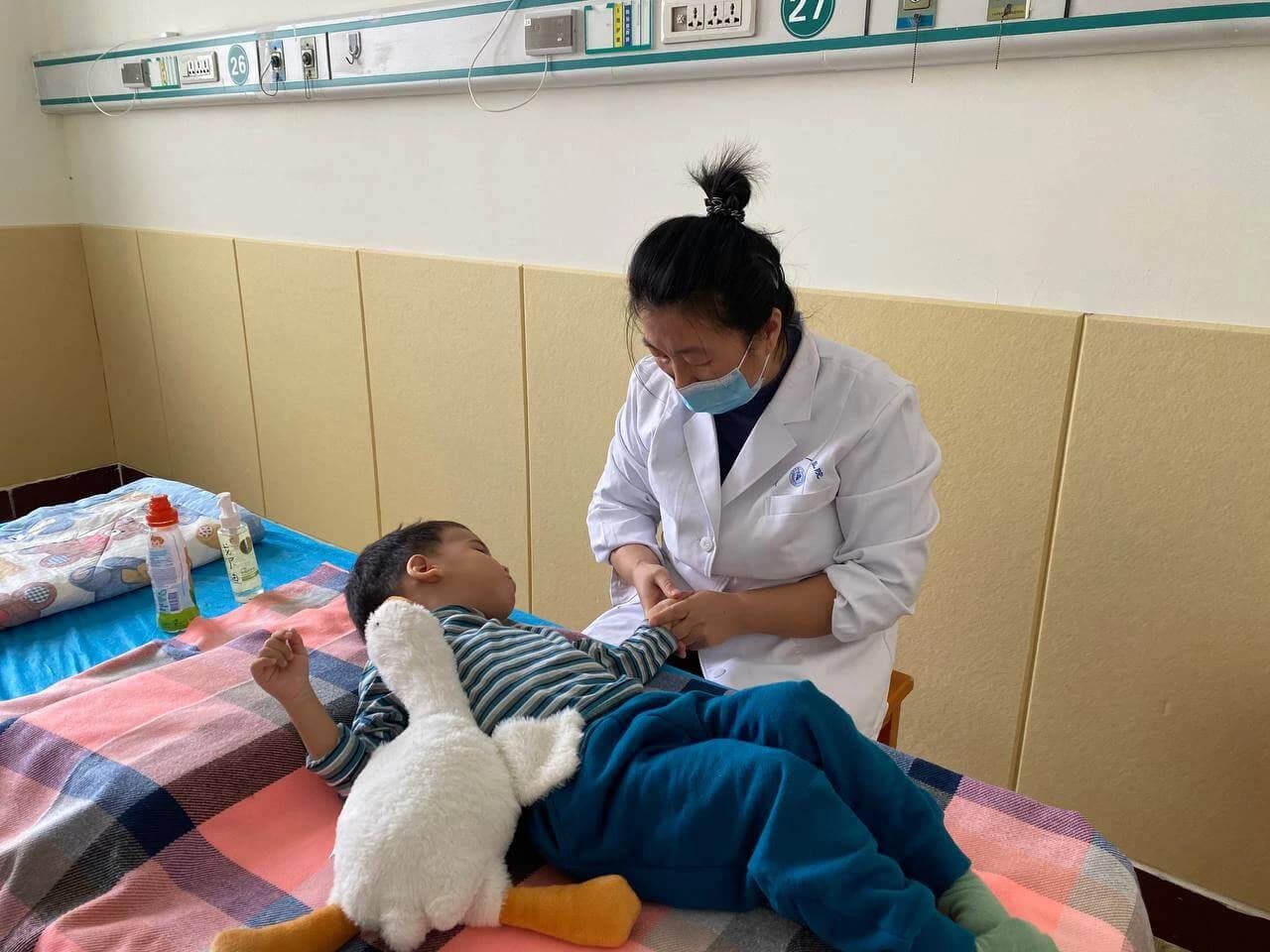
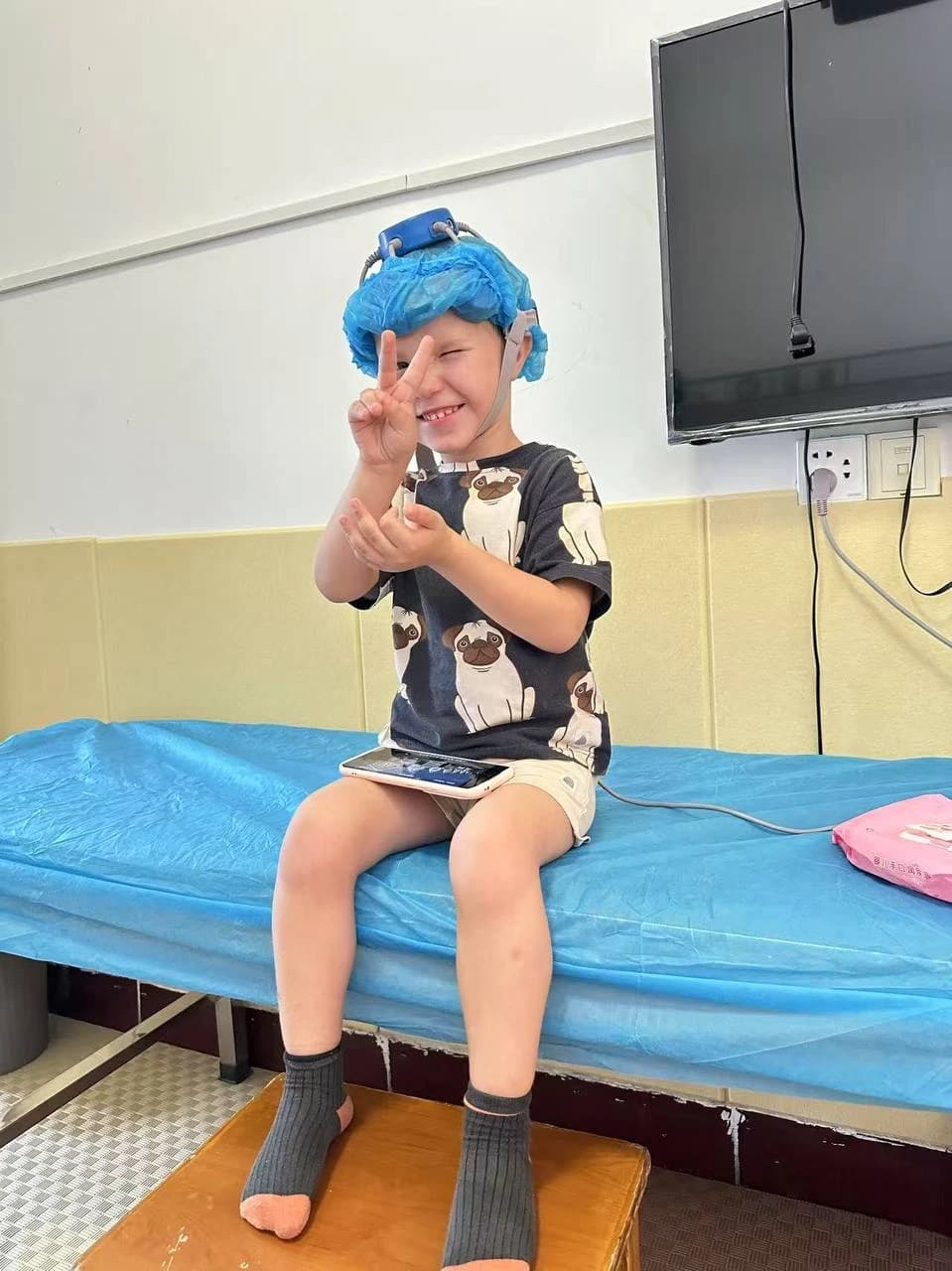
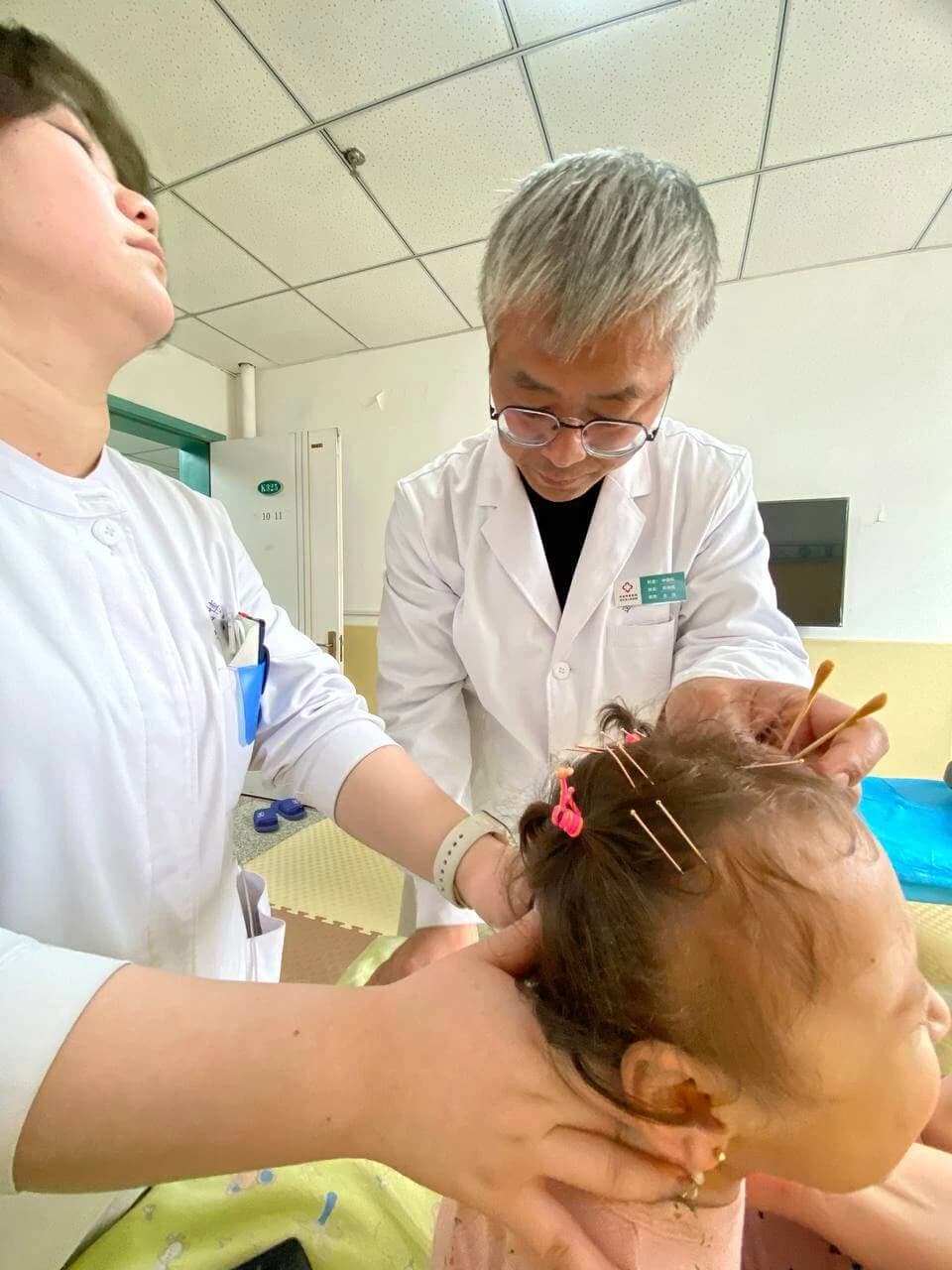
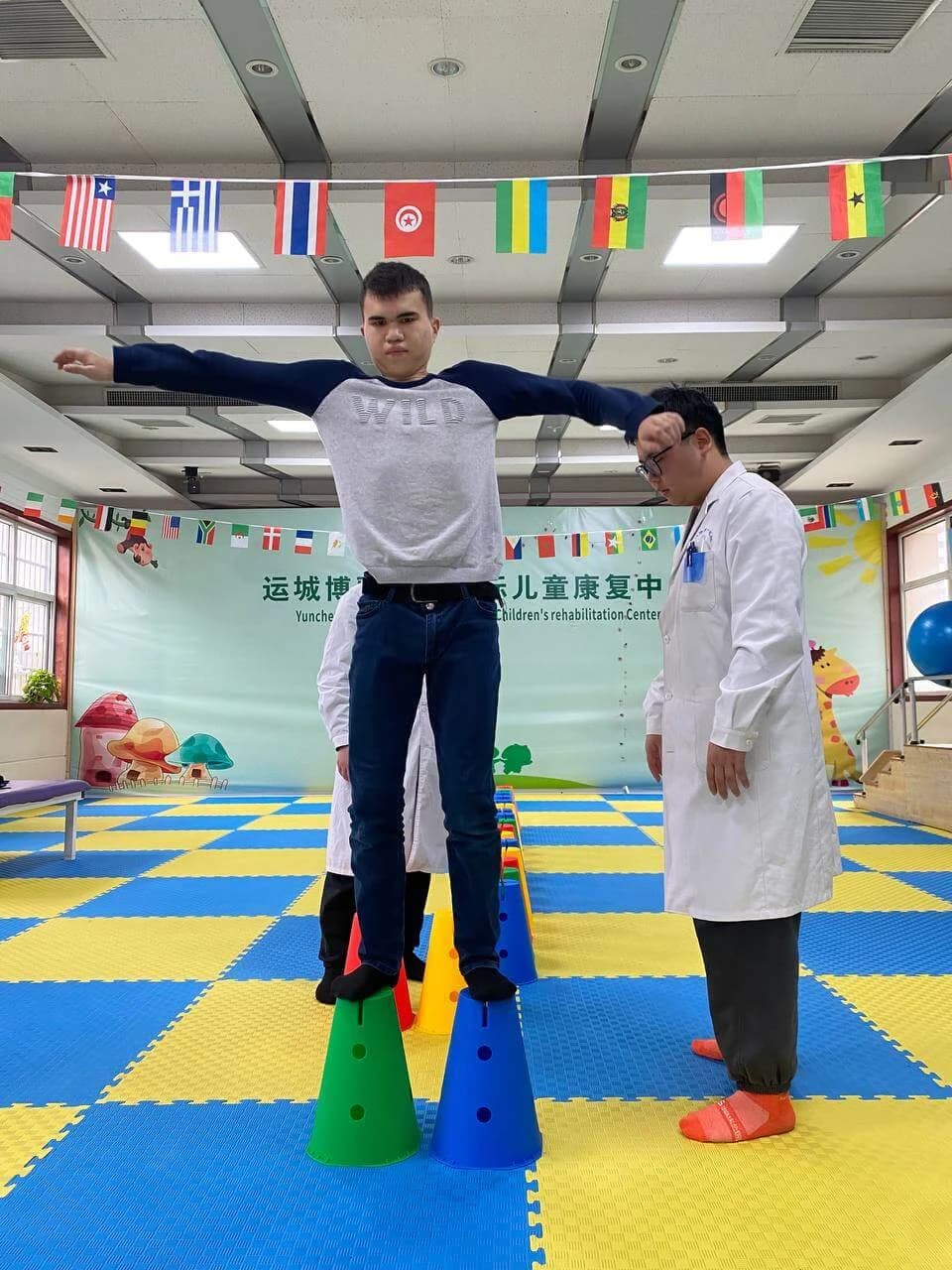
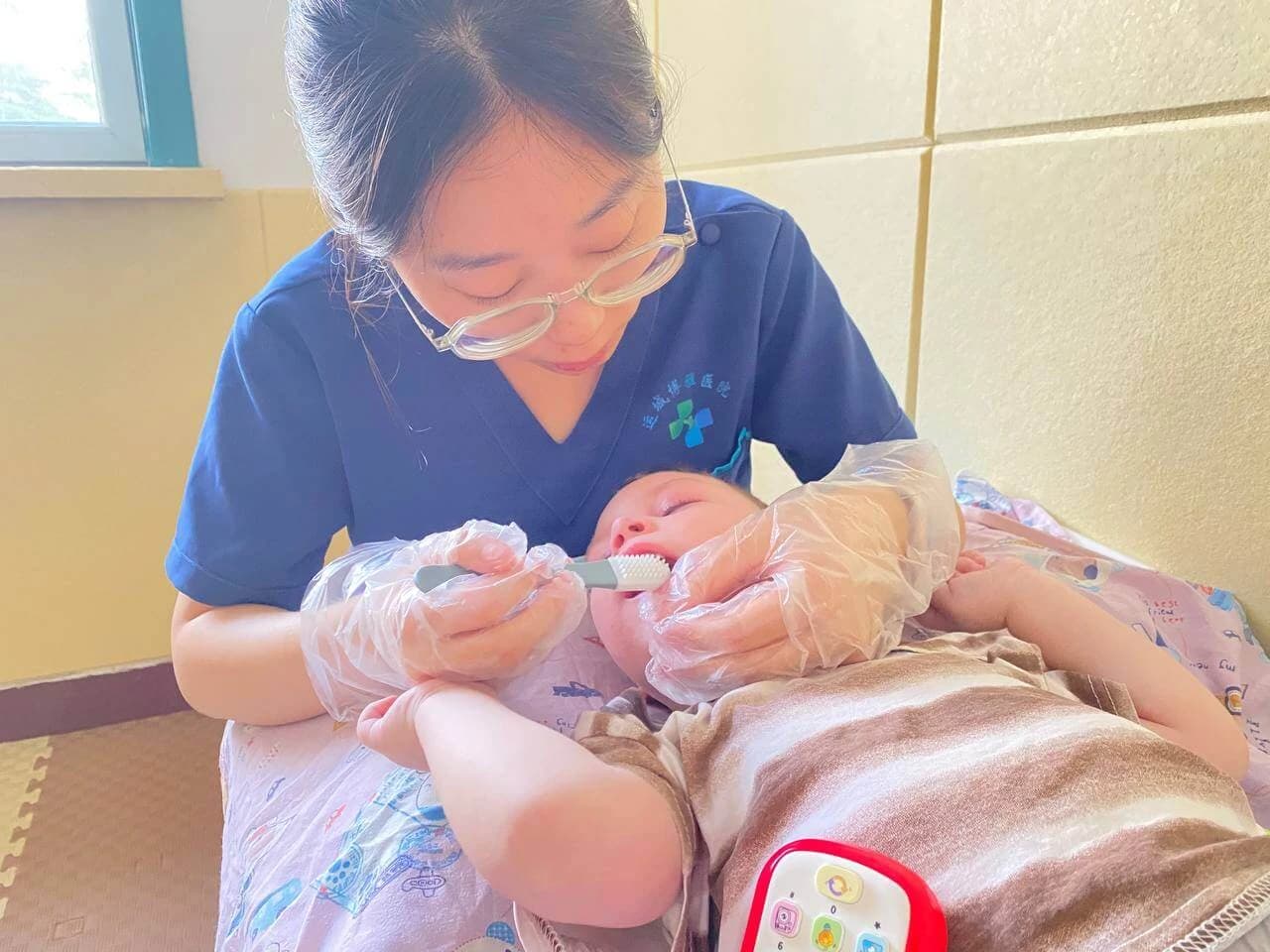
At Boya Hospital (Yuncheng, Shanxi Province) joint attention is worked on within pediatric neurological rehabilitation, and almost always in action rather than at a table. Occupational therapy creates natural reasons to look at each other: hand over a part, wait your turn, carry or assemble something together. Sensory integration removes the overload that makes it hard for the child to hold attention on any one thing. Exercise therapy is added when motor difficulties get in the way, and the speech therapist attaches a word to what the adult and the child are already looking at together. The program is complemented by Traditional Chinese Medicine methods — acupuncture, scalp acupuncture, pediatric Tui Na massage — and by apparatus-based physiotherapy as prescribed by the doctor. Sessions run 6 days a week.
Why this skill is considered basic
Speech does not appear in a vacuum: to remember the name of an object, a child has to look at that object at the same moment as the adult naming it. The same goes for imitation — you cannot repeat an action you never noticed. That is why joint attention is one of the first things addressed in rehabilitation: once it appears, imitation, comprehension of speech, and first words usually follow. Progress is tracked during the course — does the child "drop out" of a shared task less often, has the gesture appeared, do they glance back at the adult on their own.
How the course is organized
The recommended length is 2–3 months, and the schedule is intensive: 6–9 sessions a day, 6 days a week. This rhythm is needed because the skill is consolidated by repetition in different situations and with different people. Parents take part in the sessions and take home specific techniques: how to join the child's interest, how to hold a pause, how to use the pointing gesture. Getting started is simple: send your child's documents — the consultation based on them is free, and you pay on site and only for procedures actually received.
Causes
Joint attention is the ability to focus together with an adult on one object or event. Its absence is typical for Autism Spectrum Disorder and pronounced delay in psycho-speech development, but it also occurs with other neurological conditions.
Symptoms
The child does not turn toward what an adult points at, does not use a pointing gesture, does not bring or show what they have found, and does not glance back at the adult to share an emotion. Play stays solitary even when someone else is nearby.
Diagnostics
This is assessed through observation: how the child responds to an adult's pointing gesture, whether they use the gesture themselves, and whether they look back at the adult in an interesting moment. In addition — a neurologist's examination, assessment of speech and play, and hearing and vision checks.
Prognosis and rehabilitation approach
Joint attention responds well to play-based work and shared everyday activities. It is a foundation: once the skill appears, imitation, speech comprehension, and first words usually follow. The earlier the work begins, the sooner the shift becomes visible.
How rehabilitation works
Diagnostics
Comprehensive examination and patient assessment by an international team of specialists
Rehabilitation plan
Development of an individual rehabilitation program considering diagnosis specifics
Therapy
Intensive course of procedures: physical therapy, massage, physiotherapy, acupuncture and other methods
Results
Progress evaluation, home recommendations and maintenance therapy plan
Rehabilitation procedures: Lack of Joint Attention
Frequently asked questions: Lack of Joint Attention
Book a free consultation
Send us the medical records and a short video — Boya doctors will review the materials and tell you how they can help. A coordinator will get back to you within 5 minutes.