
Rehabilitation for Eye contact at Boya Clinic
The child looks away, does not look at faces, and does not hold eye contact when addressed. This is an early and noticeable signal that deserves a specialist's opinion. Boya Hospital in Yuncheng works with such children within pediatric neurological rehabilitation: sensory integration, speech therapy, and occupational therapy combined with Traditional Chinese Medicine methods. Sessions run 6 days a week, the course is 2–3 months, with payment on site.
What is Lack of Eye Contact?
Lack of eye contact is when a child does not look you in the eye during communication: they turn their gaze away, look past you, or hold it for a fraction of a second. Parents notice this early, because gaze is the very first channel of connection between a child and an adult. The landmarks are simple: at around 4 months a child usually looks at faces and smiles back, and by 12 months, with normal hearing, responds to their own name. If this is missing, autism is not always the reason — reduced hearing, vision problems, pronounced developmental delay, or high sensitivity that makes a direct gaze feel like too strong a stimulus can all look the same. Only a specialist can establish the cause, and this is a case where it is better to come early than late.
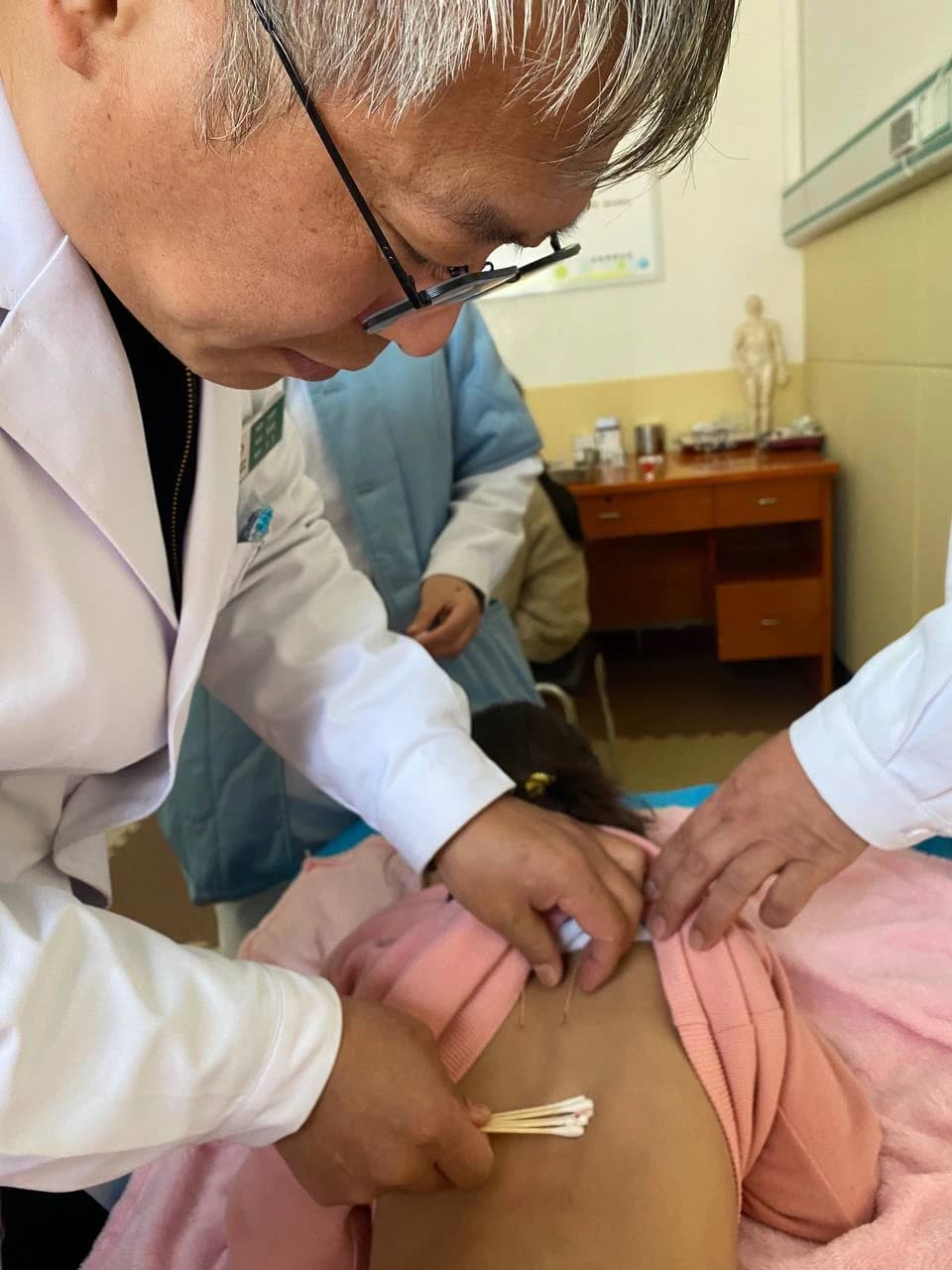
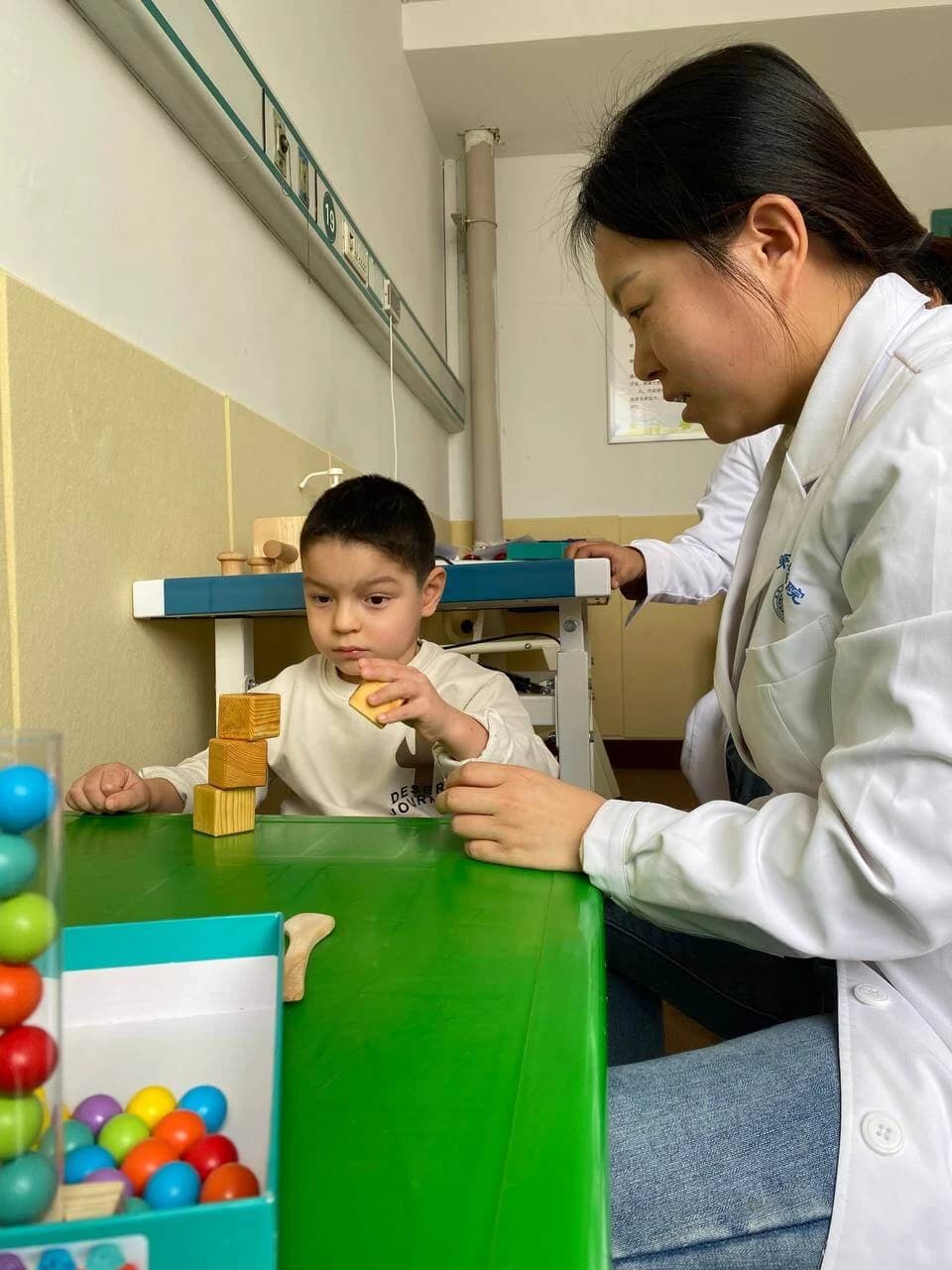
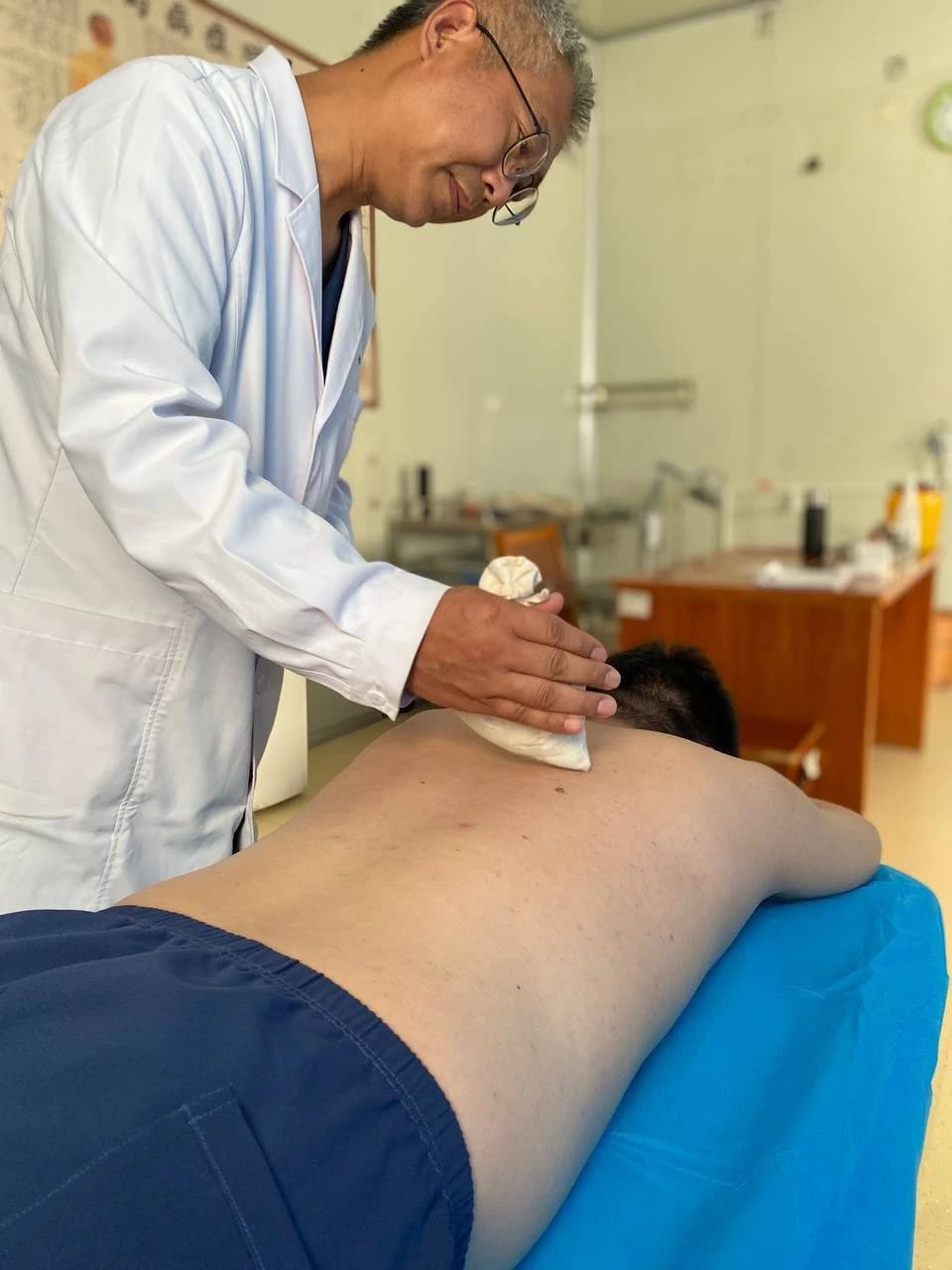
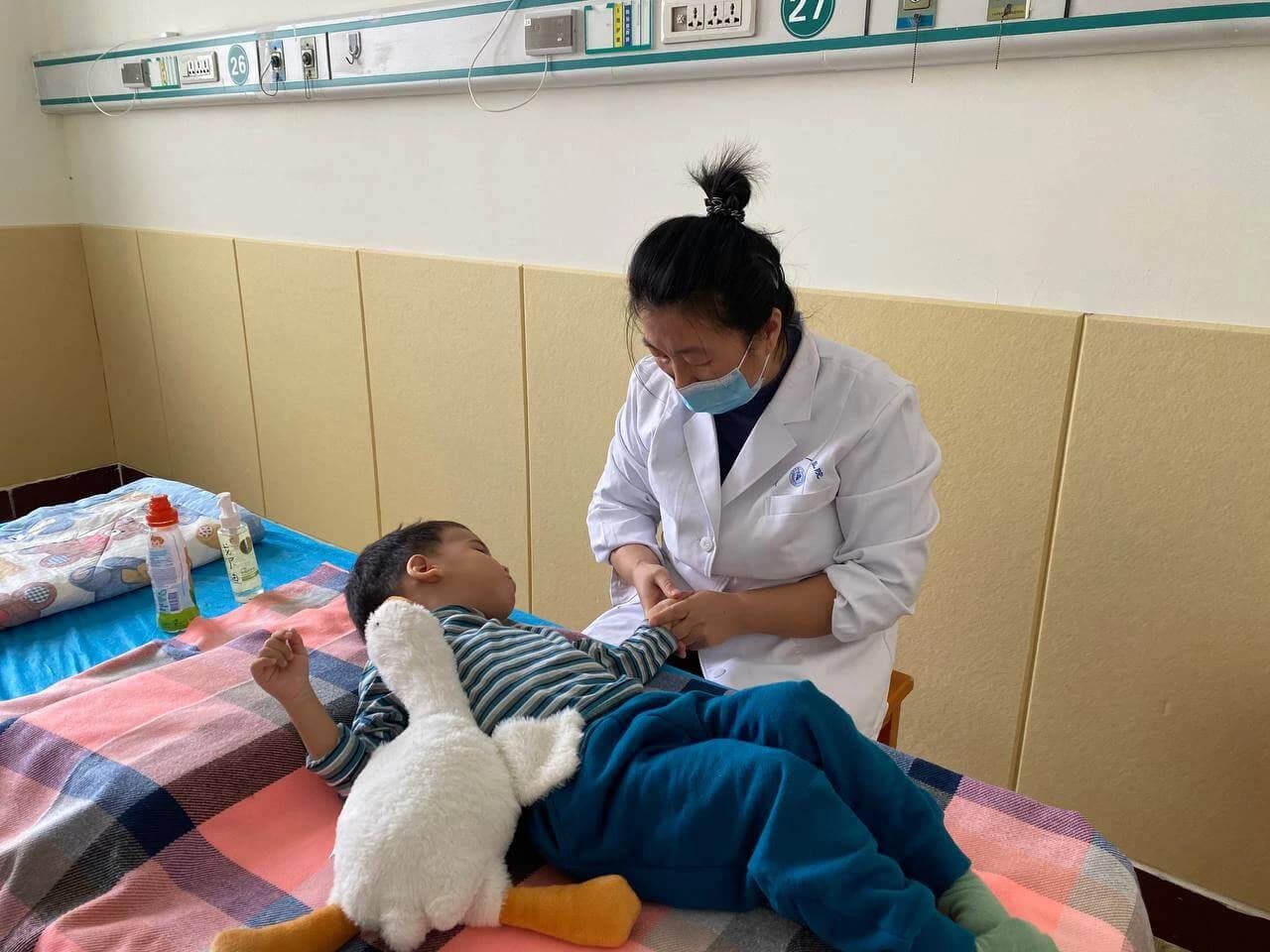
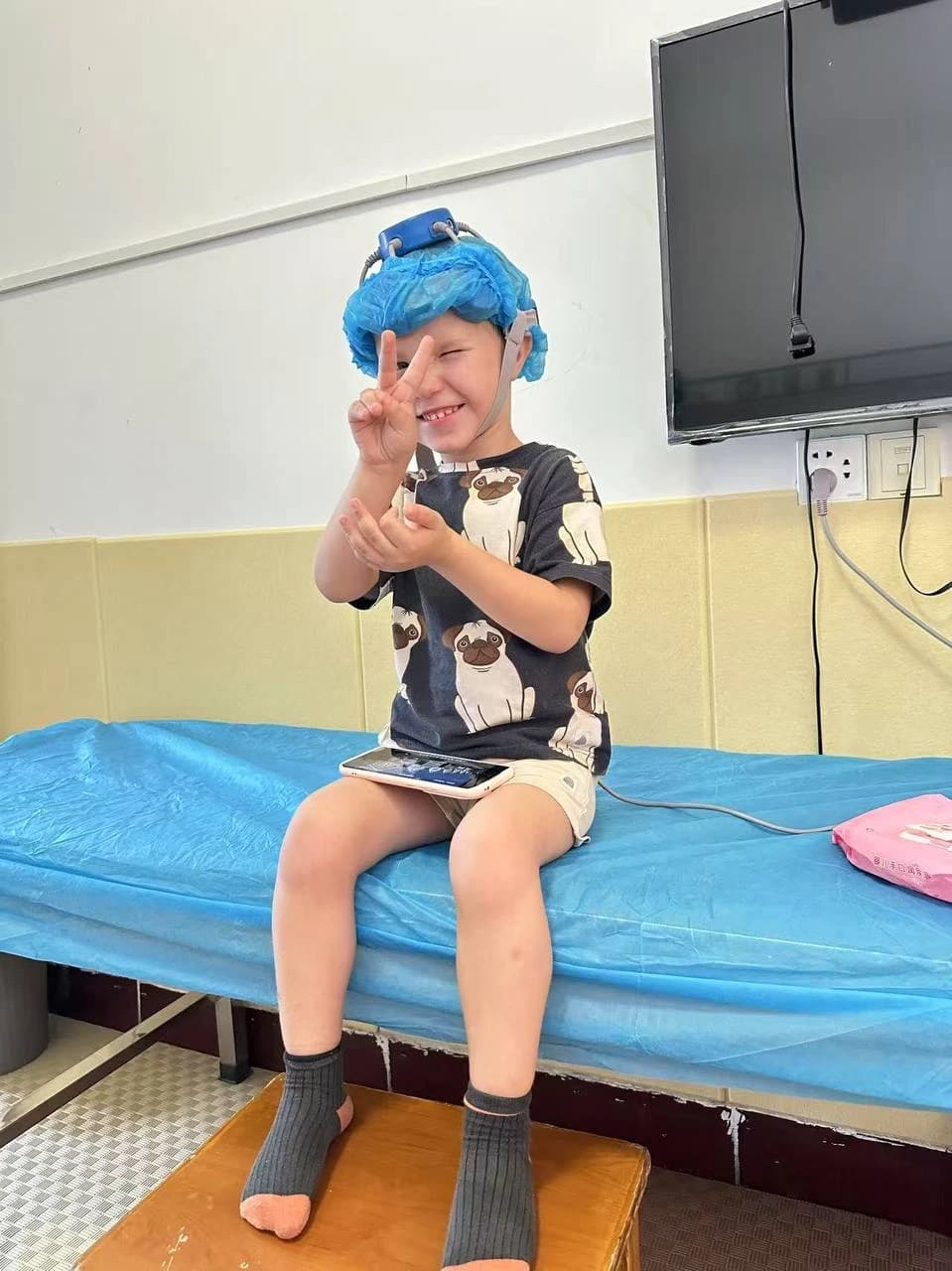
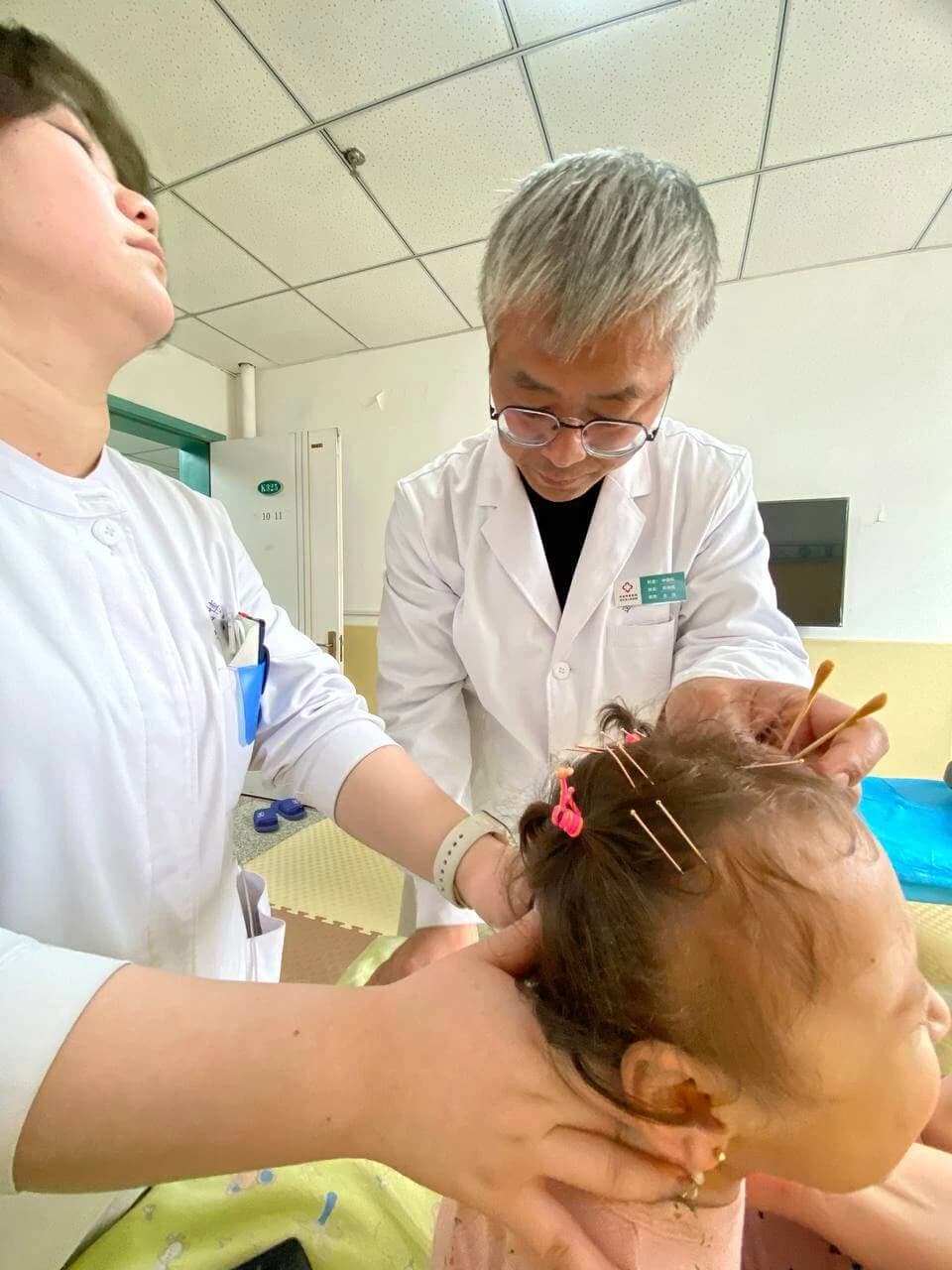
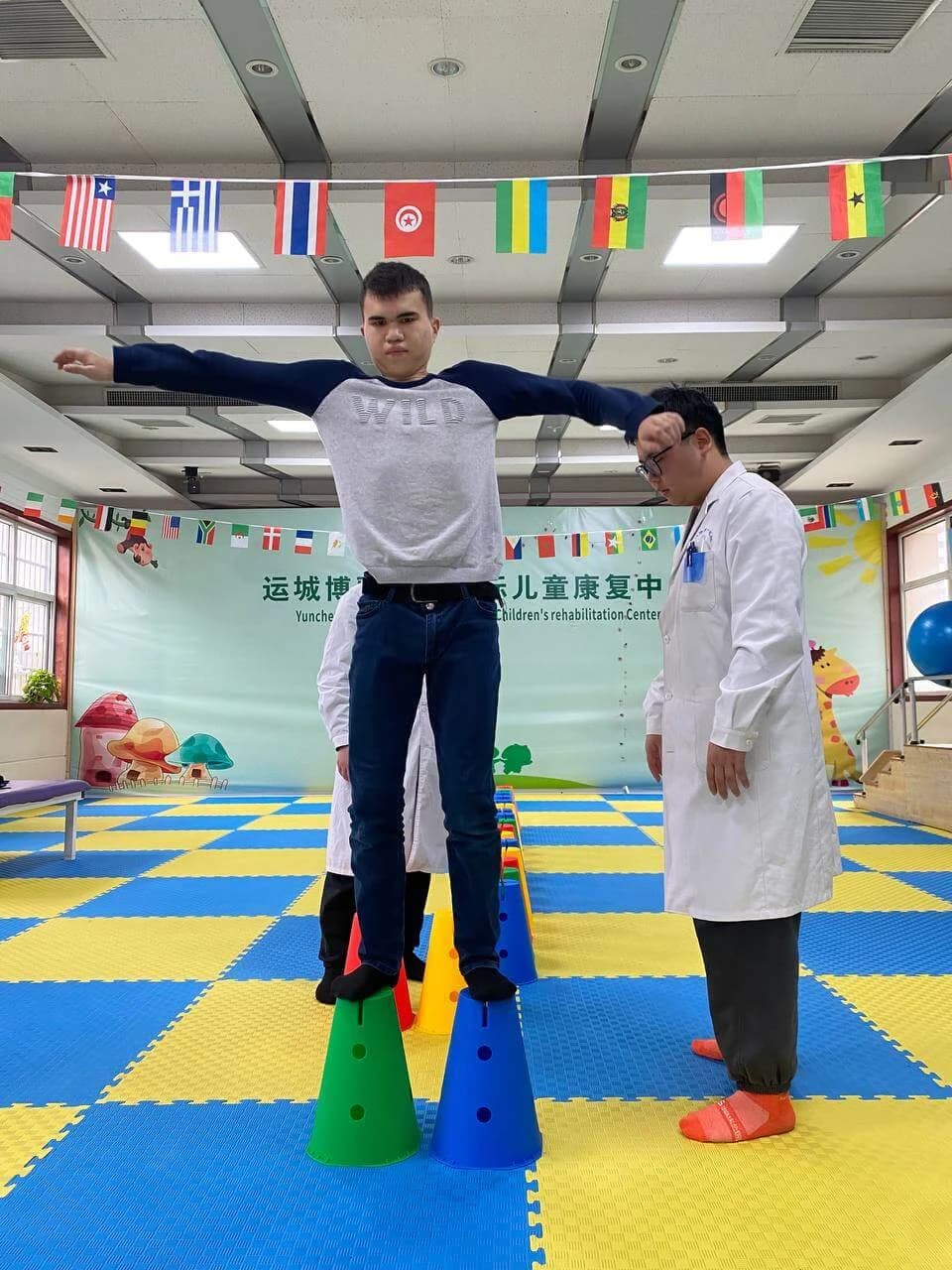
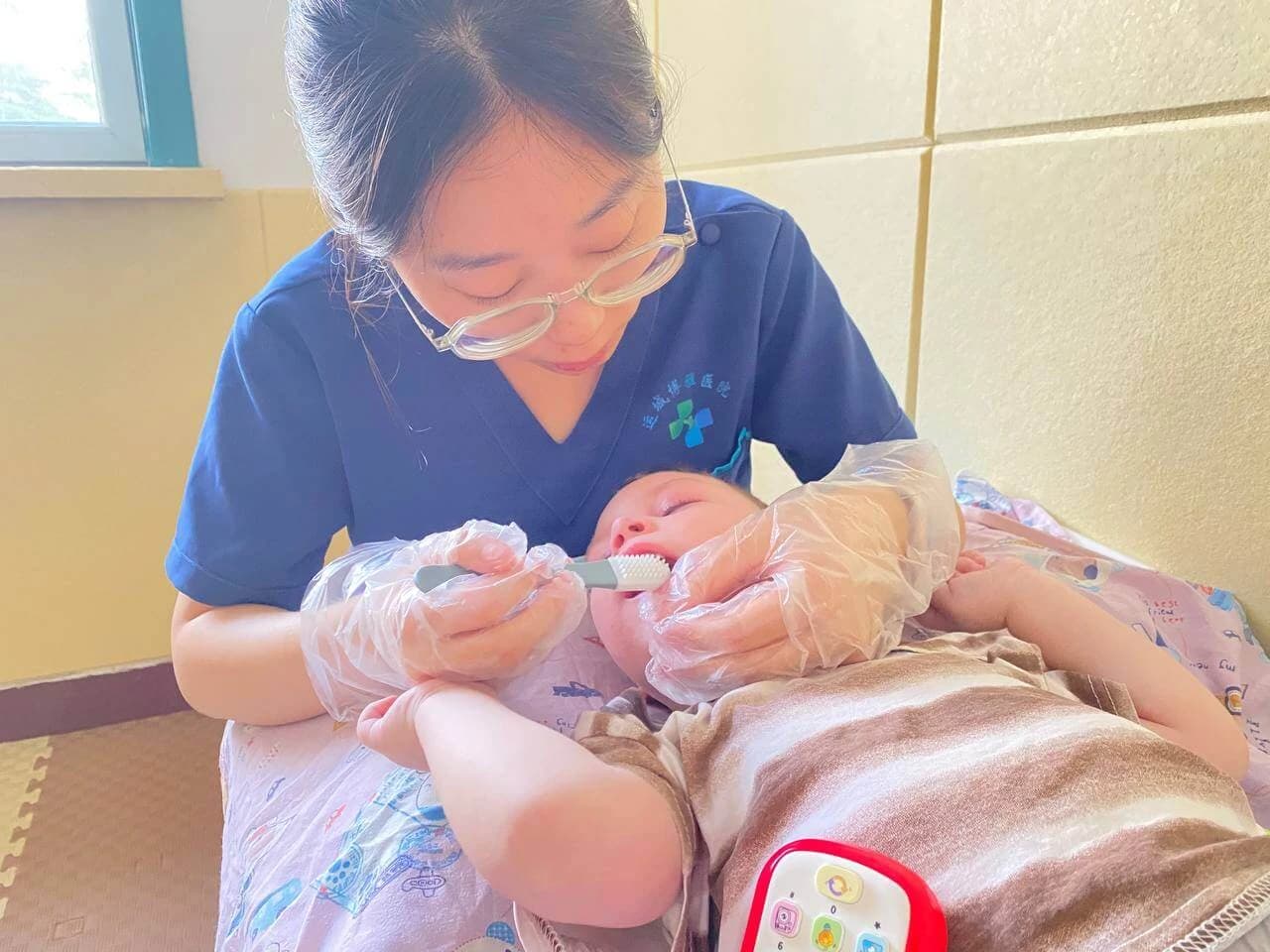
At Boya Hospital (Yuncheng, Shanxi Province) work on eye contact takes place inside the general pediatric neurological rehabilitation program. The foundation is sensory integration: if a child is overloaded by sounds, light, and touch, it is physically hard for them to also tolerate another person's gaze. In parallel, the occupational therapist works through shared hand activities, where looking at your partner becomes necessary on its own, and the speech therapist builds the response to being addressed. The program is complemented by Traditional Chinese Medicine methods — acupuncture, scalp acupuncture, pediatric Tui Na massage, and herbal compresses that help the child settle. Sessions run 6 days a week.
Why a gaze cannot be demanded
Eye-to-eye contact is not a command but a consequence of interest. When a child is persistently told to look, they gain an unpleasant experience and start avoiding contact even more diligently. The specialists at Boya work the other way around: first they make the interaction pleasant and understandable and remove excess sensory load, and the gaze appears as a natural part of a shared game or task. That is why progress reports track not only whether the child looked you in the eye, but how long they stayed in the interaction.
What matters for parents
Eye contact is not an end in itself and not a box to tick. It matters because almost everything else starts through it: speech comprehension, shared play, imitation, first words. Improvement here therefore usually pulls the rest along with it. The recommended course length is 2–3 months, and throughout it parents take part in the sessions: the specialists show techniques worth repeating at home. The document-based consultation is free, and payment happens on site and only for procedures actually received.
Causes
Poor eye contact most often occurs with Autism Spectrum Disorder, but not only: it is also seen with pronounced developmental delay, with heightened sensitivity to sensory input — when another person's gaze feels like too strong a load — and with anxiety or vision problems.
Symptoms
The child does not look at faces, turns their eyes away, looks "through" the other person, or glances only briefly. Other signs often go along with it: a weak response to their name, no pointing gesture, a preference for objects over people, and delayed speech.
Diagnostics
The first step is to rule out what can be corrected directly: vision and hearing are checked. Then a neurologist, a psychiatrist, and a psychologist examine the child — assessing behavior, speech, play, and the response to being addressed. Conclusions are drawn from the whole picture, not from a single sign.
Prognosis and rehabilitation approach
Eye contact is a skill that responds to work, especially when started early. It is not demanded but grown through interest: a child begins to look at a person when something important and pleasant is happening with them. The pace differs for every child.
How rehabilitation works
Diagnostics
Comprehensive examination and patient assessment by an international team of specialists
Rehabilitation plan
Development of an individual rehabilitation program considering diagnosis specifics
Therapy
Intensive course of procedures: physical therapy, massage, physiotherapy, acupuncture and other methods
Results
Progress evaluation, home recommendations and maintenance therapy plan
Rehabilitation procedures: Lack of Eye Contact
Frequently asked questions: Lack of Eye Contact
Book a free consultation
Send us the medical records and a short video — Boya doctors will review the materials and tell you how they can help. A coordinator will get back to you within 5 minutes.