
Rehabilitation for Vestibular fear at Boya Clinic
Boya Hospital in Yuncheng admits children who are afraid of movement: swings, slides, jumping, heights — and sometimes simply being picked up. The work goes gently and step by step: sensory integration sessions, exercise therapy for balance and coordination, occupational therapy, and Traditional Chinese Medicine. There are 6–9 sessions a day, 6 days a week; the recommended course is 2–3 months, with payment on site.
What is Fear of Movement?
Fear of movement is a pronounced insecurity in situations where the body changes its position in space: a swing, a slide, a carousel, a trampoline, a jump off a low step, hanging upside down. Most children enjoy such games; this child does not. They walk away from the playground, refuse to sit on a swing, get frightened when picked up or tossed in the air, and will not tip their head back for hair washing. Something else is usually visible alongside: an unsteady gait on uneven ground, caution on stairs, quick fatigue from walking, sometimes motion sickness in the car. The root of it is not character and not being spoiled, but the way the nervous system processes signals about body position.
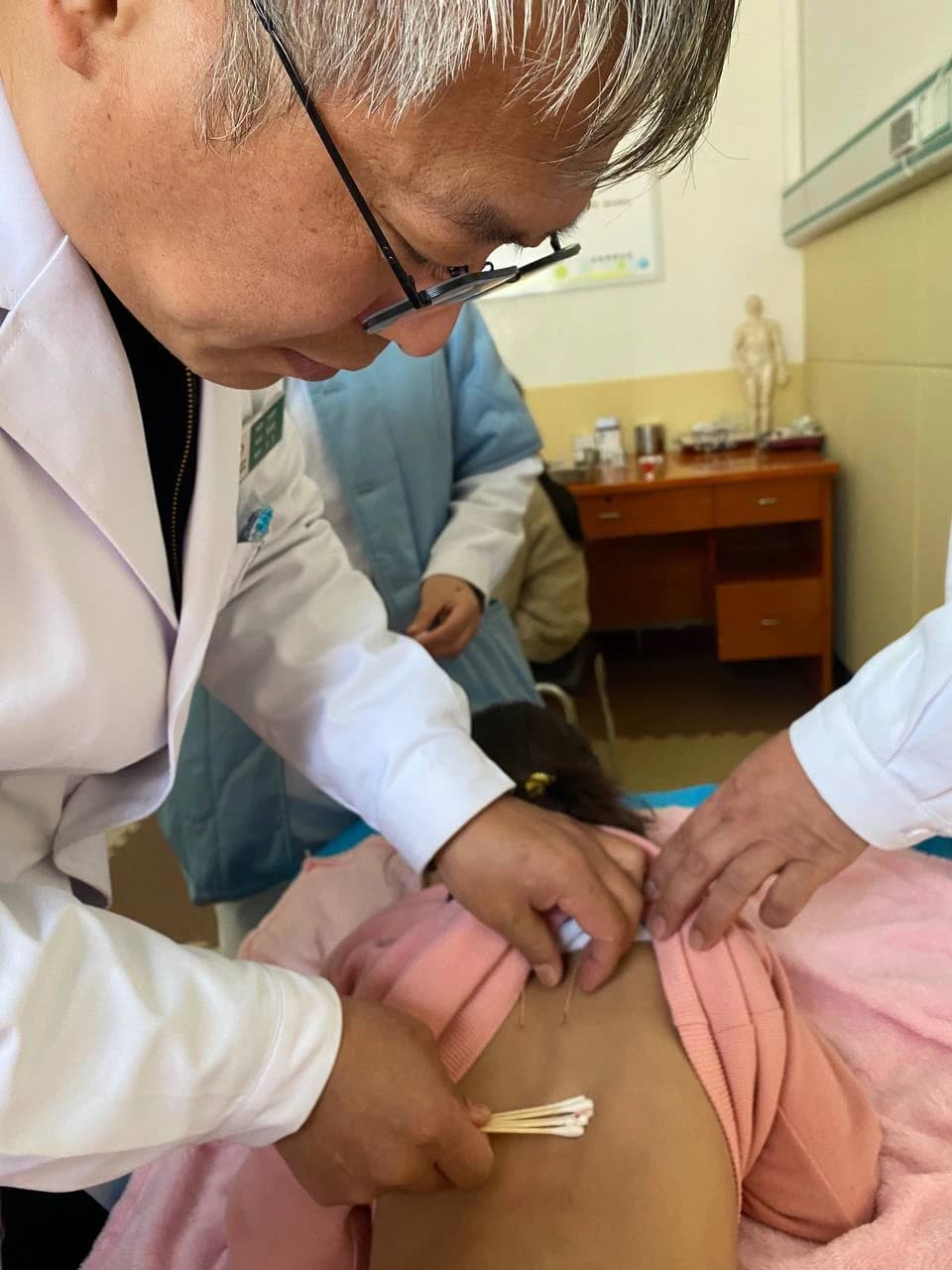
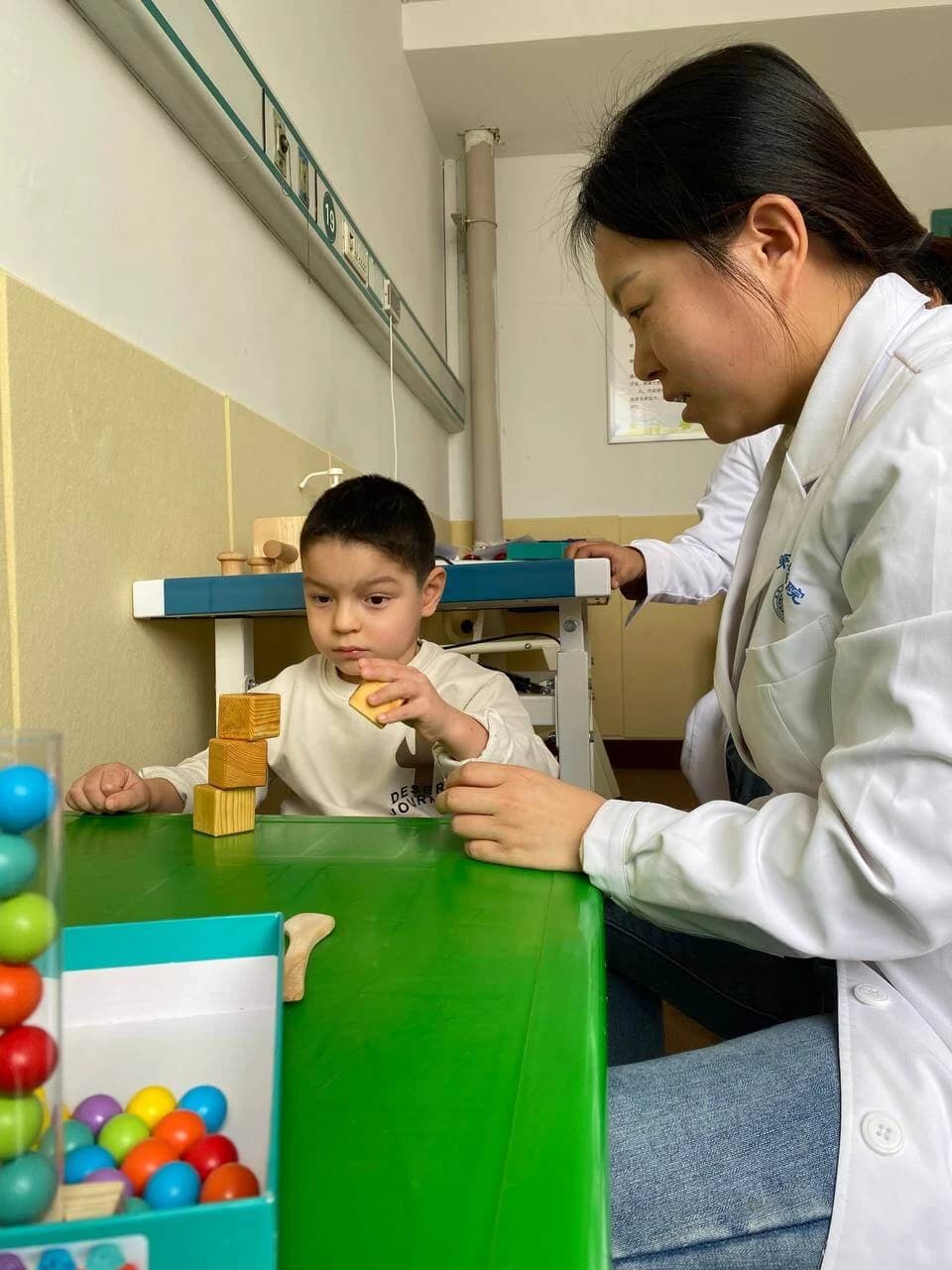
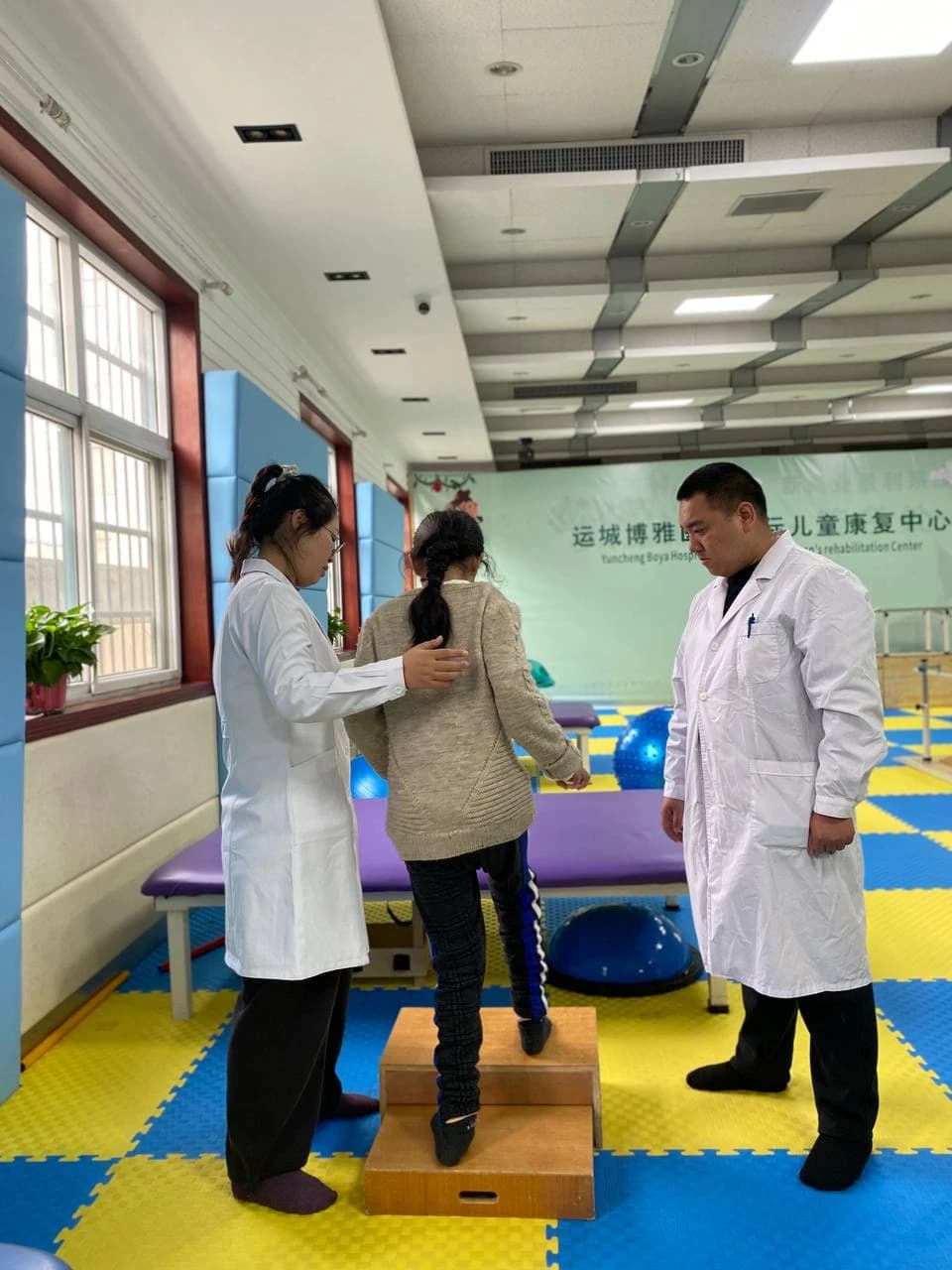
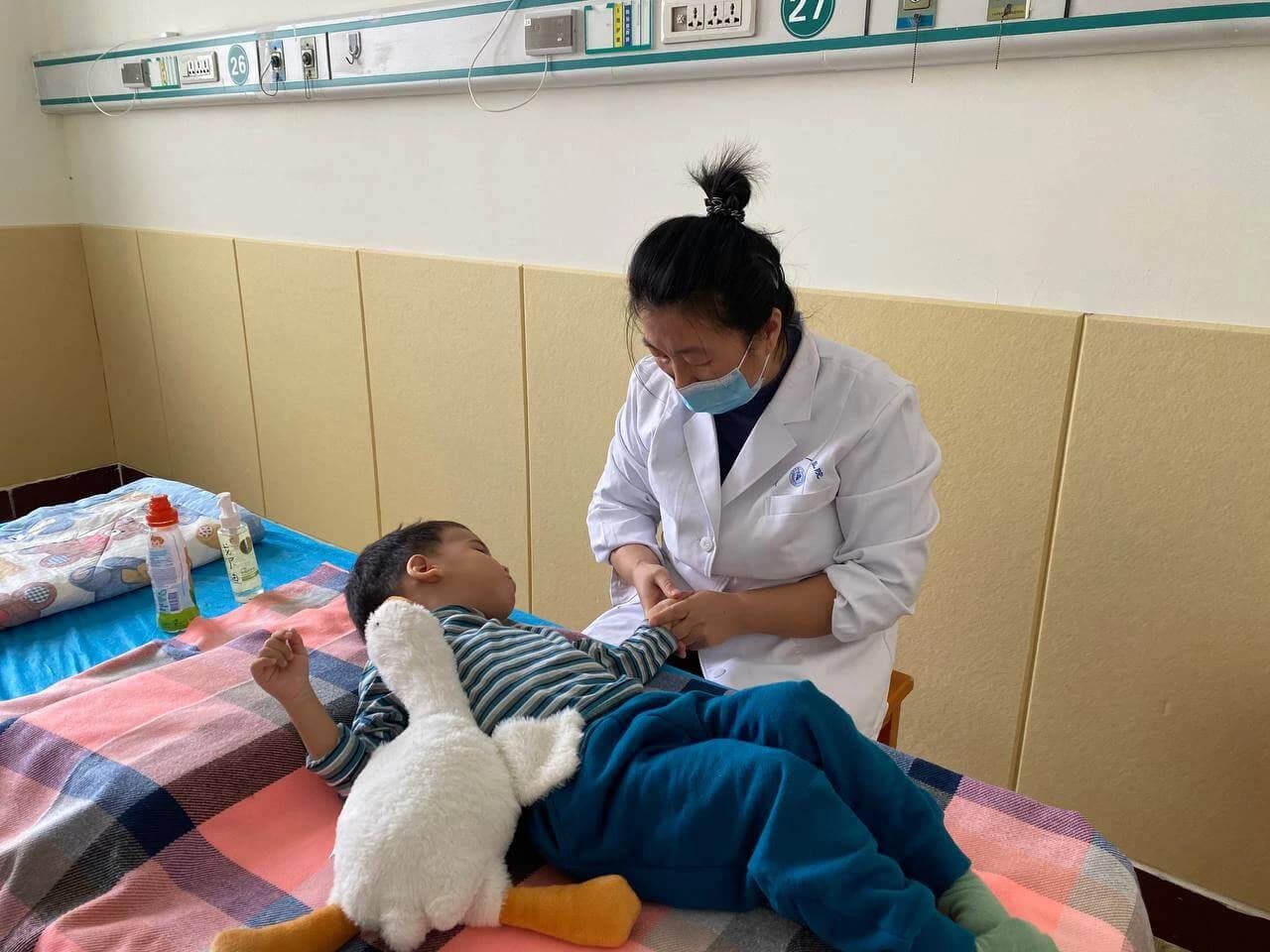
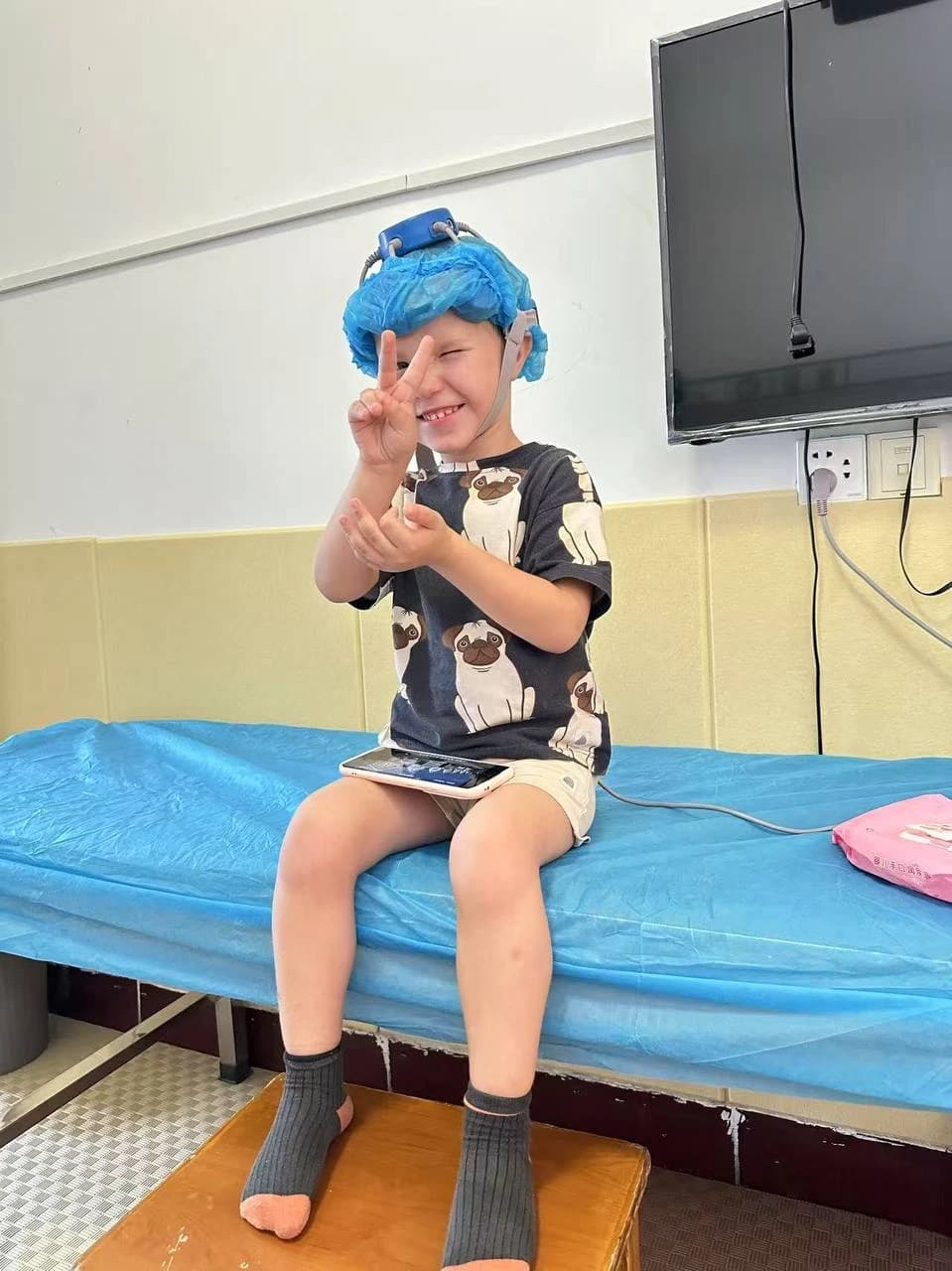
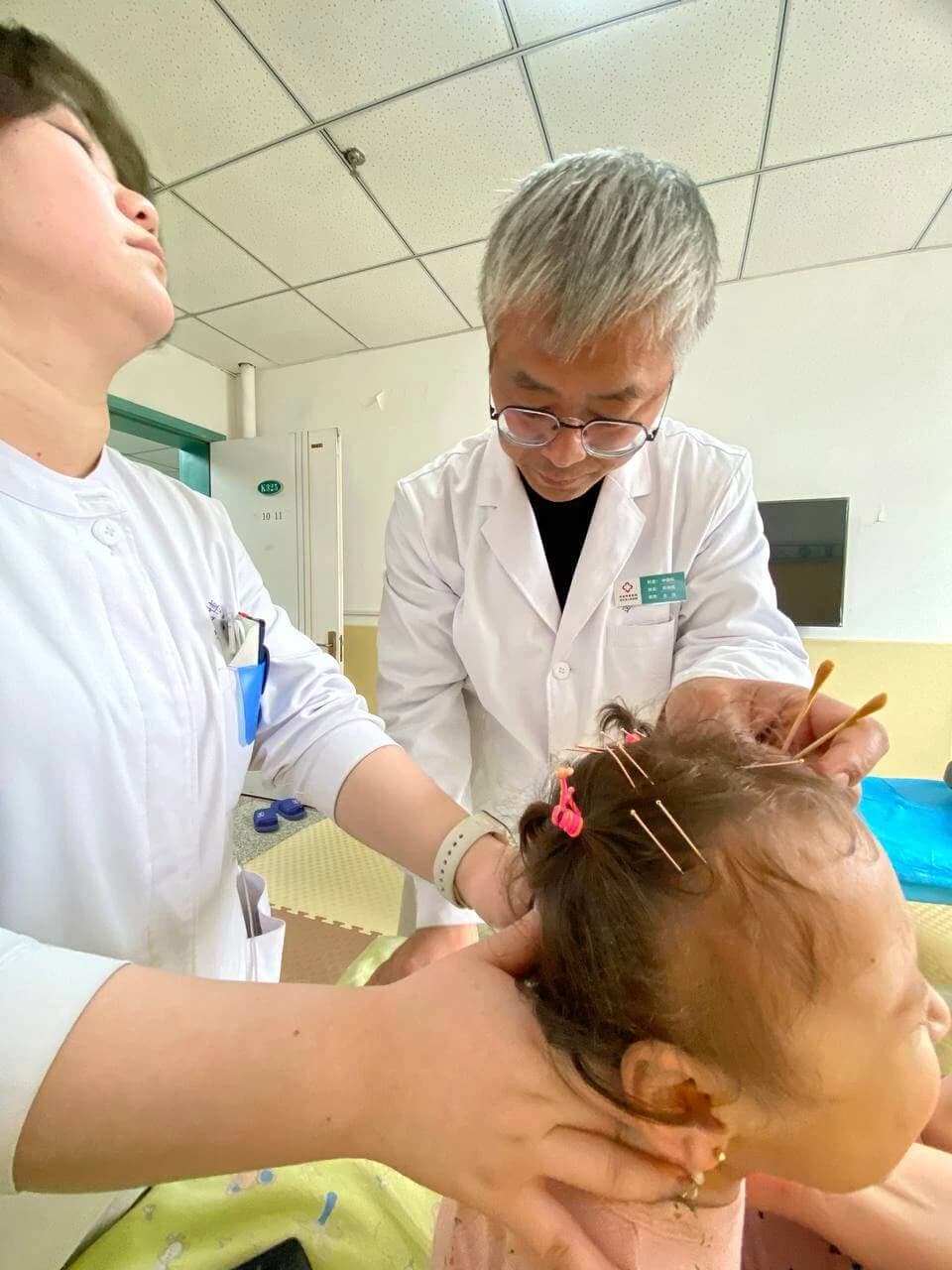
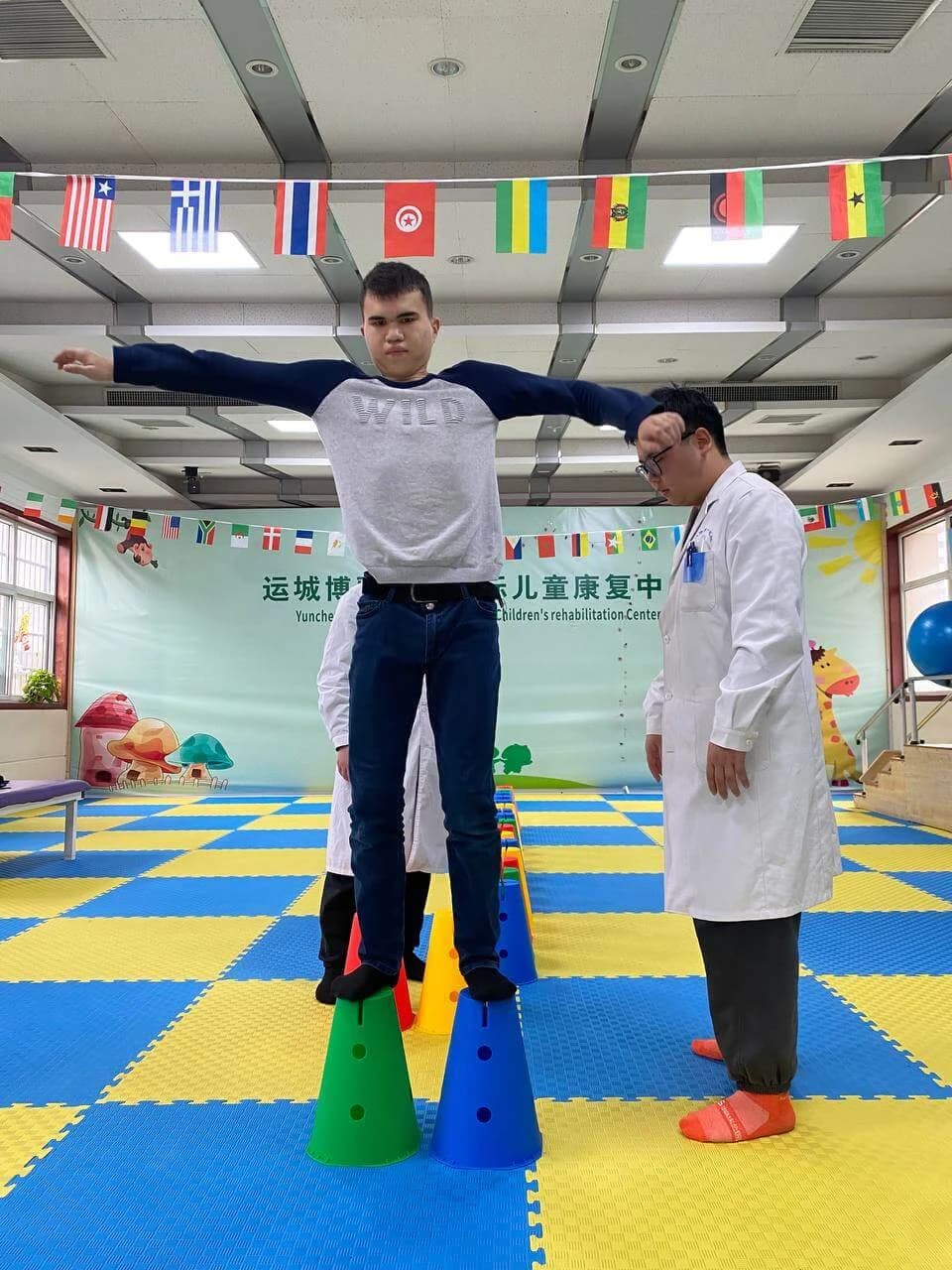
At Boya Hospital (Yuncheng, Shanxi Province) this is addressed within the program of pediatric neurological rehabilitation, along two lines at once. The first is sensory integration: the child receives vestibular input in a measured, predictable form, starting with what they accept calmly. The second is exercise therapy: balance, coordination, and strength of the trunk and legs — the real support that confidence in movement rests on. The program is complemented by occupational therapy, apparatus-based physiotherapy as prescribed by the doctor, and Traditional Chinese Medicine — Tui Na massage, acupuncture, and scalp acupuncture. The routine is the same as for the whole center — 6–9 sessions a day, 6 days a week.
Fear or weak balance?
Most often one rests on the other. The body lacks stability, the brain registers this and avoids in advance anything that carries a risk of falling. And without practice, balance does not develop — the circle closes: the less the child moves, the less confident they feel. Force cannot break that circle: putting a child on a swing against their will gives them no experience, only confirmation that movement is dangerous. So amplitude, speed, and height are increased in small steps, the child can stop at any moment, and in parallel exercise therapy gives the body the stability it was missing.
What matters for parents
The goal of the course is not to "defeat the fear" but to give movement back to the child as an ordinary part of life: a calm ride down the slide, stairs without panic, the playground together with other children. Progress here is measured in small steps, and the specialists point them out to parents. At home it matters not to insist on activities that frighten the child and not to compare them with peers — the specialists will suggest which games support progress. The recommended course is 2–3 months. Send your child's documents: the consultation based on them is free and there is no prepayment — you pay on site and only for what your child has actually received.
Causes
Most often this is a manifestation of sensory processing difficulties: the vestibular system and the cerebellum process signals about body position inaccurately, so the brain reads ordinary movement as a loss of support. It occurs with ASD, in premature babies, after perinatal damage to the nervous system, and alongside anxiety; sometimes it takes hold after a fall or a fright.
Symptoms
The child avoids swings, slides, carousels, and trampolines, will not be tossed in the air or turned upside down, and gets frightened when picked up. They are cautious on stairs and uneven ground, refuse to walk along a curb, and dislike tipping their head back for hair washing. Weak balance, quick fatigue from walking, and motion sickness in the car are frequent companions.
Diagnostics
The specialist looks at which movements exactly the child cannot tolerate: linear (back and forth), rotational, inverted positions, feet leaving the ground. Balance, muscle tone, and coordination are assessed separately, and parents are asked about behavior on the playground and at home. Vision is checked — poor vision makes insecurity in movement stronger.
Prognosis and rehabilitation approach
Fear of movement responds well to gradual work: when the child controls the amplitude and can stop at any moment, tolerance widens. Balance usually grows along with it — the child walks stairs and uneven ground more confidently and joins other children on the playground more willingly.
How rehabilitation works
Diagnostics
Comprehensive examination and patient assessment by an international team of specialists
Rehabilitation plan
Development of an individual rehabilitation program considering diagnosis specifics
Therapy
Intensive course of procedures: physical therapy, massage, physiotherapy, acupuncture and other methods
Results
Progress evaluation, home recommendations and maintenance therapy plan
Rehabilitation procedures: Fear of Movement
Frequently asked questions: Fear of Movement
Book a free consultation
Send us the medical records and a short video — Boya doctors will review the materials and tell you how they can help. A coordinator will get back to you within 5 minutes.