
Rehabilitation for Touch at Boya Clinic
Boya Hospital in Yuncheng admits children who struggle with touch: some cannot bear hugs, clothing tags, or hair washing, while others touch everything and constantly seek deep pressure. The program is built gently and step by step: sensory integration sessions, occupational therapy, Tui Na massage, and warm Chinese medicine procedures. Sessions run 6 days a week; the recommended course is 2–3 months, with payment on site.
What is Tactile Sensitivity?
Tactile sensitivity is a feature of touch processing in which the child's brain misjudges the intensity of contact. With over-responsiveness, an ordinary touch is experienced as too strong or unpleasant: the child dodges hugs, insists that tags be cut off, refuses sweaters and tights, screams during hair washing and nail trimming, and will not get their hands dirty in sand or modeling clay. With under-responsiveness it is the reverse: sensations seem insufficient, and the child tops them up — touching everything, pressing and squeezing, sometimes barely reacting to bumps. The two pictures often coexist in one child and affect different parts of the body.
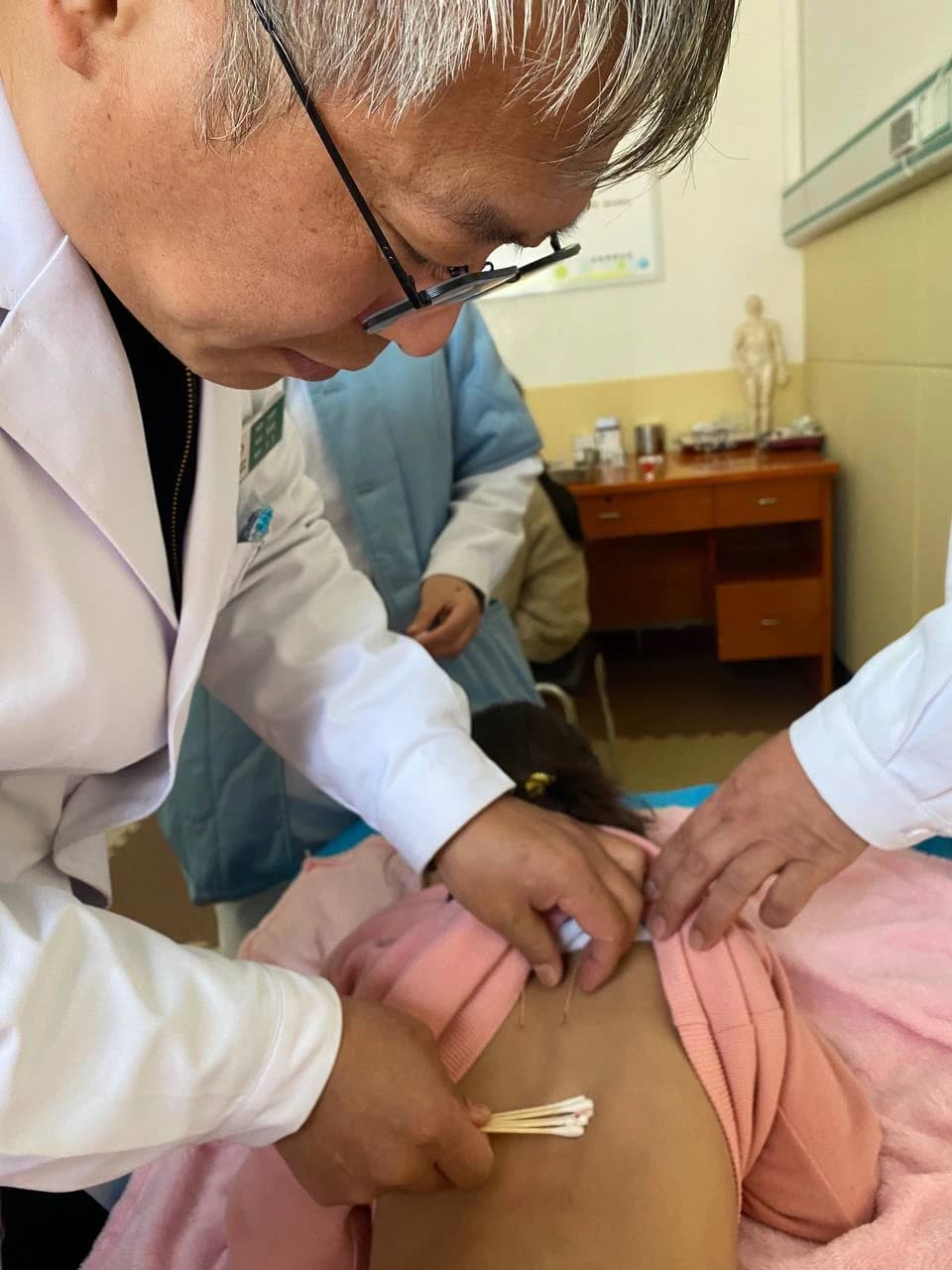
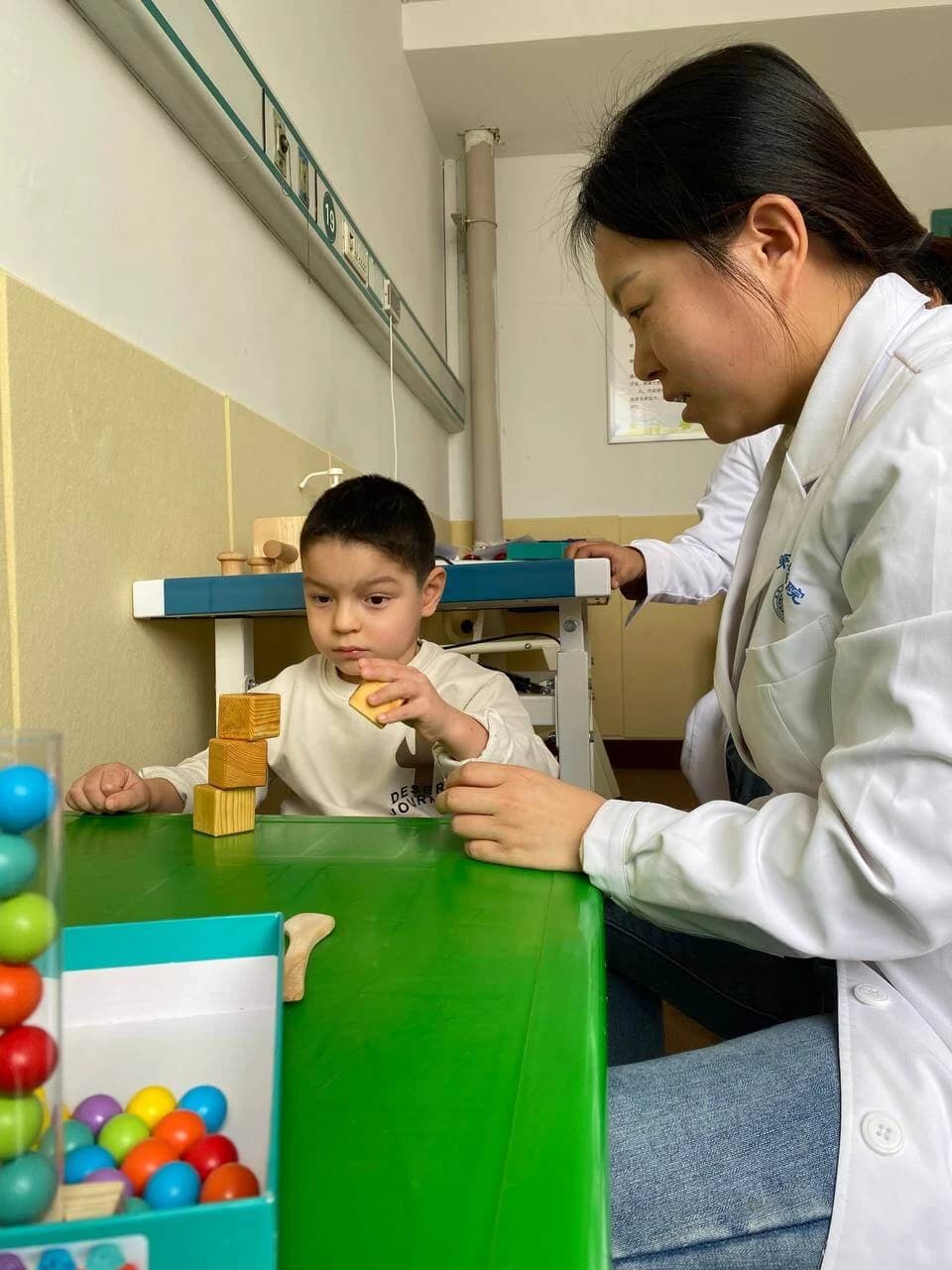
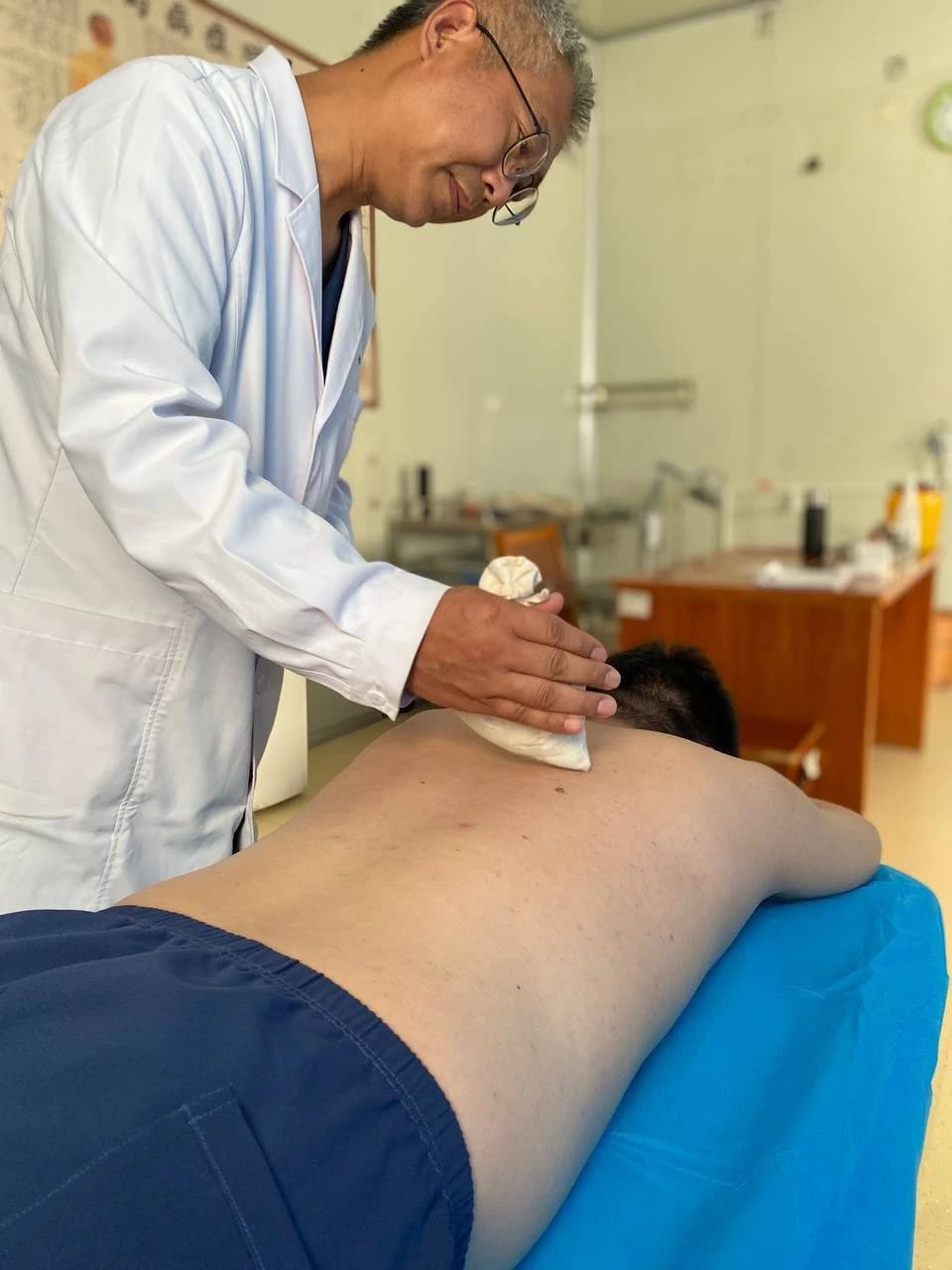
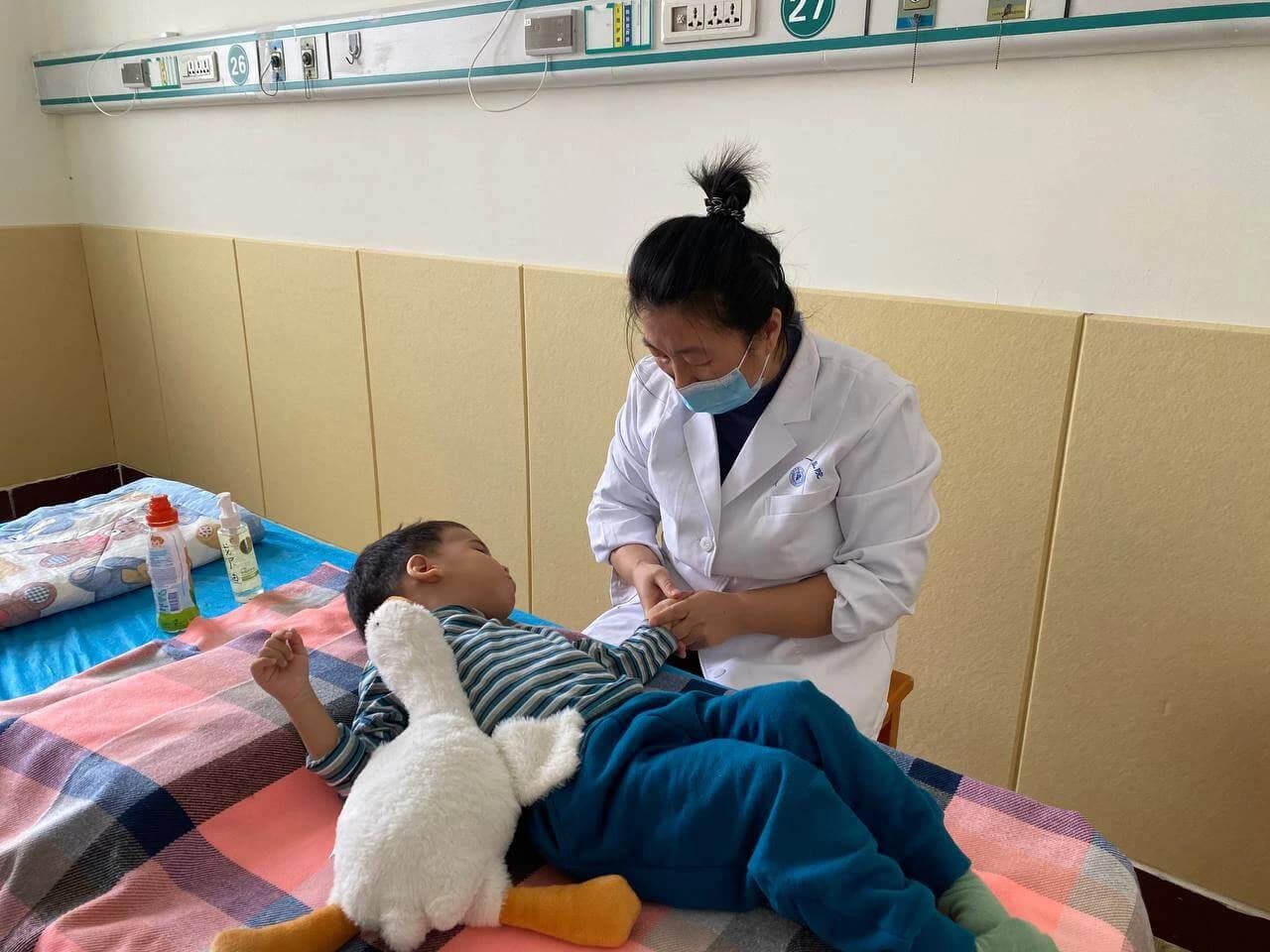
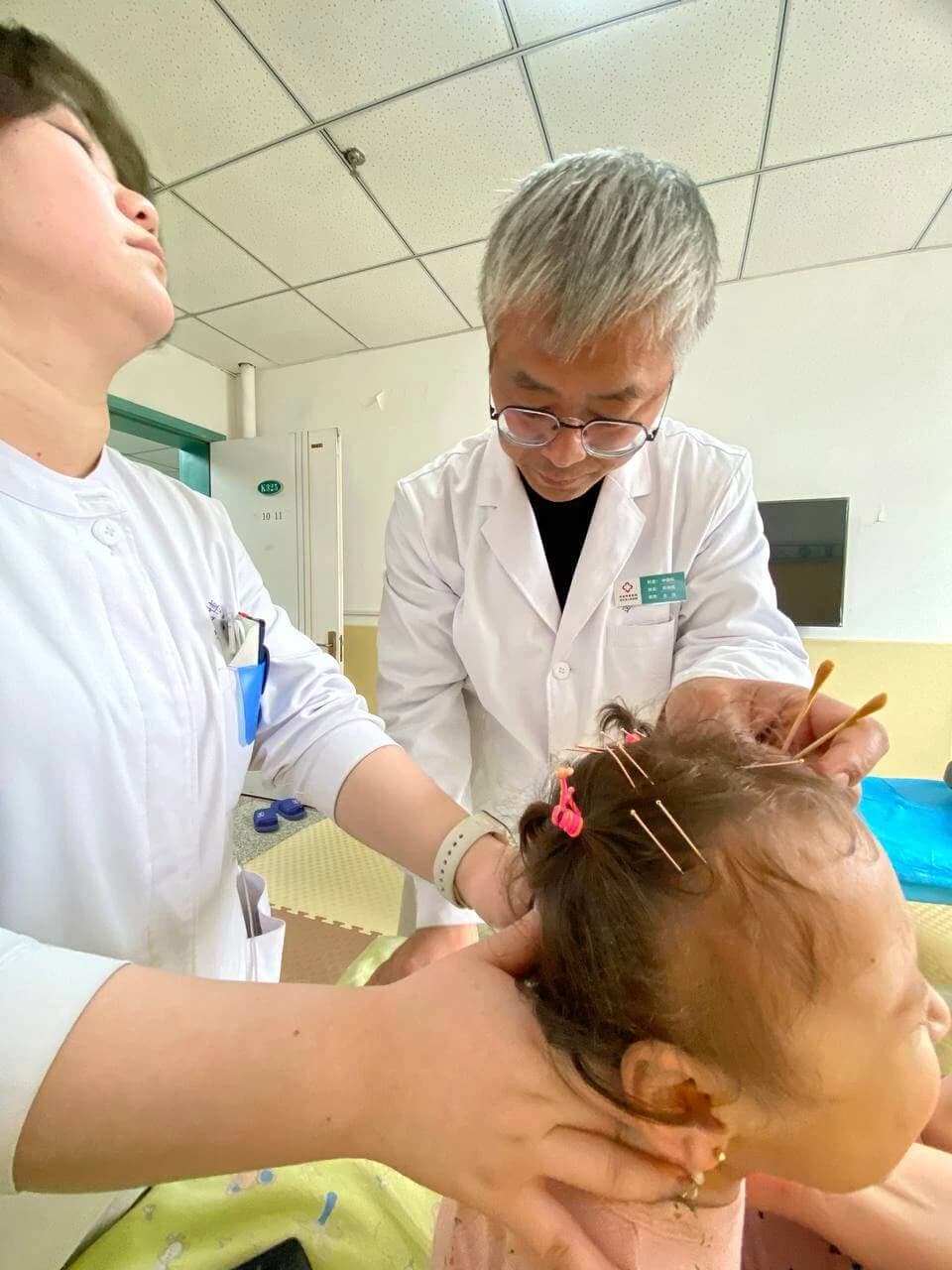
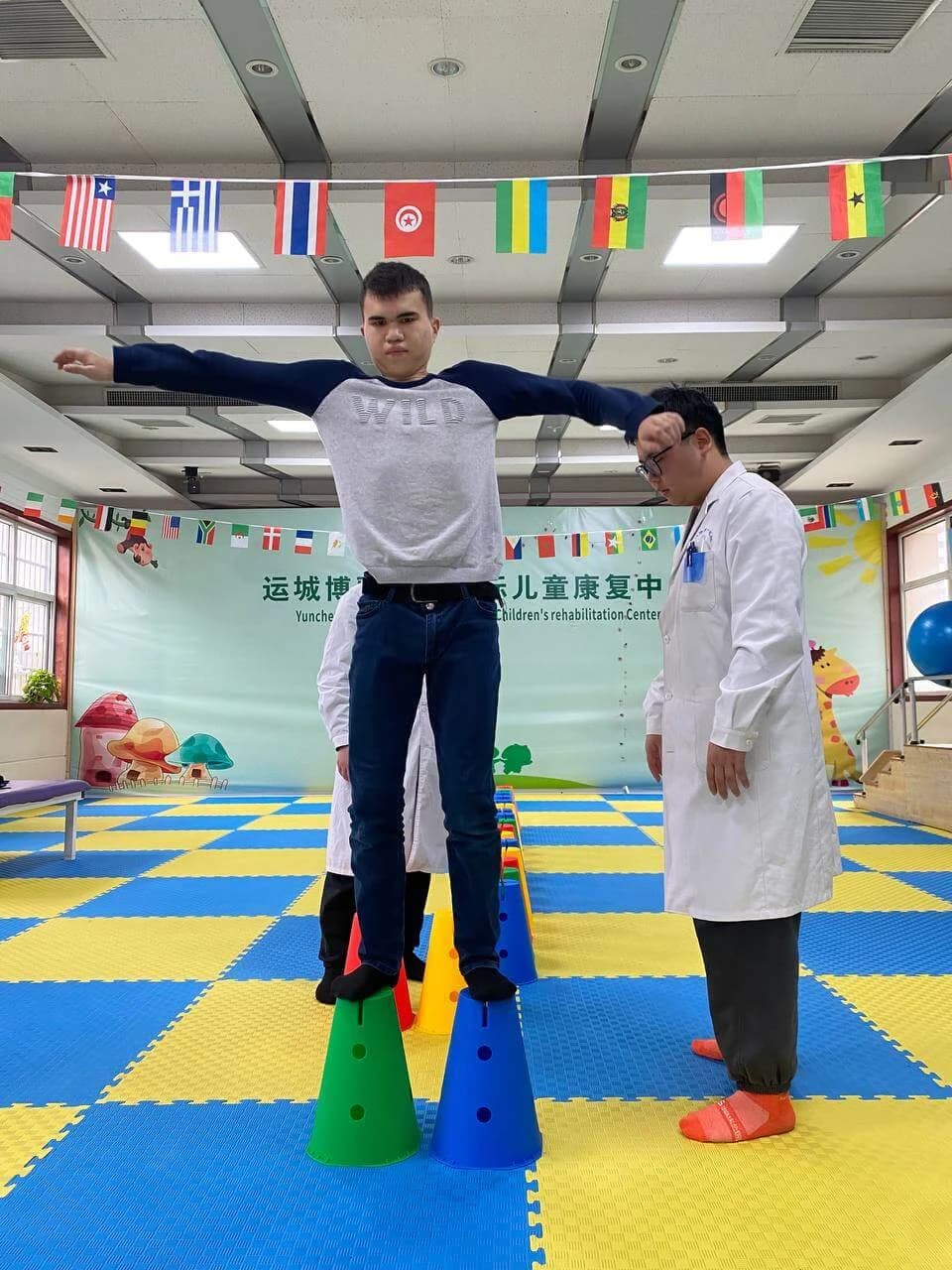
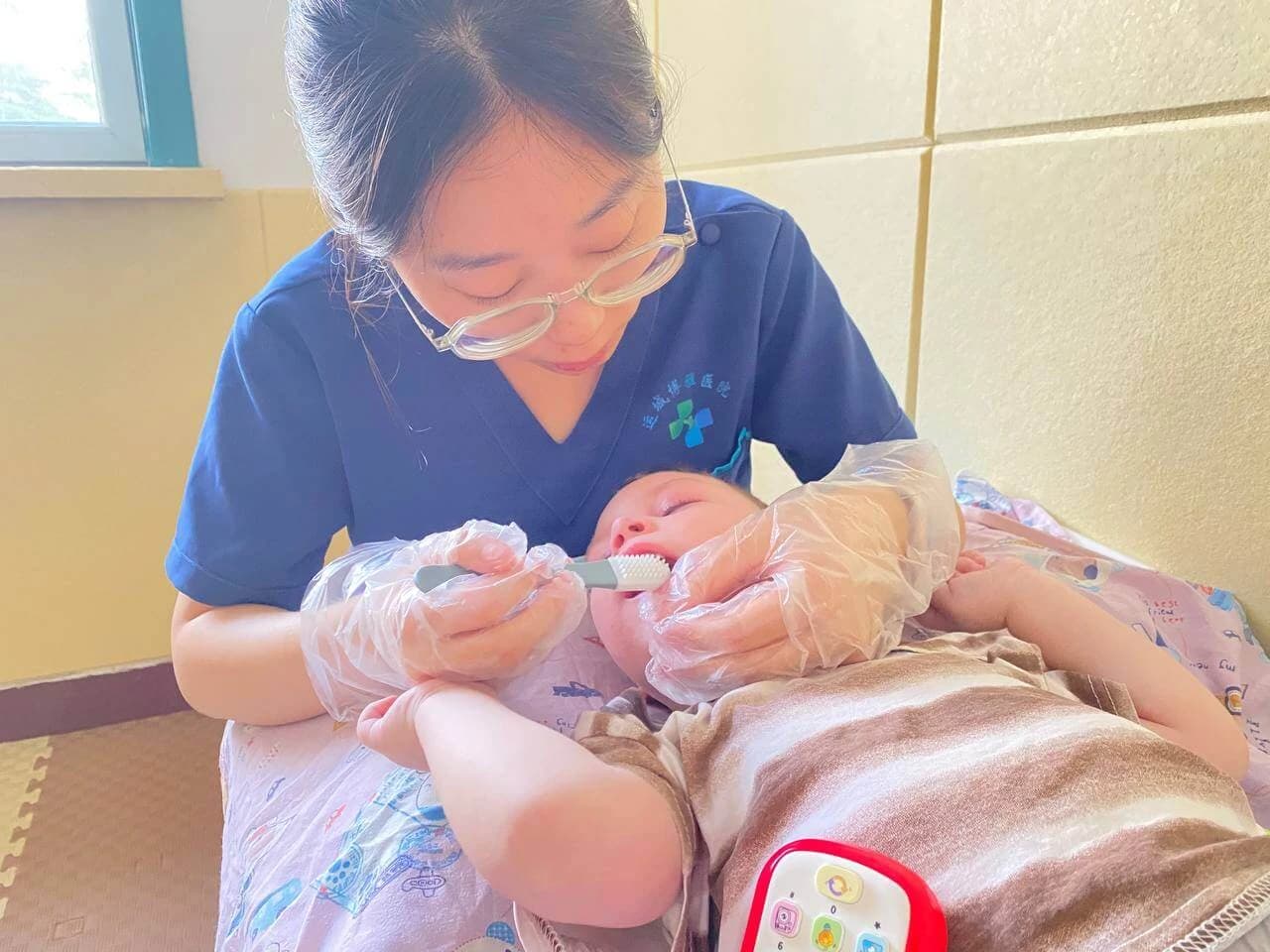
At Boya Hospital (Yuncheng, Shanxi Province) such children enter the general program of pediatric neurological rehabilitation, with the tactile area as one of its priorities. In sensory integration sessions the child receives different kinds of tactile input in a play format — from light touch to deep pressure, with a range of materials and textures. Occupational therapy transfers this into daily life: dressing, washing, using the hands. From Traditional Chinese Medicine the program adds Tui Na massage and warm herbal compresses: they provide familiar, predictable touch and help widen tolerance gently. Acupuncture and scalp acupuncture are prescribed by the doctor with the child's tolerance in mind. If the difficulties involve the mouth — eating, tooth brushing — a speech therapist joins the work.
Why force never works
To adults it seems logical: endure it and you will get used to it. In reality, with tactile defensiveness a sudden or imposed touch is read by the nervous system as a threat, and the child responds not with a tantrum but with defense. Every such episode reinforces it. That is why the program follows a different rule: the child knows in advance what will happen, the work starts with the touches they accept, and the range widens in small steps. The specialist watches the reaction and stops before the child reaches their limit. Tolerance grows more slowly this way — but without setbacks.
What matters for parents
The main result of this work shows not in the therapy room but at home: calmer dressing, bathing, haircuts, and doctor visits; more willingness to handle new materials; easier contact with family. The specialists show parents concrete techniques for everyday situations — how to warn before touching, how to use deep pressure instead of light touch, what is better avoided. The recommended course is 2–3 months. Send your child's documents: the consultation based on them is free and there is no prepayment — you pay on site and only for what your child has actually received.
Causes
This is part of sensory processing difficulties: the skin transmits the signal correctly, but the nervous system misjudges its intensity — as a threat or, conversely, as too faint. It occurs with ASD, after perinatal damage to the nervous system, in premature babies, and sometimes as a standalone trait.
Symptoms
With over-responsiveness the child avoids hugs, demands that tags be cut off, cannot tolerate certain fabrics, hair washing, nail trimming, or messy hands. With under-responsiveness they touch everything, press and squeeze, and barely react to bumps or cold. The two often coexist: for instance, the hands touch everything while the face may not be touched by anyone.
Diagnostics
The specialist looks at which touches exactly the child reacts to: light or deep, expected or sudden, and on which parts of the body. Everyday life is discussed separately — dressing, hygiene, eating. If the difficulties involve the mouth, the oral area is assessed too: it often goes hand in hand with general tactile sensitivity.
Prognosis and rehabilitation approach
Tolerance widens gradually when the work goes without pressure: first the touches the child accepts, then a careful widening of the range. Daily life usually becomes easier along with it — dressing, bathing, haircuts, and meals stop being a daily struggle.
How rehabilitation works
Diagnostics
Comprehensive examination and patient assessment by an international team of specialists
Rehabilitation plan
Development of an individual rehabilitation program considering diagnosis specifics
Therapy
Intensive course of procedures: physical therapy, massage, physiotherapy, acupuncture and other methods
Results
Progress evaluation, home recommendations and maintenance therapy plan
Rehabilitation procedures: Tactile Sensitivity
Frequently asked questions: Tactile Sensitivity
Book a free consultation
Send us the medical records and a short video — Boya doctors will review the materials and tell you how they can help. A coordinator will get back to you within 5 minutes.