Rehabilitation for Obsessions at Boya Clinic
Boya Hospital in Yuncheng admits children with compulsive actions and rigid rituals to its pediatric neurological rehabilitation courses. The program does not ban rituals; it lowers the background anxiety that feeds them: sensory integration, occupational therapy, a clear daily routine, and Chinese medicine procedures. The recommended course is 2–3 months, with payment on site and no prepayment.
What is Obsessions and Rituals?
Obsessions and rituals in children are repetitive actions and rigid rules the child cannot step away from without intense anxiety. One child needs shoes placed in a strictly defined way; another checks a closed door many times over; a third will not start eating until a familiar sequence of movements is complete. To adults it looks pointless, but for the child a ritual is a way of making the world predictable and briefly discharging tension. That is why bans usually do not help: removing the ritual without removing the anxiety leaves the child without support. Such symptoms often accompany ASD and anxiety states, and intensify during periods of change and fatigue.
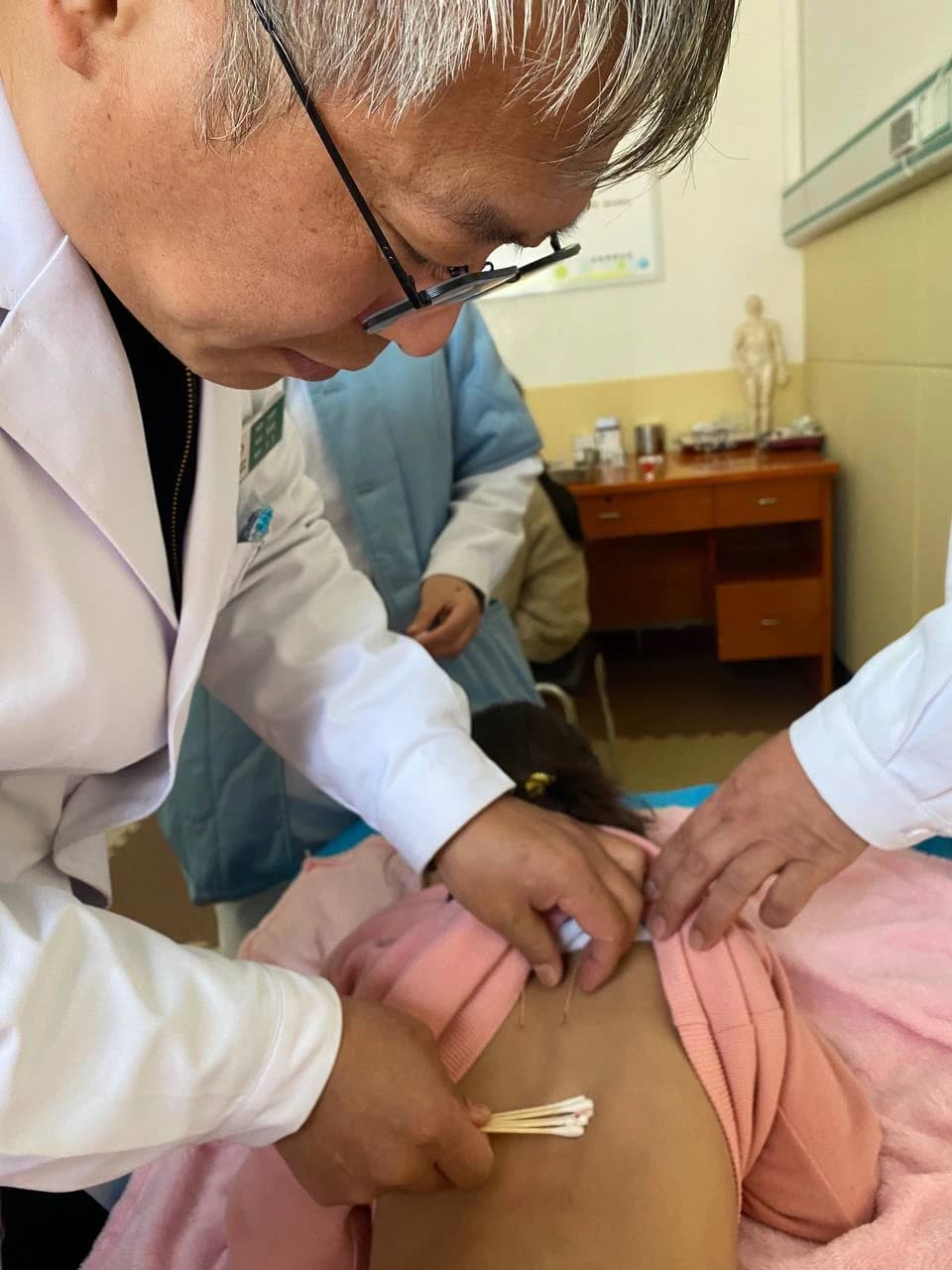
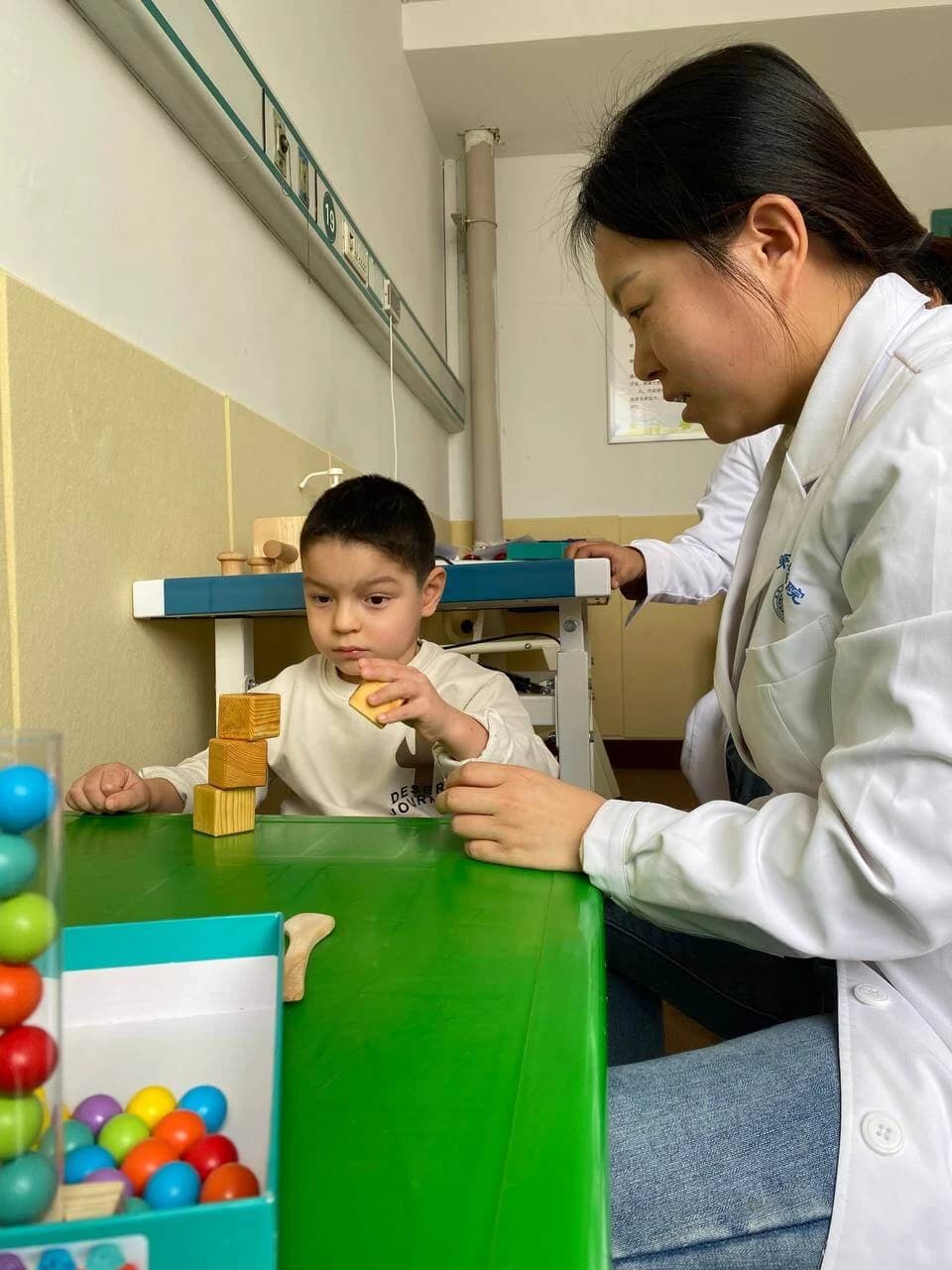
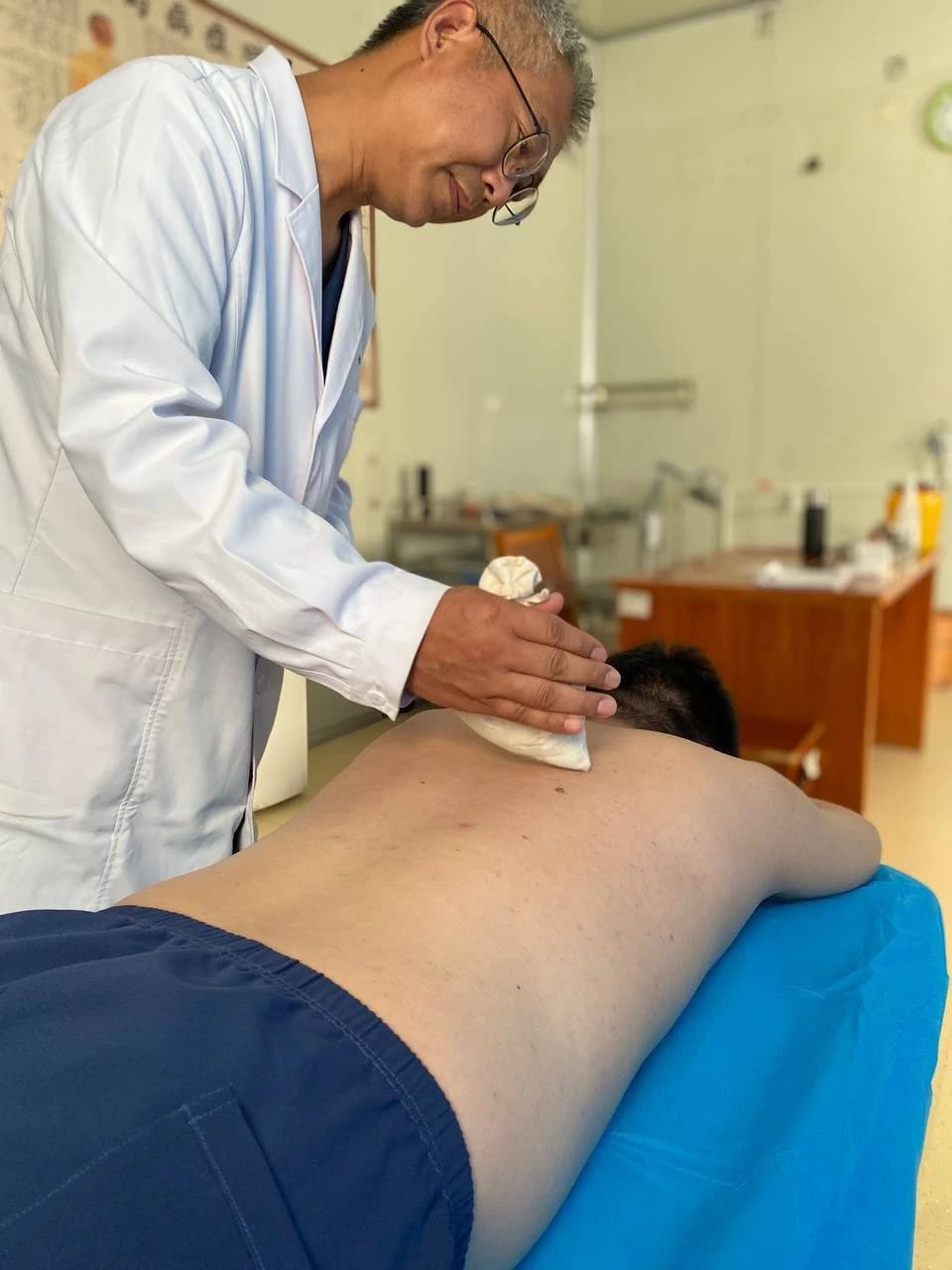
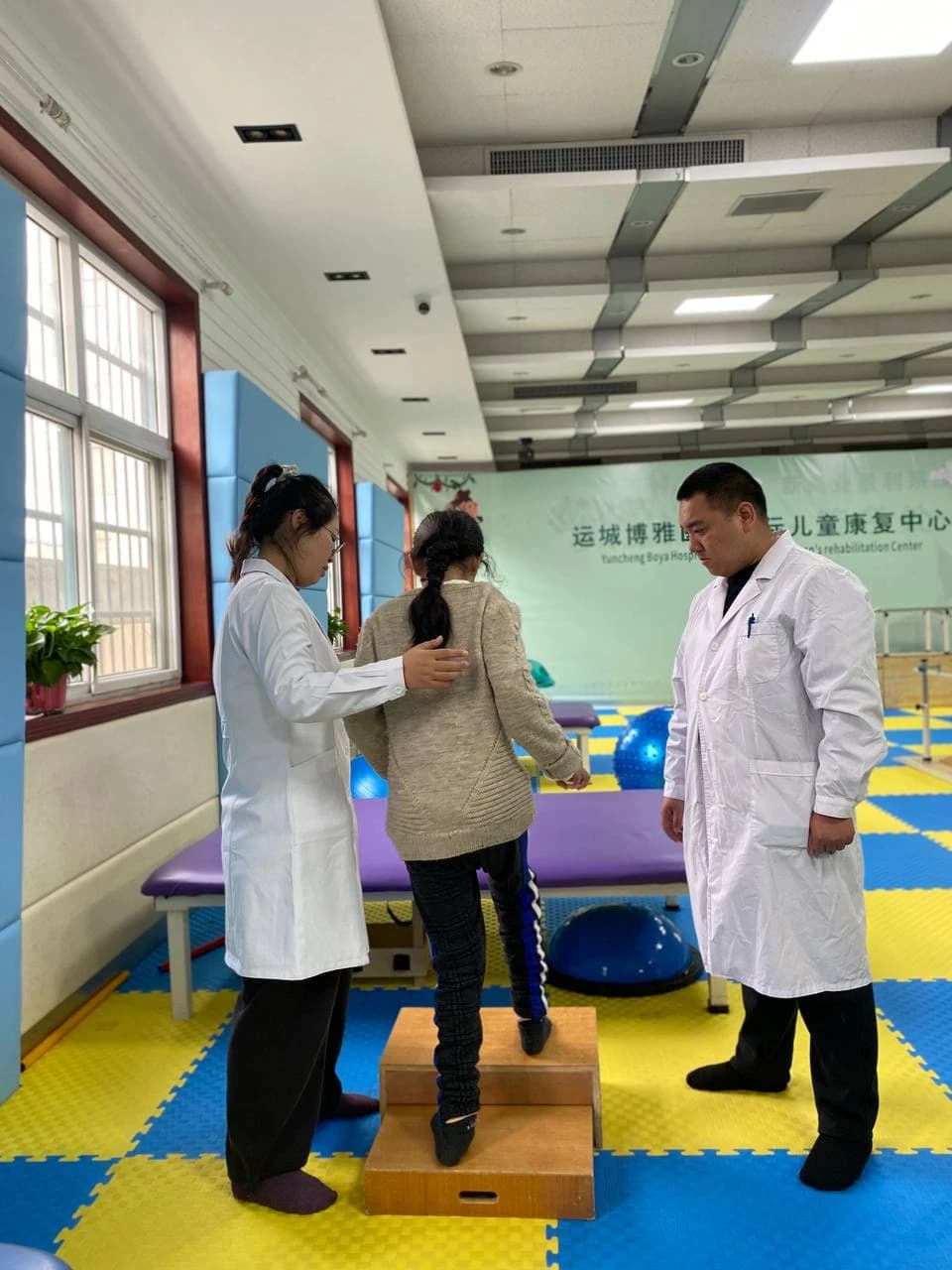
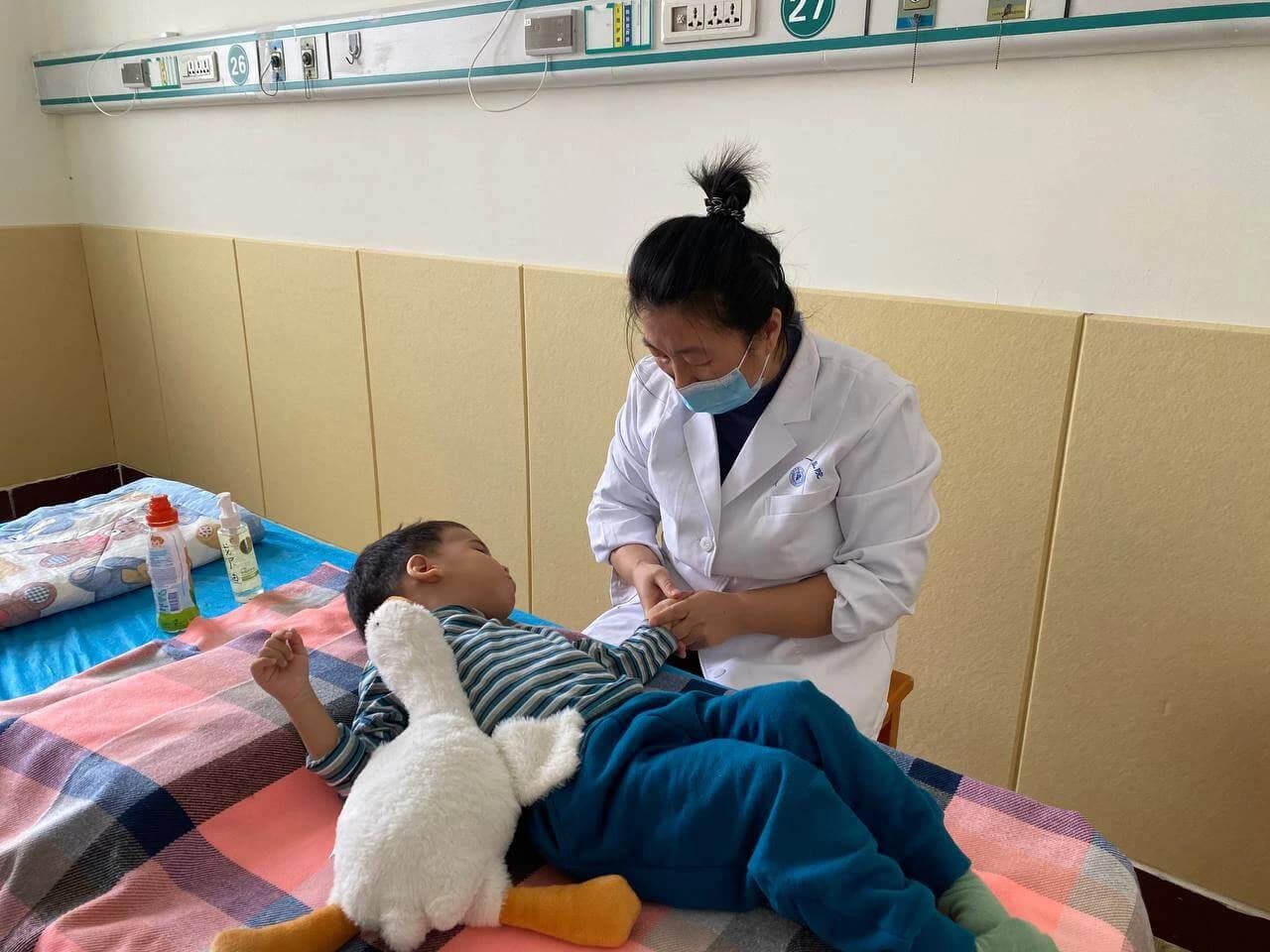
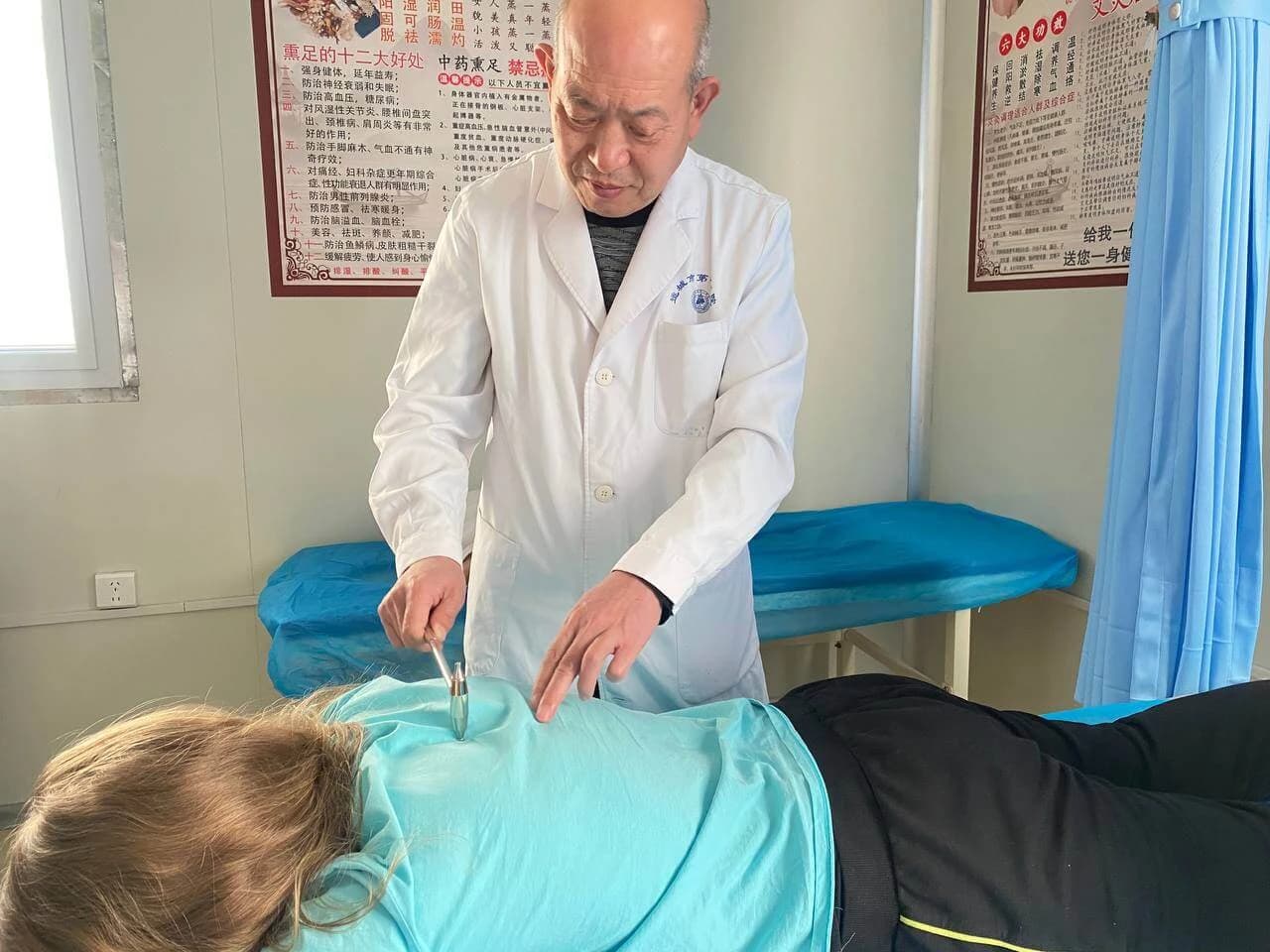
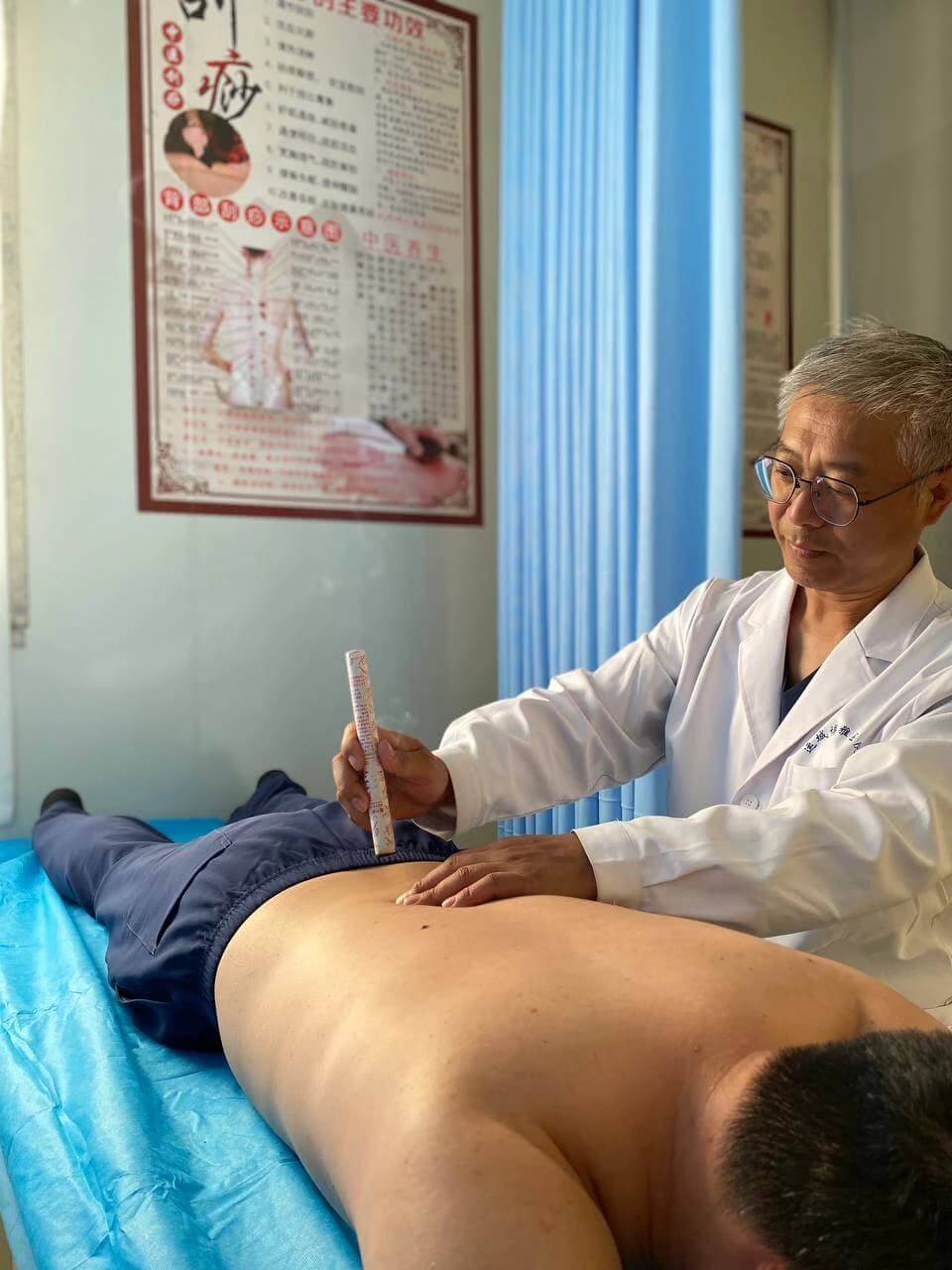
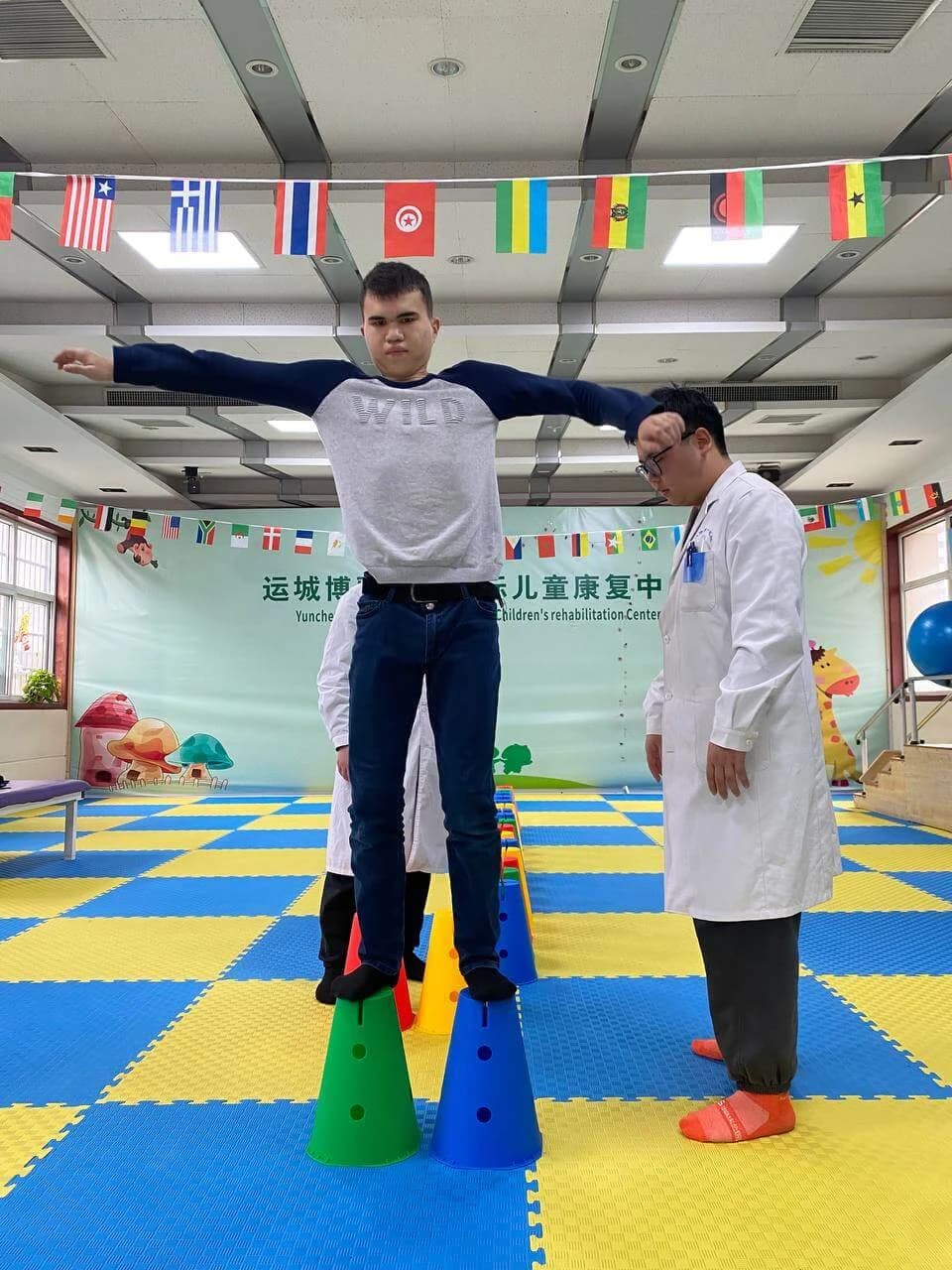
Boya Hospital (Yuncheng, Shanxi Province) addresses this within pediatric neurological rehabilitation — working not on the ritual itself but on the background that feeds it. A course includes sensory integration, occupational therapy, and exercise therapy, which reduce overload and give the child clear bodily experience, plus Chinese medicine procedures: pediatric Tui Na massage, acupuncture, meridian stimulation, herbal compresses, and moxibustion therapy. The rhythm of a course is 6–9 sessions a day, 6 days a week; the program is selected by the doctor individually, after reviewing the child's documents.
How this works in practice
Specialists do not fight the ritual head-on. First they work out its function: what happens before it, what it gives the child, what follows if the action is interrupted. Then they change the conditions — less noise and fewer unnecessary demands, a predictable sequence of sessions, added movement and physical relaxation, and warm procedures at the end of the day. In parallel, they widen the range of things the child can do: the more activities that work out and are enjoyable, the less room is left for compulsive repetition. This is slow work and it does not produce instant results — which is why a 2–3 month course is recommended.
What matters for parents
An honest boundary: if the obsessions are pronounced and seriously disrupt the child's life — interfering with sleep, meals, or leaving the house — a rehabilitation course should not be the only help. It complements care from a specialist doctor at home well, but does not replace it. To find out whether the program is right at this point, send your child's documents along with a description of the rituals. The document-based consultation is free and there is no prepayment: you pay on site and only for what your child has actually received.
Causes
Compulsive actions in children almost always stand on anxiety: a ritual makes the world predictable and briefly releases tension. Such symptoms are common in ASD and anxiety states, and also during periods of major change — moving house, changing kindergarten or school, illness in the family.
Symptoms
The child repeats the same actions again and again, insists on a strict order of objects, a set sequence for getting dressed or eating, checks and re-asks many times. The key sign is sharp anxiety or protest if the ritual is interrupted.
Diagnostics
It is important to understand the function of the action: does it relieve anxiety, help with switching between tasks, or serve as self-regulation under overload. The approach depends on that. It is also assessed how much the rituals interfere with ordinary life — sleep, meals, activities, playing with other children.
Prognosis and rehabilitation approach
Rituals fade not through bans but when anxiety goes down and the child gains other supports: a clear day, manageable tasks, familiar ways to calm down. Rehabilitation works precisely on that background; with pronounced obsessions it complements, but does not replace, care from a specialist doctor.
How rehabilitation works
Diagnostics
Comprehensive examination and patient assessment by an international team of specialists
Rehabilitation plan
Development of an individual rehabilitation program considering diagnosis specifics
Therapy
Intensive course of procedures: physical therapy, massage, physiotherapy, acupuncture and other methods
Results
Progress evaluation, home recommendations and maintenance therapy plan
Rehabilitation procedures: Obsessions and Rituals
Frequently asked questions: Obsessions and Rituals
Book a free consultation
Send us the medical records and a short video — Boya doctors will review the materials and tell you how they can help. A coordinator will get back to you within 5 minutes.