Rehabilitation for Emotions at Boya Clinic
Boya Hospital in Yuncheng admits children with sharp mood swings, frequent outbursts, and tears to its pediatric neurological rehabilitation courses. The work targets the causes of overload: sensory integration, movement, a clear daily routine, and body-based Chinese medicine procedures. The recommended course is 2–3 months, with payment on site and no prepayment.
What is Emotional Instability?
Emotional instability is a state in which a child holds their balance poorly: mood changes quickly and sharply, an outburst can start over a trifle and end in long crying. From the outside it often looks like tantrums, but the mechanism is different: the child lacks an internal brake and a clear way to signal that something is wrong. This is especially common in children with ASD, speech delay, and sensory difficulties — when you cannot say it, all that is left is to show it through behavior. It also matters that an outburst is exhausting in itself: afterwards the child is drained, and the threshold for the next meltdown drops even lower.
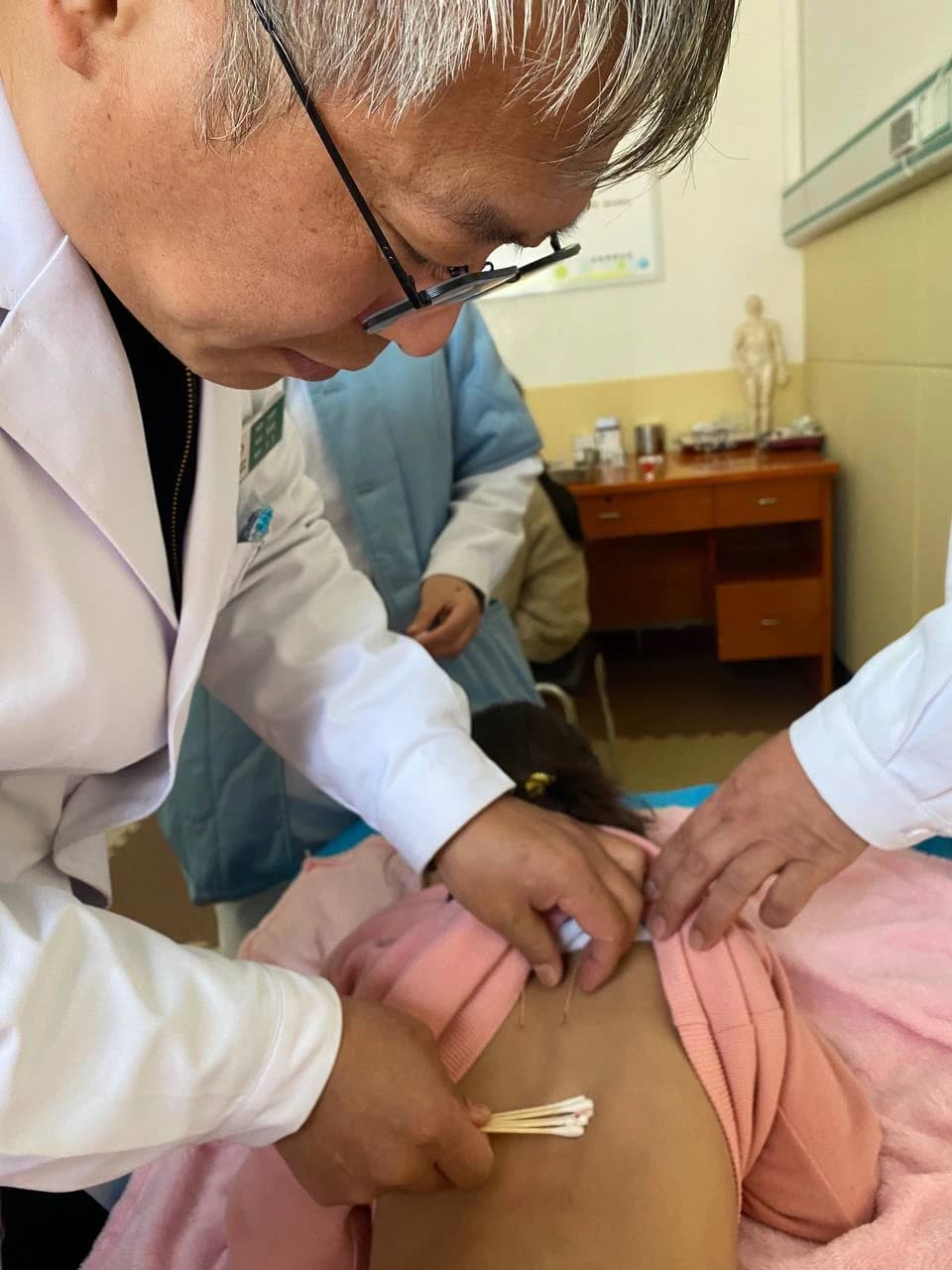
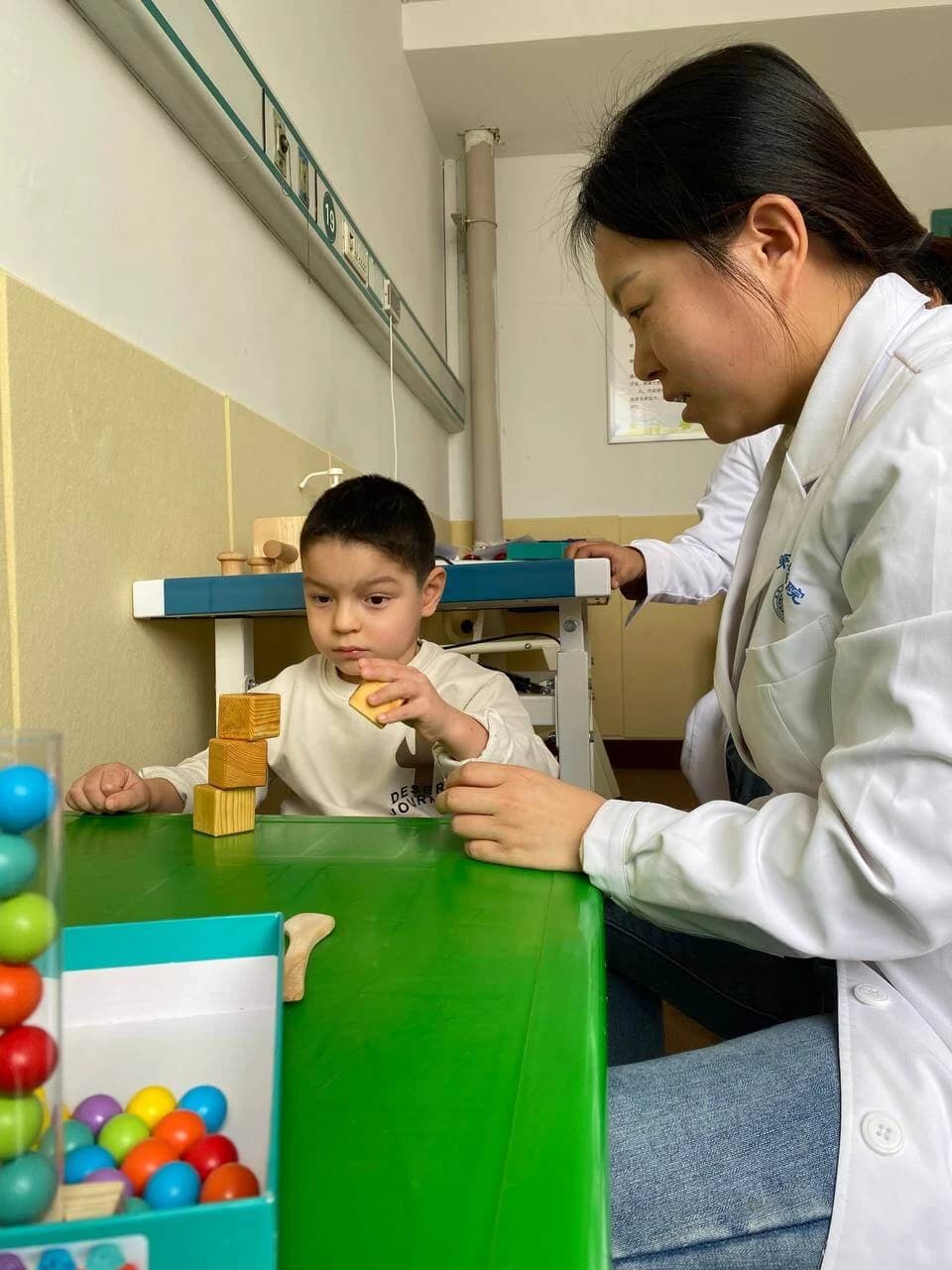
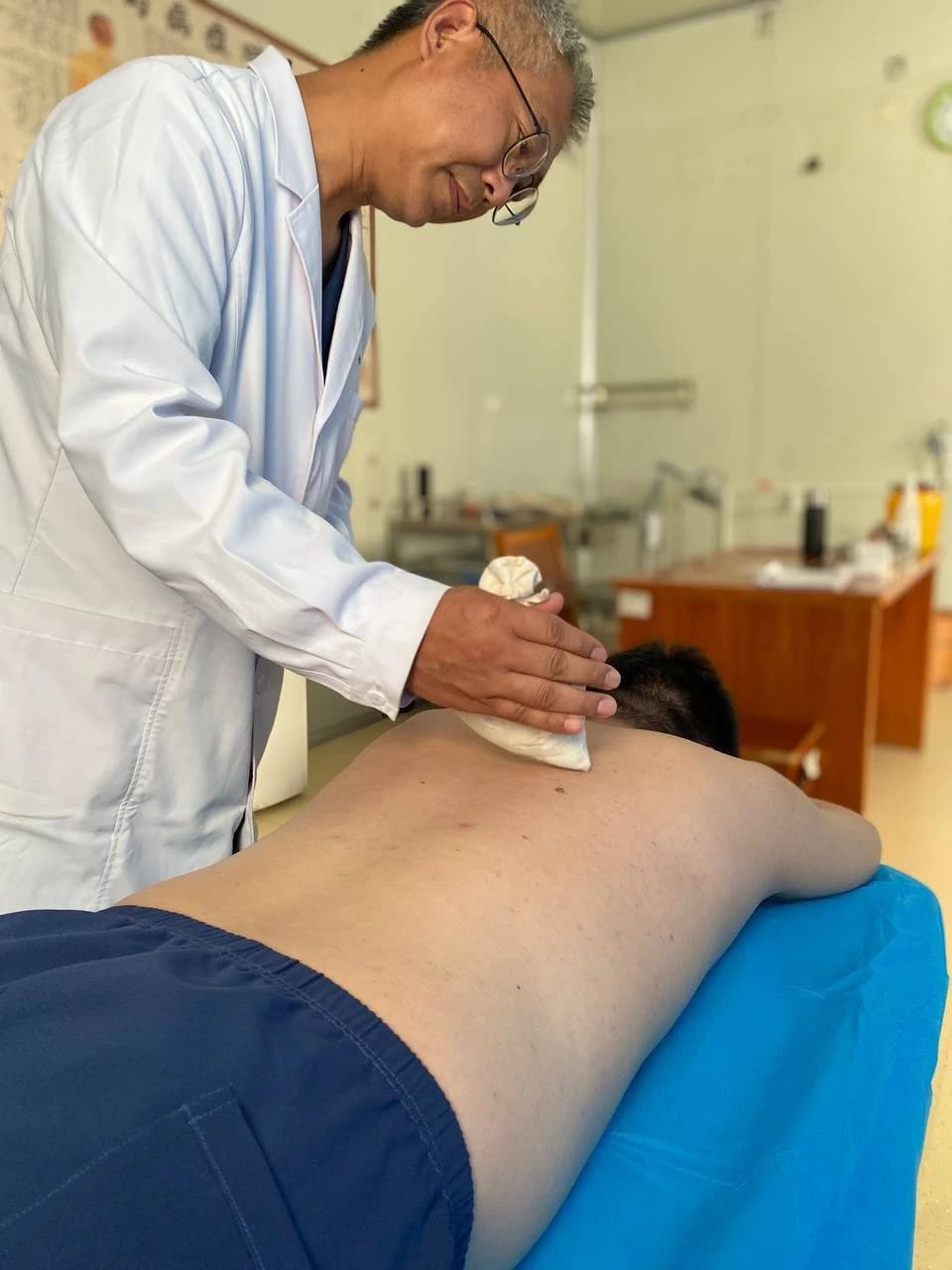
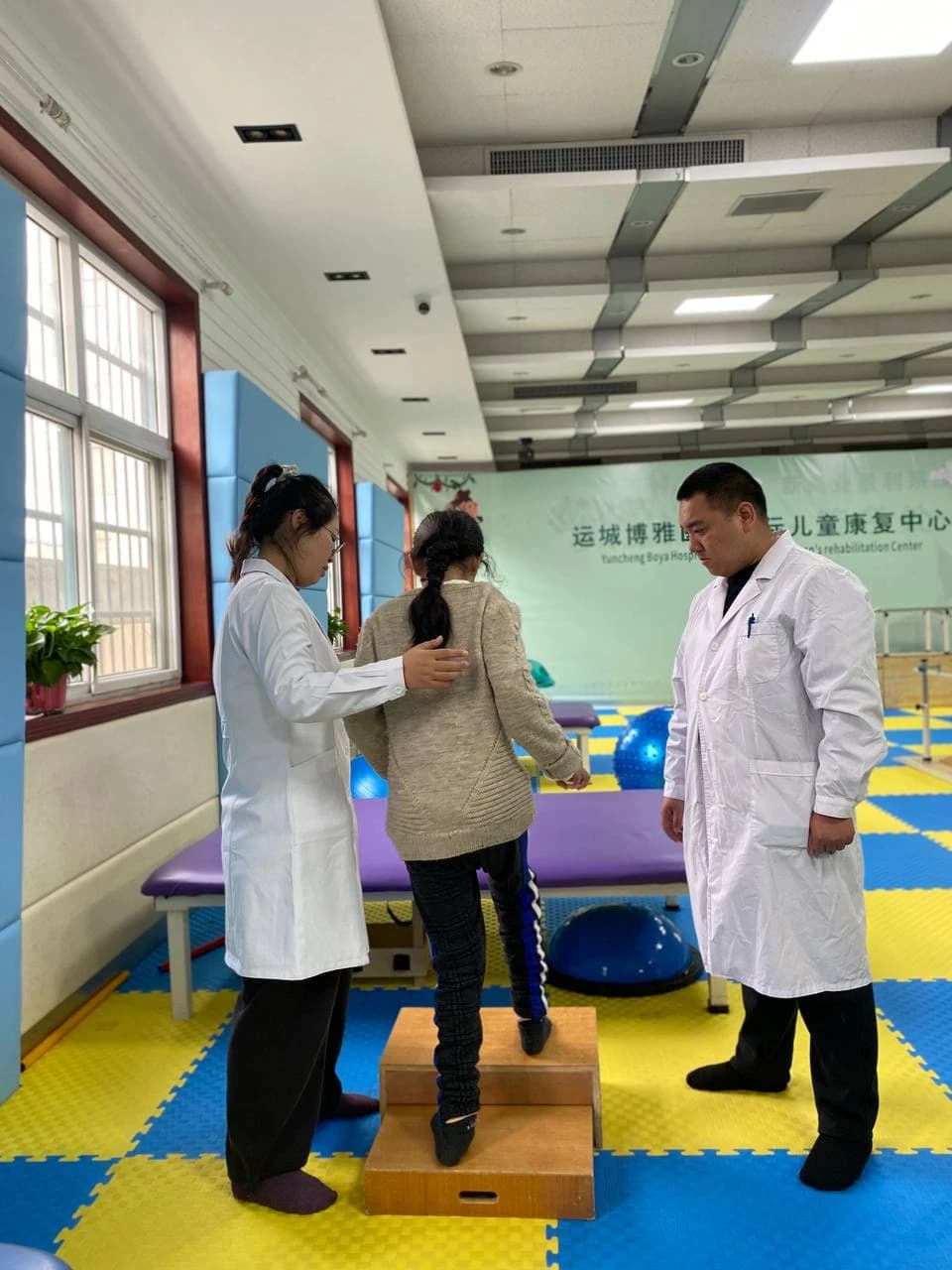
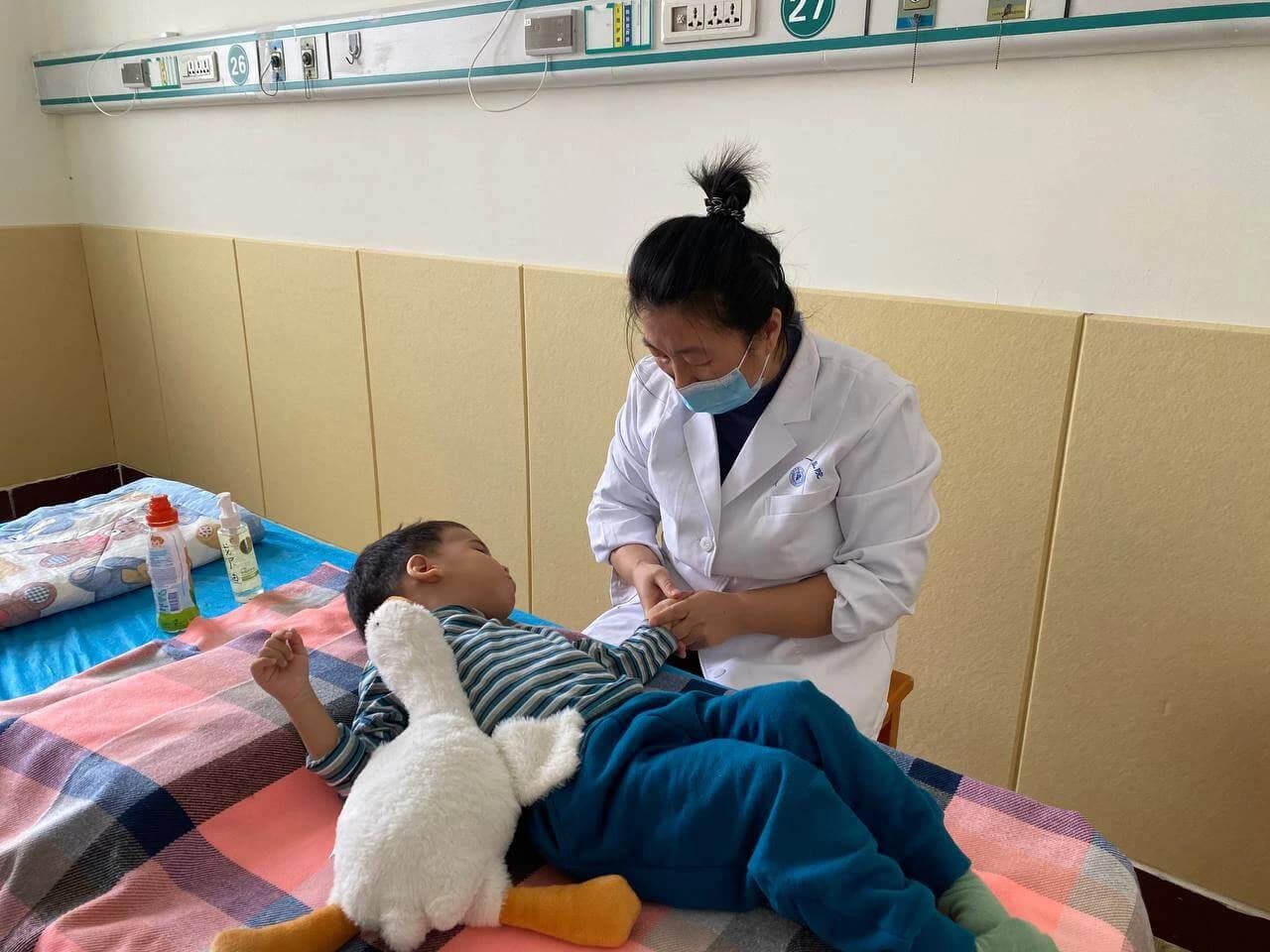
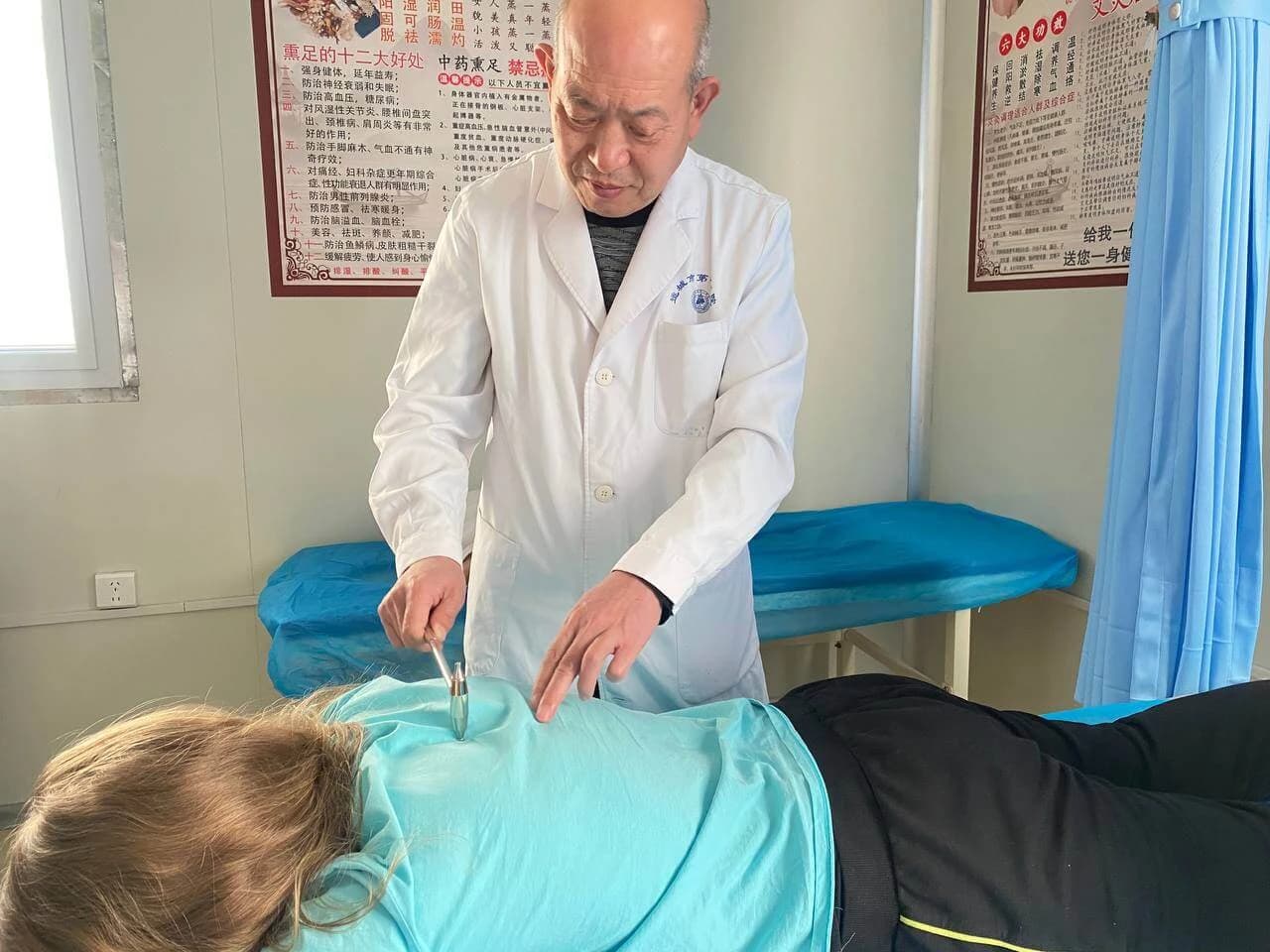
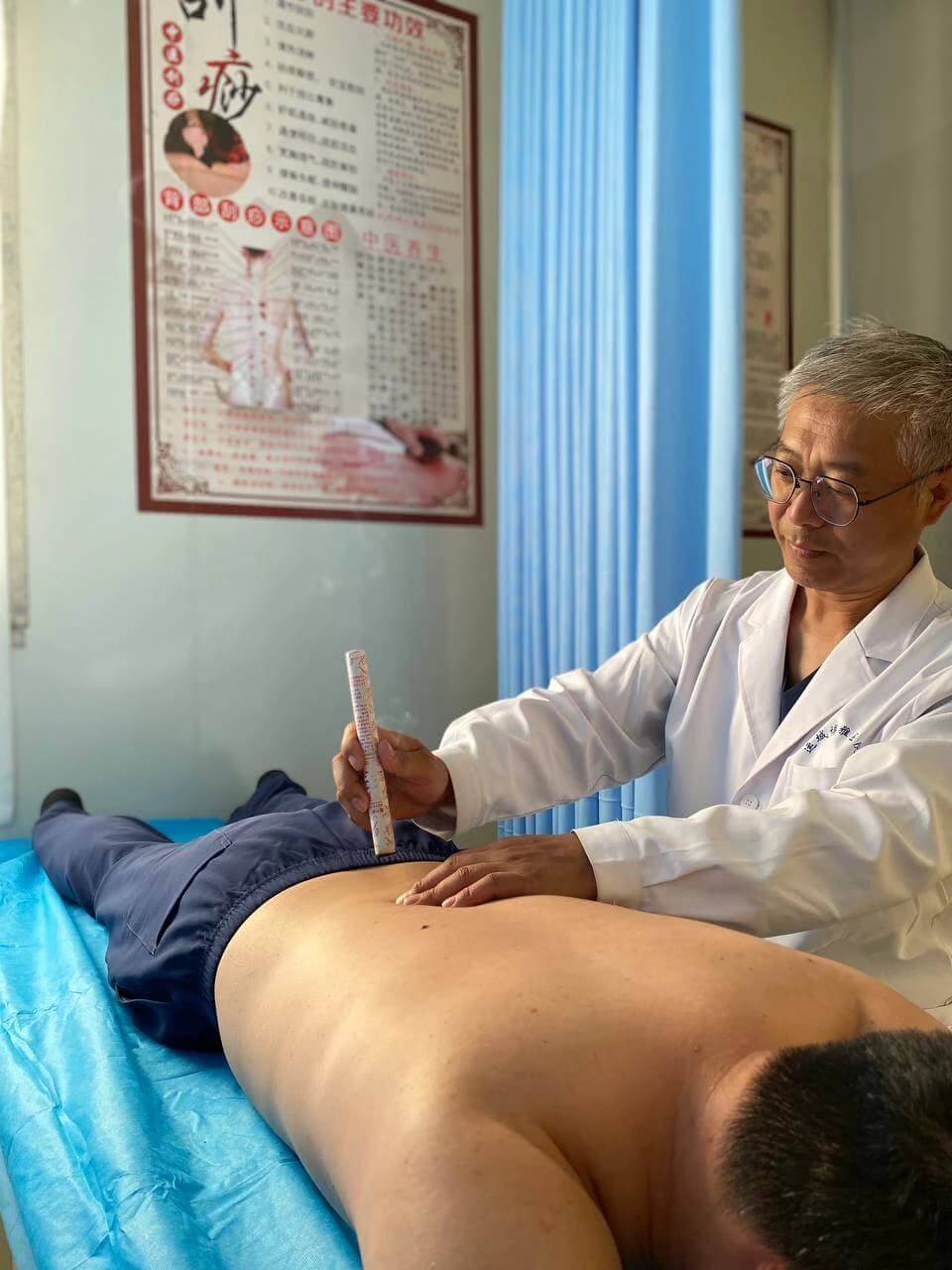
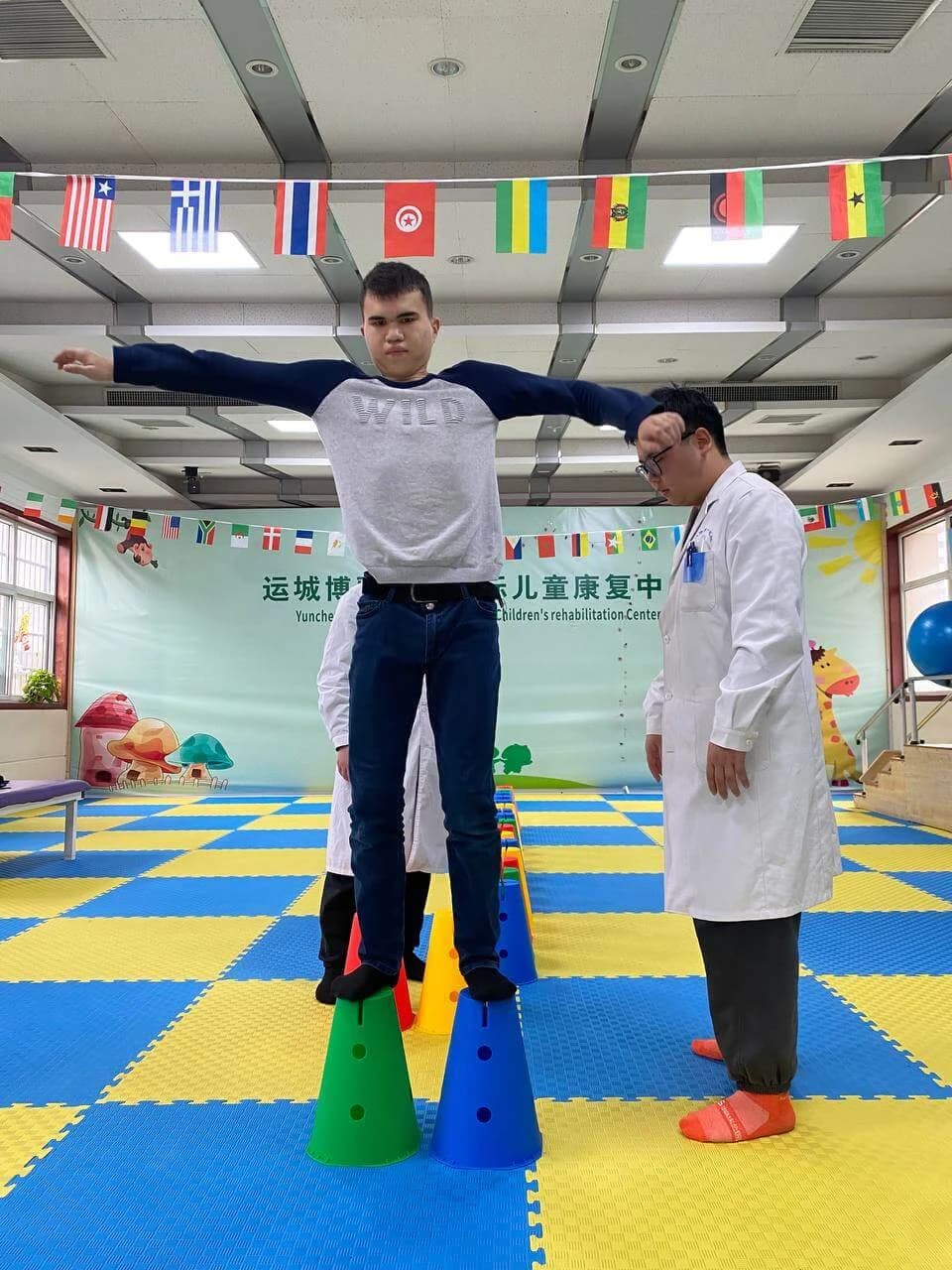
Boya Hospital (Yuncheng, Shanxi Province) addresses this within pediatric neurological rehabilitation — through the causes, not through discipline. A course includes sensory integration (reducing overload from sound, touch, and movement), exercise therapy and occupational therapy that give the body a clear, understandable load, plus Chinese medicine procedures: pediatric Tui Na massage, acupuncture, meridian stimulation, moxibustion therapy, and herbal compresses that release muscular and emotional tension. The rhythm of a course is 6–9 sessions a day, 6 days a week; the program is selected by the doctor individually.
Why the body affects emotions
A child's emotional regulation rests on a physical foundation: on sleep, on how well the body understands its position in space, on the level of muscle tension. A child who spends all day fighting noise, light, and uncomfortable clothing spends every resource on that — and by the evening request to put the toys away there is nothing left. That is why the program contains so much body work: movement, sensory downtime, warm relaxing procedures before rest. In parallel, the child gets what they lack most — a predictable day in which it is clear what comes next.
What matters for parents
The honest goal of a course is not an obedient child but fewer meltdowns and a faster recovery from them. Suppressing outbursts by force usually backfires: anxiety grows, and with it the frequency of meltdowns. So specialists work with the load and the environment, and show parents techniques that help at home. To see a stable trend rather than a one-off response, a 2–3 month course is recommended. Getting started is simple: send your child's documents — the document-based consultation is free and there is no prepayment.
Causes
Emotional instability in children most often follows from overload and the inability to put into words what is wrong. A young child's nervous system is still learning to brake strong reactions; add sensory overload, lack of sleep, pain, or fatigue, and the threshold for a meltdown drops almost to zero.
Symptoms
Rapid swings from laughter to tears, outbursts in response to trivial things, screaming, dropping to the floor, sometimes attempts to hit themselves or others. The key feature is that the child finds it hard to come out of this state on their own: reasoning does not calm them, they need time and help.
Diagnostics
The key is not tests but observation and analysis of situations: at what time of day, after what, and in what setting the outbursts happen, and how they end. Keeping a short diary helps. Physical causes are checked separately — sleep, pain, discomfort, sensitivity to sound and touch.
Prognosis and rehabilitation approach
Emotional stability grows along with two things: lower background overload and the appearance of other ways for the child to communicate a need. Both are part of a course — through sensory integration, movement, daily routine, and body-based procedures. The changes accumulate gradually, which is why a longer course is recommended.
How rehabilitation works
Diagnostics
Comprehensive examination and patient assessment by an international team of specialists
Rehabilitation plan
Development of an individual rehabilitation program considering diagnosis specifics
Therapy
Intensive course of procedures: physical therapy, massage, physiotherapy, acupuncture and other methods
Results
Progress evaluation, home recommendations and maintenance therapy plan
Rehabilitation procedures: Emotional Instability
Frequently asked questions: Emotional Instability
Book a free consultation
Send us the medical records and a short video — Boya doctors will review the materials and tell you how they can help. A coordinator will get back to you within 5 minutes.