
Rehabilitation for Hearing at Boya Clinic
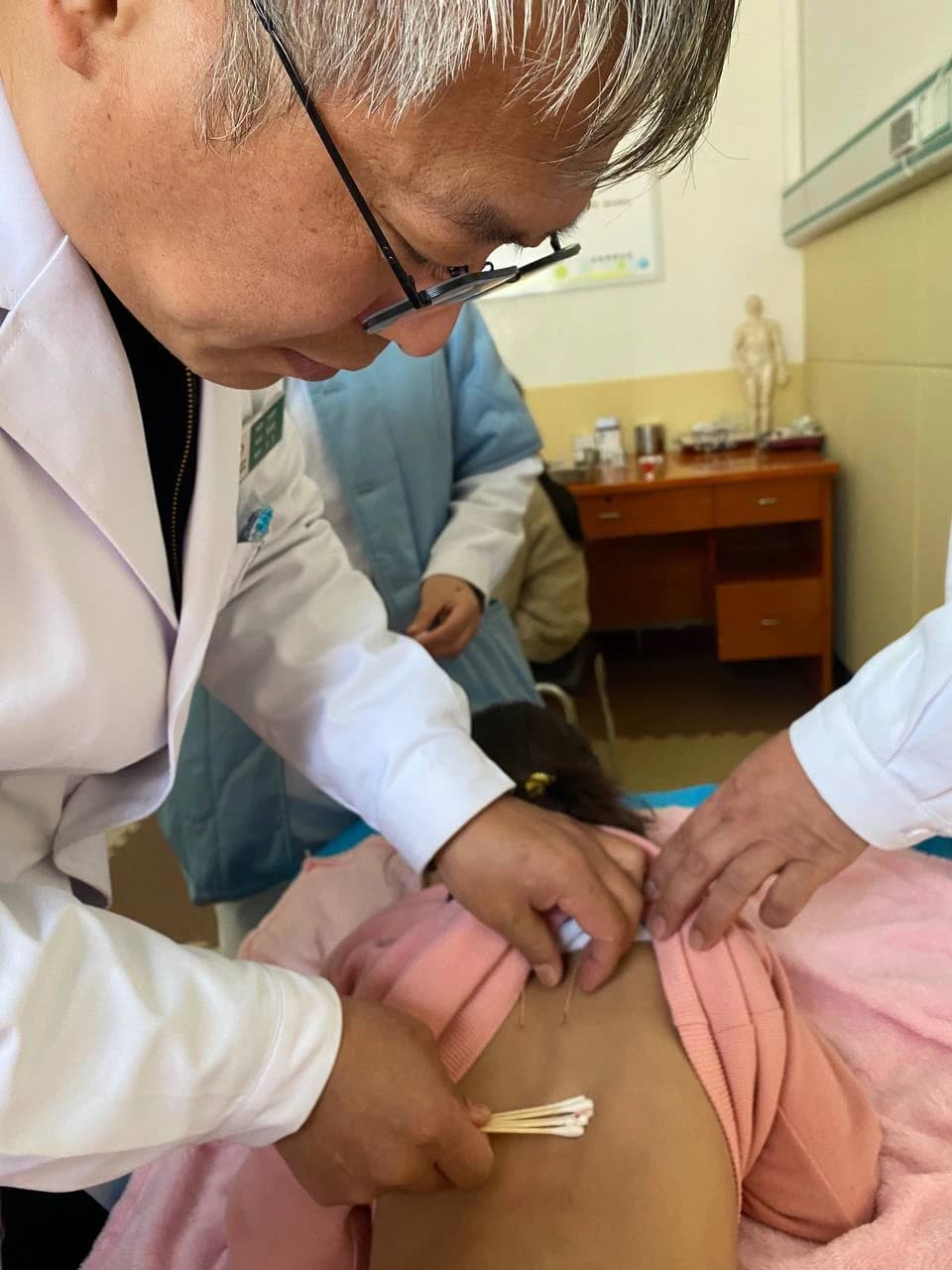
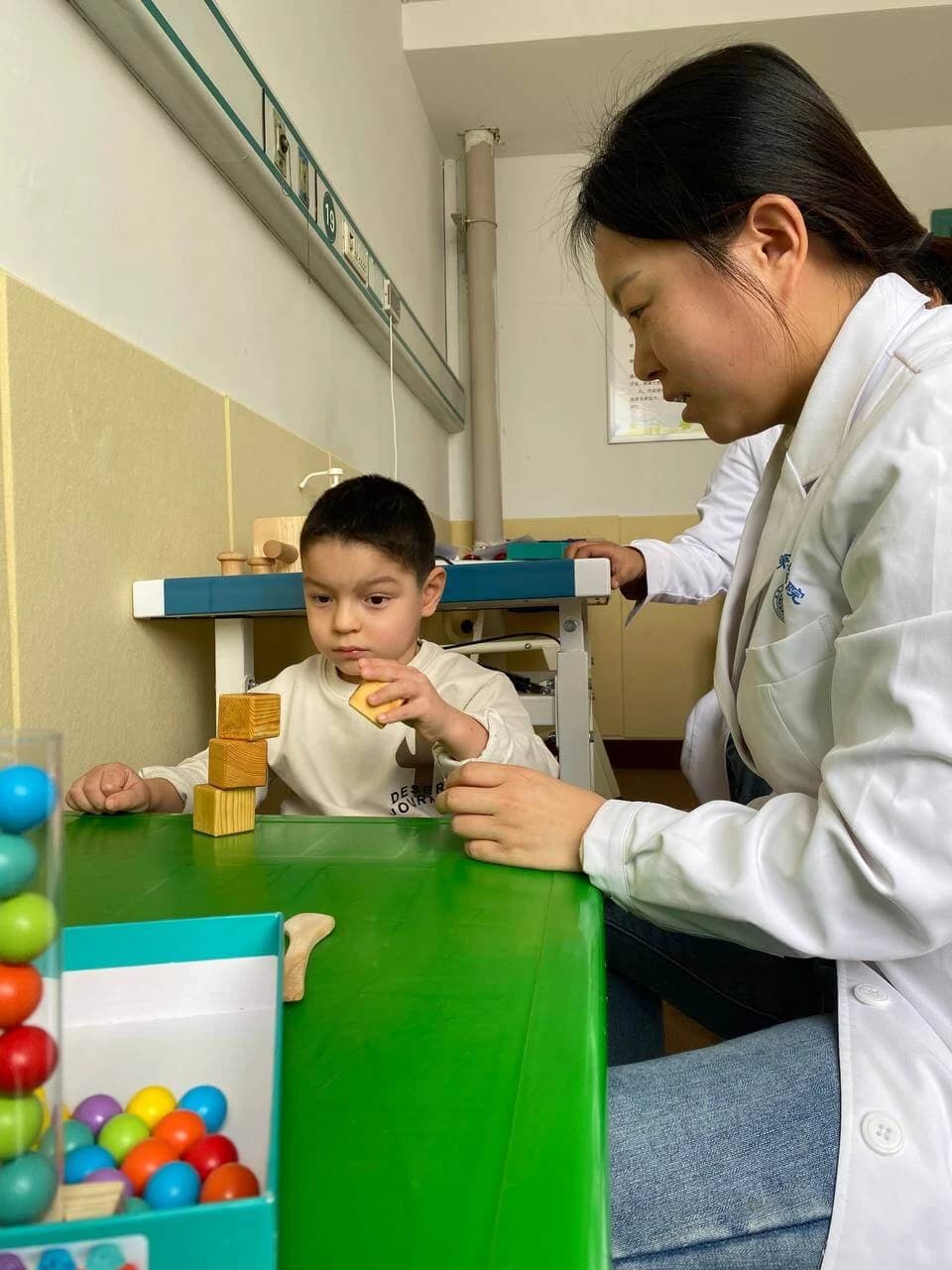
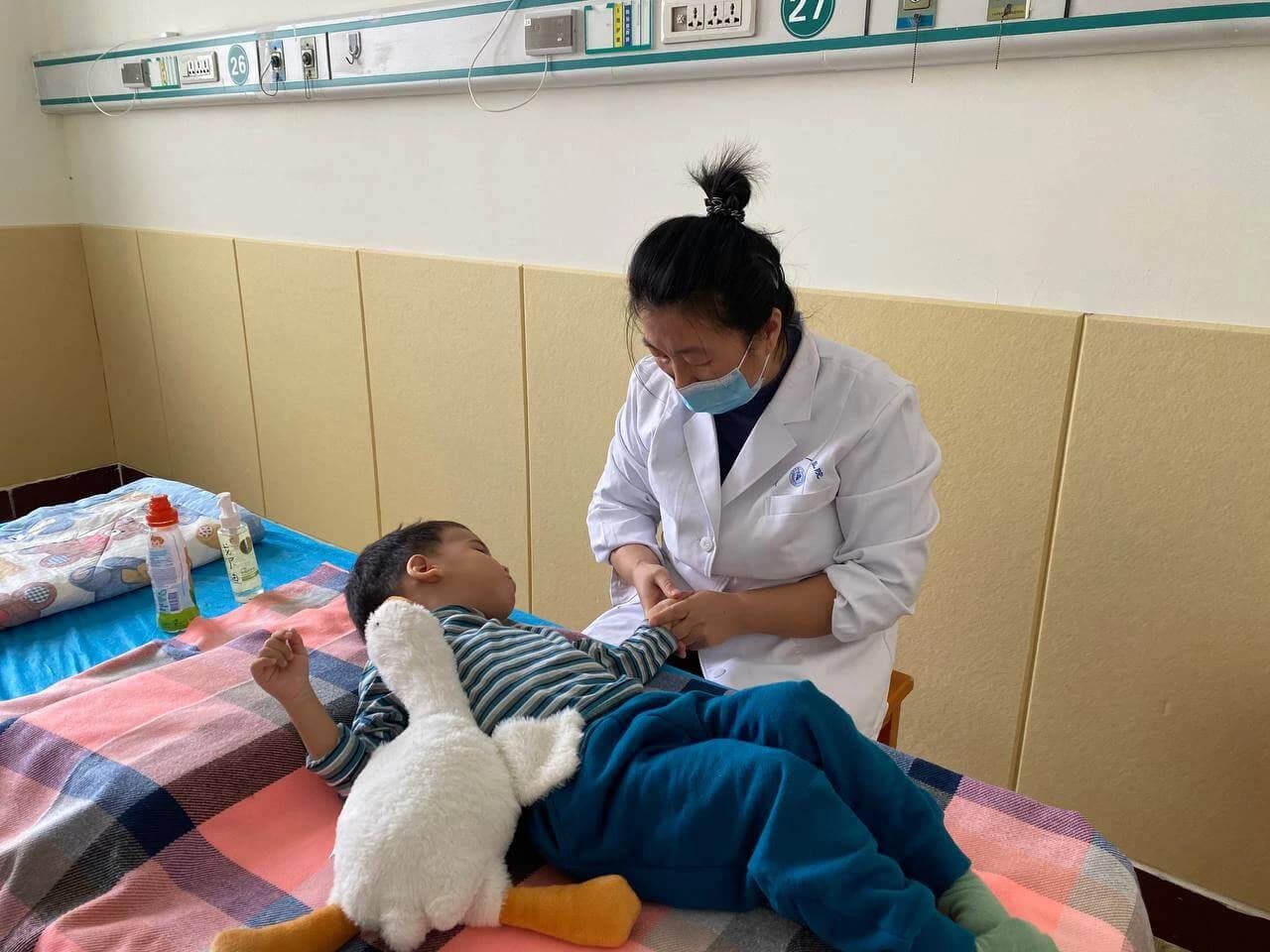
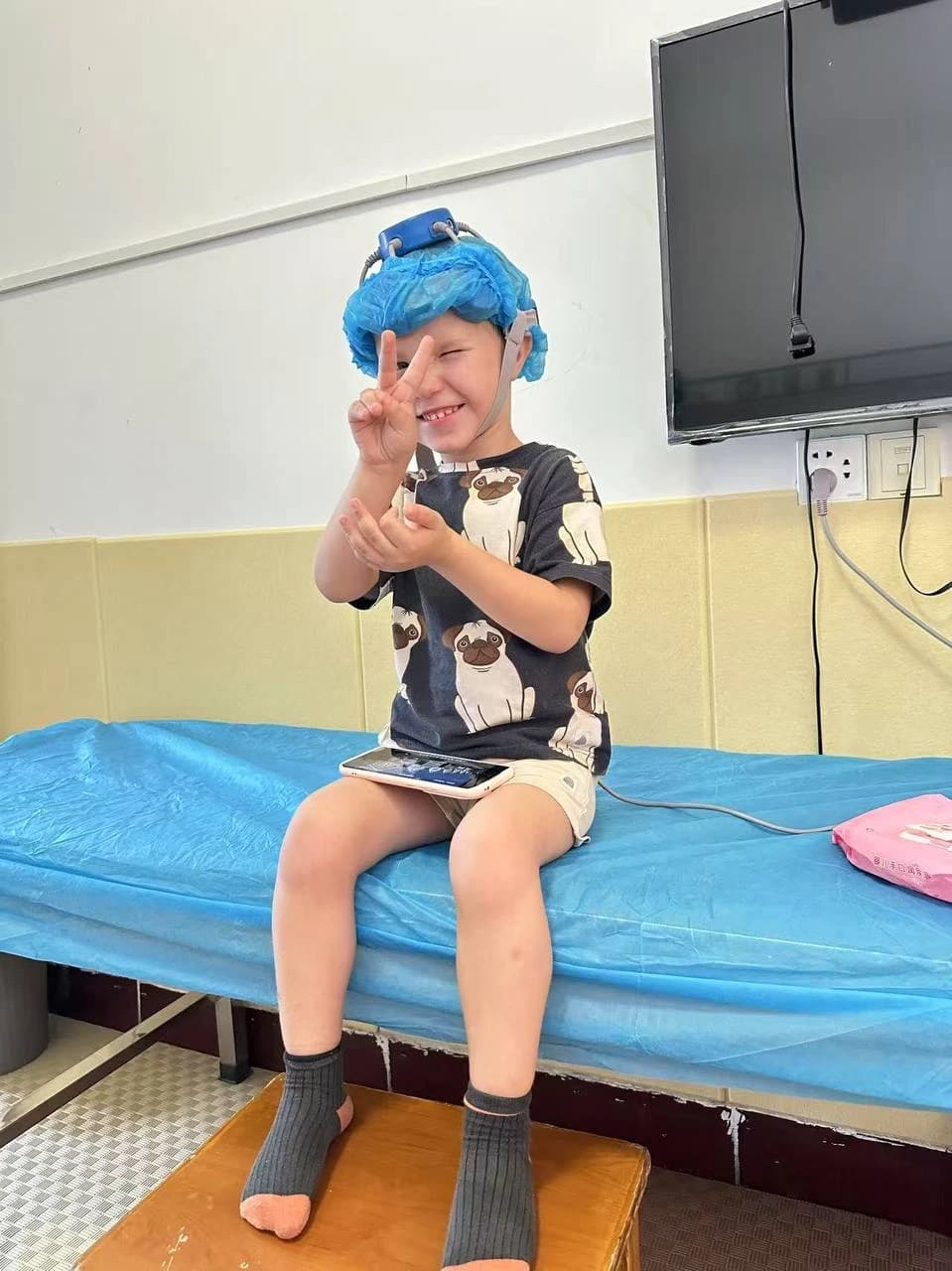
Boya Hospital in Yuncheng admits children who react painfully to sound: covering their ears, fearing household appliances, unable to stay in noisy rooms. The work goes through sensory integration sessions, speech therapy, and Traditional Chinese Medicine — Tui Na massage and acupuncture. There are 6–9 sessions a day, 6 days a week; the recommended course is 2–3 months, with payment on site.
What is Auditory Hypersensitivity?
Auditory hypersensitivity is a condition in which ordinary sounds are experienced as excessively loud, frightening, or even painful. From the outside it looks familiar: the child covers their ears, flinches at a slamming door, cries at the sound of a vacuum cleaner or hairdryer, refuses to enter a shopping center. Another difficulty often comes with it — the child cannot tune out background noise: in a noisy room they barely catch what is being said to them and therefore seem inattentive or hard of hearing. Hearing itself is usually normal — what works differently is how the nervous system processes sound.
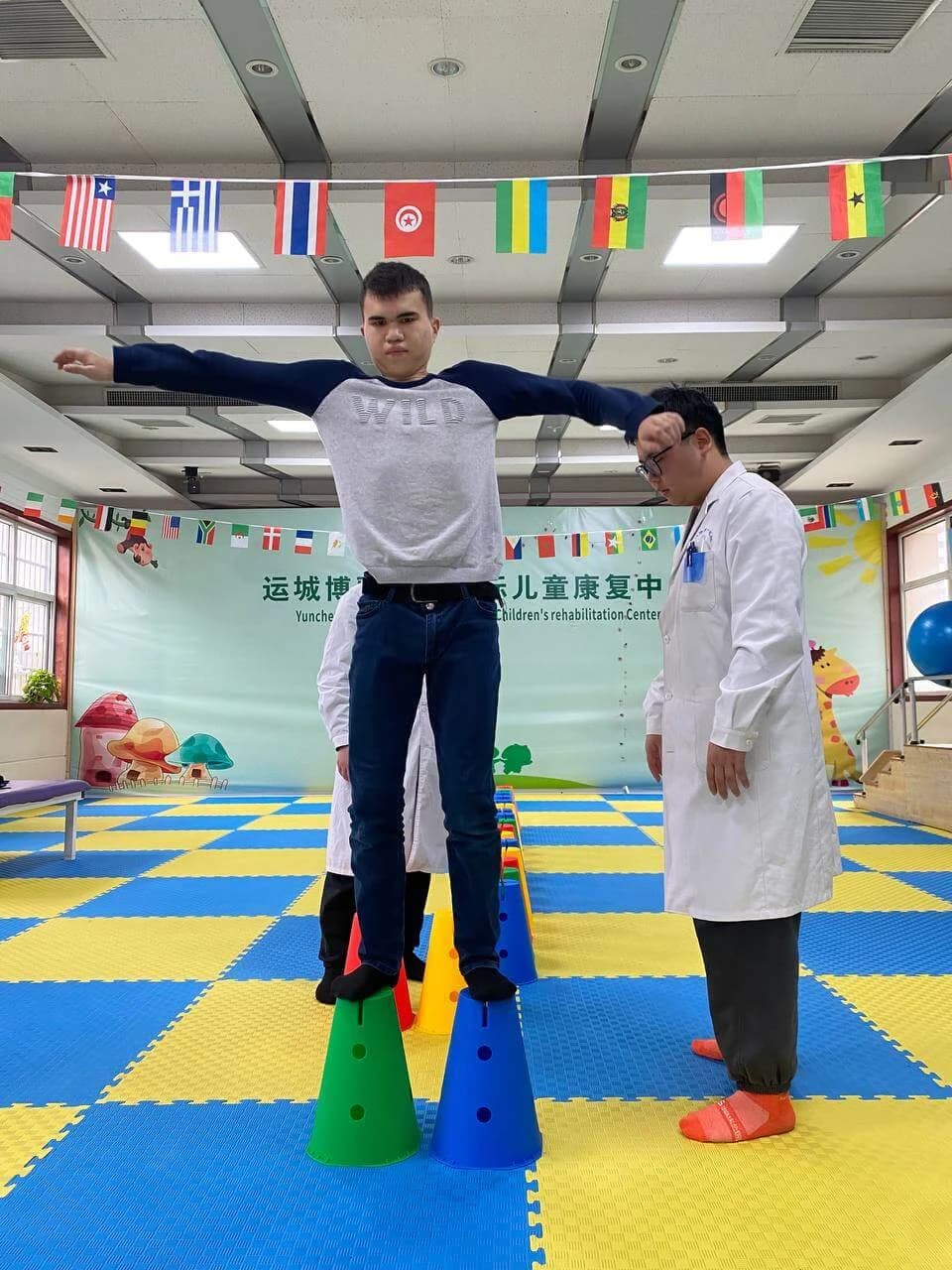
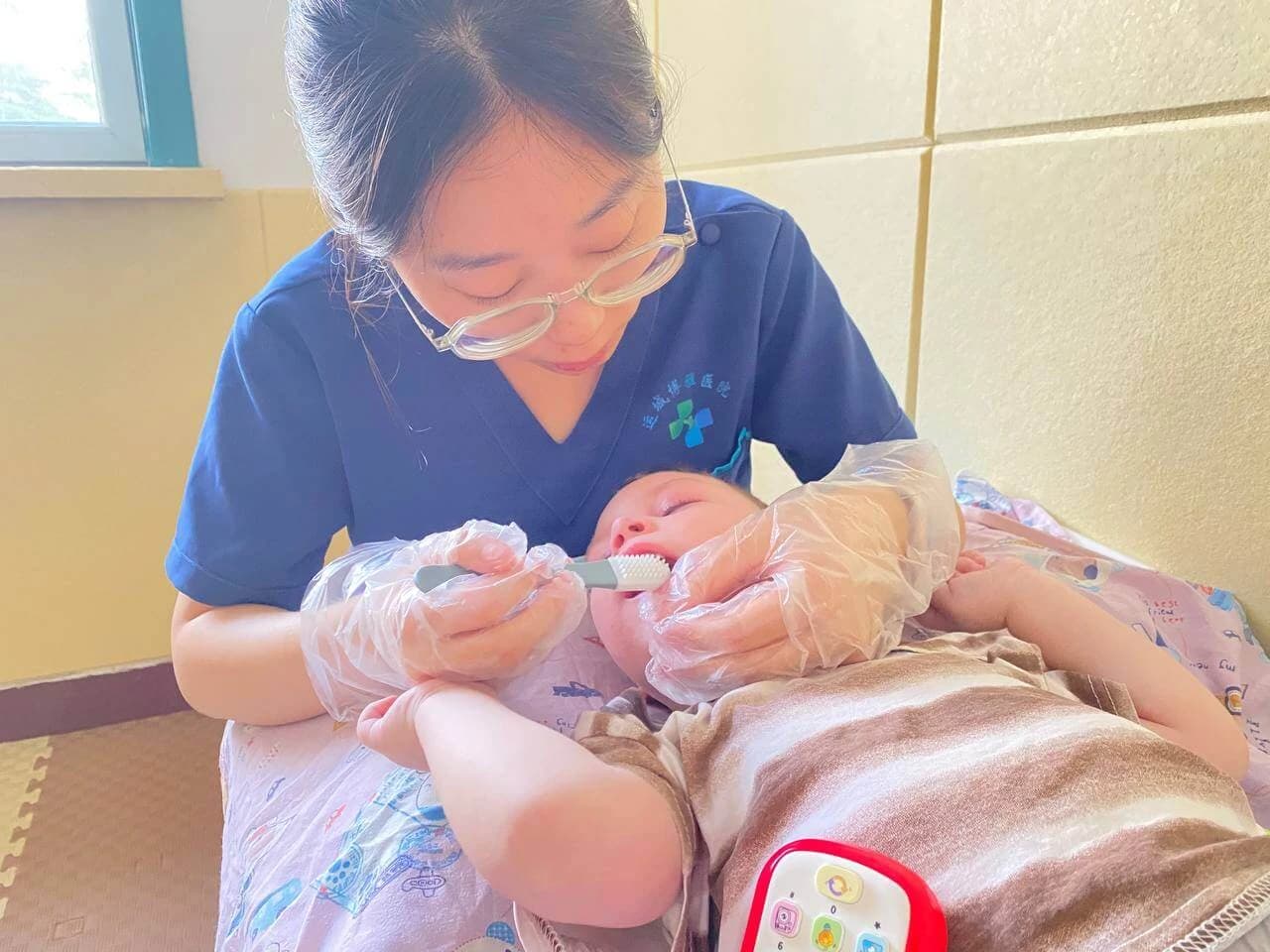
At Boya Hospital (Yuncheng, Shanxi Province) this is addressed within pediatric neurological rehabilitation, as part of the child's overall sensory picture rather than in isolation. The core is sensory integration: calm, predictable loads under which tolerance of sound widens gradually and without force. Speech therapy sessions train auditory attention and comprehension of speech, occupational therapy helps with everyday situations, and from Traditional Chinese Medicine the program adds Tui Na massage and acupuncture, which help the child hold less tension through the day. The overall routine is 6–9 sessions a day, 6 days a week.
Why sound becomes unbearable
A well-regulated nervous system knows how to mute the unimportant: we do not notice the hum of a fridge or the conversation at the next table. When sensory processing is disrupted, that filter works weakly — every sound arrives at once and the brain cannot pick out what matters. Hence the defense: cover the ears, run, scream. This is not a whim and not disobedience — it is the child trying to reduce the load. Hence, too, the rule of the program: volume and duration are increased in small steps rather than by "getting used to it" through force. Abrupt immersion in noise usually only reinforces the fear.
What matters for parents
Auditory hypersensitivity rarely exists on its own, so the results are usually broader too: calmer behavior, less exhaustion by the evening, better comprehension of speech, easier time among other children. At home, predictability helps — warn about loud appliances, allow the child to leave a noisy place, do not make them "endure" it. Specific recommendations are given by the specialists for your child. The recommended course is 2–3 months; to find out whether the program fits, send the documents: the consultation based on them is free, there is no prepayment, and you pay on site only for the procedures actually received.
Causes
Most often this is one manifestation of sensory processing difficulties: hearing itself is fine, but the nervous system cannot dampen background sound or separate what matters from what does not. It occurs with ASD, after perinatal damage to the nervous system, and alongside heightened anxiety. Sometimes it is a standalone trait of the child.
Symptoms
The child covers their ears, flinches, cries, or runs away at a sudden sound; fears the vacuum cleaner, hairdryer, hand dryer, and loud music. Avoids shopping centers, children's parties, and noisy classrooms. In noise, speech directed at them is poorly understood, and fatigue and irritability set in quickly.
Diagnostics
First, ear-related problems are ruled out: an ENT examination and audiometry. Then the sensory profile is assessed — which sounds exactly, in what setting, and for how long the child reacts to. It is important to distinguish hypersensitivity from hearing loss: they can look alike from the outside, yet the work is built differently.
Prognosis and rehabilitation approach
Sound tolerance widens gradually — through a predictable environment, measured exposure, and general work on sensory processing. Behavior usually calms down along with it: the child tires less, understands speech better, and stays more willingly in a group of children.
How rehabilitation works
Diagnostics
Comprehensive examination and patient assessment by an international team of specialists
Rehabilitation plan
Development of an individual rehabilitation program considering diagnosis specifics
Therapy
Intensive course of procedures: physical therapy, massage, physiotherapy, acupuncture and other methods
Results
Progress evaluation, home recommendations and maintenance therapy plan
Rehabilitation procedures: Auditory Hypersensitivity

Frequently asked questions: Auditory Hypersensitivity
Book a free consultation
Send us the medical records and a short video — Boya doctors will review the materials and tell you how they can help. A coordinator will get back to you within 5 minutes.